
A Story By Benjamin Groff© Groff Media 2024© Truth Endures
Fear of Your Parents’ Old Age
As my mother turned 94 in August 2024, my sister and I took turns caring for her and took time out to celebrate her milestone. I also cared for my mother-in-law until her death in her last years of life in our home and have experienced caring for a parent in their senior and final years. I came across an article that discussed the fears of some individuals in dealing with aging parents. I prepared remarks from it as memory serves and through internet searches on topics debating the subject.

“There is a break in the family history, where the ages accumulate and overlap, and the natural order makes no sense: it’s when the child becomes the parent of their parent.”
It’s when the father grows older and begins to move as if he were walking through fog. Slowly, slowly, imprecisely. It’s when one of the parents who once held your hand firmly when you were little no longer wants to be alone.
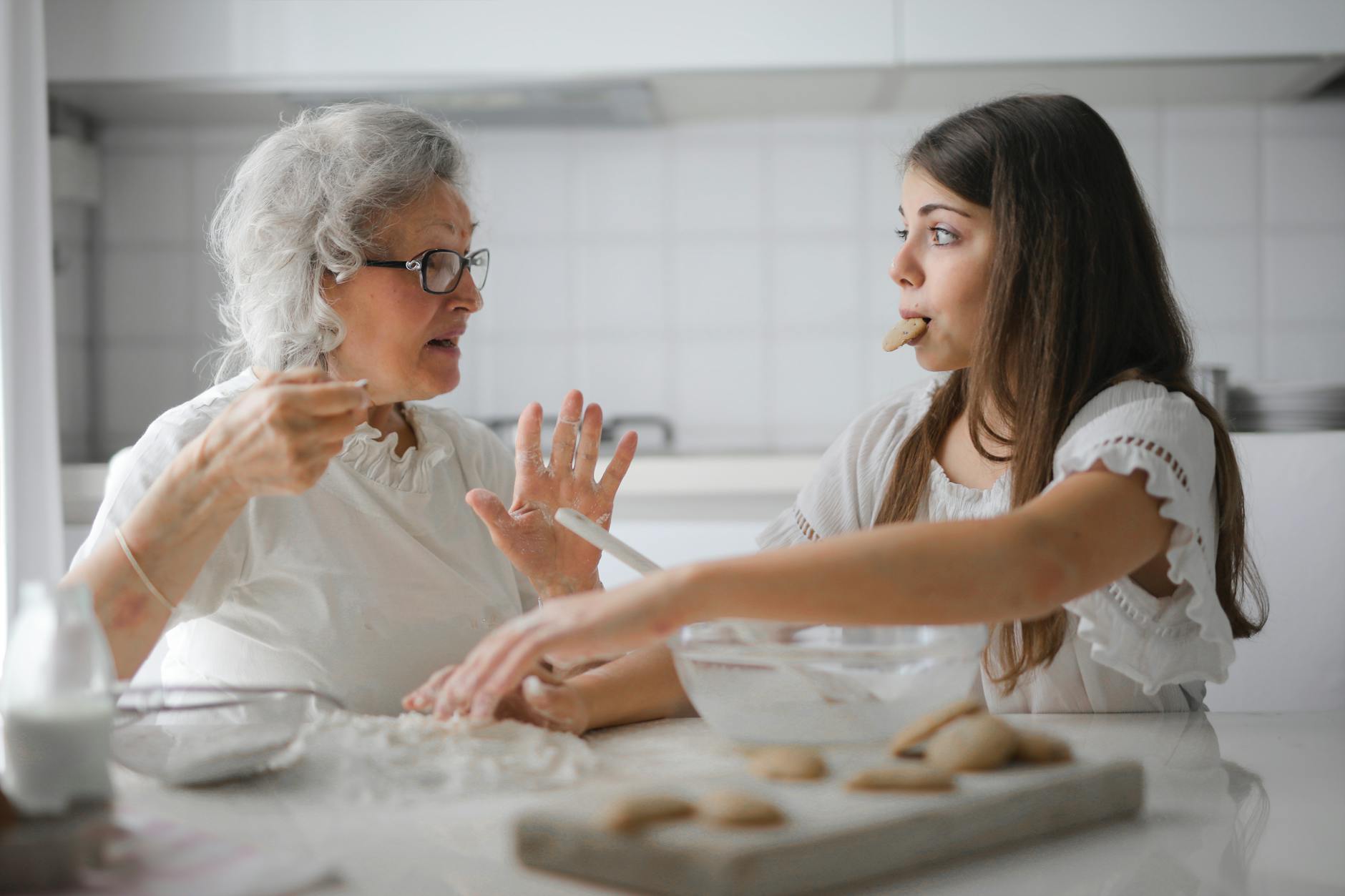
I remember when my mother asked me to help her down the stairs. It was a subtle, almost casual request, but its weight sank deep into my chest. She had always been so independent and capable. And yet, there she was, reaching out to me for balance, her hand trembling slightly in mine. It felt like the beginning of a new chapter that neither of us was ready for.
It’s when the father, once strong and unbeatable, weakens and takes two breaths before rising from his seat. My friend Lucy spoke of her father, a man who had always been larger than life, now struggling to remember where he left his glasses. “He used to be so sharp,” she said, her voice thick with the unspoken grief of seeing the man who once seemed invincible begin to fade.
“Now, it’s like watching a candle burn down.”

It’s when the father, who once commanded and ordered, now only sighs, groans, and searches for the door and window—every hallway now feels distant. And we, as their children, will do nothing but accept that we are responsible for that life.
The life that gave birth to us depends on our life to die in peace. Every child is the parent of their parent’s death.
Perhaps a father or mother’s old age is, curiously, the final pregnancy—our last lesson—an opportunity to return the care and love they gave us for decades. This sense of duty, though heavy, is a testament to the respect and acknowledgment we have for our parents.
And just as we adapted our homes to care for our babies, blocking power outlets and setting up playpens, we will now rearrange the furniture for our parents.
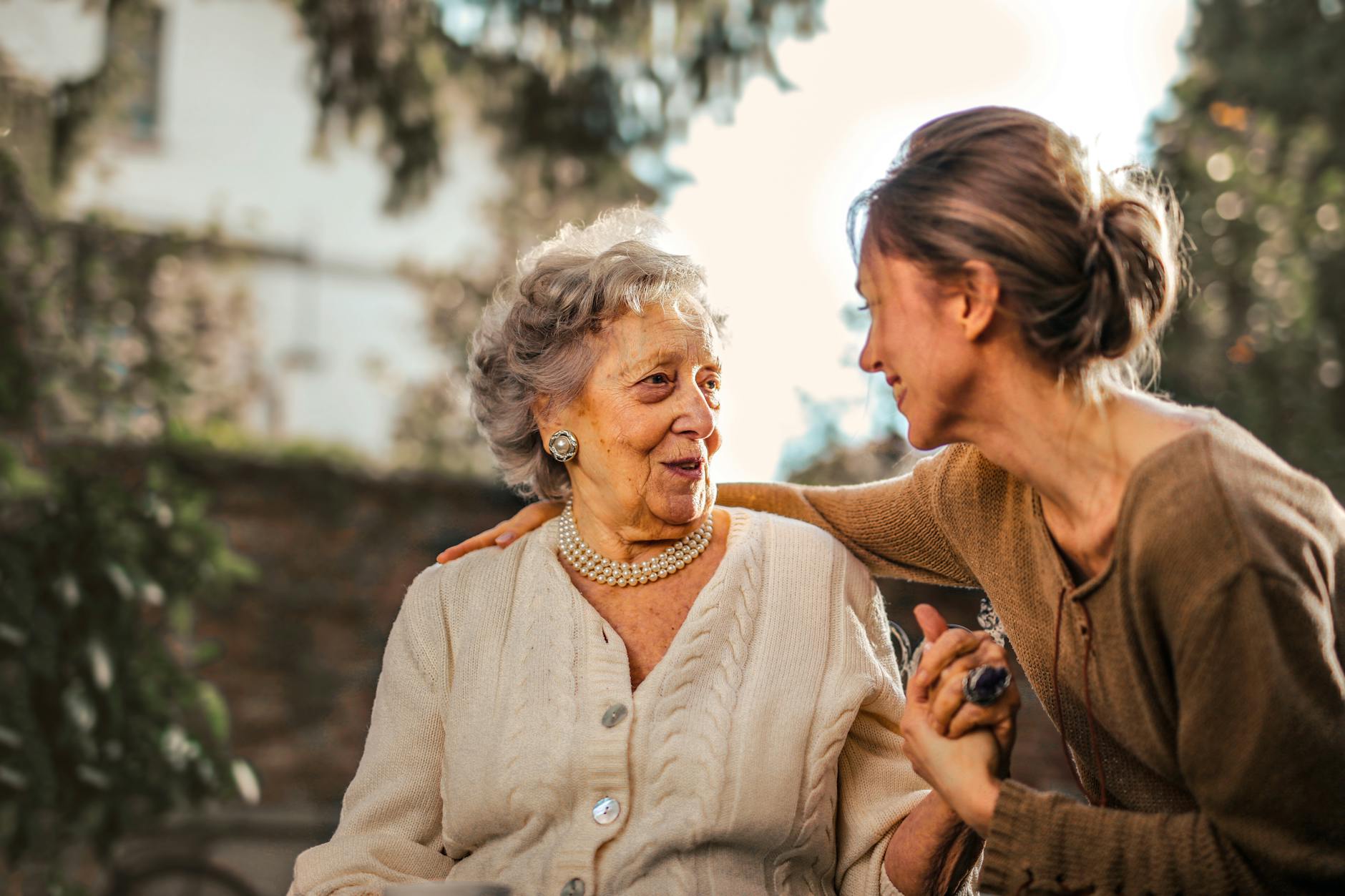
The first transformation happens in the bathroom. We will be the parents of our parents, the ones who now install a grab bar in the shower. The grab bar is emblematic and symbolic.
It inaugurates the “unsteadiness of the waters.” Because the shower, simple and refreshing, now becomes a storm for the old feet of our protectors. We cannot leave them for even a moment.
I once spoke to Sarah, who had installed those grab bars in her mother’s bathroom.
“She used to laugh at the idea of needing help,”
Sarah said, a faint smile on her lips.
“Now, she clings to that bar like a lifeline. And I stand outside the door, listening, ready to rush in if she calls. I never thought I’d have to do that for her.”
The tension in Sarah’s voice was palpable—the love and the frustration, the fear of what was coming, and the bittersweet comfort of being there for her mother.

The home of someone who cares for their parents will have grab bars along the walls. And our arms will extend in the form of railings. Aging is walking while holding onto objects; aging is even climbing stairs without steps. We will be strangers in our own homes. We will observe every detail with fear, unfamiliarity, doubt, and concern.
We will be architects, designers, frustrated engineers.
How did we not foresee that our parents would get sick and need us? We will regret the sofas, the statues, the spiral staircase, all the obstacles, and the carpet.
But amid this frustration, there are moments of unexpected connection.
One evening, while helping my father navigate his way to bed, he looked at me with a softness I hadn’t seen before.
“I’m glad it’s you,” he whispered. You were always the one I could count on.”
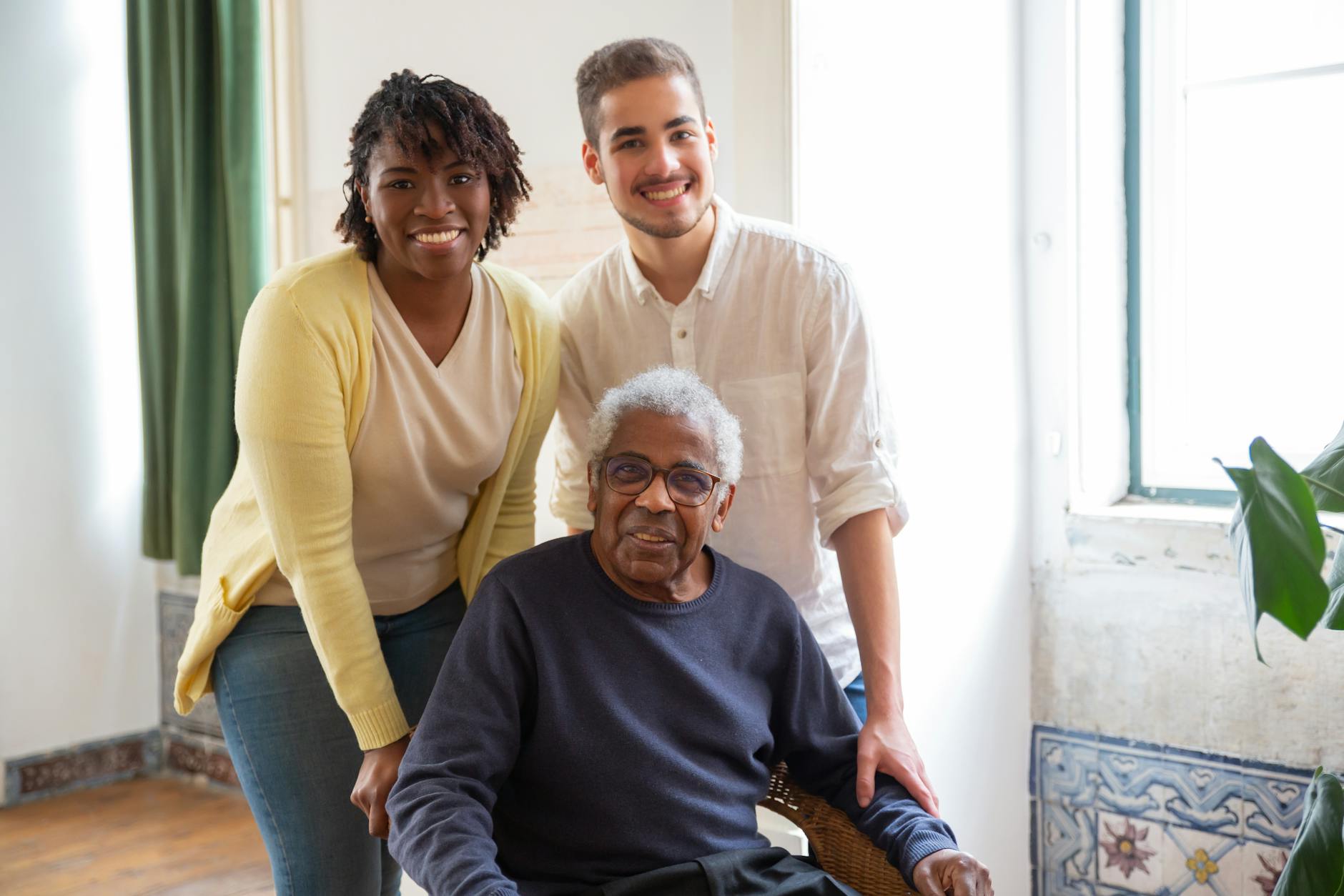
At that moment, the roles reversed entirely—no longer just my father, he was now also my child, someone who needed and trusted me. The sweetness of that connection, of being needed in that way, mingled with the deep sadness of seeing him so diminished.
These moments of connection, however brief, are a source of hope and upliftment amid the challenges of caring for aging parents.
Happy is the child who becomes the parent of their parent before their death, and unfortunate is the child who only appears at the funeral and doesn’t say goodbye a little each day. Being present for our parents in their final years is a duty and a privilege. It’s a chance to repay the love and care they’ve given us and to create lasting memories.

My friend Joseph Klein accompanied his father until his final moments. In the hospital, the nurse was maneuvering to move him from the bed to the stretcher and trying to change the sheets when Joe shouted from his seat:
“Let me help you.”
He gathered his strength and, for the first time, took his father into his arms, placing his father’s face against his chest.
He cradled his father, consumed by cancer: small, wrinkled, fragile, trembling. He held him for a long time, the time equivalent to his childhood, the time comparable to his adolescence, a long time, an endless time.
By Your Side, Nothing Hurts. He was rocking his father back and forth and caressing his father. Calming his father. And he said softly:
“I’m here, I’m here, Dad!”
At the end of his life, a father wants to hear that his child is there.
There is an inevitable grief in watching our parents age, but also a strange sense of fulfillment in being there for them as they were for us. It is a role we never asked for, yet one we take on with reluctance and a fierce sense of duty. Despite the challenges, there is a deep sense of satisfaction in knowing that we are doing everything possible to make our parents’ final years comfortable and dignified.
The road is difficult, filled with moments of frustration and exhaustion, but also with love and tenderness—those fleeting instances when the gap between child and parent narrows, and we are simply there for each other, as we always have been.
Some parts of this story have been adapted from an original tale of unknown origin.
 benandsteve.com