
Groff Media 2024© Truth Endures IMDbPro
Presented by benandsteve.com By: Benjamin Groff II©
In a gleaming, state-of-the-art facility, I yearned for the old station. The building at 303 West Fifth Street had something the new place lacked—character. It bore the marks of its long history, each crack and stain a testament to its battles and stories. By contrast, the new facility felt overly polished, almost ostentatious. Yet, I couldn’t deny its benefits. It offered the community better services and restored a sense of dignity lost after years of wear, neglect, and the relentless battering of Oklahoma’s weather.

The new station brought more than aesthetics; it symbolized the department’s renewed professionalism. After years of enduring lousy press and negative public perception, the facility served as a much-needed fresh start. The change was palpable. Officers began taking pride in their appearance—shining their brass, maintaining their units meticulously, and improving their health. Fast food runs gave way to salads and healthier choices. Quarterly fitness tests became mandatory, along with regular firearm qualifications.
Meanwhile, I was immersed in building the station’s new crime information center, logging details that painted a clearer picture of the city’s criminal landscape. Patterns emerged from seemingly unrelated incidents. Though not enough to secure warrants, the connections hinted at the methods and motives behind a string of burglaries. It was like assembling a jigsaw puzzle, piece by piece.
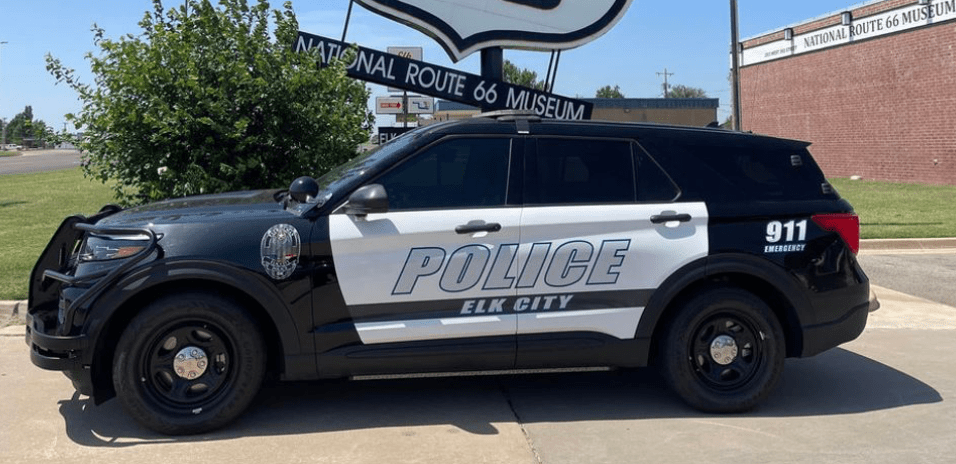
My role included ride-a-longs with patrol officers to understand their work firsthand. Having served both in dispatch and on patrol in previous departments, I could see both sides. During these rides, I shared my theories about the crimes, but my ideas were often met with skepticism. The officers humored me, though politely dismissive, and I couldn’t help but feel a pang of frustration. There had to be another way to make them see what I was uncovering.
Amid this, my focus shifted when the Chief of Police gave me unexpected news: I was to start competing in pistol-shooting matches across western Oklahoma. The announcement caught me off guard. As a Communications Officer, I only carried a sidearm if assigned to special events like parades or rodeos. Nonetheless, I attended the matches, often pitted against seasoned professionals. My performance, however, left much to be desired. It wasn’t until years later that I discovered the real issue—I was nearsighted. Once I got glasses, both my shooting and driving skills improved significantly.
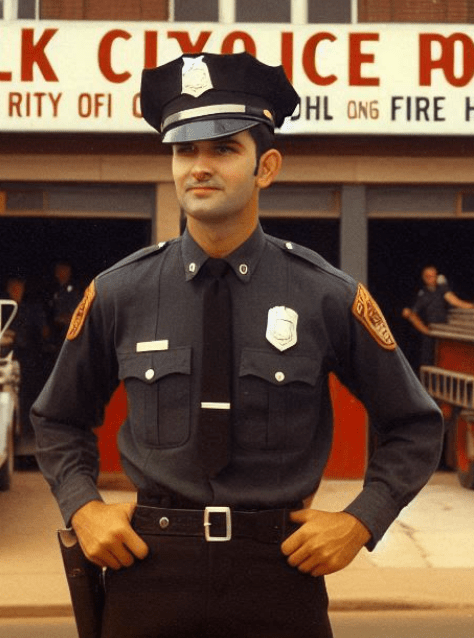
The Chief’s directive had a purpose. On October 1, 1984, I received official notice of my transfer from Communications to the Patrol Division, effective October 25. My new assignment under Lieutenant Wheeler marked the beginning of a new chapter.
In my final weeks in Communications, I worked tirelessly to ensure a seamless transition for my replacement. I completed data entries and left the crime database in pristine order. The move to patrol was a dramatic shift that would challenge me in ways I couldn’t yet imagine—but also shape my career in profound and unexpected ways.
 benandsteve.com