
GROFF MEDIA 2024© TRUTH ENDURES IMDBPRO
Presented by benandsteve.com By: Benjamin Groff II©s
Today, as I write, I ponder what story to share. Specific recollections stand out, shaping my life in ways that make them worth remembering.
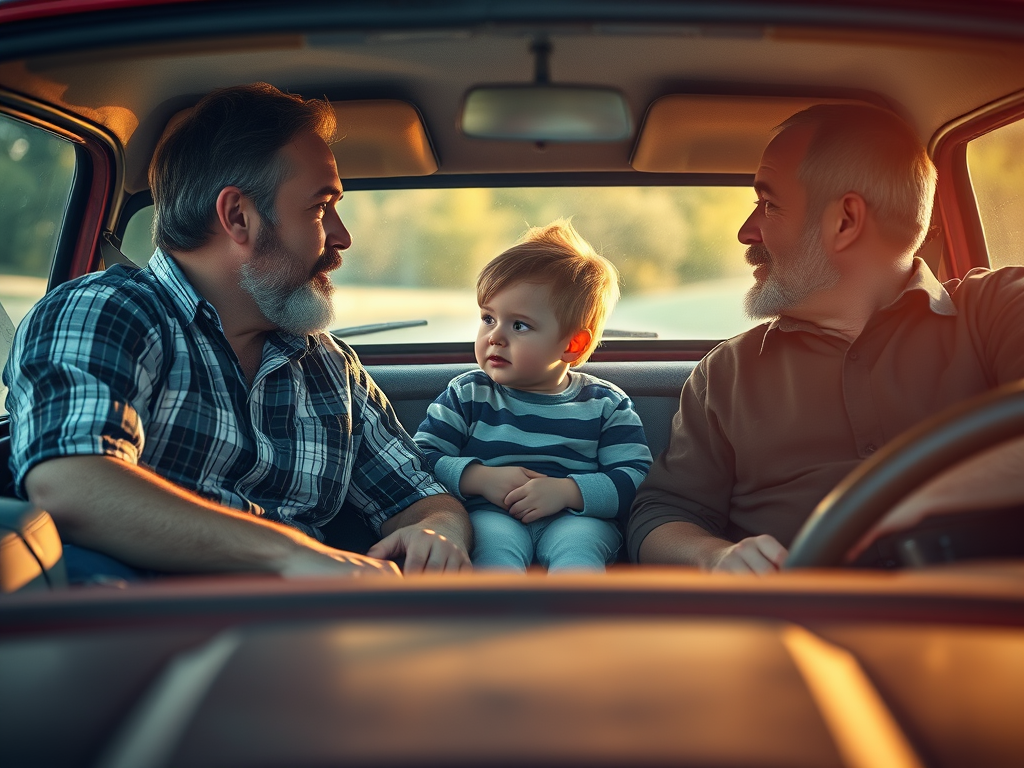
One of my fondest memories is traveling with my father and one of his friends. These journeys often involved a horse—whether for a rodeo, a parade, or taking a mare to be bred. I remember sitting in the middle of the pickup seat. The air conditioning blasted my face. The two men talked nonstop. The smell of their cigarettes filled the cab; they never cracked a window. Though I never smoked a day in my life, I suspect I passively inhaled enough to equate to thirty packs.
This was the early 1970s when smoking held no taboos, even around children. My father eventually quit in his late fifties, relieved to be free of nicotine’s grip. Sadly, six months later, he responded to a chlorine leak at a swimming pool. While shutting off the container, he inhaled the toxic gas, permanently damaging his lungs. From then on, breathing was a struggle. The medications he took to manage his condition weakened his bones. By 63, he was no longer capable of walking. He passed away shortly after. But in those 63 years, he packed in a lifetime of experiences.
Reflecting on my childhood, I marvel at how my parents managed to supply for six children. We weren’t wealthy, yet they kept us clothed, fed, and engaged—horse riding, basketball, piano lessons, and football. We started in a beautiful three-bedroom brick home in a great community. My father owned a Texaco service station and volunteered as a fireman. Some neighbors even urged him to run for city council, but his passion lay elsewhere. He dreamed of owning a quarter-horse farm, a dream that required sacrifice.
The first step was selling our home. We moved into a one-bedroom rental, with my parents in the sole bedroom and us kids on foldout couches. My father attended barber school, planning for the future. A year later, he purchased forty acres in a small town 35 miles away. He used the money from selling the house and service station. The land was densely wooded, and my father and three older brothers worked tirelessly to clear it for a home.

He found a house nearby for sale, provided it was moved. It had four rooms downstairs, one upstairs, and disconnected kitchen and bathroom additions. Two trucks transported the house 28 miles to our new farm. Once settled, we designated rooms: the kitchen, living room, and bedrooms. The steep stairs to the upstairs bedroom often left me bruised from falls. I loved that room. It had windows at both ends, letting a breeze flow as I gazed at the valley. I imagined future adventures.
I discovered my secret hideout underneath those stairs, meant to be my sister’s closet. Small enough to squeeze deep inside, I stayed undetected until I was spotted and lost my perfect hiding place.
Life on the farm lacked modern conveniences, including indoor plumbing. My father found an abandoned outhouse and positioned it over a dry well. Inside, we had two five-gallon buckets of water for drinking, with a dipper hanging above and another for washing dishes. Each day, my father refilled them after closing his barbershop in town.
We also had no phone service at first. When we finally got a phone, I was about eight. The company laid a single line down the rural road. We shared it with three other families on a party line. Each household had a distinct ring. Still, anyone might eavesdrop. Power outages were frequent, lasting days during snowstorms or severe thunderstorms, making access to our home difficult in bad weather.

My father and brothers built horse barns south of our home. At one point, we had over forty horses. Spring was the busiest, with foals being born. My father hosted roping events, where friends gathered to rope all day. Eventually, he installed arena lighting, allowing him to ride even after long days in the barbershop. I joined him often, eating more red sand from falling off horses and calves than I care to remember.

Over time, the horses dwindled to just mine and his. My siblings had moved on from riding. My father worried that his aging stud horse was no longer suitable for breeding. That’s when he became a ranger at the Girl Scout camp, changing my world entirely. Life on the farm transitioned into something new and unknown. What I learned at the camp shaped me. It taught me the value of acceptance. The lessons in resilience have stayed with me through life’s most challenging moments. But that, as they say, is another story entirely.
To end, I want to include a question I recently asked my 95-year-old mother:
“You went through so much. It all started after selling the brick home. You moved from the life we had in the city. Knowing all this, would you do it again?”
She replied,
“in a heartbeat!”
 benandsteve.com