
“Monsters aren’t born overnight. They’re made—in silence, in shadows, in places we refuse to look.”
By Benjamin GroffMedia© | benandsteve.com | 2025 Truth Endures©
Part Three: The Myth of the Lone Wolf
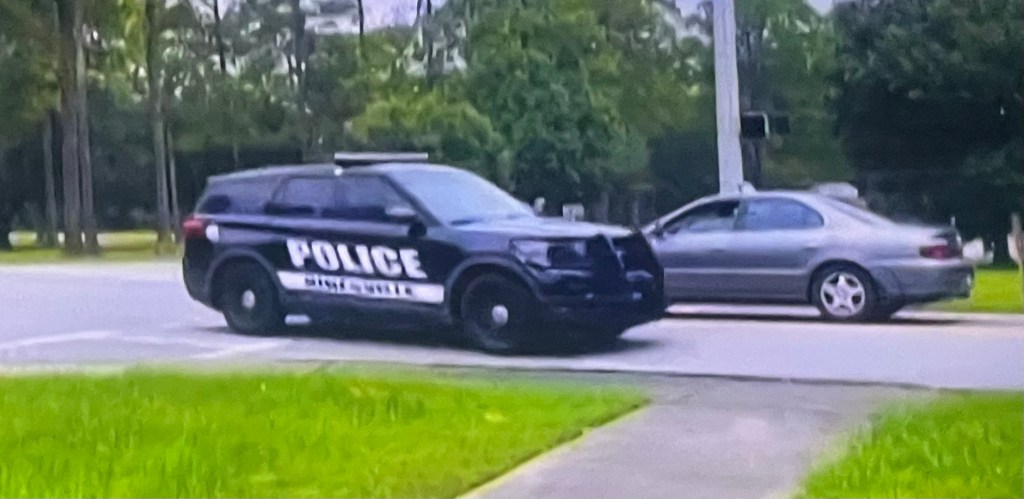
Every time the news breaks, we hear it:
“He acted alone.”
And just like that, the story is framed.
One man. One moment. One monster. Case closed.
But here’s the problem:
It’s not true.
Or at least, it’s not the whole truth.
The Comfortable Lie
Calling someone a “lone wolf” is tidy. It makes the rest of us feel better.
It tells the public:
- This was a fluke.
- It couldn’t have been predicted.
- There’s nothing we could’ve done.

And maybe, if we say it enough, we’ll believe it.
But in reality? Shooters rarely emerge from a vacuum.
They come from families. Communities. Schools. Workplaces. Chatrooms.
They leave trails of clues—behavioral, verbal, digital, emotional.
And more often than not, somebody saw something.
He Was Always Quiet… Until He Wasn’t
We’ve all heard it:
- “He kept to himself.”
- “He was a little odd, but polite.”
- “He never really fit in.”
The thing is, these aren’t descriptions of a mystery. They’re descriptions of a pattern.
Withdrawn doesn’t mean harmless.
Quiet doesn’t mean invisible.

But we’ve trained ourselves to look away.
To shrug off disturbing comments.
To ignore that one guy at work who’s always simmering just below the surface.
Because to speak up feels awkward. And what if we’re wrong?
Well—what if we’re right?
Behind the Shooter Is a System That Failed
Lone wolf? No.
It’s more like a failure of the pack.
The system failed.
- The family that didn’t ask questions.
- The school that let him fall through the cracks.
- The workplace that ignored his meltdown.
- The internet forums that radicalized him.
- The society that let him buy a weapon without blinking.
A shooter might pull the trigger alone, yes.
But the road there was crowded.
When “Alone” Is a Strategy
Let’s not forget—some shooters want to be seen as lone wolves.
It fits the fantasy: the avenger, the martyr, the misunderstood genius.
They want us to think no one could’ve stopped them.
Because if we believe that, then we stop looking for answers.
And they get to become a headline instead of a warning.
So What Should We Say Instead?
We should say:
“He was one part of a larger failure.”
“This wasn’t random—it was ignored.”
“This wasn’t a mystery—it was a message we didn’t read in time.”
Coming Up in the Series:
Part Four: Red Flags and Shrugged Shoulders
He gave off signs. He said things. He posted warnings. But no one did anything. Why? Because we’re experts at convincing ourselves it’s not our problem—until it is. That is next!
About the Author:
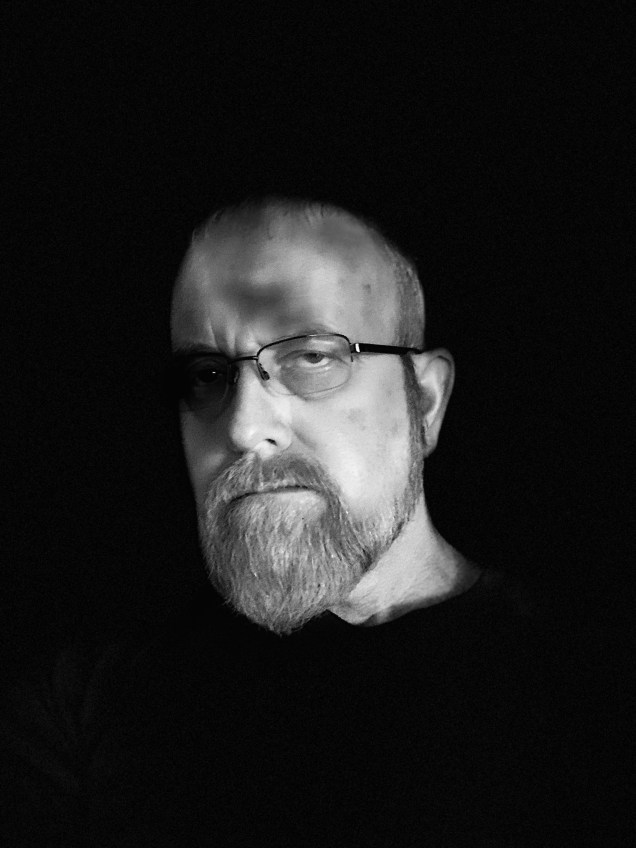
Benjamin Groff is a former police officer and radio news anchor. He has hosted programs for CNN and ABC News affiliates in Colorado and Wyoming. He writes for organizations from his home in Arizona. His career in law enforcement began in 1980 and lasted more than two decades. This gave him firsthand insight into the criminal mind and public safety. Moreover, it provided him with an understanding of the human stories that often go untold. His writing draws on these experiences, blending street-level truth with a journalist’s eye for the bigger picture.
 benandsteve.com