
A True Law Enforcement Tale from August 16, 1977
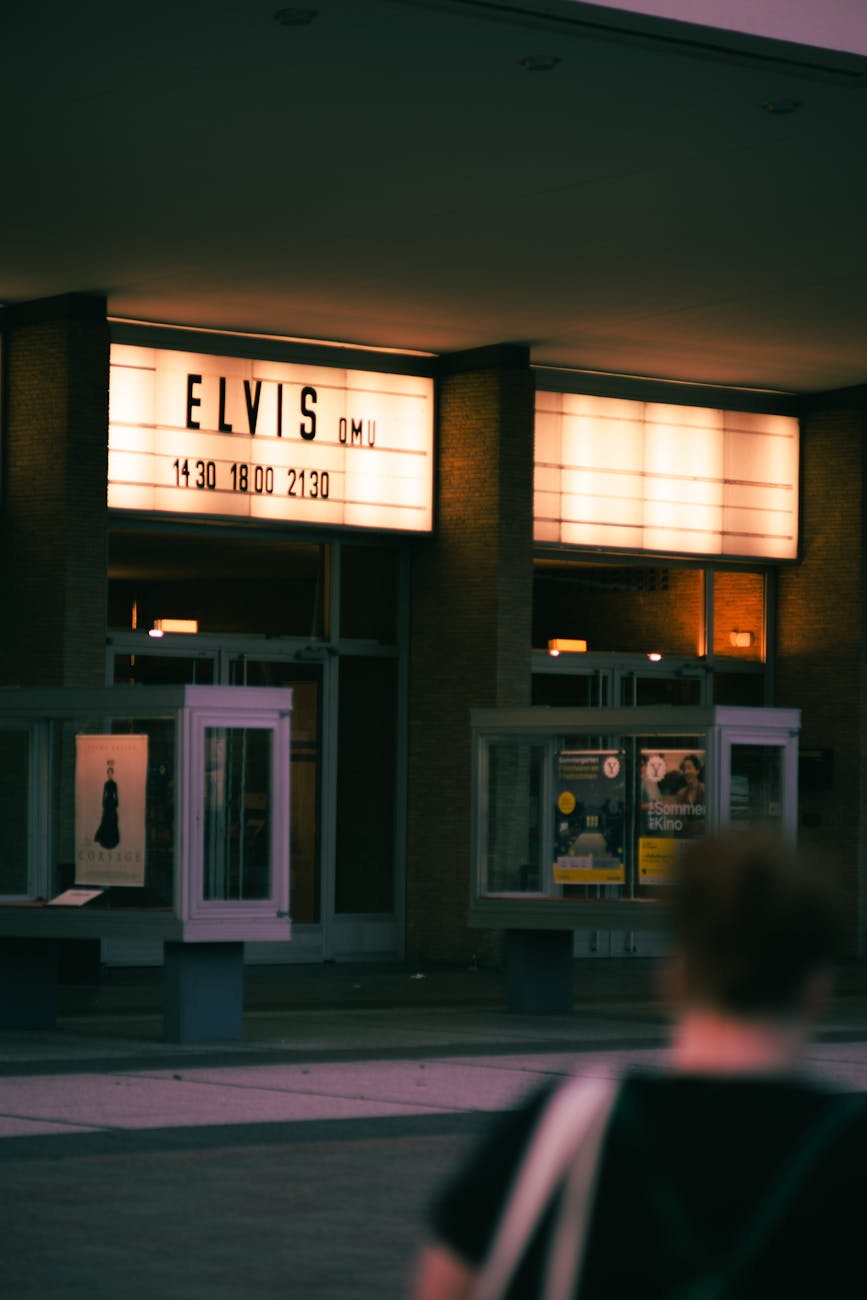
On August 16, 1977, the world stopped spinning — at least in Memphis, Tennessee. That was the day Elvis Presley, the King of Rock and Roll, was found unresponsive in the bathroom of Graceland. The global headlines mourned music’s greatest icon. Meanwhile, things were spinning out of control behind the scenes in the world of law enforcement. And not just in Memphis.
Most people don’t know that Elvis’s death caused a minor frenzy. It affected not just fans, but also federal and local law enforcement. This had everything to do with his name, his guns, and his bizarre honorary narcotics badge.
Let’s rewind.

In 1970, Elvis famously met with President Richard Nixon and requested a federal narcotics badge. He did not intend to arrest drug dealers, well, maybe a few. He believed it would grant him special privileges at airports. It would allow him to carry firearms across state lines without hassle. Nixon, eager to impress a celebrity during a slump in his popularity, gave him the badge. Elvis then began collecting honorary police badges from departments across the U.S., often in exchange for autographs, memorabilia, or a simple smile.
By the time of his death, Elvis had amassed over 100 badges. Some were real, others purely decorative, and a few were questionably obtained. The King had a well-known obsession with guns. He owned dozens of pistols and rifles. He even had a few military-grade toys. When the news of his death broke, more than one law enforcement agency quietly wondered. They asked themselves, ‘What did we give that man?’ And can we please get it back?
According to insiders at the time, several local departments began calling Graceland discreetly. They were hoping to retrieve various “loaned” badges and sidearms. One small-town sheriff reportedly said,
“We didn’t think he’d actually keep the darn thing. It was supposed to be a photo op!”
Even the DEA got involved. They did not act out of malice. Elvis’s collection included a few federal items. These should have never technically left Washington. A flurry of quiet internal memos from late August 1977 hints at an almost comical scramble. They describe recovering government property from the estate of a man. This man had once offered to go undercover as a federal agent “to stop the hippie drug culture.”
This man had once offered to go undercover as a federal agent “to stop the hippie drug culture.”
Meanwhile, fans held candlelight vigils and bought up every Elvis album in sight. Law enforcement agents were busy inventorying his arsenal of firearms and badges. His collection would put most mid-size police departments to shame.
A deputy who had once met Elvis described the moment. They realized the full extent of the collection:
“I walked into that room. I saw enough shiny shields to start a police academy.”

I half expected them to start talking.
Most of the badges were eventually returned. Some were documented as honorary. Yet, a few were mysteriously “lost to history.” They are reportedly still missing to this day. One turned up on eBay years later. This sparked a brief online turf war between Elvis fans and collectors of obscure police paraphernalia.
August 16, 1977, then, marks not just the day the King left the building. It was also the day law enforcement agencies across the country had a new challenge. They found themselves unexpectedly cleaning up behind him. They tried, with straight faces, to explain to their bosses. Why did Elvis Presley have more police gear than some SWAT teams?
 benandsteve.com