
Bill Johns: The Bureau’s Man in the 1940s
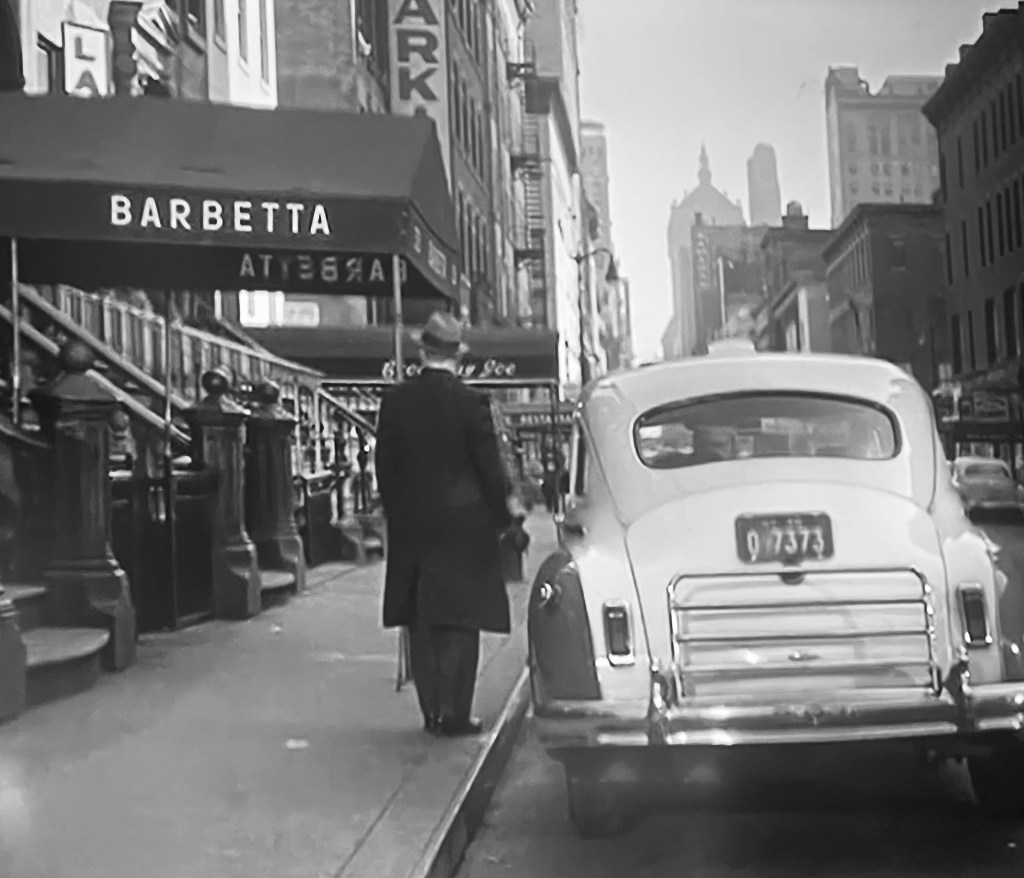
It was the 1940s, and the Bureau had just transferred Bill Johns to the Philadelphia office. He arrived with a reputation built out west. The cases there were more challenging. The distances were longer, and the suspects were meaner. Officially, he was sent to cover Oklahoma, Texas, and New Mexico. Unofficially, he’d become “the best investigating chicken thief agent in the West.” His fellow agents gave him this nickname with a wink.
But Bill Johns had investigated far more than stolen hens. His most significant case had been in Osage County, Oklahoma: three Indian women, each murdered after marrying into money. For nearly three years, Johns chased a trail of false alibis, hidden bank accounts, and hired killers. He and another agent narrowly escaped ambushes five different times. By constantly dropping low and drawing faster than the men who wanted them dead.
Johns wasn’t flashy, but he had something rare—an intuition that couldn’t be taught. He would size up a suspect the way a rancher sizes up a horse. He knew when someone was lying about a bloodstain on a shirt. He knew this the same way he knew when a horse trader was covering up a limp. He followed the tiny clues that led from stolen goods to the back rooms where the real deals happened. He also traced a murder weapon to the man who’d hidden it.
What the Bureau didn’t understand—and still doesn’t—is that this ability isn’t in a handbook. It isn’t taught at the Academy. It’s a gift, as fragile as it is powerful. Use it or lose it. And only a few men like Johns ever had it.
In Philadelphia, this instinct would serve him just as well. He found himself involved with city syndicates. He encountered labor racketeering and noticed spies slipping through the docks at night. The same gut feeling had kept him alive in Osage County. Now it helped him spot the double-talkers in the bars. It also identified the men who lingered just a second too long at a back door.
Johns became known for something unusual—he rarely needed his gun. He’d walk into a situation, lean against a doorway, and just talk. By the time he left, the suspect had revealed more than he intended. John had already secured the evidence. He was no saint. He wasn’t perfect either. Nonetheless, he was a quiet professional in an era when crime was changing. The country was changing too.
The Last Case in Philadelphia
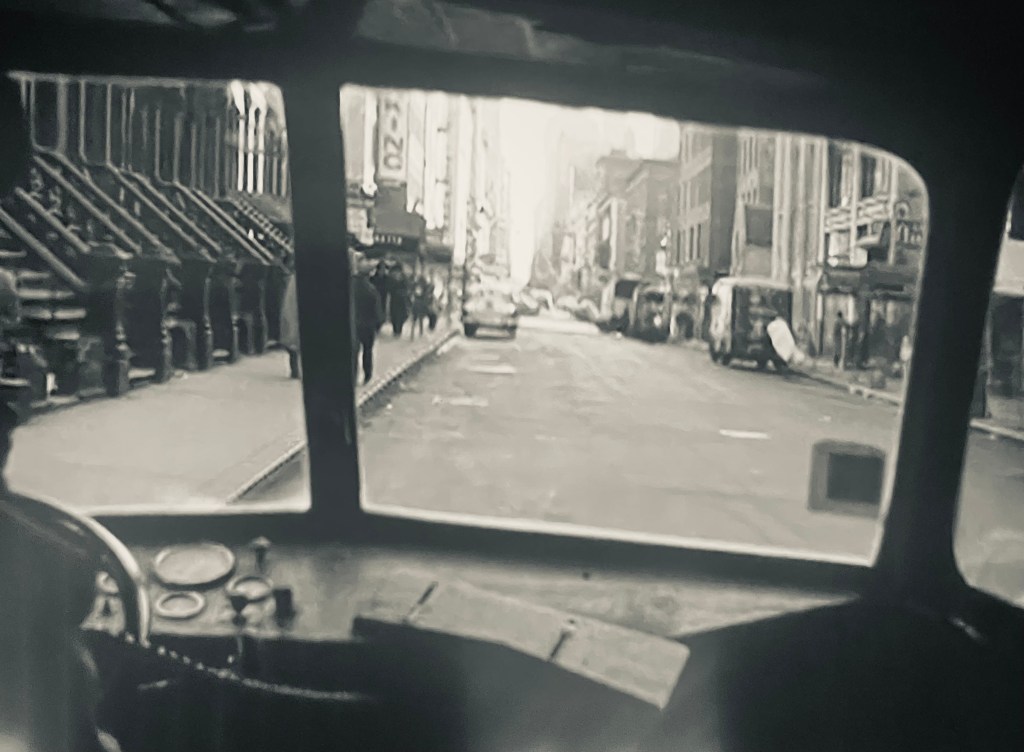
It was a rainy October night in 1947 when Johns’ instincts jolted him awake. An informant had whispered about a shipment coming into the Delaware River docks. This shipment was not whiskey or smuggled textiles. It was microfilm from Europe that would compromise national security. By dawn, he was leaning against a warehouse door. He pulled his collar up against the mist. He watched the shadows move across the slick cobblestones.
Later, back at the Bureau’s office, his supervisor shook his head. “How’d you know?” Johns simply shrugged. He never talked about instinct. He never mentioned gifts. He didn’t say how he’d been listening to his gut since his days chasing killers in Osage County. But he knew this: it wasn’t about being the fastest shot or the toughest agent. It was about reading people, seeing the truth they were trying to hide, and moving before they did.
When the men finally appeared, Johns didn’t draw his gun. Instead, he stepped into the light. Placing his hands in his overcoat pockets. He spoke in the calm, level tone that had unnerved more suspects than handcuffs ever would. One man slipped, trying to hide a satchel, and Johns pounced on him. In seconds, the microfilm was in his hand. The men, rattled and unsure how he’d seen through their plan, dropped their smokes and bolted.
That was Bill Johns’ legacy — an unassuming agent who became legendary not for force, but for foresight. His name rarely made headlines. Still, his quiet successes became the stories younger agents told each other. They shared these stories when they needed courage. Stories that remind you some people are born to find the truth, no matter where it hides.
Even today, his old case files are dusty, brittle, and overlooked. They still read like short stories of the American frontier meeting the modern city. Behind each one is the same simple truth. There’s no substitute for knowing people. No training can replace genuine instinct.
By Benjamin GroffMedia© | benandsteve.com | ©2025
About the Author:

Benjamin Groff is a former police officer and radio news anchor. He has hosted programs for CNN and ABC News affiliates in Colorado and Wyoming. His career in law enforcement began in 1980 and lasted more than two decades. This gave him firsthand insight into the criminal mind and public safety. Moreover, it provided him with an understanding of the human stories that often go untold. His writing draws on these experiences, blending street-level truth with a journalist’s eye for the bigger picture.
 benandsteve.com
This story reminds us that sometimes we don’t need a forceful approach, but a gentle approach to reveal a person’s secret. Amazing story, Benjamin!
LikeLiked by 1 person
This is a center reflection of myself. One that I used in this story. While the characters are fictional, the drive for the story is an actual accounting of events.
LikeLiked by 1 person