A Step Out of Time – The Day That Kept Repeating –– A Detective Wakes Up Lost In The Future 

Experiencing A Different Version Of The Same Day Over And Over.

A Story By: Benjamin Groff© Groff Media 2024 © Truth Endures

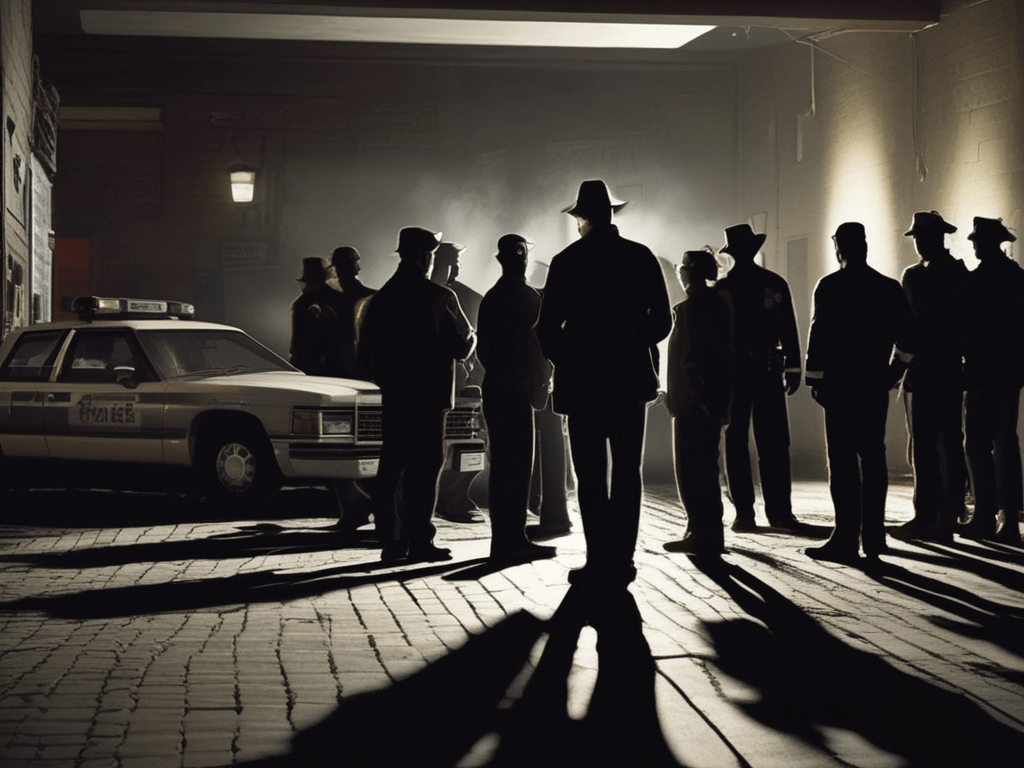
Detective James “Jimmy” O’Connor had seen it all—or so he thought. O’Connor had been on the force since 1951 when respect meant something and a good cop could solve a case with his wits and a firm handshake. But nothing could have prepared him for the day he woke up in 2024, a world so different from the one he knew. It was as if he had stepped into a parallel universe.

It started like any other morning. Jimmy rolled out of bed in his modest home, built solidly after the war when families were booming and life was good. He yawned, stretched, and reached for his old fedora, a relic from yesteryear that still sat faithfully on the bedpost. The sun streamed through the window, but something in the light felt –– off. A glance at the calendar confirmed it. The year read 2024.

“What in the Sam Hill…”

he muttered, running a hand through his graying hair. Had he been in a coma? Had he somehow slept through sixty years of his life?

Still dazed, he dressed in his usual attire: a crisp white shirt, suspenders, pleated trousers, and polished leather shoes. His well-worn and comforting hat sat snugly atop his head. The mirror reflected a man who had not aged a day since the early 1960s. Time had played its tricks, but Jimmy O’Connor remained the same.

Determined to make sense of things, he grabbed his keys and headed out. His faithful 1954 Chevrolet two-door coupe sat waiting in the driveway as he’d left it. The car was nothing fancy—back in the day, it had been the biggest clunker in the department. The boys at the station used to rib him about it, but Jimmy liked it just fine. It had character, just like him.

The drive to the station was surreal. Buildings towered over the officer, sleek and modern. People walked down the streets glued to strange devices, barely looking up. The air buzzed with a thousand sounds, none of which he recognized. And the cars—by God, the cars! They whizzed by silently as if propelled by magic. Jimmy’s old Chevy chugged along, a relic in a world that had moved on without him, a world that felt utterly alien.

When he pulled up to the station, he first noticed the gawking. A group of younger officers stood in the lot, eyes wide and mouths agape as they saw him and his car. One of them, a kid who couldn’t have been more than twenty-five, stepped forward.

“Is that…a ’54 Chevy?”

He asked, awe dripping from his voice.

Jimmy nodded, confused.

“Sure is. Why?”

“That thing’s a classic! How the hell did you get it in such good shape?”

“Just took care of it, I guess,”

Jimmy replied, still trying to process everything.

“Now, what in blazes is going on around here?”

Inside, the station was a hive of activity, but nothing looked the same. Computers sat on every desk, glowing with images Jimmy didn’t understand. Phones weren’t phones anymore; they were slim, glass rectangles everyone seemed glued to. And the fashion—if you could call it that—was wild—bright colors, strange fabrics, and hair that defied gravity.

Jimmy made his way to the chief’s office, nodding at a few familiar faces, now older men. They all stared back as if they’d seen a ghost. When he finally entered the door, Chief Morales looked up from his desk, his eyes nearly popping out of his head.

“Jimmy?”

Chief Morales croaked, his eyes nearly popping out of his head.

“What the hell?”

His voice was a mix of shock and disbelief, mirroring the sentiments of everyone who had laid eyes on the seemingly unchanged detective.

“Chief, I don’t know what’s happening, but I woke up this morning, and the whole world turned upside down. I need answers.”

Morales gestured for him to sit, still in shock.

“You mean to tell me you remember nothing past…when? The 1960s?”

“Last thing I remember, Kennedy was in office, and I was working a case with the old squad,”

Jimmy replied, sinking into the chair.

“Now it’s like I stepped into one of those science fiction movies.”

The chief rubbed his temples.

“Jimmy, it’s 2024. A lot has changed. I don’t know how or why, but you look like you haven’t aged a day.”

“Tell me about it,”

Jimmy grumbled.

“And what’s with the kids these days? I was on a case involving students before this, whatever it was. Are they all this –––different?”

The chief sighed.

“Different doesn’t begin to cover it. Kids these days are a whole new breed. They have connected to the world in ways we couldn’t have imagined in the 60s. Social media, smartphones, instant communication –– They’re more outspoken and more aware but more distracted. It’s a different world, Jimmy.”

Just then, a young officer burst into the room, his face excitedly lit.

“Chief, we’ve got a situation at the high school. Some fight—might be gang-related.”

Jimmy’s ears perked up. A case involving students? An assignment with students –– was familiar territory.

“I’ll go,”

he said, standing up.

“Jimmy, wait—”

Morales started, but Jimmy was already out the door.

On the Case

The high school was a chaotic scene. Teens were scattered everywhere, shouting and recording the commotion on their phones. Jimmy strode in, commanding attention despite the odd looks he received. He spotted a group of kids at the center of it all, some dressed in clothes he could barely comprehend, others with tattoos and piercings that would have been unthinkable in his time.

“Alright, break it up!”

Jimmy barked, his voice cutting through the noise like a knife. The kids looked at him, confused, but the tone was unmistakable. They started to disperse, grumbling under their breath.

A young girl with brightly colored hair and a nose ring approached him.

“Who are you supposed to be? You look like you just walked out of a history book.”

“Detective O’Connor,”

he replied gruffly.

“Now, what’s going on here?”

She shrugged, unimpressed.

“Just a fight. It happens all the time. We caught it on video if you want to see it.”

Jimmy blinked.

“Caught it on video? You mean you filmed it instead of stopping it?”

The girl rolled her eyes.

“Yeah, it’s what we do. Upload it to TikTok, get some likes.”

“Tik…what?”

Jimmy shook his head, feeling like he was slipping further into the twilight zone.

“Never mind,”

she said, dismissing him.

“You wouldn’t get it.”

As he tried to piece together what she meant, a senior officer approached, relieved to see him.

“Detective O’Connor, right? I’ve heard stories about you. The chief said you might be ––– helping out today?

“Helping out, yeah,”

Jimmy replied, still feeling out of place.

“What’s the story here?”

The officer explained the situation—two students from rival groups had fought over something posted online. Jimmy listened, but the details were baffling. Back in his day, fights happened face-to-face, not through the internet.

“Sounds like the same old story, just with a new twist,”

Jimmy said.

“I’ll talk to them.”

He approached the two students, who were now sulking on the sidelines. They looked up at him with a mix of defiance and confusion.

“Alright, you two,”

Jimmy started,

“what’s this all about?”

They exchanged glances before one finally spoke up.

“This boy posted some crap about my sister on Instagram. I wasn’t going to let that slide.”

“Instagram?”

Jimmy repeated, trying to keep up.

“Back in my day, you settled things like men. You talked it out—or, if it came to blows, you did it without an audience.”

The other boy scoffed.

“What do you know, old man? Times have changed.”

“Maybe so,”

Jimmy admitted,

“but respect doesn’t. You don’t solve problems by hiding behind a screen. If you’ve got an issue, you deal with it face-to-face, like men. And you sure don’t let it become a circus for everyone else to watch.”

The boys looked at him, considering his words. It was a message from another time, but something about it resonated. Eventually, they both nodded, muttering apologies under their breath.

As the situation defused, Jimmy felt a strange sense of accomplishment. The methods might have changed, but the core principles still needed to be. Respect, honesty, and responsibility still mattered, even in this brave new world.

The World Keeps Spinning

Back at the station, the day wound down, and Jimmy found himself in the parking lot, staring at his old Chevy. It was the one constant in this sea of change, a reminder of where he came from and who he was. But as he climbed in and turned the key, he couldn’t help but wonder how long he could hold onto the past in a world that seemed determined to move forward without him.

As the engine roared to life, Jimmy tipped his hat, adjusted his rearview mirror, and drove into the setting sun. The road ahead was uncertain, but he’d face it the only way he knew how—one mile at a time, just like he always had.

He’d find his place in this strange new world somewhere along the way. But for now, he was content to be a man out of time, doing his best to keep up with a world that had left him behind.

A Step Out of Time The Next Morning

Detective James “Jimmy” O’Connor had seen it all—or so he thought. O’Connor had been on the force since 1951 when respect meant something and a good cop could solve a case with his wits and a firm handshake. But nothing could have prepared him for the day he woke up in 2024, a world so different from the one he knew. It was as if he had stepped into a parallel universe, a world where the very fabric of society got rewoven.

It started like any other morning. Jimmy rolled out of bed in his modest home, built solidly after the war when families were booming and life was good. He yawned, stretched, and reached for his old fedora, a relic from yesteryear that still sat faithfully on the bedpost. The sun streamed through the window, but something in the light felt –– off. A glance at the calendar confirmed it. The year read 2024.

“What in the Sam Hill…it seems like I’ve been here before.”

he muttered, his voice trembling, running a hand through his graying hair. Had he been in a coma? Had he somehow slept through sixty years of his life?

Still dazed, he dressed in his usual attire: a crisp white shirt, suspenders, pleated trousers, and polished leather shoes. His well-worn and comforting hat sat snugly atop his head. The mirror reflected a man who had not aged a day since the early 1960s. Time had played its tricks, but Jimmy O’Connor remained the same.

Determined to make sense of things, he grabbed his keys and headed out. His faithful 1954 Chevrolet two-door coupe sat waiting in the driveway as he’d left it. The car was nothing fancy—back in the day, it had been the biggest clunker in the department. The boys at the station used to rib him about it, but Jimmy liked it just fine. It had character, just like him.

The drive to the station was surreal. Buildings towered over the officer, sleek and modern. People walked down the streets glued to strange devices, barely looking up. The air buzzed with a thousand sounds, none of which he recognized. And the cars—by God, the cars! They whizzed by silently as if propelled by magic. Jimmy’s old Chevy chugged along, a relic in a world that had moved on without him, a world that felt utterly alien.
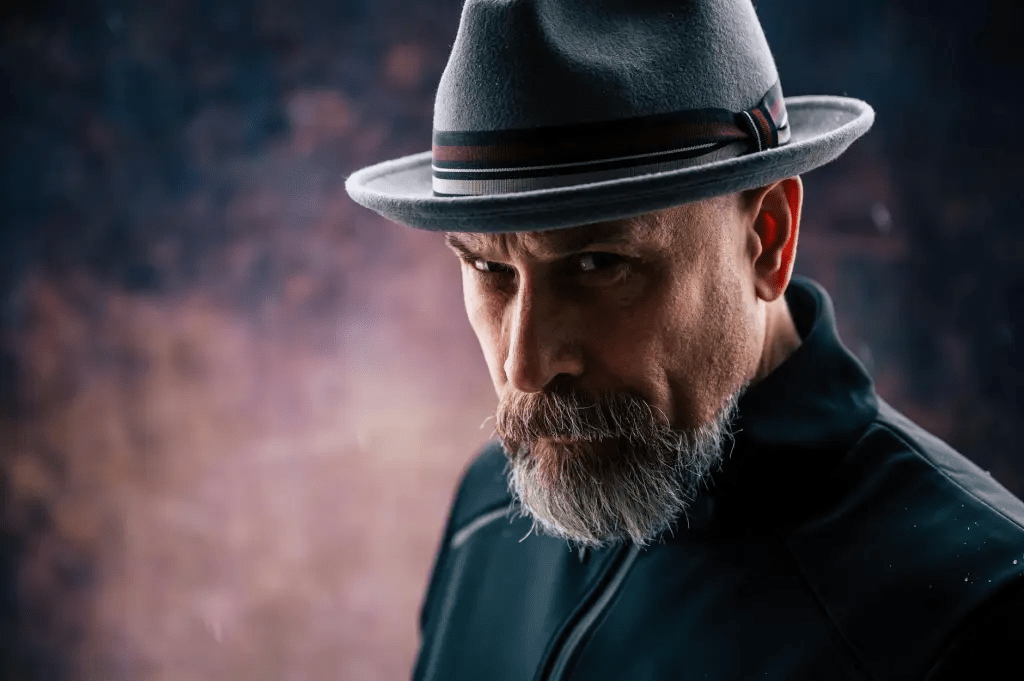
When he pulled up to the station, he first noticed the gawking. A group of younger officers stood in the lot, eyes wide and mouths agape as they saw him and his car. One of them, a kid who couldn’t have been more than twenty-five, stepped forward.

“Is that…a ’54 Chevy?”

the young officer asked, his voice filled with awe and disbelief as if he had just seen a relic from a forgotten era.

Jimmy nodded, confused.

“Sure is. Why?

“That thing’s a classic! How the hell did you get it in such good shape?”

“Just took care of it, I guess,”

Jimmy replied, thinking he’d answered the same question a day before, he was still trying to process everything.

“Now, what in blazes is going on around here?”

Inside, the station was a hive of activity, but nothing looked the same. Computers sat on every desk, glowing with images Jimmy didn’t understand. He’d been here before. This is the same thing he had done yesterday. Phones weren’t phones anymore; they were slim, glass rectangles everyone seemed glued to. The fashion starkly contrasted Jimmy’s traditional attire—bright colors, strange fabrics, and hair that defied gravity. The world had become a place where technology and individual expression reigned supreme, a far cry from the simpler times Jimmy was used to. I am repeating yesterday in the future, Jimmy thought to himself.

Jimmy went to the chief’s office, nodding at a few familiar faces, now older men. They all stared back as if they’d seen a ghost, they hadn’t seen Jimmy looking that young in fifty years. When he finally entered the door, Chief Morales looked up from his desk, his eyes nearly popping out of his head.

“Jimmy?”

Chief Morales croaked, his eyes nearly popping out of his head. The shock and disbelief in his voice mirrored the sentiments of everyone who had laid eyes on the seemingly unchanged detective.

“Chief, I don’t know what’s happening, but I woke up this morning, and the whole world turned upside down. I need answers,”

he declared, his voice unwavering despite the chaos around him.

“We did this yesterday, and now it is happening again!

Morales gestured for him to sit, still in shock.

“Like I told you yesterday, when we went through this the last thing I remember, Kennedy was in office, and I was working a case with the old squad,” Jimmy replied, sinking into the chair. “Now it’s like I stepped into one of those science fiction movies.

The chief rubbed his temples.

“Jimmy, it’s 2024. A lot has changed. I don’t know how or why, but you look like you haven’t aged a day.”

“Tell me about it,”

Jimmy grumbled.

“And what’s with the kids these days? I was on a case involving students before this, whatever it was. Are they all this –––different?”

The chief sighed.

“Different doesn’t begin to cover it. Kids these days are a whole new breed. They have connected to the world in ways we couldn’t have imagined in the 60s. Social media, smartphones, instant communication –– They’re more outspoken and more aware but more distracted. It’s a different world, Jimmy.”

Just then, a young officer burst into the room, his face excitedly lit.

“Chief, we’ve got a situation at the high school. Some fight—might be gang-related.”

Jimmy’s ears perked up. A case involving students? An assignment with students –– was familiar territory.

“I’ll go,”

he said, standing up.

“Jimmy, wait—

” Morales started, but Jimmy was already out the door.

On the Case

The high school was a chaotic scene. Teens were scattered everywhere, shouting and recording the commotion on their phones. Jimmy strode in, commanding attention despite the odd looks he received. He spotted a group of kids at the center of it all, some dressed in clothes he could barely comprehend, others with tattoos and piercings that would have been unthinkable in his time.

“Alright, break it up!”

Jimmy barked, his voice cutting through the noise like a knife. The kids looked at him, confused, but the tone was unmistakable. They started to disperse, grumbling under their breath.

A young girl with brightly colored hair and a nose ring approached him.

“Who are you supposed to be? You look like you just walked out of a history book.”

“Detective O’Connor,”

he replied gruffly.

“Now, what’s going on here?”

She shrugged, unimpressed.

“Just a fight. It happens all the time. We caught it on video if you want to see it.”

Jimmy blinked.

“Caught it on video? You mean you filmed it instead of stopping it?”

The girl rolled her eyes.

“Yeah, it’s what we do. Upload it to TikTok, get some likes.”

“Tik…what?”

Jimmy shook his head, feeling like he was slipping further into the twilight zone.

“Never mind,”

she said, dismissing him.

“You wouldn’t get it.”

As he tried to piece together what she meant, a senior officer approached, relieved to see him.

“Detective O’Connor, right? I’ve heard stories about you. The chief said you might be ––– helping out today?”

“Helping out, yeah,”

Jimmy replied, still feeling out of place.

“What’s the story here?”

The officer explained the situation—two students from rival groups had fought over something posted online. Jimmy listened, but the details were baffling. Back in his day, fights happened face-to-face, not through the internet.

“Sounds like the same old story, just with a new twist,”

Jimmy said.

“I’ll talk to them.”

He approached the two students, who were now sulking on the sidelines. They looked up at him with a mix of defiance and confusion.

“Alright, you two,”

Jimmy started,

“what’s this all about?”

They exchanged glances before one finally spoke up.

“This boy posted some crap about my sister on Instagram. I wasn’t going to let that slide.”

“Instagram?”

Jimmy repeated, trying to keep up.

“Back in my day, you settled things like men. You talked it out—or, if it came to blows, you did it without an audience.”

The other boy scoffed.

“What do you know, old man? Times have changed.”

“Maybe so,”

Jimmy admitted,

“but respect doesn’t. You don’t solve problems by hiding behind a screen. If you’ve got an issue, you deal with it face-to-face, like men. And you sure don’t let it become a circus for everyone else to watch.”

The boys looked at him, considering his words. It was a message from another time, but something about it resonated. Eventually, they both nodded, muttering apologies under their breath.

As the situation defused, Jimmy felt a strange sense of accomplishment. The methods might have changed, but the core principles still needed to be. Respect, honesty, and responsibility still mattered, even in this brave new world.

The World Keeps Spinning

Back at the station, the day wound down, and Jimmy found himself in the parking lot, staring at his old Chevy. It was the one constant in this sea of change, a reminder of where he came from and who he was. But as he climbed in and turned the key, he couldn’t help but wonder how long he could hold onto the past in a world that seemed determined to move forward without him.

As the engine roared to life, Jimmy tipped his hat, adjusted his rearview mirror, and drove into the setting sun. The road ahead was uncertain, but he’d face it the only way he knew how—one mile at a time, just like he always had.

He’d find his place in this strange new world somewhere along the way. But for now, he was content to be a man out of time, doing his best to keep up with a world that had left him behind.

A Step Out of Time The Morning After

Detective James “Jimmy” O’Connor had seen it all—or so he thought. O’Connor had been on the force since 1951 when respect meant something and a good cop could solve a case with his wits and a firm handshake. But nothing could have prepared him for the day he woke up in 2024, a world so different from the one he knew. It was as if he had stepped into a parallel universe, a world where the very fabric of society got rewoven.

It started like any other morning. Jimmy rolled out of bed in his modest home, built solidly after the war when families were booming and life was good. He yawned, stretched, and reached for his old fedora, a relic from yesteryear that still sat faithfully on the bedpost. The sun streamed through the window, but something in the light felt –– off. A glance at the calendar confirmed it. The year read 2024.

“What in the Sam Hill…” he muttered, his voice trembling, running a hand through his graying hair. Had he been in a coma? Had he somehow slept through sixty years of his life?

Still dazed, he dressed in his usual attire: a crisp white shirt, suspenders, pleated trousers, and polished leather shoes. His well-worn and comforting hat sat snugly atop his head. The mirror reflected a man who had not aged a day since the early 1960s. Time had played its tricks, but Jimmy O’Connor remained the same.

Determined to make sense of things, he grabbed his keys and headed out. His faithful 1954 Chevrolet two-door coupe sat waiting in the driveway as he’d left it. The car was nothing fancy—back in the day, it had been the biggest clunker in the department. The boys at the station used to rib him about it, but Jimmy liked it just fine. It had character, just like him.

The drive to the station was surreal. Buildings towered over the officer, sleek and modern. People walked down the streets glued to strange devices, barely looking up. The air buzzed with a thousand sounds, none of which he recognized. And the cars—by God, the cars! They whizzed by silently as if propelled by magic. Jimmy’s old Chevy chugged along, a relic in a world that had moved on without him, a world that felt utterly alien.

When he pulled up to the station, he first noticed the gawking. A group of younger officers stood in the lot, eyes wide and mouths agape as they saw him and his car. One of them, a kid who couldn’t have been more than twenty-five, stepped forward.

“Is that…a ’54 Chevy?” the young officer asked, his voice filled with awe and disbelief as if he had just seen a relic from a forgotten era.

Jimmy nodded, confused. “Sure is. Why?”

“That thing’s a classic! How the hell did you get it in such good shape?”

“Just took care of it, I guess,” Jimmy replied, still trying to process everything. “Now, what in blazes is going on around here? This has got to stop!”

Inside, the station was a hive of activity, but nothing looked the same. Computers sat on every desk, glowing with images Jimmy didn’t understand. Phones weren’t phones anymore; they were slim, glass rectangles everyone seemed glued to. The fashion starkly contrasted Jimmy’s traditional attire—bright colors, strange fabrics, and hair that defied gravity. The world had become a place where technology and individual expression reigned supreme, a far cry from the simpler times Jimmy was used to.

Jimmy went to the chief’s office, nodding at a few familiar faces, now older men. They all stared back as if they’d seen a ghost. When he finally entered the door, Chief Morales looked up from his desk, his eyes nearly popping out of his head.

“Jimmy?” Chief Morales croaked, his eyes nearly popping out of his head. The shock and disbelief in his voice mirrored the sentiments of everyone who had laid eyes on the seemingly unchanged detective.

“Chief, I don’t know what’s happening, but I woke up this morning, and the whole world turned upside down. I need answers,” he declared, his voice unwavering despite the chaos around him.

Morales gestured for him to sit, still in shock. “You mean to tell me you remember nothing past…when? The 1960s?”

“Last thing I remember, Kennedy was in office, and I was working a case with the old squad,” Jimmy replied, sinking into the chair. “Now it’s like I stepped into one of those science fiction movies.”

The chief rubbed his temples. “Jimmy, it’s 2024. A lot has changed. I don’t know how or why, but you look like you haven’t aged a day.”

“Tell me about it,” Jimmy grumbled. “And what’s with the kids these days? I was on a case involving students before this, whatever it was. Are they all this –––different?”

The Chief sighed. “Different doesn’t begin to cover it. Kids these days are a whole new breed. They have connected to the world in ways we couldn’t have imagined in the 60s. Social media, smartphones, instant communication –– They’re more outspoken and more aware but more distracted. It’s a different world, Jimmy.”

The Chief then confided to Jimmy, only to tell people two years ago that I came here in 1972. Nixon was still in office. I have no idea what happened, but like you, this day of mine has repeated; until you came, I thought I was going looney. Now I know it is something else.

There is a glitch in the world’s timeline, and it is realigning where everyone is supposed to be. A clerk in fingerprints came here from a 1910 timeline; she has to have had that, or she has nasty tastes in clothing styles. It is all that I can conclude. I wonder if this is a broad-spread matter, and besides the two of us, who would we bring the matter to the attention of? They would lock us up in the looney house if we went to higher-ups and tried to explain this issue.

For now, we should try to blend in and manage it between us and be there for others we suspect of being travelers like us. Detective O’Conner, for the first time, realized that he was no longer in his time and had somehow been moved through generations and life to end up in a year he would probably not have lived to see. He and the Chief had an opportunity to share their values with a generation that sorely needed guidance, and the Chief felt a deep sense of responsibility to do so.

Reminiscences

A True Story By: Benjamin Groff© Groff Media 2024© Truth Endures

When the youngest officer on duty is the only resource available, the weight of responsibility rests heavily on his shoulders, underscoring the significance of his role.

Our town’s police force was small, with just twelve officers. Eight were assigned to the streets, patrolling, responding to calls, controlling traffic, and maintaining visibility. The remaining four worked in the office, answering phones, dispatching calls over the radio, and managing the jail’s inmates. The officers rotated between desk and patrol duties, ensuring they stayed sharp and well-versed in all aspects of the job.

Most shifts saw only one officer on patrol and one in the office. This lean staffing was the backdrop when I first joined the police department and met Chief Marion Toehay Jr., known to me simply as Junior or Chief.

Junior and I formed a friendship that spanned over fifty years. Together, we witnessed the stark realities of life and death, often arriving too late to save those in peril. The helplessness we felt in those moments was crushing, made worse by the accusing stares of grieving families who saw us as their last hope.

One such event took place at a State Park east of the City. We arrived in a secluded area and noticed a boat stalled in the middle of the lake. The people onboard were waving and shouting, but their words got lost in the distance. As we waved back, trying to assess the situation, it became clear the boat was sinking.

We shouted for them to stay with the boat, realizing quickly that we couldn’t reach them from where we stood. We jumped back into the car and raced toward the dam, sirens blaring and lights flashing. Junior was on the radio, desperately calling for the Lake Patrol or anyone with a boat to respond. But the only way to reach the sinking boat was to drive fifteen miles around the lake on rural roads.

When we arrived, only the boat’s nose remained visible, bobbing on the water. A man clung to it, the sole survivor. He told us that a father and his two children had drowned, trying to swim to shore instead of staying with the boat.

At that time, the Oklahoma Lake Patrol was often assigned to different lakes, a reality dictated by tight state budgets. Law enforcement presence on lakes was inconsistent, as it may still be today in some areas. The Lake Patrol recovered the bodies of the father and his children that night and the following day.

Junior and I found ourselves witnessing several drownings, often by tragic coincidence, whenever we were near the lake or river. It seemed almost inevitable.

The department was also where I encountered my first homicide—a brutal murder-suicide that has stayed with me. A couple going through a divorce ended their marriage in violence. The husband had hidden in their home, and when his wife returned to gather belongings, he slipped up behind her and shot her in the back of the head. She crumpled to the floor, unaware of his presence or intent.

He then went to the bedroom, entered the ensuite, and used a shotgun loaded with double-ought buckshot to end his own life. The blast obliterated his face, leaving a gruesome scene with skull fragments embedded in the ceiling and blood splattered across the walls. Fingerprints confirmed his identity, but everyone in town knew who he was.

That was my first assignment at 18, in a department stretched thin. A pow-wow was happening in town, and every officer was working overtime. The City’s ambulance had to transport a critically ill prisoner to a hospital 50 miles away, and someone had to accompany them. It fell to me. Despite having just finished a 12-hour shift, I boarded the ambulance at 7:00 AM, the roads shrouded in fog as we responded to Code 3. The nurse was upset that I’d handcuffed the combative prisoner to the stretcher, and the driver got lost on the way. It was chaotic, but in many ways, it was one of the best times of my life.

that Man Is Dead! a small victory in the shadow of a dark night

A Story By: Benjamin Groff© Groff Media 2024© Groff Media

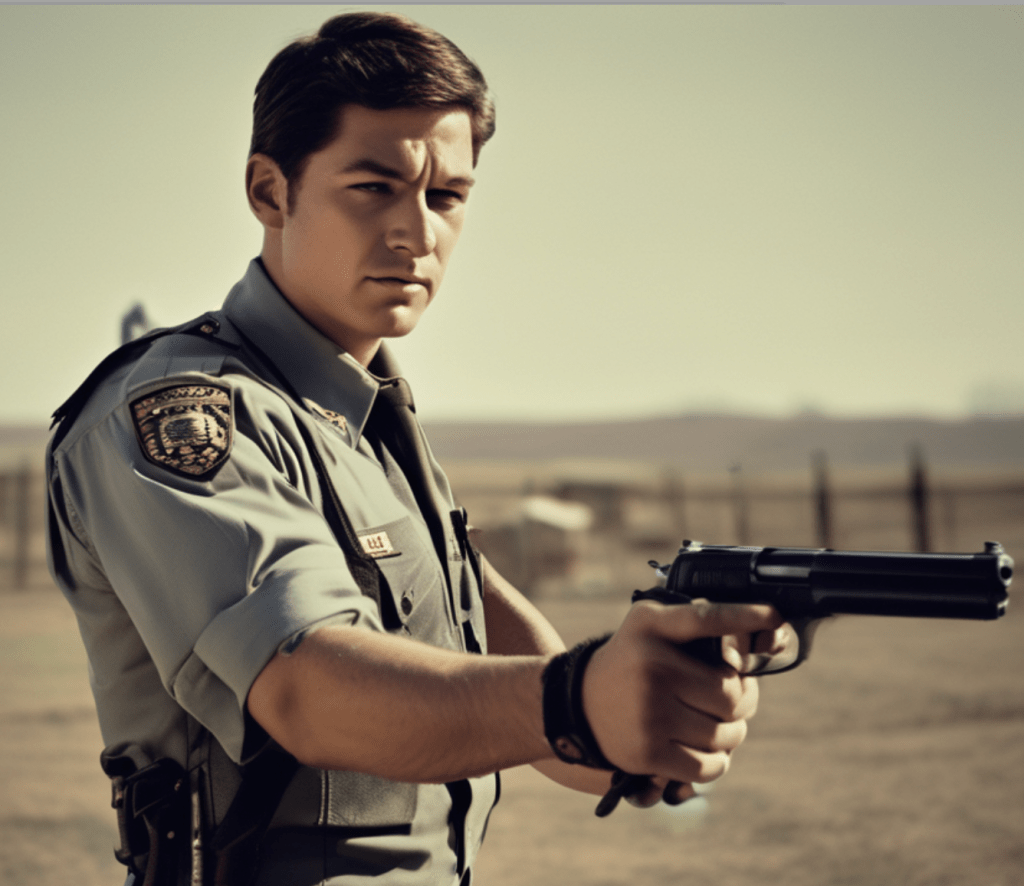
It was a windy afternoon, and the Kid decided to get some practice in at the shooting range before his night shift began at 8:00 PM. He had picked up a couple of bags of reloaded .38s for his .357 Magnum and figured he could get through them if he hurried. The range was just beyond the gates at the end of the city trailer park, where he and other police officers lived as a perk of working for the city.

As he drove down the lane towards the range, he noticed a small plane taking off to the north from the nearby municipal airport. He parked his car at the furthest shooting post, grabbed a paper target from the back seat, and stapled it to a board in the turnstile. Returning to the ten-yard line, he swapped out his duty loads for the reloads and closed the cylinder. Using the post for support, he lined up his shot but paused, holstering his gun instead.

He needed to practice reloading without looking, a crucial skill in a high-stress situation. He loaded his belt’s bullet loops, checked his watch, and started when the second hand hit twelve. Six shots, unload, reload, six more shots. But when he looked down, twenty seconds had passed, and he was off-target.

“Shit. Double shit!”

he yelled, frustration bubbling over.

Just then, two marked patrol units and the Chief’s car pulled up behind the range. The Kid knew that when others arrived, he had to stop shooting. Were they there to mock his poor shooting? No, they wanted to practice too. Who was going to run the tower? One of the officers asked, and the Chief responded, 

“I’ve got it covered!”

The Kid muttered to himself, annoyed. This evening was supposed to be his time. Now, everyone would see how bad his eyesight had gotten. The officers set up new targets and returned to the ten-yard line.

The Chief’s voice cracked through the speaker: 

“We’re shooting six, reloading six, shooting six, reloading six, shooting six, and reloading six. Then, leave your cylinder open. Ready on the Right, Ready on The Left, Ready on The Firing Line—fire!”

The range erupted in gunfire, reminiscent of Melvin Purvis taking down Pretty Boy Floyd in the cornfield. The Kid managed to get through his first loop, fire again, reload, and leave his cylinder open just as the others finished. They moved forward to check their targets.

“Now, gentlemen,” 

The Chief announced, 

“we will shoot from the hip, reload, and holster.”

“Ready on the left, ready on the right, ready on the firing line. Fire!”

Six shots rang out almost in unison, like something out of Gunsmoke. The officers reloaded and holstered their weapons.

Then the Chief called out, 

“Lanes four and five, you’re marked for looking while loading your ammo.”

The officers on lanes four and five protested, 

“Chief, you’re killing us!”

The Chief looking at the officers ––

“No, officers,”

the Chief replied with a sly grin, 

“I’m keeping you alive.”

As the banter continued, a call came over the car radio, 

“Headquarters to all available units. Unit 203 requests backup at SIR-DIXIE QUICK-STOP on a 10-48. Three subjects in a vehicle.”

A 10-48 indicated a National Crime Information Center Want or Warrant on the vehicle or its occupants. The practice ended abruptly as everyone rushed to their cars, eager to respond.

Knowing the city’s streets like the back of his hand, the Kid took a shortcut through alleys and arrived at the Quick Stop within minutes. By the time the other officers arrived, the Kid and the officer on the scene had all three suspects handcuffed and in the patrol unit.

It turned out the first suspect, identified as Ed, was wanted in Texas for nearly beating a State Trooper to death and tying him to a barbed-wire fence. The second suspect, Poncho, had a Tucumcari, New Mexico, address and was wanted for questioning in a murder. The third, known only as Thistle, was simply drunk and likely would have been killed by the other two had he not been arrested. All three got booked on public intoxication charges, with more serious charges pending confirmation from the respective states.

The Kid had been on desk duty after surgery a month earlier, so despite his initial involvement, he got relegated to working the radio and tending to the jail for the rest of the night. The shift was uneventful, with only the usual disturbance and prowler calls.

The Kid had a routine of checking the jail cells at irregular intervals—never on the hour, always keeping the prisoners guessing. At 2:15 AM, he made an unscheduled check. He opened the drunk tank window and saw the three occupants spaced apart: Poncho on the south wall, Ed against the west cell bars, and Thistle on the north side. Above Ed, a shirt was tied to the bars, seemingly his.

The Kid’s first thought was that the shirt might be bait to lure him in. But as he examined the scene, it appeared all three men were sleeping. He returned to the radio office and called his Lieutenant, explaining the situation. They got back to the cell together, and the Lieutenant instructed the Kid to untie the shirt. As the Kid began to do so, the Lieutenant bumped him and whispered,

“That man is dead. Put the shirt back.”

The Kid complied, leaving the shirt as he had found it. They moved the two living prisoners to separate cells and locked the tank holding Ed. The Kid, the only one with the key, went downstairs to call detectives, the Chief, and an ambulance.

The fire department, located across the hallway, had already been roused by the commotion. The assistant fire chief speculated that the incident might have been a failed sexual exploitation attempt that ended in death. When the ambulance arrived, the task of bringing a dead body down the stairs was both problematic and unsettling.

Within twenty-four hours, the Oklahoma Bureau of Investigation (OSBI) arrived, and obscene, harassing, and threatening phone calls began pouring into the station. After a thorough investigation by the OSBI, local sheriff’s department, and media scrutiny, the exact cause of Ed’s death remained a mystery.

Some speculated that one of the other prisoners had helped Ed end his life, while others thought he might have done it himself, with the knot slipping loose. In the end, the Kid learned a hard lesson: sometimes, even a villain meets a dead end.

But there was a silver lining. In the aftermath, the Kid finally mastered the skill he had been struggling with—reloading his revolver from his loops without looking—a small victory in the shadow of a dark night.

Taking A Stand IN The Oklahoma Hills Where I was Born, My Uncle Sam Shows How

A Story By: Benjamin Groff© Groff Media 2024© Truth Endures

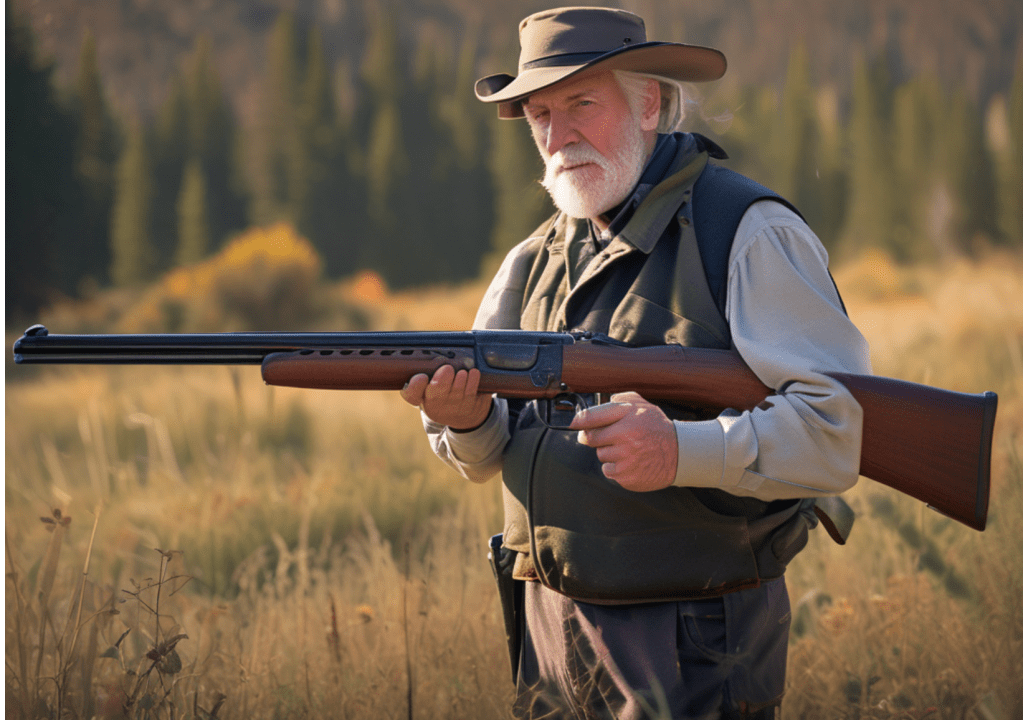
In the backwoods of Eastern Oklahoma’s hill country, an older man named Sam McElroy and his wife, Dora, lived a quiet life. Sam, my great uncle, was a man of grit and stubbornness, traits that only deepened as he aged. Their modest cabin, tucked away from the world, sat outside a small community known as Eagle Town, home to the oldest post office in Oklahoma.


Despite his years, Sam’s marksmanship was legendary. His eyesight might have dimmed for reading, but he could still shoot a rock off a ledge from a hundred yards away with his trusty .22 rifle. He favored his 12-gauge shotgun up close, dispatching targets with the same precision. But Sam found no thrill in shooting at rocks; they didn’t challenge him. His absolute joy came from hunting squirrels, rabbits, and other small game—creatures that could run, making every shot a test of skill.


“There’s no sport in shooting something that can’t run,” he’d say, “and you can eat them too!”


In the mid-1970s, the tranquility of Sam and Dora’s life was disturbed. Tree-logging companies began encroaching on their land, felling the tall trees and sending them off on giant semi-trucks to be milled. The loud and reckless trucks sped down the dirt road past their cabin, kicking up dust that settled on everything, including Dora’s freshly washed laundry.


One day, Sam had had enough. He stopped one of the drivers and firmly requested that the trucks slow down on Tuesdays, the day Dora hung her laundry out to dry. The driver nodded but dismissed the request as soon as he drove away.


The following Tuesday, as trucks roared by again, covering Dora’s linens in dust, Sam’s patience snapped.


“This is it!” Sam declared. “They’re going to goddamn stop today if it’s the last thing I do!”

“This is it!” Sam declared. “They’re going to goddamn stop today if it’s the last thing I do!”

He grabbed a cane-bottom chair from the porch, slung his 12-gauge shotgun over his shoulder, and marched to the dirt road. There, he placed the chair, sat down, and waited.


It wasn’t long before a truck barreled down the road, only to screech to a halt in front of Sam. The driver, bewildered, got out and demanded,

“I need to get through here.”


“My wife needs to get her laundry dry without you jackasses throwing dirt on it,” Sam retorted. “I asked you to slow down on Tuesdays, and you ignored me. Now, you can sit here until her laundry is dry!”


The driver, clearly irritated, shot back,

“We’ll see about that, old-timer!”

He climbed back into his truck and radioed his boss. Soon, more trucks lined up behind the first, and another from the opposite direction joined the standstill. Sam remained steadfast, his shotgun resting across his lap.


Minutes later, a man in a company pickup arrived. He introduced himself as Mike Williams, the logging company supervisor. He informed Sam that blocking the road cost them a lot of money.

“And you’re costing us clean clothes!”

Sam shot back.

“You’ve been speeding past here every week, covering my wife’s laundry in dust.”


Williams threatened to call the sheriff, to which Sam responded,

“Go ahead.”


Forty-five minutes later, McCurtain County Sheriff Joe Phillips arrived at the scene. The road was clogged with trucks, stretching ten deep in both directions. After hearing the situation, the sheriff walked over to Sam’s porch, grabbed another cane-bottom chair, and carried it to the middle of the road. He sat beside Sam, pulled out a stick and pocket knife, and began whittling.


“How long do you think it’ll take for the laundry to dry?”

the sheriff asked.


“A couple of hours should do it,”

Sam replied.


Sheriff Phillips turned to the drivers and Mike Williams.

“Well, we’ll be here for at least two more hours. Might as well kill your engines and save some fuel.”


From that day forward, the logging trucks were no longer scheduled to run on Tuesdays between 10:00 AM and 4:00 PM. Sam’s act of defiance earned him respect, and he soon became a valuable liaison for Mike Williams, helping the logging company identify landowners in the Oklahoma Hills, where they sought to expand. Sheriff Phillips also found a trusted ally in Sam, who knew the remote areas of the county like the back of his hand.


Today, the old cabin is little more than a dilapidated shack, barely standing along the dirt road north of Eagle Town. But the legend of my Uncle Sam lives on, echoing through the hills where I was born.

The Legend of Chuck McCready: The Philly Cheesesteak Incident

A Story By: Benjamin Groff© Groff Media 2024© Truth Endures

In the late 1980s, in the heart of Philadelphia, there was a small, hole-in-the-wall cheesesteak joint called “Tony’s Grub Hub.” The scent of sizzling beef and onions filled the air, and the line for a classic Philly cheesesteak often wrapped around the block. Among the regulars was a local character named Chuck McCready, a fierce, well-loved figure in the neighborhood known for his larger-than-life personality and his deep, almost spiritual love for Philadelphia’s favorite sandwich.

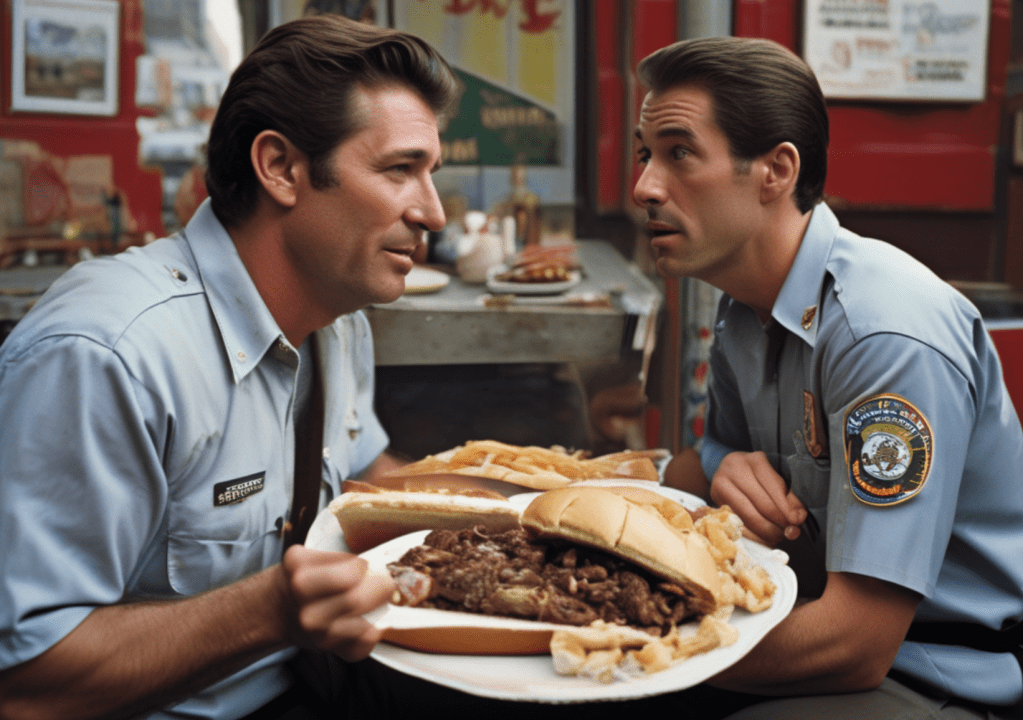
Chuck was a man of principle and passion who never took kindly to the concept of “rules,” especially those that got in the way of a good meal. One fateful evening, Chuck was seated at his usual spot in Tony’s, about to dig into his third cheesesteak of the night—a massive, dripping monster of a sandwich stuffed with extra meat, onions, and a double helping of cheese whiz.

But as Chuck was about to take his first bite, a group of police officers entered the establishment. They had received reports of someone fitting Chuck’s description causing a disturbance in the area earlier that day. They approached Chuck, asking him to step outside for questioning.

Not one to back down, Chuck looked up from his cheesesteak, his hands still clutching the sandwich, and growled, “What’s the charge? Eating a cheesesteak? A succulent Philly cheesesteak?”

The officers, taken aback by his unexpected response, insisted he come quietly. Now fully immersed in the moment, Chuck stood up, holding his half-eaten cheesesteak high like a wand. “This is America, baby!” he bellowed, “Home of the free, where a man can enjoy his meal in peace!”

What happened next was a chaotic scene of Chuck getting dragged out of the restaurant, still holding his cheesesteak, shouting about his rights, and demanding to know why a man couldn’t enjoy a simple meal without being harassed. As the officers tried to force him into the squad car, Chuck continued his tirade: “Is this how we treat a cheesesteak lover in Philly? America is a democracy! My actions are freedom manifest!”

The incident was caught on camera by a passerby and quickly went viral. With Chuck’s impassioned defense of his right to eat a cheesesteak, the video resonated with people across the country. Memes of Chuck McCready declaring “This is freedom manifest!” while clutching a cheesesteak became an overnight sensation.

Years later, Chuck McCready became a folk hero, a symbol of defiance and the right to enjoy life’s simple pleasures. His story was told and retold, often with embellishments, but always with the same core message: no one comes between a man and his cheesesteak in America. His iconic catchphrase, “What’s the charge? Eating a cheesesteak?” became a rallying cry for those who valued freedom and a good meal.

Chuck McCready, the man who stood up for his right to enjoy a succulent Philly cheesesteak, became a legend in the city of brotherly love and is forever remembered as the Cheesesteak Defender.

The ENDING – Monday Morning Was A Killer For One Neighborhood – Ding Dong

A Story By Benjamin Groff© Groff Media2024© Truth Endures

It was a Monday morning, and everyone was starting their week. Neighbors were running about getting to their cars to hit the road and begin to work. John and Mary Wagner were still at home. Both had stayed in their vehicles since arriving home for the weekend, but no one noticed. It wasn’t unusual. They were known for locking their doors on weekends and never leaving the house, so staying home all weekend didn’t signal any concerns.

However, on Monday morning, John was usually the first to leave. He was out of the house and on the road by 6:00 AM to beat rush hour traffic, and Mary would leave by 7:00 AM with their two children, Max and Terri. So what was happening that day? The neighbor two doors down was a lady named Alice Morgan. She watched the neighborhood, curious about the Wagners’ home. 

Why aren’t they moving about this Monday? She asked herself

As the neighborhood drivers leaving for work thinned out, Alice meandered to the Wagners. Walking to the front door, she peered through the front bay window and saw no one inside. She went on up to the door and rang the bell, 

DING DONG, BING, BING, DING, DING, BONG

Alice thought to herself, what a weird doorbell ring. She rang it again to listen to the rhythm,

DING, DONG, BING, BING, DING, DING, BONG

No one came to the door. Curious about the cars remaining in the drive, Alice went to look inside them to see if there was anything strange about them.

Walking under an A-Frame carport, she saw two people in each car. She went up to the first vehicle, a 2017 Ford Pickup, and started to knock on the window before seeing that John Wagner appeared to be stone dead sitting behind its driver’s wheel. He had what looked like a gunshot to his forehead, and a trail of dried blood ran down his head to his chest. Startled, she ran over to Mary’s vehicle to find that Mary also appeared to have been shot in the same manner. The two kids lay dead in the back seat of Mary’s car, a blue 2020 Volvo XC60. Seeing this, Alice began screaming bloody murder and ran down the street, screaming louder and louder as she went toward her home. 

Once inside her home, Alice called 911 and told the operator that she had just found four dead people at her neighbor’s house, and she thought someone murdered four people. The 911 operator asked why she felt someone murdered the four people, and she said they had all had a single gunshot to the forehead and laid over in a car at their home.

Within two minutes, the City of Appleton Police Department had police officers on the scene. Alice Morgan was in the middle of the crime scene, pointing to the dead bodies and explaining the ding-dong doorbell to police officers. They asked her to sit in a patrol unit so they could get a statement from her in writing and a recording of her saying how and what she had discovered. They put her in the back of a patrol unit while she was still talking non-stop, closed the door, and walked away.

Burt Johnson was the lead detective assigned to investigate what had happened to the family. 

A seasoned detective with a knack for piecing together even the most cryptic of puzzles, Burt Johnson arrived on the scene shortly after the first responders. He assessed the surroundings with a practiced eye, noting the position of the vehicles, the broken glass, and the eerie stillness that hung over the Wagner household.

The forensics team was already at work, taking samples and photographing the scene. Burt walked over to the patrol unit where Alice Morgan sat, her face pale and her hands trembling. He opened the door and crouched down to her level.

“Alice, I’m Detective Johnson. Can you walk me through what you saw this morning?”

Alice took a deep breath and recounted her morning, the odd stillness, the peculiar doorbell chime, and the horrifying discovery of the bodies. Burt listened intently, nodding occasionally.

“Thank you, Alice. You’ve been accommodating,” he said, gently patting her hand. “We’ll get someone to take you home soon. For now, try to relax.”

Burt then moved to the vehicles, examining the positions of the bodies. The gunshot wounds were precise, execution-style. These shootings were not random acts of violence; someone put planning into carrying them out. He noted the positions of the vehicles, the lack of struggle, and the fact that the shooter targeted both parents and children.

A uniformed officer approached Burt. “Detective, we found something in the mailbox. It’s an envelope addressed to you.”

Burt’s eyebrows shot up. He took the envelope, carefully opened it, and pulled out a letter. The handwriting was neat, almost meticulous.

“Detective Johnson, You’re getting warmer. This family was just the beginning. Find me before I find my next target.

  • “The Avenger”

Burt felt a chill run down his spine. The Avenger was a name he was all too familiar with – a shadowy figure who had been linked to several high-profile murders, always leaving behind cryptic notes and taunting the police.

Back at the precinct, Burt convened his team. They pored over the evidence, looking for clues that might lead them to the Avenger. The forensic team reported that no fingerprints or DNA were left behind, but they had found traces of a rare chemical compound used in industrial cleaning agents.

Burt’s mind raced. He remembered a case from years ago involving a disgruntled former employee of an industrial cleaning company. The man, Thomas Greene, had a history of mental instability and a vendetta against those he felt had wronged him. Could Thomas be the Avenger?

With a possible suspect in mind, Burt and his team delved into Thomas Greene’s past, uncovering a pattern of behavior that matched the Avenger’s MO. They also discovered that Thomas recently had been in Appleton.

A breakthrough came when a witness reported seeing a man matching Thomas’s description near the Wagner’s home on Sunday night. Burt mobilized his team, and they tracked Thomas’s movements through security footage and witness statements.

Their efforts paid off. They found Thomas hiding in an abandoned warehouse on the outskirts of town. Burt and his team moved in and apprehended him without incident.

Back at the precinct, under intense interrogation, Thomas eventually broke down. He confessed to the murders, revealing that he had been following the Wagner family for weeks, meticulously planning their deaths. He saw himself as an avenger, righting perceived wrongs with his twisted sense of justice.

The Appleton community breathed a sigh of relief as news of Thomas Greene’s arrest spread. Burt, exhausted but relieved, knew there would be more work to ensure Thomas was prosecuted and put away for good. But for now, he could take comfort in justice being served for the Wagner family.

Still shaken but grateful, Alice Morgan found solace in knowing that her vigilance had played a crucial role in solving the case. The neighborhood, once again, felt safe.

And as Burt Johnson left the precinct that night, he couldn’t help but think about the families still haunted by the Avenger’s previous crimes. He promised to continue his pursuit of justice, no matter where it led him.