
A Story By: Benjamin Groff© Groff Media 2024© Truth Endures
In the picturesque town of Göttingen, Germany, where the echoes of time vibrated through the cobblestone streets, a young prodigy named Jürgen Ahrend unearthed a profound connection to the world. Born on April 28, 1930, Jürgen was no ordinary child; his fascination with music was a beacon of his identity from a tender age. The harmonies of the local church organ would enrapture his imagination, and he would spend hours in silent contemplation, envisioning the creation of such magnificent sounds himself. This early passion for music and organ building is a testament to his lifelong dedication and can inspire us all.
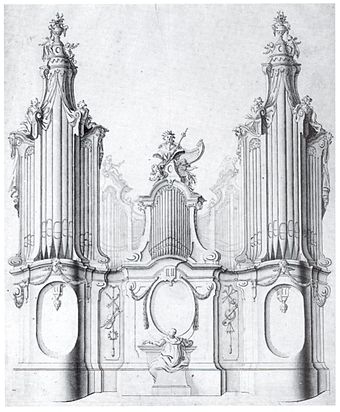
At sixteen, Jürgen began his journey into the world of organ building, serving an apprenticeship with the renowned firm of Paul Ott. From 1946 to 1948, he learned the intricate art of crafting and restoring these majestic instruments. His apprenticeship was more than a mere training period; it was a formative time that solidified his passion and honed his skills. After completing his apprenticeship, Jürgen stayed on as an employee, perfecting his craft each day.
In 1954, Jürgen embarked on a new chapter of his life, forming a partnership with Gerhard Brunzema in Leer–Loga, Lower Saxony. Together, they created a symphony of work, producing 54 new organs and restoring 19. Their collaboration was a harmonious blend of innovation and tradition, each organ they built or restored becoming a testament to their dedication and artistry. However, in 1972, Brunzema left the firm, and Jürgen faced a new challenge. With unyielding determination, he established Jürgen Ahrend Orgelbau, a workshop that would soon become legendary in organ building.
Jürgen’s reputation grew with each project he undertook. His restoration of the Rysum organ and the Arp Schnitger organ in Hamburg’s Hauptkirche St. Jacobi (St. James’s Church) garnered international acclaim. These restorations were not mere repairs; they were acts of reverence, breathing new life into historical treasures. Jürgen’s meticulous attention to detail, his deep respect for the original craftsmanship, and his unwavering commitment to excellence ensured that each organ retained its unique voice, echoing through the centuries. His commitment to excellence is a testament to his dedication and can be felt in every note that resonates with his organs.
In 2009, filmmakers documented Jürgen’s remarkable journey in the film Martinikerk Rondeau. Through extensive interviews, he shared his wisdom, passion, and the philosophy that guided his work. The film offered a glimpse into the mind of a master craftsman, revealing the depth of his commitment to preserving the art of organ building.
As Jürgen approached his later years, he passed the torch to his son, Hendrik, in 2005. Under Hendrik’s leadership, Jürgen Ahrend Orgelbau continued to thrive, carrying forward the legacy of excellence that Jürgen had established. Jürgen’s influence remained palpable, his spirit woven into every pipe, every key, and every note resonating from the organs crafted in their workshop. The continuation of his legacy through his son, Hendrik, ensures that Jürgen’s influence will be felt for generations to come.
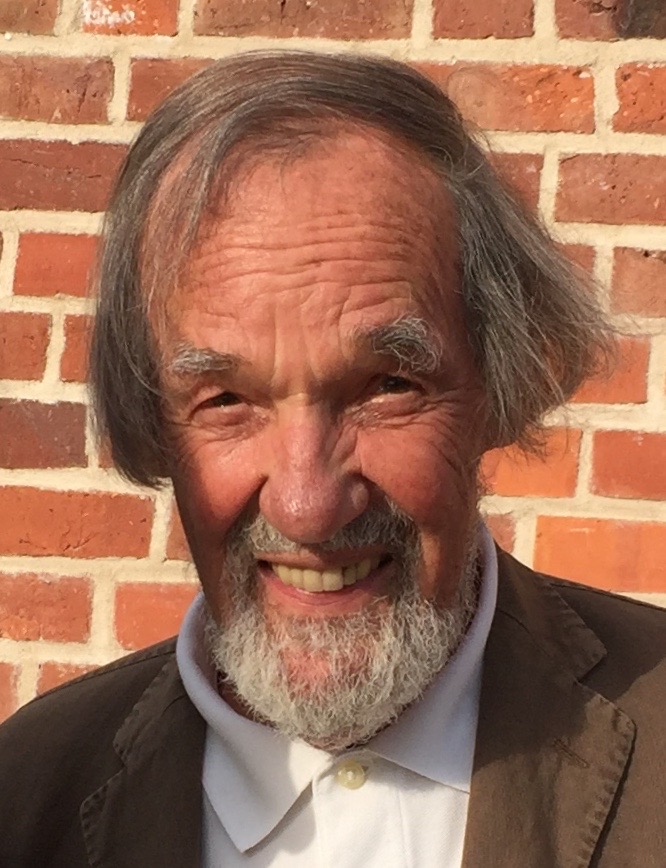
On August 1, 2024, Jürgen Ahrend passed away at 94. His life, marked by dedication, artistry, and an unwavering love for music, left an indelible mark on the world. Jürgen’s legacy lives on in the organs he built and restored, in the workshops where future generations of organ builders draw inspiration, and in the hearts of those touched by the music he so lovingly crafted.
Jürgen Ahrend was more than an organ builder; he was a maestro whose work transcended time, a guardian of musical heritage, and a beacon of passion and perseverance. His story is a tribute to the power of art, the importance of preserving history, and the enduring impact of one man’s dedication to his craft.
 benandsteve.com