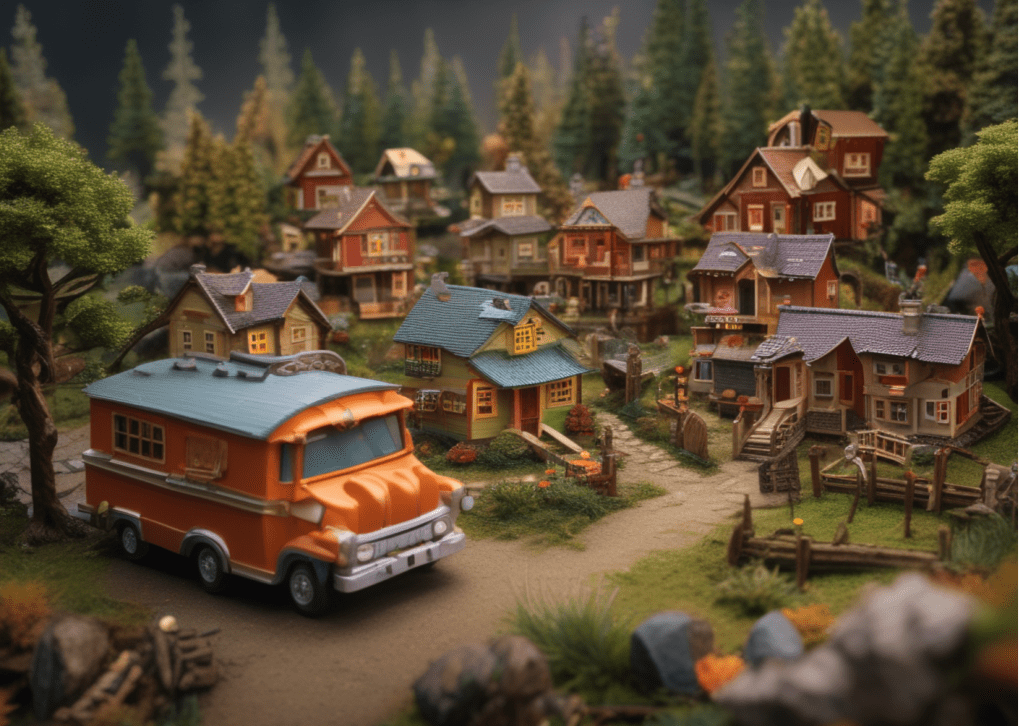
Barry’s Trip To Space To Rescue Boeing’s Starliner

A Story By: Benjamin Groff© Groff Media 2024© Truth Endures

Barry Figg, renowned for his practicality and unconventional approach, was on the brink of an interstellar journey. His mind was ignited with possibilities as he readied his trusty 1968 Ford pickup truck. He had hauled many things in his lifetime, from trailers to farm equipment, but a Boeing Starliner? This was uncharted territory. The fact that no one else had dared to use a pickup truck for such a task only fueled Barry’s determination, a determination that was unwavering in the face of skepticism.

“Beau, you ready for a road trip? Or should I say space trip?”


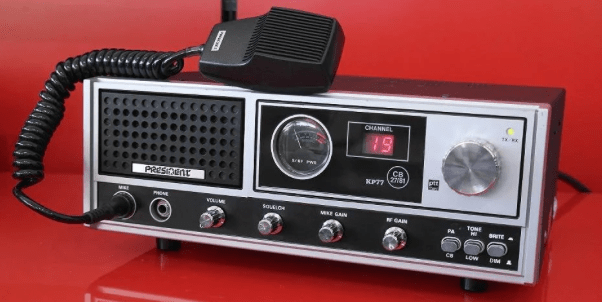
Beau cocked his head, giving his usual “I’m not sure about this” Look. But he followed Barry, hopping into the passenger seat as Barry checked his supplies. Duct tape, check. Extra gas cans, check. A spare tire, in case outer space, had potholes—check. He’d even brought along an old CB radio, thinking it might work in zero gravity, though he had no clue how radio waves worked in space. Barry didn’t care; he figured he’d wing it like most things.

Once NASA learned of Barry’s mission, skepticism was immediate. Experts in aerodynamics and astrophysics laughed but turned to dead silence when Barry’s truck, rigged to a makeshift launch system, somehow lifted off without a hitch.

“Well, that wasn’t so bad,” Barry muttered as he and Beau cruised past the stratosphere.

“This ol’ girl’s still got it.”

Barry marveled at the view as the Ford ascended through the layers of atmosphere. Earth, a glowing blue marble beneath him, seemed serene. And there, floating ahead, was the broken-down Boeing Starliner its silver hull gleaming in the sunlight. Inside the Starliner, astronauts Mike and Sarah, who had been stranded for days, stared in disbelief as the pickup truck came into view, their shock and awe palpable even from a distance.

“You seeing what I’m seeing?” Mike asked over the radio.
“Is that a pickup truck?” Sarah’s voice crackled over the radio, disbelief evident in her tone. “Did NASA send a guy in a truck?”

As Barry carefully maneuvered the truck closer to the shuttle, he saw their faces peering through the small windows, wide-eyed and in shock.

“Do you need a lift?”

Barry asked through the CB, unaware it was probably not connected to any NASA frequency. Luckily, the two astronauts got tuned in to a general frequency, and Mike responded,

“Uh… yes. Yes, we do.”

Barry pulled alongside the shuttle and threw his hook—a custom-made towing rig he’d welded together using old chains and farm parts—around the back of the spacecraft. The starliner got securely latched to his truck with a few hard pulls.

“Hold tight, fellas. We’re goin’ home,”

Barry said, grinning from ear to ear as Beau barked in approval.

Barry set his course for Earth with the astronauts safely aboard and the spacecraftin tow. The news of this unprecedented rescue spread like wildfire, catching the attention of NASA, SpaceX, and Boeing engineers. Always hungry for a good story, the media began reporting on the ‘Miracle Towman’ who was bringing the astronauts home.

The shuttle’s re-entry into Earth’s atmosphere was tense. The heat shields were supposed to disintegrate, but they managed to hold with Barry’s truck pulling it at just the right angle and speed. Barry Figg was a hero when the Ford’s tires hit the ground, rolling onto the Kennedy Space Center runway.

The crowd went wild. Reporters rushed to the scene, cameras flashing, as Barry and Beau stepped out of the truck. The two astronauts emerged next, dazed but alive.

The media was abuzz with the story of the ‘Miracle Towman,’ who had defied all odds to bring the astronauts home, and the story was soon making headlines around the world.

“Barry, how did you do it?”

A reporter asked, thrusting a microphone in his face.

Barry scratched his head, looked down at Beau, and then back at the reporter.

“I dunno. I just did what I always do—haul stuff. It didn’t matter if it was a broken tractor or a spacecraft. You hook it up, pull it, and ensure it doesn’t fall apart.”

NASA and Boeing executives stood in the crowd, their faces a mixture of awe and disbelief. Melon Lusk tweeted,

“Sometimes the simplest solution is the most unexpected. Well done, Barry.”

Barry couldn’t believe the attention. He had never asked for fame but was a national sensation here. As the praise rolled in, he felt a mix of pride and humility. He thought,

“Maybe space haulin’ ain’t so bad after all.”

But deep down, he knew that he was just a small-town hauler who had done what he thought was right.
Later that evening, after all the interviews and handshakes, Barry climbed back into his pickup with Beau and started the engine. As he pulled out of the space center parking lot, he turned to his loyal dog.

“Well, Beau, we’re not just small-town haulers anymore, are we?”

Beau barked once, agreeing they now head for more than just earthbound odd jobs. The Beau began to speak human, saying


“You are one lucky son-of-a-bitch, Barry!”

Then, he began barking using his dog voice—Wolf, Wolf, Wolf, Wolf, Wolf. This caused Barry to wake up from the most incredible dream he had ever experienced!

When Barry woke up, he realized he had to go to work at the job he had been doing for the last 18 years, 11 months, 14 days, and 16 hours: folding boxes at a candy-making company. ––– The End.

NightShift In The South District

A Story By: Benjamin Groff© Groff Media 2024© Truth Endures

The city’s skyline, dotted with the faint glow of distant lights, stretched like a jagged silhouette against the darkening sky. As the clock struck 8 p.m., the streets of the south district began to stir with a life all their own. The south district was notorious, where the line between night and day blurred into a constant shade of grey, and danger was not just a possibility but an expectation.

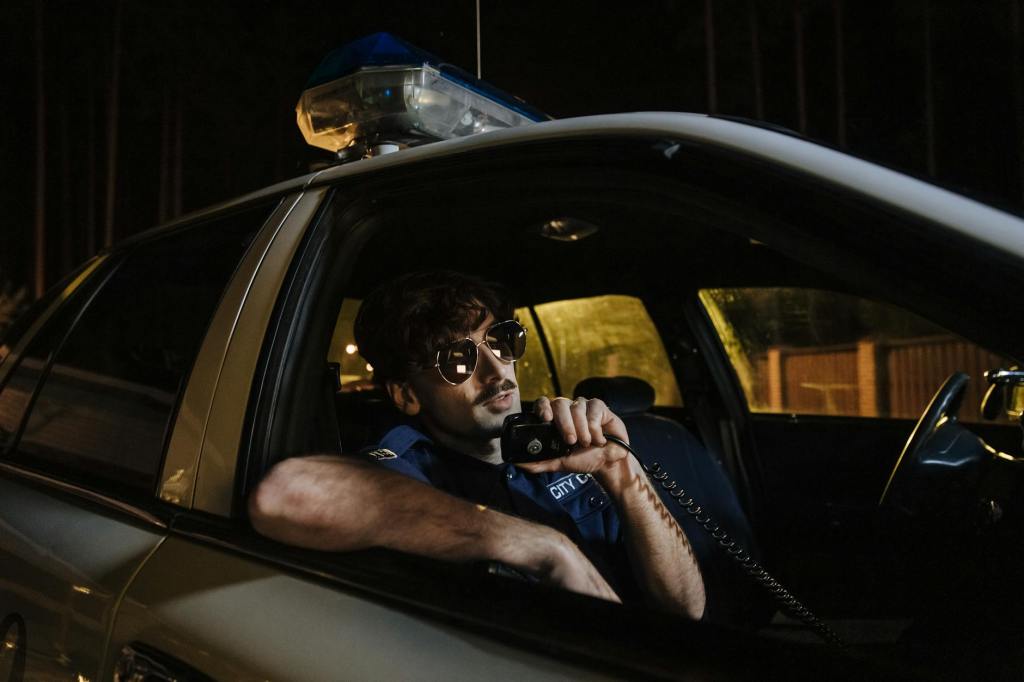
Officer Jacob Reed adjusted his vest and checked his gear before leaving the station. According to the seasoned officers, it was his first solo night shift in the south district, a baptism by fire. He had heard the stories—the gang disputes, the addicts, the desperate, the damned. But nothing could truly prepare him for the reality of patrolling these mean streets.

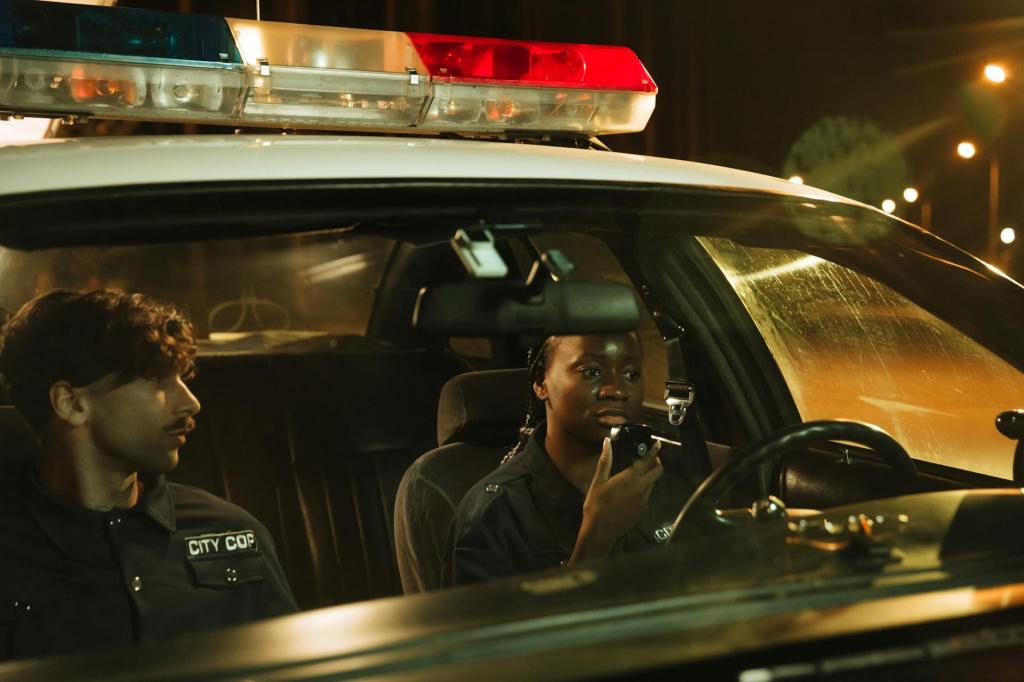
The radio crackled to life as he started his patrol car, the familiar voice of the dispatcher cutting through the static. “Unit 27, disturbance reported on 5th and Elm. Suspected domestic violence. Proceed with caution.”

Jacob felt a knot tighten in his stomach. Domestic calls were unpredictable and often turned violent. He sped through the streets, the red and blue lights flashing against the crumbling buildings and graffiti-stained walls.

As he arrived, he could already hear the shouting. A man and a woman, voices thick with anger and pain, spilling out from a run-down apartment. Jacob approached cautiously, hand on his holster. The door was ajar, the argument escalating. He knocked loudly, announcing his presence, which momentarily stunned the couple into silence.

The woman, tears streaking her face, pushed past him and ran into the night, leaving Jacob alone with the man—a towering figure, eyes wild with rage and something darker. “You got no business here, cop,” the man snarled.

Jacob knew better than to engage in a back-and-forth. “Sir, I need you to calm down. Let’s talk this out. No one needs to get hurt tonight.”

But the man was beyond reason. He lunged at Jacob, who barely had time to react, wrestling him to the floor. The training kicked in, and within moments, Jacob had the man subdued and in handcuffs. But the adrenaline still pumped through his veins as he led the man to the patrol car, the woman’s disappearance lingering in his mind. It was just the beginning of the night.

The hours they dragged on, each call blurring into the next—a bar fight that ended with broken bottles and blood, a missing child who had been found in an alley shivering and alone, a burglary in progress that turned into a chase through the maze of backstreets.

The south district had a pulse of its own, a relentless, pounding rhythm that seemed to sync with the beat of Jacob’s heart. He could feel the weight of the night pressing down on him, the darkness closing in from all sides. There were moments when the fear gnawed at him, but he pushed it down, focused on the next call, the next crisis.

Around 3 a.m., as the city reached its most sinister hour, Jacob found himself at a crossroads, literally and figuratively. He got flagged down by a frantic woman claiming someone shot her boyfriend. She led him to a dilapidated building where the faint scent of gunpowder still hung in the air. Inside, the scene was grim—a young man, barely older than Jacob, lay bleeding out on the floor.

Jacob radioed for an ambulance and knelt beside the man, trying to stop the bleeding, but the wounds were too severe. The man’s eyes, filled with pain and fear, met Jacob’s. “I didn’t mean to… I didn’t mean…” he rasped before the light in his eyes faded.

Jacob sat back, his hands stained with blood, his heart heavy. The ambulance arrived too late, and as they wheeled the body away, Jacob felt a hollowness settle in. The streets had claimed another life, and despite his best efforts, he was powerless to stop it.

The night continued its brutal march towards dawn, with Jacob responding to calls that tested his resolve—an overdose that ended with a life saved, a car accident where luck favored the victim, and a confrontation with a knife-wielding suspect that left him shaken but unharmed.

As the first light of dawn broke over the horizon, Jacob finally pulled back into the station, exhausted and drained. The south district was a battleground, and the scars it left were not always visible. He had survived the night, but he knew there would be many more like it, each with its dangers, each demanding more from him than he thought he had to give.

But as he hung up his gear and prepared to go home, he knew he would return the next night. Because despite the fear, despite the darkness, there was a part of him that knew he was needed here, in these mean streets, where the line between good and evil was as blurred as the city skyline at dusk

You May Have Heard OF Project 2025 But Have You Heard Of The Rights “Nickle A Prayer Tax?”

A Fictional Writing By: Benjamin Groff© Groff Media 2024© Truth Endures

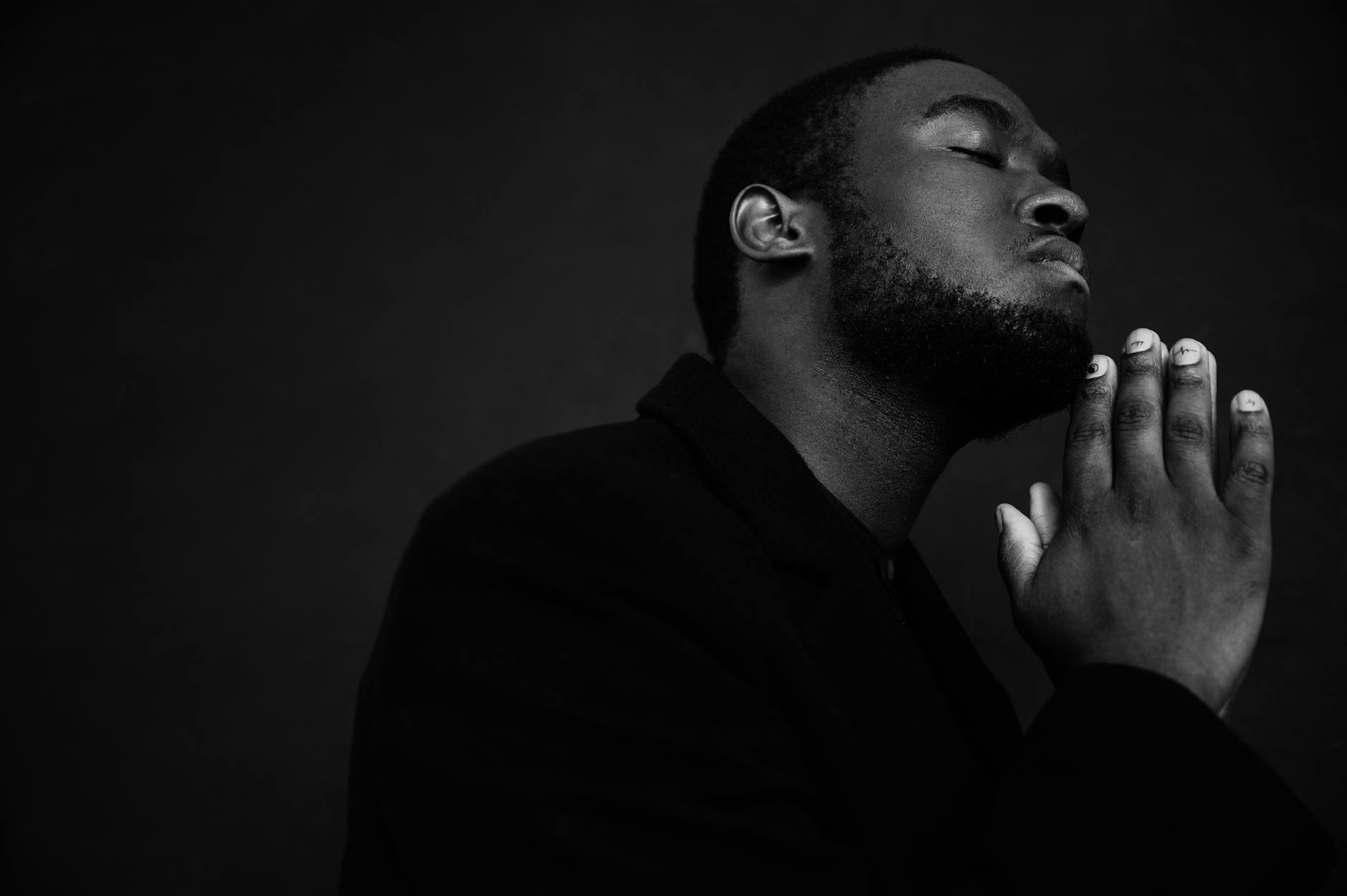
In a move that could only be described as a blend of boldness and absurdity, the Rights Political Movement unveiled its most audacious plan yet: the Nickel A Prayer Tax. The idea was simple—or so they claimed. Every time someone bowed their head in prayer within the sacred walls of a tax-exempt church, the government will tally a nickel to get paid at the end of the fiscal year. The plan, the movement argues, was a way to finally have churches “pay their fair share” for the many costs they purportedly impose on the taxpayers.

The proposal, though greeted with a mix of shock and hilarity, was rooted in a series of dubious and imaginative calculations that the movement’s leaders claime are grounded in reality.

The Costs Churches Create for Taxpayers

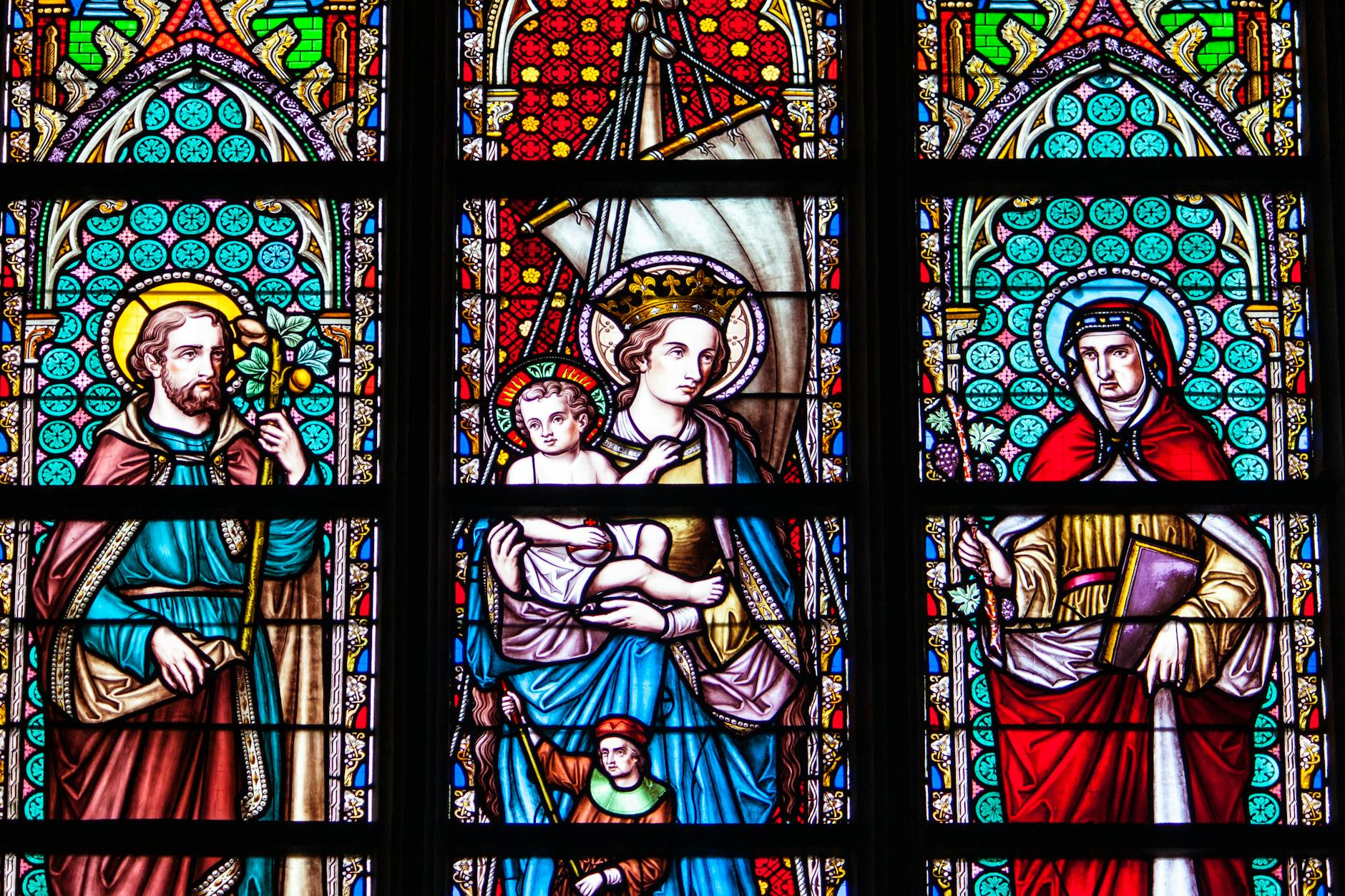
  1. Lost Revenue from Tax Exemptions: The Rights Political Movement claime that churches, by being tax-exempt, were costing the government billions in lost revenue. “Imagine the potholes that could get filled if every stained-glass window paid its share!” exclaimed Senator Hilda Bottomline, one of the movement’s most fervent advocates.
  2. Emergency Services: According to the proposal, every time a church caught fire, needed police protection during a controversial sermon, or hosted a significant event requiring traffic control, taxpayers were on the hook. “Why should my tax dollars go to escorting a parade of choir members?” asked Roger Stingy, a local businessman and supporter of the tax.
  3. Social Services Duplication: Churches often run soup kitchens, shelters, and charity drives. While these services are undeniably helpful, the movement argued they duplicated what the government was already providing without paying their “service fees.” “We’ve got welfare programs for a reason, no need for double-dipping,” said Ernestina Pennypinch, another movement leader.
  4. Real Estate Value Suppression: The movement claimed that large churches, especially those in prime urban locations, suppressed property values. They took up space that could otherwise be used for lucrative, tax-paying businesses like luxury condos or gourmet dog food stores. “Holy land? More like hole-in-the-budget land,”remarked developer Richie Realestate as he eyed a historic cathedral downtown.
  5. Environmental Impact: Every Sunday, cars are packed into church parking lots, creating traffic jams and pollution. The movement argues that if churches paid a Nickel A Prayer Tax, those funds could go directly into green initiatives to offset this “prayer smog.” “Save the planet, tax the pews” became the rallying cry of eco-activists who quickly latched onto the movement.

The Benefits of the Nickel A Prayer Tax

  1. Filling the Budget Gaps: The movement estimated that the tax could raise billions, plugging holes in state and federal budgets. “Forget about cutting school lunches—we’ll be swimming in nickels!” a high-ranking budget official proclaimed.
  2. Funding Secular Charities: The tax revenue could get redirected to secular charities that, according to the movement, were more inclusive and efficient. “Why should a soup kitchen be connected to a sermon?” asked Kaylee Kindly, founder of the Secular Soup for All initiative.
  3. Incentivizing Smaller Congregations: Large megachurches would finally have to pay their way, while more minor, less extravagant congregations might see a decrease in attendance—and, therefore, their tax burden. “Think of it as a spiritual diet plan,” joked Bottomline. “Less congregation, more salvation!”
  4. Reducing Traffic Congestion: With fewer people flocking to Sunday services, roads would be more precise, reducing traffic accidents and wear and tear on infrastructure. “Sunday mornings will become the new blissful commute hour,” promised Max Gridlock, the city’s transportation chief.

The Backlash

Unsurprisingly, religious groups across the nation oppose the plan fiercely. The National Association of Pastors (NAP) organized a “Prayer-a-Thon” to raise funds to fight the tax. Every prayer during the event was meticulously counted, and the movement’s leaders were sent a bill—penned in gold ink—for the “spiritual services rendered.” It was a bill that could only be paid in prayers, of course.

The Final Word

In a twist of irony, the Nickel A Prayer Tax became a subject of intense debate and endless litigation. Lawyers will make a fortune arguing over what constituted a “prayer”—is a simple “Amen” worth a nickel? What about silent prayers? Could churches claim a rebate for prayers said in service to the community?

The Rights Political Movement continue to push the tax, convinced that it is the key to a balanced budget and a fairer society. While the tax itself is mired in legal challenges, its mere proposal left an indelible mark on the political landscape, forcing everyone to rethink the true cost of faith—or at least, the cost of not charging for it.

The Arlington Cemetery: A Place of Solemnity and Reverence

A Few Words Written By Benjamin Groff© Groff Media 2024© Truth Endures

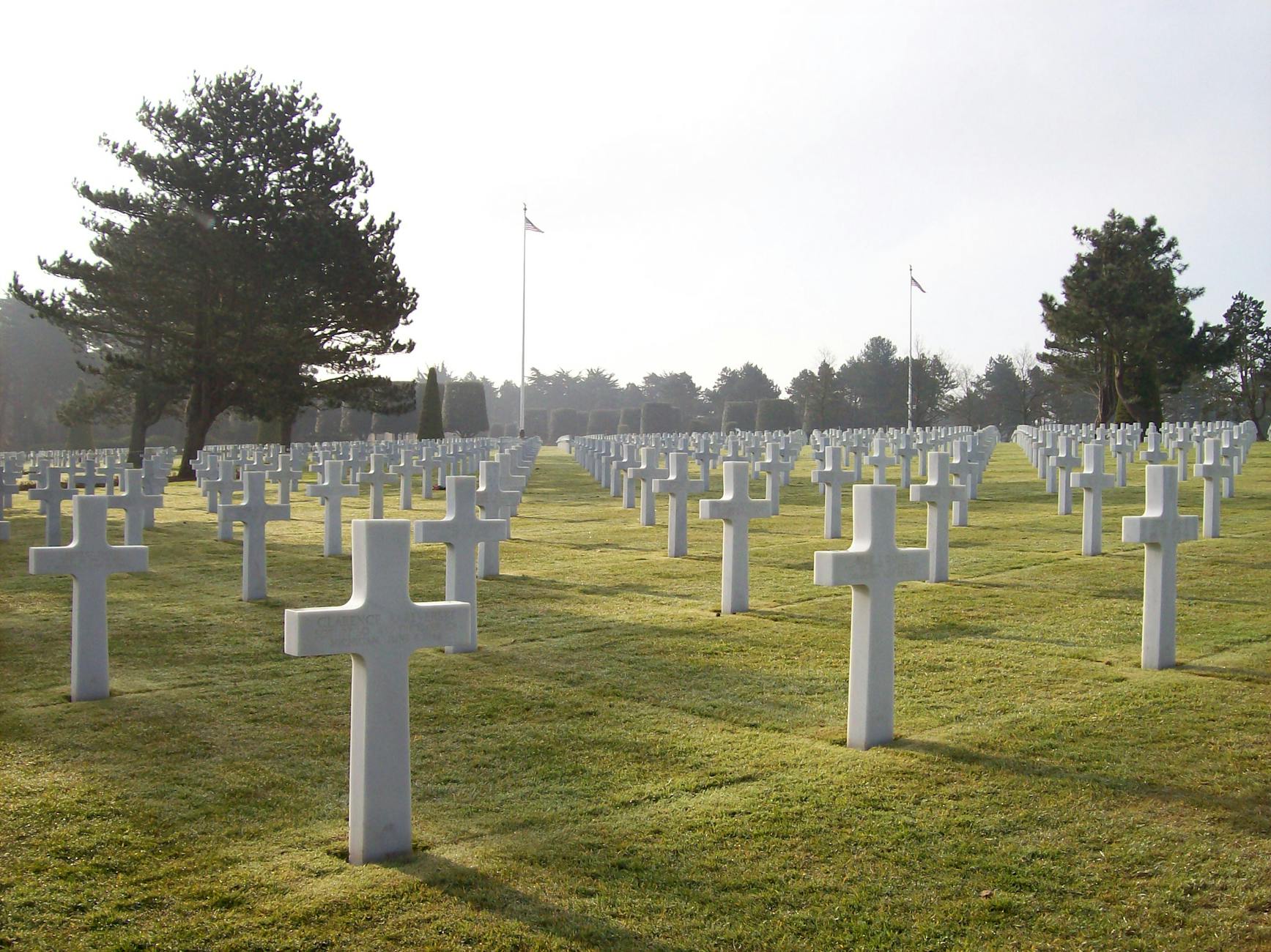
It’s a stark reality that the respect owed to those who made the ultimate sacrifice for our nation gets often overlooked during political and commercial events. A red, white, and blue flower bouquet, more fitting for a picnic table than a sacred resting place, laid at the headstone of a fallen hero is a painful reminder of this disrespect.

It’s crucial to understand that there’s a distinct time and place for honoring our heroes and a separate space for casual group photos. These two should never mix. It’s our responsibility, especially for those in influential positions like Donald Trump, to uphold this distinction.

A Step Out of Time – The Day That Kept Repeating –– A Detective Wakes Up Lost In The Future 

Experiencing A Different Version Of The Same Day Over And Over.

A Story By: Benjamin Groff© Groff Media 2024 © Truth Endures

Detective James “Jimmy” O’Connor had seen it all—or so he thought. O’Connor had been on the force since 1951 when respect meant something and a good cop could solve a case with his wits and a firm handshake. But nothing could have prepared him for the day he woke up in 2024, a world so different from the one he knew. It was as if he had stepped into a parallel universe.

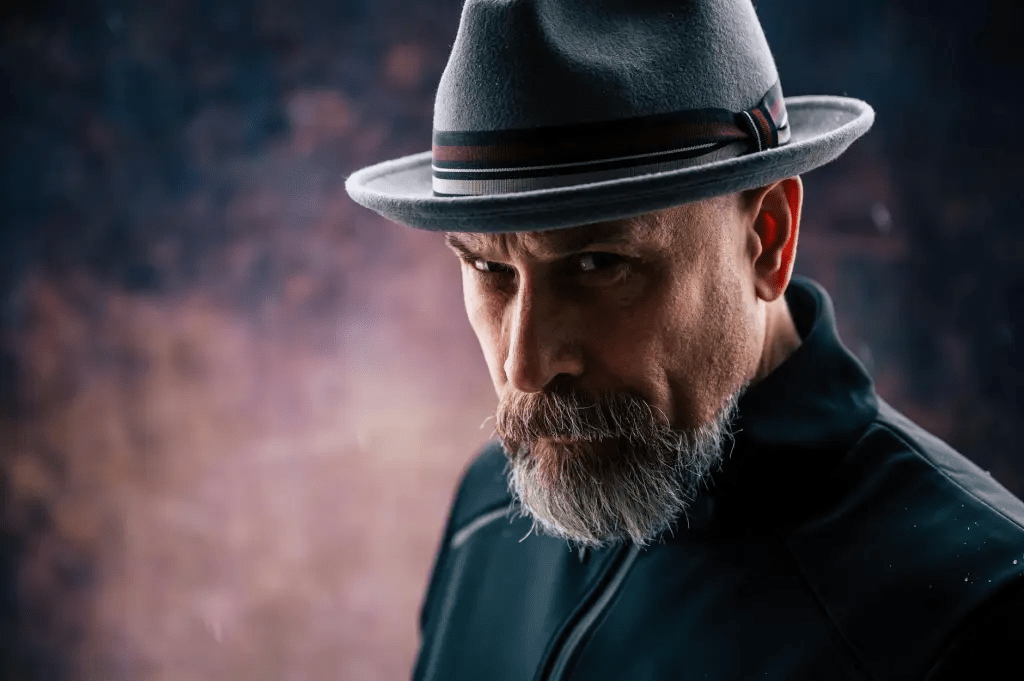
It started like any other morning. Jimmy rolled out of bed in his modest home, built solidly after the war when families were booming and life was good. He yawned, stretched, and reached for his old fedora, a relic from yesteryear that still sat faithfully on the bedpost. The sun streamed through the window, but something in the light felt –– off. A glance at the calendar confirmed it. The year read 2024.

“What in the Sam Hill…”

he muttered, running a hand through his graying hair. Had he been in a coma? Had he somehow slept through sixty years of his life?

Still dazed, he dressed in his usual attire: a crisp white shirt, suspenders, pleated trousers, and polished leather shoes. His well-worn and comforting hat sat snugly atop his head. The mirror reflected a man who had not aged a day since the early 1960s. Time had played its tricks, but Jimmy O’Connor remained the same.

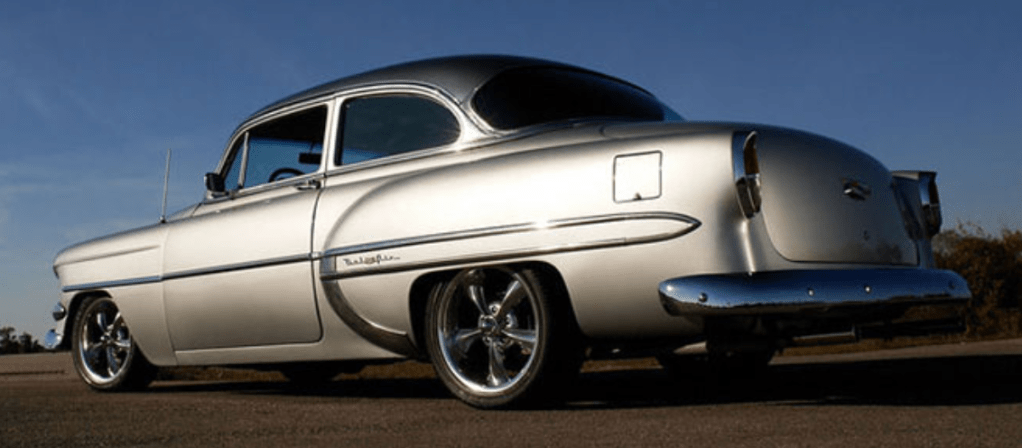
Determined to make sense of things, he grabbed his keys and headed out. His faithful 1954 Chevrolet two-door coupe sat waiting in the driveway as he’d left it. The car was nothing fancy—back in the day, it had been the biggest clunker in the department. The boys at the station used to rib him about it, but Jimmy liked it just fine. It had character, just like him.

The drive to the station was surreal. Buildings towered over the officer, sleek and modern. People walked down the streets glued to strange devices, barely looking up. The air buzzed with a thousand sounds, none of which he recognized. And the cars—by God, the cars! They whizzed by silently as if propelled by magic. Jimmy’s old Chevy chugged along, a relic in a world that had moved on without him, a world that felt utterly alien.

When he pulled up to the station, he first noticed the gawking. A group of younger officers stood in the lot, eyes wide and mouths agape as they saw him and his car. One of them, a kid who couldn’t have been more than twenty-five, stepped forward.

“Is that…a ’54 Chevy?”

He asked, awe dripping from his voice.

Jimmy nodded, confused.

“Sure is. Why?”

“That thing’s a classic! How the hell did you get it in such good shape?”

“Just took care of it, I guess,”

Jimmy replied, still trying to process everything.

“Now, what in blazes is going on around here?”

Inside, the station was a hive of activity, but nothing looked the same. Computers sat on every desk, glowing with images Jimmy didn’t understand. Phones weren’t phones anymore; they were slim, glass rectangles everyone seemed glued to. And the fashion—if you could call it that—was wild—bright colors, strange fabrics, and hair that defied gravity.

Jimmy made his way to the chief’s office, nodding at a few familiar faces, now older men. They all stared back as if they’d seen a ghost. When he finally entered the door, Chief Morales looked up from his desk, his eyes nearly popping out of his head.

“Jimmy?”

Chief Morales croaked, his eyes nearly popping out of his head.

“What the hell?”

His voice was a mix of shock and disbelief, mirroring the sentiments of everyone who had laid eyes on the seemingly unchanged detective.

“Chief, I don’t know what’s happening, but I woke up this morning, and the whole world turned upside down. I need answers.”

Morales gestured for him to sit, still in shock.

“You mean to tell me you remember nothing past…when? The 1960s?”

“Last thing I remember, Kennedy was in office, and I was working a case with the old squad,”

Jimmy replied, sinking into the chair.

“Now it’s like I stepped into one of those science fiction movies.”

The chief rubbed his temples.

“Jimmy, it’s 2024. A lot has changed. I don’t know how or why, but you look like you haven’t aged a day.”

“Tell me about it,”

Jimmy grumbled.

“And what’s with the kids these days? I was on a case involving students before this, whatever it was. Are they all this –––different?”

The chief sighed.

“Different doesn’t begin to cover it. Kids these days are a whole new breed. They have connected to the world in ways we couldn’t have imagined in the 60s. Social media, smartphones, instant communication –– They’re more outspoken and more aware but more distracted. It’s a different world, Jimmy.”

Just then, a young officer burst into the room, his face excitedly lit.

“Chief, we’ve got a situation at the high school. Some fight—might be gang-related.”

Jimmy’s ears perked up. A case involving students? An assignment with students –– was familiar territory.

“I’ll go,”

he said, standing up.

“Jimmy, wait—”

Morales started, but Jimmy was already out the door.

On the Case

The high school was a chaotic scene. Teens were scattered everywhere, shouting and recording the commotion on their phones. Jimmy strode in, commanding attention despite the odd looks he received. He spotted a group of kids at the center of it all, some dressed in clothes he could barely comprehend, others with tattoos and piercings that would have been unthinkable in his time.

“Alright, break it up!”

Jimmy barked, his voice cutting through the noise like a knife. The kids looked at him, confused, but the tone was unmistakable. They started to disperse, grumbling under their breath.

A young girl with brightly colored hair and a nose ring approached him.

“Who are you supposed to be? You look like you just walked out of a history book.”

“Detective O’Connor,”

he replied gruffly.

“Now, what’s going on here?”

She shrugged, unimpressed.

“Just a fight. It happens all the time. We caught it on video if you want to see it.”

Jimmy blinked.

“Caught it on video? You mean you filmed it instead of stopping it?”

The girl rolled her eyes.

“Yeah, it’s what we do. Upload it to TikTok, get some likes.”

“Tik…what?”

Jimmy shook his head, feeling like he was slipping further into the twilight zone.

“Never mind,”

she said, dismissing him.

“You wouldn’t get it.”

As he tried to piece together what she meant, a senior officer approached, relieved to see him.

“Detective O’Connor, right? I’ve heard stories about you. The chief said you might be ––– helping out today?

“Helping out, yeah,”

Jimmy replied, still feeling out of place.

“What’s the story here?”

The officer explained the situation—two students from rival groups had fought over something posted online. Jimmy listened, but the details were baffling. Back in his day, fights happened face-to-face, not through the internet.

“Sounds like the same old story, just with a new twist,”

Jimmy said.

“I’ll talk to them.”

He approached the two students, who were now sulking on the sidelines. They looked up at him with a mix of defiance and confusion.

“Alright, you two,”

Jimmy started,

“what’s this all about?”

They exchanged glances before one finally spoke up.

“This boy posted some crap about my sister on Instagram. I wasn’t going to let that slide.”

“Instagram?”

Jimmy repeated, trying to keep up.

“Back in my day, you settled things like men. You talked it out—or, if it came to blows, you did it without an audience.”

The other boy scoffed.

“What do you know, old man? Times have changed.”

“Maybe so,”

Jimmy admitted,

“but respect doesn’t. You don’t solve problems by hiding behind a screen. If you’ve got an issue, you deal with it face-to-face, like men. And you sure don’t let it become a circus for everyone else to watch.”

The boys looked at him, considering his words. It was a message from another time, but something about it resonated. Eventually, they both nodded, muttering apologies under their breath.

As the situation defused, Jimmy felt a strange sense of accomplishment. The methods might have changed, but the core principles still needed to be. Respect, honesty, and responsibility still mattered, even in this brave new world.

The World Keeps Spinning

Back at the station, the day wound down, and Jimmy found himself in the parking lot, staring at his old Chevy. It was the one constant in this sea of change, a reminder of where he came from and who he was. But as he climbed in and turned the key, he couldn’t help but wonder how long he could hold onto the past in a world that seemed determined to move forward without him.

As the engine roared to life, Jimmy tipped his hat, adjusted his rearview mirror, and drove into the setting sun. The road ahead was uncertain, but he’d face it the only way he knew how—one mile at a time, just like he always had.

He’d find his place in this strange new world somewhere along the way. But for now, he was content to be a man out of time, doing his best to keep up with a world that had left him behind.

A Step Out of Time The Next Morning

Detective James “Jimmy” O’Connor had seen it all—or so he thought. O’Connor had been on the force since 1951 when respect meant something and a good cop could solve a case with his wits and a firm handshake. But nothing could have prepared him for the day he woke up in 2024, a world so different from the one he knew. It was as if he had stepped into a parallel universe, a world where the very fabric of society got rewoven.

It started like any other morning. Jimmy rolled out of bed in his modest home, built solidly after the war when families were booming and life was good. He yawned, stretched, and reached for his old fedora, a relic from yesteryear that still sat faithfully on the bedpost. The sun streamed through the window, but something in the light felt –– off. A glance at the calendar confirmed it. The year read 2024.

“What in the Sam Hill…it seems like I’ve been here before.”

he muttered, his voice trembling, running a hand through his graying hair. Had he been in a coma? Had he somehow slept through sixty years of his life?

Still dazed, he dressed in his usual attire: a crisp white shirt, suspenders, pleated trousers, and polished leather shoes. His well-worn and comforting hat sat snugly atop his head. The mirror reflected a man who had not aged a day since the early 1960s. Time had played its tricks, but Jimmy O’Connor remained the same.

Determined to make sense of things, he grabbed his keys and headed out. His faithful 1954 Chevrolet two-door coupe sat waiting in the driveway as he’d left it. The car was nothing fancy—back in the day, it had been the biggest clunker in the department. The boys at the station used to rib him about it, but Jimmy liked it just fine. It had character, just like him.

The drive to the station was surreal. Buildings towered over the officer, sleek and modern. People walked down the streets glued to strange devices, barely looking up. The air buzzed with a thousand sounds, none of which he recognized. And the cars—by God, the cars! They whizzed by silently as if propelled by magic. Jimmy’s old Chevy chugged along, a relic in a world that had moved on without him, a world that felt utterly alien.

When he pulled up to the station, he first noticed the gawking. A group of younger officers stood in the lot, eyes wide and mouths agape as they saw him and his car. One of them, a kid who couldn’t have been more than twenty-five, stepped forward.

“Is that…a ’54 Chevy?”

the young officer asked, his voice filled with awe and disbelief as if he had just seen a relic from a forgotten era.

Jimmy nodded, confused.

“Sure is. Why?

“That thing’s a classic! How the hell did you get it in such good shape?”

“Just took care of it, I guess,”

Jimmy replied, thinking he’d answered the same question a day before, he was still trying to process everything.

“Now, what in blazes is going on around here?”

Inside, the station was a hive of activity, but nothing looked the same. Computers sat on every desk, glowing with images Jimmy didn’t understand. He’d been here before. This is the same thing he had done yesterday. Phones weren’t phones anymore; they were slim, glass rectangles everyone seemed glued to. The fashion starkly contrasted Jimmy’s traditional attire—bright colors, strange fabrics, and hair that defied gravity. The world had become a place where technology and individual expression reigned supreme, a far cry from the simpler times Jimmy was used to. I am repeating yesterday in the future, Jimmy thought to himself.

Jimmy went to the chief’s office, nodding at a few familiar faces, now older men. They all stared back as if they’d seen a ghost, they hadn’t seen Jimmy looking that young in fifty years. When he finally entered the door, Chief Morales looked up from his desk, his eyes nearly popping out of his head.

“Jimmy?”

Chief Morales croaked, his eyes nearly popping out of his head. The shock and disbelief in his voice mirrored the sentiments of everyone who had laid eyes on the seemingly unchanged detective.

“Chief, I don’t know what’s happening, but I woke up this morning, and the whole world turned upside down. I need answers,”

he declared, his voice unwavering despite the chaos around him.

“We did this yesterday, and now it is happening again!

Morales gestured for him to sit, still in shock.

“Like I told you yesterday, when we went through this the last thing I remember, Kennedy was in office, and I was working a case with the old squad,” Jimmy replied, sinking into the chair. “Now it’s like I stepped into one of those science fiction movies.

The chief rubbed his temples.

“Jimmy, it’s 2024. A lot has changed. I don’t know how or why, but you look like you haven’t aged a day.”

“Tell me about it,”

Jimmy grumbled.

“And what’s with the kids these days? I was on a case involving students before this, whatever it was. Are they all this –––different?”

The chief sighed.

“Different doesn’t begin to cover it. Kids these days are a whole new breed. They have connected to the world in ways we couldn’t have imagined in the 60s. Social media, smartphones, instant communication –– They’re more outspoken and more aware but more distracted. It’s a different world, Jimmy.”

Just then, a young officer burst into the room, his face excitedly lit.

“Chief, we’ve got a situation at the high school. Some fight—might be gang-related.”

Jimmy’s ears perked up. A case involving students? An assignment with students –– was familiar territory.

“I’ll go,”

he said, standing up.

“Jimmy, wait—

” Morales started, but Jimmy was already out the door.

On the Case

The high school was a chaotic scene. Teens were scattered everywhere, shouting and recording the commotion on their phones. Jimmy strode in, commanding attention despite the odd looks he received. He spotted a group of kids at the center of it all, some dressed in clothes he could barely comprehend, others with tattoos and piercings that would have been unthinkable in his time.

“Alright, break it up!”

Jimmy barked, his voice cutting through the noise like a knife. The kids looked at him, confused, but the tone was unmistakable. They started to disperse, grumbling under their breath.

A young girl with brightly colored hair and a nose ring approached him.

“Who are you supposed to be? You look like you just walked out of a history book.”

“Detective O’Connor,”

he replied gruffly.

“Now, what’s going on here?”

She shrugged, unimpressed.

“Just a fight. It happens all the time. We caught it on video if you want to see it.”

Jimmy blinked.

“Caught it on video? You mean you filmed it instead of stopping it?”

The girl rolled her eyes.

“Yeah, it’s what we do. Upload it to TikTok, get some likes.”

“Tik…what?”

Jimmy shook his head, feeling like he was slipping further into the twilight zone.

“Never mind,”

she said, dismissing him.

“You wouldn’t get it.”

As he tried to piece together what she meant, a senior officer approached, relieved to see him.

“Detective O’Connor, right? I’ve heard stories about you. The chief said you might be ––– helping out today?”

“Helping out, yeah,”

Jimmy replied, still feeling out of place.

“What’s the story here?”

The officer explained the situation—two students from rival groups had fought over something posted online. Jimmy listened, but the details were baffling. Back in his day, fights happened face-to-face, not through the internet.

“Sounds like the same old story, just with a new twist,”

Jimmy said.

“I’ll talk to them.”

He approached the two students, who were now sulking on the sidelines. They looked up at him with a mix of defiance and confusion.

“Alright, you two,”

Jimmy started,

“what’s this all about?”

They exchanged glances before one finally spoke up.

“This boy posted some crap about my sister on Instagram. I wasn’t going to let that slide.”

“Instagram?”

Jimmy repeated, trying to keep up.

“Back in my day, you settled things like men. You talked it out—or, if it came to blows, you did it without an audience.”

The other boy scoffed.

“What do you know, old man? Times have changed.”

“Maybe so,”

Jimmy admitted,

“but respect doesn’t. You don’t solve problems by hiding behind a screen. If you’ve got an issue, you deal with it face-to-face, like men. And you sure don’t let it become a circus for everyone else to watch.”

The boys looked at him, considering his words. It was a message from another time, but something about it resonated. Eventually, they both nodded, muttering apologies under their breath.

As the situation defused, Jimmy felt a strange sense of accomplishment. The methods might have changed, but the core principles still needed to be. Respect, honesty, and responsibility still mattered, even in this brave new world.

The World Keeps Spinning

Back at the station, the day wound down, and Jimmy found himself in the parking lot, staring at his old Chevy. It was the one constant in this sea of change, a reminder of where he came from and who he was. But as he climbed in and turned the key, he couldn’t help but wonder how long he could hold onto the past in a world that seemed determined to move forward without him.

As the engine roared to life, Jimmy tipped his hat, adjusted his rearview mirror, and drove into the setting sun. The road ahead was uncertain, but he’d face it the only way he knew how—one mile at a time, just like he always had.

He’d find his place in this strange new world somewhere along the way. But for now, he was content to be a man out of time, doing his best to keep up with a world that had left him behind.

A Step Out of Time The Morning After

Detective James “Jimmy” O’Connor had seen it all—or so he thought. O’Connor had been on the force since 1951 when respect meant something and a good cop could solve a case with his wits and a firm handshake. But nothing could have prepared him for the day he woke up in 2024, a world so different from the one he knew. It was as if he had stepped into a parallel universe, a world where the very fabric of society got rewoven.

It started like any other morning. Jimmy rolled out of bed in his modest home, built solidly after the war when families were booming and life was good. He yawned, stretched, and reached for his old fedora, a relic from yesteryear that still sat faithfully on the bedpost. The sun streamed through the window, but something in the light felt –– off. A glance at the calendar confirmed it. The year read 2024.

“What in the Sam Hill…” he muttered, his voice trembling, running a hand through his graying hair. Had he been in a coma? Had he somehow slept through sixty years of his life?

Still dazed, he dressed in his usual attire: a crisp white shirt, suspenders, pleated trousers, and polished leather shoes. His well-worn and comforting hat sat snugly atop his head. The mirror reflected a man who had not aged a day since the early 1960s. Time had played its tricks, but Jimmy O’Connor remained the same.

Determined to make sense of things, he grabbed his keys and headed out. His faithful 1954 Chevrolet two-door coupe sat waiting in the driveway as he’d left it. The car was nothing fancy—back in the day, it had been the biggest clunker in the department. The boys at the station used to rib him about it, but Jimmy liked it just fine. It had character, just like him.

The drive to the station was surreal. Buildings towered over the officer, sleek and modern. People walked down the streets glued to strange devices, barely looking up. The air buzzed with a thousand sounds, none of which he recognized. And the cars—by God, the cars! They whizzed by silently as if propelled by magic. Jimmy’s old Chevy chugged along, a relic in a world that had moved on without him, a world that felt utterly alien.

When he pulled up to the station, he first noticed the gawking. A group of younger officers stood in the lot, eyes wide and mouths agape as they saw him and his car. One of them, a kid who couldn’t have been more than twenty-five, stepped forward.

“Is that…a ’54 Chevy?” the young officer asked, his voice filled with awe and disbelief as if he had just seen a relic from a forgotten era.

Jimmy nodded, confused. “Sure is. Why?”

“That thing’s a classic! How the hell did you get it in such good shape?”

“Just took care of it, I guess,” Jimmy replied, still trying to process everything. “Now, what in blazes is going on around here? This has got to stop!”

Inside, the station was a hive of activity, but nothing looked the same. Computers sat on every desk, glowing with images Jimmy didn’t understand. Phones weren’t phones anymore; they were slim, glass rectangles everyone seemed glued to. The fashion starkly contrasted Jimmy’s traditional attire—bright colors, strange fabrics, and hair that defied gravity. The world had become a place where technology and individual expression reigned supreme, a far cry from the simpler times Jimmy was used to.

Jimmy went to the chief’s office, nodding at a few familiar faces, now older men. They all stared back as if they’d seen a ghost. When he finally entered the door, Chief Morales looked up from his desk, his eyes nearly popping out of his head.

“Jimmy?” Chief Morales croaked, his eyes nearly popping out of his head. The shock and disbelief in his voice mirrored the sentiments of everyone who had laid eyes on the seemingly unchanged detective.

“Chief, I don’t know what’s happening, but I woke up this morning, and the whole world turned upside down. I need answers,” he declared, his voice unwavering despite the chaos around him.

Morales gestured for him to sit, still in shock. “You mean to tell me you remember nothing past…when? The 1960s?”

“Last thing I remember, Kennedy was in office, and I was working a case with the old squad,” Jimmy replied, sinking into the chair. “Now it’s like I stepped into one of those science fiction movies.”

The chief rubbed his temples. “Jimmy, it’s 2024. A lot has changed. I don’t know how or why, but you look like you haven’t aged a day.”

“Tell me about it,” Jimmy grumbled. “And what’s with the kids these days? I was on a case involving students before this, whatever it was. Are they all this –––different?”

The Chief sighed. “Different doesn’t begin to cover it. Kids these days are a whole new breed. They have connected to the world in ways we couldn’t have imagined in the 60s. Social media, smartphones, instant communication –– They’re more outspoken and more aware but more distracted. It’s a different world, Jimmy.”

The Chief then confided to Jimmy, only to tell people two years ago that I came here in 1972. Nixon was still in office. I have no idea what happened, but like you, this day of mine has repeated; until you came, I thought I was going looney. Now I know it is something else.

There is a glitch in the world’s timeline, and it is realigning where everyone is supposed to be. A clerk in fingerprints came here from a 1910 timeline; she has to have had that, or she has nasty tastes in clothing styles. It is all that I can conclude. I wonder if this is a broad-spread matter, and besides the two of us, who would we bring the matter to the attention of? They would lock us up in the looney house if we went to higher-ups and tried to explain this issue.

For now, we should try to blend in and manage it between us and be there for others we suspect of being travelers like us. Detective O’Conner, for the first time, realized that he was no longer in his time and had somehow been moved through generations and life to end up in a year he would probably not have lived to see. He and the Chief had an opportunity to share their values with a generation that sorely needed guidance, and the Chief felt a deep sense of responsibility to do so.

From A Horse Sale To A “CB” Coffee Break”

A True Story By: Benjamin Groff© Groff Media 2024© Truth Endures

Join Us For a Coffee Break!

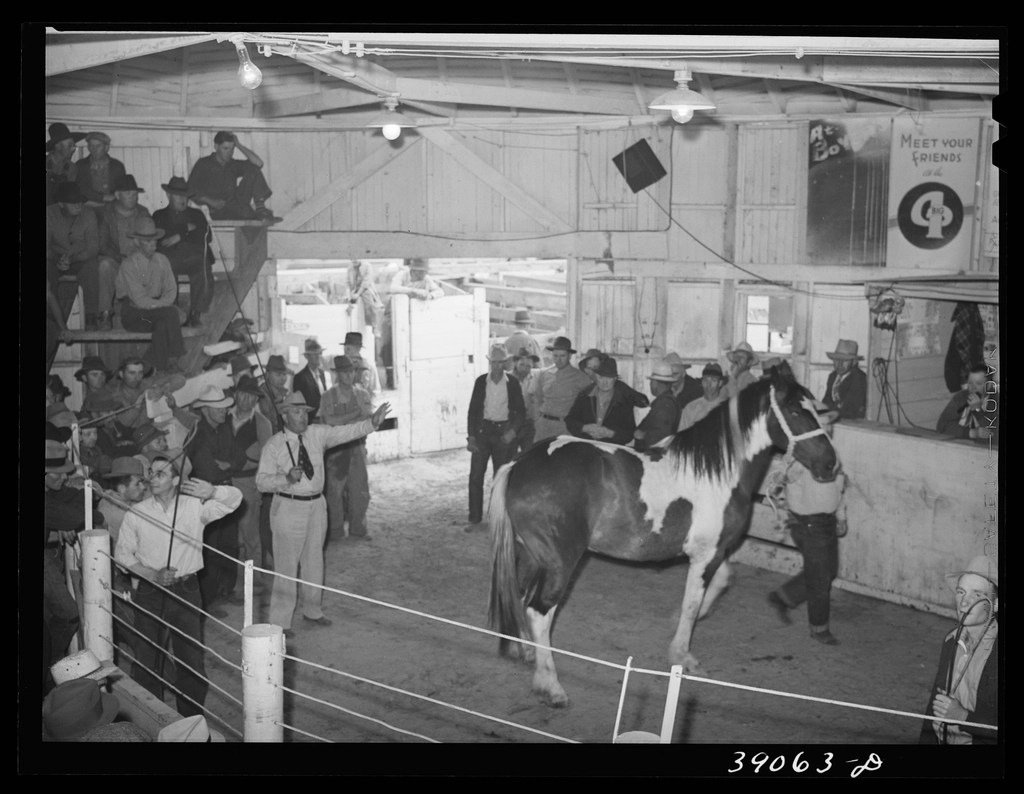
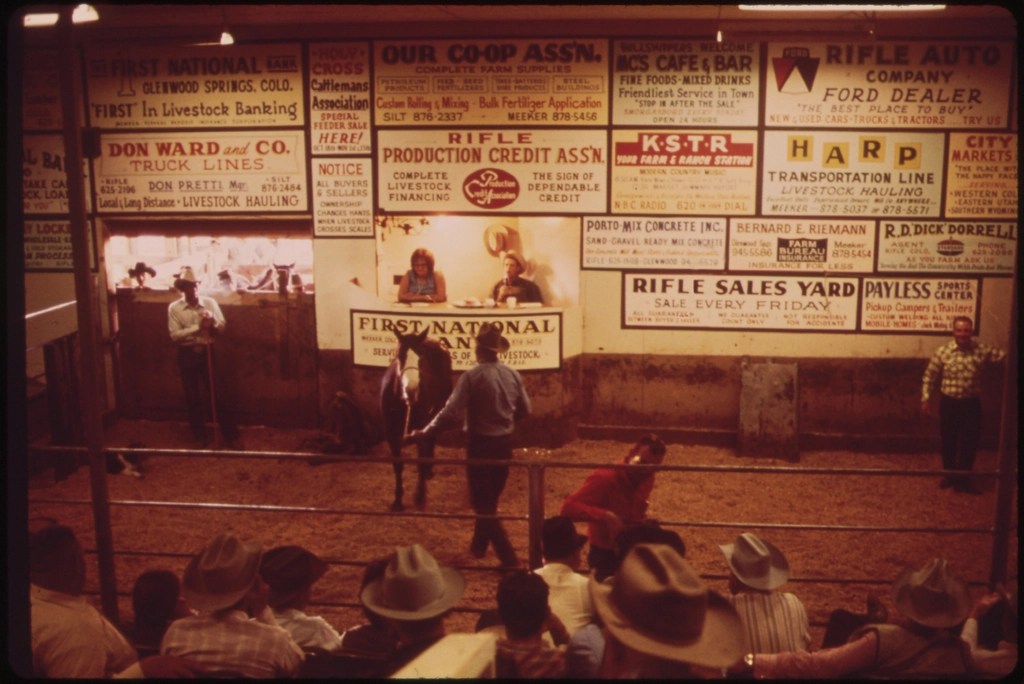
If you’ve read previous stories about my dad and me heading to horse sales during my youth, you’ll know it was a ritual we performed every Friday and Saturday night. It wasn’t just about the horses but the time we spent together and the bond we shared. Somewhere, someplace, we could always find a horse sale. And if the horse sales took a break in the summer, we’d catch a rodeo, no matter how far we had to drive.

I saw more of Oklahoma at night than I ever did during the day. That’s when my dad and I would drive the state highways, venturing wherever the road took us. But this particular trip was different. We were going to our regular sale in the city, about 30 miles from home.

It was the 1970s, and Citizen Band (CB) radio had become all the rage. I had three older brothers, all grown, who installed CB radios in their vehicles, catching my dad’s attention. Before long, we also had one in our pickup, tuned in, and received signals from all over. Dad outfitted our rig with twin whip antennas and a power mic; he even considered adding an amplifier but decided against it after hearing the FCC might crack down on him. My dad always did things by the book. So we were content rolling down the highway, our handles “Big Jake” for him and “Gentle Ben” for me.

We’d pick up reports about ‘Bears in the Air’ and ‘Bear Setups’ just down the road. Although we were doing the speed limit, Dad would ease up on the accelerator to humor me, making me think those reports were helping. On our way to the horse sale that night, we heard a spectrum of new voices on the air—voices we’d never heard before.

I told my dad they were coming in too consistently and clearly to be skip signals; they had to be close.

He said, “Let’s listen to them a minute.”

As we tuned in, these voices discussed being in Indian City and staying set up all night. They invited anyone to come by, mentioning they were at the Coffee Break on the east side of town, near the rodeo grounds. The ‘Coffee Break’ was a popular gathering spot for CB radio enthusiasts to meet, socialize, and share their experiences.

Indian City was the nickname for Anadarko, where we were headed for the horse sale. The town was known for its tourist attraction, Indian City, USA, with teepees and all—a gimmick that drew in visitors.

Dad keyed up the mic and gave a breaker. One of the new voices responded. Dad explained we were headed to a horse sale and might drop by for a cup if the horses weren’t any good later.

They said,

“Come on by! Have you ever been to one of our Coffee Breaks?”

Dad replied,

“That’s a big negatory!”

Well then,” they said,

“park wherever you can and find Booth 12—that’s where we’re set up.

We went to the horse sale, and I spied a horse or two I thought Dad might be interested in. But around 11:00 PM, he nudged me and said,

“Let’s go to the Coffee Break. I want to see what it’s about, and I’m sure you do, too.”

I wanted to say yes, but those two horses had not come up. We had a herd of horses back home, so missing one or two wouldn’t matter. Besides, I was curious about what we’d get into at this place.

When we arrived at the rodeo grounds, the area was full of campers, RVs, and tents—huge tents, at least to me. The tent poles seemed massive, with lighting strung throughout by wire. I wasn’t sure if it was safe, but I trusted my dad as he led the way.

We found what we thought was Booth 12, where a lady sat in a folding lawn chair. She looked up at me and said, 

“Hi, sweetie. You run away from home?”

I quickly replied,

“Oh no, I’m here with my dad; we’re looking for Booth 12.”

She smiled, a crooked grin on her face, and said,

“You’re looking for Honey Badger! HONEY BADGER, GET YOUR ASS OUT HERE!”

From around the corner came a short man with a balding head and a potbelly. He hadn’t shaved in a week and said,

“What is it, Wilda? You don’t have to yell! Oh, hello.”

I whispered to my dad,

“The lady’s name is Wilda,”

Mimicking the style of Sgt—Friday and Officer Bill Gannon on Dragnet.

My dad looked down at me and used his favorite phrase when I tried to do impressions: 

“Don’t be stupid.”

Honey Badger had sharp ears because when he heard Dad’s voice, he said, 

“I know him—that’s Big Jake. We talked to you a few hours ago, and I’ve heard you before when we passed through these parts. I’m Honey Badger. Let me show you around. Wilda, you want to watch the boy?”

Dad told me to stay with Wilda, promising he’d be right back. I wasn’t sure what was happening, but I decided to start searching if I didn’t hear from him by the top of the hour. For all I knew, these could be aliens from another planet up to something strange. I had just turned ten, and the year before, my dad and I had to walk home after the truck we test-drove broke down on our way home from a horse sale. I could take on whatever might be behind those dark tents—or at least that’s what I told myself.

In the meantime, Wilda and I managed to strike up a friendship. She told me they were from Kansas and had retired. Honey Badger worked with honeybees as a hobby, hence his CB name. She said,

“And I’m the Queen Bee; I get on that radio and just Buzz.”

Wilda looked like a much older Ms. Kitty—a short, broad, ancient Ms. Kitty. Her voice reminded me of one of the blonde girls on The Andy Griffith Show who gave Andy and Barney a hard time. She was a sweet soul who must’ve lived quite a life. She got me a hot cup of Pepsi and talked about missing her TV show to come on this trip with Honey Badger. But she said, –––

“It’s worth it. You don’t know when one of you is going to die. You want to do all the things in life you can before you call it quits.”

She shared stories about her and her husband’s adventures, and I did my best to look interested, though I only sometimes followed along.

Dad must have been gone for thirty minutes. I had no idea what he was doing, but I sure had a lot of intelligence gathered from Queen Bee to share with him.

When he finally returned, he scooped me up, thanked Queen Bee for having us over, and assured her we’d made friends on the southern plains that stretched far north.

As we got into the pickup and headed home, I noticed Dad pushed his hat back on his head, just like he did at Christmas when he and one of my uncles secretly toasted shots at my grandparents. He was in such a good mood, so I shared my findings. –––

“So,” I began, “Wilda—or Queen Bee—said they’ve been to several states doing Coffee Breaks because she can’t have kids, and he doesn’t want any. He also has some car problems that he can’t fix. She told me he lost his left nut in the war. But I don’t think he’s still driving the same car he had when he was in the war.”

At the time, I thought whatever Dad had been up to must’ve been a lot of fun because he laughed all the way home. Within a year or two, I realized Honey Badger hadn’t lost a lugnut at all—but maybe it was better when he had.

There are Memorials left behind for those CB Radioer’s who’ve met up and passed on by clicking here.

Me And My Dads Long Walk Home

A True Story By Benjamin Groff© Groff Media 2024© Truth Endures

Saturday nights were a ritual for my dad and me. From the time I started school—maybe even before that—every weekend, we’d find ourselves at horse auctions in nearby cities. It was our thing, a bond that felt like a gift wrapped in the familiar scent of hay, the distant sound of auctioneers’ rapid chants, and the sight of the starry night sky as we drove back home.

One particular Saturday night, a local car dealer trying to sell my dad a truck sparked the beginning of this story. My dad, a barber in a small town of about 750 souls, knew a Chevrolet dealer down the street from his shop. The dealer walked in one day, convincing him – he needed to trade his pickup for a newer model. The offer was tempting—my dad could take the truck for the weekend, drive it Saturday night and Sunday, and bring it back on Monday if he decided to make the trade. My dad, a seasoned horse trader who loved a good deal, took the bait.


As Saturday evening approached, I was all set for the auction when my dad arrived in a pickup truck I’d never seen before. “I’ll explain on the way,” he said, inviting me to join him. At nine, we had already faced a few life-altering events together. We had a bond built on trust and shared experiences, even when they led us down rough roads. This bond, forged through our shared love for horse auctions and our mutual trust, was something I cherished deeply.


The drive to the auction was about 45 minutes. The city was only 30 miles away, but this was 1972—speed limits were lower, and the highways were narrower. We took our time, even pulling over on a dirt road for a quick bladder relief break, which was as much a part of our trips as the auctions themselves.


The truck didn’t impress me much. It wasn’t flashy or powerful, and I was surprised my dad had even considered it. But he was a horse trader through and through, always on the lookout for a good deal, and I never questioned his judgment.


The truck did its job—climbing hills, passing cars, and stopping without much fuss. It got us to the auction barn, where we parked and settled in for the night. The auction barn was a lively place, filled with the sounds of horses, the chatter of traders, and the occasional shout of an auctioneer.

The auction lasted until nearly 1:00 AM, but that was nothing new for us. If it had gone on until sunrise, I would have been wide awake beside him. My dad was the envy of every father in that barn, with his young son at his side, fully immersed in horse-trading.


Finally, we made our way out to the parking lot. The truck, waiting for us like a tired old dog, started—barely. It was as if it was protesting the idea of working on a Sunday. We headed back home, north on US Highway 281, moving into the night and now with the town of Gracemont behind us.


Our adventure took an unexpected turn when the truck’s engine stopped 6 miles north of Gracemont. It didn’t sputter or struggle—it just stopped like someone had flipped a switch. My dad, a former service station owner and a man who knew his way around an engine, tried everything to revive it. But the truck had given up, and it was now 1:45 AM.


Stranded on a deserted highway without signs of life, we began walking. We knocked on doors, and my dad stood in the road, instructing me to run if I heard dogs or gunshots. But no one responded. Four houses later, and we’re still waiting.


By now, it was 4:30 AM, and we’d been walking for what felt like forever. Somehow, we covered nearly twenty miles, returning to our farm southeast of Lookeba, Oklahoma. The only break we got was from two teenage boys out drinking beer and driving dirt roads in a Mach1 Mustang. They gave us a lift for the last mile and a half, a sight to behold—my dad, an old cowboy, crammed into the backseat with a couple of rowdy teens and his nine-year-old son.


When we finally entered the house, my mother was asleep on the sofa, a table lamp casting a warm glow in the dim room.


My dad gently nudged her and whispered, –––

“Marge, we’re home.” She said, “Okay, we should all go to bed.”

Tragic Loss: Coping with Grief and Family Support | Campground Incident

A Story By: Benjamin Groff© Groff Media 2024© Truth Endures

Sammie had just turned fourteen and was riding his bike around the campgrounds his dad patrolled as a ranger. The family lived in a state-owned residence provided as part of his father’s compensation package while he got assigned to the western part of the state. Life in the park was usually quiet, but earlier that year, a tragedy struck a different campground on the state’s eastern side.


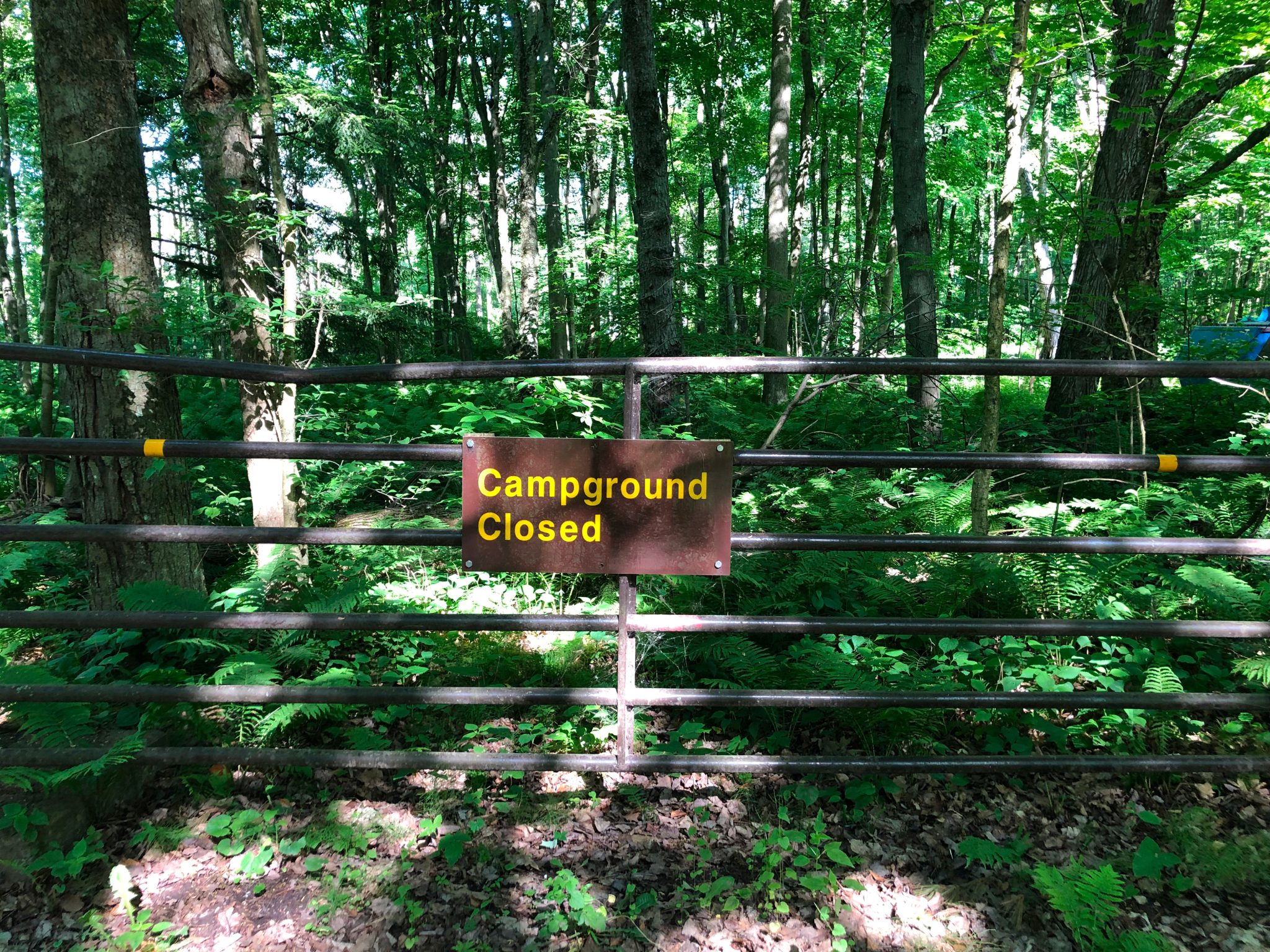
Two families had been brutally murdered in their sleep, sending shockwaves across the state. In response, the state implemented new security measures at every campground. Entrance gates were locked, and everyone entering was logged by their driver’s license or other identification. Unsuspected patrols got scheduled, lighting around the parks flickered on and off without notice, and campers got direct communication links to the ranger’s headquarters. Additional officers were stationed along park perimeters at night, keeping a vigilant eye on the fencelines.

It was nearing 5 PM when Sammie pulled up in front of his home and started to get off his bike. A car horn suddenly blared from the gate entrance, catching his attention. Squinting, he saw a familiar figure waving from the vehicle.


“Sammie—it’s your Uncle Ned! Let me in; I need to see your dad and mom!”


Sammie quickly hopped back on his bike, racing to the gate. He pulled out his key ring, unlocked the gate, and swung it open with a grin.

“Wow! This is a pleasant surprise. It’s great to see you, Uncle Ned! I’ll lock the gate and meet you back at the house.”


Ned was accompanied by a man Sammie didn’t recognize, but there was no time to dwell on it. The car pulled through the gate, and Sammie secured it before pedaling back to the house. As he approached, his sister burst through the back door, tears streaming down her face.
Startled, Sammie tried to comfort her, but before he could, Uncle Ned stepped forward to hold her.

Confusion and fear knotted rolled in Sammie’s chest as he asked, –––

“What’s going on? Is it Grandma or Grandpa? Did one of them die?”


Uncle Ned’s voice was heavy. –––

“No, Sammie. It’s your Uncle Richard. He was killed this afternoon.”


Sammie stood frozen, his mind racing, but no words came. The weight of the news pressed down on him like a physical force. He stumbled into the living room, where his parents were. His father held his mother close, her body trembling with sobs. His dad turned to Sammie, his voice raw with grief. –––

“Your Uncle Ricky is dead. He got hit by a train in Oklahoma City. That’s all we know right now.”

The shock numbed Sammie. He recalled watching the afternoon news and seeing a report of a car struck by a train. The paramedics had been performing CPR on one of the occupants, and Sammie had thought the head looked familiar. But he had dismissed the thought—it couldn’t have been someone he knew.


As the reality of the situation sank in, Sammie told his family about the news broadcast. –––

“I think… I think I watched the last moments of Uncle Richard’s life on television. It might be on the ten o’clock news again.”


That night, the family sat together, waiting for the broadcast. Sure enough, the footage replayed, and there was no doubt—it was Uncle Richard. The sight left them in stunned silence, the grief fresh all over again.


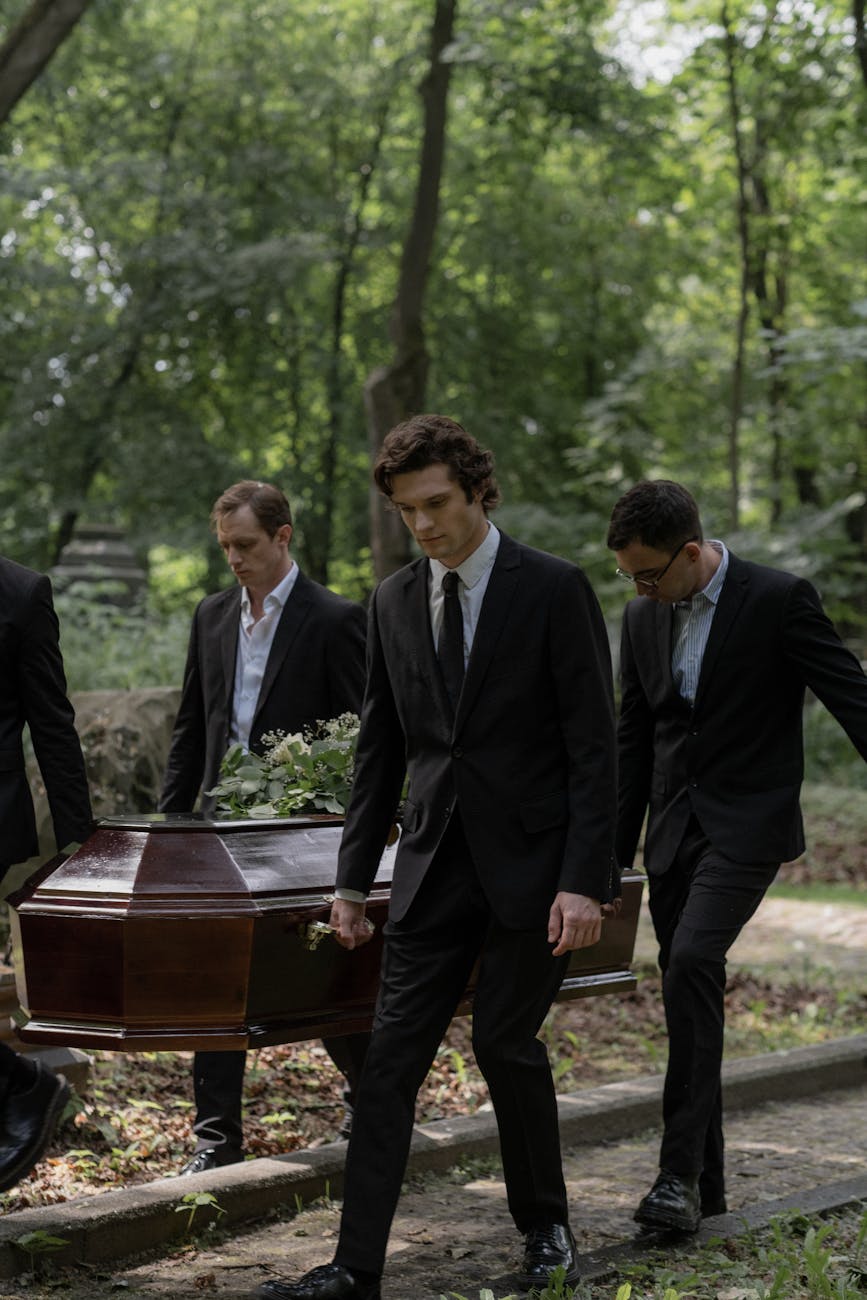
Days passed, and soon, it was time for the funeral. The family chose Sammie and five of his cousins to be pallbearers. The day was heavy with sorrow, and Sammie, feeling overwhelmed, approached his father. –––

“Dad, I don’t like going to funerals why do I have to go?”


His father’s response was gentle yet firm. –––

“Well, first, it’s the right thing to do: to show respect for another person’s life. As you age, you’ll realize that funerals are among the few times we come together as a family. They unite people who otherwise never see each other. You go to pay your respects and leave having been paid dearly for your time.”

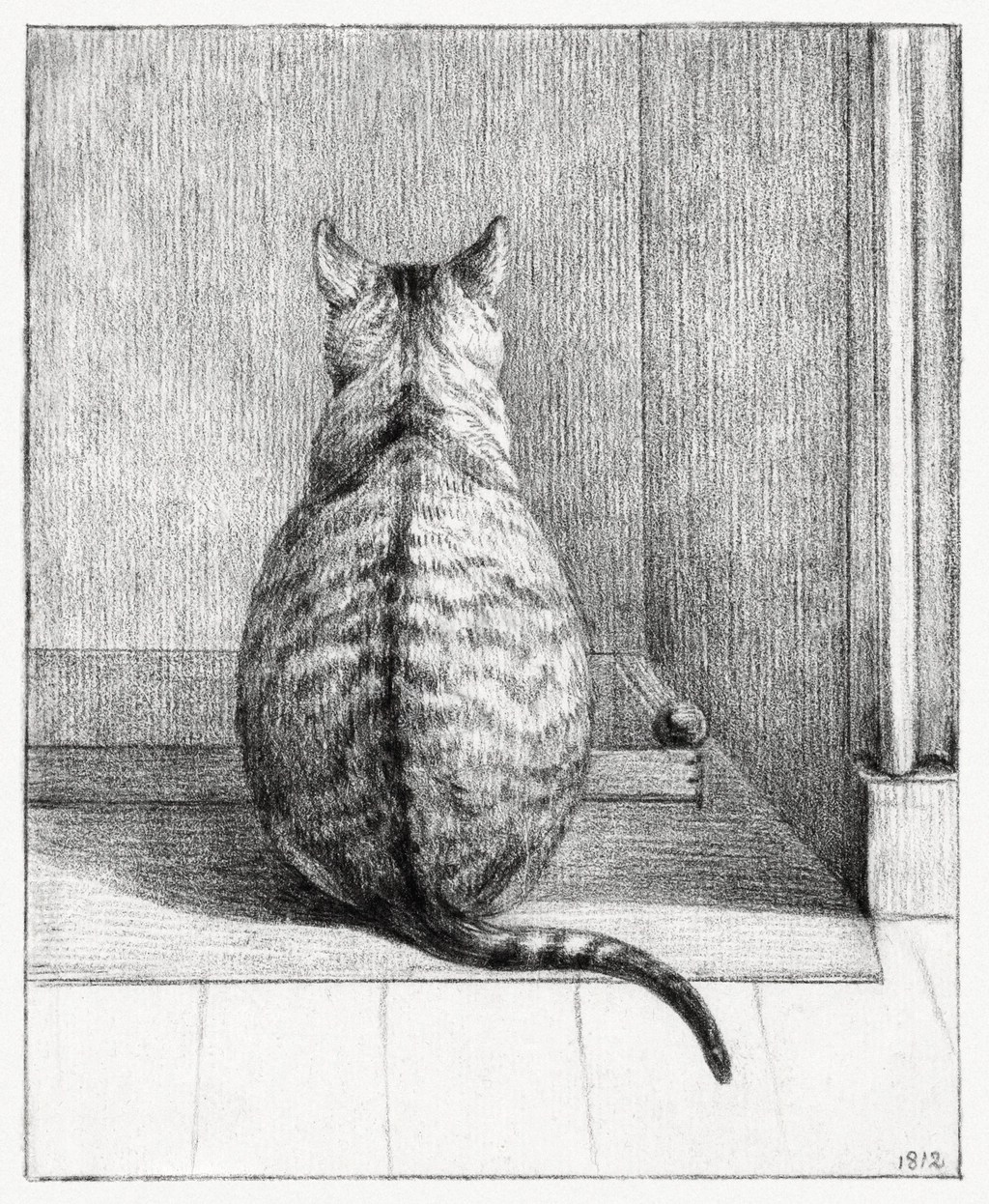
The Cat That Came To Dinner

A Story By: Benjamin Groff© Groff Media 2024© Truth Endures

It was the early 1930s, and the Oklahoma Dust Bowl swept through the Lower Plains States, leaving the land desolate. Sand drifts piled high against fence lines and buried the once-thriving crops. The sky, often a fiery orange, seemed to smoke under the relentless barrage of dust, with the sun reduced to a mere, dim glow fighting to penetrate the thick haze. In these trying times, the ingenuity of the people shone through. Cotton sacks and burlap gunny sacks, soaked in water, were draped over windows, turning the blistering wind into a cool, damp breeze—a crude yet effective method of finding relief from the unforgiving heat.

One late afternoon, as the sun struggled to set, casting long shadows across the Groff household near the Caddo-Washita County line, Florence ‘Mom’ Groff finished preparing the evening meal—known simply as “Supper.” The family gathered around the table, hands clasped in prayer, their faces etched with the lines of hard work and resilience.

But as they lifted their heads, ready to eat, a sound cut through the thick silence—a soft, sad meow. The children were the first to hear it, their eyes widening in surprise. Then Mom and Pop heard it, too, and a hush fell over the room.

Mom Groff had always wished for a cat, a companion to keep her company, and a mouser to guard the pantry. To her, the sound was nothing short of a divine blessing, a wish finally granted amidst the harshness of their lives. The family’s joy was palpable, a rare moment of lightness in a world often shrouded in dust. Their hearts swelled with hope and anticipation, their spirits lifted by the prospect of a new member in their humble household.

With a heart full of hope, Mom poured a saucer of milk and gently opened the screen door, its hinges creaking as she knelt. Mom propped the door open and called softly, coaxing the stray Cat into the kitchen’s warmth.

The Cat, a scraggly creature with dust-matted fur, cautiously stepped inside, its eyes wide and curious. It approached the saucer and began to lap the milk, its tail flicking contentedly. The family watched in silence, their smiles growing as they saw the Cat settling in, imagining it becoming a permanent household member.

But fate had other plans. Just as the Cat seemed at ease, a sudden gust of wind caught the screen door, slamming it shut with a thunderous WHACK! The noise startled the Cat, sending it into a frenzy. With a yowl that echoed through the house, the Cat leaped onto the dining table in a single bound, scattering dishes, plates, glasses, and silverware in all directions. Food splattered across the room, landing in the laps of the children and Ben, Mom’s husband, who sat stunned at the chaos unfolding before them.

Now in full panic mode, the Cat darted around the kitchen, running along the walls as if possessed, leaving deep scratch marks and a trail of destruction in its wake. The family could only watch in disbelief as the once-peaceful scene became utter chaos. Dishes clattered, food splattered, and the Cat’s wild antics turned the kitchen into a battleground.

Finally, Ben, known as “Pop,” rose from his chair with the calm of a man who had seen it all. He grabbed a broom and walked to the kitchen door, his face determined. As he held the door open, he quietly muttered, ––– “scat, you son of a bitch, you. Scat!”

“Scat, you son of a bitch, you. Scat!”

With that, the Cat shot out the door, disappearing into the dust-laden twilight, leaving behind a shambling kitchen and a family in stunned silence. The sudden departure of the Cat left the family in a state of shock, their hearts still racing from the unexpected turn of events. The once lively kitchen now stood in stark contrast to the chaos that had just unfolded.

The story might have ended there, but it became a cherished family tale, retold with laughter that brought tears to the eyes of those who heard it. My dad, JD Groff, was the one who shared it most often, his voice shaking with joy as he recalled Pop’s uncharacteristic outburst. Dad would always add with a chuckle, “Pop never cursed a day in his life until that damn Cat tore the hell out of our dinner table.”

An Old Truck For The Twins – A Promise From The Farm

A Story By: Benjamin Groff© Groff Media 2024© Truth Endures

Jessie and Frank, twin brothers, were not just ordinary farm boys. They were the backbone of their father’s farm, taking on the most challenging tasks that even grown men often avoided. They hauled hay, built fences, chopped wood, and tended to the livestock. Their relentless dedication and resilience inspired all who knew them. As they reached high school, they dreamt of a future beyond the farm, envisioning themselves attending an out-of-state university on agriculture scholarships.

At 17, the twins were nearly indistinguishable in appearance, voice, and mannerisms. Their mother, Ann, often found herself confused by their playful antics, while their father, James, could always tell them apart with a steely blue-eyed gaze that seemed to pierce straight through to their souls.

The boys had always known that their father had set a challenge for them: the one who excelled in school, worked hardest on the farm, stayed out of trouble by the time they turned 18, and would inherit their grandfather’s old truck. This truck, a symbol of their grandfather’s dedication to the farm, had been kept out of sight, locked away in a shed the boys were forbidden to enter. James had made it clear that if they ever crossed that line, the promise of the truck would vanish.

The truck was not extravagant, just an old farm pickup—a 1972 Chevrolet Cheyenne. Yet, in its prime, it was the epitome of rugged style, loaded with air conditioning, an AM radio, tilt steering, and optional cruise control. The dimmer switch was a silver push knob, and the wipers had three speeds: delay, slow, and fast. Its 350-horsepower engine with a four-barrel carburetor and dual exhaust pipes made it rumble in a way that the twins found irresistibly cool.

The story goes that their grandfather bought a brand-new truck when the twins were still in grade school. Disappointed, he told James to lock it away for one of the boys and returned to his old Cheyenne, never repurchasing another vehicle. He swore that nothing could replace the reliability and charm of that old truck.

As graduation approached, Jessie and Frank received their final transcripts and were thrilled to learn they both got accepted to their dream college. They had met all of James and Ann’s conditions, and the day of reckoning arrived on a Sunday before Memorial Day. The family gathered for a noon meal when Frank, unable to contain his excitement, suggested they finally see who would inherit the shed’s contents. Little did they know, the surprise of a lifetime was waiting for them.

James, with a knowing smile, opened both transcripts. –––

“Boys, you’ve always given your best on the farm and never brought shame to our family. But as you grow older, you’ll realize that in an instant, you can destroy everything your name stands for. You must protect it with everything you have by always being your best. Now, about these school results…”

Jessie and Frank exchanged curious glances. They knew they had done well in school, but their father’s words left them on edge. As James continued, his grin widened, and he looked at Ann and their grandfather. –––

“Damn it, I told both of you this would happen. I knew it!”

Ann, perplexed, interrupted. –––

“What are you talking about, James? You knew what?”

James continued with his monologue –––

“Ten years ago, when we locked that shed, I told you this would end in a tie. Those boys are identical in everything they do, even when they take different courses. And sure enough, they tied on their transcripts!”

Their grandfather chuckled. –––

“Well, it’s good I had another shed at my place, too. I knew they’d tie, and what was in that one shed wouldn’t be enough for both of them.
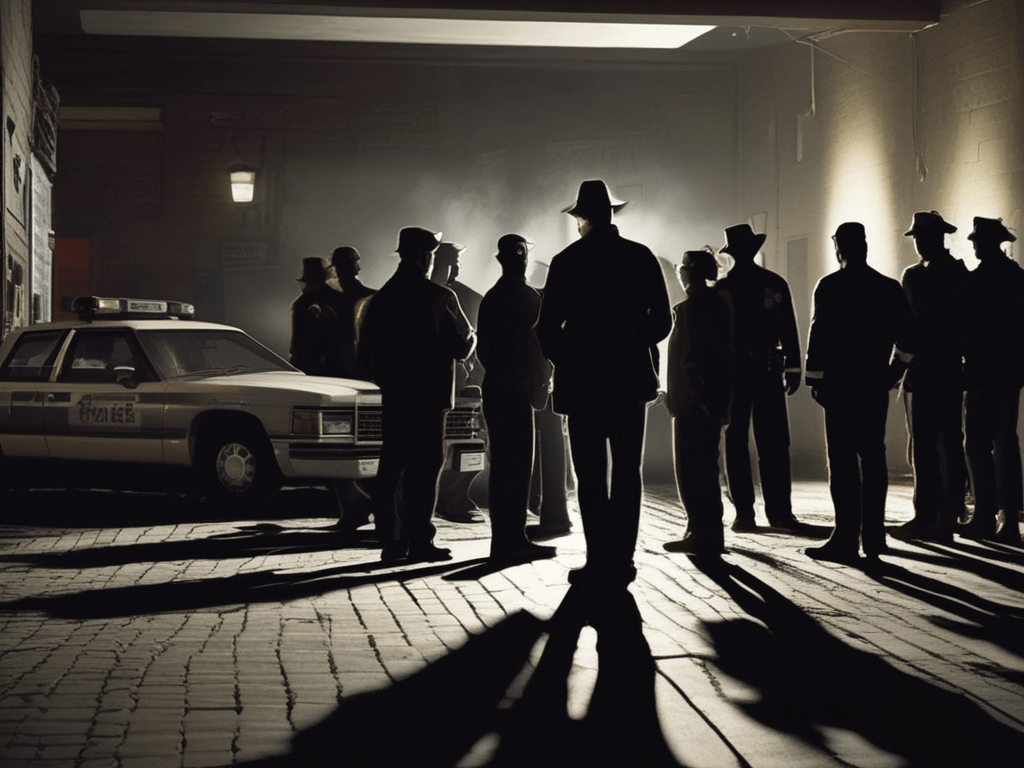
Jessie and Frank, quietly processing the unfolding events, began to understand the lesson their family had taught them all these years—hard work, equality, and family values.

James asked, –––

“Ann, did you know Pop had another shed down at his place?”

Ann shook her head, still in disbelief. –––

“No one told me a thing! You’d think someone would, but no—never a single word.”

James, towering over the dining table, spread his arms wide and declared, –––

“Let’s put an end to this and see what’s in the shed.”

Their grandfather suggested waiting until morning, but James insisted –––

“No, Pop. Let’s show the boys what’s in my shed. It may not be what they’re expecting, but it is what it is.”

The twins were baffled, unsure of what to expect. At the shed, James paused before unlocking the door and turning to Ann. –––

“What if they aren’t pleased? We’ve only fed, schooled, clothed, and sheltered them for 18 years. What if they don’t like what’s inside?”

Jessie, ever the joker, quipped, –––

“Well, only one of us will be disappointed, so you’ve got that going for you.”

As the shed door creaked open, lights flickered on inside, and their grandfather exclaimed, –––

“Hey! You’ve brought the stuff from my shed down here! How’d you do that?”

Inside were the old truck and two brand-new pickups—precisely like the ones Jessie and Frank had admired recently at a local dealership. The old truck, as promised, would go to both boys on one condition: they had to promise to keep farming the land when they returned from college.


True to their word, Jessie and Frank returned after college, not just as graduates, but as committed farmers. They continued the legacy of their family, working the land with the same dedication and resilience they had shown in their youth. They went into business together, selling signature meats and grains. The old truck became the symbol of their brand, preserved in pristine condition in a showroom at their farm headquarters. With under thirty miles on the odometer, it remains as good as new, touched only by the twins. Anyone else wanting that privilege must work on their farm for over ten years without complaint, earn top grades, and uphold the family’s good name.

The Bird That Couldn’t Fly Forward. A Case For The NSA And NASA

A Story By: Benjamin Groff© Groff Media 2024© Truth Endures

The bird that couldn’t fly forward. A family of birds hatched in a tree on a busy street in Brooklyn, on a branch above Olive Avenue. The tree stretched out over the sidewalk, and Cindy and Chad, two twins inside a set of apartments, could see the birds as they hatched. They called the birds Larry, Harry, and Barry. After characters from a children’s program, they watched each day.

Larry and Harry had wings with feathers that reasonably matched one another, but Harry had one white feather on his left wing that set him apart. Barry had white feathers on both wings and a white feathered head. He could have similar makings of a bald eagle, only had he been larger. The two kids enjoyed watching the mother feed the birds and often would get upset at how Larry and Harry seemed to bully Barry—sometimes stealing food that the mother was feeding to give to the birds.

When the birds grew older, their mother began nudging them out of the nest to teach them to fly. They would plummet to the ground, only to be lifted by the mother and nudged out of the nest again until they began to flap their wings and fly. Larry and Harry flapped their wings and began to fly short distances, finding branches to land on and steadying their weight before the mother would unbalance them and make them fly further. Barry was a different story.

When nudged out of the nest, Barry flapped his wings in the wrong rotation; his feathers seemed to ruffle in the opposite direction, and he began to fly backward. The kids sat in the window and laughed at first, thinking the bird would stop this funny maneuver and change his movement to flying forward, but his backward flying motion intensified.

Barry appeared to have an inner radar that guided him around obstacles that would be in his way that other birds would typically use their eyesight. He managed to fly better than typical birds and became famous in the neighborhood. People took videos and photos of the backward-flying bird and posted them on the internet, and Barry, the Backward Flying Bird, became a Viral Sensation worldwide.

NASA, NSA, and the National Security Agency also began noticing. Is this bird some device planted by an adversary, or did someone utilize some secret plan that was supposed to remain hidden at NASA? How could an animal mysteriously fly around and go backward?

As Barry’s fame spread, his unique ability to fly backward attracted the attention of curious onlookers and influential organizations. The NSA and NASA couldn’t ignore the viral videos any longer. The agencies began to speculate that Barry might be a highly advanced drone or an experiment gone awry. Was he an alien probe sent to observe Earth? Or a covert government project that had somehow been released into the wild? They needed to find out—and fast.
Cindy and Chad noticed unmarked vans parked on their street and people in suits and dark glasses speaking into earpieces one bright morning. The twins immediately knew that Barry had drawn more attention than anticipated. They watched anxiously from their window as the agents set up strange equipment under the tree where Barry and his brothers had hatched.

“They’re going to take him away!”

Chad exclaimed, worried.

“We can’t let that happen,”

Cindy said with determination.

The twins, fueled by their determination and love for Barry, quickly devised a plan. They now knew Barry’s flight pattern by heart; they had spent countless hours watching him. They waited until the agents were distracted, then quietly slipped out of their apartment, sneaking up to the tree.

“Barry!”


Cindy whispered, holding out her hand. Amazingly, Barry recognized her voice and fluttered down, hovering just above her palm, still flying backward. Their bond was unbreakable, a testament to the power of friendship.
At that moment, one of the agents noticed them.

“Hey! Get away from that bird!”

He shouted, but it was too late. Cindy and Chad sprinted down the street with Barry flying backward above them, just out of reach.

The chase through Brooklyn was both thrilling and chaotic. Barry’s backward flight confused the agents, unsure how to capture a bird that never flew where they expected. Barry expertly navigated through alleyways, over fences, and even under bridges, always just one step—or flap—ahead.

Meanwhile, the twins led him toward a nearby park, hoping to find some refuge. As they ran, Chad had an idea.

“We need to get him to the highest point in the park,”

He said. He can use that to his advantage.

They raced to the top of a hill, where a tall statue stood. Barry, sensing what they wanted him to do, flew to the top of the statue and perched there, still facing backward. The agents surrounded the park, closing in on them, but something unexpected happened.

Barry began to spin in circles, faster and faster, like a small whirlwind. The wind picked up around him as he did, swirling the leaves and dust into a mini-tornado. The agents, caught off guard, were forced to step back.

“Look at him!”

Chad shouted, amazed.

Barry created a vortex of air, using his unique flying ability to generate a mighty wind that pushed the agents back. The twins realized that Barry’s backward flying wasn’t just a quirk but a gift. And now, it was saving them.

The wind grew stronger, and soon, the agents were struggling to stay on their feet. With a final burst of energy, Barry released the vortex, sending a wave of air that knocked the agents off balance and caused them to tumble down the hill. The twins cheered as Barry floated down, landing gently on Chad’s shoulder. It was a victory, a testament to the power of uniqueness and friendship.

By the time the agents recovered, it was clear they were outmatched. Barry wasn’t just any bird; he was unique and had proven it.

Realizing they couldn’t take him away, the agents called off their operation. Later, they approached the twins with respect, not threats.

“We were wrong about Barry,”

One of the agents admitted.

“He’s not a threat—he’s remarkable. We want to study him, but only if you agree.”

Cindy and Chad looked at each other, then at Barry, who was now perched between them.

“You can study him,”

Cindy said carefully,

“but only if he stays free. He’s not just a bird—he’s our friend.”

The agents agreed, and from that day on, Barry became a symbol of curiosity and wonder. Scientists from NASA and the NSA studied his flight patterns from afar, learning from him without interfering in his life. Barry, the Backward Flying Bird, became an even bigger sensation, hailed as a hero for saving the day in Brooklyn.

Cindy and Chad’s bravery was recognized, too. The twins were invited to NASA to meet with scientists and learn about aerodynamics, space, and more. Their friendship with Barry became the subject of documentaries, books, and even a children’s program that other kids watched and loved.

Ultimately, Barry continued to fly backward, defying all logic and expectation. And while he may have seemed like a small bird in a big city, to Cindy and Chad—and the world—he was nothing short of extraordinary.

Taking A Stand IN The Oklahoma Hills Where I was Born, My Uncle Sam Shows How

A Story By: Benjamin Groff© Groff Media 2024© Truth Endures

In the backwoods of Eastern Oklahoma’s hill country, an older man named Sam McElroy and his wife, Dora, lived a quiet life. Sam, my great uncle, was a man of grit and stubbornness, traits that only deepened as he aged. Their modest cabin, tucked away from the world, sat outside a small community known as Eagle Town, home to the oldest post office in Oklahoma.


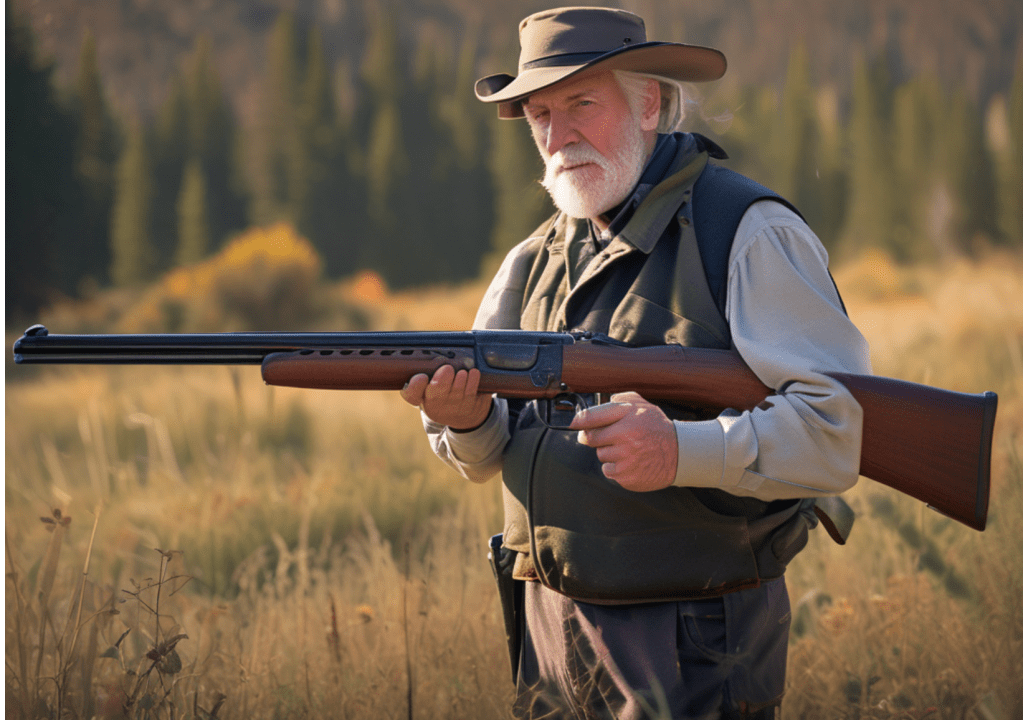
Despite his years, Sam’s marksmanship was legendary. His eyesight might have dimmed for reading, but he could still shoot a rock off a ledge from a hundred yards away with his trusty .22 rifle. He favored his 12-gauge shotgun up close, dispatching targets with the same precision. But Sam found no thrill in shooting at rocks; they didn’t challenge him. His absolute joy came from hunting squirrels, rabbits, and other small game—creatures that could run, making every shot a test of skill.


“There’s no sport in shooting something that can’t run,” he’d say, “and you can eat them too!”


In the mid-1970s, the tranquility of Sam and Dora’s life was disturbed. Tree-logging companies began encroaching on their land, felling the tall trees and sending them off on giant semi-trucks to be milled. The loud and reckless trucks sped down the dirt road past their cabin, kicking up dust that settled on everything, including Dora’s freshly washed laundry.


One day, Sam had had enough. He stopped one of the drivers and firmly requested that the trucks slow down on Tuesdays, the day Dora hung her laundry out to dry. The driver nodded but dismissed the request as soon as he drove away.


The following Tuesday, as trucks roared by again, covering Dora’s linens in dust, Sam’s patience snapped.


“This is it!” Sam declared. “They’re going to goddamn stop today if it’s the last thing I do!”

“This is it!” Sam declared. “They’re going to goddamn stop today if it’s the last thing I do!”

He grabbed a cane-bottom chair from the porch, slung his 12-gauge shotgun over his shoulder, and marched to the dirt road. There, he placed the chair, sat down, and waited.


It wasn’t long before a truck barreled down the road, only to screech to a halt in front of Sam. The driver, bewildered, got out and demanded,

“I need to get through here.”


“My wife needs to get her laundry dry without you jackasses throwing dirt on it,” Sam retorted. “I asked you to slow down on Tuesdays, and you ignored me. Now, you can sit here until her laundry is dry!”


The driver, clearly irritated, shot back,

“We’ll see about that, old-timer!”

He climbed back into his truck and radioed his boss. Soon, more trucks lined up behind the first, and another from the opposite direction joined the standstill. Sam remained steadfast, his shotgun resting across his lap.


Minutes later, a man in a company pickup arrived. He introduced himself as Mike Williams, the logging company supervisor. He informed Sam that blocking the road cost them a lot of money.

“And you’re costing us clean clothes!”

Sam shot back.

“You’ve been speeding past here every week, covering my wife’s laundry in dust.”


Williams threatened to call the sheriff, to which Sam responded,

“Go ahead.”


Forty-five minutes later, McCurtain County Sheriff Joe Phillips arrived at the scene. The road was clogged with trucks, stretching ten deep in both directions. After hearing the situation, the sheriff walked over to Sam’s porch, grabbed another cane-bottom chair, and carried it to the middle of the road. He sat beside Sam, pulled out a stick and pocket knife, and began whittling.


“How long do you think it’ll take for the laundry to dry?”

the sheriff asked.


“A couple of hours should do it,”

Sam replied.


Sheriff Phillips turned to the drivers and Mike Williams.

“Well, we’ll be here for at least two more hours. Might as well kill your engines and save some fuel.”


From that day forward, the logging trucks were no longer scheduled to run on Tuesdays between 10:00 AM and 4:00 PM. Sam’s act of defiance earned him respect, and he soon became a valuable liaison for Mike Williams, helping the logging company identify landowners in the Oklahoma Hills, where they sought to expand. Sheriff Phillips also found a trusted ally in Sam, who knew the remote areas of the county like the back of his hand.


Today, the old cabin is little more than a dilapidated shack, barely standing along the dirt road north of Eagle Town. But the legend of my Uncle Sam lives on, echoing through the hills where I was born.

Horace Thistle’s Clocks ––– Capturing A Family’s Most Precious Moments!

A Story By: Benjamin Groff© Groff Media 2024© Truth Endures

A unique and gifted clockmaker named Horace Thistle resided in the quaint town of Willowbrook, nestled amidst rolling hills and whispering pines. Horace’s talent surpassed the ordinary mechanics of time. His clocks were not mere timekeepers; they were enchanting devices that could capture and immortalize moments in a delicate dance of gears and hands.

Horace’s shop, Timeless Treasures, stood at the heart of the town square. Its windows were full of clocks, each more intricate than the last. People from all walks of life visited his shop, drawn by the promise of clocks that measured time in a way no other timepieces could.

“Good day, Mr. Thistle,” David greeted, eyes scanning the wondrous creations that lined the walls.
“Welcome, Thompsons,” Horace replied with a warm smile. “How may I assist you today?”

One crisp autumn day, the Thompson family, filled with anticipation, stepped into the shop. Sarah and David Thompson, accompanied by their two young children, Emily and Ben, had been intrigued by the rumors of Horace’s magical clocks. They had come to see if these whispers held any truth.

Sarah stepped forward, holding Emily’s hand. “We’ve heard that your clocks can mark special moments in our lives. Is that true?”

Horace’s eyes twinkled. “Indeed, it is. My clock’s design is to capture the essence of your family’s milestones. Each tick is a memory; each chimes a celebration.”

Intrigued and excited, the Thompsons made a decision that would forever change their lives. They chose to commission a clock from Horace. He asked them to share their most cherished moments, and as they spoke, he listened intently, his hands working with the precision of a maestro composing a symphony.

Over the next few weeks, Horace poured his heart and soul into crafting the Thompson family’s clock. He inscribed the day Sarah and David met on the clock face, their wedding day marked with a delicate engraving of intertwined rings. The birthdates of Emily and Ben are each adorned with tiny, twinkling stars.

When the clock was finally ready, the Thompsons returned to the shop. Horace unveiled the masterpiece—a grand wooden clock with ornate carvings and delicate details. As the family gathered around, he wound the clock and set it in motion.

The clock’s hands began to move, but not steadily. Instead, they danced, slowing down during moments of joy and speeding up during excitement. Each tick resonated with the laughter of birthdays, the warmth of holidays, and the quiet comfort of everyday moments.

The Thompson family’s clock became a cherished heirloom as the years passed. It recorded Emily’s first steps, Ben’s school achievements, and countless family gatherings. Each time they look at it, they will remember the love and memories that had shaped their lives.

Word of Horace’s extraordinary clocks spread far and wide, and families from distant towns came to Willowbrook, seeking their own Timeless Treasures.

Horace welcomed them all, listening to their stories and weaving their memories into the fabric of time.

So, in the little town of Willowbrook, the clockmaker who could capture moments continued to craft his magical clocks, ensuring that no memory was ever lost to the relentless march of time.

Winning Big, By Realizing How Not To Spend It – A Jackpot In Vegas

A Story by: Benjamin Groff© Groff Media2024© Truth Endures

Vernon and Bernice had traveled from Pumpkin Center, Oklahoma, to Las Vegas to attend a conference paid for by Bernice’s employer, the Magic Pipe Copper Company. The company was not involved in magic, pipes, or cups despite its name. Its primary function was to handle hotel bookings, changes, and cancellations. Any calls unrelated to these services got transferred to another company, Heads Turning Company, which was not affiliated with the Magic Pipe Copper Company.

Bernice’s conference was to begin tomorrow, and Vernon had saved for his part of the trip for nearly a year, knowing he would get to go about Las Vegas alone while Bernice attended the conference during the daytime. Bernice had told Vernon that she didn’t mind if he gambled but didn’t want him to go overboard and go broke. He promised her that he would tell her immediately if their finances changed. She told him that if you win something big, it better be enough for us to live forever because the company would probably fire me for it. She was kidding, but Vernon thought she was serious. He had read about a company in Russia that had all but killed an employee who won big in Las Vegas and tried to stay in the USA with their winnings. Vernon was from a small town and never caught on to the more significant influences of life.

As Bernice left for her conference, she kissed Vernon and said,

“You behave today, and we will go to the all-you-can-eat buffet tonight!”

He agreed and returned her kiss. After she left, Vernon hurried around, finished dressing, and checked his cash. He was sure he kept his big bills hidden. Some were in his zipper-hidden belt; some were in his socks under his feet and inside his shoes, and some were in a pocket hidden inside his waistband. Then he had a hundred and fifty folded into a money clip. In his wallet, he kept fifty-ones. To make it look like that was all his money should a robber hold him up. He checked the news for a quick update, and the headlines reported that a horse was blocking Fremont Street near downtown Las Vegas. Suitable for Vernon, he had planned to stay inside the casino most of the morning.

As Vernon left the couple’s hotel room, he double-checked to ensure he locked the room door and had the key card to get back in. Check. Everything was in order. Vernon walked to the elevator and proceeded to the ground floor.

The doors opened onto the Gaming Floor, and one-armed bandits were ringing and rolling, lights were flashing, and loud sounds were banging. All of the attractions caught Vernon’s attention and drew him in closer.

A lady sitting behind one of the machines screamed,

“I just won $1000!” and began jumping up and down.

A man a few rows over hollered,

“I won $100!”

Vernon thought, here I am with my money clip and $150. I have to see what I can win. Vernon sat down, put $20.00 in a slot machine, hit ‘bet everything,’ and rolled suddenly. The screen lit up with “JACKPOT,” and the machine went wild. Nothing came out of the machine, but the sounds were incredible. And people began crowding in around Vernon. People were making all kinds of gestures and comments; Vernon, not knowing what he had just done, said, I don’t know what happened; did I break it? A lady in the crowd said,

“Did you break it? Ha! HE WANTS TO KNOW IF HE BROKE IT”

The crowd erupted into laughter and cheers, their excitement palpable.

The lady replied to Vernon,

HONEY, you didn’t break it. You might have broken the house but didn’t break the machine. You just won a bunch of money—from the looks of things, you just won about Fifty Million Dollars!

Vernon was left in a state of shock. How did a mere $20 bill transform into this? And how was he going to break the news to his wife? He still needed to collect the money, but should he? These thoughts raced through Vernon’s mind when a man in a suit suddenly approached him.

Are you the one who played this machine?

Vernon replied,

Yes, I put in $20 and played, and it started doing this.

The man put a key into the machine, printed a paper, and told Vernon to come. The crowd cheered him as he left. The man took Vernon to the Hotel’s office and asked him to be seated. He then told Vernon that he had just won $92 million and asked if he would like that paid out in cash, check, or wired to his bank. The man told him the law requires him to pay taxes on the winnings, which the bank had already performed. That is why he was only getting $52 million. Vernon was speechless. He said his wife was attending a conference and asked if she had to pay her share too, and the man said no, this takes care of everything. Vernon said how about the business that she works for? Will they get any of it like the guy from Russia had to? The man laughed and said no, this is the United States; for now, with our form of government, those things do not happen here. However, if we allow the wrong people into leadership, that could easily change. So be careful of who you support when you go to vote.

Vern told the man he wanted all but twenty thousand deposited in their home banking account and would take the twenty thousand in cash. Vernon liked it in a bag that wouldn’t draw attention. So the man went to the casino and obtained shopping bags for children’s toys. He returned to the office and showed it to Vernon, letting him pick which bags he wanted to put money in. Then, Vernon left carrying twenty thousand dollars out of the office in children’s toy bags. Vernon returned to the hotel room and waited for Bernice to return from her conference.

At 4:00 PM, Bernice returned from her conference. Vernon asked if she was attending the sessions the next day. She said she was. He told her he had seen all he wanted of Las Vegas and was about ready to go home. She suggested he could surely play poker or slots tomorrow, or wondered if he might have lost all his money. Vernon explained he had not lost all his money, but they would be going home with more than they came with, and that is where he wanted to leave it.

Bernice said,


Let me go to the morning session, at least. There will be a bonus for us doing that. Lord knows we can use the money.

Vernon replied

You know we have all the money we need. More than we will ever need.

Bernice suggested he must have fallen and hit his head. Or he had been drinking the tall drinks the bartender was trying to sell because they always needed more cash come payday.

Vernon explained to her that has changed.

Today, Bernice, that all changed. I won a jackpot, and they put $52 million in our checking account and looked in these toy bags. That is the cash I kept for us to go home on.

Bernice nearly fainted as she looked at the cash and suggested he must have robbed a bank. He explained to her he had won on the first spin of the one-armed bandit and showed her a photo of him accepting the winnings at the hotel lobby. She pointed out they offered an increase in comfort for the two to experience, like a suite, free meals, and bar service. They were giving you a complete complimentary setup.

Vernon dryly said –––

They did, but I told them we already had this one paid for.

Bernice, shockingly looking amazed, –––

You know they would give you a suite and a nice upgrade for free.

Vernon, in his state of innocence, pleaded –––

You are the only sweet I want, and I don’t need to upgrade.

Bernice, looking defeated, thinking out loud –––

What do we need all that money for? You will always need help understanding how to use it.

Vernon agreed with her.

The moral of this story is that the people who win jackpots are rarely the ones who truly have any business access to one.

The Secret of Willow Woods

A Story By Benjamin Groff© Groff Media2024© Truth Endures

Tommy was a curious little boy who loved exploring. One summer afternoon, he ventured deep into Willow Woods, a place he had always wondered about. As he wandered through the dense trees, he stumbled upon something extraordinary: a hidden community of miniature people no more significant than his pinky finger.

They lived in tiny homes nestled in the roots of trees, complete with a store, a church, and a post office. There were no cars, for they had not mastered making them so small. Instead, they traveled on foot or used small carts pulled by squirrels.

Tommy was amazed and approached cautiously. The miniature people, initially startled, soon realized he meant no harm. Among them was a little person named Nolin, who became fast friends with Tommy. They spent hours together, sharing stories and learning about each other’s worlds.

One day, Tommy had an idea. He brought a toy car from home and showed it to Nolin. The little vehicle fascinated the miniature people. With Tommy’s help, they began to design tiny vehicles that ran on water. Using miniature engines and the natural resources around them, they created a fleet of small, eco-friendly cars.

The community also harnessed wind and solar power to produce electricity. Tiny windmills spun in the breeze, and miniature solar panels soaked up the sun’s rays. The town flourished, becoming a model of sustainable living.

Their actions not only protected their community but also had a positive impact on the environment, inspiring others to follow their lead.

However, Tommy knew he had to keep their secret safe. He feared that if the grown-ups found out, they might destroy everything the miniature people had accomplished. This responsibility weighed heavily on him.

One day, as he was leaving the woods, he overheard some adults talking about expanding the nearby town, which would infringe on the woods. Tommy’s heart sank. He knew he had to act.

Tommy went back to the miniature town and shared his worries with Nolin. Together, they devised a plan. They would build a protective barrier of thorny bushes around the community, making it difficult for anyone to venture close. The miniature people worked tirelessly, and a dense wall of thorns soon surrounded their town.

The adults did start to clear some of the woods, but they stopped short when they encountered the thorny barrier. Declaring it too much trouble, they left that part of the forest untouched.

Tommy was relieved but knew the barrier was only a temporary solution. He solemnly promised Nolin and the miniature people that he would always protect their secret. This promise was not just a word, but a commitment that he upheld throughout his life, visiting them often but never telling anyone about the wonders hidden in Willow Woods.

In the end, there were no winners and no losers. The miniature community continued to thrive, hidden from the world. Tommy grew up, but he always remembered his tiny friends and the promise he made. His word was his bond, shielding the secret community, allowing it to remain a beacon of what the world could be—sustainable, harmonious, and thriving—hidden safely in the heart of Willow Woods. This story is a testament to the power of promises and the impact of small actions on a larger scale. 

The story would have ended there if not for the promise so many years ago. The one Tommy gave said he would always shield the little people from the significant adults and intruders wanting the land for greed. Tommy, a successful businessman who had made millions in his dealings, bought the little people’s world’s land and built a protective barrier around the property. He then placed the property in a revolving Trust that would remain untouched, assuring the little people’s world would always be safe from intruders. This time, Tommy returned to tell Nolan, now an elder of the community getting to say,

“WE WON!”

The ENDING – Monday Morning Was A Killer For One Neighborhood – Ding Dong

A Story By Benjamin Groff© Groff Media2024© Truth Endures

It was a Monday morning, and everyone was starting their week. Neighbors were running about getting to their cars to hit the road and begin to work. John and Mary Wagner were still at home. Both had stayed in their vehicles since arriving home for the weekend, but no one noticed. It wasn’t unusual. They were known for locking their doors on weekends and never leaving the house, so staying home all weekend didn’t signal any concerns.

However, on Monday morning, John was usually the first to leave. He was out of the house and on the road by 6:00 AM to beat rush hour traffic, and Mary would leave by 7:00 AM with their two children, Max and Terri. So what was happening that day? The neighbor two doors down was a lady named Alice Morgan. She watched the neighborhood, curious about the Wagners’ home. 

Why aren’t they moving about this Monday? She asked herself

As the neighborhood drivers leaving for work thinned out, Alice meandered to the Wagners. Walking to the front door, she peered through the front bay window and saw no one inside. She went on up to the door and rang the bell, 

DING DONG, BING, BING, DING, DING, BONG

Alice thought to herself, what a weird doorbell ring. She rang it again to listen to the rhythm,

DING, DONG, BING, BING, DING, DING, BONG

No one came to the door. Curious about the cars remaining in the drive, Alice went to look inside them to see if there was anything strange about them.

Walking under an A-Frame carport, she saw two people in each car. She went up to the first vehicle, a 2017 Ford Pickup, and started to knock on the window before seeing that John Wagner appeared to be stone dead sitting behind its driver’s wheel. He had what looked like a gunshot to his forehead, and a trail of dried blood ran down his head to his chest. Startled, she ran over to Mary’s vehicle to find that Mary also appeared to have been shot in the same manner. The two kids lay dead in the back seat of Mary’s car, a blue 2020 Volvo XC60. Seeing this, Alice began screaming bloody murder and ran down the street, screaming louder and louder as she went toward her home. 

Once inside her home, Alice called 911 and told the operator that she had just found four dead people at her neighbor’s house, and she thought someone murdered four people. The 911 operator asked why she felt someone murdered the four people, and she said they had all had a single gunshot to the forehead and laid over in a car at their home.

Within two minutes, the City of Appleton Police Department had police officers on the scene. Alice Morgan was in the middle of the crime scene, pointing to the dead bodies and explaining the ding-dong doorbell to police officers. They asked her to sit in a patrol unit so they could get a statement from her in writing and a recording of her saying how and what she had discovered. They put her in the back of a patrol unit while she was still talking non-stop, closed the door, and walked away.

Burt Johnson was the lead detective assigned to investigate what had happened to the family. 

A seasoned detective with a knack for piecing together even the most cryptic of puzzles, Burt Johnson arrived on the scene shortly after the first responders. He assessed the surroundings with a practiced eye, noting the position of the vehicles, the broken glass, and the eerie stillness that hung over the Wagner household.

The forensics team was already at work, taking samples and photographing the scene. Burt walked over to the patrol unit where Alice Morgan sat, her face pale and her hands trembling. He opened the door and crouched down to her level.

“Alice, I’m Detective Johnson. Can you walk me through what you saw this morning?”

Alice took a deep breath and recounted her morning, the odd stillness, the peculiar doorbell chime, and the horrifying discovery of the bodies. Burt listened intently, nodding occasionally.

“Thank you, Alice. You’ve been accommodating,” he said, gently patting her hand. “We’ll get someone to take you home soon. For now, try to relax.”

Burt then moved to the vehicles, examining the positions of the bodies. The gunshot wounds were precise, execution-style. These shootings were not random acts of violence; someone put planning into carrying them out. He noted the positions of the vehicles, the lack of struggle, and the fact that the shooter targeted both parents and children.

A uniformed officer approached Burt. “Detective, we found something in the mailbox. It’s an envelope addressed to you.”

Burt’s eyebrows shot up. He took the envelope, carefully opened it, and pulled out a letter. The handwriting was neat, almost meticulous.

“Detective Johnson, You’re getting warmer. This family was just the beginning. Find me before I find my next target.

  • “The Avenger”

Burt felt a chill run down his spine. The Avenger was a name he was all too familiar with – a shadowy figure who had been linked to several high-profile murders, always leaving behind cryptic notes and taunting the police.

Back at the precinct, Burt convened his team. They pored over the evidence, looking for clues that might lead them to the Avenger. The forensic team reported that no fingerprints or DNA were left behind, but they had found traces of a rare chemical compound used in industrial cleaning agents.

Burt’s mind raced. He remembered a case from years ago involving a disgruntled former employee of an industrial cleaning company. The man, Thomas Greene, had a history of mental instability and a vendetta against those he felt had wronged him. Could Thomas be the Avenger?

With a possible suspect in mind, Burt and his team delved into Thomas Greene’s past, uncovering a pattern of behavior that matched the Avenger’s MO. They also discovered that Thomas recently had been in Appleton.

A breakthrough came when a witness reported seeing a man matching Thomas’s description near the Wagner’s home on Sunday night. Burt mobilized his team, and they tracked Thomas’s movements through security footage and witness statements.

Their efforts paid off. They found Thomas hiding in an abandoned warehouse on the outskirts of town. Burt and his team moved in and apprehended him without incident.

Back at the precinct, under intense interrogation, Thomas eventually broke down. He confessed to the murders, revealing that he had been following the Wagner family for weeks, meticulously planning their deaths. He saw himself as an avenger, righting perceived wrongs with his twisted sense of justice.

The Appleton community breathed a sigh of relief as news of Thomas Greene’s arrest spread. Burt, exhausted but relieved, knew there would be more work to ensure Thomas was prosecuted and put away for good. But for now, he could take comfort in justice being served for the Wagner family.

Still shaken but grateful, Alice Morgan found solace in knowing that her vigilance had played a crucial role in solving the case. The neighborhood, once again, felt safe.

And as Burt Johnson left the precinct that night, he couldn’t help but think about the families still haunted by the Avenger’s previous crimes. He promised to continue his pursuit of justice, no matter where it led him.