By Benjamin GroffMedia© | benandsteve.com | 2025 Truth Endures
4–5 minutes
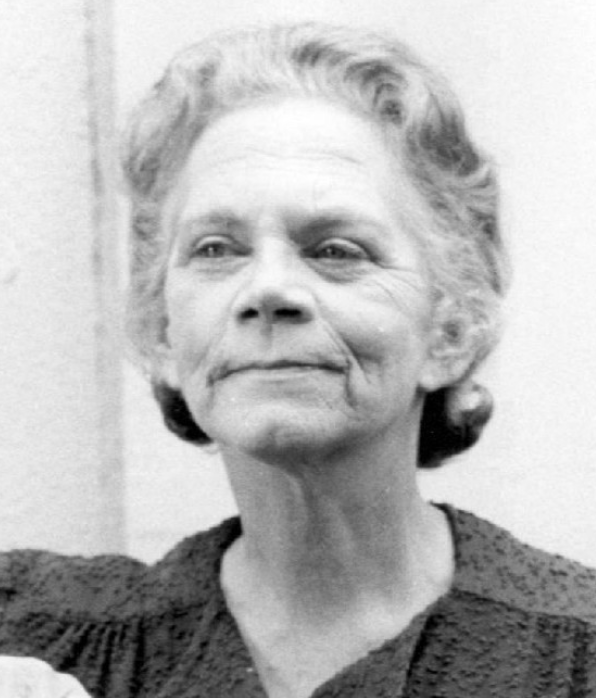
Ellen Corby: The Heart of The Waltons and a Timeless Television Matriarch
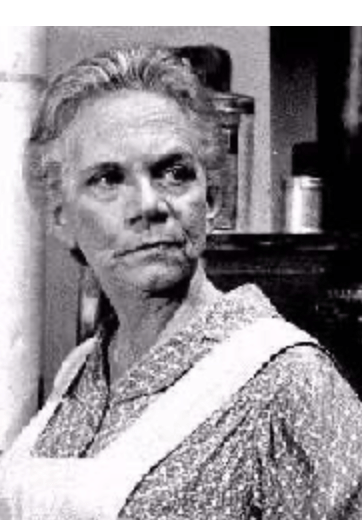
Few television roles have left as lasting an impression as Ellen Corby’s portrayal of Esther “Grandma” Walton on The Waltons. Corby brought to life a character with quiet strength. Her heartfelt warmth and unwavering authenticity made the character a symbol of family resilience. She became a moral grounding figure for millions of viewers. Her work helped shape the soul of the beloved series. She left an indelible legacy in the history of American television.
A Matriarch Who Anchored a Generation
Premiering in 1972, The Waltons introduced us to the trials and triumphs of a large, close-knit family. They lived in a rural setting during the Great Depression and World War II. As Grandma Walton, Ellen Corby was the family’s guiding force—a woman of deep faith, strong convictions, and boundless love.
Corby’s portrayal resonated deeply with audiences. She was neither overly sentimental nor idealized. Instead, she reflected the real-life qualities of many grandmothers: steady, firm, nurturing, and full of lived wisdom. Her presence brought a sense of comfort and stability that grounded the emotional core of the show.
Strength, Faith, and a Touch of Humor
What set Ellen Corby apart was her ability to portray strength without sacrificing warmth. Grandma Walton had experienced hardships, including losing loved ones, yet remained devoted to her family and faith. Her resilience became a reflection of the show’s broader themes—perseverance, community, and enduring love.
Corby’s performance balanced gravitas with subtle humor and tenderness. Whether offering sage advice, a knowing glance, or a gentle scolding, she made Grandma Walton feel wholly real. Viewers saw in her a grandmother, a teacher, and a friend.
A Memorable On-Screen Partnership
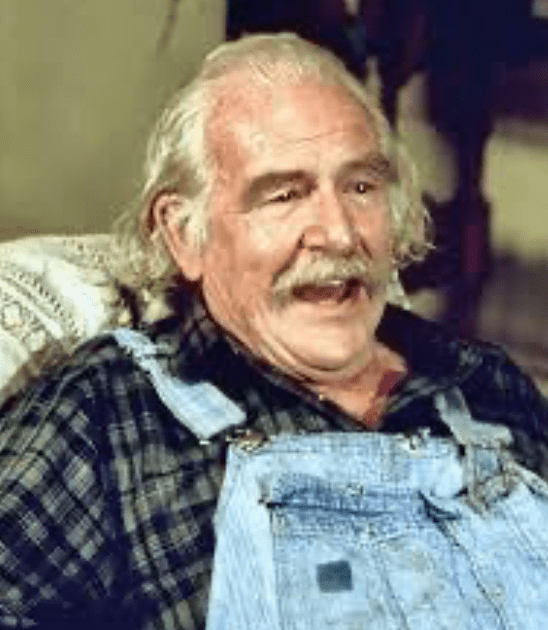
The dynamic between Grandma and Grandpa Walton was one of the most cherished aspects of The Waltons. This was brought to life by Will Geer. Their on-screen chemistry brought warmth and authenticity to the couple’s enduring marriage. Together, Corby and Geer portrayed a relationship built on love, respect, and shared history—a rarity in television at the time.
Their interactions often offered hope and humor, showing the strength of a long-lasting partnership even in difficult times. This relationship was a powerful reminder of the importance of family unity and mutual support.
Accolades and Enduring Impact
Ellen Corby’s performance earned widespread recognition, including three Primetime Emmy Awards for Outstanding Supporting Actress in a Drama Series. These honors reflected her exceptional talent and profound impact on the show’s success.
In 1976, Corby suffered a major stroke, a significant event that threatened to end her time on The Waltons. Still, in an inspiring show of courage, she returned to the show and continued portraying Grandma Walton. The show integrated her recovery into the storyline, allowing viewers to witness her real-life perseverance mirrored in her character. This showcased Corby’s resilience, the show’s commitment to addressing real-life issues, and the importance of family support during difficult times.
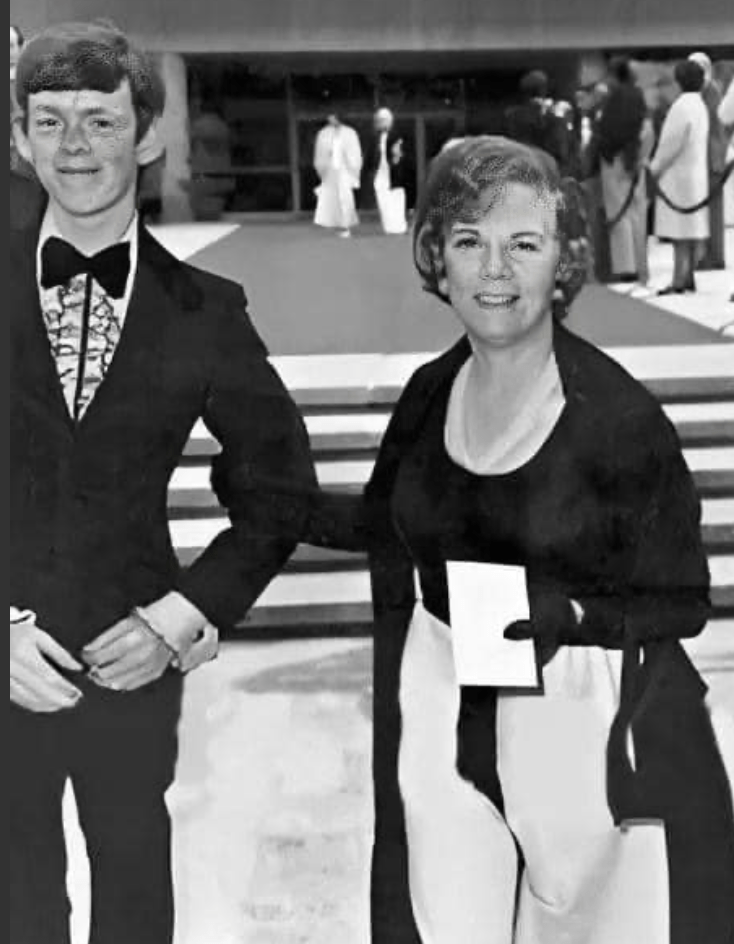
Behind the scenes, Corby’s heart extended far beyond her on-screen family. When she suffered the stroke she formed a particularly close bond with a young actor from the cast. The young actor was Jon Walmsley, who played the musically gifted eldest son, Jason Walton.
Though not formally adopted in a legal sense, Ellen Corby regarded Jon as her surrogate son. The bond between them went far beyond television scripts and stage directions. When Corby was recovering from her stroke, Walmsley visited her often. He remained one of her strongest supporters and encouraged her through her rehabilitation. She, in turn, called him “my boy,” a term of endearment that lasted until the end of her life.
Their connection was one of genuine affection and chosen family. It was a relationship forged in kindness and strengthened by hardship. It was remembered fondly long after the cameras stopped rolling.
Hollywood is often marked by fleeting relationships. The love between Ellen Corby and Jon Walmsley stood as a quiet, enduring testament. This love illustrates the family that develops through compassion and care. A family can be built, even if it starts on a soundstage.
A Legacy That Lives On
More than four decades after its original broadcast, The Waltons resonates with viewers, largely thanks to Ellen Corby’s unforgettable performance. Her portrayal of Grandma Walton is a tribute to the quiet heroes in every family. These grandmothers guide with grace. They love without limits and face life’s challenges with unshakable strength. The show’s enduring popularity is a testament to Corby’s attributes and her lasting impact on television history.
Ellen Corby passed away in 1999 at the age of 87, but her legacy lives on. Through her work, she gave audiences a timeless character whose influence endures in fans’ hearts and television history. Her legacy is a thread that connects generations of fans, memorializing the enduring power of storytelling.
In honoring Ellen Corby, we remember more than just an actress. We celebrate the spirit of a woman who helped define what family means on screen and in real life. Her portrayal of Grandma Walton evokes a sense of nostalgia. It reminds us of the timeless values of love, resilience, and unity that she brought to life.










 benandsteve.com