Christmas the Cat: That Lost The Day Of Christmas And Found It All Over Again For Good!

This story is pulled from the archives as a celebration for the season edition.

Groff Media 2024© Truth Endures IMDbPro

Presented by benandsteve.com By: Benjamin Groff II©
3–4 minutes

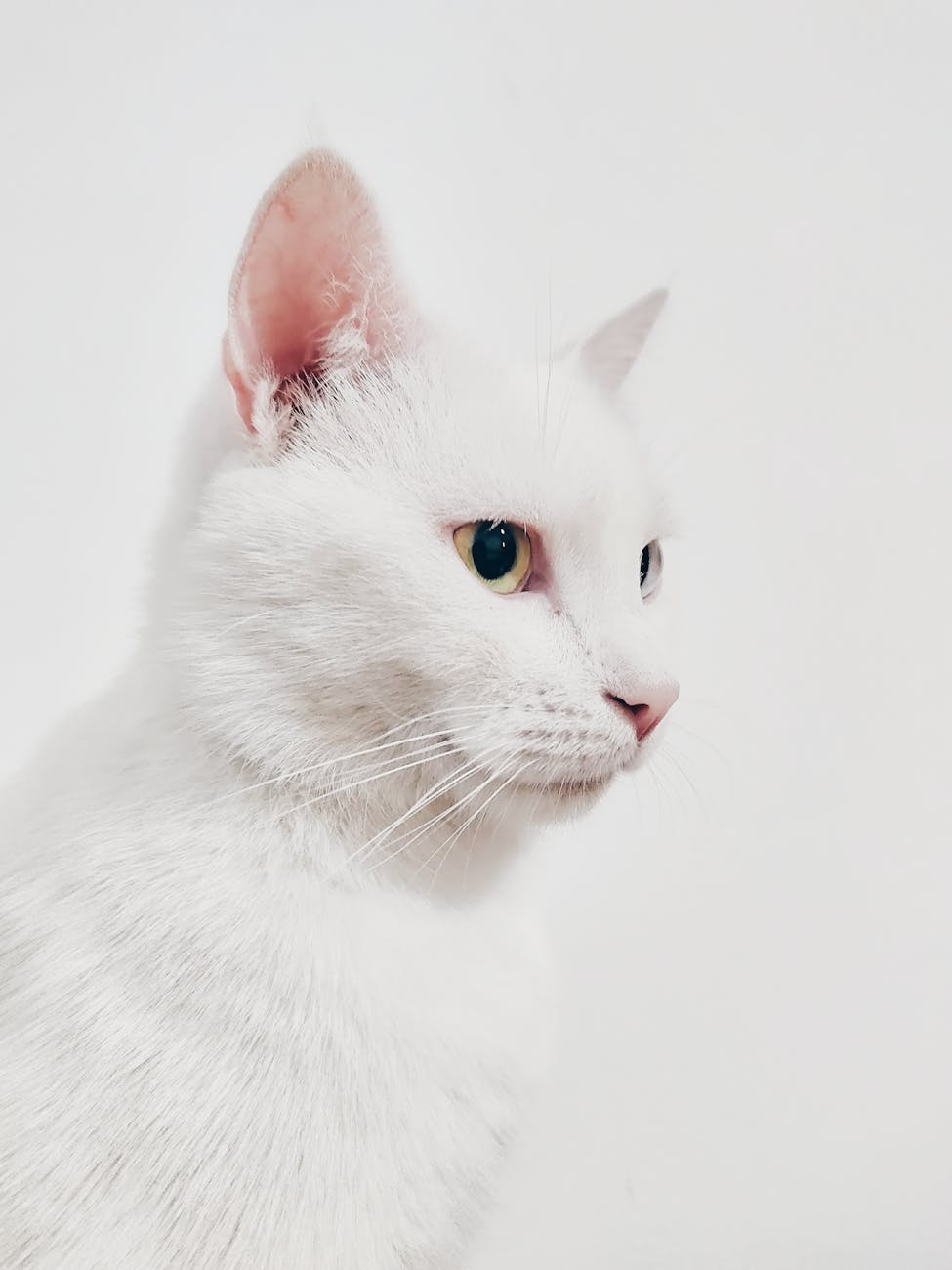
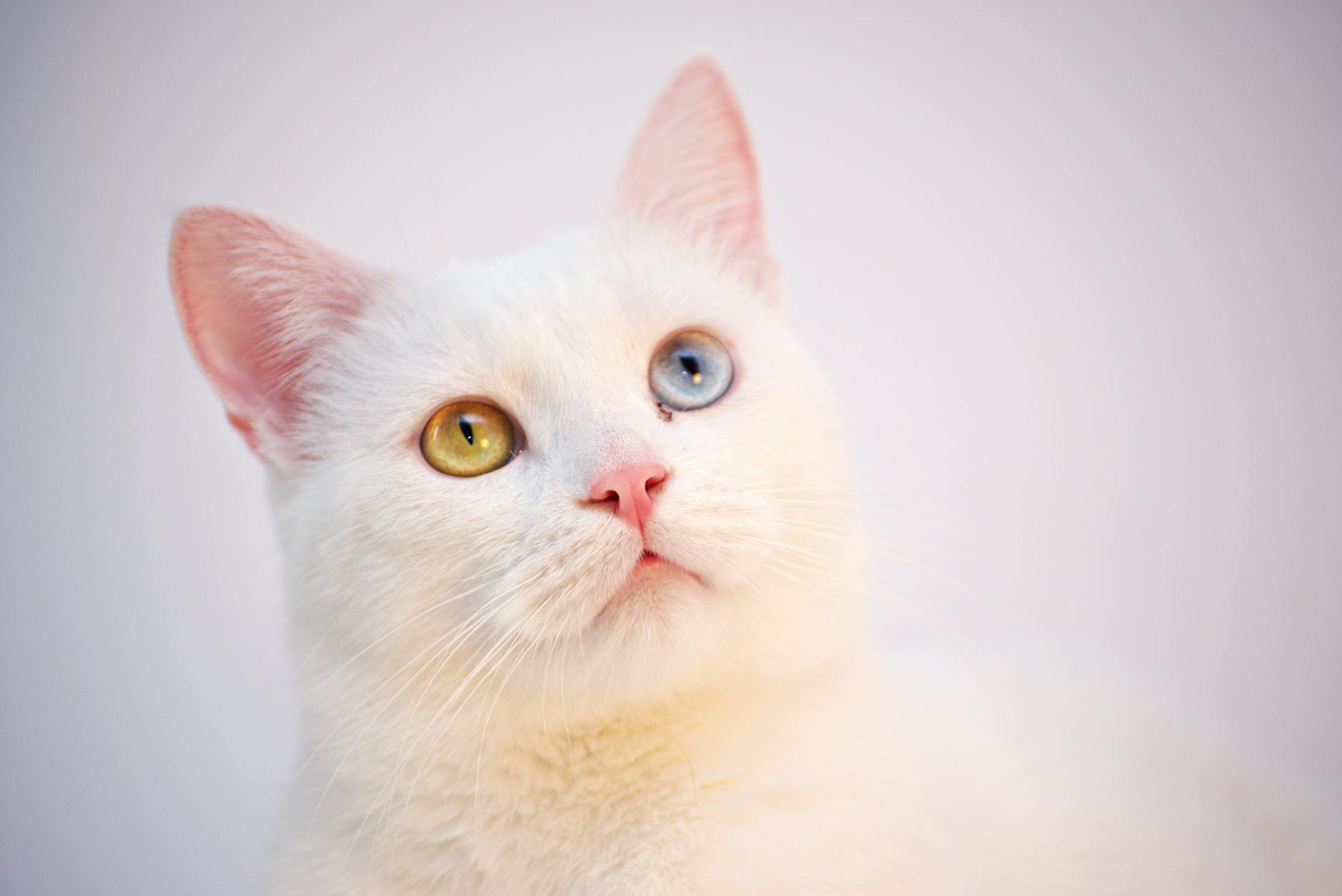
Christmas was a sleek, white cat with a bright red collar and a tiny bell. He sported one green eye. One eye blue. Christmas twinkles the kids called them. He got his name because he was born on Christmas Eve. Since then, his life revolved around the festive season. He loved the glittering lights and the scent of pine. He enjoyed the rustling of wrapping paper. He cherished the joy he saw in his family’s faces.

Christmas morning, the children had excitedly unwrapped their gifts. Afterward, the family went off to visit relatives. Christmas the Cat had wandered into the pantry. Curious, he batted at a loose box of crackers, which tipped over with a crash. Startled, he darted behind a stack of canned goods. In the commotion, someone closed the pantry door, locking him inside.

At first, Christmas thought this was just an oversight. Someone would open the door soon and scoop him up for a cuddle. But the minutes stretched into hours, and the house grew silent. Panic set in. 

He imagined the family around the table, sharing laughter, turkey, and pie. He pictured the children playing with their new toys. The warmth of the fireplace filled the room. Soft carols were in the air. And here he was, trapped in the dark, with only a box of crackers for company. 
Christmas, becoming convinced it was too late until the family returned that evening. His heart sank as he heard the keys jingle and the front door creak. He sat dejectedly on the pantry floor, his tail curled around him.

“Christmas! Where are you, buddy?” 

Called the youngest child, Emily.

The pantry door swung open, and a flood of light spilled in. Christmas blinked and looked up. Emily scooped him into her arms, covering him in kisses.

“We were so worried!” 

She exclaimed. 

“We couldn’t find you anywhere.”

The rest of the family gathered around, showering him with attention. Despite their love, Christmas couldn’t shake his gloom. He meowed mournfully, his usual purr absent.

“What’s wrong, Christmas?” 

Emily asked, stroking his fur. 

“You’re safe now.”

Her father, overhearing, knelt beside her.

“I think Christmas thinks he missed Christmas Day.” 

He said with a chuckle.

Emily’s eyes widened. 

“Oh no! That isn’t very good. We need to tell him it’s okay.”

She cradled Christmas close and said softly,

“You didn’t miss Christmas, silly kitty. Even if the day is over, Christmas isn’t just one day. It’s about love, kindness, and being together. We can celebrate Christmas every single day.”

He looked up at her, his green eyes shining. The bell on his collar jingled as he rubbed his head against her cheek.

That night, Emily insisted they set up a special celebration for him. They lit the tree again. They brought out leftover turkey for a feast. They even gave him a shiny bow to play with. As Christmas sat in Emily’s lap, batting at the bow, he realized she was right. Christmas wasn’t just about one day. It was about the joy and love that filled the house every day of the year.

Christmas the Cat didn’t fret about the calendar from that moment on. Whether it was July or December, he purred as loudly when the family was together. After all, every day is Christmas as long as there was love.

The Cat On The Pole

A Story By: Benjamin Groff© Groff Media 2024© Truth Endures

In a quiet little neighborhood, there lived a curious cat named Whiskers. Whiskers was the cat who couldn’t resist exploring every nook and cranny of the world around him. From chasing butterflies in the garden to sneaking into open windows, there was nowhere Whiskers wouldn’t go.

One sunny afternoon, Whiskers spotted something new and intriguing: a tall, wooden utility pole standing proudly in the middle of the neighborhood. Its wires stretched from its top, leading off in every direction like a spider’s web. With his insatiable curiosity, the pole towered high above everything else, and Whiskers decided that he just had to climb it.

With a spring in his step, Whiskers leaped onto the base of the pole and began his ascent. He dug his claws into the rough wood, inching higher and higher. As he climbed, he felt the breeze tickling his fur, and the view of the neighborhood became more expansive. He could see the tops of trees, the roofs of houses, and even a distant hill he had never noticed before.

But as Whiskers reached the halfway point, something changed. Whiskers looked down and realized just how high he had climbed. The ground seemed so far away, and the pole suddenly felt narrow and precarious. His heart started to race, and Whiskers felt a twinge of fear for the first time.

He tried to turn around and head back down, but climbing down was more challenging than going up. His claws struggled to find a grip, and the pole seemed to sway slightly beneath him. Whiskers froze, unable to move up or down, his tiny body clinging to the pole in desperation.

Below, a few neighbors noticed the little cat stranded high above the ground. They gathered around, their faces filled with concern and their voices hushed in worry. One of the children shouted, “Look! A cat’s stuck on the pole!”

Word spread quickly, and soon, the entire neighborhood had gathered. Some suggested calling the fire department, while others considered using a ladder to rescue Whiskers. But the pole was too high, and the cat was too scared to move.

Finally, old Mr. Thompson, who lived in the corner house, shuffled to the scene. He was known in the neighborhood as the “Cat Whisperer” because he had a way with cats that no one could explain. With a calm and gentle voice, he looked up at Whiskers and said, “Come on down, Whiskers. It’s okay.” His presence alone brought a sense of hope to the worried crowd.

Whiskers recognized Mr. Thompson’s voice. He had often visited Mr. Thompson’s garden, where Whiskers always got greeted with treats and soft pats on the head. The familiar voice gave him a sense of comfort, and he slowly turned his head to look down.

Mr. Thompson continued to speak softly, coaxing Whiskers with soothing words. He knelt, holding his arms as if to catch the little cat. “You can do it, Whiskers. Just take it one step at a time.”

With newfound courage, Whiskers began to inch his way down the pole. It was slow and nerve-wracking, but Mr. Thompson’s voice kept him calm with every step. The neighbors watched silently, holding their breath as the cat descended. His bravery was a sight to behold, and it filled the onlookers with a sense of pride.

Finally, after what seemed like an eternity, Whiskers finally reached the pole’s bottom. As soon as his paws touched the ground, he dashed into Mr. Thompson’s arms, trembling but safe. The crowd erupted in cheers and applause, relieved that the brave little cat was back on solid ground.

Mr. Thompson patted Whiskers gently and whispered, “There you go, little one. Safe and sound.”

From that day on, Whiskers stayed close to the ground, content to explore the gardens and alleys instead of the towering heights. And every time he passed the old utility pole, he would glance at it but never again feel the urge to climb. After all, he had learned that some adventures are best left untried.

The Cat That Came To Dinner

A Story By: Benjamin Groff© Groff Media 2024© Truth Endures

It was the early 1930s, and the Oklahoma Dust Bowl swept through the Lower Plains States, leaving the land desolate. Sand drifts piled high against fence lines and buried the once-thriving crops. The sky, often a fiery orange, seemed to smoke under the relentless barrage of dust, with the sun reduced to a mere, dim glow fighting to penetrate the thick haze. In these trying times, the ingenuity of the people shone through. Cotton sacks and burlap gunny sacks, soaked in water, were draped over windows, turning the blistering wind into a cool, damp breeze—a crude yet effective method of finding relief from the unforgiving heat.

One late afternoon, as the sun struggled to set, casting long shadows across the Groff household near the Caddo-Washita County line, Florence ‘Mom’ Groff finished preparing the evening meal—known simply as “Supper.” The family gathered around the table, hands clasped in prayer, their faces etched with the lines of hard work and resilience.

But as they lifted their heads, ready to eat, a sound cut through the thick silence—a soft, sad meow. The children were the first to hear it, their eyes widening in surprise. Then Mom and Pop heard it, too, and a hush fell over the room.

Mom Groff had always wished for a cat, a companion to keep her company, and a mouser to guard the pantry. To her, the sound was nothing short of a divine blessing, a wish finally granted amidst the harshness of their lives. The family’s joy was palpable, a rare moment of lightness in a world often shrouded in dust. Their hearts swelled with hope and anticipation, their spirits lifted by the prospect of a new member in their humble household.

With a heart full of hope, Mom poured a saucer of milk and gently opened the screen door, its hinges creaking as she knelt. Mom propped the door open and called softly, coaxing the stray Cat into the kitchen’s warmth.

The Cat, a scraggly creature with dust-matted fur, cautiously stepped inside, its eyes wide and curious. It approached the saucer and began to lap the milk, its tail flicking contentedly. The family watched in silence, their smiles growing as they saw the Cat settling in, imagining it becoming a permanent household member.

But fate had other plans. Just as the Cat seemed at ease, a sudden gust of wind caught the screen door, slamming it shut with a thunderous WHACK! The noise startled the Cat, sending it into a frenzy. With a yowl that echoed through the house, the Cat leaped onto the dining table in a single bound, scattering dishes, plates, glasses, and silverware in all directions. Food splattered across the room, landing in the laps of the children and Ben, Mom’s husband, who sat stunned at the chaos unfolding before them.

Now in full panic mode, the Cat darted around the kitchen, running along the walls as if possessed, leaving deep scratch marks and a trail of destruction in its wake. The family could only watch in disbelief as the once-peaceful scene became utter chaos. Dishes clattered, food splattered, and the Cat’s wild antics turned the kitchen into a battleground.

Finally, Ben, known as “Pop,” rose from his chair with the calm of a man who had seen it all. He grabbed a broom and walked to the kitchen door, his face determined. As he held the door open, he quietly muttered, ––– “scat, you son of a bitch, you. Scat!”

“Scat, you son of a bitch, you. Scat!”

With that, the Cat shot out the door, disappearing into the dust-laden twilight, leaving behind a shambling kitchen and a family in stunned silence. The sudden departure of the Cat left the family in a state of shock, their hearts still racing from the unexpected turn of events. The once lively kitchen now stood in stark contrast to the chaos that had just unfolded.

The story might have ended there, but it became a cherished family tale, retold with laughter that brought tears to the eyes of those who heard it. My dad, JD Groff, was the one who shared it most often, his voice shaking with joy as he recalled Pop’s uncharacteristic outburst. Dad would always add with a chuckle, “Pop never cursed a day in his life until that damn Cat tore the hell out of our dinner table.”