
By Benjamin GroffMedia© | benandsteve.com | ©2025
Home Is Where The Heart Is
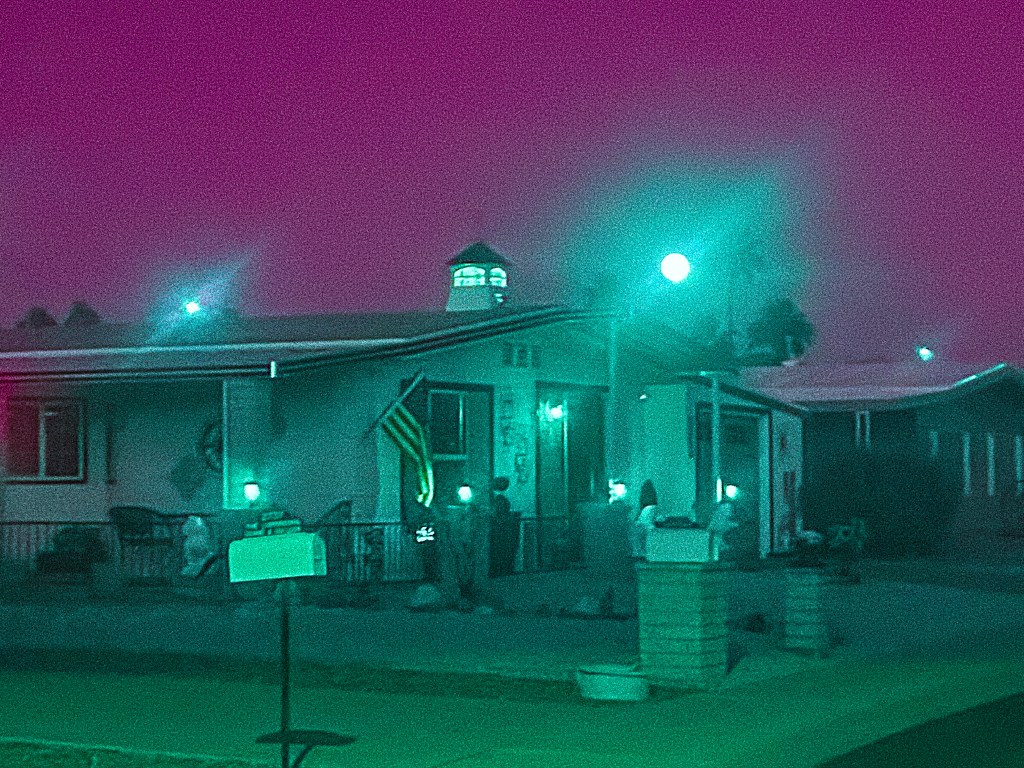
Over the years, I’ve taken countless photographs during my travels across the United States. They are not professional grade. Together they tell a story of moments, places, and memories I felt worth sharing. This is the first collection I’m beginning with, and over time I will add more as the journey continues. Depending on how these are received, future sets will follow. For now, I invite you to enjoy this glimpse through my lens.
THE COURT HOUSE

Grandparents hailed from when I was a child.
The Washita County Courthouse, located in Courthouse Square in New Cordell, is the county courthouse serving Washita County, Oklahoma. The Classical Revival courthouse was built in 1910. It was added to the National Register of Historic Places on August 24, 1984. Wikipedia
111 E Main St, New Cordell, OK 73632
Opened: 1910 Area: 43,560 ft²
Architectural style: Neoclassical architecture
I first attended holiday events with my grandparents here. Later as a police officer I testified at murder trials in the historic court room.
Britten USA
Every time we travel east to visit relatives we pass this landmark in Groom Texas. On this particular day we were heading west hurrying home. A ice storm had been predicted and we were trying to beat it over the mountains.
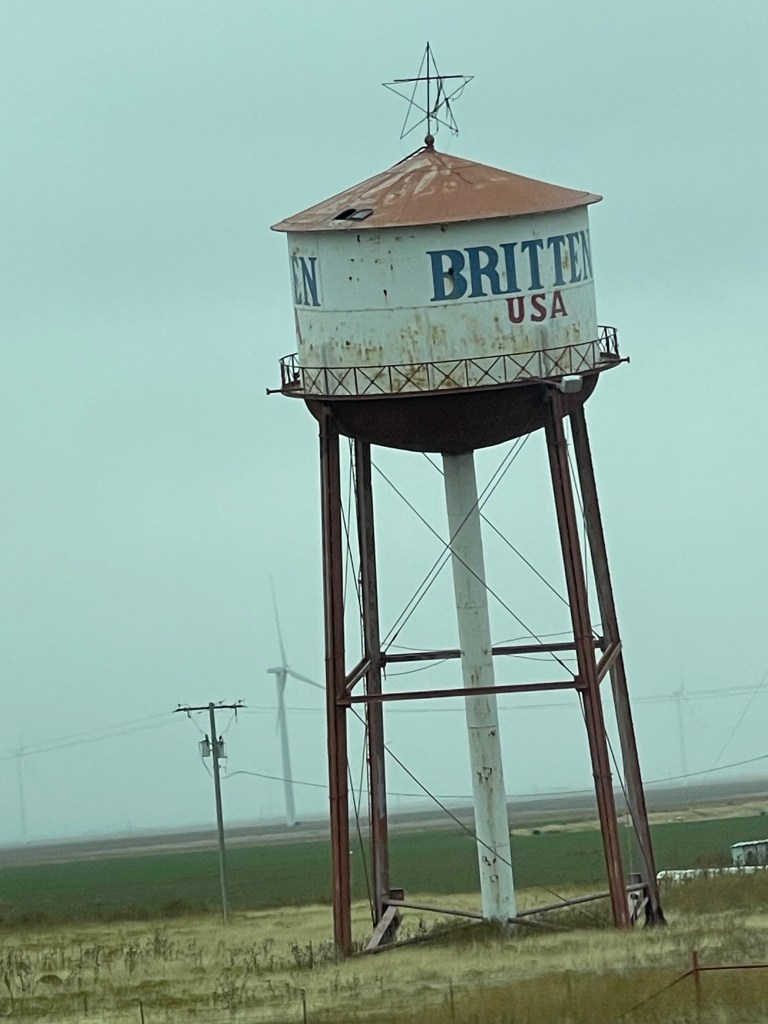
“Britten USA” most commonly refers to the Britten U.S.A. Leaning Tower of Texas in Groom, Texas, a roadside attraction on Route 66 created by Ralph Britten. Alternatively, it can also refer to Britten Inc., a marketing and branding company that specializes in visual engagement solutions for events and advertising.
The Leaning Tower of Texas
Current status: It remains a popular tourist attraction and a landmark on historic Route 66.
What it is: A roadside water tower that is tilted about five degrees from vertical.
Location: Groom, Texas, along the westbound frontage road of Interstate 40 near the historic Route 66 path.
History: Ralph Britten bought the tower from a nearby town. He installed it as a marketing tool for his truck stop and restaurant in the early 1980s. An electrical fire later destroyed the buildings, leaving only the tower.
Oklahoma Windmills
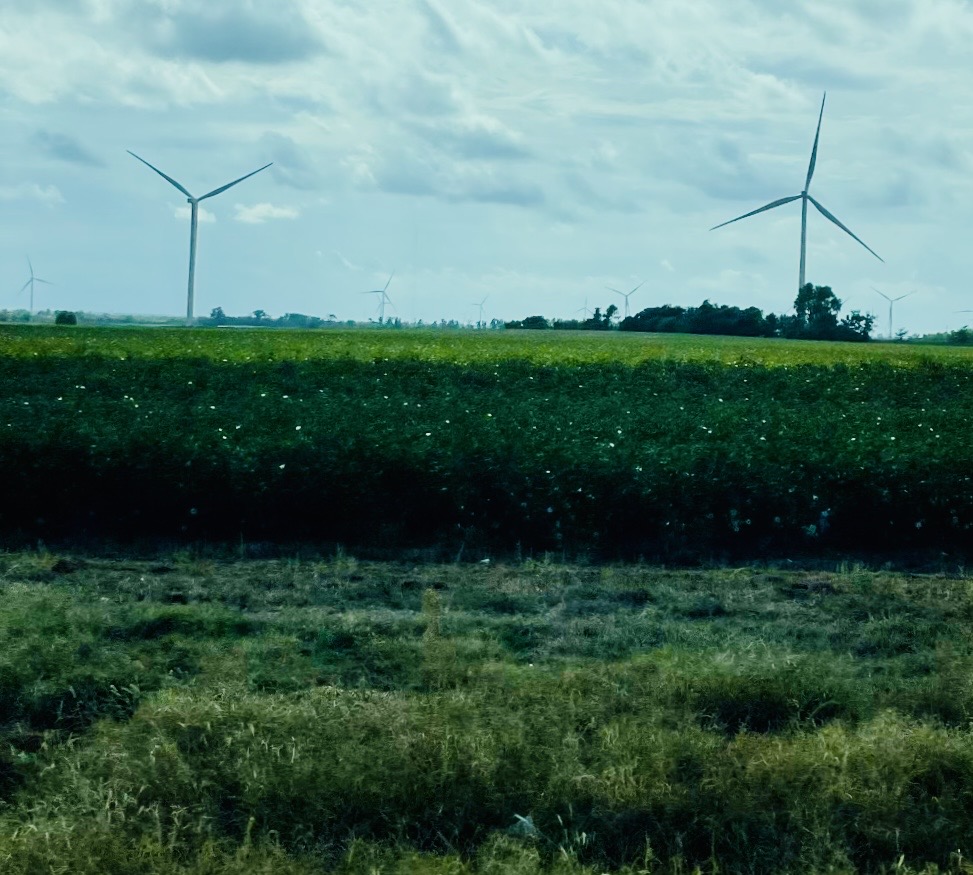
Windmills stretch across the American landscape. They stand quietly in a field of Western Oklahoma — steady sentinels of what renewable energy can represent. Yet in the current political climate, the future of clean energy in the United States feels increasingly uncertain. Progress once promised innovation and leadership. Now, it risks being slowed by shifting priorities. Resistance at the highest levels of government contributes to this challenge, particularly within the current administration and Republican leadership.
Each pause in advancing renewable energy costs more than time; it costs momentum, opportunity, and global standing. Other nations continue to move ahead. They invest in sustainable solutions and future infrastructure. Meanwhile, America risks falling further behind. This gap is not by years, but by decades. Every delay today echoes as missed potential tomorrow.

MOUNTAINS OF UTAH
This black-and-white industrial scene was captured many years ago. I was accompanying my better half on a business trip to Salt Lake City, Utah. Somewhat surprisingly, the photo was taken from the third-floor window of our modest motel room.
As I looked out, the contrast of rigid industry against the soft sweep of snow-capped mountains stirred something in me. It was a moment that begged to be preserved. It served as a quiet reminder of winter’s presence. This was rare compared to the sun-baked valley we call home near Phoenix. Instinct took over, and I froze the memory in time with a simple click.
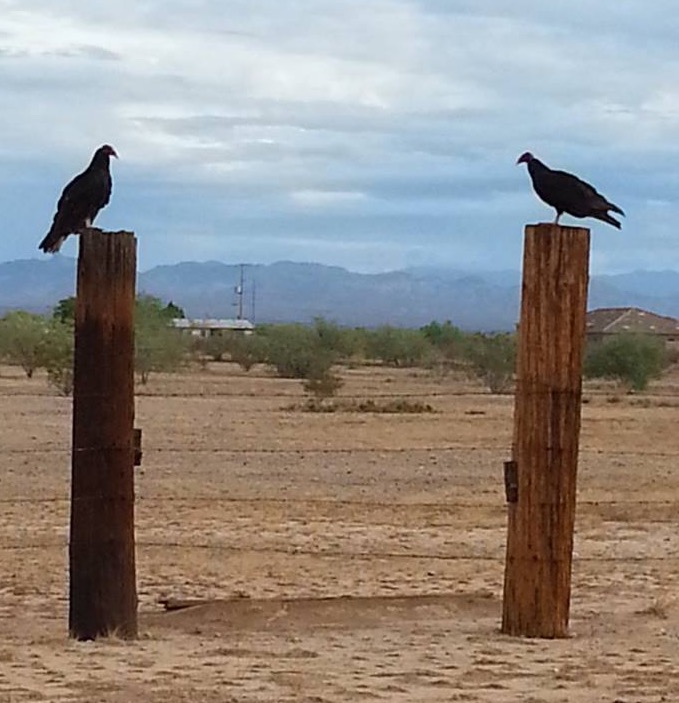
The photo above comes from a much earlier time. It is a fleeting capture of two vultures perfectly perched on weathered fence posts. This scene is in the desert near our old Road’s End Ranch, west of Phoenix, Arizona. We lived there for nearly eleven years, and it remains one of the richest chapters of our lives. Open range, endless sky, and a wildness that felt both rugged and beautiful.
Cattle wandered freely into our yard, trailing no rules but their own. Coyotes called at dusk. Javelina passed through like restless shadows. Rattlesnakes reminded us daily that we were sharing their world. The Western Diamondback (Crotalus atrox) was among the most common. The Mojave Rattlesnake (Crotalus scutulatus) and the Sidewinder (Crotalus cerastes) were also frequent visitors. They were constant guardians of the desert floor.
This particular moment was captured on the fly — literally. We sped through the desert in a golf cart. I clung to the passenger seat. At the same time, I attempted to steady a camera. The vultures sat motionless, almost statuesque, watching over some unseen feast just beyond the fence line. A raw, unplanned moment — and yet one that perfectly reflects the untamed spirit of the life we cherished there.
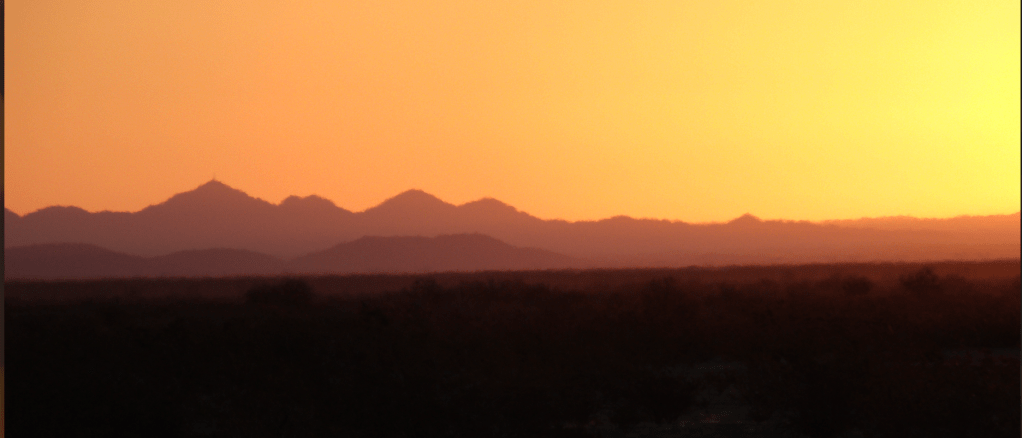
Sunset at Road’s End Ranch. It was one of the last we were fortunate enough to witness before selling our desert home. We moved to the city in 2013. The White Tank Mountains stretch softly across the western horizon. They catch the fading light in a way only the desert can offer.
This marks the close of the current collection. Many more photographs will be shared in the days, weeks, and months ahead. Thank you for your thoughtful comments, memories, and kind suggestions along the way.


 benandsteve.com