The Legacy of Lefty Frizzell: Influencing Country Legends

By Benjamin GroffMedia© | benandsteve.com | 2025 Truth Endures©

1–2 minutes

“The Voice That Taught a Generation”

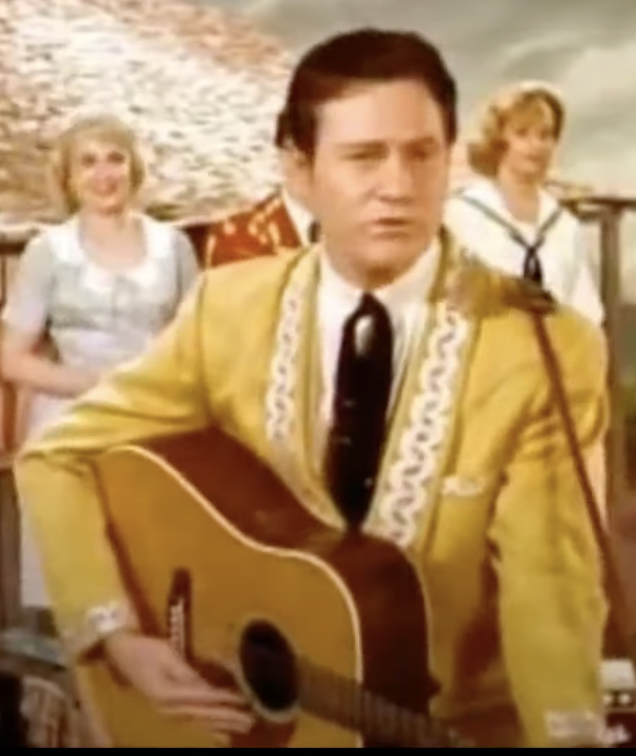
Lefty Frizell

In the summer of 1950, a determined young singer named Lefty Frizzell stood outside Jim Beck’s recording studio. He was in Dallas, Texas. He was ready to make his mark. At just 22, he had already weathered a storm of heartbreak, barroom gigs, and run-ins with the law. Lefty had slicked-back hair and a crooked grin. A battered guitar was slung over his shoulder. He aimed for more than just a break. He was pursuing his destiny.

William Orville Frizzell was born in Corsicana, Texas, in 1928. He earned the nickname “Lefty” as a boy. Stories about how he got the nickname vary, from a boxing match to being left-handed. What was undeniable, though, was his voice. Smooth, elastic, and full of feeling, it wrapped around words in a way that captivated everyone who heard it.

That day in Dallas, Lefty recorded a few songs. He included one he had penned during his time in jail, ‘If You’ve Got the Money (I’ve Got the Time).‘ Within a few weeks, Columbia Records released it, and just like that, Lefty was catapulted into stardom.

By the end of 1950, he had four songs in the country Top Ten—a feat unheard of at the time. His singing style was marked by stretched syllables and graceful phrasing. It would later profoundly influence legends like Merle Haggard, George Jones, and Willie Nelson. We are forever appreciative for this influence.

Yet fame came with a cost. Lefty struggled with alcohol and the pressures of the spotlight. Though his career saw ups and downs, his voice never lost its magic. Even before he died in 1975 at the age of 47, he would sing for country artists. They would still gather around to hear him. They wanted to remember the man who changed the sound of country music forever.

Merle Haggard once said, 

“I can’t think of anyone who has influenced me more.”

Lefty Frizzell didn’t just sing songs—he bent time with his voice and taught a generation how to feel every word.
The Brothers of Friday the 13th: A Country Music Legacy

By Benjamin GroffMedia© | benandsteve.com | 2025 Truth Endures©

2–4 minutes

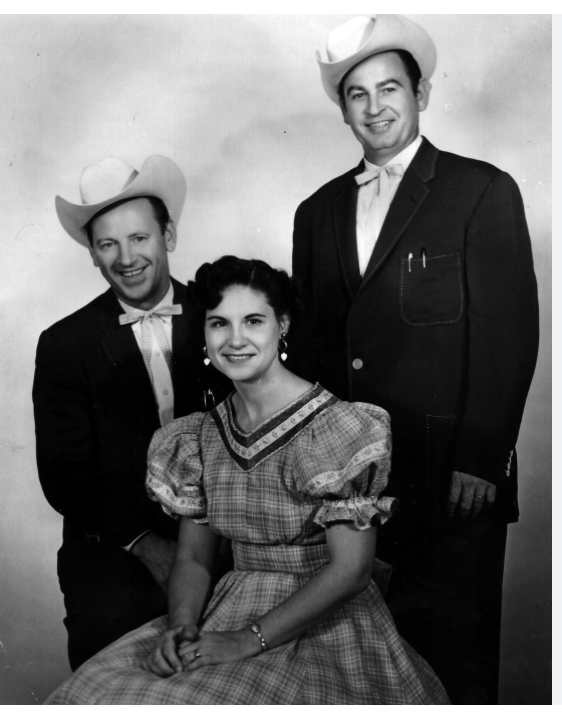
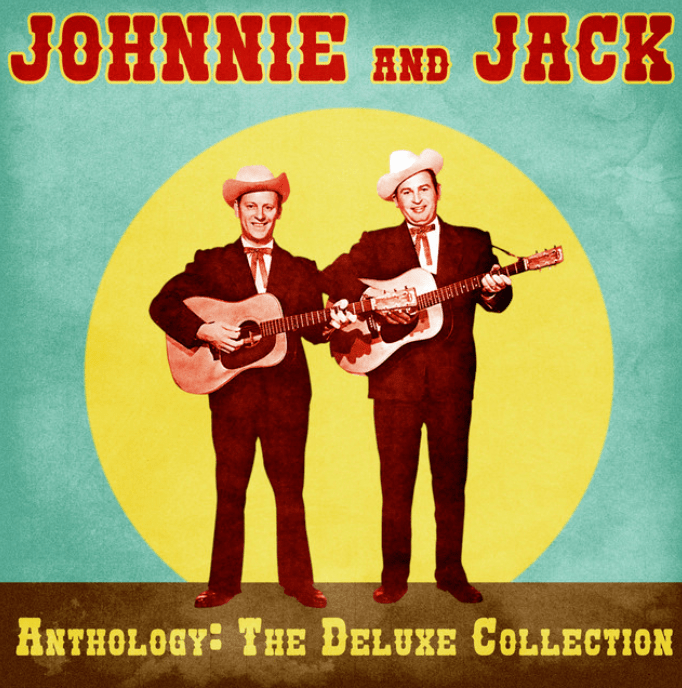
The Brothers of Friday the 13th

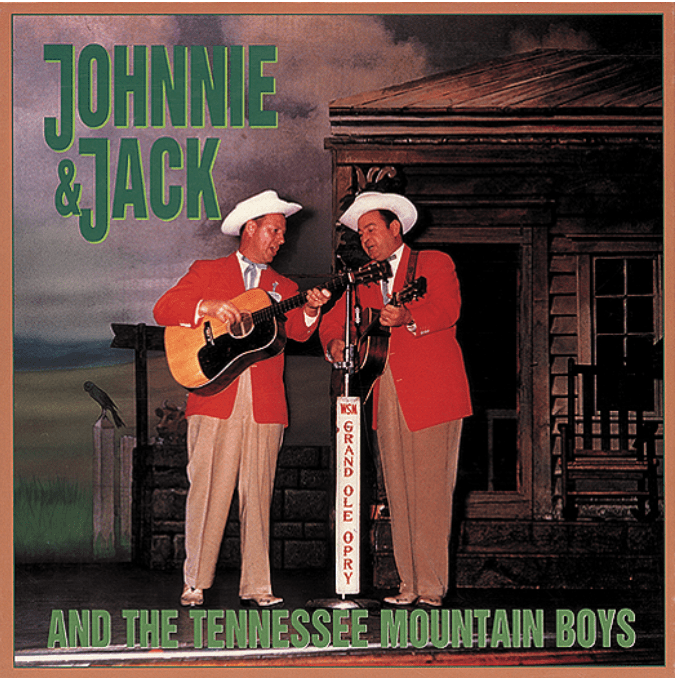
They say Friday the 13th brings bad luck. But, for Jack Anglin and Johnnie Wright, it brought something entirely different. It brought love, brotherhood, and the country music that carves its way into the soul.

Jack and Johnnie were destined to sing. Their childhoods were steeped in gospel, church choirs, and the rhythm of the land. They met as they met most things in life—through music. And they married as they did everything else—on a Friday the 13th. Jack wed Louise, and Johnnie took her sister, Muriel, as his bride. This made them brothers-in-law, but their voices had already made them brothers in spirit, their bond unbreakable.

They began touring as Johnnie & Jack, their harmonies tight as barbed wire and twice as sharp. They sang of sorrow and salvation, of trains leaving and lovers staying. And behind them, always, stood the sisters.

Johnnie’s wife, Muriel, had a soft voice. It could’ve gone unnoticed if not for a quiet evening at home. She hummed along to a song Johnnie was working on. He stopped strumming, looked at her, and knew.

“You need a stage name,” 

He said. 

“Something people will remember.”

He thought a moment, then grinned. 

“Kitty Wells.”

She laughed at the name, but it stuck. Kitty Wells soon became the Queen of Country Music. Her voice turned the tide with It Wasn’t God Who Made Honky Tonk Angels. The song gave women in the country their place in the spotlight.

In a later interview, Johnny recalled that the name “Kitty Wells” came from an old spiritual recording. He used to play it during his early days working at a radio station. The name stuck with him. When it came time to give Muriel a stage name, it felt like the perfect fit. It was familiar, timeless, and filled with meaning.

Life moved fast. Fame came. Tours blurred together. But Jack and Johnnie were always together—on stage, on the road, in life.

Then came March 1963.

Patsy Cline, Cowboy Copas, and Hawkshaw Hawkins—all killed in a plane crash returning after a charity concert. The country music world was shattered. A memorial service was planned, and Jack insisted on going.

“Gotta pay respects,” 

He said. 

“We’ve all come up together.”

But he never made it.

On the fateful morning of March 8, 1963, Jack Anglin was en route to the service. Tragically, he lost control of his car and crashed. His life was taken in an instant. The news reached the church before Johnnie’s arrival. They say the moment he heard, Johnnie was overcome with grief, falling to his knees. The man who had been his constant companion on every stage, in every storm, was no more.

It was a heartbreak no harmony can fix.

Johnnie went on as best he could. Kitty sang. The spotlight stayed, but something had shifted. There was a silence beside him now where Jack’s voice used to be.

Still, the music lived on.

Two men, two sisters, two voices joined by fate, and a wedding date no one forgets. Friday the 13th had given them everything—and, somehow, had taken it all back.

Yet, their songs endure, a testament to their enduring legacy. In every old record and radio play, their voices still resonate. Jack and Johnnie were brothers in music and marriage. Their harmonies echo through the years. It is a timeless tribute to their bond and art.

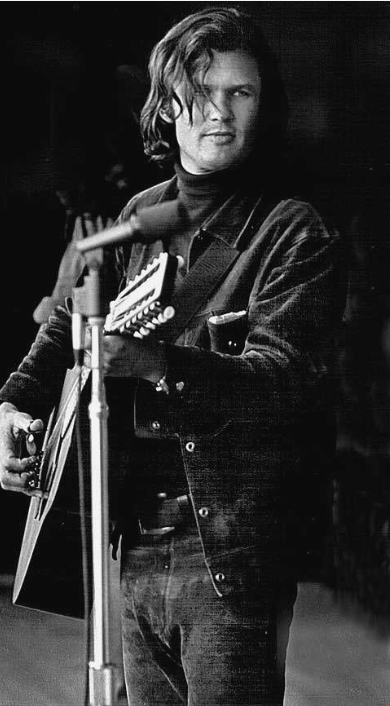
Remembering Kris Kristofferson: A Personal Tribute

A Tribute to Kris Kristofferson by Marion Toehay Jr., Friend and Former Chief of Police

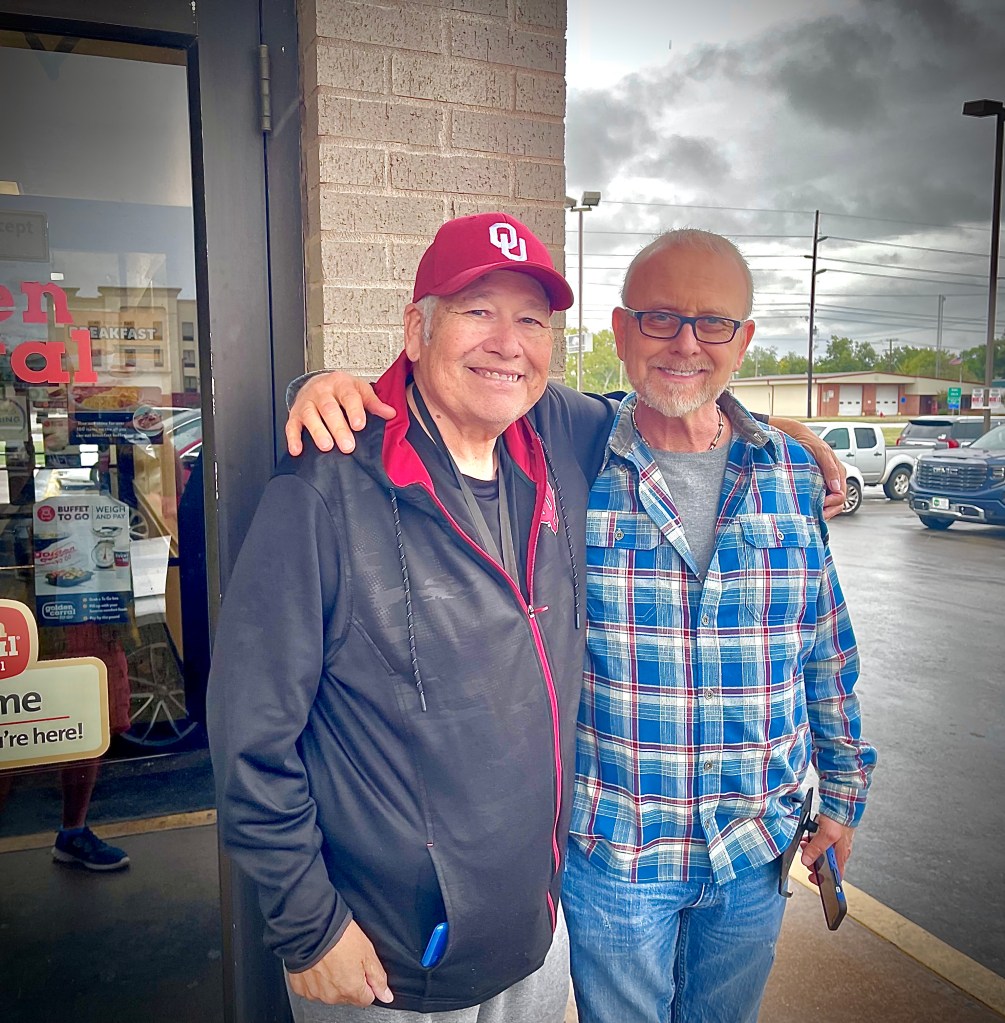
Marion Toehay JR. (Left)
Benjamin Groff (Right)

Marion Toehay Jr., a close friend of Benjamin Groff II, who typically authors this page, shares his heartfelt memories today as the world mourns the passing of Kris Kristofferson. The legendary singer-songwriter passed away on Saturday at age 88 in Hawaii. Marion met Kris in the summer of 1968, during the early days of Kristofferson’s career, at the Silver Dollar Saloon in Phoenix, Arizona.

In 1980, Marion became Benjamin’s first Chief of Police in Oklahoma, and today, he reflects on the unforgettable encounter he had with Kris all those years ago:


Kris Kristofferson was one of a kind. I had the chance to meet him when I was just 13 years old, working with my stepdad during the summer of 1968. We were selling produce to bars around Phoenix, Tucson, and the mining towns in the White Mountains. On our last stop in Phoenix, at a place called the Silver Dollar Saloon in what was known as Cowtown, we went inside—and there he was.

I remember seeing Kris Kristofferson stand up from a table and walk right over to us. He greeted my stepdad like an old friend, saying, “Y’all come sit down and have a beer.” At the table with him were none other than Johnny Cash and Waylon Jennings.

My stepdad had always told me he knew Kristofferson, Cash, and Jennings, but up until then, I hadn’t met them myself. Every time we passed through, they just weren’t there. I was starting to think I’d never get the chance to meet them. But that evening, out of nowhere, they were larger than life. It was like a dream come true for me—a 14-year-old kid with a love for country life.

We spent the evening laughing, sharing stories, and, yes, drinking some beer. When we finally headed home, my mom awaited us, wondering why it had taken so long. I told her about meeting Kris, Johnny, and Waylon, and she just smiled and said, “Oh, okay,” as if it was no big deal. She’d met them before, too, thanks to my stepdad. But for me, it was the highlight of the summer—and a memory I’ll never forget.

Hearing about Kris Kristofferson’s passing is sad for everyone who admires him. My family and I send our deepest condolences and hope he rests in peace.

~ ROSE ~ A WILD HORSE FOR A SUMMER WITH BUD

Photo by David Dibert on Pexels.com

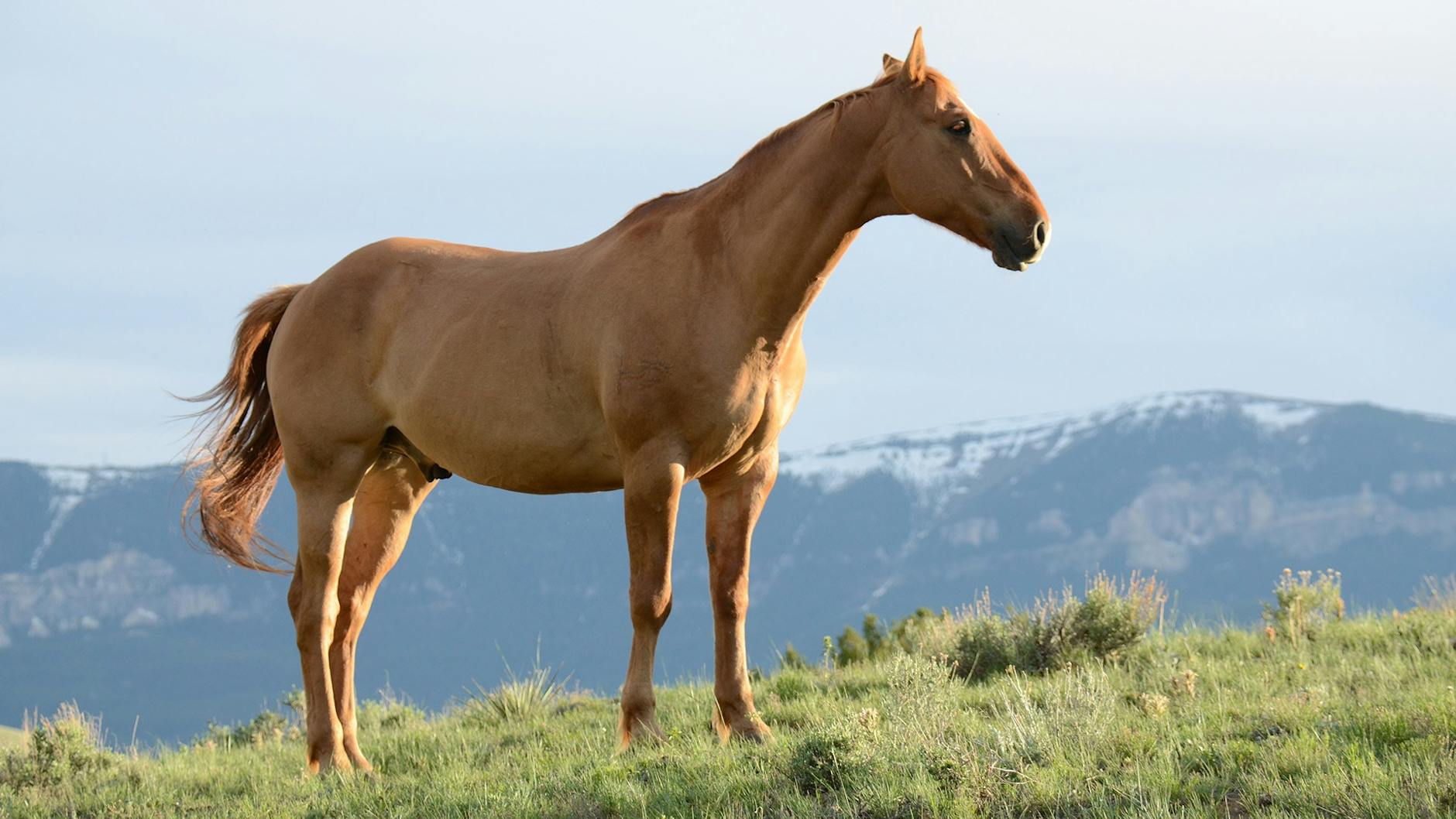
Bud was only 14 when he first met what would become his best friend for the summer. She had never been around people running wild in a pasture since birth. A 3-year-old Dunn filly, a horse commonly referred to in the region as a Red-River-Dunn for its color, a reddish tint coat with black stockings, mane, and tail. She had darker red hair around her mane and ears, slicked down her jacket, and features made for a beautiful horse.

Bud’s dad bought her at a horse auction, and he and Bud went to load Rose; she had never been touched. Getting a rope to place a halter on her was a rodeo of itself in the lots behind the auction house. Getting her loaded into a trailer was a site to see. She reared and fought, tearing the trailer’s tail lights, clearance lights, and various fixtures off the trailer before finally getting into the trailer, most likely tiring from repeated attempts to load. No whips or harsh attempts were made to get Rose into the trailer; she never saw such strange things and was frightened by their appearance.

After a ride home, Bud wondered if the new horse would still be standing; it was long after midnight when they arrived back at the farm. As they pulled into the barnyard, Bud’s dad backed the trailer into an empty pen and unloaded the horse. The father and son gave the horse some hay and water and a gallon of oats. Then, the two went to the house; it had been a long night.

A technique known as plow-driving or plow-reining

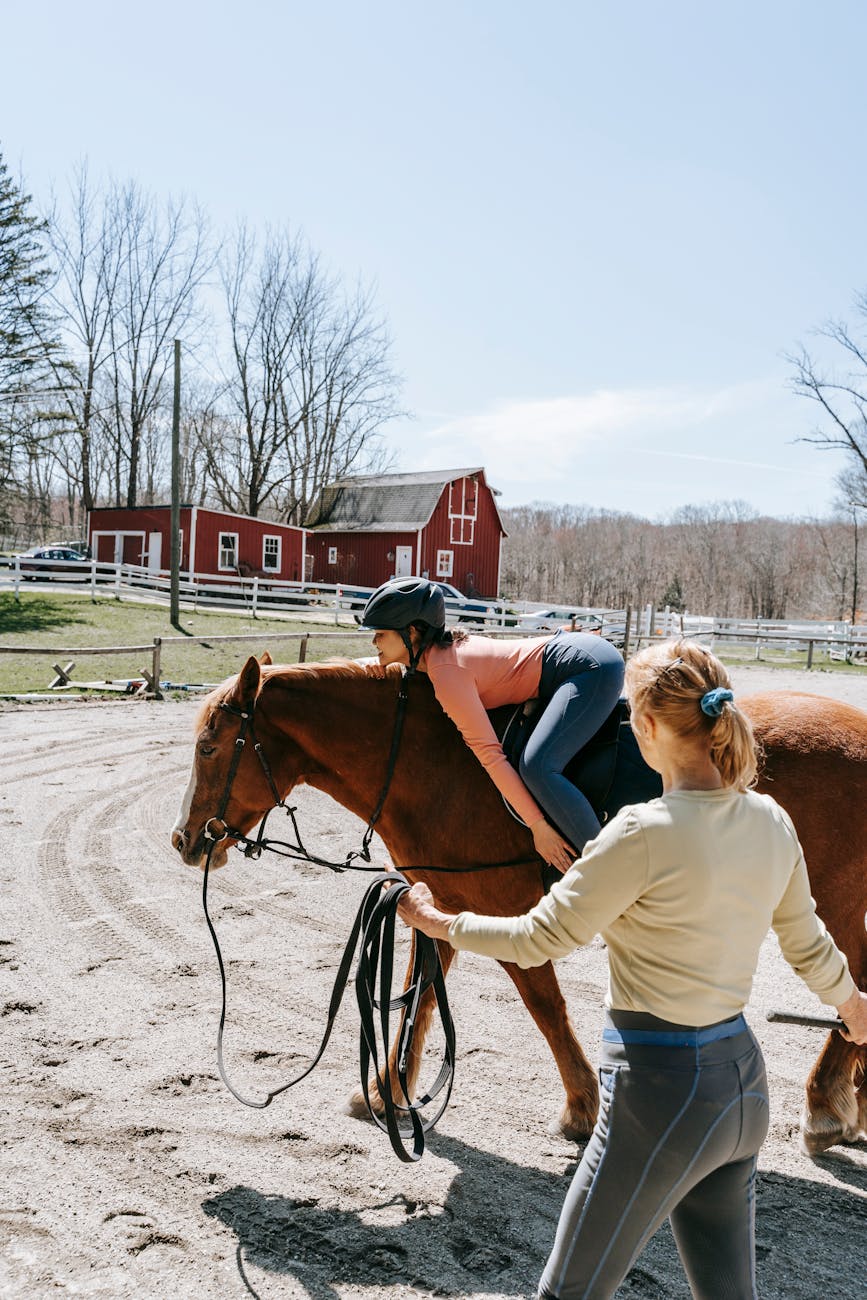
A few hours later, which most people would describe as the following day, Bud and his father were up with sunrise. That is the way you work on a farm. They went to do their chores. By the time Bud got to the barn where the new horse was, he was shocked to see his dad had a saddle on it and was behind it, plow-driving it. Plow-driving is a process where one runs a rope from each side of the bridal through the stirrups of a saddle to about ten feet behind the horse to teach it reign before mounting it and training it at riding; it is very similar to what you would see a farmer doing to guide his draw-horse behind a plow on a farm.

Bud had always heard of how his dad had a magic touch with horses but never witnessed the gift so many spoke about. What happened next would deepen the mystery even greater.

Bud’s dad saw him entering the pen and said,

“I am glad you are here; it is time for you to get on her. I think we will call her Rose.”

The father then proceeded to gather the reigns in his hands and walked up to steady the bridal and hold the horse steady. As he did, he angled the horse’s head, and Bud could see his father quietly speaking into the horse’s ear. Then his father said,

“It is ok now. You can get on.”

Bud stood there thinking that not 8 hours earlier, they had watched this horse, which a human had never touched, nearly destroy an endgate on a stock trailer, taking over an hour to load from a dock where it usually takes five minutes for the most problematic cases. But Bud trusted his dad and knew he would never place him in danger, so he went up. He was expecting to be going for an 8-second Bronco ride.

After Bud settled in the saddle, he first experienced what he would describe to friends and family as the Cadillac ride. Using just two leather reins from a halter and not a bridle, he clicked his mouth for Rose to go, and she began walking. He reigned her using the plow-rein system; he gradually began using neck touch reining by letting the rein on the neck tell the horse which direction you wanted it to go. Rose was incredibly talented, a fast learner, and became acquainted with people fast. On the first day, the father and son had the horse performing levels of training that typically take weeks or months for other horses.

Bud’s dad said, as the day progressed,

“Rose will be yours for the summer. We sold Sam, which was your horse, so I wanted to buy this green horse to get you something to work on.”

A green horse needs training in horsemanship, riding, leading, mannerisms, and behavior. Bud feared Rose would be a challenge if she had any flashbacks and wanted to return to her before human days. 

The next day, Bud’s biggest concern was the end of school before Summer break. He had fourth-quarter tests to pass. Rose would have to hold until he had his schooling squared away, but he knew she’d be waiting for the summer that was about to come.

Watch for part 2 tomorrow!