Benjamin GroffMedia© | benandsteve.com | 2025 Truth Endures©
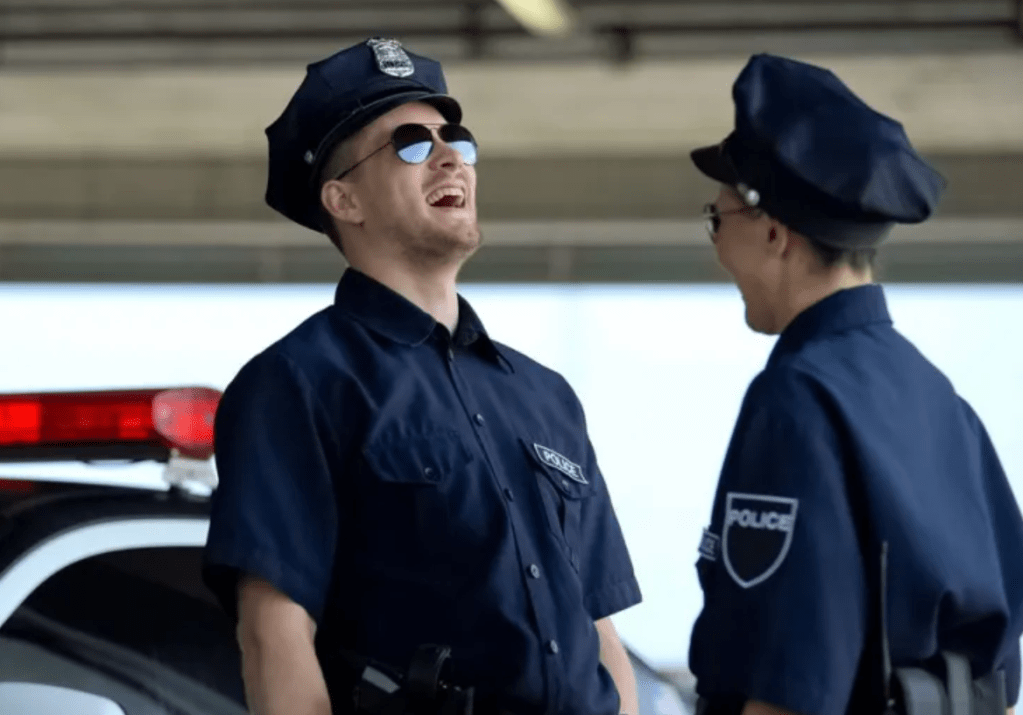
We had to invest a lot of time making each other laugh. Honestly, the truth behind what we dealt with every day was so damn depressing. I’m talking about my days in law enforcement. There were long shifts, chaos, and tragedies. We pulled practical jokes to stay sane.
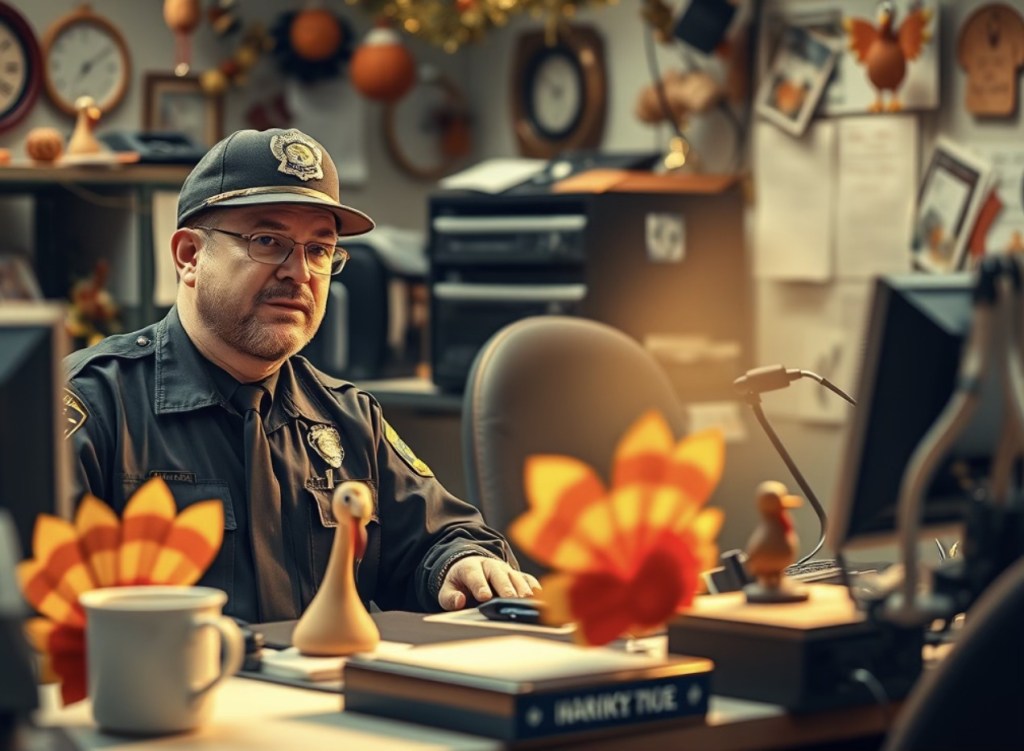
We had an incredibly well-liked lieutenant. I admired him immensely. He was competent, dedicated, and a strong leader. Yet somehow, he always found himself in absurd situations. He was often under fire from the chief. I’ll admit, on more than one occasion, I have played a small role in those misadventures.
One day, we were in the breakroom. It never failed. Just as you were halfway through a cup of coffee, a call would come down. You’d have to bolt. Out of habit, everyone would set their half-filled cups on the vending machine on the way out. When we returned from a call, the lieutenant came in, frustrated. He began to reprimand everyone for making the breakroom look like a pigsty. This was ironic, given the usual state of his desk.

He stomped to the vending machine and picked up the abandoned cups. The first few were empty, which he confirmed by holding them up to the light, right over his face. Then he grabbed one that still had coffee and did the same. It spilled directly onto his uniform. He stood there stunned, dripping. The rest of us just sat, silently watching like it was a movie scene.
I walked over, grabbed his tie, and wrung it out. A drip of coffee came out and landed on his boot. The whole shift erupted in laughter. The lieutenant stormed out, fired up his patrol car, and squealed the tires, leaving the station.
Unluckily for him, the chief had parked just down the street to watch the night shift in action. He saw the whole thing and chewed the lieutenant for over an hour.
Despite the pranks, the lieutenant and I had a solid bond. One time, he made a big announcement at shift change in front of everyone. He said he’d be riding with me to assess my patrolling skills. I just looked at him and said, “That’s fine, but you’re gonna have to sit over there and be quiet.” The room burst into laughter. He chuckled and said,
“Only you could get away with saying something like that.”
That was our partnership. He knew I’d undoubtedly have his back, no matter what. Off-duty, we were good friends. We went fishing together. We also vacationed with each other’s families. I had his back more than once when things got real in the field.
There were other moments, too. One traffic officer had a bad habit of leaving his patrol unit running and unlocked outside the station. It was just begging for a prank. One night, another officer and I gave in to temptation. My buddy hopped in the driver’s seat; I took the passenger side. He threw it into drive, and off we went—sirens blaring.
Inside, the officer was digging through his briefcase, organizing reports. When we took off, he jumped so high that he spilled the contents everywhere. Another officer watching couldn’t stop laughing long enough to explain that it was just us. The guy never left his car running again.
Someone had a bright idea once. They sprinkled paper punch-outs and glitter on the ceiling fan blades above the chief’s desk. The switch was right next to where he sat. We all gathered casually in the hallway outside his office the next day as he walked in and sat down. He flipped the fan on, and poof—a cloud of glitter and confetti rained down. He was not amused, but the image of him sitting there covered in sparkles was priceless.
It sounds like a waste of time to outsiders, but these pranks were how we coped. We had seen some of the worst humanity had to offer—child abuse cases, fatal car crashes, suicides. These moments of humor were survival mechanisms. It’s not unique to us; veterans, ER nurses, and paramedics do it. It’s often called gallows humor, and studies have shown it serves a psychological role. A 2022 article in Police1 explains the benefits of using dark humor in traumatic fields. It helps create emotional distance and encourages bonding. It also prevents burnout.
To the public, the jokes sound crude or inappropriate. But behind closed doors, it was how we held onto our sanity. This was true among those who carried the weight of human suffering daily. It was how we kept the darkness from winning.