The Anatomy of a Shooter – Part Five: What We Can Actually Do About It

“Monsters aren’t born overnight. They’re made—in silence, in shadows, in places we refuse to look.”

By Benjamin GroffMedia© | benandsteve.com | 2025 Truth Endures©

3–5 minutes

Part Five: What We Can Actually Do About It

Let’s get one thing straight:
Mass shootings aren’t random.
They’re predictable.
Not in the “we know when and where” way. It is predictable in the “we’ve seen this play before” way. And we’ve seen it enough to know how it ends.

So the question becomes:
What do we do now—actually do?

If all we’ve got are thoughts, prayers, and hashtags, then outrage will burn out in a news cycle. We’re just spectators in someone else’s tragedy.


Enough With the Helplessness

It’s easy to feel like there’s nothing we can do.
But that’s a lie we’ve been sold to stay comfortable.
The truth is, we can’t stop every shooting—but we can reduce them.
We can spot the signs earlier.
We can intervene before someone crosses that line.
And yes, we can have uncomfortable conversations about guns, mental health, and social breakdown without turning it into political theater.

But first, we have to stop pretending we’re powerless.
Photo by MART PRODUCTION on Pexels.com

Real Things That Actually Help

Here’s a short, imperfect list. Not theory—practice.

🔹 1. Speak up—even when it’s awkward.

That kid, coworker, or neighbor who’s spiraling? Say something. Not on Facebook. Not behind their back. To someone who can act. Don’t wait until it’s too late.

🔹 2. Take threats seriously.

If someone is joking about violence, don’t assume they’re kidding. Shooters often telegraph their intentions—sometimes with neon signs.

🔹 3. Support red flag laws that work.

Yes, they’re controversial. But when implemented carefully, they’ve saved lives by allowing courts to temporarily remove firearms from people in crisis.

🔹 4. Don’t give platforms to the shooters.

No names. No manifestos. No fame. Let them fade into anonymity—don’t let them become anti-heroes.

🔹 5. Build better reporting systems.

We need clear, safe ways to report dangerous behavior—at schools, jobs, online—and a system that doesn’t bury it in bureaucracy.

🔹 6. Reinvest in human connection.

Isolation is gasoline for this fire. People with strong relationships, support systems, and a sense of belonging are less to fall into these dark holes. Community isn’t a luxury—it’s a safeguard.


Not Just a Policy Problem—A Culture Problem

Legislation matters. But culture matters, too.

We live in a society that celebrates violence, glorifies vengeance, and teaches boys that emotions are weakness.
We scroll past pain and reward provocation.
We share stories of destruction more than recovery.
We confuse attention with validation.

We can change laws. But until we change us, the cycle will continue.


Final Thought: The Story Isn’t Over—Unless We Let It Be
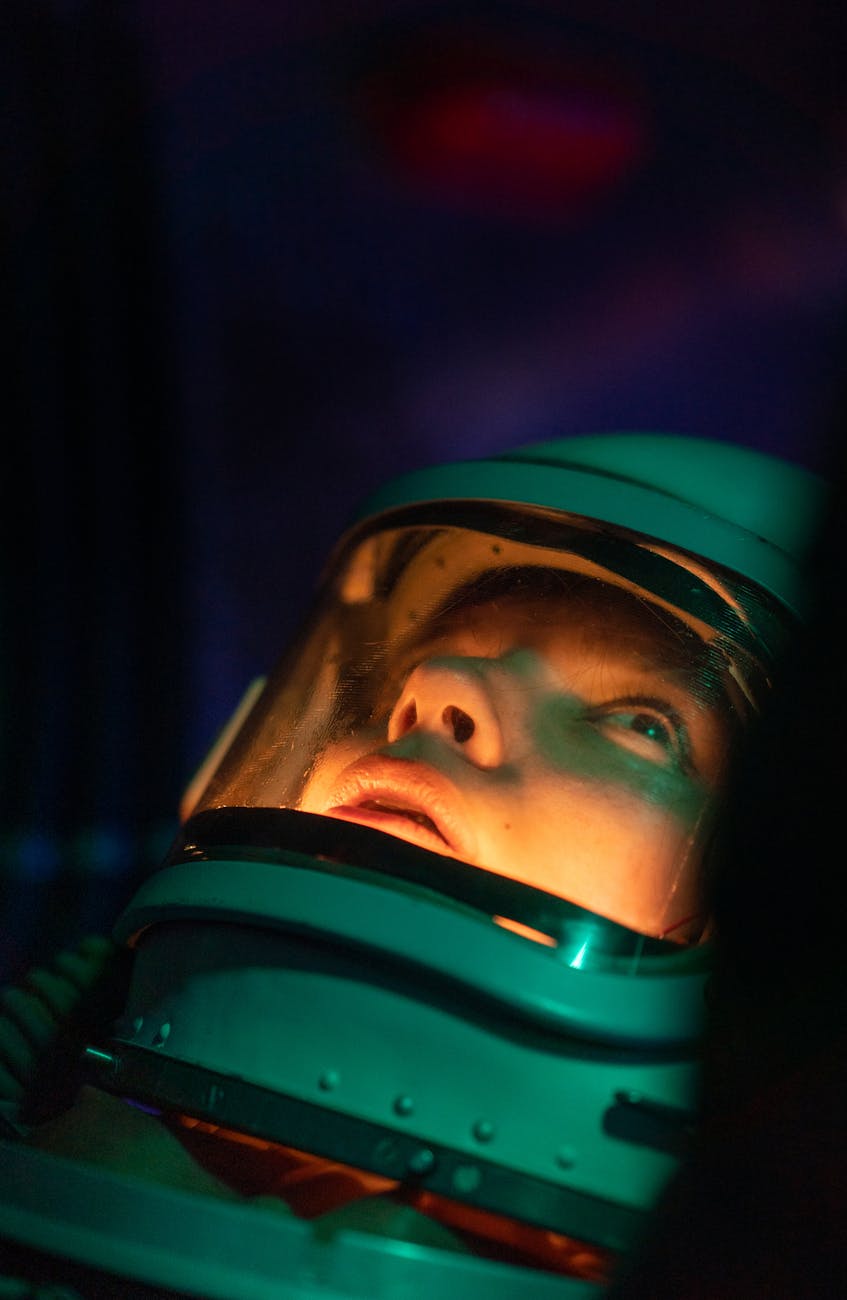
Photo by Mikhail Nilov
on Pexels.com

This five-part series wasn’t meant to explain every angle of mass shootings.
It was meant to start a conversation. To take you out of the numbness and into the uncomfortable places where change begins.

We don’t need heroes.
We need people who are willing to pay attention, speak up, and give a damn.

Because we’re not just analyzing shooters here.

We’re deciding what kind of society we want to live in.

Closing Note to My Readers

Thank you for walking with me through this five-part series.
I know it hasn’t been easy to read—hell, it wasn’t easy to write. But maybe that’s the point.

This isn’t just about shooters.
It’s about all of us.
What we tolerate. What we ignore. What we pretend not to see until it’s too late.

My hope is that these words spark more than discomfort.
Maybe they spark reflection. Maybe action. Maybe one conversation that changes something.

We want a world where mass shootings stop becoming headlines. To achieve this, we can’t just sit back and consume the story.

We have to be part of rewriting it.

—Benjamin Groff

About the Author:
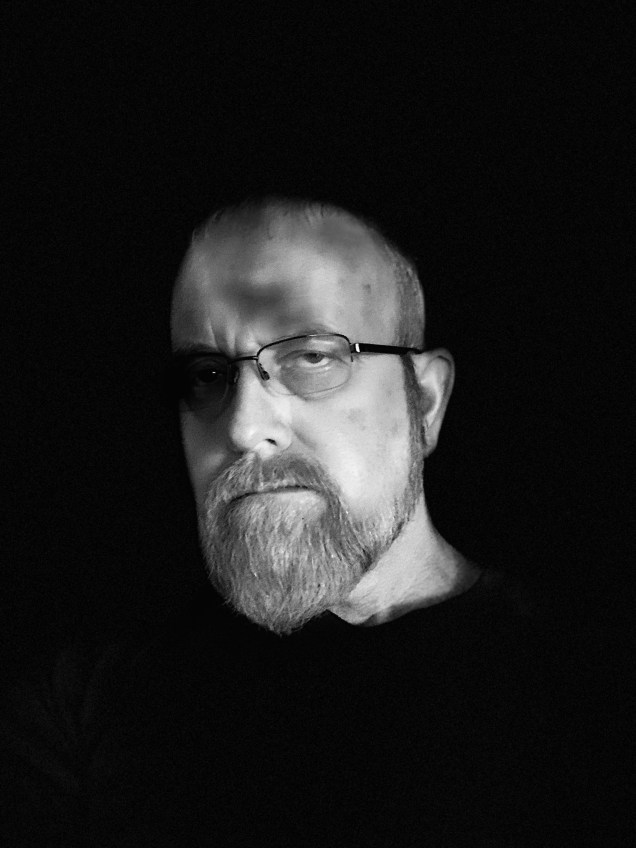
Benjamin Groff is a former police officer and radio news anchor. He has hosted programs for CNN and ABC News affiliates in Colorado and Wyoming. His career in law enforcement began in 1980 and lasted more than two decades. This gave him firsthand insight into the criminal mind and public safety. Moreover, it provided him with an understanding of the human stories that often go untold. His writing draws on these experiences, blending street-level truth with a journalist’s eye for the bigger picture.
The Anatomy of a Shooter – Part Four: Red Flags and Shrugged Shoulders

By Benjamin GroffMedia© | benandsteve.com | 2025 Truth Endures©

2–4 minutes

Part Four: Red Flags and Shrugged Shoulders

After every mass shooting, the same story unfolds.
News reports reveal the shooter made threats.
He posted disturbing content.
He stockpiled weapons.
He scared people.

And then the world asks, 

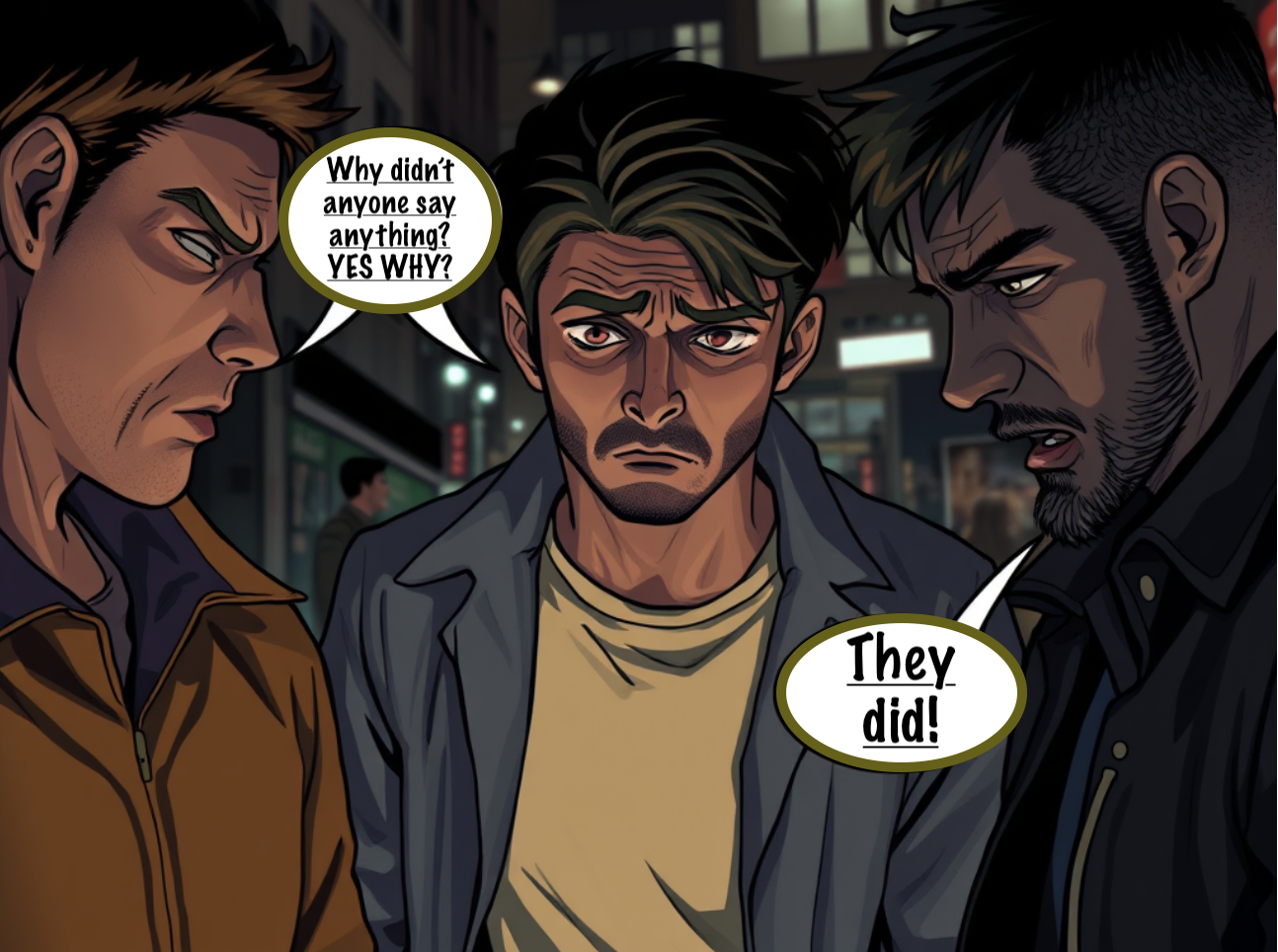
“Why didn’t anyone say something?”

Except someone usually did.

They said it quietly to a friend.
They reported it to HR.
They sent up a flare—but it fizzled in a system built to tolerate discomfort until it explodes.


“It Just Felt Off”

Human instinct is powerful.
We know when something doesn’t feel right—when someone is spiraling, simmering, or clinging to rage a little too tightly.
But we’ve been trained to doubt our gut.

Why?
Because:

  • We don’t want to overreact.
  • We don’t want to get someone in trouble.
  • We don’t want to look paranoid or mean or judgmental.

So we say things like:

  • “He’s just blowing off steam.”
  • “He’s always been like that.”
  • “It’s probably nothing.”

Until it’s not.


The Signs Were There. The Action Wasn’t.

Let’s break it down. Red flags can look like:

  • Obsessive talk about violence or past shooters
  • Extreme ideological rants
  • Sudden personality changes or withdrawal
  • Threats—direct or veiled
  • Obsession with weapons or martyrdom
  • Social media posts that scream “notice me”

But here’s the kicker:
Even when these signs are clear, most people don’t act.
And when they do? They’re often ignored, dismissed, or redirected through layers of bureaucracy.

“It’s not our jurisdiction.”
“We can’t do anything unless he acts.”
“He hasn’t broken any laws.”

We treat early warning signs like legal puzzles, not human lives.


Fear of the Awkward Conversation

Red flags aren’t just missed.
They’re avoided—because confronting someone is uncomfortable.

There are times when you have to take the bull by the horns.
  • What if I’m wrong?
  • What if they get mad?
  • What if it ruins my relationship with them?
  • What if it’s not serious?

So instead of leaning in, we back away.

And we let someone else deal with it.
Except, too often, there isn’t someone else.


The Burden of Hindsight

Afterward, the red flags look obvious.
Crystal clear.
Undeniable.

But by then it’s too late.
And we’re left with vigils, flowers, and questions we didn’t ask soon enough.


A Shift in Mindset

We need to stop treating red flags like rumors.
They’re signals. Warnings.
Opportunities to intervene.

That doesn’t mean we accuse people on a hunch.
It means we build systems and cultures that listen.
That act before a weapon is drawn, not after.

Because by the time the police tape goes up, the story’s already been written.


Coming Up in the Series:

Part Five: What We Can Actually Do About It
We’ve identified the patterns. We’ve seen the signs. Now it’s time to talk about real solutions—what works, what doesn’t, and why “thoughts and prayers” aren’t enough.

About the Author:

Benjamin Groff is a former police officer and radio news anchor. He has hosted programs for CNN and ABC News affiliates in Colorado and Wyoming. His career in law enforcement began in 1980 and lasted more than two decades. This gave him firsthand insight into the criminal mind and public safety. Moreover, it provided him with an understanding of the human stories that often go untold. His writing draws on these experiences, blending street-level truth with a journalist’s eye for the bigger picture.

The Anatomy of a Shooter – Part Three: The Myth of the Lone Wolf

“Monsters aren’t born overnight. They’re made—in silence, in shadows, in places we refuse to look.”

By Benjamin GroffMedia© | benandsteve.com | 2025 Truth Endures©

2–4 minutes

Part Three: The Myth of the Lone Wolf

Every time the news breaks, we hear it:
“He acted alone.”
And just like that, the story is framed.
One man. One moment. One monster. Case closed.

But here’s the problem:
It’s not true.
Or at least, it’s not the whole truth.


The Comfortable Lie

Calling someone a “lone wolf” is tidy. It makes the rest of us feel better.
It tells the public:

  • This was a fluke.
  • It couldn’t have been predicted.
  • There’s nothing we could’ve done.

And maybe, if we say it enough, we’ll believe it.

But in reality? Shooters rarely emerge from a vacuum.
They come from families. Communities. Schools. Workplaces. Chatrooms.
They leave trails of clues—behavioral, verbal, digital, emotional.

And more often than not, somebody saw something.


He Was Always Quiet… Until He Wasn’t

We’ve all heard it:

  • “He kept to himself.”
  • “He was a little odd, but polite.”
  • “He never really fit in.”

The thing is, these aren’t descriptions of a mystery. They’re descriptions of a pattern.

Withdrawn doesn’t mean harmless.
Quiet doesn’t mean invisible.

But we’ve trained ourselves to look away.
To shrug off disturbing comments.
To ignore that one guy at work who’s always simmering just below the surface.
Because to speak up feels awkward. And what if we’re wrong?

Well—what if we’re right?


Behind the Shooter Is a System That Failed

Lone wolf? No.
It’s more like a failure of the pack.

The system failed.

  • The family that didn’t ask questions.
  • The school that let him fall through the cracks.
  • The workplace that ignored his meltdown.
  • The internet forums that radicalized him.
  • The society that let him buy a weapon without blinking.

A shooter might pull the trigger alone, yes.
But the road there was crowded.


When “Alone” Is a Strategy

Photo by Danik Prihodko on Pexels.com

Let’s not forget—some shooters want to be seen as lone wolves.
It fits the fantasy: the avenger, the martyr, the misunderstood genius.
They want us to think no one could’ve stopped them.

Because if we believe that, then we stop looking for answers.
And they get to become a headline instead of a warning.


So What Should We Say Instead?

We should say:
“He was one part of a larger failure.”
“This wasn’t random—it was ignored.”
“This wasn’t a mystery—it was a message we didn’t read in time.”


Coming Up in the Series:

Part Four: Red Flags and Shrugged Shoulders
He gave off signs. He said things. He posted warnings. But no one did anything. Why? Because we’re experts at convincing ourselves it’s not our problem—until it is. That is next!


About the Author:

Benjamin Groff is a former police officer and radio news anchor. He has hosted programs for CNN and ABC News affiliates in Colorado and Wyoming. He writes for organizations from his home in Arizona. His career in law enforcement began in 1980 and lasted more than two decades. This gave him firsthand insight into the criminal mind and public safety. Moreover, it provided him with an understanding of the human stories that often go untold. His writing draws on these experiences, blending street-level truth with a journalist’s eye for the bigger picture.
The Anatomy of a Shooter – Part Two: The Internet Never Forgets (or Forgives)

By Benjamin GroffMedia© | benandsteve.com | 2025 Truth Endures©

2–4 minutes

Part Two: The Internet Never Forgets (or Forgives)

The shooter didn’t get here alone.
Not really.

Sure, maybe they sat alone in a bedroom. A basement. A breakroom.
But they weren’t isolated from influence—just the opposite.
They were plugged into a digital bloodstream that fed them exactly what they wanted, and everything they didn’t need.

Welcome to the echo chamber. Population: too many.


Where the Internet Becomes an Incubator

A lonely, angry person finds a tribe. This occurs somewhere between YouTube rabbit holes, toxic forums, and Reddit threads that should’ve been shut down years ago.

Not a real one. Not the kind that helps you move or calls when you’re sick.
But one that says, 

“You’re right to be angry.”
“They are the problem.”
“You don’t need help—you need revenge.”

That validation is addictive.

And the internet is the perfect dealer:

  • Algorithms push increasingly extreme content.
  • “Communities” form around hate, resentment, and fear.
  • Every post, every comment, every manifesto builds a narrative: You are justified.

From Scrolling to Staging

It starts with watching. Then posting. Then commenting.
Then, maybe, fantasizing.
And eventually, planning.

A shooter doesn’t always invent the blueprint.
They download it—literally. From forums that dissect earlier mass shootings like game film. From chat groups where people joke about body counts and praise past killers like fallen heroes.

Some shooters even leave behind digital footprints—manifestos, livestreams, final posts—as if they’re signing off from a sick performance art.

And let’s not pretend it’s rare.
We’ve seen it again and again.
And again.


The Illusion of Community, the Reality of Collapse

Here’s the twisted irony:
Most of these online “connections” are built on mutual isolation.
It’s a virtual group hug from people who hate everything.

They don’t help each other grow—they help each other decay.

Not everyone in these spaces will act violently. Nevertheless, they create an environment where the leap from “I hate them” to “I’ll show them” feels smaller.
More rational.
More inevitable.


We Let the Fire Burn and Call It Free Speech

Let’s be honest:

We’ve been slow—very slow—to acknowledge how much harm can be done behind a keyboard.
We slap “content warning” stickers on hate, shrug off threats as trolling, and hide behind terms like “edgy humor.”

Meanwhile, more lives are lost.

Photo by Bulat Khamitov on Pexels.com

This isn’t about censoring opinions. It’s about recognizing when opinions become weapons.

A shooter adopts a belief before they pick up a gun. They believe that their anger matters more than your life.

And someone, somewhere, probably upvoted that.


Up Next in the Series:

Part Three: The Myth of the Lone Wolf
They always say, “He acted alone.” But did he? Or was he just the only one who pulled the trigger?

About the Author:
Benjamin Groff is a former police officer and radio news anchor. He has hosted programs for CNN and ABC News affiliates in Colorado and Wyoming. His career in law enforcement began in 1980 and lasted more than two decades. This gave him firsthand insight into the criminal mind and public safety. Moreover, it provided him with an understanding of the human stories that often go untold. His writing draws on these experiences, blending street-level truth with a journalist’s eye for the bigger picture.

The Anatomy of a Shooter – Part One: In the Beginning, There Was Silence

“Monsters aren’t born overnight. They’re made—in silence, in shadows, in places we refuse to look.”

By Benjamin GroffMedia© | benandsteve.com | 2025 Truth Endures©

3–4 minutes

Part One: In the Beginning, There Was Silence

Let’s start with a hard truth:
Shooters don’t come out of nowhere. They come out of silence.

Silence from the people around them.
Silence in rooms where pain festered.
And eventually, silence before the gunfire broke it all.

In this series, I’m not asking for sympathy for those who’ve caused unspeakable pain. But I am asking this:

How does a person get to the point where picking up a gun feels like a solution?

If we keep pretending it’s as simple as “they snapped,” we’re not solving a damn thing. If we keep saying “they were crazy,” we’re not solving a damn thing.


The Seed of Isolation

No one wakes up one day and says, “You know what? Today’s the day I destroy lives.”
It begins slowly. Quietly. Almost invisibly.

Maybe they were left out.
Maybe they were bullied.
Maybe they were weird, withdrawn, angry, or awkward.
Maybe they simply felt invisible.

That kind of loneliness doesn’t whisper—it screams. But not everyone knows how to listen to the silence. Some don’t even try.

And so, that person—young or old—starts pulling away from others. Or worse, starts resenting them.


Grievance: The Gateway Drug

Here’s where things shift.

What started as pain turns into blame.
Not just “I’m hurting,” but “They did this to me.”

And they might be:

  • The cool kids at school
  • The coworkers who laughed
  • The family who ignored
  • The ex who left
  • The entire world

Suddenly, it’s not just a personal wound—it’s a mission. A vendetta. A delusion of justice.

And online, there are entire dark corners ready to cheer them on.


When the Weapon Becomes a Microphone

The shooter mindset often merges with a desire to be seen—finally, undeniably.
And that’s what makes these tragedies feel like performances.
Not just an act of violence, but a message broadcast with blood:

“Look at me now.”

That’s not an excuse.
That’s an alarm bell.


What We Rarely Say Out Loud

Yes, mental illness plays a role in some cases. But not always.
Plenty of people struggle with mental health and don’t turn into killers.

What we’re talking about is a toxic cocktail:

  • Isolation
  • Grievance
  • Identity crisis
  • Obsession
  • Ego
  • Easy access to destruction

It’s not one red flag.
It’s a collection of ignored ones.


So, Why Write This?

Because the only thing more dangerous than a shooter is a society that refuses to understand one.

And understanding doesn’t mean excusing.

It means preventing.


Coming Up in the Series:

  • Part Two: The Online Echo Chamber
    How algorithms and angry forums radicalize the already isolated.
  • Part Three: The Myth of the Lone Wolf
    Why shooters aren’t anomalies—they’re symptoms of something bigger.
  • Part Four: Red Flags and Shrugged Shoulders
    What we miss—and why we keep missing it.
  • Part Five: What We Can Actually Do About It
    Solutions that go beyond slogans and shallow politics.

About the Author:
Benjamin Groff is a former police officer. He is also a radio news anchor. He has hosted programs for CNN and ABC News affiliates in Oklahoma, Colorado and Wyoming. His career in law enforcement began in 1980 and spanned more than two decades. This gave him firsthand insight into the criminal mind and public safety. He also learned about the human stories that often go untold. His writing draws on these experiences, blending street-level truth with a journalist’s eye for the bigger picture.