
By Benjamin GroffMedia© | benandsteve.com | 2025 Truth Endures
The First Memorial Day: Honoring the Fallen After the Civil War

In the aftermath of the American Civil War—a conflict that claimed more lives than any other in U.S. history—communities across the nation were left mourning. By 1865, with the war concluded, families faced the grim task of honoring more than 600,000 soldiers who had died. This collective grief gave rise to a new tradition: a day of remembrance.
Many towns and cities began their own informal commemorations of fallen soldiers. An early observance of what would become Memorial Day occurred in Charleston, South Carolina. It happened on May 1, 1865. There, newly freed African Americans held a ceremony to honor Union soldiers. These soldiers had died in a Confederate prison camp.

During the war, Confederate forces converted the city’s Washington Racecourse. Today, it is known as Hampton Park. They turned it into a prison for Union soldiers. Over 260 Union troops died there from disease and exposure and were buried in unmarked graves. After the Confederacy’s defeat, Black residents of Charleston, many of them formerly enslaved, took action. They worked to give those soldiers a proper burial. They reinterred the bodies. They built a fence around the site. They marked it with a sign that read: “Martyrs of the Race Course.”
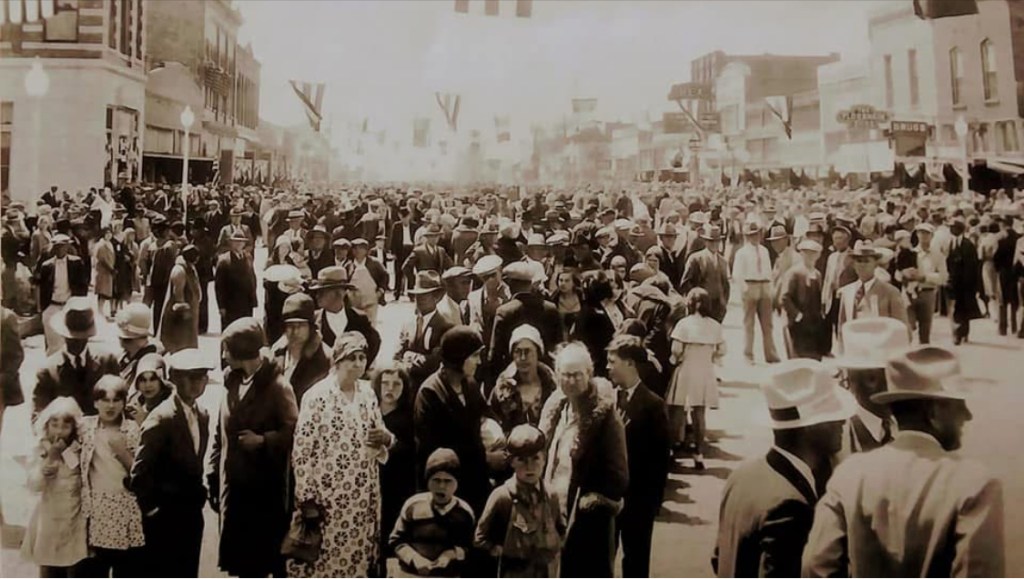
On May 1, a crowd of around 10,000 people—including freedmen, Union troops, and white missionaries—gathered for a solemn procession. The event included prayers, singing, speeches, and the laying of flowers. Children marched with armfuls of blossoms, and the day ended with picnics and patriotic performances. This Charleston observance was largely forgotten in the national narrative for decades. Now, many historians recognize it as the first Memorial Day.
Nonetheless, the tradition took broader root a few years later. In 1868, Union General John A. Logan, head of a veterans’ organization called the Grand Army of the Republic, issued a proclamation. He declared May 30 as Decoration Day, a time to decorate the graves of fallen soldiers with flowers. That year, ceremonies were held at over 100 cemeteries across the country. A major event took place at Arlington National Cemetery. Flowers were placed on the graves of both Union and Confederate soldiers.

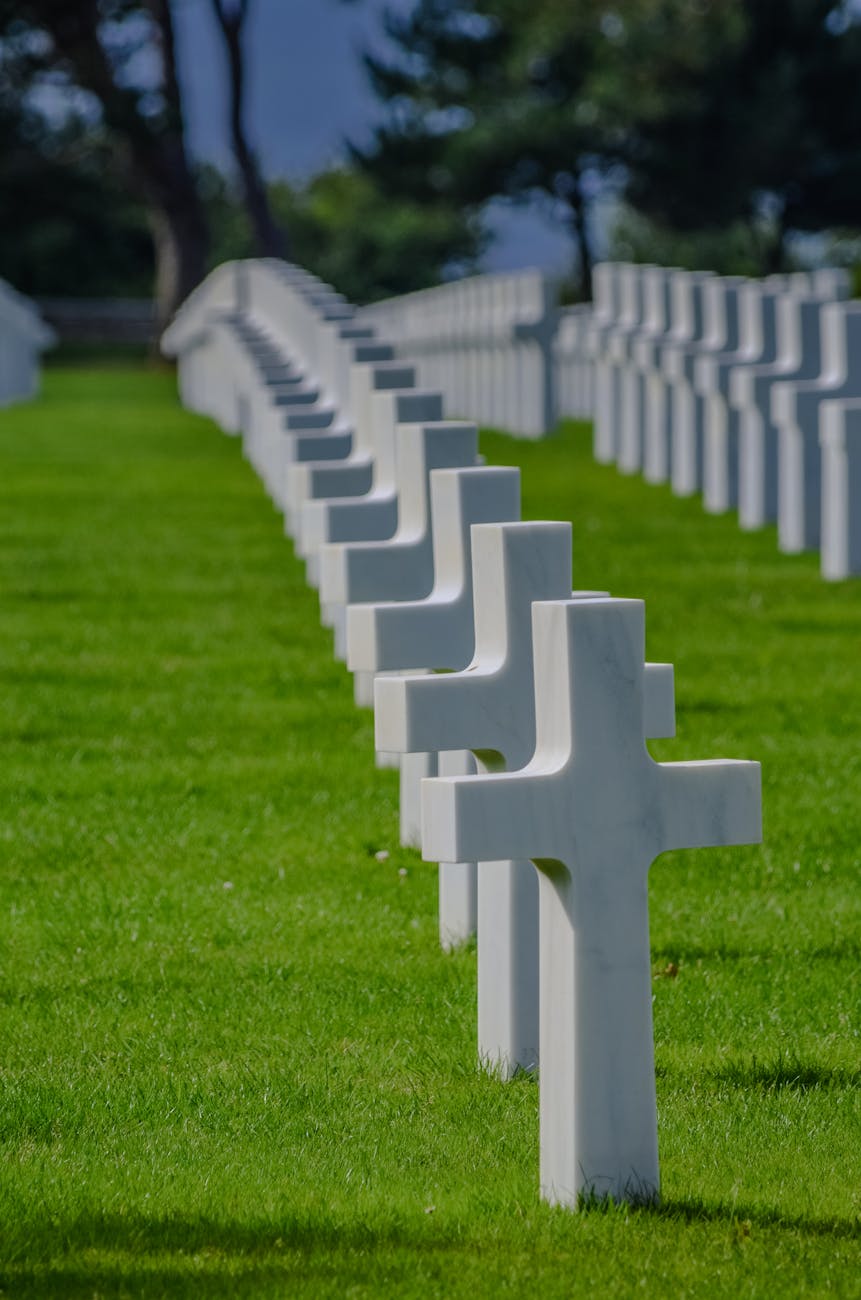
Over time, Decoration Day evolved into Memorial Day, gradually becoming a national holiday. After World War I, its purpose expanded to honor all Americans who died in military service. In 1971, Memorial Day was declared a federal holiday. It was moved to the last Monday in May. This change ensures a long weekend of remembrance.
Today, Memorial Day is a time for reflection. It is also a time for gratitude. It honors those who gave their lives in service to the United States—from the Civil War to the current day.
 benandsteve.com