
The holidays end. The bills arrive. Suddenly, the return line reveals more about our country than any economist ever can! Inflation, Stagnation, Slugflation, Depression.
By Benjamin GroffMedia© | benandsteve.com | ©2025
The Days, And Nightmares After Christmas
It is the day after Christmas, and we all knew it would unfold exactly like this—a madhouse. Every store in town feels like it’s hosting its own miniature stampede. People rush in with returns clutched under their arms. These include sweaters that didn’t fit, gadgets they didn’t want, and décor that clashed with the kitchen. There are also duplicates of things they never needed one of in the first place. Others, running just as fast, are there for the sales—snatching up the merchandise that didn’t move before December 25.
Can you relate to this scene? If you’re in the checkout line with a cart full of discounts, you are one of the lucky ones. You are not carrying a stack of bills. You are not yet crushed by what this economy has become. Some call it stagflation. Others, half-jokingly but not entirely incorrectly, call it slugflation. Depending on where you stand, your job, your savings, and your prospects, your perception differs. You feel like we’re living through something that looks and sounds an awful lot like a depression.
“The glow of the holidays fades quickly. Yet, the truth we uncover in the days afterward often shows us who we are. It also reveals what we are still trying to endure.”
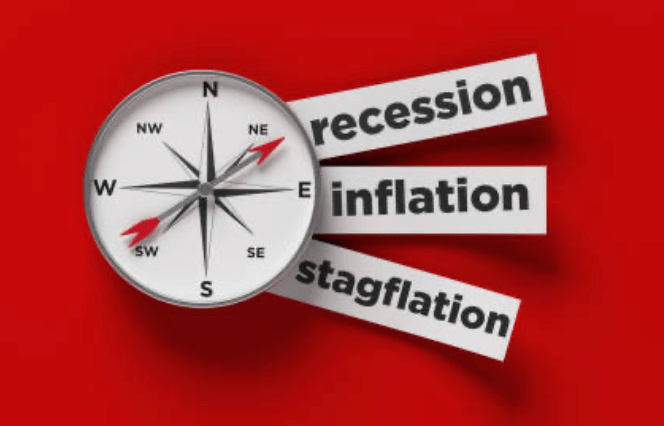
Stagflation, properly defined, is that painful moment when the economy stops moving, yet prices keep climbing. Wages stall, groceries rise, and efforts to fix things seem to vanish into a fog of economic stubbornness. For those without employment, the future feels dimmer than ever. For those nearing retirement, dreams of quitting work drift further out of reach. Families survive paycheck to paycheck. Some juggle bills so tightly that “robbing Peter to pay Paul” isn’t a saying. It’s a monthly way of life. They pray for health, because one unexpected medical bill breaks what’s left of their fragile stability.
Slugflation isn’t an economic term from textbooks—it’s a social one whispered in frustration. It describes households where the cost of living is so crushing that escape becomes a priority. Even temporary escape takes precedence over responsibility. The father who buys a beer before buying groceries. The single worker who stops at the bar on payday because the rent is already too high to manage anyway. It’s not irresponsibility. It’s more about resignation. People try to numb the hopelessness that elected officials promise to fix but never do.
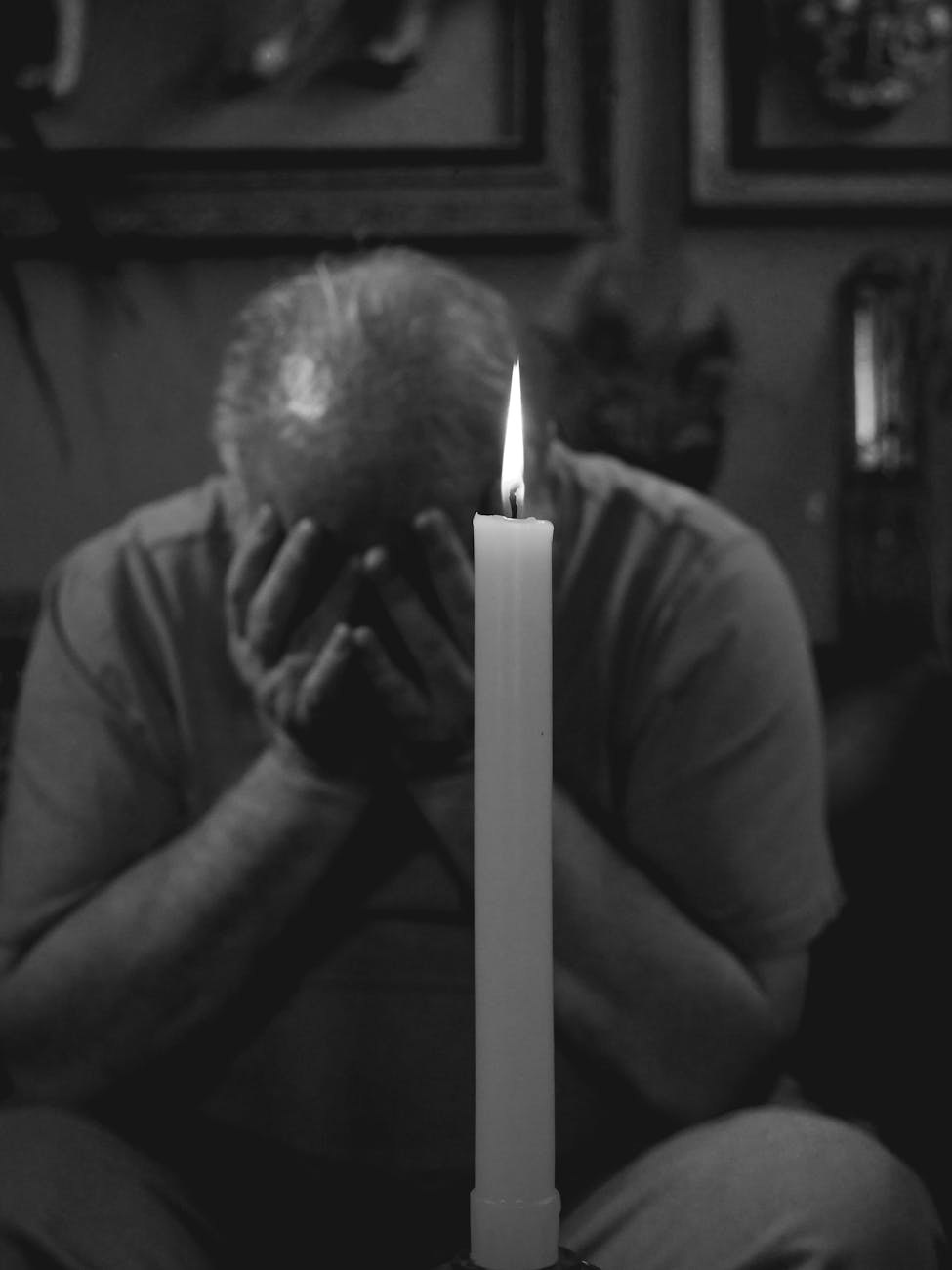
And then there’s Depression—the word that carries both economic weight and personal weight. Economists use it to compare modern troubles to the Great Depression of the 1930s. They examine the stock market collapse, the Dust Bowl, and the poverty that blanketed the nation. But there’s another depression, quieter and far more personal: the emotional one. The kind that settles into a person’s bones, whispering that today is as well be tomorrow, because neither holds hope. It’s the feeling of sinking in deep water, kicking tirelessly, yet never breaking the surface for air.
Crowds push through automatic doors post-Christmas. Return lines snake around the aisles. Some people see chaos. Others see bargains. But some feel something heavier. They have the unmistakable realization that the holiday glow dies fast. The struggles waiting outside never take a day off.
By Benjamin GroffMedia© | benandsteve.com | ©2025
 benandsteve.com