

Groff Media 2024© Truth Endures IMDbPro
Presented by benandsteve.com By: Benjamin Groff II©

In law enforcement, some memories haunt you, especially the ones from the most harrowing nights on the job. I was an emergency dispatcher for a police department in southwest Oklahoma, responsible for dispatching fire, police, and ambulance services across five communities. Nights could get overwhelming, but one Saturday evening stands out.
Calls had been constant. Officers were busy responding to domestic disturbances, prowler sightings, burglaries, and other emergencies. In the 1980s, our department monitored Channel 9 on a citizen’s band radio, the go-to emergency frequency.
After 1:00 AM, a call cut through the static:
“Please help—we have an EMERGENCY!”
The voice was frantic. I picked up the station radio and replied, “This is Carnegie Police Department. Go ahead with your emergency traffic.”
The caller explained that a car had veered off the highway east of town, hit a ditch, and burst into flames. The driver was trapped inside. There was no time to lose. I quickly alerted the local police unit, activated the volunteer fire and ambulance lines, and relayed the details.
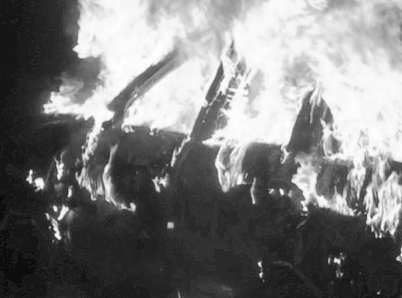
“Carnegie, Unit 2, be advised—a signal-82 subject is trapped in a burning vehicle near Carlin Lawrence Airport, east of Carnegie on Highway 9.”
The unit acknowledged and responded immediately. Meanwhile, I could hear the fire chief coordinating firefighters over the phone, and the ambulance confirmed they were en route.
Since the crash was outside city limits, I switched to the state’s point-to-point frequency to contact the Oklahoma Highway Patrol.
“Carnegie Police Department to Lawton OHP—rush traffic.”
The “rush traffic” designation signaled an urgent, life-or-death call. The OHP dispatcher responded immediately, and I relayed the details. Within seconds, they were alerting highway patrol units. Nearby sheriff’s deputies also began converging on the scene.
From the initial call, the first responders arrived in just over two minutes. The fire department reached the scene in under seven minutes, and the ambulance arrived by minute eight. The Highway Patrol, coming from the county seat 25 miles away, arrived about 30 minutes later.
Tragically, there was a home nearby, less than half a block from where the car crashed. The residents had slept through the commotion, unaware of the horror unfolding so close. Later, we discovered that the vehicle was registered to someone living in that house— their son. Breaking the news was a gut-wrenching moment for all of us.

The medical examiner arrived around 4:00 AM. Once the flames had subsided, investigators could finally assess the scene. The examiner determined that the driver had died on impact; the fire had not been the cause. If the driver had died from the flames, he would have shown signs of struggling for breath, but there were none. After sending the body for a complete analysis and identification through dental records, investigators believed that he’d likely fallen asleep at the wheel on his way home from a party. There was no indication of intoxication.
The smell of a burning body lingers. For days, sometimes weeks, it haunts those who encounter it. It’s one of the harshest experiences for civilians to witness, let alone the emergency responders who encounter it repeatedly. Nothing truly prepares you for a night like that, even for the most seasoned law enforcement and fire personnel.
 benandsteve.com