
Benjamin GroffMedia© | benandsteve.com | 2025 Truth Endures©
The Sgt. Steve Mahan Story – Elk City, Oklahoma
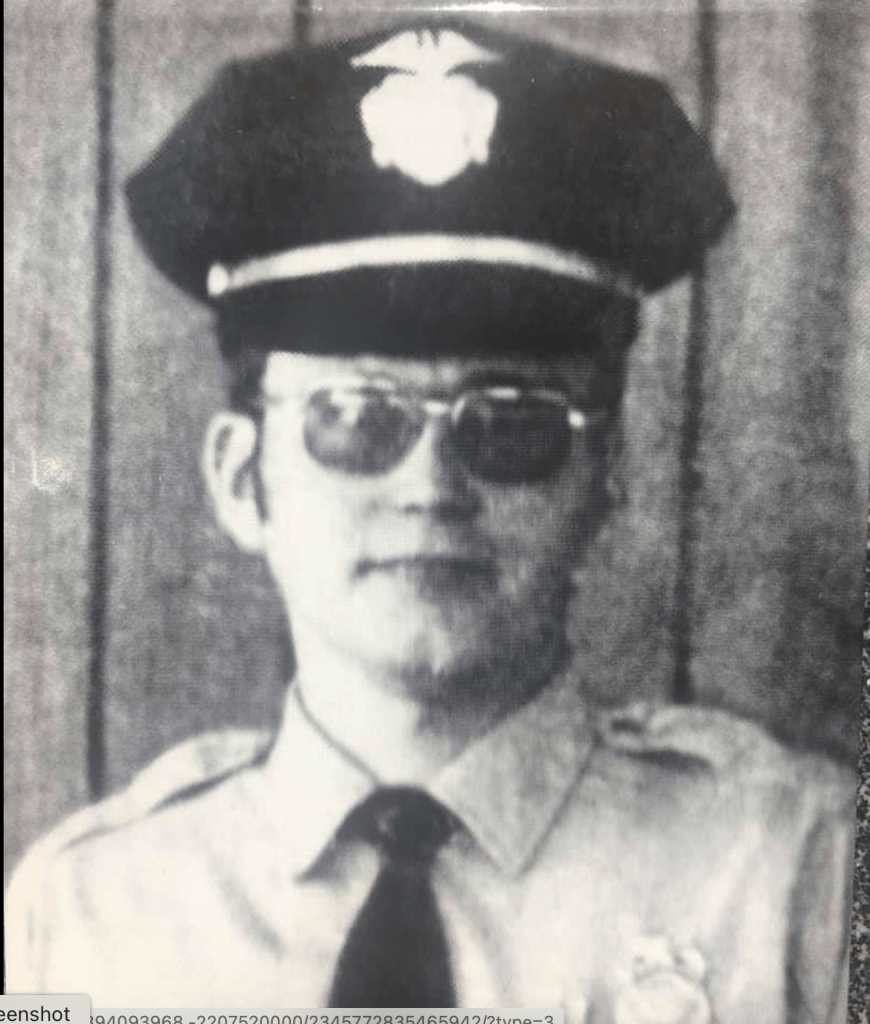
Steve Mahan was a laid-back guy — the sleepy type. He rarely overreacted, and getting him excited about anything was hard. One day, Sgt. Mahan responded to a bomb threat at a local school. When he found the suspicious device, he calmly picked it up. He put it in the trunk of his patrol car. Then he drove it back to the police station.
He carried it inside without much fuss and placed it on the booking counter.
I had never seen the top brass lose it all at the same time. The Chief, the Major, and the Captain were all upset at once. They cussed and yelled in perfect unison, ordering Mahan to promptly take the device back outside. Then they called the fire department, which, ironically, was located right next door.
The fire department’s first response?
“Have him bring it over.”
The Chief shut that idea down on the spot.
If I remember right, Mahan took it to the shooting range. The three top brass joined him there with rifles in hand. They tried to get it to explode.
It turned out to be a dummy.
Thankfully, it was because I was working on the other side of that booking counter the whole time.
Sgt. Steven Mahan was killed in the line of duty on January 5, 1983. That night, his girlfriend was working at the police department. Another female dispatcher was also there. He drove upon an armed robbery in progress at a local hotel. Unbeknownst to him, he was moving into an ambush.
After handing over the cash, the hotel clerk ducked behind the counter and observed the unfolding scene. She promptly called the police, reporting that an officer had been shot in the head. She couldn’t recognize the unit number but noted the word “Supervisor” on the vehicle’s front panel.
Upon realizing it was him, Sgt. Mahan’s girlfriend became understandably distraught. The other dispatcher maintained composure under extreme pressure. She coordinated response units. She relayed critical information from the hotel clerk to surrounding agencies. The suspects were taken into custody within the hour thanks to swift action and coordination.
Sgt. Mahan had been overpowered and shot in the head with a .25 caliber pistol, then fatally shot again in the back of the head with his service weapon. The officers rushed him to the local hospital in the back of a patrol unit. Dense fog made air transport impossible. An ambulance was then dispatched for the nearly three-hour drive to the nearest trauma center. It traveled through whiteout conditions with visibility near zero.
I arrived at the station about an hour after the shooting. I was designated as the point of contact for media outlets. They were calling nonstop. I remained in contact with the ambulance, his girlfriend, and a fellow officer riding alongside Sgt. Mahan. The driver reported struggling to reach even 35 mph on the fog-covered interstate.

Roughly thirty miles from the trauma hospital, I heard the ambulance driver radio for local police assistance. They needed help to reach the nearest hospital. The ambulance had to exit the highway. I knew what that meant. I called the Chief’s office. I delivered the news. We had just lost our first officer in the line of duty.
- Official Summary –
Bobby Lynn Ross was convicted of the 1983 murder of Elk City Police Sgt. Steve Mahan, who was 30 years old at the time. Two co-defendants were also convicted of second-degree murder in connection with the case.
On January 5, 1983, Sgt. Mahan was conducting a routine check when he drove up to the Los Quartos Inn in Elk City, Oklahoma. Unbeknownst to him, an armed robbery was already in progress. Mahan interrupted the robbery, during which Bobby Lynn Ross had already threatened to kill the motel clerk.
Ross disarmed Sgt. Mahan and ordered him to lie on the ground. Although the officer complied, Ross shot him multiple times at close range with a .25-caliber pistol—then took Mahan’s service weapon and shot him again.
Ross was convicted of first-degree murder and robbery with firearms on October 21, 1983.
During a failed clemency hearing before the Oklahoma Pardon and Parole Board on November 19, Ross asked for forgiveness. He addressed Mahan’s family. He claimed he had changed. Sgt. Mahan’s daughter, who was only 18 months old when her father was killed, submitted a heartfelt letter to the board:
“I missed out on all the opportunities that most children had. My father was stolen from me before I even had a chance to know him. My father was doing his job, not out trying to disrupt people’s lives. All I ask for is justice to be served.”
That night, Elk City police detective Jim LaFarlette sped through the darkness. His dying colleague was in the back of a patrol car. A family lost a son. A child lost her father. A community lost a hero.
“We all under the badge were deprived of a brother,”
LaFarlette said of the murder of Elk City police Sgt. Steven Mahan on Jan. 5, 1983. Ross was put to death by lethal injection on December 9th, 1999. Ross had lived 11 years longer than Mahan was allowed.
It was the day of Bobby Lynn Ross’s execution. I called Elk City Police Chief Bill Putman to confirm that the execution was moving ahead. He assured me that it was. He informed me that he and Officer Jim LaFarlette would attend to witness it themselves. Indeed, they did.
 benandsteve.com