
“Monsters aren’t born overnight. They’re made—in silence, in shadows, in places we refuse to look.”
By Benjamin GroffMedia© | benandsteve.com | 2025 Truth Endures©
Part One: In the Beginning, There Was Silence

Let’s start with a hard truth:
Shooters don’t come out of nowhere. They come out of silence.
Silence from the people around them.
Silence in rooms where pain festered.
And eventually, silence before the gunfire broke it all.
In this series, I’m not asking for sympathy for those who’ve caused unspeakable pain. But I am asking this:
How does a person get to the point where picking up a gun feels like a solution?
If we keep pretending it’s as simple as “they snapped,” we’re not solving a damn thing. If we keep saying “they were crazy,” we’re not solving a damn thing.
The Seed of Isolation
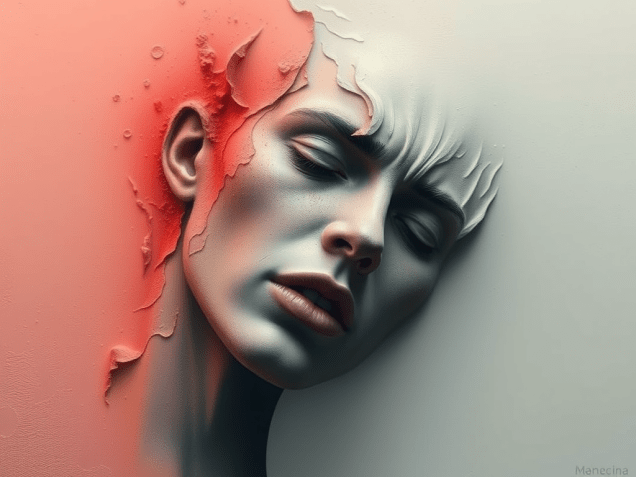
No one wakes up one day and says, “You know what? Today’s the day I destroy lives.”
It begins slowly. Quietly. Almost invisibly.
Maybe they were left out.
Maybe they were bullied.
Maybe they were weird, withdrawn, angry, or awkward.
Maybe they simply felt invisible.
That kind of loneliness doesn’t whisper—it screams. But not everyone knows how to listen to the silence. Some don’t even try.
And so, that person—young or old—starts pulling away from others. Or worse, starts resenting them.
Grievance: The Gateway Drug
Here’s where things shift.
What started as pain turns into blame.
Not just “I’m hurting,” but “They did this to me.”

And they might be:
- The cool kids at school
- The coworkers who laughed
- The family who ignored
- The ex who left
- The entire world
Suddenly, it’s not just a personal wound—it’s a mission. A vendetta. A delusion of justice.
And online, there are entire dark corners ready to cheer them on.
When the Weapon Becomes a Microphone

The shooter mindset often merges with a desire to be seen—finally, undeniably.
And that’s what makes these tragedies feel like performances.
Not just an act of violence, but a message broadcast with blood:
“Look at me now.”
That’s not an excuse.
That’s an alarm bell.
What We Rarely Say Out Loud
Yes, mental illness plays a role in some cases. But not always.
Plenty of people struggle with mental health and don’t turn into killers.
What we’re talking about is a toxic cocktail:
- Isolation
- Grievance
- Identity crisis
- Obsession
- Ego
- Easy access to destruction
It’s not one red flag.
It’s a collection of ignored ones.
So, Why Write This?
Because the only thing more dangerous than a shooter is a society that refuses to understand one.
And understanding doesn’t mean excusing.
It means preventing.
Coming Up in the Series:
- Part Two: The Online Echo Chamber
How algorithms and angry forums radicalize the already isolated. - Part Three: The Myth of the Lone Wolf
Why shooters aren’t anomalies—they’re symptoms of something bigger. - Part Four: Red Flags and Shrugged Shoulders
What we miss—and why we keep missing it. - Part Five: What We Can Actually Do About It
Solutions that go beyond slogans and shallow politics.
If this post makes you uncomfortable, it should.
Not because it’s dark, but because we’ve gotten used to the dark.
And that, right there, might be the most dangerous silence of all.
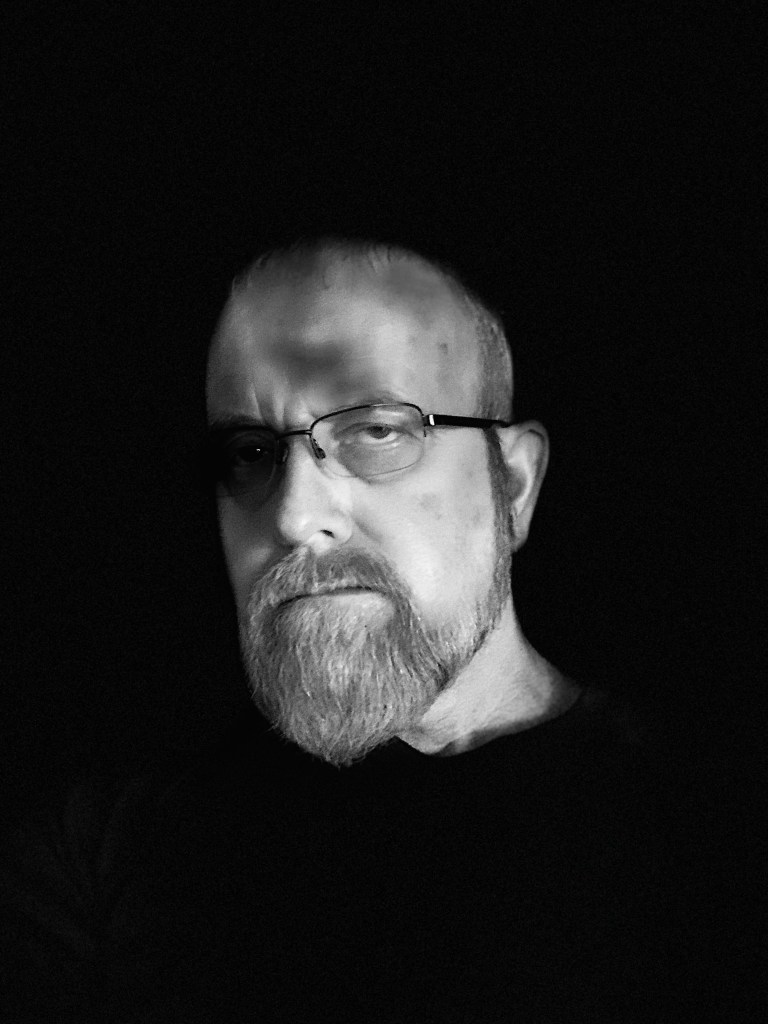
About the Author:
Benjamin Groff is a former police officer. He is also a radio news anchor. He has hosted programs for CNN and ABC News affiliates in Oklahoma, Colorado and Wyoming. His career in law enforcement began in 1980 and spanned more than two decades. This gave him firsthand insight into the criminal mind and public safety. He also learned about the human stories that often go untold. His writing draws on these experiences, blending street-level truth with a journalist’s eye for the bigger picture.
 benandsteve.com
That’s a great post Benjamin. I often think about this, especially with mental health. Are people born to be bad or has their mental health suffered in some way. It’s like nature vs nurture. Are we genetically programmed to be a certain way? I personally believe it’s the environment we grow up in, the people surrounding us etc but hard to tell.
LikeLiked by 2 people
Thank you wrookieschu. Many believe that those who ultimately pick up a gun and fire on innocent people in a mass shooting could have been stopped long before the moment it happened. Whether the cause is rooted in their upbringing or something they were born with, there are measures that can—and should—be taken to prevent such tragedies. In the days ahead, this series will share insights and reflections on exactly that.
LikeLiked by 1 person
Very interesting, I will be keen to read more.
LikeLiked by 1 person