
“Monsters aren’t born overnight. They’re made—in silence, in shadows, in places we refuse to look.”
By Benjamin GroffMedia© | benandsteve.com | 2025 Truth Endures©
Part Five: What We Can Actually Do About It

Let’s get one thing straight:
Mass shootings aren’t random.
They’re predictable.
Not in the “we know when and where” way. It is predictable in the “we’ve seen this play before” way. And we’ve seen it enough to know how it ends.
So the question becomes:
What do we do now—actually do?
If all we’ve got are thoughts, prayers, and hashtags, then outrage will burn out in a news cycle. We’re just spectators in someone else’s tragedy.
Enough With the Helplessness
It’s easy to feel like there’s nothing we can do.
But that’s a lie we’ve been sold to stay comfortable.
The truth is, we can’t stop every shooting—but we can reduce them.
We can spot the signs earlier.
We can intervene before someone crosses that line.
And yes, we can have uncomfortable conversations about guns, mental health, and social breakdown without turning it into political theater.
But first, we have to stop pretending we’re powerless.
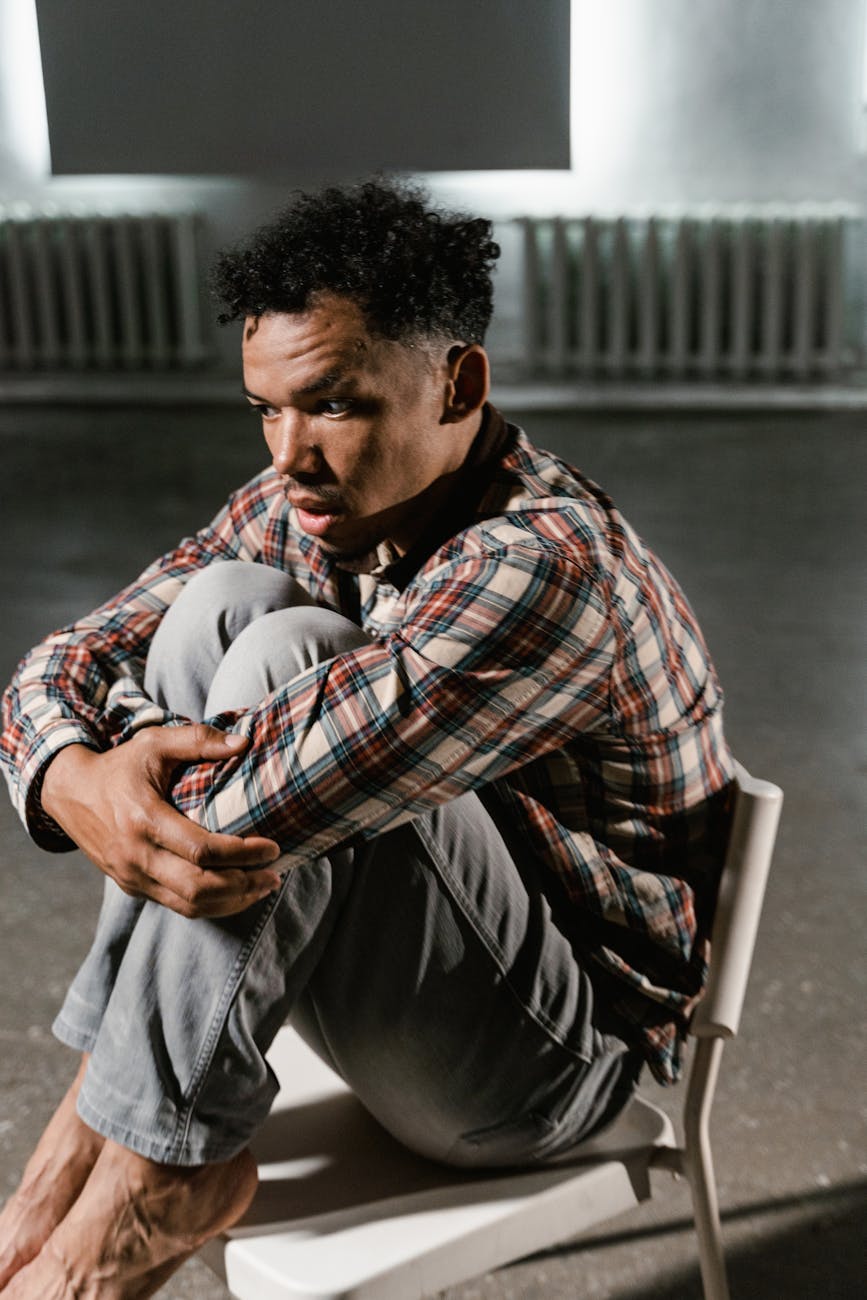
Real Things That Actually Help
Here’s a short, imperfect list. Not theory—practice.
🔹 1. Speak up—even when it’s awkward.
That kid, coworker, or neighbor who’s spiraling? Say something. Not on Facebook. Not behind their back. To someone who can act. Don’t wait until it’s too late.
🔹 2. Take threats seriously.
If someone is joking about violence, don’t assume they’re kidding. Shooters often telegraph their intentions—sometimes with neon signs.
🔹 3. Support red flag laws that work.
Yes, they’re controversial. But when implemented carefully, they’ve saved lives by allowing courts to temporarily remove firearms from people in crisis.
🔹 4. Don’t give platforms to the shooters.
No names. No manifestos. No fame. Let them fade into anonymity—don’t let them become anti-heroes.
🔹 5. Build better reporting systems.
We need clear, safe ways to report dangerous behavior—at schools, jobs, online—and a system that doesn’t bury it in bureaucracy.
🔹 6. Reinvest in human connection.
Isolation is gasoline for this fire. People with strong relationships, support systems, and a sense of belonging are less to fall into these dark holes. Community isn’t a luxury—it’s a safeguard.
Not Just a Policy Problem—A Culture Problem
Legislation matters. But culture matters, too.
We live in a society that celebrates violence, glorifies vengeance, and teaches boys that emotions are weakness.
We scroll past pain and reward provocation.
We share stories of destruction more than recovery.
We confuse attention with validation.
We can change laws. But until we change us, the cycle will continue.
Final Thought: The Story Isn’t Over—Unless We Let It Be
on Pexels.com
This five-part series wasn’t meant to explain every angle of mass shootings.
It was meant to start a conversation. To take you out of the numbness and into the uncomfortable places where change begins.
We don’t need heroes.
We need people who are willing to pay attention, speak up, and give a damn.
Because we’re not just analyzing shooters here.
We’re deciding what kind of society we want to live in.
Closing Note to My Readers
Thank you for walking with me through this five-part series.
I know it hasn’t been easy to read—hell, it wasn’t easy to write. But maybe that’s the point.
This isn’t just about shooters.
It’s about all of us.
What we tolerate. What we ignore. What we pretend not to see until it’s too late.
My hope is that these words spark more than discomfort.
Maybe they spark reflection. Maybe action. Maybe one conversation that changes something.
We want a world where mass shootings stop becoming headlines. To achieve this, we can’t just sit back and consume the story.
We have to be part of rewriting it.
—Benjamin Groff
About the Author:
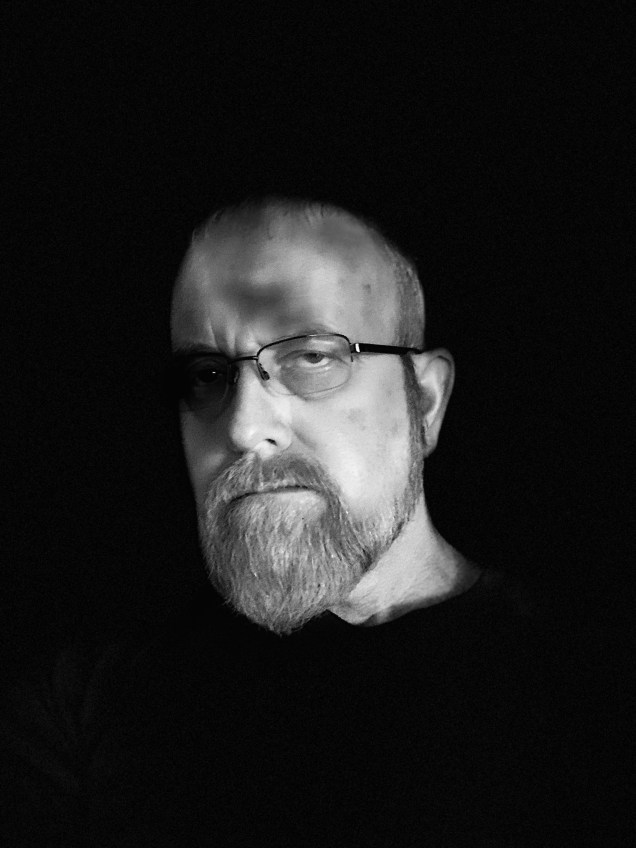
Benjamin Groff is a former police officer and radio news anchor. He has hosted programs for CNN and ABC News affiliates in Colorado and Wyoming. His career in law enforcement began in 1980 and lasted more than two decades. This gave him firsthand insight into the criminal mind and public safety. Moreover, it provided him with an understanding of the human stories that often go untold. His writing draws on these experiences, blending street-level truth with a journalist’s eye for the bigger picture.
 benandsteve.com
Very important message. Too many a times we ignore the signs until it’s too late, and the “ah I should have known” kicks in but there’s not much left to do at that point.
LikeLiked by 1 person
Becoming more aware is important. It is making ourselves more sensitve to what is happening around us that will help intervene in such situations.
LikeLiked by 1 person