The Comm Commander’s Typical Night In Communications At The Police Department

A Story By Benjamin H Groff© Groff Media Copyright 2024©

The Comm Commander had been very busy at 2 AM. After telling the girls his war stories from his previous assignment at a different department, his shift became busy booking prisoners. Officers began bringing in subjects they arrested for Driving Under The Influence and Public Intoxication following the closing of several nightclubs and bars in the city.

As prisoners piled up in the booking area, one of the girls who had stayed over from an earlier shift moved the booking typewriter over on the book-in counter to open a ledger to log in prisoners’ names. As she was moving the typewriter, a prisoner became offensive and began fighting with the police officers, and two officers had to lift and plant his body down on the counter to get control of him. As they were putting handcuffs back on the man, the officer’s physical strength caused the man’s head to face plant into the typewriter.

The Comm Commander continued to ask book-in questions ––

“do you have any health concerns we should know about?

Prisoner ––––

“I probably do now, with my head in this machine!”

Comm Commander –––

“I will note that you have a typewriter about your head when booking.”

The night was busy until dawn, and there were still officers bringing prisoners in as the day shift began to arrive to start their duties.

As the light of day became brighter, a call came into Communications about a severe auto accident on Interstate 40 east of the city near an overpass involving several vehicles. Dispatch responded to a fire department rescue, fire truck, two ambulances, and two police units. The Comm Commander contacted the Oklahoma Highway Patrol on a point-to-point frequency, requesting they send a state trooper; the first arriving police unit reported back that there were two confirmed fatalities in a burning vehicle. The accident was in Washita County. The Comm Commander notified the Washita County Sheriff’s Office in Cordell, Oklahoma, to send a coroner, and they advised they also had a deputy en route. Such accidents were common in the area, and the department regularly responded to them as a mutual aid agreement with area jurisdictions.

These activities were shared during a night for the Comm Commander during his shift in Communications.

Night Shift, And Getting Behind The Radio

A Story By Benjamin H Groff© Groff Media Copyright 2024©

It was time to begin his night shift, and now the boy known as the Comm Commander by the ladies he worked with and his Captain who worked the day shift was about to take the helm, operating the phones, radio, and teletype.

The Comm Commander’s mastery of the system was a feat that only a select few could achieve. He was among the elite, efficiently managing five or more radio cars and several county and state patrol units on different radio frequencies. His use of a foot pedal to operate the radio microphone set him apart, allowing him to handle phone calls and type information into the telecommunications system with his hands-free.

He could track information on vehicles that officers were making contact with and let them know if a car was stolen or not before they ever left their vehicle. A treatment they become spoiled by when he is on duty.

His ability to check vehicle registrations and local warrants, and his quick response to requests for driver’s license checks or background and warrant checks, was instrumental in providing critical information to officers in the field, significantly enhancing their operational efficiency and safety.

His experience and interactions with law enforcement agencies around where he grew up, which spanned years, were the foundation of his expertise. This was evident when officers would make vehicle stops, and he would send them back up before giving them a coded message of 10-48, an alert that the vehicle they were stopping in the National Crime Information Computer was a wanted felony subject.

He had volunteered as a youth in his hometown when the town was given an old radio and placed a short antenna outside their city hall. He would get his dad to drive him to town, where he’d sit in the evenings and dispatch calls from the phone to the local police unit. Sometimes, there would be no one call, but the interaction with the law enforcement community that came through would gift him with bits of information he stowed away. Later, during that Senior year of high school, when he went to work for the police department, he met the police chief, JR Toehay, at a gas well blowout he attended with an area police officer. The introduction led to the dispatching and jailing position. JR became a lifelong coach and confidant. He was a Kiowa Indian and Chief of a 9-man police department. His guidance and trust in the boy guided the way for the path that had led to the Comm Commander being in his seat operating so well.

The ladies he worked with had questions and wanted to know where he came from, who he was, and what brought him out west. Those stories were there to tell, and he had them; some, however, he wondered if it would be safe. Officers he had worked with told him to be careful; one of the stories could get him in a fix if the wrong people heard about it and wanted to settle any score they felt needed to be. He told them, I’ll let you know all about me, but first, it needs to be when this radio traffic slows down because you guys will be in for a story of your lives.

Taking A Seat At The Police Department

It was late spring when the boy took his seat behind the radio at the communications center for the first time. The Dispatch Center, located just inside the lobby’s front entry, led to a stairway that accessed the firefighters’ sleeping quarters, the chief’s and detectives’ offices, and the jail cells.

The city was a blend of lifetime residents with deep roots, newcomers raising families amidst burgeoning industry, and transients. Housing was scarce for recent arrivals. When available, it was expensive and often beyond the reach of a single income, leading to overcrowded living conditions. This frequently caused disputes.

A person might lease a property and sublet to ten or fifteen others. When conflicts arose and one tenant was asked to leave, the police were often called. Each time, officers had to explain it was a civil matter; the leaseholder needed a court order for eviction. Police couldn’t simply eject someone because of a sudden change in the leaseholder’s terms. However, if an arrest was made due to a disturbance, officers could advise the leaseholder to restrict the arrested individual from returning. Openings in housing were rare unless someone died, and there were plenty of deaths in the coming years.

A local motorcycle gang, known for drug dealing and various crimes, frequently had members as guests in our jail. Their threats were often more comical than serious, but every raid on their dens brought more threats. It wasn’t uncommon for lone riders to shoot out the windows of the dispatch center late at night.

After several incidents, the chief began posting officers on the roof with automatic rifles. This tactic worked, as the shootings ceased during their watch.

The boy worked well with a rotating line of female communications officers. The Captain worked the day shift, while the boy was assigned to nights. The women rotated between days and nights each month.

Soon, the boy became known as the Comm Commander for his authoritative style on the radio and in operating the jail. Edna, Gail, Linda, Pam, Patty, and Sheila were the women who became part of his years at Elk City, each leaving a personal mark on his story.

Yet, the Captain was the most significant influence during those dispatch days. It’s clear that the Comm Commander remembered these individuals throughout his life as he journeyed along many paths. More to follow.

A Young Officer Finding Law Enforcement

A Story By Benjamin H Groff© Groff Media Copyright 2024©

It was the early 1980s, and he rolled into the city from the South. The police department was easy to find. The radio tower extended high above the building and be seen from miles away. Pulling up in front for the first time as an officer gave him a true sense of purpose. He felt independence because he was on his own for the first time since graduating.

He entered the building to be fitted for uniforms. He also received his equipment there. During this time, he met two officers who would feature prominently in his future years. One he met right away. His name was Lee. Lee provided him with a resource for his first housing solution. This was in a town that the oil boom had overrun. People lived in tents in the town park and alongside the road. The other officer was Eddie. He was a Deputy from Cheyenne. Eddie had the actual house, a three-bedroom mobile home in a city-owned trailer court. The jurisdiction provided this to city employees to live. The rent was cheap by local standards and answered an immediate need. It did, though, come with a police K9 and two roommates who have been more neat and orderly.

The police department operated out of a building shared with the fire department. The jail was on the second floor above the communications center. The fire crew slept across from the jail cells on the second level. This raised issues for a city that had doubled in population and area due to annexation. Voters approved a tax proposal to build a new police station and jail. They also planned to rebuild the fire station. Blueprints for the new station were in place, though its construction was several years away.

In court cases, Chicago judges had pointed to the city defendants. Elk City, Oklahoma was a place where they can get a one-way bus ticket. Or pick the choice to get six months in jail. Most people opted to take the bus ticket. The type of characters sent to the area ranged from criminals to mentally unstable to socially dysfunctional. It would be years before the area recovered from the judge’s poor decisions in making such a move. Before then, there would be murders, rapes, and worse.

The city was busy 24 hours a day. Calls for patrol unit service were backed up by three to four calls at a time. When calls did get caught up, it didn’t last long. The shifts were rotational. In that, there was never an entire shift on and off at the same time. Night shifts changed at 6 AM and 8 AM, and Day shifts changed at 4 PM and 8 PM. A mid-shift operated from 2 PM to 2 AM. Each officer worked ten-hour shifts with three days off. The schedule permitted officers to work extra assignments at security posts. This was necessary when gas wells blew their tops out. Roadblocks also had to go in place out in the county. Officers earn as much as $300 on their days off, pulling such assignments. And if there weren’t such assignments, you always pull OT. You take comp time. An officer used this later instead of vacation or sick days. An advantage that the city offered other municipalities didn’t.

The allure of lights, excitement, and action made Elk City, Oklahoma’s bustling oil town so attractive. It captivated an 18-year-old just out of high school. It also kept him there for many years, leading him through years of service. The young officer had already been briefed well in law enforcement with his earlier departments. There are histories from those days. They will come alive in the future. They will tell of his Elk City Days and how he became known throughout western Oklahoma.

In the next few weeks, he will watch the front door. He needs to see if he must duck bullets coming through the station’s windows.

The Move Into My LawMans Career

A Story By Benjamin H Groff© Groff Media Copyright 2024©

In his senior year of high school, he went to work at a neighboring police department thirty miles from where they lived. He worked as a jailer-dispatcher. He had just turned 17 years old, and His dad provided authorization from the school and local city government to go to work. Once he had been hired, there was no stopping his progress. He had listened to the police scanner for years and even volunteered at our local police department as a dispatcher and ambulance driver. He was only 16 then. This, to him, was the big time he was getting paid—the town at a rough character about it. A man had been killed behind the police department in the alley not too long before I went to work there. The killer was still at large.

He excelled in his duties. The chief appreciated his attendance record and punctual arrival to shifts. The assistant chief requested he be the only dispatcher assigned to his shift. He gained a reputation throughout the western state for His broadcasting style and etiquette—application of the police 10-code and professional stature that he applied in the tone of his broadcast. He was known as a no-nonsense type of communications officer. If he gave a call, the information was correct, and the officers could be sure he would stay with them through their response. If they needed help and he lost contact with them, neighboring agencies knew he could pull back up out of the blue. And they respected the ability.

Change is inevitable, and when he graduated high school, a neighboring agency offered me a position that would allow me to broaden his skills. It allowed him to gain telecommunication abilities and work with a county-wide agency, and he still had contact with his old pals at the smaller agency, just less often. The training opportunity exposed him to new experiences, and he was closer to home, but he lacked a feeling of being fulfilled. Something was missing that he couldn’t place my finger on. The period was during the oil boom in Oklahoma, and there was a flurry of activity everywhere. It was not uncommon that he held down employment in other adventures while working for these agencies. One had to. The pay needed to be better for making a serious living. He got offers from colleges and employers the first month after graduating high school. I had planned to work through school, so he planned to keep working at one of my jobs. Plans change. One hundred miles away, a city was beaming on the horizon. They had put a notice out they were hiring a crew of new communication officers and would be building a new administration building to host the center. It appeared intriguing. A visit to their department one morning caused further interest.


When a very experienced face met me at the door and asked how they could help me, He recognized it immediately from a statewide broadcast when he heard the voice. As soon as he spoke, they recognized mine. He explained he had word that they were hiring and that he wanted to spread his wings, move away from home, and get out on his own. The boy was also looking for a larger organization with which to become affiliated. The Captain had an application in the boy’s hand and sat in the chief office within thirty minutes. He accepted an offer within the hour and left town within two hours of arriving, trying to think of how to express my two-week notice to his current employer. Even worse, the boy was working out how he would tell my mom and dad he would be moving out. Not that he had not been gone most of the time with my jobs, but it is the idea that their youngest child was moving out and going on his own.


He went to work the following day. Things changed rapidly in law enforcement, now as they did then. The chief had quit after a heated argument with the mayor over funding, and in his boyish manner, he thought it was as good a time as any to throw his hat in the ring to make a statement. Knowing he already had a job made it much easier, so the boy gave his notice. Now, he just had Mother and Dad to tell. He told my dad first. It wasn’t the worst news Pop had by the mood he was already in, but it may have come close. After he went for a ride on his horse and came back in, he said to wait to tell the boy’s mother for a few days and catch her in a good mood. The kid’s mother reminded him of Eunice, off the Carol Burnett show. Or was it that Eunice reminded him of his mother? She always made him laugh doing the funniest of things.

Today, we briefly describe his first year of official employment in law enforcement and how the boy got started. Each stage is more detailed, and there are many more incidental stories about events that would take place in each department. The writer may tell you the stories in a different order, but as they are related to other incidents, those are coming soon.

What Is It That Makes Country–Country Music?

The True Legends: From Jimmie Rodgers to Willie Nelson

Country music, a genre deeply ingrained in the tapestry of American culture, draws its strength from the trials, joys, and heartaches of everyday life. From its modest beginnings to its monumental ascent, the narrative of country music is a tapestry woven with characters and stories that resonate with unwavering authenticity and passion. The true legends of country music—Jimmie Rodgers, Hank Williams, George Jones, Hank Locklin, Faron Young, and many others—have left an indelible mark on this genre, each contributing to its legacy with a unique and profound resilience.

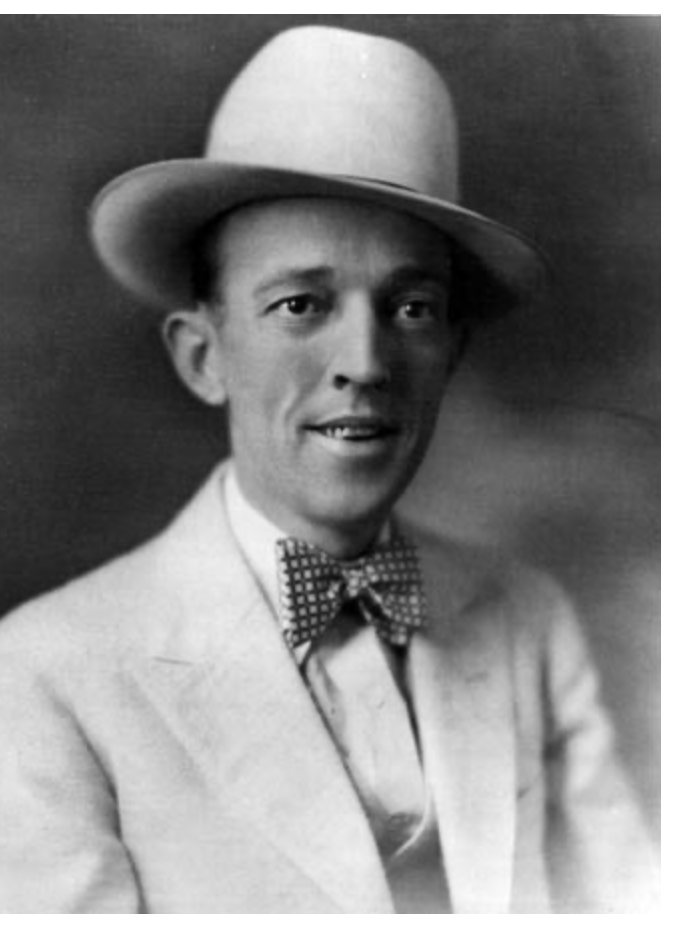
Jimmy Rodgers

Jimmie Rodgers, known as the “Father of Country Music,” was one of the first to bring the genre into the national spotlight. Born in Meridian, Mississippi, Rodgers combined the sounds of rural southern blues with the yodeling of Swiss folk music, creating a distinctive style that captivated audiences. His songs, like “Blue Yodel” and “In the Jailhouse Now,” spoke to the struggles and stories of ordinary folk, setting the stage for future country artists to follow.


Hank Williams, often hailed as the “King of Country Music,” continued this tradition with his poignant lyrics and heartfelt delivery. Songs like “Your Cheatin’ Heart” and “I’m So Lonesome I Could Cry” became anthems of sorrow and longing, touching the hearts of millions. Williams’ influence is so profound that his music still echoes the work of contemporary country artists.

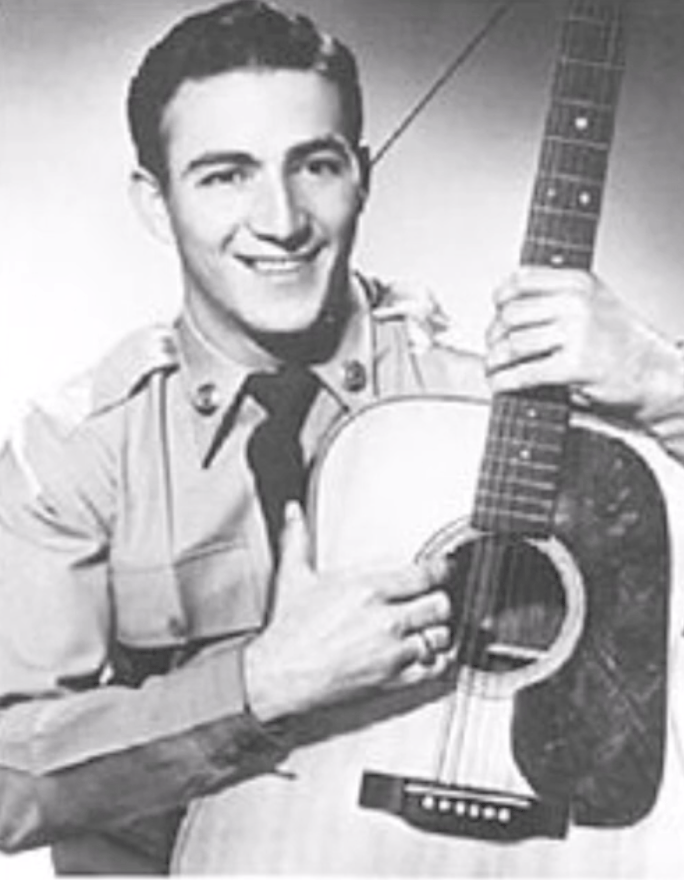
Faron Young

George Jones brought a new depth to country music with his rich, expressive voice. Known for his rollercoaster life and tumultuous relationships, Jones channeled his experiences into his music, producing forever hits like “He Stopped Loving Her Today” and “The Grand Tour.” His ability to convey raw emotion made him a beloved figure in country music, earning him the nickname “The Possum.”

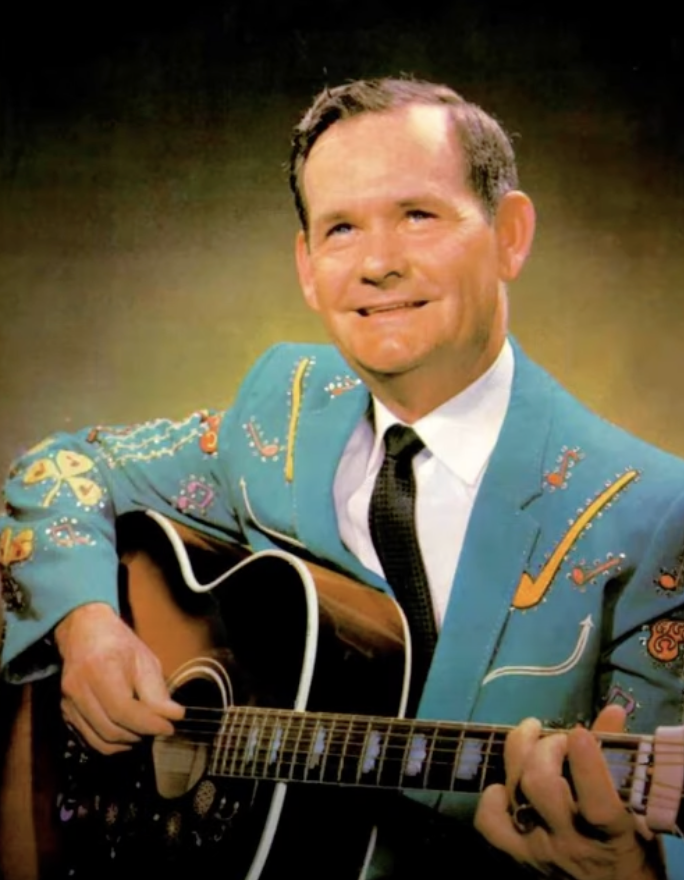
Hank Locklin

Hank Locklin and Faron Young also shaped the country music landscape. With his smooth tenor voice, Locklin was known for hits like “Please Help Me, I’m Falling” and “Send Me the Pillow You Dream On,” showcasing his unbelievable talents to blend traditional country with pop sensibilities. Young, on the other hand, brought a honky-tonk edge to his music with songs like “Hello Walls” and “Live Fast, Love Hard, Die Young,” capturing the rebellious spirit of the genre.

These legends performed everywhere—from the hills and hollows to the bustling streets of New York City. They sang in juke joints, honky-tonks, street corners, and county fairs, sharing their music with anyone who would listen. Their songs spoke of the heart and soul of America, touching on themes of love, loss, cheating, and redemption. They didn’t rely on flashy gimmicks or expletive-laden lyrics; their music and performances were a testament to their genuine connection with the audience. They thrived on the crowd’s energy, dressed to the nines, ready to pour their hearts out on stage.

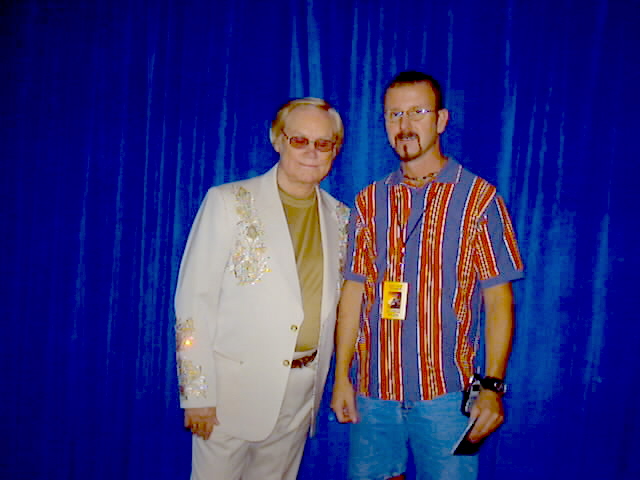
George Jones & Ben G.

Having had the honor of spinning records at AM and FM stations nationwide and serving as a news reporter, I’ve witnessed firsthand how the magic of country music resonates with people. Unfortunately, today’s radio often fails to capture the essence of what made country music great. It has lost its way, drowned in a sea of commercialism and superficiality. As a devoted follower of country music, I find solace in satellite radio, particularly Willie’s Roadhouse, where the spirit of authentic country music lives.

Willie Nelson, one of the few remaining legends from the golden age of the country, continues to be a beacon of authenticity in the genre. His music, characterized by its sincerity and simplicity, reminds us of what country music once was and still can be. His influence and contributions are immeasurable, and I extend my best wishes to him and heartfelt thanks to everyone who has kept the spirit of country music alive. 

Willie Nelson

In conclusion, country music is not just a genre; it is a reflection of the American experience. The legends shaped it with their talent, integrity, and a deep connection to their audience. Their music continues to resonate because it speaks to the universal themes of life—love, heartache, joy, and sorrow. As we look to the future, let us remember and honor these true legends who paved the way. Let their legacy inspire a new generation of country artists to keep the heart and soul of this beloved genre alive, preserving its spirit for generations to come.

IT WAS JUST ANOTHER DAY, UNTIL THE PHONE CALL!

Photo by Anthony ud83dude42 on Pexels.com
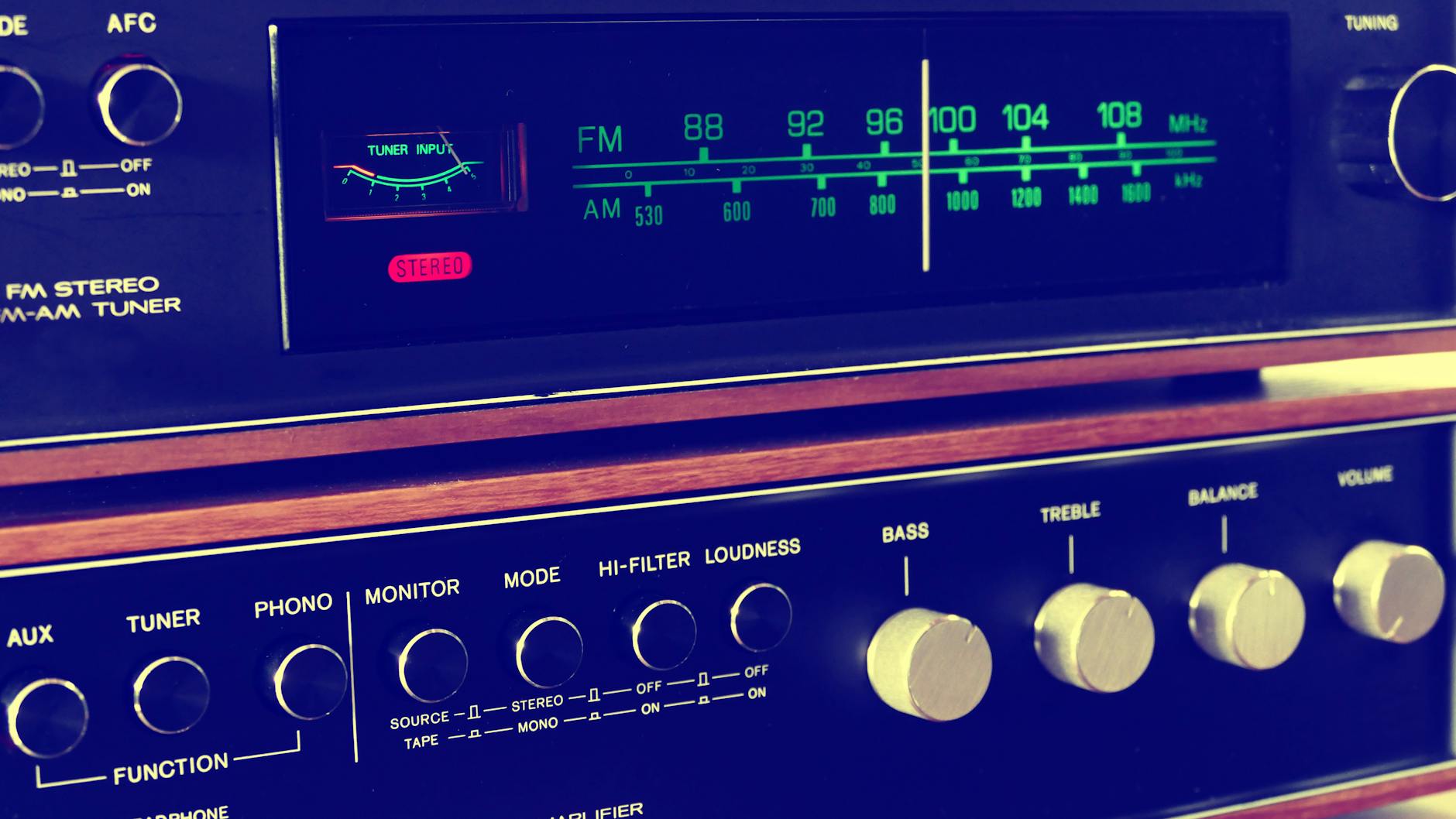
  • For all anyone knew, it was just another day. The sun was rising and appeared to be sunny, with average temperatures warming to 75 degrees by midafternoon, with a light wind from the south. That was the weather forecast everyone heard to start the day, as it echoed from speakers in the downtown square broadcasting from the local radio station KBAD. Topping the news from KBAD included a report concerning a house fire, two auto accidents, and a lost dog report. The station did not broadcast national news because the management felt it included more divisive material for the community and the station’s audience. KBAD’s motto promoted the station and its fans as * Kindhearted * Brilliant * Ambitious and * Devoted! It had a unique frequency on the AM Dial at 1000.0khz AM and 100.0mhz FM. The frequency identifier permitted those who wish to find it an easy way to remember its location on the radio dial. Operating by remote control authorization from the Federal Communications Commission, KBAD’s radio tower stood in two separate locations. The FM Broadcast Transmitter and Antenna broadcast on the same tower as many of the local television stations’ antenna services towers near the edge of town. The AM Broadcast Transmitter was with three directional towers west of the city on a hill that permitted the station to fluctuate power between sunrise – sunset – sunrise hours. The AM station reduced power during the daytime, and the signal with increased power would reach a different area than at night. The night signal could reach several states.
Photo by Mwabonje Ringa on Pexels.com

       The day was unfolding as usual, with one of our regular radio programs in full swing. Suddenly, in the midst of a phone-in segment, a caller made a startling revelation –––

“Do you people know that there is a guy hanging from your radio tower west of town? He is just dangling there.”

The Host was surprised by the caller comment and replied

 Sir, this is a live show. Please, this is not a time for pranks.

The caller shot back. – The caller’s voice was urgent, his words cutting through the airwaves.

‘This is not a joke,’ he insisted. ‘There’s a man, about three-fourths of the way up your middle tower, hanging upside down. You need to get him help.’

The Host, with urgency in his voice, told listeners

We take this seriously; our station manager and engineer are coming to the tower, and emergency responders are responding.

The Host then suggested that the caller should have notified 911 before calling the radio station first.

The man hanging upside down had been hired as a contractor to change the red blinking lights once a year to make sure that it met FCC requirements. On his way up, he experienced a fatal heart attack. He was tied off and had his safety gear on, which prevented him from falling when he could not continue climbing or descent. Due to how high he was, a specialized team of climbers had to be dispatched from over three hundred miles away to go to the scene and create a plan to lower him. It took over 24 hours to get the man to the ground safely.