Photos From Journey’s and Images To Memories

By Benjamin GroffMedia© | benandsteve.com | ©2025 

4–6 minutes

Home Is Where The Heart Is

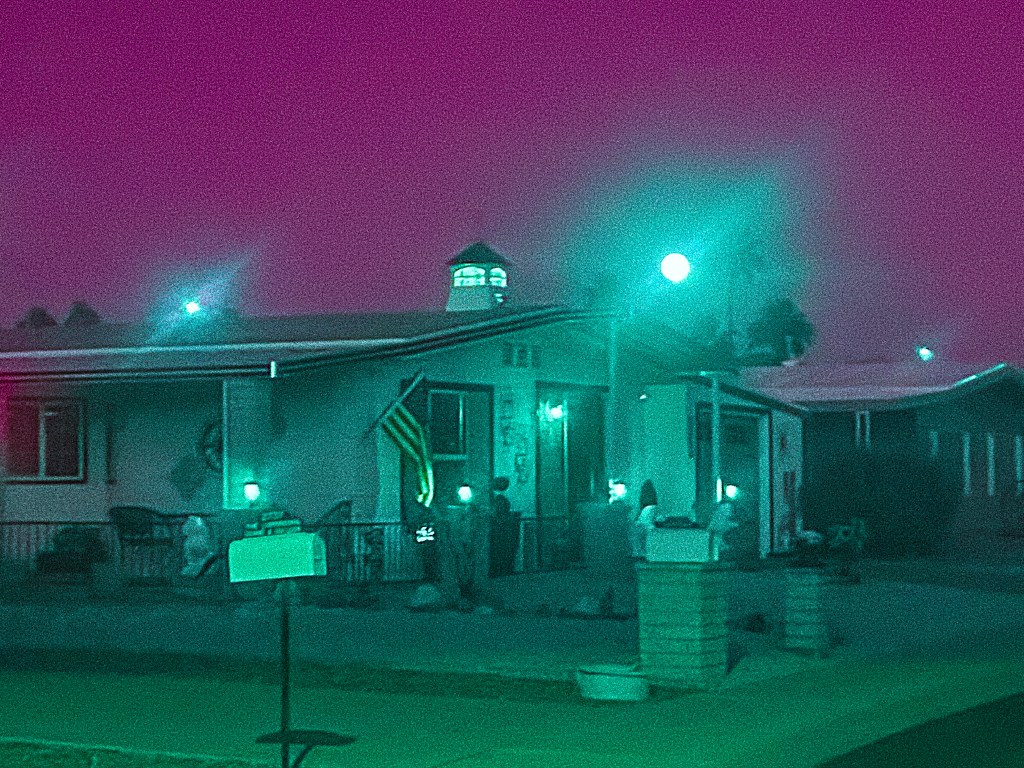
This ditty is possible using a lighting trick. A photo of our home in Arizona on a full moon night in October 2025

Over the years, I’ve taken countless photographs during my travels across the United States. They are not professional grade. Together they tell a story of moments, places, and memories I felt worth sharing. This is the first collection I’m beginning with, and over time I will add more as the journey continues. Depending on how these are received, future sets will follow. For now, I invite you to enjoy this glimpse through my lens.

THE COURT HOUSE

The Washita County Court House. In Cordell, Oklahoma where my
Grandparents hailed from when I was a child.

The Washita County Courthouse, located in Courthouse Square in New Cordell, is the county courthouse serving Washita County, Oklahoma. The Classical Revival courthouse was built in 1910. It was added to the National Register of Historic Places on August 24, 1984. Wikipedia

 111 E Main St, New Cordell, OK 73632

Opened: 1910 Area: 43,560 ft²

Architectural style: Neoclassical architecture

I first attended holiday events with my grandparents here. Later as a police officer I testified at murder trials in the historic court room.

Britten USA

Every time we travel east to visit relatives we pass this landmark in Groom Texas. On this particular day we were heading west hurrying home. A ice storm had been predicted and we were trying to beat it over the mountains.
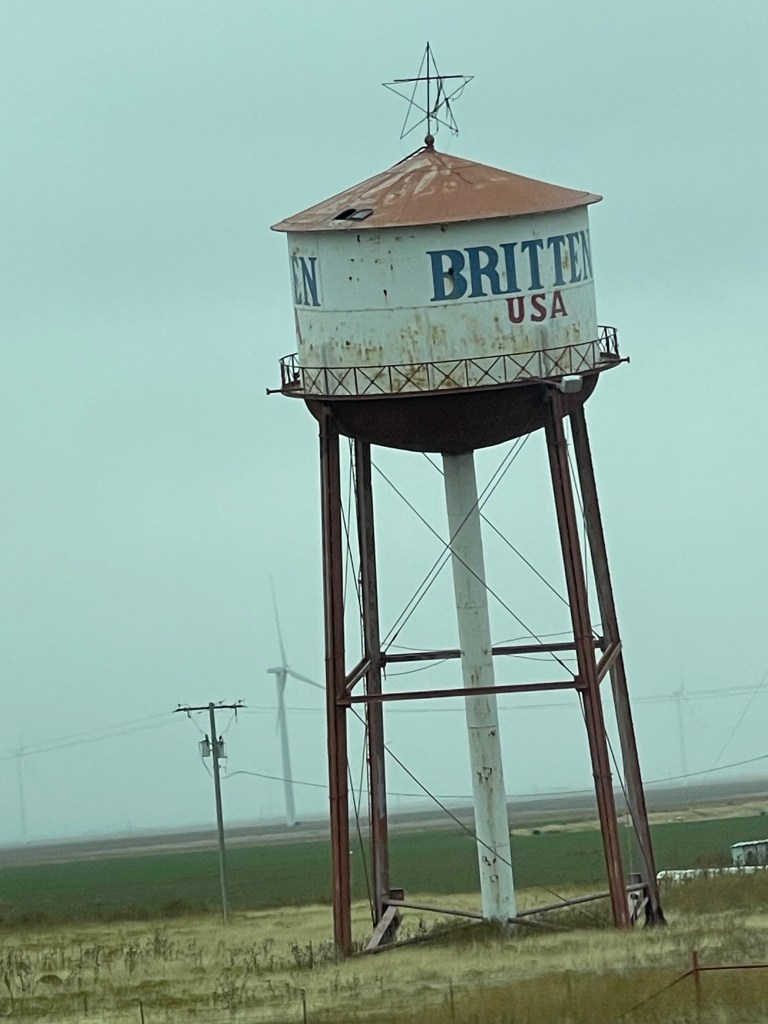
“Britten USA” most commonly refers to the Britten U.S.A. Leaning Tower of Texas in Groom, Texas, a roadside attraction on Route 66 created by Ralph Britten. Alternatively, it can also refer to Britten Inc., a marketing and branding company that specializes in visual engagement solutions for events and advertising. 

The Leaning Tower of Texas

Current status: It remains a popular tourist attraction and a landmark on historic Route 66. 

What it is: A roadside water tower that is tilted about five degrees from vertical.

Location: Groom, Texas, along the westbound frontage road of Interstate 40 near the historic Route 66 path.

History: Ralph Britten bought the tower from a nearby town. He installed it as a marketing tool for his truck stop and restaurant in the early 1980s. An electrical fire later destroyed the buildings, leaving only the tower.

Oklahoma Windmills
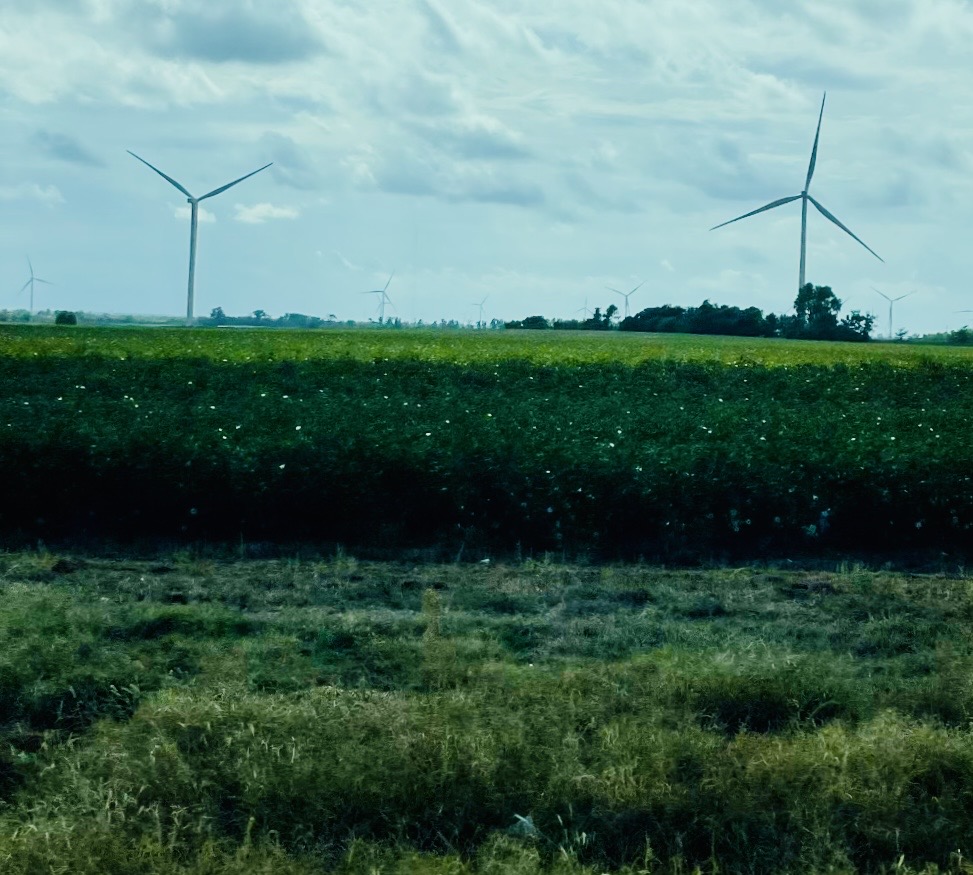
Windmills in Oklahoma. A field in Western Oklahoma to be exact.

Windmills stretch across the American landscape. They stand quietly in a field of Western Oklahoma — steady sentinels of what renewable energy can represent. Yet in the current political climate, the future of clean energy in the United States feels increasingly uncertain. Progress once promised innovation and leadership. Now, it risks being slowed by shifting priorities. Resistance at the highest levels of government contributes to this challenge, particularly within the current administration and Republican leadership.

Each pause in advancing renewable energy costs more than time; it costs momentum, opportunity, and global standing. Other nations continue to move ahead. They invest in sustainable solutions and future infrastructure. Meanwhile, America risks falling further behind. This gap is not by years, but by decades. Every delay today echoes as missed potential tomorrow.

MOUNTAINS OF UTAH

This black-and-white industrial scene was captured many years ago. I was accompanying my better half on a business trip to Salt Lake City, Utah. Somewhat surprisingly, the photo was taken from the third-floor window of our modest motel room.

As I looked out, the contrast of rigid industry against the soft sweep of snow-capped mountains stirred something in me. It was a moment that begged to be preserved. It served as a quiet reminder of winter’s presence. This was rare compared to the sun-baked valley we call home near Phoenix. Instinct took over, and I froze the memory in time with a simple click.
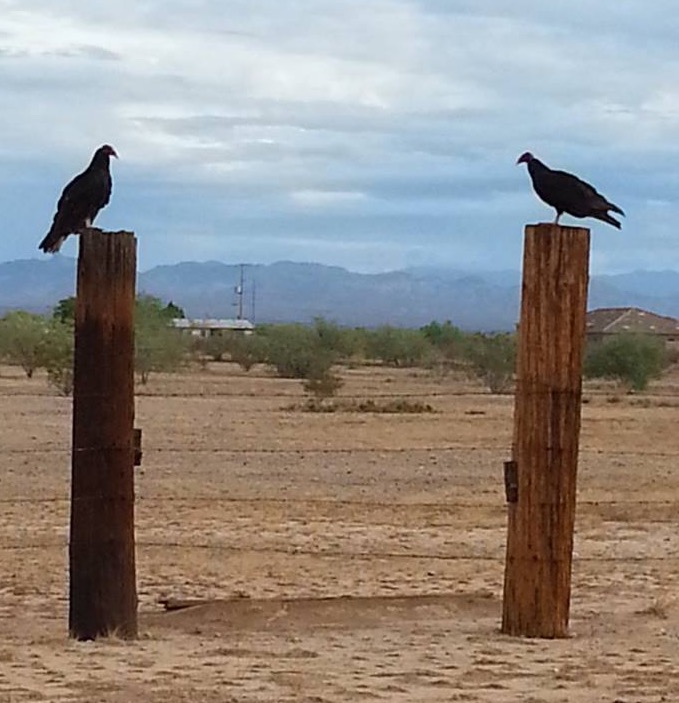

The photo above comes from a much earlier time. It is a fleeting capture of two vultures perfectly perched on weathered fence posts. This scene is in the desert near our old Road’s End Ranch, west of Phoenix, Arizona. We lived there for nearly eleven years, and it remains one of the richest chapters of our lives. Open range, endless sky, and a wildness that felt both rugged and beautiful.

Cattle wandered freely into our yard, trailing no rules but their own. Coyotes called at dusk. Javelina passed through like restless shadows. Rattlesnakes reminded us daily that we were sharing their world. The Western Diamondback (Crotalus atrox) was among the most common. The Mojave Rattlesnake (Crotalus scutulatus) and the Sidewinder (Crotalus cerastes) were also frequent visitors. They were constant guardians of the desert floor.

This particular moment was captured on the fly — literally. We sped through the desert in a golf cart. I clung to the passenger seat. At the same time, I attempted to steady a camera. The vultures sat motionless, almost statuesque, watching over some unseen feast just beyond the fence line. A raw, unplanned moment — and yet one that perfectly reflects the untamed spirit of the life we cherished there.
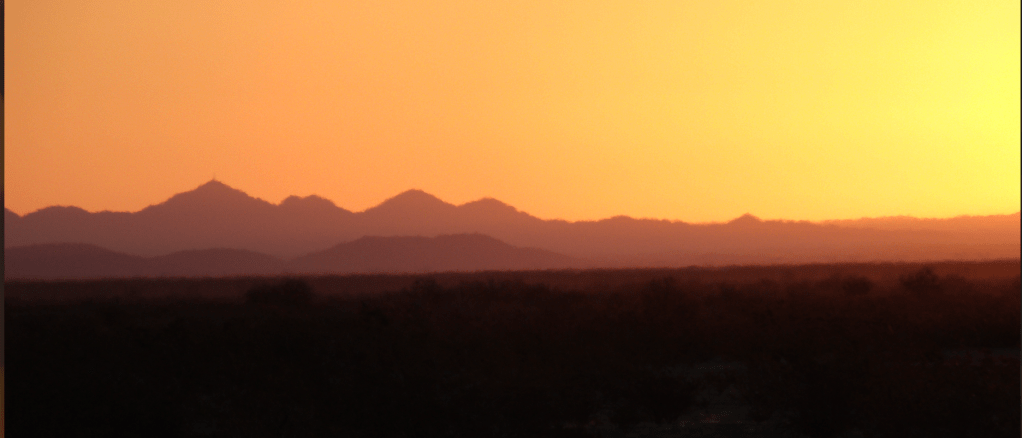
Sunset at Road’s End Ranch. It was one of the last we were fortunate enough to witness before selling our desert home. We moved to the city in 2013. The White Tank Mountains stretch softly across the western horizon. They catch the fading light in a way only the desert can offer.

This marks the close of the current collection. Many more photographs will be shared in the days, weeks, and months ahead. Thank you for your thoughtful comments, memories, and kind suggestions along the way.
One of The Most Powerful Farming Recovery Stories Of This Day

It came only after failing, suicide and horror. A true story. That matters!

The Tragic True Story of Jean-Michel “Michou” — A Farmer’s Silent Cry

Location: Loire-Atlantique, France
Year: 2011
Category: Real Farmer Story | Mental Health | Agriculture Crisis

🌱 Chapter 1: Born in the Soil

Jean-Michel, lovingly called Michou by his village neighbors, was born into a family of farmers in the rural province of Loire-Atlantique, France. His family had been farming for three generations — milking cows, sowing wheat, harvesting barley, and living off the land.

From a young age, Michou learned how to wake before sunrise, milk the cows, repair fences, and drive tractors.
Farming wasn’t a job for him — it was identity, love, and legacy.

“City people see cows as business. For us, they are family.” – Michou

🐄 Chapter 2: A Life of Relentless Labor

Michou managed a small dairy farm with 47 cows. He woke every day at 5:00 AM, fed his cattle, and milked them before the sky even turned blue. After that, he toiled in the fields, checking irrigation, sowing seeds, fixing old machines.

He worked 365 days a year — no holidays, no weekends.

Everyone saw him as the “hardworking farmer of the region,” always smiling, always moving.

But inside, Michou was collapsing.

📉 Chapter 3: The Economic Collapse

After 2008, the dairy industry in Europe began to spiral downward.

Milk prices dropped from €0.32/liter to €0.22/liter

Cost of production was €0.30/liter

Michou was losing money with every drop of milk

He took a loan of €24,000. Then another €18,000. Then mortgaged his tractor.
Still, the bills kept piling up: electricity, fodder, tractor repairs, fertilizers.

“I’m no longer a farmer. I’ve become a machine that produces milk… and debt.” – from Michou’s diary

💔 Chapter 4: When Support Fades

His wife, Lucie, fell ill — stress and fatigue.
His only son, Julien, moved to the city for work.

Michou was left completely alone — with cows and his memories.
His best friend Jacques, also a farmer, had taken his own life just a year before. Another neighbor followed the same path.

The village got quieter. Michou got quieter.

🧠 Chapter 5: Silent Depression

One day, Michou wrote:

“One of my cows was sick today. I cried. Maybe because I am sick too.”

He never shared his pain.
He would feed the cows and whisper to them… but talk to no one else.
Evenings were spent staring at the barn walls, thinking if all his life had been for nothing.

⚰️ Chapter 6: The Last Morning – Continue reading the story click here. The original posting continues with the rest of the story and a turning point that you won’t expect. I wanted to direct you to the original post where you can leave any comments for the author.

A Journey Through Fields: Life Lessons from Uncle Neb

GROFF MEDIA 2024© TRUTH ENDURES IMDBPRO

Presented by benandsteve.com By: Benjamin Groff II©

2–3 minutes

An Uncle’s Field of Memories

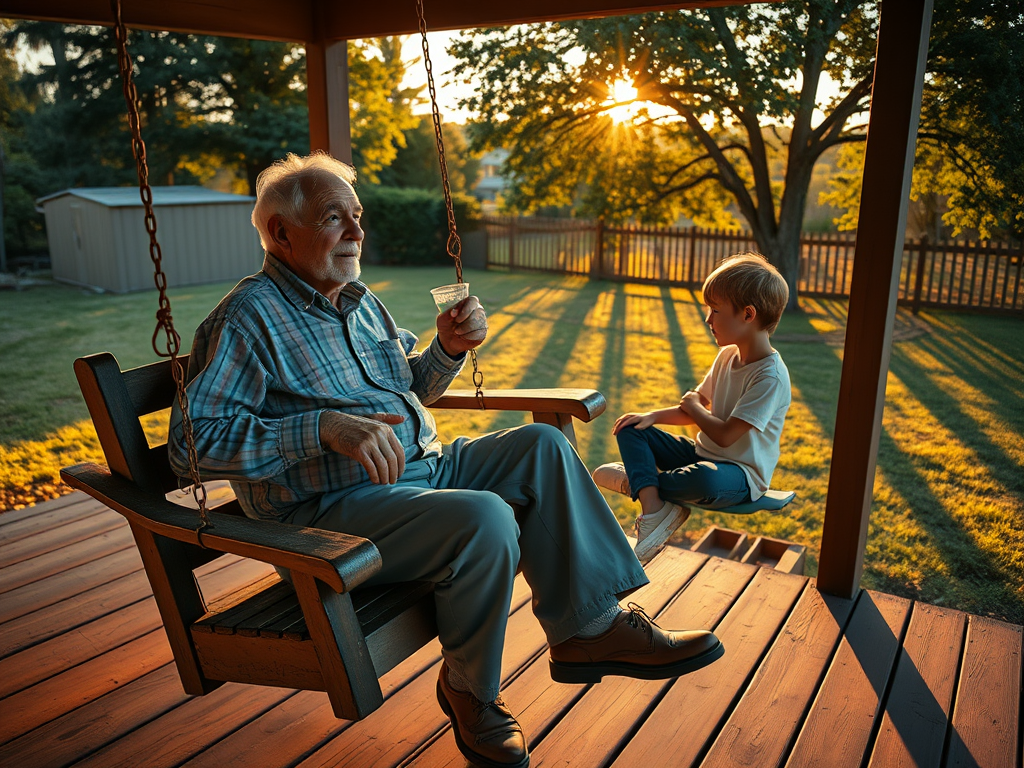
The older man rocked back and forth on the porch swing, the wood creaking under his weight. His nephew, Jake, sat cross-legged on the wooden planks, listening intently. The evening sun stretched its shadows long across the yard, the golden light flickering through the trees.

“You ever run through a plowed field, boy?” 

Uncle Neb asked, a slow grin spreading across his weathered face.

Jake wrinkled his nose. 

“Why would I do that?”

Ole Neb chuckled.

“Ah, you don’t know what you’re missin’. When I was your age, runnin’ through a fresh-plowed field was the best thing in the world. The dirt was soft, the furrows deep. Felt like jumpin’ across waves in the ocean—only, it was earth beneath your feet, not water.”

Jake smirked. 

“Sounds messy.”

“Sure was!”

Uncle Neb laughed. 

“And I’d get a good whuppin’ from your grandma for trackin’ mud in the house, too.”

He leaned back, sighing. 

“Every spring, my daddy plowed and prepared the land to plant maize and oats. That was our winter feed for the livestock. Down at the bottom of our place, we had an alfalfa field. Grew some of the best in the county, thanks to the floods from the neighbor’s lake.”

“Wait—you let your field flood on purpose?”

Jake asked, wide-eyed.

“Didn’t have a choice, boy! The heavy spring rains would swell that lake, and the water would just roll over into our land. But let me tell you, that soaked ground made the alfalfa thick and green. We never had to worry about our cattle goin’ hungry.”

Jake traced a knot in the porch wood with his finger. 

“You had cattle?”

“Sure did. Horses and chickens, guineas, goats—you name it. Had a big ol’ barn on the west side of the place where we kept ’em. But there was one animal I couldn’t go near—one of our milk cows. It is the meanest thing you have ever seen. That cow would lower her head and charge at me as soon as she spotted me.”

Jake grinned. 

“You were scared of a cow?”

Uncle Neb narrowed his eyes playfully. 

“You woulda been too, boy! Kids had tormented that cow before she came to us. Made her mad as a hornet. Your grandpa had to milk her himself ’cause she wouldn’t let nobody else close.”

Jake laughed. 

“Sounds like she had a grudge.”

“That she did. But that was life on the farm, son. You learned to work with what you had, respect the land, and steer clear of mad cows.”

Ole Neb winked. 

“Now come on, let’s go walk that field out back. Maybe you’ll see why runnin’ through dirt felt like flyin’ to a boy like me.”

Jake hesitated, then hopped up.

“Alright, Uncle Neb. But if I trip, you owe me ice cream.”

Neb laughed, his voice warm as the setting sun. 

“Deal, boy. Deal.”

And together, they walked toward the fields, the past and gift blending with every step.

Resilience and Change: The Life of a Depression-Era Farmer

A Story By: Benjamin H Groff II© Groff Media 2024© Truth Endures

Benjamin Harrison Groff stood at the edge of his farmland west of Eakly, on Cobb Creek in Caddo County, Oklahoma, his weathered hands resting on his hips as he surveyed the fields. The sun was setting behind the Oklahoma hills, casting a golden hue over the land he’d come to love and toil. It was 1930, and though the country was heading into hard times, B.H. Groff had built a life here, one of stability and quiet perseverance.

Ben H and Florence Groff

He was 38 years old, married to Florence, and father to three children—Bennie, Dorothy, and JD. His modest but sturdy house had been their home for as long as he could remember. Its value was $3500, and though it wasn’t much compared to the sprawling estates some wealthier landowners had, it was theirs. They had a lodger, Lex Long, a 22-year-old man who had come to stay a while back. The Groffs didn’t need the money, but Lex had been good company with the world the way it was; having an extra hand around never hurt.

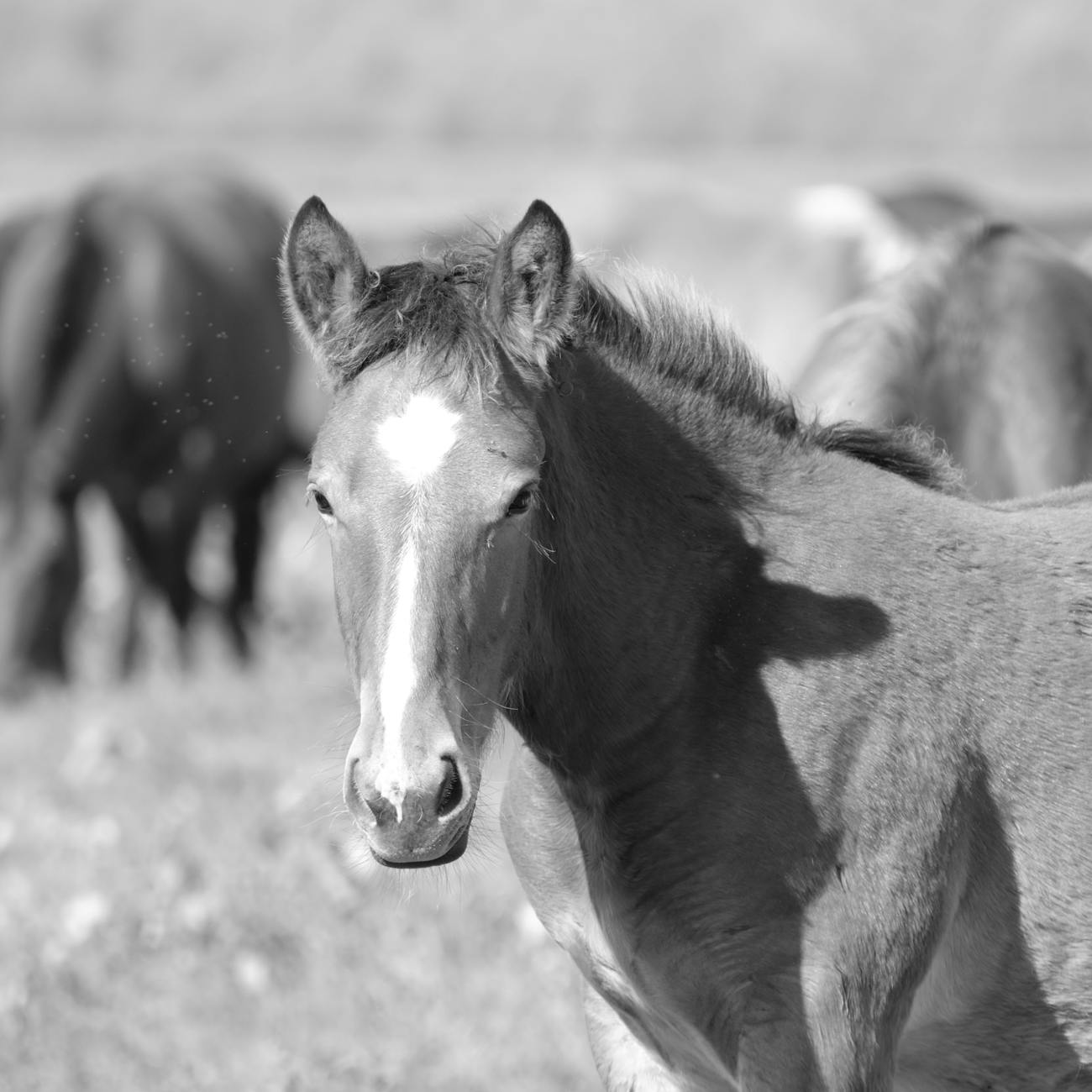
Draught Horses like those kept on Groff’s Farm.

B.H. had been a farmer for most of his life, following in the footsteps of his father, Ulrich Groff, who had immigrated from Switzerland in the late 1800s. B.H. remembered his father well—stubborn, proud, and meticulous about his work. Ulrich had come to America with nothing, finding his way to Illinois, where he built a life with Martha, B.H.’s mother, who hailed from Tennessee. Ulrich had passed a few years ago, but his values and work ethic lived on in his son. Farming had been the family’s lifeblood; Ulrich Groff is a name well known around Olney, Illinois, as the man who, along with his sons, built a barn without any metal, using only wood. It remained a place to see when people visited the town. Through the current day, but lately, B.H. has been reconsidering.

The census taker had come by not too long ago, scribbling down notes as B.H. answered the questions. He had explained that, while still farming, he had recently taken on a new role as an employer, overseeing other farms and workers. The long days of breaking his back were coming to an end. He felt more like a foreman now, guiding others and ensuring the crops were harvested on time. This transition was not just a change in his work but a step towards providing more stability for his family and the families of his workers.

Nearby Binger, Oklahoma 1930s

But still, something was unsettling in the air. The world was shifting—money was tight for many, and the Groffs, while not destitute, were careful with every penny. B.H. looked at their old house, and the absence of a radio set inside was a testament to their simpler lifestyle. He had thought about getting one, but Florence had insisted it wasn’t necessary. “We have each other,” she would say, “What more entertainment do we need?” The lack of a radio, a luxury many families could afford, was a stark reminder of the economic hardships of the time.

At dinner, B.H. would listen to Bennie, Dorothy, and J.D. chatter about school and life on the farm. Bennie, at 13, was getting taller by the day, eager to follow in his father’s footsteps, while Dorothy and J.D. still had a spark of youthful innocence. Florence, ever watchful, would smile softly, her hands always busy with mending or preparing food. The simplicity of their lives didn’t bother her—it was how she preferred it. Their home was a haven of warmth and contentment, a place where the simple joys of life were cherished. The family’s unity and resilience in the face of adversity were a beacon of hope, a testament to the strength of the human spirit during the Great Depression, uplifting those who hear their story.

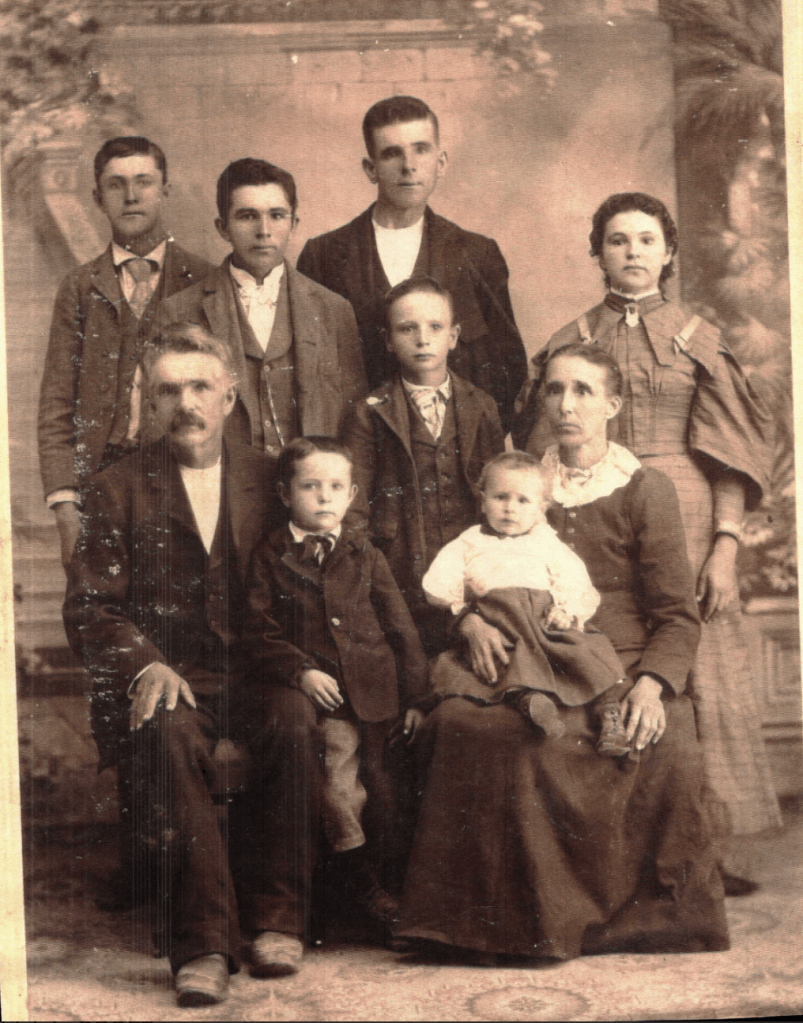
Ulrich Groff & Family

B.H. often wondered what his father would think of the life he’d built. Ulrich had been proud of his roots, reminding B.H. of the Groff family’s journey from Switzerland to America. Now, with Ulrich gone, B.H. felt the weight of his legacy. He wanted to honor it, but times were changing. Ben wasn’t just a farmer anymore but a man responsible for more than his land. He was an employer now, managing men who had their own families. This shift in his role was a sign of progress and a departure from his father’s more straightforward life, reflecting the uncertain and changing dynamics of the farming community during the Great Depression.

The fields stretched out before him, endless and full of promise. As the sun dipped below the horizon, B.H. looked at the land. He knew that whatever the future held, it would be shaped by hard work, perseverance, and the simple joys of family. And perhaps there was room for a bit of change along the way. The future was uncertain, but B.H. was ready to face it with the same determination that had guided him so far.

Taking A Stand IN The Oklahoma Hills Where I was Born, My Uncle Sam Shows How

A Story By: Benjamin Groff© Groff Media 2024© Truth Endures

In the backwoods of Eastern Oklahoma’s hill country, an older man named Sam McElroy and his wife, Dora, lived a quiet life. Sam, my great uncle, was a man of grit and stubbornness, traits that only deepened as he aged. Their modest cabin, tucked away from the world, sat outside a small community known as Eagle Town, home to the oldest post office in Oklahoma.


Despite his years, Sam’s marksmanship was legendary. His eyesight might have dimmed for reading, but he could still shoot a rock off a ledge from a hundred yards away with his trusty .22 rifle. He favored his 12-gauge shotgun up close, dispatching targets with the same precision. But Sam found no thrill in shooting at rocks; they didn’t challenge him. His absolute joy came from hunting squirrels, rabbits, and other small game—creatures that could run, making every shot a test of skill.


“There’s no sport in shooting something that can’t run,” he’d say, “and you can eat them too!”


In the mid-1970s, the tranquility of Sam and Dora’s life was disturbed. Tree-logging companies began encroaching on their land, felling the tall trees and sending them off on giant semi-trucks to be milled. The loud and reckless trucks sped down the dirt road past their cabin, kicking up dust that settled on everything, including Dora’s freshly washed laundry.


One day, Sam had had enough. He stopped one of the drivers and firmly requested that the trucks slow down on Tuesdays, the day Dora hung her laundry out to dry. The driver nodded but dismissed the request as soon as he drove away.


The following Tuesday, as trucks roared by again, covering Dora’s linens in dust, Sam’s patience snapped.


“This is it!” Sam declared. “They’re going to goddamn stop today if it’s the last thing I do!”

“This is it!” Sam declared. “They’re going to goddamn stop today if it’s the last thing I do!”

He grabbed a cane-bottom chair from the porch, slung his 12-gauge shotgun over his shoulder, and marched to the dirt road. There, he placed the chair, sat down, and waited.


It wasn’t long before a truck barreled down the road, only to screech to a halt in front of Sam. The driver, bewildered, got out and demanded,

“I need to get through here.”


“My wife needs to get her laundry dry without you jackasses throwing dirt on it,” Sam retorted. “I asked you to slow down on Tuesdays, and you ignored me. Now, you can sit here until her laundry is dry!”


The driver, clearly irritated, shot back,

“We’ll see about that, old-timer!”

He climbed back into his truck and radioed his boss. Soon, more trucks lined up behind the first, and another from the opposite direction joined the standstill. Sam remained steadfast, his shotgun resting across his lap.


Minutes later, a man in a company pickup arrived. He introduced himself as Mike Williams, the logging company supervisor. He informed Sam that blocking the road cost them a lot of money.

“And you’re costing us clean clothes!”

Sam shot back.

“You’ve been speeding past here every week, covering my wife’s laundry in dust.”


Williams threatened to call the sheriff, to which Sam responded,

“Go ahead.”


Forty-five minutes later, McCurtain County Sheriff Joe Phillips arrived at the scene. The road was clogged with trucks, stretching ten deep in both directions. After hearing the situation, the sheriff walked over to Sam’s porch, grabbed another cane-bottom chair, and carried it to the middle of the road. He sat beside Sam, pulled out a stick and pocket knife, and began whittling.


“How long do you think it’ll take for the laundry to dry?”

the sheriff asked.


“A couple of hours should do it,”

Sam replied.


Sheriff Phillips turned to the drivers and Mike Williams.

“Well, we’ll be here for at least two more hours. Might as well kill your engines and save some fuel.”


From that day forward, the logging trucks were no longer scheduled to run on Tuesdays between 10:00 AM and 4:00 PM. Sam’s act of defiance earned him respect, and he soon became a valuable liaison for Mike Williams, helping the logging company identify landowners in the Oklahoma Hills, where they sought to expand. Sheriff Phillips also found a trusted ally in Sam, who knew the remote areas of the county like the back of his hand.


Today, the old cabin is little more than a dilapidated shack, barely standing along the dirt road north of Eagle Town. But the legend of my Uncle Sam lives on, echoing through the hills where I was born.

The First Man To Buy A Car In Town – The Model T Pioneer of Binger, Oklahoma

A Story by Benjamin Groff©II – Groff Media2024© Truth Endures

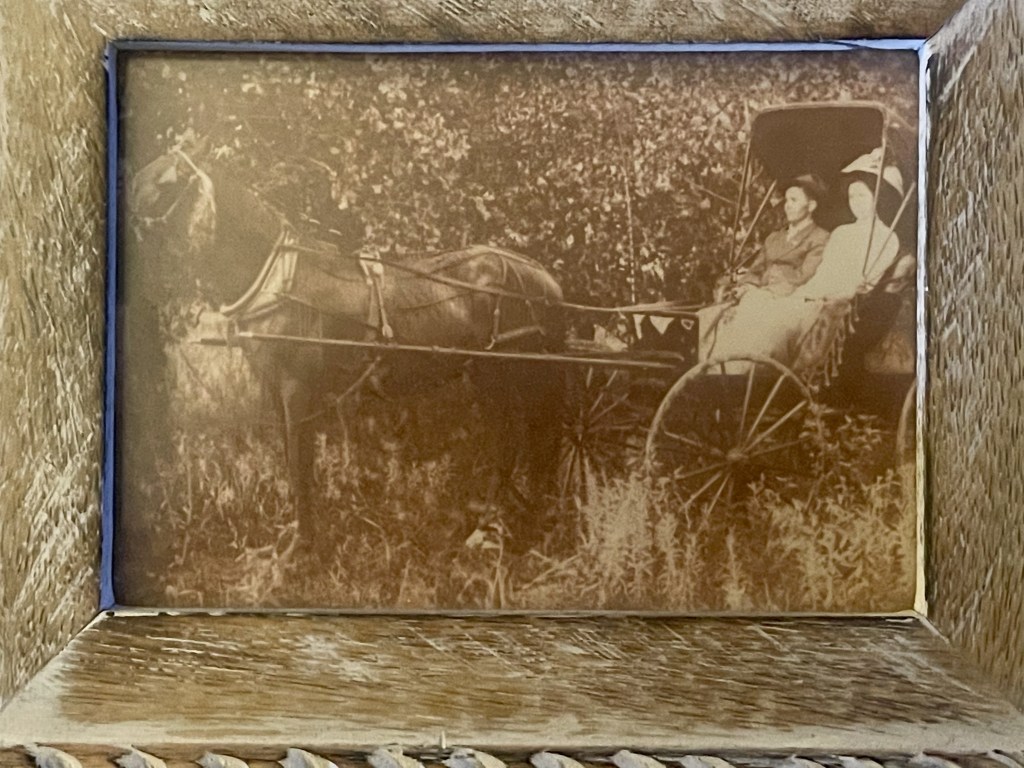
He was the first to buy a Model T in a town east of his farm. I am referring to Benjamin Groff I. The guy everyone called “Pop” was my grandfather. He was not a flashy guy. He wasn’t wealthy. He was a farmer on the lower plains who had survived the Dust Bowl and made a living on the scant meager crops that grew in the 1930s; he battled through the shortages of provisions to provide for his family from 1911 to when his wife died in 1975.

Sometime before 1920, he rode a draft (draught) horse to a small town where a horse trader had just opened a Ford dealership. His mission was not to get a car. It was to sell his horse, get items for the farm, and maybe a pony in trade.

My grandfather was a talker just as quick in his elder years. He must have been a whiz when he was young. He could quietly engage you in a conversation and have you change your view on a subject without knowing how or when you did. And he was good at it. He must have done some slick horse trading because he left the Ford dealership with a New Model T, $100, and an unrestricted driver’s lesson.

He was the first to buy a Model-T in Binger, Oklahoma, and drive to a farm West of Eakly, Oklahoma, in Caddo County. His wife, Florence, who everyone affectionately referred to as “Mom,” stepped out of their kitchen door and pouted out,

“Oh Lord, what have you done now, Pop?”

Replying proudly, Pop said –––

“Ma Ma Mom, I went and traded that dead head for us a motorized buggy and a way to get around where we will be warm and dry!”

News of Pop’s new car spread like wildfire in the countryside. Their kids had already dashed out of the house and clambered into the vehicle. The oldest had sprinted down the road to the neighbors, proudly announcing their newfound ‘riches ‘. As the news rippled from home to home, a sense of shared excitement and anticipation filled the air. Everyone wanted Pop to accompany them for horse trading, to help them secure a car. It was the start of a bustling Spring, filled with shared goals and a united sense of purpose.

The request for bartering went on for months, and finally, Pop had to stop people coming over and say look, I have to get my crops in for the summer; if you want to help me plow my fields and get my livestock ready for sales I will be glad to catch your bartering, but I am so far behind I won’t be able to feed my family. So when do you want to come over? The calls stopped except for one.

A lady named Loranne had six children and was single. The oldest child was a boy about 15, then a girl about 13, another boy about 10, a boy about 8, a boy about 6, and a baby girl about 2. Her husband had died in a farming accident two years ago. She lived alone with them and had no means of support except for the work she took in from neighbors, such as ironing, washing, helping with food, watching children for families, etc.

Loranne said –––

“If you can help me get a car, I will plant your fields and care for your animals. You won’t have to do anything.”

Pop said to her –––

“You won’t do no such thing; your two oldest boys and mine and I will get the crops and livestock taken care of; you can help Mom around the house and do whatever you need for your home. You take care of your children!”

Loranne was grateful for the opportunity and agreed to begin working bright and early the following day.
Pop’s farm, once a quiet expanse of land, now buzzed with life and activity. Loranne’s boys, alongside Pop’s children, worked tirelessly in the fields. Their laughter and shared experiences brought a renewed sense of hope and camaraderie to the farm. Under Pop’s wise guidance, the boys learned the intricacies of farming, infusing the farm with fresh energy and determination. The farm had transformed into a vibrant community hub, a testament to the power of collaboration and shared goals.

Mom and Loranne quickly formed a close bond. While the boys were out in the fields, the women would work together in the house, preparing meals, mending clothes, and sharing stories. Mom’s gentle nature complemented Loranne’s resilience; together, they created a warm and welcoming home for all the children.

Days turned into weeks, and the farm began to flourish. Pop and the boys plowed the fields and planted the crops, and the livestock was well cared for. The hard work and cooperation paid off, and the farm soon thrived once again. Pop kept his promise to help Loranne get a car. After a successful summer harvest, he took her to the Ford dealership, and with his keen negotiating skills, he secured a reliable Model T for her and her children.

The day Loranne drove her new car back to her home was a moment of triumph for everyone involved. The children cheered and joy filled Loranne’s eyes as she thanked Pop and Mom for their generosity and support.

Pop smiled and said, ––––
“We’re all in this together, Loranne. That’s what neighbors are for.”

As the years passed, the bond between the two families grew stronger. The children grew up, and the farm continued to prosper. Pop’s act of kindness had a lasting impact, changing the lives of Loranne and her children. It also brought the community closer together. His legacy of compassion, hard work, and generosity lived on through the stories passed down by those who knew him, a beacon of hope and inspiration for future generations.

And so, the tale of Pop, the first man in town to buy a Model T, became more than just a story about a car. It was a testament to the power of community, the strength of the human spirit, and the enduring impact of one man’s kindness.