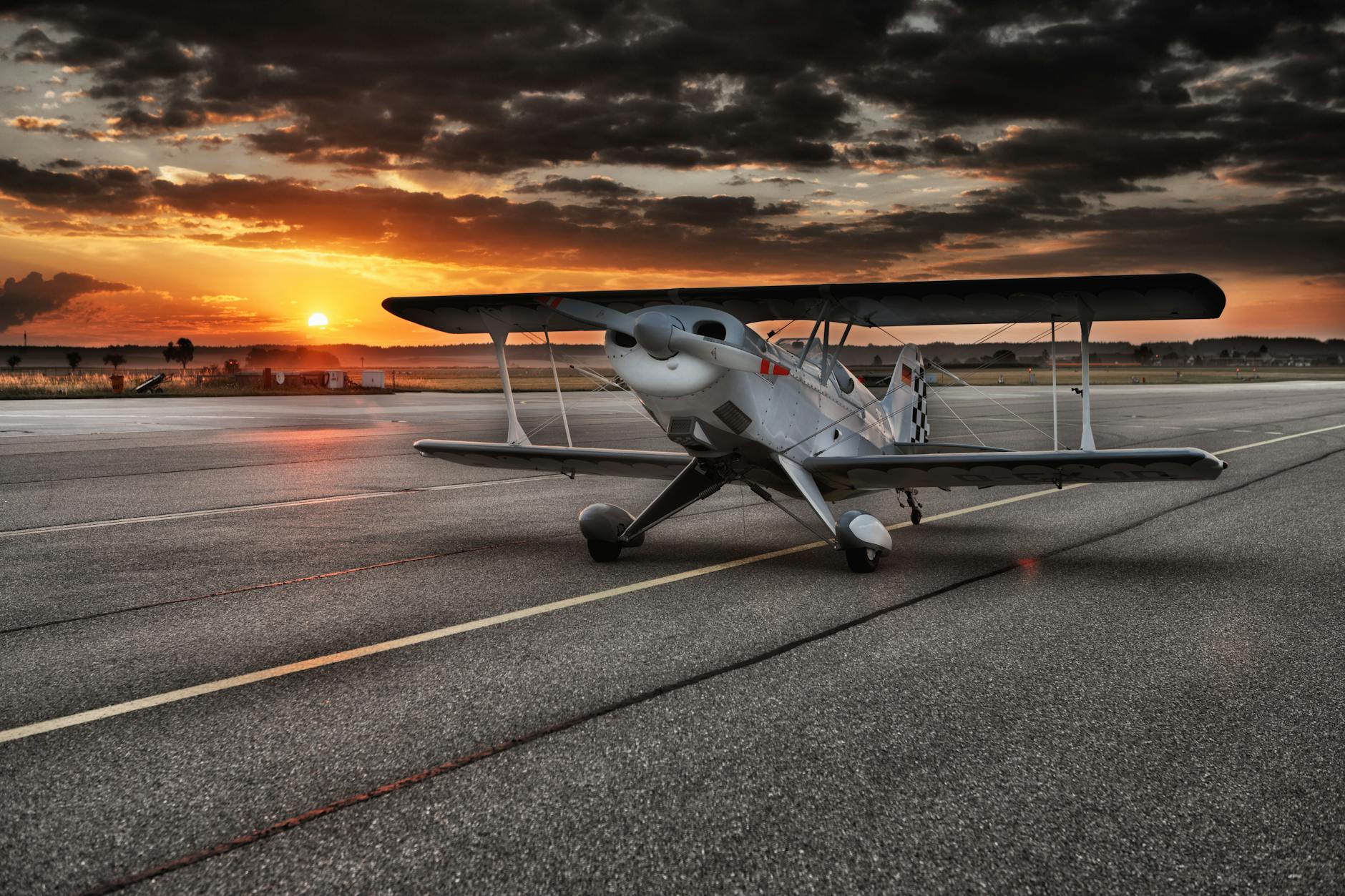
How Santa Tackles a Sky Jam in Los Angeles

This story is pulled from the archives as a celebration for the season edition.
Groff Media 2024© Truth Endures IMDbPro

Presented by benandsteve.com By: Benjamin Groff II©

2–3 minutes

Santa Arrives In Los Angeles To A Bustling Scene:

Santa is cruising through a starry night, his sleigh packed with presents. The reindeer are soaring with precision, Rudolph’s nose shining bright as they approach the bustling skies over Los Angeles. Santa remarks on how the city glows more colorful each year, marveling at the dazzling lights below.

The Problem Arises:

Santa checks his list. He guides the sleigh toward his next stop. Suddenly, he encounters a startling sight: a line of airplanes backed up in the sky. The sleigh slows as Rudolph blinks in confusion, and Santa pulls out his magic map to see what’s going on.

The airspace gets crowded with jets circling LAX, cargo planes, and private airplanes. Santa tries to weave through the gridlock but quickly realizes he’s stuck in a “sky jam.”

Santa’s Reaction:

Santa, determined to overcome this unexpected obstacle, starts to worry. He’s never faced air traffic congestion before! His magical sleigh, while nimble, still must adhere to the rules of the sky to avoid being spotted. He radios an air traffic controller using a unique device from his sleigh—something he rarely needs to do.

The controller is startled but professional.

“Uh… Santa? Is that you?”

“Ho ho ho! Yes, indeed! And I’m afraid I need some assistance navigating this mess!”

A Helping Hand:

The air traffic controller, Mia, quickly gathers her colleagues. They realize the only way to clear Santa’s path is to redirect some planes. Mia cleverly uses holiday magic and persuasion to coordinate a temporary gap in the airspace.

Meanwhile, Santa and the reindeer entertain themselves by performing aerial stunts. They draw candy canes in the sky. They share cookies with passing pilots who radio in. Their voices are filled with disbelief and joy.

A Creative Solution:

Santa, ever resourceful, taps into his bag of tricks to make up for lost time. He uses his magic to make his sleigh move twice as fast once the path clears. He asks for help from local elves stationed in Los Angeles. They zip around on drones to deliver some gifts while he’s getting delayed.

Santa’s Resolution:

The airspace clears, and Santa takes off like a rocket. With a heartfelt

“Thank you!”

To Mia and the air traffic team, he speeds into the night. He catches up on his deliveries with minutes to spare.

Ending:

As Santa finishes his rounds, he reflects on the night’s chaos. He chuckles, imagining the stories pilots will tell about seeing a sleigh stuck in traffic.

“Ho ho ho!” 

He bellows as he heads back to the North Pole.

“Next year, I will just get a flight plan!”

The Forgetful Pilot – Where Passengers May Land On Take-Off Like It Or Not!

2–3 minutes

The Forgetful Pilot And His Bruised Passengers

Most airline pilots have checklists that go something like this: flaps set, fuel topped, doors secured. But not Captain Earl “Forgetful” Finley. Earl had a knack for skipping one step in particular: buttoning down the rear cargo door.

The incident was first noticed in Burnt Corn, Alabama. The Hicks family boarded Earl’s plane for what they thought would be a scenic hop to Birmingham. At takeoff, the nose lifted off the runway. The rear door gave way. The Hicks family scooted right out like biscuits from a greased pan. They landed unhurt on the asphalt, dazed but alive, while their suitcases rolled to a neat stop beside them. Earl circled back, tipped his cap out the cockpit window, and hollered:

“Y’all hold on better next time!”

Word of Earl’s absent-minded ways spread, but strangely enough, passengers kept buying tickets. His next mishap was in Turkey, Texas. Earl had agreed to carry a package to Pie Town, New Mexico. He also agreed to let a fellow named Harlan Sanders (no relation to the famous chicken man) ride along. At about 1,000 feet, Harlan and the packages slid right out the back. Earl didn’t even flinch. By then, he’d become so used to it he was strapping parachute windshirts onto the parcels. Sanders walked away dusty but unharmed, grumbling about never getting frequent flyer miles.

What began as chaos somehow turned into a spectacle. Passengers developed a knack for bracing themselves near anything bolted down. Earl’s flights became less about getting somewhere. They became more about the thrill of not falling out. Photographers started gathering at small airports, cameras ready to capture people and parcels tumbling skyward. Some passengers even leaned into the fame—hollering and waving as they slid into the blue.

Captain Earl never made it big with the airlines. Yet, he sure made history as the only pilot whose passengers packed harnesses, not snacks.

When asked why he never bothered to secure the back gate, Captain Earl’s answer was as confident as it was ridiculous:

“If I close that gate, the wind can’t blow straight through, and that drag slows me down. With it open, the air just zips right on out the back and keeps me flying faster. Shut it tight, and I’d lose two hours off my daily routes!”


By Benjamin GroffMedia© | benandsteve.com | 2025 

Three Impacts of a Collision Explained

GROFF MEDIA 2024© TRUTH ENDURES IMDBPRO

Presented by benandsteve.com By: Benjamin Groff II©s

2–3 minutes

Understanding the Three Impacts in a Collision

Photo by Pixabay on Pexels.com

We often think there is just one impact when imagining an accident. Be this is a fall, a bicycle crash, or a car collision. Yet, physics and medical studies, based on rigorous research and analysis, show that every crash has three distinct impacts. Each one contributes to potential injury.

Let’s use a crash as an example, though the same principles apply to other accidents.

Impact #1: Vehicle Collision

This is the first crash. The moving vehicle collides with another object. Whether it is a wall or a stationary object. The force of this impact determines the severity of the accident.

Impact #2: Body Impact

Even after the vehicle stops or slows down, the occupants continue moving ahead due to inertia. This often causes a secondary impact. The person collides with the car’s interior, like the dashboard, windshield, airbag, or seatbelt. It’s important to note that seatbelts and airbags play a crucial role. They reduce injuries and make us feel safer on the road.

Impact #3: Internal Organ Impact

The most overlooked but critical impact happens within the body itself. Even after a person stops moving, their internal organs shift and collide with bones and other structures. This can lead to serious injuries like concussions, internal bleeding, and organ damage.

Delayed Symptoms and the Body’s 

Response Of The Body instantly after an accident, many people don’t feel the extent of their injuries. Adrenaline and shock mask the pain. The body naturally responds by triggering inflammation and swelling to protect damaged areas. Yet, once this response subsides—sometimes hours or even days later—the true severity of injuries becomes obvious.

The Delay Between Sight and Sound in a Crash

If you witness an accident from a distance, you notice another phenomenon. There is a delay between what you see and hear.

Because light travels faster than sound (186,000 miles per second vs. 1,125 feet per second), you will see a crash before you hear it. This creates a lag, where the sequence of events seems different from what happened.

Photo by Pixabay on Pexels.com

For example, if a plane crashes and explodes, a witness will report hearing multiple booms and assume three separate explosions. In reality, they are hearing the first impact, secondary collisions, and final resting impact—all of which happened quickly. The delay in sound reaching the observer can create confusion, especially during traumatic or high-stress situations.

Key Takeaways

  • Accidents involve three distinct impacts: vehicle collision, body impact, and internal organ impact.
  • Injuries are not always instantly clear, as the body’s natural mechanisms can mask symptoms.
  • Witnesses misinterpret the sequence of events because of the delay between light and sound. Hence, investigators must analyze physical evidence carefully.

Understanding these factors can help individuals recognize the risks involved in crashes. They can then make informed decisions about safety and medical attention.