
The Last Broadcast
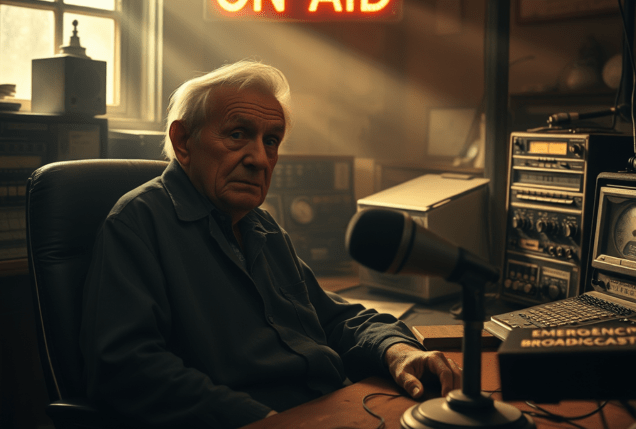
Sam Delaney had been a radio man his whole life. Station manager, on-air talent, janitor when needed—he had done it all. Now, in his seventies, he sat in the empty control room of what was once a bustling AM station. The place smelled of dust and warm circuitry. The walls hummed with silence.
Sam still knew every button by heart. Especially the one marked EBS—Emergency Broadcast System. Back in the day, the FCC’s rules were clear: tones were sacred. The piercing signal wasn’t just a sound; it was a promise. Tornado warnings. Flood alerts. The nation’s line of defense against panic. There had been rules—Title 47 of the CFR, etched into his memory like scripture.
But things had changed. With each new administration, the guardrails loosened. The equal-time law that once kept political chatter balanced had vanished decades ago. A president erased it. He feared his old Hollywood reels would force TV stations to give airtime to his critics. One law changed, and suddenly the airwaves were open territory—bluster, bias, and one-sided noise pumping into homes unchallenged.

Now Sam watched as networks ran those same tones he once revered, but not for weather or disaster. They tested loyalty. They triggered crowds into a frenzy. They commanded obedience in ways he never imagined. Once, tones meant safety. Now, they meant control.
He rubbed the crease in his neck where headphones had rested for thirty years. Outside, the town he had called home was no longer united. Neighbors didn’t trust neighbors. Families split along the fault lines of which voice on the radio they listened to.
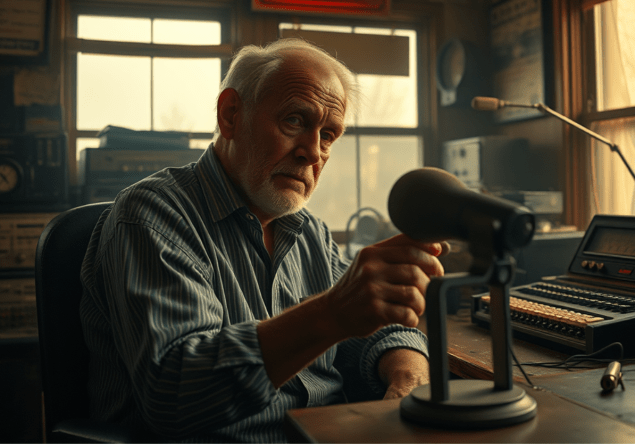
Sam leaned into the old microphone. The ON AIR light flickered.
“What if I told you,”
He began. His voice was gravel but steady.
“The lie isn’t in what you’re hearing. It’s in what you stopped questioning.”
He paused, finger hovering over the tone button.
For the first time in his career, he considered sending out a tone. This was not to warn people of a storm but to warn them of themselves.
By Benjamin GroffMedia© | benandsteve.com | ©2025

 benandsteve.com