
By Benjamin GroffMedia© | benandsteve.com | ©2025
The next photographs depict an small town in Oklahoma from its birth through current day.

Going to town. Getting groceries, supplies and other needed items were essential trips in the late 1800s and early 1900s. Towns like Binger, Oklahoma were places where such trading centers would become popular. Train depots and later bus lines would bring needed connections to the area.
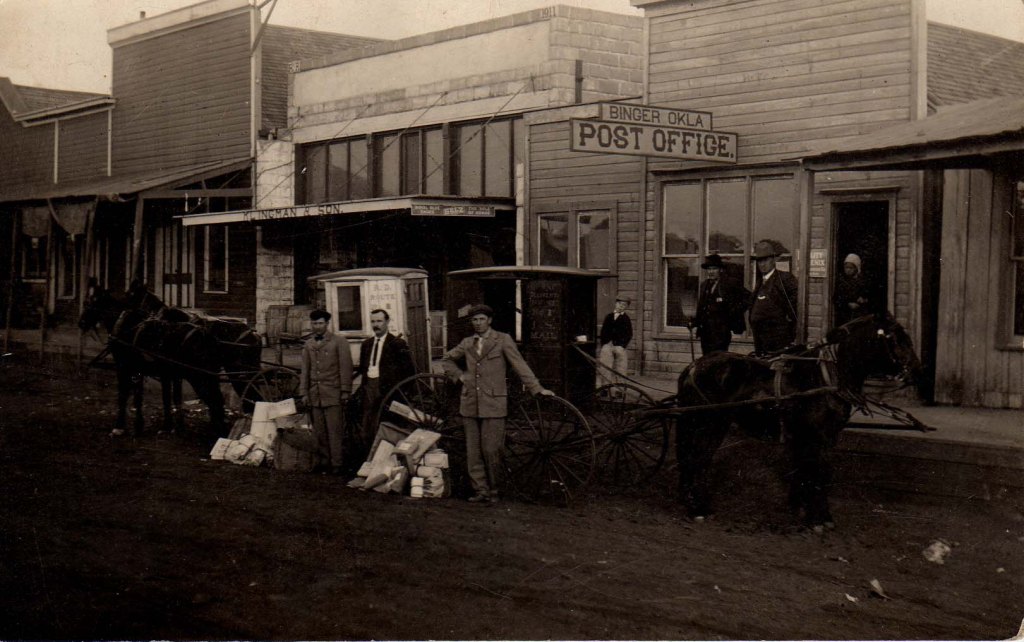
The above photos capture buildings that no longer stand. They were lost in one of the early fires that shaped the town’s history. The original downtown was once located near the area now known as the Johnny Bench Ball Park. This is at the Fair Grounds. After each fire, the town slowly shifted north. It rebuilt itself one block at a time. Eventually, it settled into its current location. The Post Office was a major accomplishment for any community to achieve. When a post office came, it marked the community’s success. The community became a reliable base for investors, visitors, and tourists.
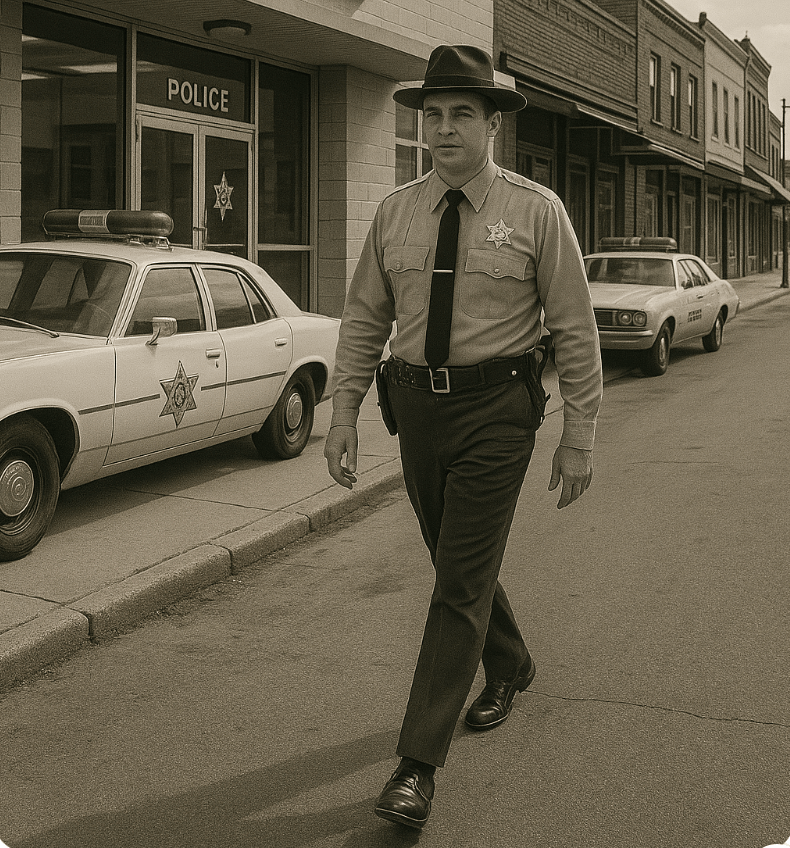
State Highway 152 now runs through the center of town. Locals know it as Main Street. This familiar stretch has quietly observed generations pass through. This place is not what I call my hometown. But, it remains part of my associations. It is woven into the landscape of where I grew up and the memories that shaped me. During the 1950s to 1980s, hundreds of teenagers gathered on Binger’s Main Street. They saw it as the Main Drag on Friday and Saturday nights. It was as hot as a radio station spinning its latest hit. Both tunes filled the air from the City Hall. Tires spun all the way to the east end by the CO-OP. Button Williams, the towns Police Chief, watching carefully over the towns teen as he had since God’s creation. His Assistant Chief Jerry Wright there to catch calls on off nights.

Binger has always felt like one of those places where sports held the town together. The fields and courts were filled with tough farm kids. They were shaped by long days and dusty roads. Life taught them strength early. Many came from the Caddo and Kiowa Nations. People from other tribes joined them. Together they formed a close-knit spirit. This made every game feel like a community event.
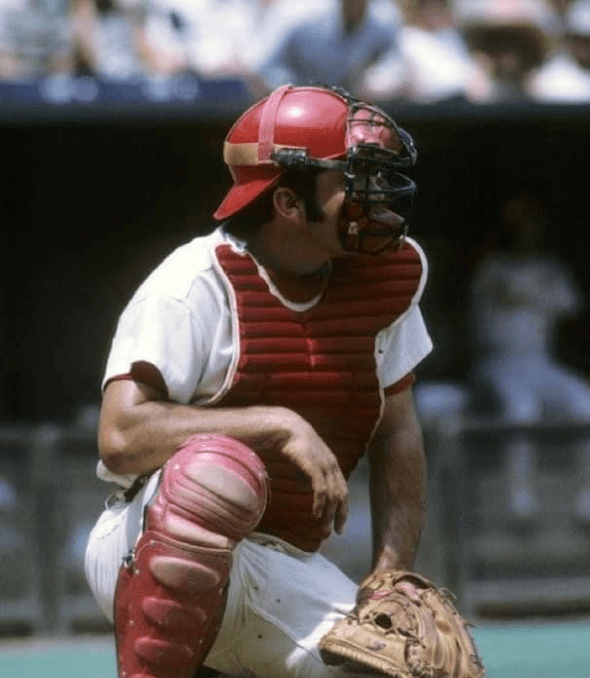
From those humble beginnings came Johnny Bench. He was a local boy who carried his talent all the way to the Cincinnati Reds. He proudly wore number 5. The town still honors him with a small museum. It serves as a quiet reminder of how far a dream can travel from a place like this. And then there was Robert Johnson Jr., who tasted professional baseball but chose the familiar comfort of small-town life instead. In these memories, the heart of Binger lives on. It resides not just in its history. It also lies in the way it shaped those who once called it home. My grandfather bought the first Model T Ford from the town of Binger’s Ford dealership. They came to town to sell them when the Model T’s came out. “Pop” described the Ford outfit as being near where an old Caddo Electric building sets today. If you drive through the town, you will see the big white building. It’s on the corner near US281 and SH-152.
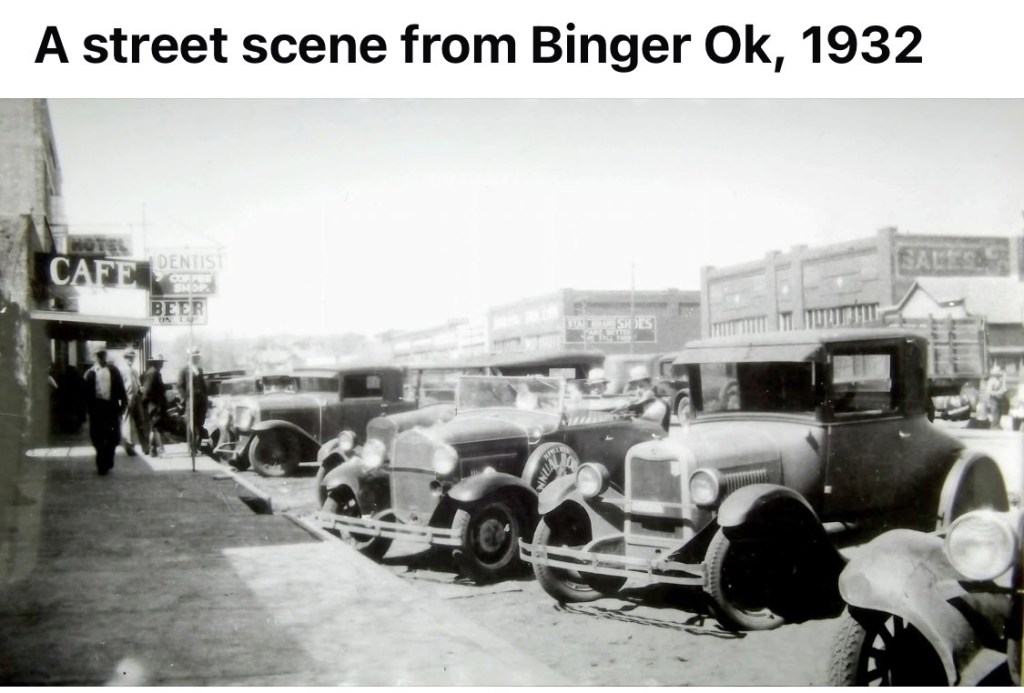
When the sidewalks were poured, metal rings were set into the concrete. They were meant to tether horses and wagons. Townsfolk stepped inside to conduct their daily business. For decades, those rings remained. They served as humble reminders of a slower pace and simpler life. In the mid-1970s, new federal accessibility requirements called for lower ramps and fresh pavement. With that change, the old sidewalks were replaced. The iron echoes of the past quietly vanished. Now, only memory and photographs tell their story.


This is a photo of the buses traveling both directions along Main Street in Binger. I’ve carried it with me for years. I have shared it many times. It always stirs the same familiar sense of remembering. This photo was taken while looking west. It captures the gentle rise at the end of the street — Binger Hill. For generations, this slope has slowed heavy trucks. It becomes unforgiving during icy winter storms.
On the right side, the white building stands just before the line of trees begins. It once served as City Hall. Inside were the fire department, water department, and city clerk. The building also housed a small police office. There was a jail that I can assure you no one was eager to test. The bars were thick, cold steel, reinforced and unyielding. I saw more than a few individuals placed there by the town’s two-man police force. This pair quietly carried more responsibility than most ever realized.
This photograph isn’t just about traffic or buildings. It holds a piece of a time when Binger moved at a gentler pace. The town watched over its own. Every corner held a story waiting to be remembered.

Johnny Bench rode home with the Binger High School baseball team on April 1, 1965. They had just played a game in nearby Riverside. This was a routine trip. It would become a moment forever etched into the town’s history. As the bus crested a hill, the coach suddenly realized the brakes had failed. The vehicle couldn’t slow down. It careened into a curve at dangerous speed. It burst through the guardrail and plunged nearly fifty feet into a ravine below.
The accident claimed the lives of two young teammates, Harold Sims and Billy Joe Wylie. This loss rippled through a small community that mourned deeply. Amid the chaos, Bench survived. He was guided by advice once given by his father. His father was a propane truck driver who understood the dangers of the road. He had told his son that in such a situation, the safest place was the floor of the vehicle. Remembering those words, Johnny dropped down. He instinctively pulled teammate David Gunter with him. This act well have saved both of their lives.
What followed was not just a tale of tragedy. It was also a story of instinct and survival. There was a quiet strength carried forth from a small Oklahoma town into the story of a legendary career.
Johnny Bench, the legendary Cincinnati Reds catcher, was known for the remarkable size and strength of his hands. Many claim he can palm as many as five baseballs in one hand. He famously demonstrated this skill on the television program This Is Your Life in the early 1970s. This moment is still remembered by many longtime fans.
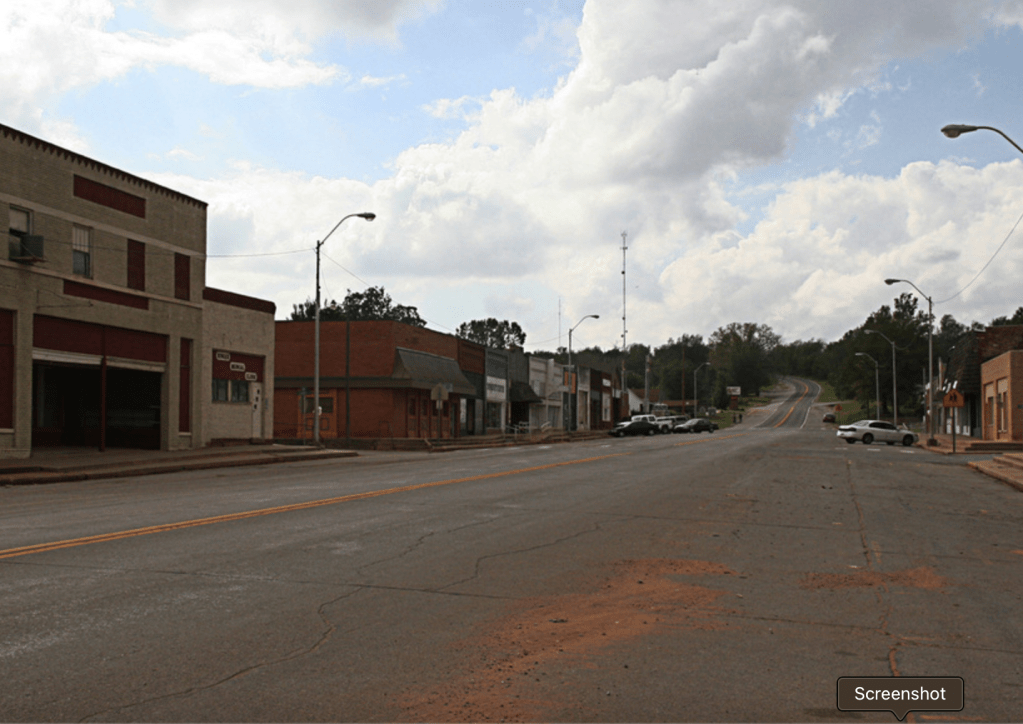

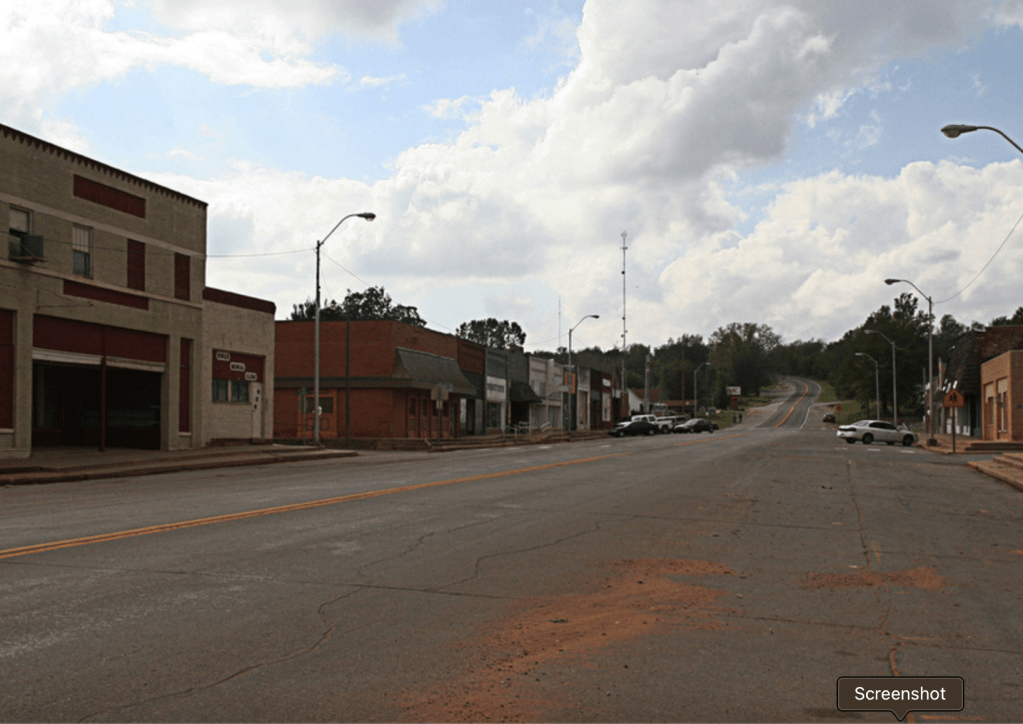
Today the state highway runs right through the town’s middle section. What once was a Main Street with shops and store fronts bustling with shoppers and townspeople is now empty. It is nearly deserted.
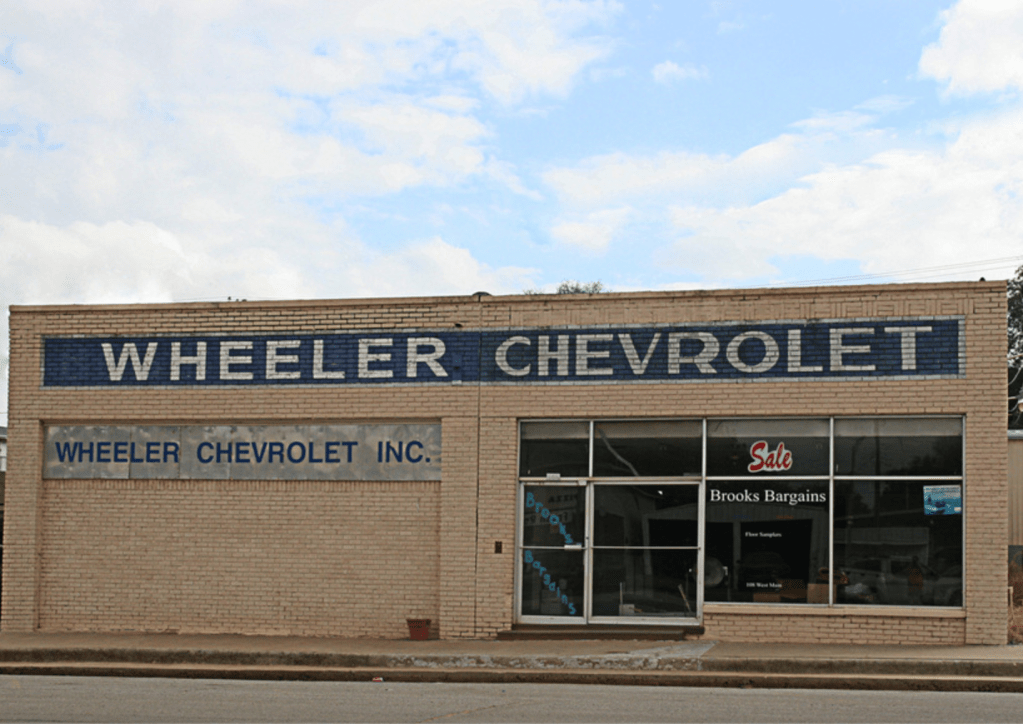


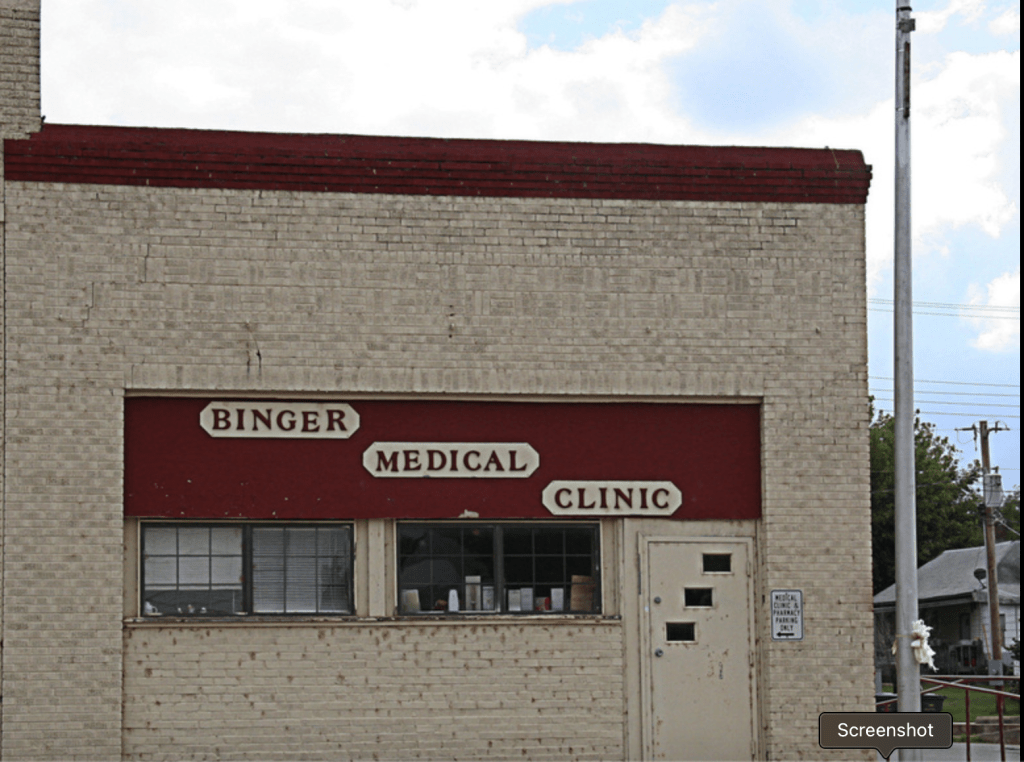

There are a few businesses still open in the town. A dollar store, a satellite bank of a local branch is located on the hill. There is one diner. A convenience store. A bar and the Post Office. But for most part, the buildings you find will be empty, boarded up and closed. In the 1970s, the town’s streets were packed with people parking to go shopping on Main Street. Now, the streets are wide open. Many contribute the towns rundown to the Caddo Electric Headquarters moving it’s headquarters three miles east of town. It caused many doing business with the Electric Cooperative to avoid stopping in Binger. It was the first set of nails in the towns casket. The others were placed there when too much faith was placed in the oil industry. Then as shops began to close, people began to move, and the towns center stopped functioning. I know because I was there and watched it. This was the town closest to our farm. I graduated from a school some fifteen minutes away, a place called Lookeba-Sickles. And that place is story for another day!
By Benjamin GroffMedia© | benandsteve.com | ©2025





 benandsteve.com