A fellow blogger brought up a concern about the difficulties faced throughout the year. They discussed how they met those challenges. Sometimes those challenges are so big they pull one down. Making life’s trials more meaningful is the person one becomes by succeeding.
There’s an old Christmas song. It starts with the words, “Put one foot in front of the other.” Soon, you’ll be walking across the floor. It’s always been a pick-me-up for me this time of year. While it’s meant for children, I believe the child in us all still needs lifting up occasionally.
Hard times in life often seem to arrive when we’re already struggling, or at least that’s how it feels. Looking back on my own experiences, those moments have pushed me to become a better version of myself. Overcoming our shortcomings during difficult seasons speaks quietly to others who are watching. This happens even when we don’t realize we’re setting an example. Sometimes, it’s deeply needed.
Sometimes our hardships end up serving others just as much as they serve us. This response wrote itself, and I’m not entirely sure where it came from—but maybe that’s the point.
I’m curious. What song, moment, or quiet reminder has helped you? How did it help you put one foot in front of the other when life felt heavy?
For a lift of the holiday spirit ~ here is the instructions on putting one foot in front of the other.
The neon beer sign buzzed faintly against the cracked window of Earl’s Place, a bar that had seen better years. The wooden floor creaked under the weight of boots that hadn’t walked through in a long time. Jack pushed the door open and paused. He wasn’t sure why he’d come. Maybe it was habit. Maybe it was the song playing faintly from the jukebox in the corner—one he hadn’t heard in years.
“I just came in to see if someone still cares…”
He let out a dry chuckle.
“Well, ain’t that the truth.”
At a corner table, an older man nursed a black coffee, his hat tipped low. Folks just called him “Red,” though his hair had long gone silver. He raised his head, eyes sharp despite the years.
“Jack,”
he said, as if the name had been waiting on his tongue.
“Didn’t think I’d see you again.”
Jack shrugged and slid into the booth.
“Figured I’d find out if anybody remembered me.”
Red studied him for a moment.
“You mean if anybody still cares.”
Jack didn’t answer. His face told enough. Years of disappointments, false starts, and self-inflicted wounds weighed heavy on him. Work had dried up, his family had drifted off, and the last of his friends had stopped calling. He wasn’t looking for pity. Just… something.
“You know,”
Red said slowly,
“folks got it wrong. They think it’s a man’s mistakes that define him. But I’ll tell you something—it’s his fight against those mistakes that shows who he really is.”
Jack stared down at his calloused hands.
“What if you get tired of fighting?”
Red leaned in, voice low but steady.
“Then you rest. But you don’t quit. If you quit – that is when you hand yourself over to those demons for good. As long as you’ve got breath, you’ve still got a say in how the story ends.”
The jukebox crackled, replaying the song’s chorus, as if to punctuate the thought. Jack felt a sting behind his eyes he hadn’t let out in years. He cleared his throat.
“Guess I just needed to hear it from someone who wasn’t me.”
Red gave a slow nod.
“That’s why you came. Not for the beer. Not for the music. To find out if someone still cared. And I do. Hell, maybe more folks do than you think. You just stopped listening.”
Jack sat back, the weight in his chest easing, just a little. The bar was still dim. The world outside remained hard. For the first time in a long while, he didn’t feel invisible.
That night, as he stepped out into the cool air, Jack realized something. It wasn’t forgiveness from the world he was after—it was the fight inside himself he had to forgive. And maybe, just maybe, that was enough to start over.
The morning was sunny on the golf course. A group of doctors noticed a team of nurses playing a round a few holes over. One of the doctors cupped his hands and hollered across the fairway:
“Hey! When you walked by the gate, the watchdog said WOOF! WOOF!”
The nurses froze, glaring back. One of them raised her club like a microphone and shouted,
“Oh yeah? When you all walked by the pond, the ducks went QUACK! QUACK!”
The golf course grew quiet. A couple of retirees nearby peeked out of their carts to see what the commotion was. The trash talk had officially begun.
Just then, a police officer—off duty but still in uniform for reasons only he knew—wandered up and added his grievance.
“That’s nothing! I went into a restaurant today and a bunch of teenagers started going OINK! OINK! OINK! at me!”
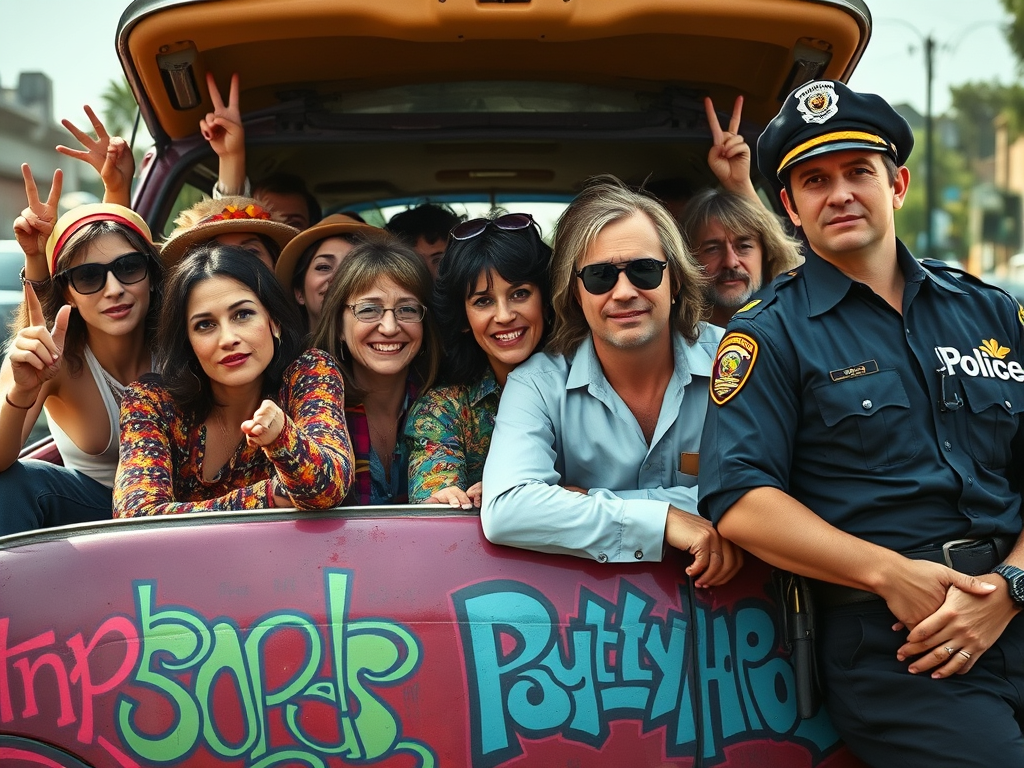
Back in the day, the slur was meant to show resentment toward police officers by labeling them as pigs. Still, many officers suggested it represented [Pride Integrity and Guts]!
The doctors and nurses nodded sympathetically, but before long they were all laughing. It seemed no profession was safe from ridicule.
“Well,” said one of the nurses, grinning. “If we’re going to keep score, I went to a rock concert last week. The singer stopped mid-song, pointed straight at the crowd, and called us every name in the book. I felt like I’d paid extra for the insults.”
By now, the golfers had abandoned their shots. The officer had parked his cart. The conversation had spiraled into a full-blown “who got called what” competition. Farmers chimed in about “moo” jokes. Teachers griped about “boring” chants. A barber also complained about being called “clip-clop” at the horse races.
The sun dipped lower, balls went unhit, and nobody remembered the score of the game. One thing was certain: the Great Name-Calling Open had been played on that course. Every profession—dog, duck, pig, or otherwise—walked away laughing.
When most people think of phobias, the usual suspects come to mind: spiders, heights, flying, or public speaking. But the human mind is infinitely complex, and so are the fears it produces. Beyond the common anxieties, there are phobias so rare and oddly specific. They almost sound made up, yet they’re very real for those who experience them.
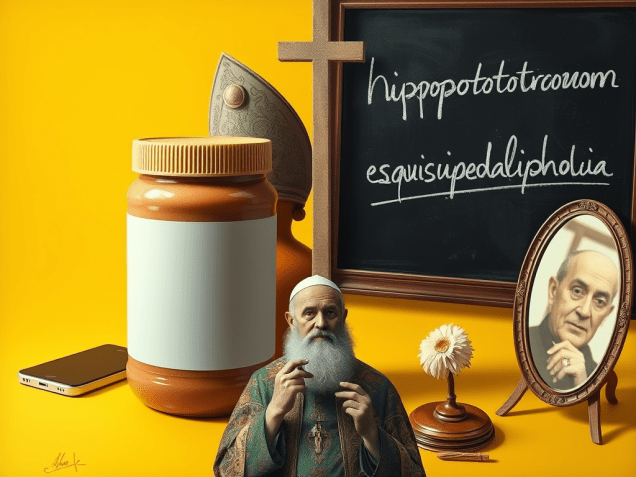
1. Arachibutyrophobia – Fear of Peanut Butter Sticking to the Roof of the Mouth
It sounds funny at first, but this phobia can cause genuine distress. For those who suffer from it, even the thought of peanut butter clinging to their mouth can spark panic. It often extends to sticky foods in general.
2. Nomophobia – Fear of Being Without a Cell Phone
A very modern fear, nomophobia describes the anxiety people feel when separated from their phones. This can occur when the battery dies, the signal drops, or when the device is misplaced. In an age where smartphones are lifelines, this phobia has become increasingly common.
3. Xanthophobia – Fear of the Color Yellow
While most associate yellow with warmth and cheer, some people experience overwhelming anxiety when exposed to the color. It can be triggered by objects, clothing, or even sunshine itself.
4. Papaphobia – Fear of the Pope
Unusual, yes, but historically documented. For those with papaphobia, even images or references to the Pope can cause panic. It’s believed to stem from a mix of religious trauma and authority-based fears.
5. Pogonophobia – Fear of Beards
In some cases, beards are more than just a fashion statement—they’re a trigger. This phobia can cause sufferers to avoid contact with people who have facial hair. This avoidance is rooted in past negative experiences or simply an overwhelming sense of discomfort.
6. Hippopotomonstrosesquipedaliophobia – Fear of Long Words
Ironically named, this phobia is real and involves anxiety around long, complex words. Sufferers feel uneasy in academic or professional settings where such terms are common.
7. Eisoptrophobia – Fear of Mirrors
This phobia goes beyond superstition. For some, looking into mirrors triggers deep anxiety. This anxiety is linked to fears of self-perception. It is also connected to superstition. There is also the uncanny feeling of seeing one’s reflection.
Why These Fears Matter
While some of these phobias sound absurd to outsiders, they are real, debilitating conditions for those who experience them. They highlight the diverse ways our minds process fear. These remind us that what seems laughable to one person feel life-altering to another.
After every mass shooting, the same story unfolds. News reports reveal the shooter made threats. He posted disturbing content. He stockpiled weapons. He scared people.
And then the world asks,
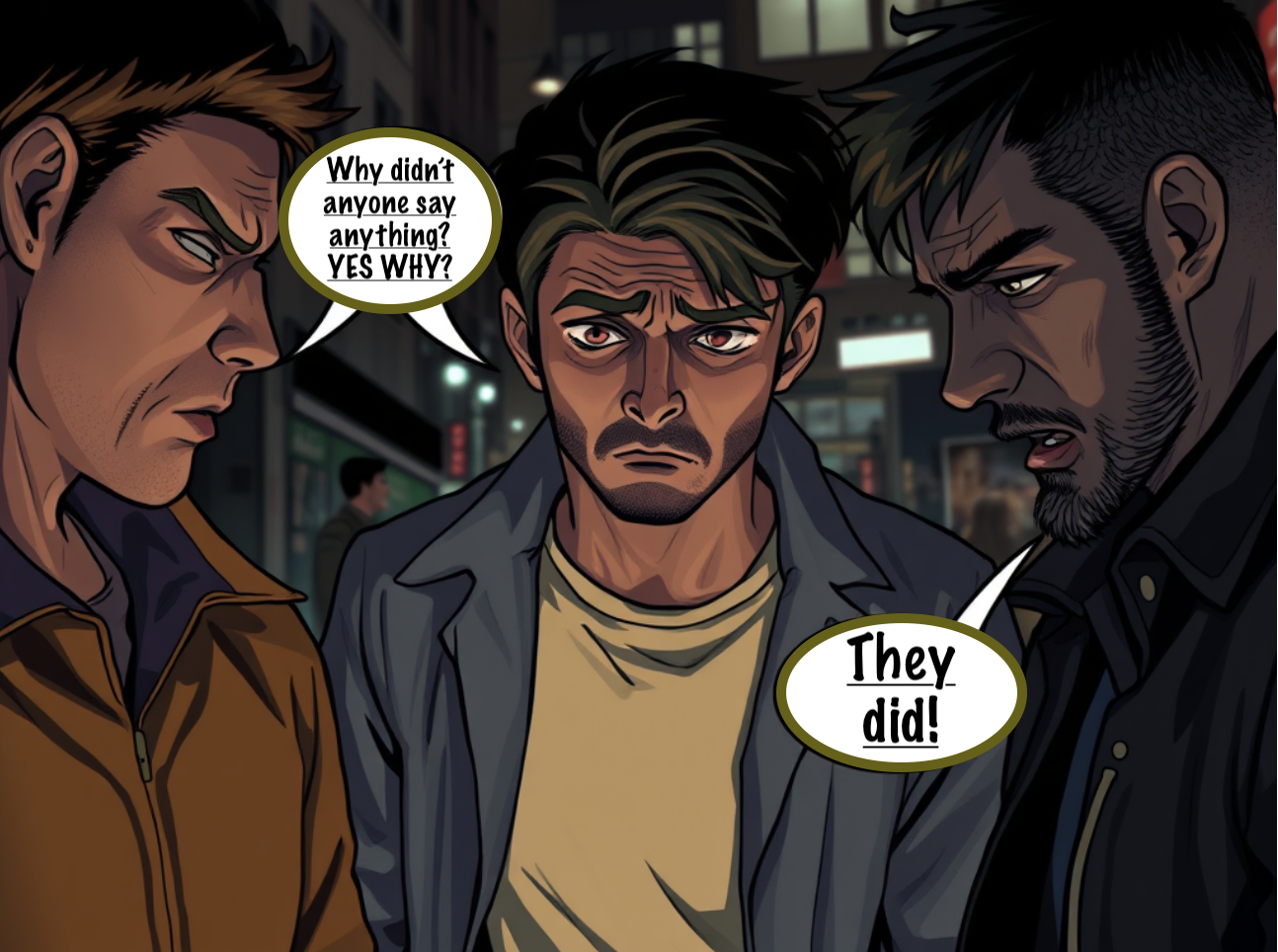
“Why didn’t anyone say something?”
Except someone usually did.
They said it quietly to a friend. They reported it to HR. They sent up a flare—but it fizzled in a system built to tolerate discomfort until it explodes.
“It Just Felt Off”
Human instinct is powerful. We know when something doesn’t feel right—when someone is spiraling, simmering, or clinging to rage a little too tightly. But we’ve been trained to doubt our gut.
Why? Because:
We don’t want to overreact.
We don’t want to get someone in trouble.
We don’t want to look paranoid or mean or judgmental.
So we say things like:
“He’s just blowing off steam.”
“He’s always been like that.”
“It’s probably nothing.”
Until it’s not.
The Signs Were There. The Action Wasn’t.
Let’s break it down. Red flags can look like:
Obsessive talk about violence or past shooters
Extreme ideological rants
Sudden personality changes or withdrawal
Threats—direct or veiled
Obsession with weapons or martyrdom
Social media posts that scream “notice me”
But here’s the kicker: Even when these signs are clear, most people don’t act. And when they do? They’re often ignored, dismissed, or redirected through layers of bureaucracy.
“It’s not our jurisdiction.” “We can’t do anything unless he acts.” “He hasn’t broken any laws.”
We treat early warning signs like legal puzzles, not human lives.
Fear of the Awkward Conversation
Red flags aren’t just missed. They’re avoided—because confronting someone is uncomfortable.
There are times when you have to take the bull by the horns.
What if I’m wrong?
What if they get mad?
What if it ruins my relationship with them?
What if it’s not serious?
So instead of leaning in, we back away.
And we let someone else deal with it. Except, too often, there isn’t someone else.
The Burden of Hindsight
Afterward, the red flags look obvious. Crystal clear. Undeniable.
But by then it’s too late. And we’re left with vigils, flowers, and questions we didn’t ask soon enough.
A Shift in Mindset
We need to stop treating red flags like rumors. They’re signals. Warnings. Opportunities to intervene.
That doesn’t mean we accuse people on a hunch. It means we build systems and cultures that listen. That act before a weapon is drawn, not after.
Because by the time the police tape goes up, the story’s already been written.
Coming Up in the Series:
Part Five: What We Can Actually Do About It We’ve identified the patterns. We’ve seen the signs. Now it’s time to talk about real solutions—what works, what doesn’t, and why “thoughts and prayers” aren’t enough.
About the Author:
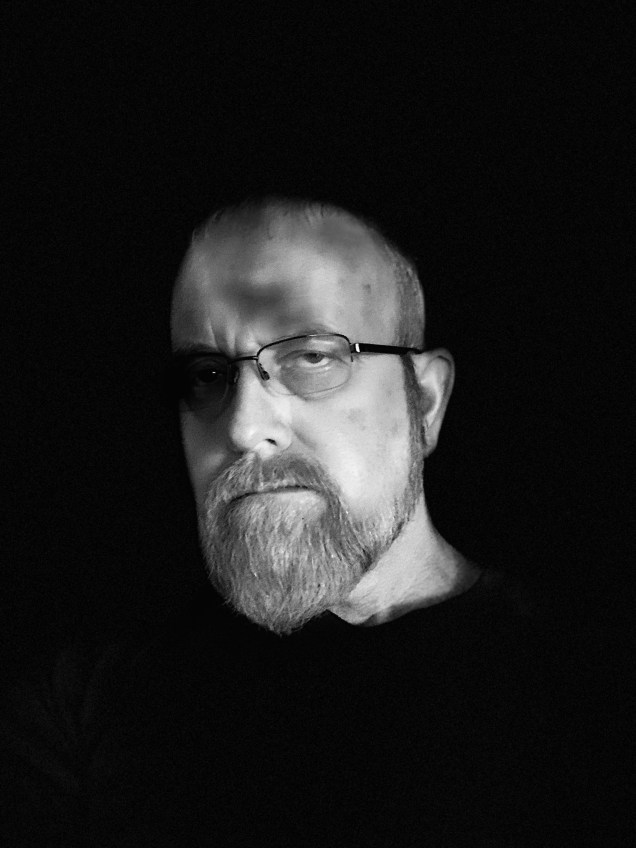
Benjamin Groff is a former police officer and radio news anchor. He has hosted programs for CNN and ABC News affiliates in Colorado and Wyoming. His career in law enforcement began in 1980 and lasted more than two decades. This gave him firsthand insight into the criminal mind and public safety. Moreover, it provided him with an understanding of the human stories that often go untold. His writing draws on these experiences, blending street-level truth with a journalist’s eye for the bigger picture.
Every time the news breaks, we hear it: “He acted alone.” And just like that, the story is framed. One man. One moment. One monster. Case closed.
But here’s the problem: It’s not true. Or at least, it’s not the whole truth.
The Comfortable Lie
Calling someone a “lone wolf” is tidy. It makes the rest of us feel better. It tells the public:
This was a fluke.
It couldn’t have been predicted.
There’s nothing we could’ve done.
And maybe, if we say it enough, we’ll believe it.
But in reality? Shooters rarely emerge from a vacuum. They come from families. Communities. Schools. Workplaces. Chatrooms. They leave trails of clues—behavioral, verbal, digital, emotional.
And more often than not, somebody saw something.
He Was Always Quiet… Until He Wasn’t
We’ve all heard it:
“He kept to himself.”
“He was a little odd, but polite.”
“He never really fit in.”
The thing is, these aren’t descriptions of a mystery. They’re descriptions of a pattern.
Withdrawn doesn’t mean harmless. Quiet doesn’t mean invisible.
But we’ve trained ourselves to look away. To shrug off disturbing comments. To ignore that one guy at work who’s always simmering just below the surface. Because to speak up feels awkward. And what if we’re wrong?
Well—what if we’re right?
Behind the Shooter Is a System That Failed
Lone wolf? No. It’s more like a failure of the pack.
The system failed.
The family that didn’t ask questions.
The school that let him fall through the cracks.
The workplace that ignored his meltdown.
The internet forums that radicalized him.
The society that let him buy a weapon without blinking.
A shooter might pull the trigger alone, yes. But the road there was crowded.
Let’s not forget—some shooters want to be seen as lone wolves. It fits the fantasy: the avenger, the martyr, the misunderstood genius. They want us to think no one could’ve stopped them.
Because if we believe that, then we stop looking for answers. And they get to become a headline instead of a warning.
So What Should We Say Instead?
We should say: “He was one part of a larger failure.” “This wasn’t random—it was ignored.” “This wasn’t a mystery—it was a message we didn’t read in time.”
Coming Up in the Series:
Part Four: Red Flags and Shrugged Shoulders He gave off signs. He said things. He posted warnings. But no one did anything. Why? Because we’re experts at convincing ourselves it’s not our problem—until it is. That is next!
About the Author:
Benjamin Groff is a former police officer and radio news anchor. He has hosted programs for CNN and ABC News affiliates in Colorado and Wyoming. He writes for organizations from his home in Arizona. His career in law enforcement began in 1980 and lasted more than two decades. This gave him firsthand insight into the criminal mind and public safety. Moreover, it provided him with an understanding of the human stories that often go untold. His writing draws on these experiences, blending street-level truth with a journalist’s eye for the bigger picture.
Part Two: The Internet Never Forgets (or Forgives)
The shooter didn’t get here alone. Not really.
Sure, maybe they sat alone in a bedroom. A basement. A breakroom. But they weren’t isolated from influence—just the opposite. They were plugged into a digital bloodstream that fed them exactly what they wanted, and everything they didn’t need.
Welcome to the echo chamber. Population: too many.
Where the Internet Becomes an Incubator
A lonely, angry person finds a tribe. This occurs somewhere between YouTube rabbit holes, toxic forums, and Reddit threads that should’ve been shut down years ago.
Not a real one. Not the kind that helps you move or calls when you’re sick. But one that says,
“You’re right to be angry.” “They are the problem.” “You don’t need help—you need revenge.”
That validation is addictive.
And the internet is the perfect dealer:
Algorithms push increasingly extreme content.
“Communities” form around hate, resentment, and fear.
Every post, every comment, every manifesto builds a narrative: You are justified.
From Scrolling to Staging
It starts with watching. Then posting. Then commenting. Then, maybe, fantasizing. And eventually, planning.
A shooter doesn’t always invent the blueprint. They download it—literally. From forums that dissect earlier mass shootings like game film. From chat groups where people joke about body counts and praise past killers like fallen heroes.
Some shooters even leave behind digital footprints—manifestos, livestreams, final posts—as if they’re signing off from a sick performance art.
And let’s not pretend it’s rare. We’ve seen it again and again. And again.
The Illusion of Community, the Reality of Collapse
Here’s the twisted irony: Most of these online “connections” are built on mutual isolation. It’s a virtual group hug from people who hate everything.
They don’t help each other grow—they help each other decay.
Not everyone in these spaces will act violently. Nevertheless, they create an environment where the leap from “I hate them” to “I’ll show them” feels smaller. More rational. More inevitable.
We Let the Fire Burn and Call It Free Speech
Let’s be honest:
We’ve been slow—very slow—to acknowledge how much harm can be done behind a keyboard. We slap “content warning” stickers on hate, shrug off threats as trolling, and hide behind terms like “edgy humor.”
This isn’t about censoring opinions. It’s about recognizing when opinions become weapons.
A shooter adopts a belief before they pick up a gun. They believe that their anger matters more than your life.
And someone, somewhere, probably upvoted that.
Up Next in the Series:
Part Three: The Myth of the Lone Wolf They always say, “He acted alone.” But did he? Or was he just the only one who pulled the trigger?
About the Author: Benjamin Groff is a former police officer and radio news anchor. He has hosted programs for CNN and ABC News affiliates in Colorado and Wyoming. His career in law enforcement began in 1980 and lasted more than two decades. This gave him firsthand insight into the criminal mind and public safety. Moreover, it provided him with an understanding of the human stories that often go untold. His writing draws on these experiences, blending street-level truth with a journalist’s eye for the bigger picture.
There used to be four chairs at the table. Every Sunday, without fail, they were filled.
Anna always brought the rolls. George never remembered the salad. And Michael, the youngest, made them laugh so hard someone usually spilled something. Then there was Claire. The one who set the table. Who kept the tradition.
But life doesn’t ask for permission when it starts rearranging things.
Anna moved three states away for a job that offered better pay and less time. George passed unexpectedly—just one late afternoon in September, gone with no goodbyes. Michael, grief-stricken and incapable of facing the silence, stopped coming.
And Claire… she kept setting the table. All four chairs. Every Sunday.
It felt foolish at first—preparing a meal for no one. But over time, the quiet stopped being so loud. She began to remember George’s voice not as an echo of absence, but as a smile in her thoughts. She started writing letters to Anna and cooking Michael’s favorite dish, just in case he came.
And one Sunday, he did.
He didn’t say much—just sat in his chair like it had never been empty. They ate. They laughed. No one mentioned the salad.
Recovery isn’t about replacing what’s lost. It’s about honoring it enough to keep living.
“The Curious Friendship of Happy Goines and Sorrow Downs”
Happy Goines and Sorrow Downs
There once was a boy named Happy Goines. Not a soul could understand why he was always so terribly sad. His name sparkled like sunshine, but his face wore clouds. He dragged his feet to school. He sighed during recess. He stared out windows like he was watching for something that never came.
No one knew what made Happy so downcast. His parents loved him. His teachers were kind. But he always seemed to carry some invisible weight.
That is, until the day he met Sorrow Downs.
Sorrow was a new kid, just moved to town from a place no one could pronounce. He had the kind of grin that made your face smile back before you even realized it. His laugh was sudden and contagious. Even his freckles looked cheerful.
The teacher introduced him to the class. She said his name aloud—“Class, this is Sorrow Downs”. Everyone waited for a gloomy face or quiet voice. But instead, Sorrow waved both hands and said, “Nice to meet you! I love your shoes!” even though he hadn’t looked at anyone’s feet.
The kids chuckled. Except for Happy, who simply blinked.
At lunch, Sorrow sat across from Happy. Sorrow plopped a jelly sandwich on the table. It looked like a gold trophy.
“You look sad,” Sorrow said matter-of-factly.
“I am,” Happy replied.
Sorrow tilted his head. “But your name’s Happy.”
“I didn’t choose it,” Happy said with a shrug.
Sorrow grinned. “Well, I didn’t choose mine either. Imagine being named Sorrow and feeling like I do! Every day feels like a birthday to me!”
Happy cracked the tiniest smile.
“Tell you what,” Sorrow said, pulling a folded paper from his pocket. “Wanna try trading names for a day?”
Happy blinked. “We can’t just—”
“Why not? Who’s stopping us?” Sorrow stood on his chair and declared, “I am Happy Goines today! And this,” he said pointing down, “is Sorrow Downs!”
Some kids giggled. One clapped.
From that moment, something began to shift.
All day long, “Happy” Sorrow told jokes, made up songs, and danced down the hall. And “Sorrow” Happy, for the first time in ages, felt joy in laughing with someone. It was a different experience from laughing at something.
The two became inseparable.
They swapped shoes, lunches, and names whenever they felt like it. One day they were “Joy and Misery.” Another day, “Up and Down.” They learned that feelings didn’t always have to match what people expected.
One day Happy asked, “Aren’t you ever sad, Sorrow?”
Sorrow thought for a moment. “Sometimes. But I don’t stay there. I just let the sad walk beside me until it’s ready to go.”
And Happy nodded like it was the truest thing he’d ever heard.
As the months passed, Happy wasn’t always happy, and Sorrow wasn’t always cheerful. But together they built a friendship where feelings were safe. Names didn’t define you. A good laugh could turn an ordinary Tuesday into something extraordinary.
You might hear two boys shouting new names if you walk past the old schoolyard now. They could be called Sunshine and Thunder, or Giggles and Grumps. They laugh like the whole world belongs to them.
It came only after failing, suicide and horror. A true story. That matters!
The Tragic True Story of Jean-Michel “Michou” — A Farmer’s Silent Cry
Location: Loire-Atlantique, France Year: 2011 Category: Real Farmer Story | Mental Health | Agriculture Crisis
🌱 Chapter 1: Born in the Soil
Jean-Michel, lovingly called Michou by his village neighbors, was born into a family of farmers in the rural province of Loire-Atlantique, France. His family had been farming for three generations — milking cows, sowing wheat, harvesting barley, and living off the land.
From a young age, Michou learned how to wake before sunrise, milk the cows, repair fences, and drive tractors. Farming wasn’t a job for him — it was identity, love, and legacy.
“City people see cows as business. For us, they are family.” – Michou
🐄 Chapter 2: A Life of Relentless Labor
Michou managed a small dairy farm with 47 cows. He woke every day at 5:00 AM, fed his cattle, and milked them before the sky even turned blue. After that, he toiled in the fields, checking irrigation, sowing seeds, fixing old machines.
He worked 365 days a year — no holidays, no weekends.
Everyone saw him as the “hardworking farmer of the region,” always smiling, always moving.
But inside, Michou was collapsing.
📉 Chapter 3: The Economic Collapse
After 2008, the dairy industry in Europe began to spiral downward.
Milk prices dropped from €0.32/liter to €0.22/liter
Cost of production was €0.30/liter
Michou was losing money with every drop of milk
He took a loan of €24,000. Then another €18,000. Then mortgaged his tractor. Still, the bills kept piling up: electricity, fodder, tractor repairs, fertilizers.
“I’m no longer a farmer. I’ve become a machine that produces milk… and debt.” – from Michou’s diary
💔 Chapter 4: When Support Fades
His wife, Lucie, fell ill — stress and fatigue. His only son, Julien, moved to the city for work.
Michou was left completely alone — with cows and his memories. His best friend Jacques, also a farmer, had taken his own life just a year before. Another neighbor followed the same path.
The village got quieter. Michou got quieter.
🧠 Chapter 5: Silent Depression
One day, Michou wrote:
“One of my cows was sick today. I cried. Maybe because I am sick too.”
He never shared his pain. He would feed the cows and whisper to them… but talk to no one else. Evenings were spent staring at the barn walls, thinking if all his life had been for nothing.
⚰️ Chapter 6: The Last Morning – Continue reading the story click here. The original posting continues with the rest of the story and a turning point that you won’t expect. I wanted to direct you to the original post where you can leave any comments for the author.
Grief is one of the most powerful and complex emotions we can experience. Yet, it’s often the least talked about, especially in front of children. But we must do it. Parents, grandparents, uncles, aunts, caregivers—everyone has a role in helping younger generations understand and process loss in healthy, open ways.
Why This Matters Now Is More Important Than Ever
I recently came across a meaningful article on the Modern Parenting Hub. The article offered guidance on how to talk to children. It also included advice on discussing grief with other family members. This instantly struck a chord with me. These conversations are difficult, yes, but incredibly important. This topic has come up often in my family. My father’s death nearly forty years ago has brought it up many times over the decades.
Despite the passage of time, some of my relatives are still coping with the ripple effects of that loss. It’s a reminder that unspoken grief doesn’t simply go away—it lingers, often silently, until we confront it.
The First Time I Saw My Father Cry
I’ll never forget the first time I saw my father cry. It wasn’t during a national tragedy or a close friend’s funeral. It was when we got the call that my grandmother, his mother, had passed away.
He and I were the first to arrive at my grandparents’ home. My grandfather sat slumped in his favorite chair, overcome with sorrow. My father leaned down and embraced him. Through his sobs, my grandfather whispered:
“We lost Ma Ma.”
My father’s tears came swiftly—tears of deep, unfiltered grief. Until then, I had only seen him cry from laughing too hard at his jokes. This was something entirely different. Something raw. And it changed the way I viewed him.
Grief in Unexpected Places
Years later, when my uncle died in a tragic car and train accident, I saw my parents overwhelmed again. It wasn’t until my father’s funeral that I fully grasped the impact grief can have. Children must witness honest expressions of grief.
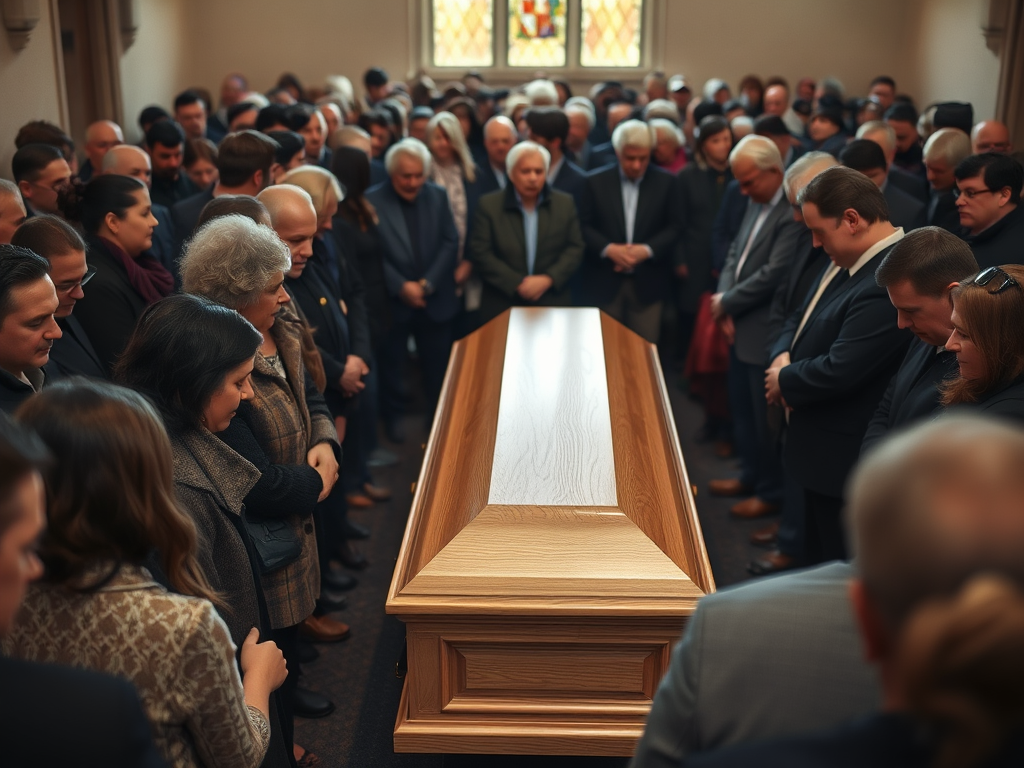
My father was a deeply loved man. He had a large circle of close friends. We chose fourteen pallbearers. This number was still too small to honor everyone who had loved him.
The group included cowboys, law enforcement officers, linemen, ranchers, farmers, and local business owners. These men were known for being tough, stoic, and strong. Only family and pallbearers remained in the church during a private moment after the public service. I watched those same hardened men. They broke down in tears.
They weren’t quietly dabbing their eyes. They were crying. Fully, openly, and without shame.
The Lesson I’ll Never Forget
That moment stayed with me. It showed me that strength and vulnerability are not opposites. The ability to express emotion—especially grief—is one of the most courageous things we can do.
I often say that my father’s funeral was the day I learned it was okay for grown men to cry. And I believe that’s a lesson we need to pass down. Our children need to see that real strength includes compassion and empathy. It also consists of the willingness to mourn openly when we’ve lost someone we love.
Bringing Grief Into the Conversation
Grief is universal and should be discussed across all generations. When we make space for these emotions, we also make space for healing. Children gain from understanding that sadness is a natural response to loss. It doesn’t need to be hidden or avoided.
Resources like the Modern Parenting Hub are essential in guiding families through these complex moments. I’ll share their piece with my readers and loved ones, and I encourage you to do the same.
Final Thoughts
Grief doesn’t follow a timeline. It doesn’t play by the rules. We can talk about it. We can face it together. We can help each other navigate the path it carries through our lives. Let’s teach our children that tears are not signs of weakness—they are signs of love, humanity, and deep connection.
My Dad was a man of fierce independence and deep protective instincts. He and my mom practiced defensive maneuvers as the days of aging grew—he had a plan. She would drop to the ground, and he would shoot over her, neutralizing any imagined threat. This was his way of ensuring our safety, a comforting thought for all of us. Of course, during practice, the gun was always unloaded. But as they grew older, my sisters became worried. Dad was on medication. It sometimes clouded his thinking. They feared he might one day forget to remove the bullets.
Years before, he had suffered a devastating injury. While inspecting a swimming pool facility, a large chlorine container malfunctioned, releasing a gas blast into a control room. He inhaled the toxic cloud, severely damaging his lungs. From that day onward, his breathing was labored, his movements slow and painful. The injury gradually robbed him of his strength until, eventually, he became bedridden.
As his physical strength faded, his concern for my mother’s safety grew stronger. He was terrified that they were vulnerable to burglars or intruders. And so, he devised a plan—an extension of the old drills. My mom would guide them to a specific location if someone ever forced their way into the house. He saw this spot clearly. She would drop to the floor just like in the old days, and he would be ready to fire.
That’s when my sisters turned to me. I’m a law enforcement officer, and they hoped I could safely remove the firearm from his possession. But that was easier said than done. When I spoke to him, he saw what I was thinking. Even in his weakened state, he firmly grasped his beliefs and authority. His determination was palpable. He made it clear that this was his home and responsibility. It was his plan to protect his wife.
But he also took the time to explain how seriously he took the safety of it all. His explanation wasn’t reckless or confused; it was thoughtful. He was rational and transparent in his thinking. In the end, I agreed. He was doing what he believed was best for them.
Still, I wanted to do something more—something that would help ease everyone’s minds. That day, I installed a motion detection system in the house. It covered the living and dining rooms, alerting them if anyone approached. Every door was now an alarm. It gave them peace of mind and ended the dramatic drop-and-shoot rehearsals.
Dad & Buck
Eventually, Dad was unable to get out of bed. He was confined to a hospital-style bed in a small office near their bedroom. His gun was out of reach, and it tore at him. One day, he felt sorrow and frustration. He asked for it not to defend the home. He wanted it to end his pain.
Two weeks later, my mother called an ambulance to rush my Dad to the hospital. They sedated Dad as fluid built up in his lungs, and he passed away there. Quietly, heavily, and—if I’m honest—less on his terms than he would have wanted.
I often think of the day he asked for the gun and couldn’t reach it. Part of me believes it would’ve been a more dignified end. He had spent his life in control. He always defended his family and lived by principle. But the law is clear, and so is the burden of those left behind. As much as it hurt, I nor anyone could hand it to him.
We had to invest a lot of time making each other laugh. Honestly, the truth behind what we dealt with every day was so damn depressing. I’m talking about my days in law enforcement. There were long shifts, chaos, and tragedies. We pulled practical jokes to stay sane.
We had an incredibly well-liked lieutenant. I admired him immensely. He was competent, dedicated, and a strong leader. Yet somehow, he always found himself in absurd situations. He was often under fire from the chief. I’ll admit, on more than one occasion, I have played a small role in those misadventures.
One day, we were in the breakroom. It never failed. Just as you were halfway through a cup of coffee, a call would come down. You’d have to bolt. Out of habit, everyone would set their half-filled cups on the vending machine on the way out. When we returned from a call, the lieutenant came in, frustrated. He began to reprimand everyone for making the breakroom look like a pigsty. This was ironic, given the usual state of his desk.
The Coffee Cup Case
He stomped to the vending machine and picked up the abandoned cups. The first few were empty, which he confirmed by holding them up to the light, right over his face. Then he grabbed one that still had coffee and did the same. It spilled directly onto his uniform. He stood there stunned, dripping. The rest of us just sat, silently watching like it was a movie scene.
I walked over, grabbed his tie, and wrung it out. A drip of coffee came out and landed on his boot. The whole shift erupted in laughter. The lieutenant stormed out, fired up his patrol car, and squealed the tires, leaving the station.
Unluckily for him, the chief had parked just down the street to watch the night shift in action. He saw the whole thing and chewed the lieutenant for over an hour.
Despite the pranks, the lieutenant and I had a solid bond. One time, he made a big announcement at shift change in front of everyone. He said he’d be riding with me to assess my patrolling skills. I just looked at him and said, “That’s fine, but you’re gonna have to sit over there and be quiet.” The room burst into laughter. He chuckled and said,
“Only you could get away with saying something like that.”
That was our partnership. He knew I’d undoubtedly have his back, no matter what. Off-duty, we were good friends. We went fishing together. We also vacationed with each other’s families. I had his back more than once when things got real in the field.
There were other moments, too. One traffic officer had a bad habit of leaving his patrol unit running and unlocked outside the station. It was just begging for a prank. One night, another officer and I gave in to temptation. My buddy hopped in the driver’s seat; I took the passenger side. He threw it into drive, and off we went—sirens blaring.
Inside, the officer was digging through his briefcase, organizing reports. When we took off, he jumped so high that he spilled the contents everywhere. Another officer watching couldn’t stop laughing long enough to explain that it was just us. The guy never left his car running again.
Someone had a bright idea once. They sprinkled paper punch-outs and glitter on the ceiling fan blades above the chief’s desk. The switch was right next to where he sat. We all gathered casually in the hallway outside his office the next day as he walked in and sat down. He flipped the fan on, and poof—a cloud of glitter and confetti rained down. He was not amused, but the image of him sitting there covered in sparkles was priceless.
It sounds like a waste of time to outsiders, but these pranks were how we coped. We had seen some of the worst humanity had to offer—child abuse cases, fatal car crashes, suicides. These moments of humor were survival mechanisms. It’s not unique to us; veterans, ER nurses, and paramedics do it. It’s often called gallows humor, and studies have shown it serves a psychological role. A 2022 article in Police1 explains the benefits of using dark humor in traumatic fields. It helps create emotional distance and encourages bonding. It also prevents burnout.
To the public, the jokes sound crude or inappropriate. But behind closed doors, it was how we held onto our sanity. This was true among those who carried the weight of human suffering daily. It was how we kept the darkness from winning.
Growing up, it often felt like there wasn’t much to do. With six siblings and a life rooted on the farm, family trips or outside adventures seemed few and far between. But looking back now, I see how much my parents did to involve us in meaningful experiences.
They took us to local places of interest. They spent time with each of us in ways many parents couldn’t. At the time, I thought we were the ultimate close-knit family. My dad and I shared rodeos, horse sales, parades, and trail rides. He and my mother supported my sister’s love for basketball, attended games, and nurtured her talent. Another sister was given a piano, music lessons, and encouragement toward college. One of my brothers was allowed to buy into the farm and build a home. The two oldest boys had long since charted their paths. One went into the Marines. The other entered a world that eventually led to affluence. But no matter how far they went, they always came home for the holidays.
My mom’s youngest brother—my uncle—was a bonus sibling. He’d been born late in my grandparents’ lives, and as a teen and young adult, he often lived with us. He’d served in Vietnam. Though he was quiet about it, he carried a weight we all respected—even if we didn’t understand it fully.
One weekend, something unexpected happened. When I was 9, my uncle and brothers convinced my dad to take us to the lake. It was a rare outing, especially with all of us. I’d heard stories of him taking the family boating at lakes years before I was born. Yet, he had stopped going by the time I came along.
This lake trip, still, wasn’t a return to those stories. It was just up the road—Sayler’s Lake. It wasn’t much to look at. An old log cabin marked the entrance. The water looked murky and unsettling—it resembled a scene from a horror movie. Locals whispered that the lake had claimed lives—more than a few. It didn’t seem right, but the place had a reputation.
We arrived around 10 a.m. I was eager to get in the water, but my mother insisted I wear a life vest. I didn’t know how to swim, and she wasn’t taking any chances. I hated the bulky vest, but hated the thought of drowning more. My sisters had taken swimming lessons when we lived in town—those services didn’t exist where we were.
I paddled around, watching others enjoy themselves.
Across the water, people were diving from a rocky cliff. Some men dove headfirst, then climbed back up and did it again. It looked reckless, almost like a dare to death. Then, one of them dove in—and didn’t come back up.
I’ll never forget the girl on the cliff yelling,
“Where is he?”
People jumped into action. After five or ten long minutes, someone pulled his body from the water and dragged him to shore. The owner of the lake raced down in a pickup and began CPR. I stood there, stunned. It was the first time I’d ever seen someone dead—or nearly dead—pulled from water.
Then, the town ambulance arrived. It wasn’t like the ones you see on TV—it was a white Buick station wagon. An old man climbed out carrying an oxygen tank. When the victim’s friends saw him, they shook their heads and told him it was too late.
“You need a body bag.”
One of them said.
I didn’t know what a body bag was. But I figured it out when the old man pulled a stretcher from the back of the car. With the help of bystanders, he loaded the man’s body. Out of compassion, he turned on the red lights and the siren. Then he drove off.
I returned to where our family had set up a picnic. I don’t remember what I said—maybe something a little too grown-up or too curious—but I remember my father flicking me on the ear and speaking sharply,
“You aren’t quite that old yet.”
I’ve often wondered what that moment meant to him. Maybe he wasn’t angry—he was just shaken. Perhaps he didn’t want me to see what I had seen. That day made me grow up faster than he wanted. He liked to keep things under control, and this wasn’t one of those things.
Life doesn’t always allow us to choose the lessons we learn. Sometimes, they arrive uninvited on an ordinary day by a haunted lake.
When we arrived home that evening, the television was on in the living room. The news was starting. And there it was—Sayler’s Lake. A reporter stood near the very spot we’d been earlier, microphone in hand, delivering details about the drowning. I sat in disbelief, watching the event replay like it belonged to someone else’s world, not ours.
I remember thinking: How did they find out so fast? How had the news team gotten there?How did they film the scene, return to the station, and prepare the report all before dinner? It made the whole thing feel surreal—too real but somehow distant. The reporter confirmed what we had already feared. The man had died.
That moment glued itself to my memory. The sound of the television stayed with me, and the familiar living room around me lingered in my thoughts. The weight of what we had observed just hours earlier was still there. It layered into a quiet understanding. The world outside our farm can change in an instant. Sometimes, there are no answers—just echoes left behind by events too big to fully grasp.
Harold Wexley Meets Clara And Breaks A Lifetime Habit.
Harold Wexley had long been known as a man of chance, a stochastic gentleman in the truest sense. Every decision he made was determined by a roll of the dice. It is also a flip of a coin, or even the pull of a card from his always on-hand deck. From his morning coffee to his afternoon walk, these decisions were all governed by chance. He couldn’t help himself; he believed the universe spoke best through randomness.
Harold’s peculiar habits started in childhood, much to the frustration of his parents. When asked whether he wanted vanilla or chocolate ice cream, he had a peculiar method. He would spin a top to let its direction decide his fate. By adulthood, his stochastic tendencies had taken total hold of his life. He never planned meetings but let a shuffled calendar decide his day. His wardrobe choices were dictated by pulling slips of paper from a hat. Even Harold’s relationships were governed by chance. If a coin landed on heads, he’d go on a second date. If it landed on tails, he’d never call again.
One day, Harold found himself at an unfamiliar café. That morning, he drew a card from his well-worn deck. It led him three blocks further than his usual haunt. He sat down with his coffee—black, no sugar. The choice was dictated by the number he rolled. He noticed a woman sitting across from him, watching with curiosity. She had auburn hair, a sharp gaze, and a half-smile that suggested amusement.
“You look like a man who just lost a bet,”
She said, sipping her latte.
“Not lost,”
Harold corrected, pulling a die from his pocket and rolling it across the table.
“Just after fate.”
She watched as the die landed on a four. Harold nodded. He reached for a muffin from the café’s showcase. It was as if he had just received permission from the universe.
“And if it had been a five?”
She asked, tilting her head.
“No muffin,”
He replied, taking a bite.
She chuckled.
“So, does chance decide everything for you?”
Harold hesitated. For the first time in years, he found himself unsure. The habit had become so ingrained that Harold had never considered questioning it. But as he met her gaze, something unfamiliar stirred—a wish to choose, not just to follow.
“Not everything,” he admitted, slipping the die back into his pocket.
“At least… not today.”
And for the first time in as long as he remembered, Harold decided without rolling, flipping, or shuffling. He asked for her name.
She smiled.
“Clara.”
He extended a hand.
“Harold.”
The universe held its breath, waiting. But for once, Harold ignored it.
Every morning, the sun rose over Willow Creek. Clara Jackson would pour herself a cup of coffee. She would then sit by the window and scroll through the news on her phone. Headlines blared with despair. Civil rights were being denied. People were being removed from their families because of their citizenship status. There were natural disasters, economic struggles, and political turmoil. It seemed as if the world was unraveling thread by thread. Each day felt heavier than the last, and Clara found it harder to believe in a brighter tomorrow.
One cold morning, as the weight of the world’s problems sat on her chest, she noticed her elderly neighbor, Mr. Thompson, hobbling down the sidewalk with a broom in hand. His frail figure moved with purpose. He swept the fallen leaves away from everyone’s doorstep. As he worked, he whistled a tune that carried a sense of ease Clara hadn’t felt in a long time.
Curious, she stepped outside and called out,
“Mr. Thompson, what are you doing out here so early?”
The old man looked up and smiled warmly.
“Clearing the way, my dear. It’s a little thing, but it makes the morning brighter for everyone.”
Clara laughed softly.
“With all that’s happening in the world, does this really make a difference?”
Mr. Thompson leaned on his broom and nodded.
“Oh, it does, Clara. You see, the world’s got its troubles, but right here, right now, we can still bring goodness. You can’t control the storms outside, but you can light a candle inside.”
His words settled into Clara’s heart like a gentle breeze pushing away the clouds. That afternoon, instead of drowning in the news, she baked cookies and shared them with neighbors. She took her old paintbrushes out of the closet and added splashes of color to the worn fence outside. And as she handed out treats to passing children, she felt something stir inside her—hope.
Days turned into weeks, and Clara found that small acts of kindness helped her navigate the darkness in the world. She volunteered at the local shelter. She also planted flowers along the sidewalks. Clara spent more time listening to the laughter of children at the park. The news was still grim, but Clara had found something stronger—hope born from action, not fear.
One evening, she closed her book and looked out at the quiet street. She realized the world hadn’t changed overnight. But she had. And that was enough to believe in a brighter tomorrow.
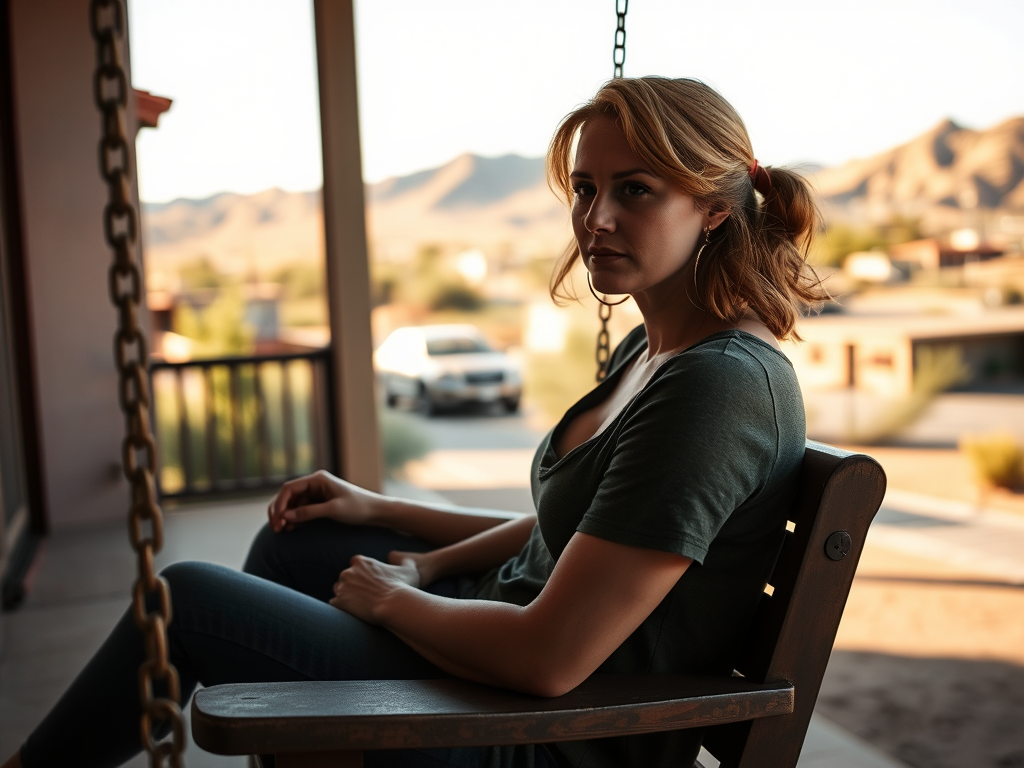
Maggie sat on her porch swing. The soft creak of the old chains was the only sound in the still afternoon air. The sun hung low, casting golden hues across her small Arizona town, but inside her chest, a storm raged. The day had been a whirlwind of mishaps. She missed deadlines at work. She had an argument with her sister. She also nagged worry about her aging father’s health. Each problem was stacked like bricks on her shoulders, weighing her with unresolved concern. She was in the midst of a battle for her Peace.
She sipped her tea. She hoped the warmth would soothe the ache. Yet, peace felt distant, like a mirage on the desert horizon. Her mind churned with “what-ifs” and “should-haves,” a relentless cycle that robbed her of the quiet she desperately craved.
Maggie took a deep breath and closed her eyes. She listened to the distant rustling of mesquite trees. Occasionally, she heard the bark of a neighbor’s dog. The natural sounds around her conveyed a message of resilience and adaptability. Slowly, she exhaled, reminding herself of her grandmother’s words: “You can’t stop the wind, but you can learn to bend.”
She stood and walked to the edge of her yard. Her fingers brushed over the delicate petals of the wildflowers. They had sprung up after last month’s rare rain. Their resilience struck her—fragile yet persistent, thriving even in the harsh desert soil.
Realizing she couldn’t control everything, Maggie focused on the now. She let the day’s stress settle, acknowledging it but not giving it power. She watched the sky darken into twilight. The first stars peeked through. She felt a little lighter with each breath. It was the power of being here, of living in the moment, that brought her Peace.
She realized Peace wasn’t about escaping the chaos but finding a quiet place. And tonight, as the desert cooled and the cicadas began their evening song, she finally let herself rest. The relief was palpable, like a weight lifted from her shoulders, as she surrendered to the tranquility of the night.