A Dog Will Always Keep You Honest – Truly!

Groff Media 2024© Truth Endures IMDbPro

Presented by benandsteve.com By: Benjamin Groff II©

2–4 minutes

They will always find ways to expose the truth whenever it is necessary. A dog will keep you honest because they are always watching you. They know everything you do. They hear everything you say.
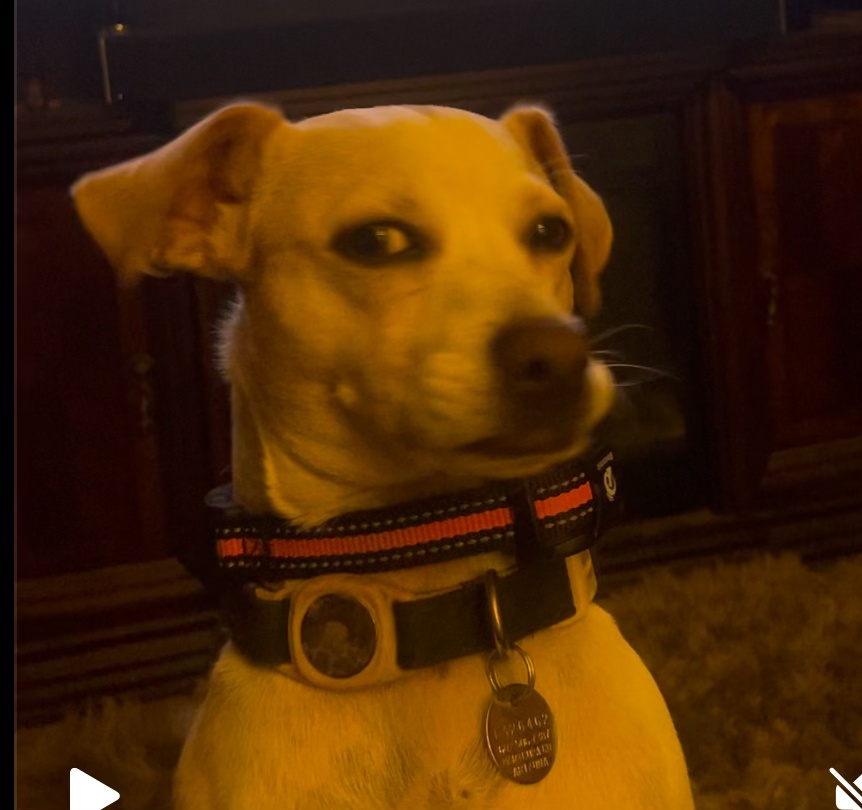
Take, for example, Otis, a Jack Russell Terrier with soulful eyes and a tail that wagged like a metronome. Otis belonged to Ben and Steve, who pride themselves on being organized and composed. But Otis saw through it all. He knew when Steve “accidentally” skipped the morning bike ride. Steve chose instead to lounge in his recliner with a cup of coffee. Steve tried to cover up his lapse in discipline. He mentioned a “hectic morning” to explain his work demands. Otis carried the bike shorts he had abandoned by the door into the middle of the living room. His silent reproach was explicit.

Dogs, after all, have a way of sniffing out the truth—not just with their noses but with their instincts. Otis had a keen sense of timing. He knew when Ben told little white lies to his mother over the phone. Ben claimed his last doctor’s appointment suggested he was healthy. Meanwhile, he was polishing off a bag of chips. Otis would sit by his feet. He stared intently, daring Ben to admit to the salty crunch he tried to hide. Finally, Ben conceded and gave Otis a chip. He did it to keep Otis quiet during the phone conversation.
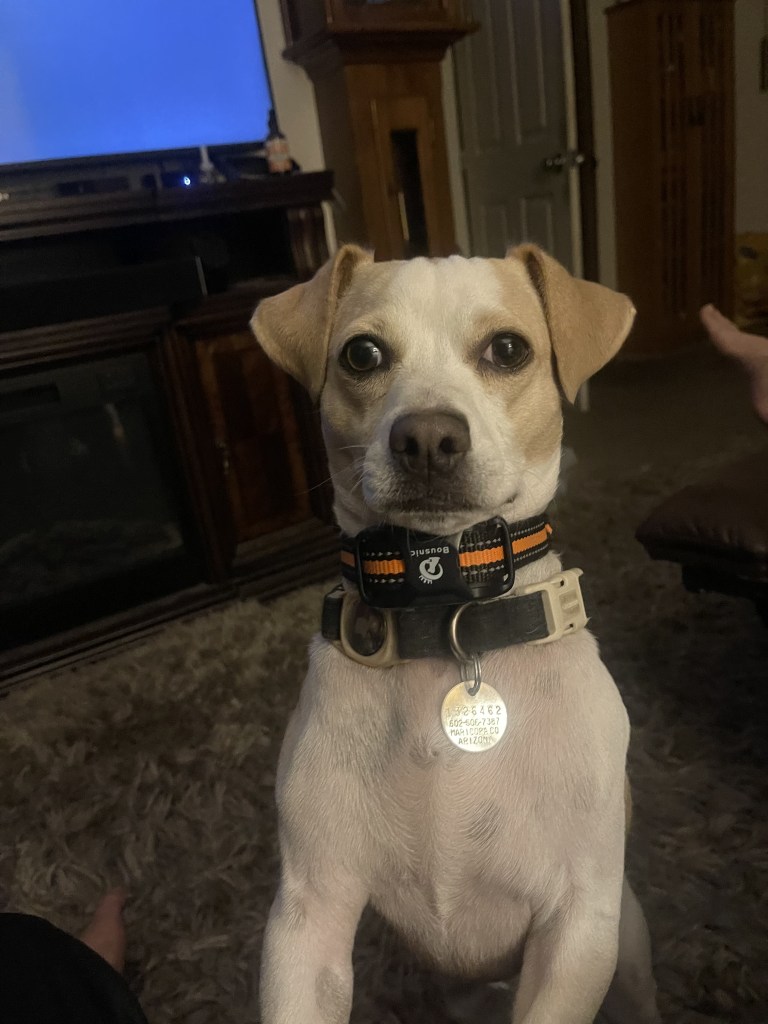
But Otis’s honesty wasn’t just about catching lies. He had an uncanny ability to bring clarity to the chaos. One summer, Ben and Steve’s neighbor, Mary, argued about a missing garden gnome. Steve assured Mary they hadn’t seen it. Yet, when they let Otis out that evening, he returned with the gnome in his jaws, proudly wagging his tail. Maybe Ben and Steve had borrowed it. Or Otis had “borrowed” it himself. The truth stood on four legs, panting happily.

Otis also kept Steve honest about his emotions. When Steve plastered on a smile for his colleagues after a lousy day, Otis knew better. He’d gently nudge Steve’s arm. Sometimes, he laid his head on Steve’s lap. This grounded Steve with the companionship that didn’t tolerate pretending. Dogs don’t care for masks; they prefer the raw, unfiltered you.

And that’s the magic of a dog’s honesty. They don’t demand perfection—they demand authenticity. They hold you accountable not with judgment but with love. Otis didn’t care if Steve skipped a bike ride. He didn’t care if Ben ate chips or if there had been a misplaced garden gnome. What mattered was that they learned to face the truth. It was messy, but they became a better version of themselves because of it. Otis is a good boy, and he proved it, by helping others be good!

A dog will always keep you honest because they never stop believing in the good in you. They don’t just witness your life—they join in it, gently guiding you toward honesty in ways only a dog can.

If you have room in your heart and home for a pet, consider visiting your local animal shelter. These shelters hold loving animals waiting for a second chance to find their forever family. Adopting a pet changes their life and brings warmth, joy, and companionship to your own. A new furry friend can be the missing piece that turns your house into a proper home.

The Intestate Legacy of John Ellis, Esq.

A Glimpsing Report By: Benjamin Groff© Groff Media 2024© Truth Endures

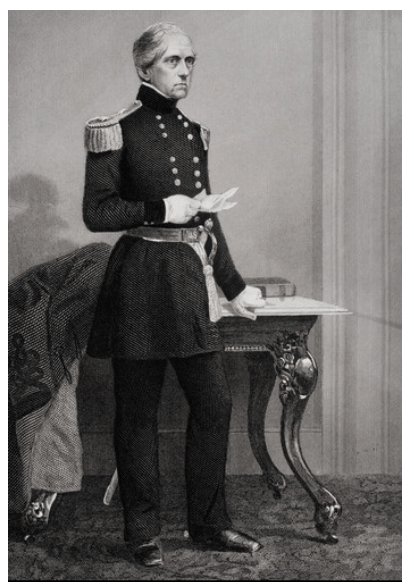
The name John Ellis, Esq. still echoes in the rolling hills and creeks of Deep River, North Carolina. To those who knew him, he was a stern yet fair Justice of the Peace, ruling his township with a measured hand, holding court in his modest home, and settling disputes with the wisdom of a man who had seen both war and peace. However, there was one mystery about John Ellis that no one could quite explain. For all his legal prowess and the order he brought to his community, John Ellis died without leaving a will—a fact unsettled his descendants for years to come and continues to intrigue history enthusiasts and those interested in legal history.

The year was 1812, and a biting winter frost clung to the edges of the Ellis estate, an imposing tract of land the Earl of Granville granted to John fifty years earlier. John’s death cast a long shadow on the west side of Deep River, where his 520 acres stretch over the rugged terrain. His wife, Mary Quinn Ellis, now widowed and frail, remained in their home in Fort Mill, York County, South Carolina, surrounded by memories of their eleven children and the life they had built together. John’spassing was not unexpected—he was 83—but the silence he left behind was.

It wasn’t just his absence that haunted those around him. It was the absence of something else—his final words, his will. John had settled countless estates during his time as Justice of the Peace, ensuring families were provided for, debts were settled, and the land was distributed correctly. And yet, he left no such document for his own family. Eighteen years would pass before his estate got probated in 1831, long after his burial in the family cemetery at Jumping Branch Creek. The delay gnawed at the Ellis children, especially William Quinn, the eldest son, who should have inherited the bulk of the estate. But the land was silent, locked in bureaucratic limbo.

In the years following John’s death, whispers swelled through the small towns of North Carolina and South Carolina, where his family had deep roots. The family cemetery where John and Mary would get buried became a place of whispered tales. Some said that John had left instructions hidden somewhere on his land—perhaps in a letter or beneath a cornerstone in his house. His children, it was said, spent months after his death combing through every inch of the property but found nothing. These rumors and folklore added a layer of fascination to the mystery of John Ellis’s intestate legacy.

The most curious rumor concerned the woods that bordered the Ellis estate. Hunters and travelers passing through Rowan and Tryon Counties spoke of a strange figure—an older man who resembled John Ellis, seen walking among the trees, sometimes at dusk, sometimes at dawn. This figure, they claimed, seemed to be searching for something, bending low to inspect the ground or pausing by the river as if lost in thought. Others said the older man appeared near the family cemetery, wandering among the graves silently.

By 1831, when the estate was finally resolved and divided among the children, most of these tales had faded into local folklore. But there was one final piece of the story that remained unexplained. One autumn afternoon, shortly after the estate gets settled, a group of workers clearing trees from the property stumbled upon a small, hidden clearing by the river. There, beneath a heavy stone, they found a weathered leather-bound book half-buried in the soil. This discovery added a new chapter to the mystery of John Ellis’s intestate legacy, sparking curiosity and speculation.

“To those who come after, let the land be their guide. All answers will be revealed in the river’s flow and the earth’s turning. I leave my legacy to the water, where I once made peace.”

No one knew what John had meant, but the discovery only deepened the mystery surrounding his death. Had John left his will in the elements, knowing it would be lost to time? Or had he chosen, in his final years, to let go of the very legal structures he had spent his life upholding?

The land remained, of course, just as the family stayed. However, the legend of John Ellis, Esq. grew with each passing year. And those who ventured near Deep River, when the mist was thick and the air still, would sometimes swear they heard a voice, carried on the wind, speaking words too faint to be understood.

Perhaps, they said, John Ellis had finally found his will—hidden somewhere between the river and the earth, waiting for those brave enough to listen.
 

The End.