
By Benjamin GroffMedia© | benandsteve.com | 2025 Truth Endures©
Part Four: Red Flags and Shrugged Shoulders
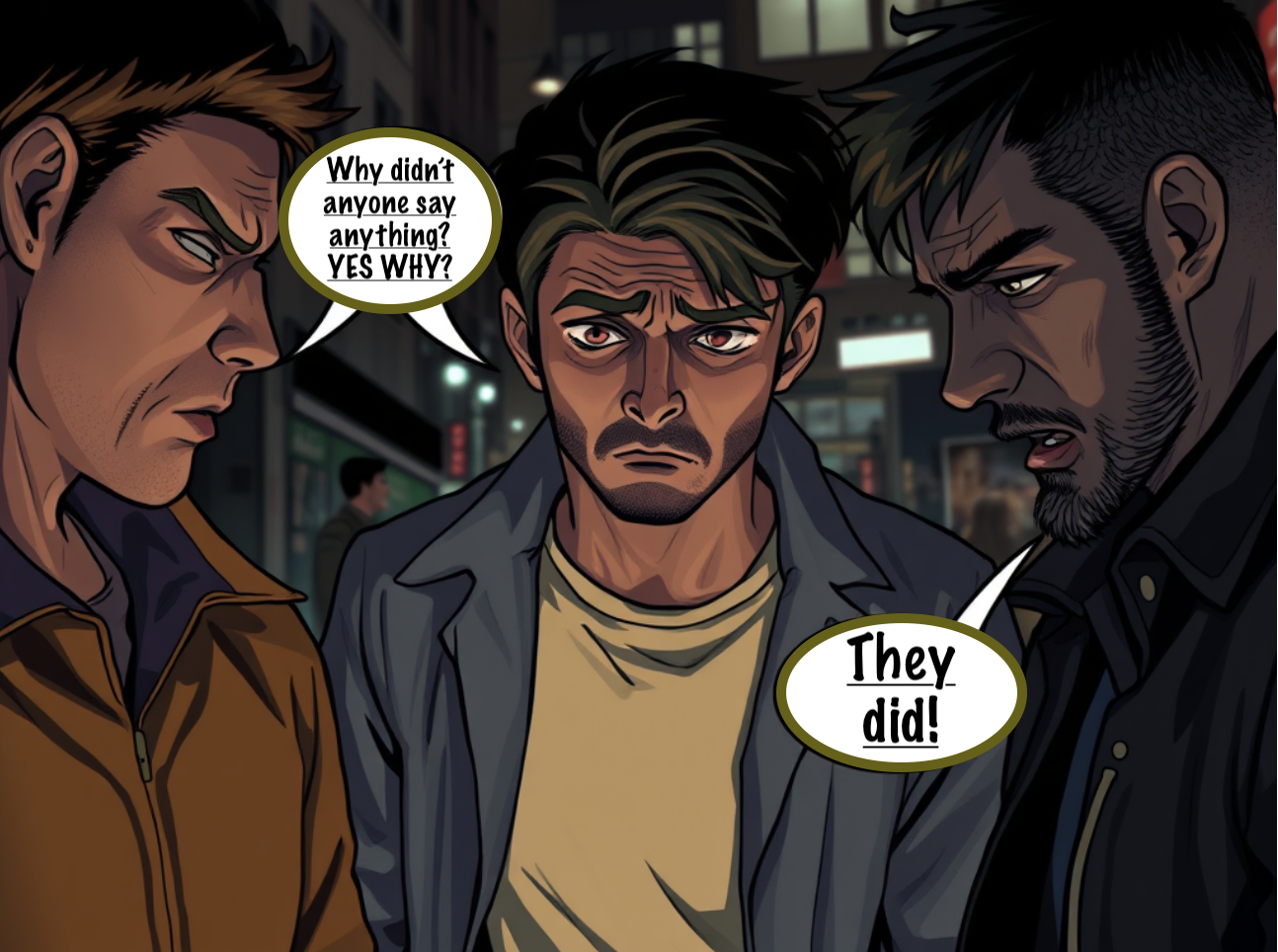
After every mass shooting, the same story unfolds.
News reports reveal the shooter made threats.
He posted disturbing content.
He stockpiled weapons.
He scared people.
And then the world asks,
“Why didn’t anyone say something?”
Except someone usually did.
They said it quietly to a friend.
They reported it to HR.
They sent up a flare—but it fizzled in a system built to tolerate discomfort until it explodes.
“It Just Felt Off”

Human instinct is powerful.
We know when something doesn’t feel right—when someone is spiraling, simmering, or clinging to rage a little too tightly.
But we’ve been trained to doubt our gut.
Why?
Because:
- We don’t want to overreact.
- We don’t want to get someone in trouble.
- We don’t want to look paranoid or mean or judgmental.
So we say things like:
- “He’s just blowing off steam.”
- “He’s always been like that.”
- “It’s probably nothing.”
Until it’s not.
The Signs Were There. The Action Wasn’t.
Let’s break it down. Red flags can look like:
- Obsessive talk about violence or past shooters
- Extreme ideological rants
- Sudden personality changes or withdrawal
- Threats—direct or veiled
- Obsession with weapons or martyrdom
- Social media posts that scream “notice me”
But here’s the kicker:
Even when these signs are clear, most people don’t act.
And when they do? They’re often ignored, dismissed, or redirected through layers of bureaucracy.
“It’s not our jurisdiction.”
“We can’t do anything unless he acts.”
“He hasn’t broken any laws.”
We treat early warning signs like legal puzzles, not human lives.
Fear of the Awkward Conversation
Red flags aren’t just missed.
They’re avoided—because confronting someone is uncomfortable.

- What if I’m wrong?
- What if they get mad?
- What if it ruins my relationship with them?
- What if it’s not serious?
So instead of leaning in, we back away.
And we let someone else deal with it.
Except, too often, there isn’t someone else.
The Burden of Hindsight
Afterward, the red flags look obvious.
Crystal clear.
Undeniable.
But by then it’s too late.
And we’re left with vigils, flowers, and questions we didn’t ask soon enough.
A Shift in Mindset
We need to stop treating red flags like rumors.
They’re signals. Warnings.
Opportunities to intervene.
That doesn’t mean we accuse people on a hunch.
It means we build systems and cultures that listen.
That act before a weapon is drawn, not after.
Because by the time the police tape goes up, the story’s already been written.
Coming Up in the Series:
Part Five: What We Can Actually Do About It
We’ve identified the patterns. We’ve seen the signs. Now it’s time to talk about real solutions—what works, what doesn’t, and why “thoughts and prayers” aren’t enough.
About the Author:

Benjamin Groff is a former police officer and radio news anchor. He has hosted programs for CNN and ABC News affiliates in Colorado and Wyoming. His career in law enforcement began in 1980 and lasted more than two decades. This gave him firsthand insight into the criminal mind and public safety. Moreover, it provided him with an understanding of the human stories that often go untold. His writing draws on these experiences, blending street-level truth with a journalist’s eye for the bigger picture.



 benandsteve.com