Twila Elouise: The ‘Standard Oil Baby’ and Her Amazing Birth Story

By Benjamin GroffMedia© | benandsteve.com | 2025 Truth Endures

3–4 minutes

A Frightening, Comical, and Hostile Ride: The Birth of Twila Elouise

By early June of 1960, Oklahoma’s summer heat had already settled in, pressing down across the vast plains. In Oklahoma City, JD Groff attended a convention of oil producers. He was representing Standard Oil Company alongside his superior. His superior was a man named Harold. Harold had a reputation for being both respected and heavy-handed with a whiskey glass.

Meanwhile, back in Clinton, JD’s wife Marjorie—known to family and friends as Margie—had decided to stay home during JD’s trip. Margie had four children already—Sheldon, Terry, Dennis, and Juli. She wanted to stay close to JD’s sister and brother-in-law. They could quickly step in and help with the kids if she needed to go to the hospital. It was a decision made with foresight and care, and as it turned out, it was the right one.
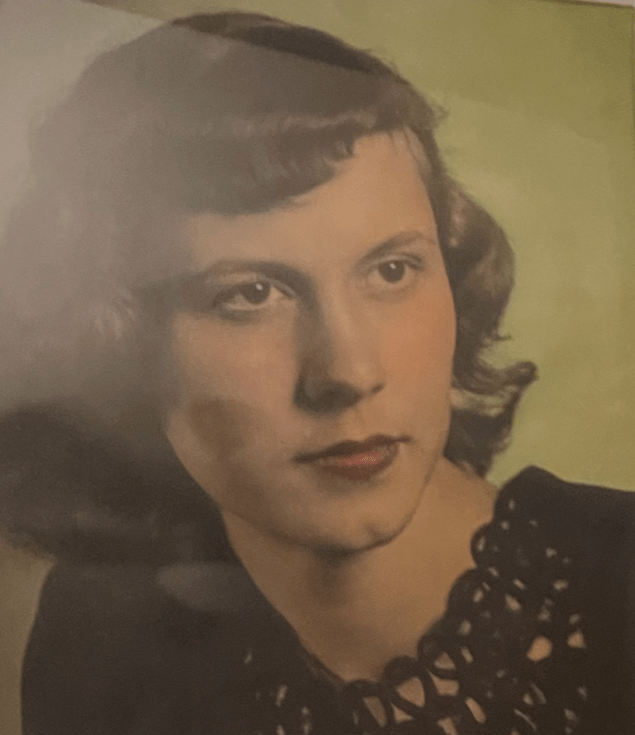
On June 2, Margie went into labor.

Her calm steadiness defined her actions. She went to the hospital, and the children were safely in good hands. Virgil Downing, her son-in-law, knew that JD needed to be reached quickly. He called the hotel in Oklahoma City. The oil convention was being held there. He had the front desk page, JD Groff.

“They called my name right in the middle of the banquet,” 

JD later recalled. 

“Everything stopped. I knew right then — it was time.”

JD bolted from the room, his heart pounding and his hands reaching for his keys when Harold intercepted him.

“You’re not driving,”

Harold slurred, wagging a finger. 

“You’ll crash the damn car. You’re too excited, Groff. I’ll take you.”

JD tried to argue and pry the keys back, insisting that Harold should not drive. He even asked him multiple times to pull over. They should then switch places. Harold refused every time. He repeated with drunken certainty that he was the safer choice.

“You’ll wrap us around a tree,” 

Harold barked, gripping the wheel with one hand and gesturing wildly with the other. 

“You’re gonna be a daddy tonight, shaking too much to steer.”

A two-hour rollercoaster ride across the Oklahoma highways followed. It was a journey that JD would remember for the rest of his life.

“He passed cars on the left, passed them on the right,” 

JD said later. 

“He cussed at every truck, hollered at every red light, and nearly rear-ended a tractor. At one point, he tried lighting a cigar while doing 80 down a back road.”

As JD would describe, 

“frightening, comical, and hostile all at once.”

By some miracle, they made it to Clinton in one piece. JD leaped from the car, bolted into the hospital, and made it to Margie’s side just in time.

That evening, on June 2, 1960, their daughter was born: Twila Elouise Groff.

JD had already picked the name. Twila for its soft, lyrical sound. Elouise served as a tribute to the Groff family lineage. This name stretched back to the family’s Swiss heritage. It was carried by strong women long before the Groffs ever set foot in America.

Twila’s birth quickly became more than a family milestone — it became a local legend.

In the next weeks and months, oil producers stopped by JD’s Standard Oil station in Clinton. Sales associates also visited. Colleagues from the convention came by as well. They checked in. 

“How’s the baby?”

They’d ask. 

“Did Harold drive you the whole way like a bat out of hell?”

Before long, the story had taken on a life of its own. Twila became affectionately known among oil company executives as 

“The Standard Oil Baby.” 

Her name would be mentioned at future conventions and meetings across Oklahoma. JD’s wild ride—and Twila’s prompt arrival—became an industry folklore, retold with laughter, awe, and camaraderie.

Years later, when new sales associates came through Clinton, they’d stop in and say, 

“Is this where the Standard Oil Baby lives?”

And JD, with that familiar half-smile, would nod proudly and say, 

“Yes, sir. That’s her.”
From Alps to Illinois: Ulrich L. Groff’s Inspiring Life Story

By Benjamin GroffMedia© | benandsteve.com | 2025 Truth Endures©

3–5 minutes

The Life and Legacy of Ulrich L. Groff

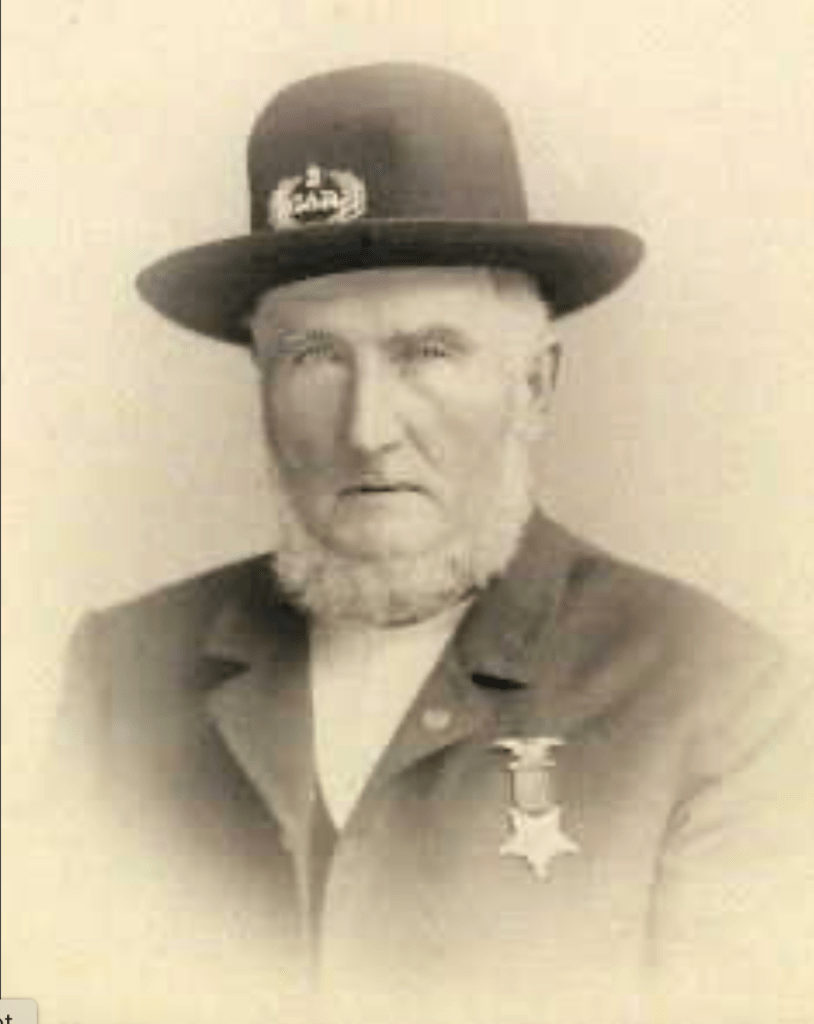
Ulrich Groff Sr.

Ulrich L. Groff was born on October 8, 1848, in the alpine village of Wengen, nestled in the canton of Bern, Switzerland. Ulrich and Mary Miller Groff were Swiss natives. They were described on their immigration papers as “tillers of the soil.” These were farmers seeking a better future. In Switzerland, the Groff family lived in a small but close-knit community. It was in this environment that Ulrich learned the values of hard work. He also learned perseverance and family unity.

In 1852, when Ulrich was just four years old, the Groff family made a monumental journey to America. 

Their voyage took them across the Atlantic Ocean. This information is from family records shared by Sylvia Little, the mother of Jackie Lee Little. They traveled aboard one of the last great sailing ships. The journey lasted a whole month at sea before they landed in the port of New Orleans. From there, the family traveled north through the Wabash and Illinois Rivers, eventually arriving in Vincennes, Indiana.

There, they purchased wagons and teams of oxen to make the final leg of their journey. The Groffs settled in Richland County, Illinois. They would lay down roots and build a new life from the ground up. They faced challenges like language barriers, unfamiliar customs, and the harshness of the American frontier.

By 1860, the Groffs had firmly established themselves in Claremont Township, Richland County. The census that year listed young Ulrich as a ten-year-old student, attending school alongside his brothers Michael and Joseph. His father, a determined farmer, was farming 640 dollars’ worth of land—no small feat for an immigrant family. It was a humble beginning but one filled with purpose and promise.

On December 6, 1870, Ulrich Jr. married Martha Allen Eaks in Richland County. Martha had been born in Cannon City, Tennessee, on December 11, 1849, to William C. and Frances Eakes. Ulrich and Martha began a family together and raised their children on the Illinois prairie.

Ulrich Groff Jr. And Family

By 1880, Ulrich was a working farmer, and he and Martha had three sons: Ira Allen, Harvey S., and Otis E. Over the years, their household expanded to include nine children, with Benjamin H. Groff I. becoming a middle child. Eight of Ulrich Jr.’s children survived to adulthood. The Groff household, a warm and united family, also became a multi-generational home. By 1900, Ulrich’s mother, Mary, was a 74-year-old widow. She had survived the long journey from Switzerland. She also overcame the challenges of building a life in a new land. At that time, she was living with the family.

Martha passed away on February 22, 1906, at 56, and was laid to rest in Eureka Cemetery in Claremont. In 1909, Ulrich remarried, taking Ellen L. Richter of Olney, Illinois, as his wife. Ellen had been born in Bullitt County, Kentucky, to James and Catherine Yates Richter. Ulrich and Ellen had no children together. Later, they helped raise two grandchildren, Cleo and Walker. They stepped in after the children lost their father, Odis Edward Groff.

Ulrich bridged two continents and saw a century of change. He became a U.S. citizen in 1869 and worked on Illinois soil, much like his ancestors did in Switzerland. He never learned to read or write but valued education and ensured his children access it. His life was defined by perseverance, faith, and the quiet strength of a man who carried his family’s burden. Ulrich also became a respected member of the Richland County community. He was known for his hard work, honesty, and willingness to help others.

Ulrich Jr. passed away on June 6, 1927, at the age of 78 years, 7 months, and 29 days. He was buried beside Martha in Eureka Cemetery. Ellen lived on until 1939 when she passed away at the age of 82. She, too, was buried in Eureka.

The legacy of Ulrich L. Groff endures in the farmland he once tilled. It continues through the descendants he raised. The journey his family made was filled with hope. It was marked by courage and the will to start again. They traveled from the Alps of Switzerland to the heartland of Illinois.

Before Otis passed away, he and Ulrich’s son, Benjamin, discovered land in Oklahoma. In the early 1900s, they began farming it together. Benjamin and his sister, Laura Alice Dowty, eventually settled there permanently. They raised their families there and spent the rest of their lives on that land.

From Cotton Fields to Sheriff: The Story of Jess Bowling

By Benjamin GroffMedia© | benandsteve.com | 2025 Truth Endures©

4–5 minutes

Sheriff Jess “Pooch” Bowling, Jr.: From Cotton Fields to County Leader

Jess ‘Pooch’ Bowling

Jess Bowling, Jr. was born in Binger, Oklahoma, on August 23, 1924. At just 11 years old, he left behind half his family. He also left the dusty plains of Oklahoma. He sought a new beginning in California. With his father and brother, young Jess traveled west in a weathered 1929 Buick. They finally settled in the small agricultural town of Dos Palos. His mother, two sisters, and another brother stayed behind in Oklahoma—a family split by circumstance but not by love.

Life in California was anything but easy. Jess Jr. rose with the sun. He toiled in the cotton fields until it set. He contributed what he could to help his family survive. It was hard work—grueling and endless—but there was resilience in the struggle. Sheriff later joked, “We did live in the biggest tent in Dos Palos!”

His father, Jess Sr., quickly became a cornerstone of the growing town. He opened a grocery store, invested in rental properties, and became active in local politics. His leadership and business savvy earned him a seat on the city council and, eventually, the title of Mayor.

Jess Jr. worked in the family store while attending school. He graduated from Dos Palos High School with a reputation for dependability and quiet strength. Not long after, fate stepped in when he met Darlene, a young woman from Iowa visiting relatives. The two married in 1945 and raised three children—Sharlynn, Shirley, and Michael.

The Badge and the Beat

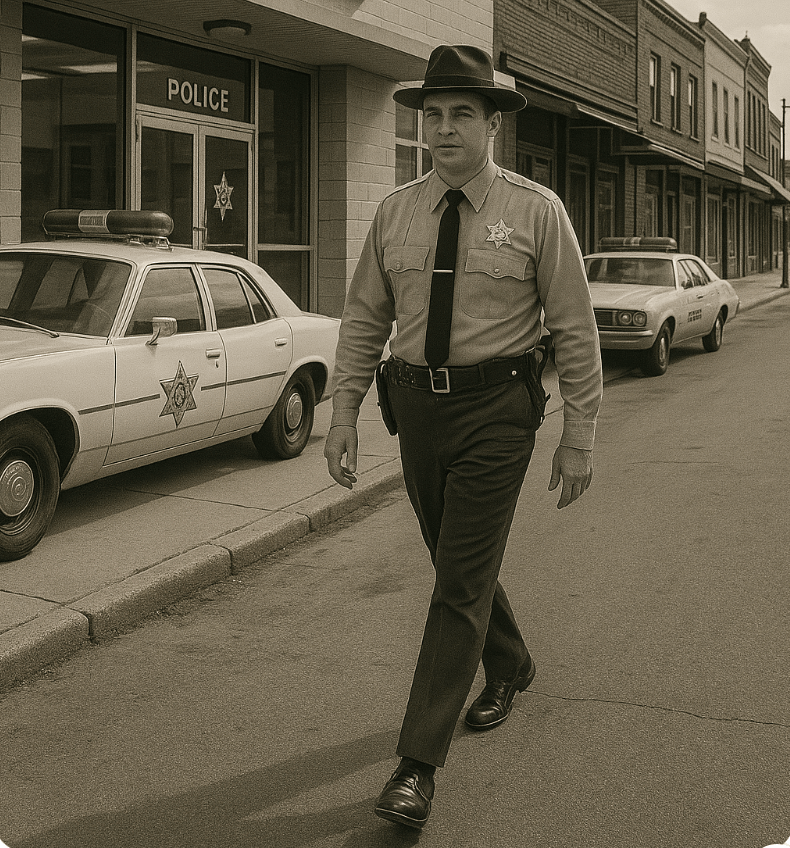
Simulated Photo

Jess Bowling’s journey into law enforcement began in 1953 when he joined the Dos Palos Police Department. His first assignment? Tackling the town’s parking problem. Officer Bowling issued dozens of citations, doing so with a steady hand and a sense of duty. He even issued one to his father, the Mayor. Years later, he found that very ticket among his father’s possessions, a keepsake of humor and integrity.

Although that first stint in law enforcement was brief, it planted a seed. After returning to the family store, Bowling joined the Atwater Police Department in 1956. In 1958, he made the move that would define his career: joining the Merced County Sheriff’s Department.

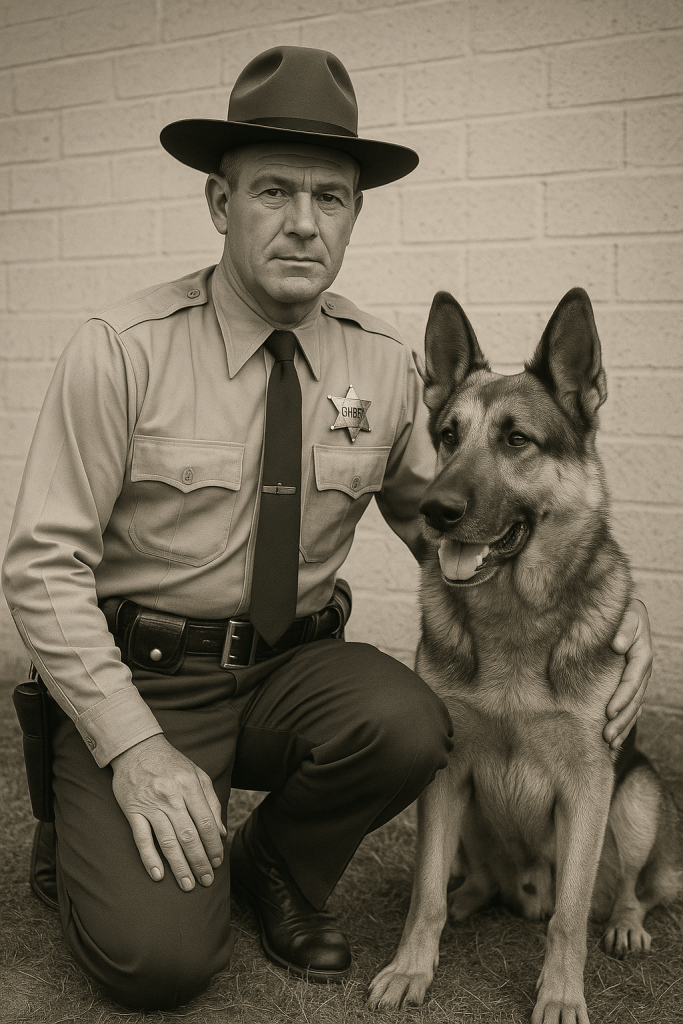
Simulated Photo

In 1963, Bowling became the department’s first-ever canine handler, partnered with a large, loyal German Shepherd named Jim. Together, they helped pioneer a new era of policing.

By 1974, Jess Bowling had risen to the rank of Lieutenant when tragedy struck—the sudden passing of Sheriff Earl McKeown. In the aftermath, Bowling was appointed interim Sheriff. The people had already decided by the time the special election rolled around in May 1975. Bowling’s steady leadership and quiet competence earned him the Sheriff’s badge in his own right.

Reformer, Leader, Trailblazer

Sheriff Bowling led the department through six transformative years. He spearheaded major innovations that professionalized law enforcement in Merced County. Under his administration:

  • The Corrections Division was established, moving jail staffing from deputies to trained corrections officers.
  • Dispatch services were assigned to civilian professionals, freeing up sworn deputies for fieldwork.
  • He launched the county’s first-ever 24-hour patrol, marking the end of the “resident deputy” model.
  • He hired Merced’s first female deputy, breaking gender barriers in local law enforcement.
  • The department acquired its first handheld radios, enabling Bowling to reintroduce the classic “walking beat cop” in areas like Winton.

These weren’t just administrative changes but foundational shifts that shaped the Sheriff’s Department into a modern, responsive force.

His achievements were not only admired—they were preserved. Jess “Pooch” Bowling’s remarkable career is documented in a collection. His family lovingly maintains it as a tribute to a life of service.

Legacy and Final Salute

I had the privilege of knowing the Bowling family. One of my sisters even married Jess’s nephew. Every time he returned to town, Sheriff Bowling brought a yearbook from the department he once led. He proudly pointed out the growth and accomplishments of his former team. The department’s scope, the number of divisions, and the professionalism he helped instill always struck me, as did his accomplishments.

1974 – The first female deputy was sworn in

1974 – First portable transceivers issued to deputies

1974 – The first 24-hour patrol begins

1977 – First Special Emergency Response Team (SERT) organized

1977 – Marshal’s Office established

1980 – Hostage negotiators were trained and included on the SERT team

Merced County Sheriff’s Office, California

But behind the badge was a man who never forgot where he came from. Before the titles and the accolades, Jess “Pooch” Bowling was a boy in a Buick. He was a cotton picker working under the sun. He was a young man doing what he could to help his family survive.

After a doctor advised him to retire due to a serious heart condition, Sheriff Bowling stepped down in 1980. He lived to celebrate his 80th birthday during Merced County’s 150th anniversary in 2005. This honor was fitting for a man who helped shape its modern history.

Jess “Pooch” Bowling passed away on April 18, 2007. He was laid to rest beside his beloved Darlene in Dos Palos Cemetery.

His story is one of grit, integrity, and service. It is a journey from the cotton fields to the highest badge in the county.

It Was A BedTime Story My Grandmother Would Tell Me, But It Was The Weekend That I Loved To Spend!

By: Benjamin Groff II© Groff Media 2024© Truth Endures IMDbPro

It was a bedtime story my grandmother used to tell me when I visited their home on weekends. They lived about forty miles west of the farm we had bought, but they had been farmers in the same area. As they grew older, they sold their place and moved to a larger town, closer to conveniences like supermarkets, doctors, hospitals, and stores. I visited them at least one weekend a month, sometimes more, either hopping a westbound Trailways bus or catching a ride with one of my dad’s friends heading out to Texas. On travel days, I dressed to the nines, careful not to show up looking like a bum, especially since people back then still took pride in looking sharp for such things. Times were changing, though. In the sixties, you started seeing folks on the bus with beads, bell bottoms, and cut-off t-shirts, their hair long, male or female.

I was five years old when I first started traveling with my grandparents, and it became a cherished tradition until my grandmother passed when I was eleven. Even as times changed, my routine remained the same. My grandfather would always park in front of the local drugstore that served as the bus stop in their town. A large courthouse sat in the center of the square, and the bus had to make a loop around it before stopping. The airbrakes would hiss, and I was always be the first one off. The bus driver ensured it, especially since I sat beside him on my suitcase for the whole ride.

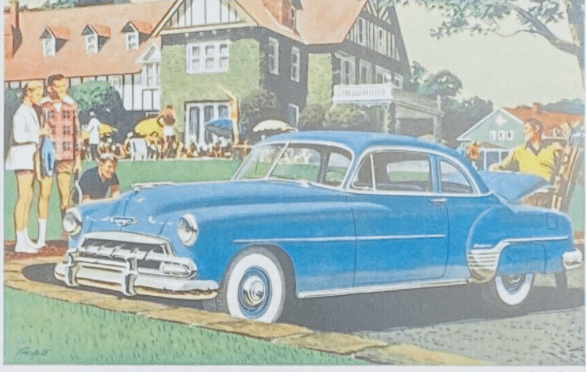
My grandfather, whom I called Pop, would be waiting by the trunk of his 1952 Chevrolet Coupe. As I stepped down those bus steps, the driver would already have handed my suitcase to Pop, who would smile and say, ––––

“Let’s scoot. Mom’s got dinner about ready at home!”

And it was home. My home away from home. I often dreamed of moving there, living with them, and even telling them so. I wanted my dad and our horses to come too because, in my child’s mind, my grandparents loved me so much that they’d love my dad and our horses too.

Pop had a habit of smoking a pipe—or rather, puffing on one. I could spend hours watching him puff smoke into the air in their cozy den. He liked to mix cherrywood tobacco with Prince Albert, and the sweet scent lingered long after he finished, complementing the smells of my grandmother’s cooking, making you want to eat whatever she was making. There was no television after dinner on most evenings. Instead, we’d listen to the ticking of the clock and talk. It was simple, but those talks meant more to me than the grandest concerts I’ve ever attended.

There were exceptions, though. Saturday evenings, we’d watch the news, then Lawrence Welk and Porter Wagoner, followed by a local music show hosted by a furniture store owner. But the TV was always off once Pop went to bed. That’s when my grandmother and I would click it back on for our secret ritual—watching championship wrestling from Oklahoma City. She loved it, getting so worked up that she’d tear tissues to pieces while her favorite wrestlers fought. I’d hand her a new tissue each time she shredded the last one. No one knew about this passion of hers except me, and she confided that she only got to watch wrestling when I visited. It made me feel needed by these two people I loved so much.

At night, I slept on a cot in their bedroom. It was as comfortable as any five-star hotel bed. But before I bedded down, my grandmother would let me crawl between her and Pop in their bed while she told me stories. One of my favorites was when she grew up in East Texas. She’d laugh so hard telling it, tears streaming down her face. It always made me laugh, too.

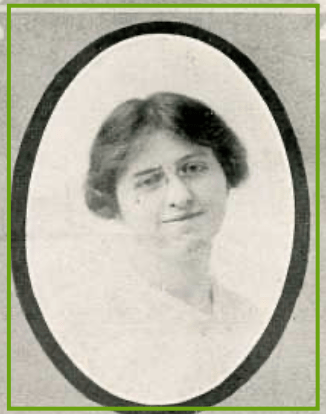
Mom, Florence Lula McElroy, Groff1914

She and her sister Ethyl were watching their little brother, Sam, who had just turned four. The rest of the family worked in the fields when the weather worsened. A funnel cloud was forming in the west, and the sisters, frightened, grabbed Sam and rushed into the farmhouse. Back then, there was no electricity, phones, or fundamental utilities, let alone cars. The girls did the only thing they could think of: they got under the heavy kitchen table, crying as the storm approached.

Not understanding what was happening, Little Sam asked, ––– “What should I do?”

My grandmother told him, ––– “Sam, you should pray!”

But the only prayer the boy knew was the table grace, so he began, ––– “Dear Lord, we thank you for what we are about to receive…”

That’s where the story always stopped because my grandmother would laugh so hard she couldn’t go on. I never knew if the house got hit or the storm blew the farm apart. All I remember is her laughter and how I’d move to the cot, hugging her and giving her a sloppy kiss goodnight.

Years later, I asked my Uncle Sam about that storm. He chuckled and said, ––– “Pots and pans were flying everywhere, and the two sisters were laughing like tea parties. We didn’t lose the house, but it scared me.”

Uncle Sam became my favorite great uncle after that.

I loved hanging out with Aunt Ethyl at family reunions. She dipped snuff—real tobacco, not the stuff you see now. She’d sniff it and tuck some into her upper lip. I could never keep up with her, and my grandmother would have been after me if she ever caught me trying.

On Sunday afternoons, my dad drove to pick me up from the farm. I was always happy to see him but hated leaving my grandparents. I didn’t want to return to the town near our farm—it was never as pleasant as the time spent with Mom and Pop. When I was five, I never imagined that they’d leave this world or that I’d grow up. Life takes the airplane, and time takes the train.

The Intestate Legacy of John Ellis, Esq.

A Glimpsing Report By: Benjamin Groff© Groff Media 2024© Truth Endures

The name John Ellis, Esq. still echoes in the rolling hills and creeks of Deep River, North Carolina. To those who knew him, he was a stern yet fair Justice of the Peace, ruling his township with a measured hand, holding court in his modest home, and settling disputes with the wisdom of a man who had seen both war and peace. However, there was one mystery about John Ellis that no one could quite explain. For all his legal prowess and the order he brought to his community, John Ellis died without leaving a will—a fact unsettled his descendants for years to come and continues to intrigue history enthusiasts and those interested in legal history.

The year was 1812, and a biting winter frost clung to the edges of the Ellis estate, an imposing tract of land the Earl of Granville granted to John fifty years earlier. John’s death cast a long shadow on the west side of Deep River, where his 520 acres stretch over the rugged terrain. His wife, Mary Quinn Ellis, now widowed and frail, remained in their home in Fort Mill, York County, South Carolina, surrounded by memories of their eleven children and the life they had built together. John’spassing was not unexpected—he was 83—but the silence he left behind was.

It wasn’t just his absence that haunted those around him. It was the absence of something else—his final words, his will. John had settled countless estates during his time as Justice of the Peace, ensuring families were provided for, debts were settled, and the land was distributed correctly. And yet, he left no such document for his own family. Eighteen years would pass before his estate got probated in 1831, long after his burial in the family cemetery at Jumping Branch Creek. The delay gnawed at the Ellis children, especially William Quinn, the eldest son, who should have inherited the bulk of the estate. But the land was silent, locked in bureaucratic limbo.

In the years following John’s death, whispers swelled through the small towns of North Carolina and South Carolina, where his family had deep roots. The family cemetery where John and Mary would get buried became a place of whispered tales. Some said that John had left instructions hidden somewhere on his land—perhaps in a letter or beneath a cornerstone in his house. His children, it was said, spent months after his death combing through every inch of the property but found nothing. These rumors and folklore added a layer of fascination to the mystery of John Ellis’s intestate legacy.

The most curious rumor concerned the woods that bordered the Ellis estate. Hunters and travelers passing through Rowan and Tryon Counties spoke of a strange figure—an older man who resembled John Ellis, seen walking among the trees, sometimes at dusk, sometimes at dawn. This figure, they claimed, seemed to be searching for something, bending low to inspect the ground or pausing by the river as if lost in thought. Others said the older man appeared near the family cemetery, wandering among the graves silently.

By 1831, when the estate was finally resolved and divided among the children, most of these tales had faded into local folklore. But there was one final piece of the story that remained unexplained. One autumn afternoon, shortly after the estate gets settled, a group of workers clearing trees from the property stumbled upon a small, hidden clearing by the river. There, beneath a heavy stone, they found a weathered leather-bound book half-buried in the soil. This discovery added a new chapter to the mystery of John Ellis’s intestate legacy, sparking curiosity and speculation.

“To those who come after, let the land be their guide. All answers will be revealed in the river’s flow and the earth’s turning. I leave my legacy to the water, where I once made peace.”

No one knew what John had meant, but the discovery only deepened the mystery surrounding his death. Had John left his will in the elements, knowing it would be lost to time? Or had he chosen, in his final years, to let go of the very legal structures he had spent his life upholding?

The land remained, of course, just as the family stayed. However, the legend of John Ellis, Esq. grew with each passing year. And those who ventured near Deep River, when the mist was thick and the air still, would sometimes swear they heard a voice, carried on the wind, speaking words too faint to be understood.

Perhaps, they said, John Ellis had finally found his will—hidden somewhere between the river and the earth, waiting for those brave enough to listen.
 

The End.

Resilience and Change: The Life of a Depression-Era Farmer

A Story By: Benjamin H Groff II© Groff Media 2024© Truth Endures

Benjamin Harrison Groff stood at the edge of his farmland west of Eakly, on Cobb Creek in Caddo County, Oklahoma, his weathered hands resting on his hips as he surveyed the fields. The sun was setting behind the Oklahoma hills, casting a golden hue over the land he’d come to love and toil. It was 1930, and though the country was heading into hard times, B.H. Groff had built a life here, one of stability and quiet perseverance.

Ben H and Florence Groff

He was 38 years old, married to Florence, and father to three children—Bennie, Dorothy, and JD. His modest but sturdy house had been their home for as long as he could remember. Its value was $3500, and though it wasn’t much compared to the sprawling estates some wealthier landowners had, it was theirs. They had a lodger, Lex Long, a 22-year-old man who had come to stay a while back. The Groffs didn’t need the money, but Lex had been good company with the world the way it was; having an extra hand around never hurt.

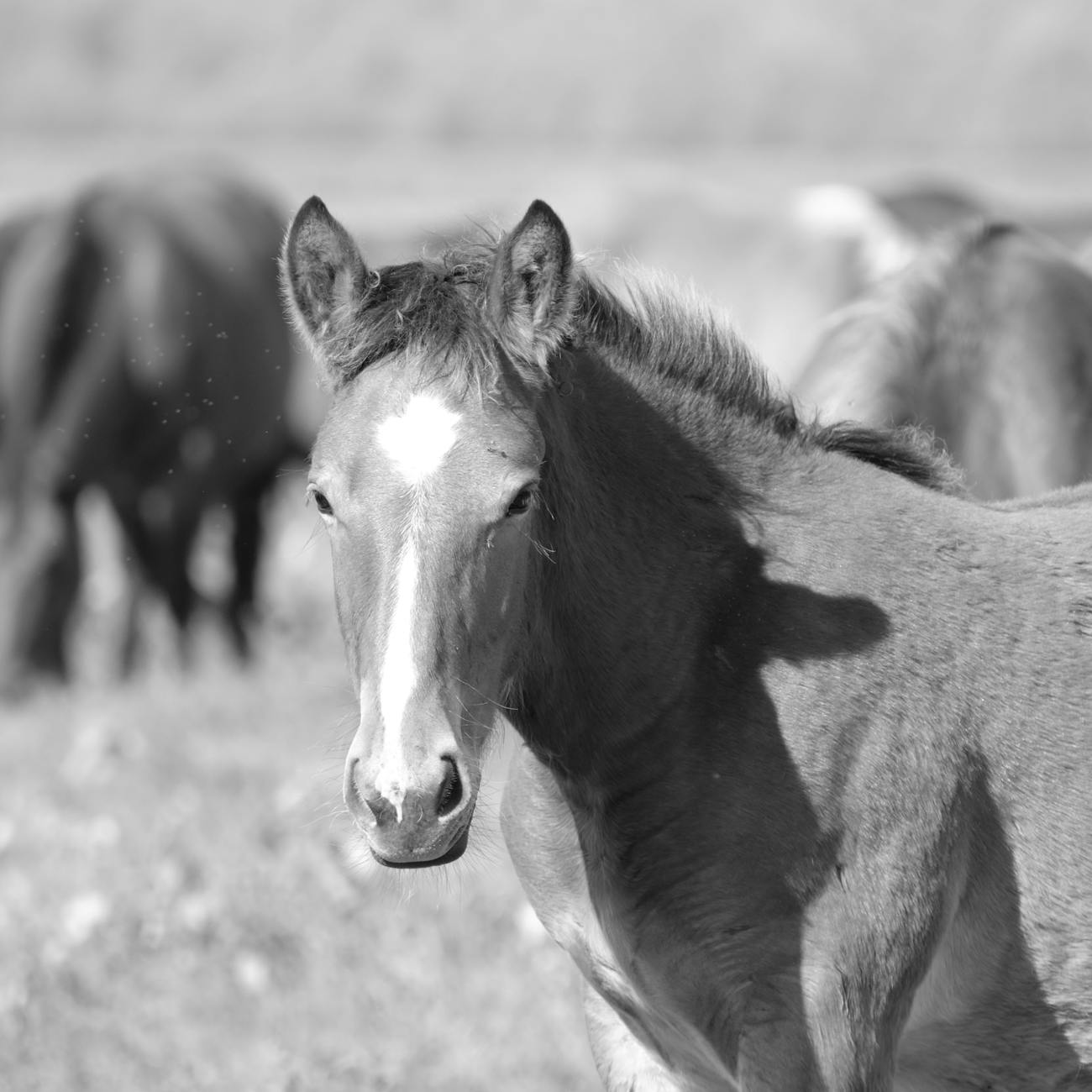
Draught Horses like those kept on Groff’s Farm.

B.H. had been a farmer for most of his life, following in the footsteps of his father, Ulrich Groff, who had immigrated from Switzerland in the late 1800s. B.H. remembered his father well—stubborn, proud, and meticulous about his work. Ulrich had come to America with nothing, finding his way to Illinois, where he built a life with Martha, B.H.’s mother, who hailed from Tennessee. Ulrich had passed a few years ago, but his values and work ethic lived on in his son. Farming had been the family’s lifeblood; Ulrich Groff is a name well known around Olney, Illinois, as the man who, along with his sons, built a barn without any metal, using only wood. It remained a place to see when people visited the town. Through the current day, but lately, B.H. has been reconsidering.

The census taker had come by not too long ago, scribbling down notes as B.H. answered the questions. He had explained that, while still farming, he had recently taken on a new role as an employer, overseeing other farms and workers. The long days of breaking his back were coming to an end. He felt more like a foreman now, guiding others and ensuring the crops were harvested on time. This transition was not just a change in his work but a step towards providing more stability for his family and the families of his workers.

Nearby Binger, Oklahoma 1930s

But still, something was unsettling in the air. The world was shifting—money was tight for many, and the Groffs, while not destitute, were careful with every penny. B.H. looked at their old house, and the absence of a radio set inside was a testament to their simpler lifestyle. He had thought about getting one, but Florence had insisted it wasn’t necessary. “We have each other,” she would say, “What more entertainment do we need?” The lack of a radio, a luxury many families could afford, was a stark reminder of the economic hardships of the time.

At dinner, B.H. would listen to Bennie, Dorothy, and J.D. chatter about school and life on the farm. Bennie, at 13, was getting taller by the day, eager to follow in his father’s footsteps, while Dorothy and J.D. still had a spark of youthful innocence. Florence, ever watchful, would smile softly, her hands always busy with mending or preparing food. The simplicity of their lives didn’t bother her—it was how she preferred it. Their home was a haven of warmth and contentment, a place where the simple joys of life were cherished. The family’s unity and resilience in the face of adversity were a beacon of hope, a testament to the strength of the human spirit during the Great Depression, uplifting those who hear their story.

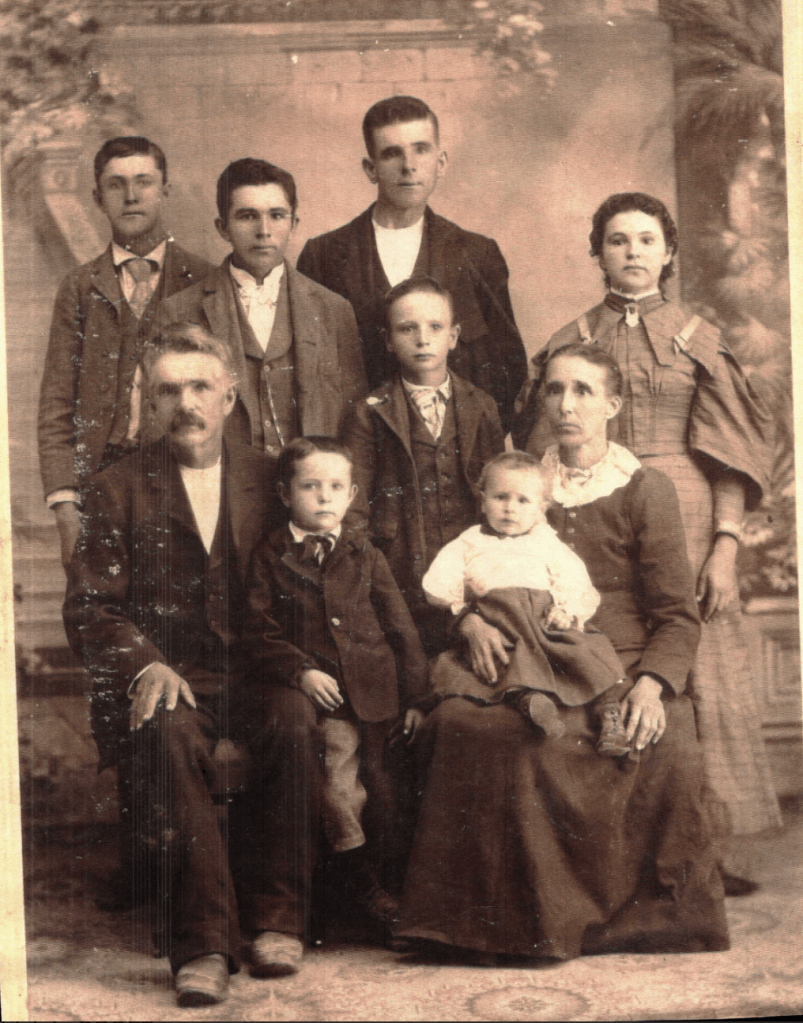
Ulrich Groff & Family

B.H. often wondered what his father would think of the life he’d built. Ulrich had been proud of his roots, reminding B.H. of the Groff family’s journey from Switzerland to America. Now, with Ulrich gone, B.H. felt the weight of his legacy. He wanted to honor it, but times were changing. Ben wasn’t just a farmer anymore but a man responsible for more than his land. He was an employer now, managing men who had their own families. This shift in his role was a sign of progress and a departure from his father’s more straightforward life, reflecting the uncertain and changing dynamics of the farming community during the Great Depression.

The fields stretched out before him, endless and full of promise. As the sun dipped below the horizon, B.H. looked at the land. He knew that whatever the future held, it would be shaped by hard work, perseverance, and the simple joys of family. And perhaps there was room for a bit of change along the way. The future was uncertain, but B.H. was ready to face it with the same determination that had guided him so far.