Breaking Habits: Harold Wexley’s Journey

Benjamin GroffMedia© | benandsteve.com | 2025 Truth Endures©

2–3 minutes

Harold Wexley meets Clara.
Harold Wexley Meets Clara And Breaks A Lifetime Habit.

Harold Wexley had long been known as a man of chance, a stochastic gentleman in the truest sense. Every decision he made was determined by a roll of the dice. It is also a flip of a coin, or even the pull of a card from his always on-hand deck. From his morning coffee to his afternoon walk, these decisions were all governed by chance. He couldn’t help himself; he believed the universe spoke best through randomness.

Harold’s peculiar habits started in childhood, much to the frustration of his parents. When asked whether he wanted vanilla or chocolate ice cream, he had a peculiar method. He would spin a top to let its direction decide his fate. By adulthood, his stochastic tendencies had taken total hold of his life. He never planned meetings but let a shuffled calendar decide his day. His wardrobe choices were dictated by pulling slips of paper from a hat. Even Harold’s relationships were governed by chance. If a coin landed on heads, he’d go on a second date. If it landed on tails, he’d never call again.

One day, Harold found himself at an unfamiliar café. That morning, he drew a card from his well-worn deck. It led him three blocks further than his usual haunt. He sat down with his coffee—black, no sugar. The choice was dictated by the number he rolled. He noticed a woman sitting across from him, watching with curiosity. She had auburn hair, a sharp gaze, and a half-smile that suggested amusement.

“You look like a man who just lost a bet,”

She said, sipping her latte.

“Not lost,”

Harold corrected, pulling a die from his pocket and rolling it across the table.

“Just after fate.”

She watched as the die landed on a four. Harold nodded. He reached for a muffin from the café’s showcase. It was as if he had just received permission from the universe.

“And if it had been a five?”

She asked, tilting her head.

“No muffin,”

He replied, taking a bite.

She chuckled.

“So, does chance decide everything for you?”

Harold hesitated. For the first time in years, he found himself unsure. The habit had become so ingrained that Harold had never considered questioning it. But as he met her gaze, something unfamiliar stirred—a wish to choose, not just to follow.

“Not everything,” he admitted, slipping the die back into his pocket.

“At least… not today.”

And for the first time in as long as he remembered, Harold decided without rolling, flipping, or shuffling. He asked for her name.

She smiled.

“Clara.”

He extended a hand.

“Harold.”

The universe held its breath, waiting. But for once, Harold ignored it.

A SMALL TOWN VOLUNTEER AMBULANCE TEENAGE DRIVER

BenG

AT 16 YEARS OLD I VOLUNTEERED AS A DISPATCHER FOR OUR POLICE DEPARTMENT AND AMBULANCE SERVICE. I DROVE HALF THE PEOPLE IN OUR TOWN TO THE HOSPITAL THIRTY MILES AWAY.


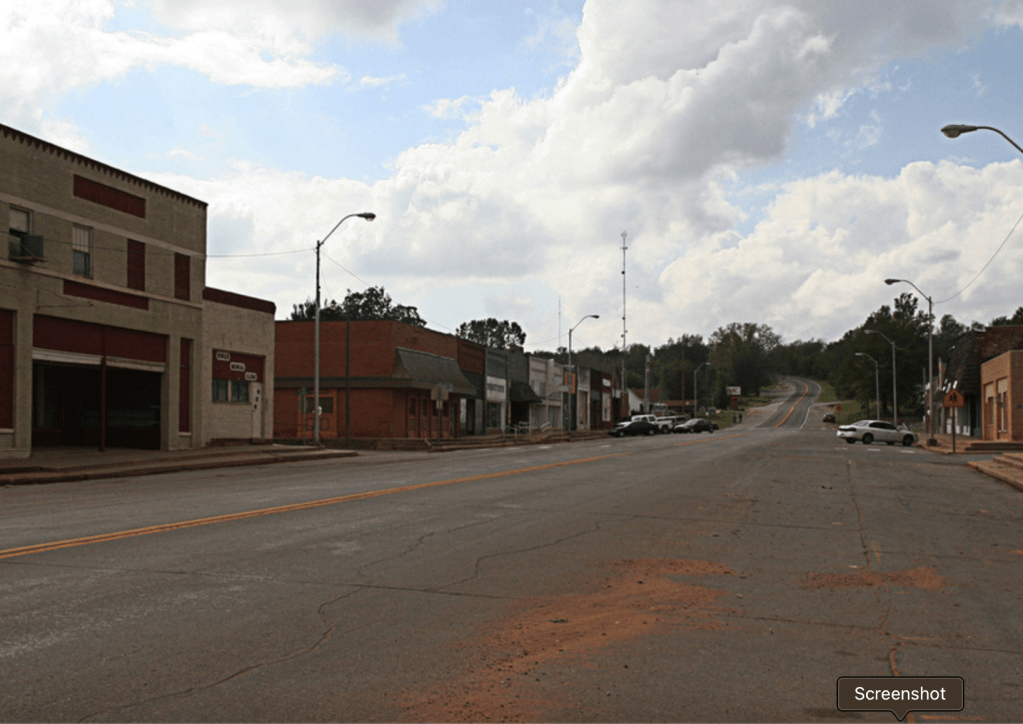
In the quaint town of Binger, nestled amidst rolling hills and whispering woods, life moved at its own unhurried pace. It was the 1970s, and I, at the tender age of sixteen, found myself immersed in the h.eart of the community as a volunteer dispatcher and ambulance driver.

Binger boasted a modest population of 850 souls, a close-knit tapestry of neighbors who looked out for one another. Our town’s medical emergencies were once tended to by the local undertaker, a man of solemn demeanor and a heart of gold. But as time marched on, age had caught up with his trusty driver, rendering him unable to steer the old ambulance through the town’s winding streets.

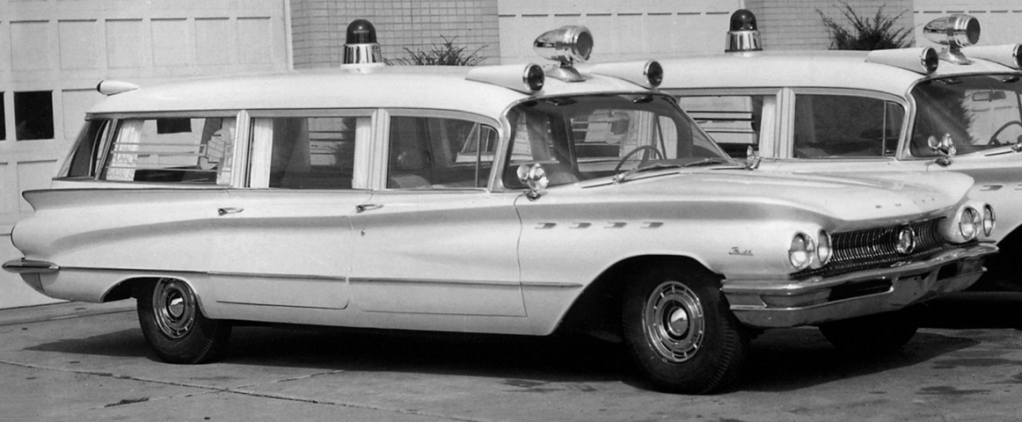
With a sense of duty and a touch of nostalgia, the undertaker donated his faithful 1962 Buick station wagon to serve as our makeshift ambulance. It was a relic of bygone days, rigged with flashing lights, a wailing siren, a sturdy stretcher, and a precious oxygen bottle. Thus, a new chapter unfolded in Binger’s history, with a rotating roster of ten volunteers, including myself, standing ready to answer the call of distress.

In those days, the rhythm of life was punctuated by the shrill ring of the telephone, summoning us into action. I would leap into the driver’s seat, adrenaline coursing through my veins, as I raced through the streets, navigating the twists and turns with practiced precision. The urgency of the situation would lend wings to my feet as I rushed to the aid of my fellow townsfolk.

The years rolled by, and Binger evolved. In 1978, the benevolent gesture of the Chevrolet dealer brought a gleaming new station wagon into our midst, a symbol of progress and prosperity. We felt like modern-day heroes, equipped with state-of-the-art technology to serve our community.

But as the 1980s dawned, change swept across the land. The state enacted stringent laws mandating EMT training and certification for ambulance attendants, a noble but burdensome requirement. Our volunteer organization, unable to meet the new standards, faced dissolution.

With heavy hearts, we bid farewell to an era marked by camaraderie and selflessness. The nearest ambulance service now lay twenty-eight miles away, a stark reminder of the passage of time and the inexorable march of progress.

Yet, amidst the bittersweet farewell, the spirit of Binger endured, a testament to the resilience of small-town values and the enduring bonds of community. And though our roles as volunteer dispatchers and ambulance drivers may have faded into memory, the echoes of our service reverberated through the annals of time, forever etched in the fabric of Binger’s history.