Before It Gets Ignored By Governing Bodies – History Should Be Reported Far And Wide – Like the Camp Logan Disgrace In Texas

Sharing the history that some would rather hide, destroy, or deny is important. This truth must be told. It’s the very principle on which these United States were founded.

4–5 minutes

Sixty-three black soldiers were represented by one lawyer in the
largest court martial in U.S. history, the first of three that followed
the Houston riot of 1917. In total, 110 men out of 118 were found
guilty, and nineteen were sentenced to death by hanging.

Red Paint, Red History: Camp Logan’s Vandalized Truth

In the wake of Hurricane Harvey’s devastation in September, Houston crews were still hauling out debris. They were drying soaked walls when they stumbled upon something different. Red paint was smeared in thick defiance across a freshly rededicated historical marker at the former site of Camp Logan.

The vandals knew what they were doing. The paint wasn’t random—it covered the part of the inscription that told the uncomfortable truth:

Jesse Moore (right), the
great uncle of Angela Holder

These men were not strangers to segregation; most had grown up in the Jim Crow South. But in uniform, with the eagle on their buttons and rifles in their hands, they expected something closer to equality. Houston didn’t see it that way.

White residents and police officers saw armed Black soldiers as a threat. They were considered a dangerous example. This can inspire local Black citizens to demand the same respect. The insults were constant. Slurs were shouted from sidewalks. “Whites Only” signs were on streetcars. There was harassment for daring to walk where white men didn’t think they should.

Tensions reached a breaking point on August 23, 1917. That is when police arrested a Black soldier for intervening in the arrest of a Black woman. A Black military policeman went to inquire about it. There was an argument, gunfire, and rumors. False ones—that he had been killed and that a white mob was heading for the camp.

In a world already wired with racial hostility, that was enough. Over 100 soldiers grabbed rifles and marched into Houston. Two hours later, sixteen white people were dead—five policemen among them-and four Black soldiers had been killed. It was one of the few riots in U.S. history where more white people died than Black people.

The army’s response was swift and merciless. Martial law. The unit was shipped back to New Mexico. Courts-martial—the first one, the largest in U.S. military history.

Of 118 indicted Black soldiers, 110 were found guilty. Nineteen men were hanged, fifty-three sentenced to life in prison. No white civilians were charged. Two white officers faced trial and were released.

Families have carried the weight for generations. Jason Holt still has a 100-year-old letter from his relative, Private Hawkins. It was written to his mother the night before his execution. In it, he tells her not to grieve. He claims his innocence. He also says he is ready to “take his seat in heaven.”

Charles Anderson spoke bluntly. His relative, Sergeant William Nesbit, was among the hanged. “They sent those soldiers into the most hostile environment imaginable. The riot was a problem that arose from community policing in such hostility.”

Even some descendants of those killed admitted the trial was a travesty. “I have no doubt that the men executed were innocent. They had nothing to do with the deaths,” says Sandra Hajtman, great-granddaughter of a policeman who died that night.

In Houston, the story was buried for decades. Newcomers often know nothing about it. That’s changing—slowly—thanks to historians, museums, and family members pushing for recognition, even pardons. Angela Holder, great-niece of Corporal Jesse Moore, has fought for marked graves and posthumous justice. “We tried during the Obama presidency for a pardon… we can try again.”

And then there’s the final image—December 11, 1917—thirteen ropes swaying from a scaffold. The condemned men were silent, unresisting. Nesbit, moments from death, calling to his men: “Not a word out of any of you men now!”

The red paint on that marker wasn’t just vandalism—it was an effort to silence history. But the truth doesn’t scrub away that easily.

If you strip away the paint, you’ll see the exact words that got buried for decades. It serves as a reminder that justice denied is never fully past. The lessons of 1917 are still waiting to be learned.

The Progressive Magazine originally published a report on this topic and in fact has an extended piece on this incident. You can learn more by visiting Progressive Magazine to read the entire report here.

The True Meaning of Memorial Day: A Time for Reflection

By Benjamin GroffMedia© | benandsteve.com | 2025 Truth Endures©

2–3 minutes

Memorial Day: A Call for Deeper Understanding of a Sacred American Tradition

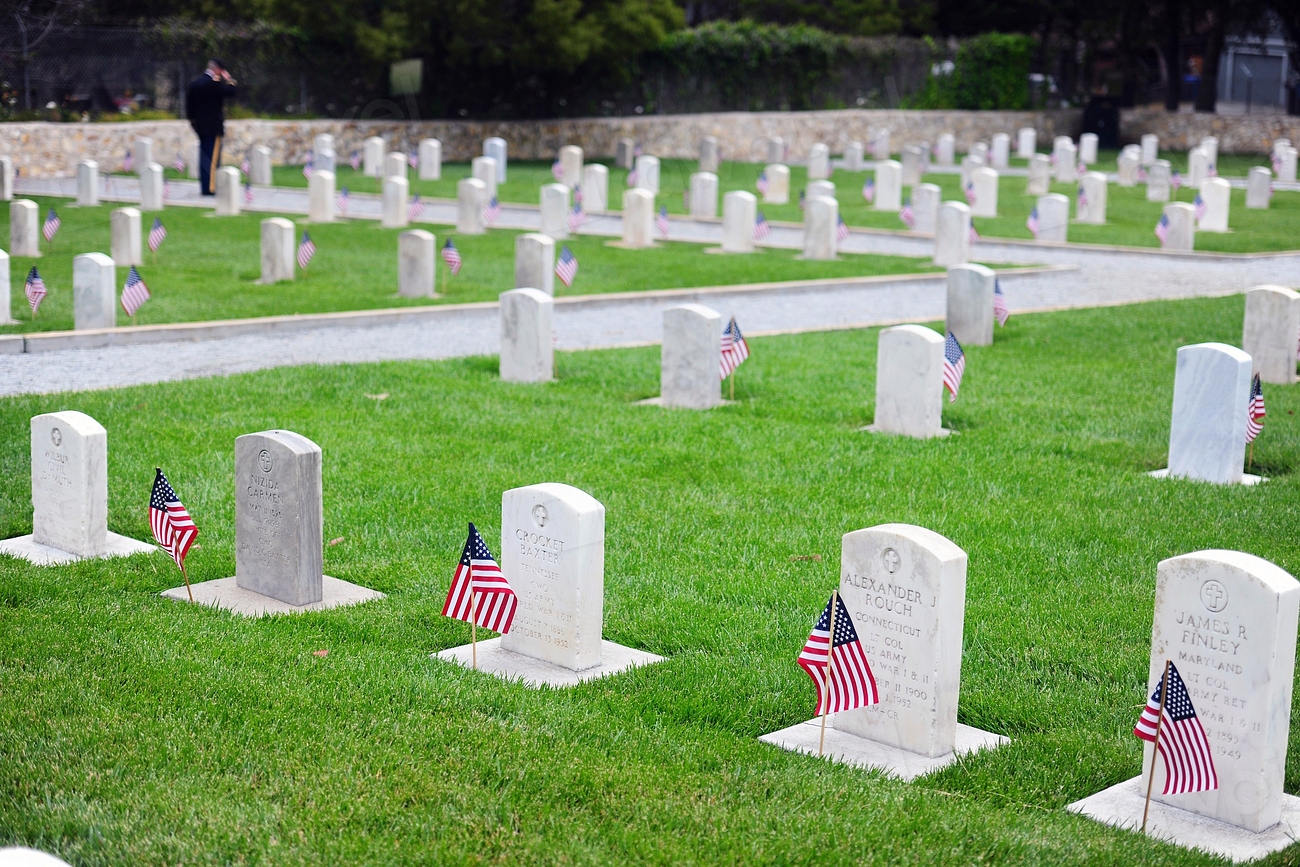
May 26, 2025 — Americans across the country gather for cookouts, beach trips, and retail sales this Memorial Day. Veterans and historians urge the public to remember the true meaning of the holiday. It is a solemn day of remembrance for those who died while serving in the United States Armed Forces.

Originally known as Decoration Day, Memorial Day was first widely observed in 1868. This was after the Civil War. Citizens and soldiers alike placed flowers on the graves of the fallen. Today, it is often confused with Veterans Day. Veterans Day honors all who served. Memorial Day is for those who made the ultimate sacrifice.

For many, the long weekend signals the unofficial start of summer. For Gold Star families—those who have lost a loved one in service—it’s a day marked by grief. It is also a time for reflection and pride.

Photo by Brett Sayles on Pexels.com

“We don’t want people to stop enjoying their freedom,”

said Angela Cruz, whose son died in Afghanistan in 2011.

“But we hope they understand that someone paid for it.”

Surveys reveal a worrying trend. A growing number of Americans are unaware of the distinction between Memorial Day and Veterans Day. This is especially true for younger generations. A 2024 Pew Research poll found that nearly 40% of adults under 30 were unclear about Memorial Day’s purpose.

Historians warn that this disconnect risks eroding public understanding of military sacrifice.

“When people forget the meaning of Memorial Day, they forget about those who gave their lives in service. They overlook their sacrifice,”

said Dr. Robert Ellis, a military historian at Georgetown University.

“It’s not just a history lesson—it’s a civic responsibility.”

Efforts are underway to restore the day’s original intent. Many veterans’ organizations are promoting the National Moment of Remembrance, a voluntary pause at 3 p.m. local time on Memorial Day to think in silence. Schools and communities across the country are bringing back traditions. They are visiting cemeteries and laying wreaths. They are also reading the names of fallen service members.

“We want people to barbecue, to be with family, to enjoy America,”

Photo by Chris F on Pexels.com

said retired Army Sergeant Major Tyrese Bennett.

“But we also want them to take a moment—just a moment—to remember why they can.”

The nation marks another Memorial Day. Veterans and families hope that Americans will go beyond the sales. They want people to go beyond the celebrations. They wish everyone would take time to honor the names, stories, and legacies of those who never made it home.

Thank You!

Thank you to all the people who serve in the military to protect our civil society. This Memorial Day we recognize the ultimate contributions so many have given so a freedom of the press, freedom of speech, and freedom of expression can be had.

We live in the land of the free – thanks to those who lay down their lives serving in the military.

Memorial Day: From Local Tribute to National Holiday

By Benjamin GroffMedia© | benandsteve.com | 2025 Truth Endures

2–3 minutes

The First Memorial Day: Honoring the Fallen After the Civil War

Photo by Jerry Butler Pexels.com

In the aftermath of the American Civil War—a conflict that claimed more lives than any other in U.S. history—communities across the nation were left mourning. By 1865, with the war concluded, families faced the grim task of honoring more than 600,000 soldiers who had died. This collective grief gave rise to a new tradition: a day of remembrance.

Many towns and cities began their own informal commemorations of fallen soldiers. An early observance of what would become Memorial Day occurred in Charleston, South Carolina. It happened on May 1, 1865. There, newly freed African Americans held a ceremony to honor Union soldiers. These soldiers had died in a Confederate prison camp.

During the war, Confederate forces converted the city’s Washington Racecourse. Today, it is known as Hampton Park. They turned it into a prison for Union soldiers. Over 260 Union troops died there from disease and exposure and were buried in unmarked graves. After the Confederacy’s defeat, Black residents of Charleston, many of them formerly enslaved, took action. They worked to give those soldiers a proper burial. They reinterred the bodies. They built a fence around the site. They marked it with a sign that read: “Martyrs of the Race Course.”

On May 1, a crowd of around 10,000 people—including freedmen, Union troops, and white missionaries—gathered for a solemn procession. The event included prayers, singing, speeches, and the laying of flowers. Children marched with armfuls of blossoms, and the day ended with picnics and patriotic performances. This Charleston observance was largely forgotten in the national narrative for decades. Now, many historians recognize it as the first Memorial Day.

Nonetheless, the tradition took broader root a few years later. In 1868, Union General John A. Logan, head of a veterans’ organization called the Grand Army of the Republic, issued a proclamation. He declared May 30 as Decoration Day, a time to decorate the graves of fallen soldiers with flowers. That year, ceremonies were held at over 100 cemeteries across the country. A major event took place at Arlington National Cemetery. Flowers were placed on the graves of both Union and Confederate soldiers.

Photo by Hub JACQU on Pexels.com

Over time, Decoration Day evolved into Memorial Day, gradually becoming a national holiday. After World War I, its purpose expanded to honor all Americans who died in military service. In 1971, Memorial Day was declared a federal holiday. It was moved to the last Monday in May. This change ensures a long weekend of remembrance.

Today, Memorial Day is a time for reflection. It is also a time for gratitude. It honors those who gave their lives in service to the United States—from the Civil War to the current day.


Echoes of War: A Bond Forged in Nightmares

GROFF MEDIA 2024© TRUTH ENDURES IMDBPRO

Presented by benandsteve.com By: Benjamin Groff II©s

2–3 minutes

Echoes of War

Chad Branson woke in a cold sweat, heart hammering against his ribs. The dream had come again—flashes of burning villages, the thunder of distant explosions, the acrid stench of smoke. He had never been to war. He had never even held a gun. Yet, the memories felt real, like echoes of a life he hadn’t lived.

It had started five years ago, these violent dreams that left him breathless and shaken. He had tried therapy, meditation, and even medication, but nothing dulled the visions. He had no explanation—until the day he met him.

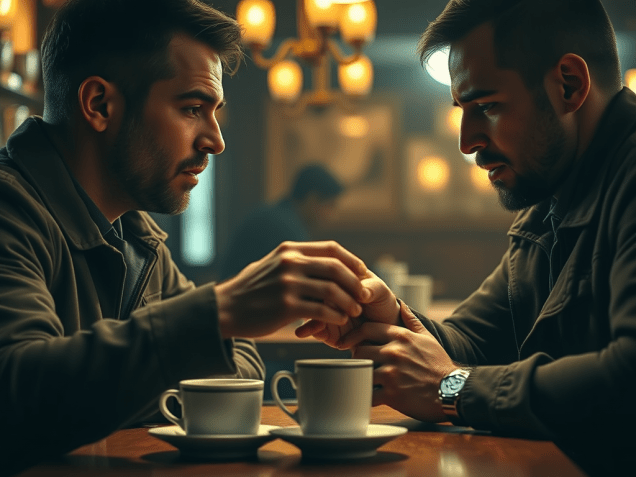
The chance meeting happened in a quiet café, a place Chad often escaped to in hopes of finding solace. That morning, as he reached for his coffee, his hand bumped into another.

“Sorry,” 

He murmured, glancing up—and froze.

The man before him had eyes that mirrored his own exhaustion. His jawline was sharp, and faint scars traced his brow. When he spoke, his voice carried a weight. 

Chad recognized it but couldn’t place it.

“Chad Branson,” 

The man said, extending a hand.

Chad hesitated. 

“That’s… my name.”

The other man chuckled. 

“I know. That’s why I introduced myself.”

A strange silence stretched between them before Chad spoke again. 

“Do I know you?”

The other Chad was an ex-soldier and a survivor of two deployments. He was also the bearer of the nightmares Chad had somehow inherited. Chad watched him closely.

“No,” 

He said at last. 

“But I think we’ve been living the same war.”

Over the next weeks, they talked, comparing details.

Every dream Chad had lived, the other had experienced firsthand. The battlefield in his mind had once been real. The pain, the horror—it belonged to this man, but somehow, it had become part of Chad, too.

Neither explained it, but they didn’t need to. In their shared pain, something else took root: understanding and affection. A bond neither expected nor deny.

One night, as they sat in the dim glow of Chad’s apartment, he reached for the soldier’s hand. 

“Maybe the universe gave me your memories for a reason,”

He murmured. 

“Maybe I was always meant to find you.”

Echoes of War
Echoes of War

The other Chad squeezed his fingers gently, a small, weary smile forming. 

“And maybe,” 

He whispered, 

“We can finally find peace together.”

The nightmares didn’t seem so heavy for the first time in years.

For the first time, neither of them was alone.

Boise City: The Unusual WWII Bombing Incident

GROFF MEDIA 2024© TRUTH ENDURES IMDBPRO

Presented by benandsteve.com By: Benjamin Groff II©s

2–3 minutes

You have heard the news. South Korean forces mistakenly bombed a civilian area, thinking it was a training site. You ask how such a mistake happened? But did you know it isn’t the first time it has happened?

It happened in the United States when the U.S. Army accidentally bombed Boise City, Oklahoma, on July 5, 1943, during World War II. The attack on the homeland wasn’t the only time the Army bombed the continental United States during the war. It was a friendly fire incident. There have been other cities bombed in the United States by mistake, in Texas and Nebraska. The United States has even accidentally bombed Switzerland during World War II, killing over 80 people. But this story is the one I have heard described with color and moments of community involvement.

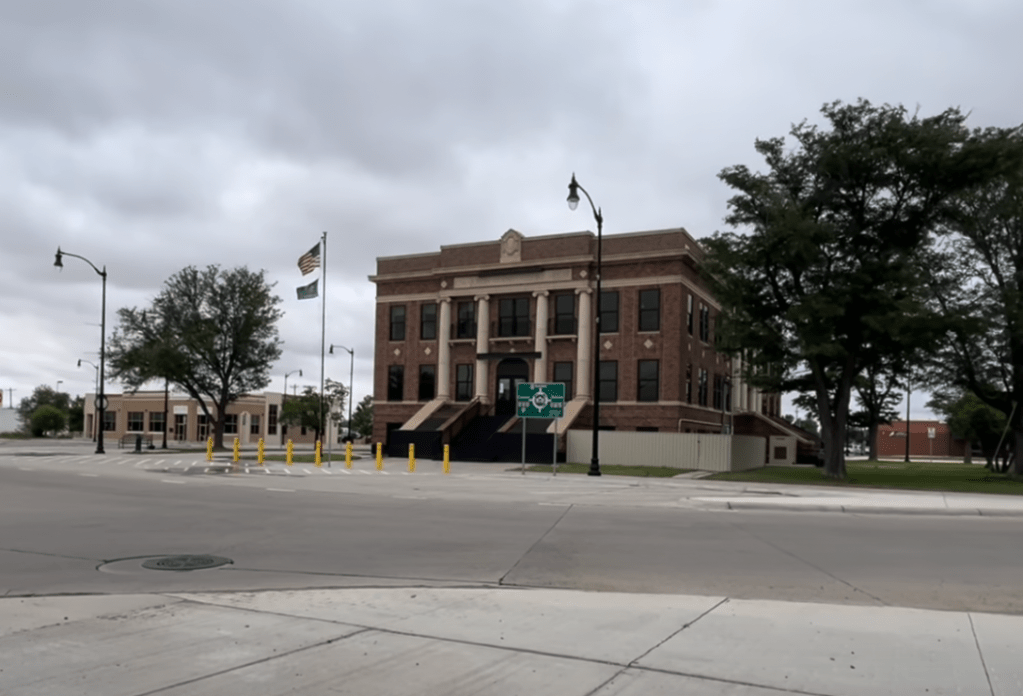
Cimarron County Court House
Cimarron County, Oklahoma

I have visited Boise City, and locals will tell you the pronunciation is, as you would say, “Boys City.” The town is small. You arrive at the courthouse circle as you enter from the east or north. A highway leads west into New Mexico. A trail takes you south toward Texas. The better highway is east of the town. Colorado is just up the road to the north. Kansas is just a jog to the Northeast. More of Oklahoma awaits out to the east. The community hasn’t grown much since it first sprung up.

Hearing locals tell of what happened in Boise City, Oklahoma, is somewhat comical. Nonetheless, it would not have been so funny to those who lived through the experience.

It happened on July 5, 1943.

A B-17 Flying Fortress bomber was on a nighttime training mission from Dalhart Army Air Base in Texas. It mistakenly dropped six practice bombs on Boise City’s town square. These bombs were mostly filled with sand and small charges.

What Happened?

  • The bomber crew was supposed to hit a designated target outside Conlen, Texas. They got lost and mistook Boise City’s well-lit downtown for their practice site.
  • At around 12:30 AM, the first bomb landed near a garage, shaking the town awake.
  • Five more bombs followed, hitting areas near businesses, a church, and a residential district.
  • Miraculously, no one was injured, and the damage was minimal.

Aftermath

  • The Army quickly apologized for the mistake.
  • The town embraced the incident as a quirky part of its history.
  • Today, Boise City proudly commemorates the event with a replica bomb displayed in the town square.

It remains one of the most unusual incidents in U.S. military training history! Would you like any more details?

If you ever go through Boise City, Oklahoma, stop and have a meal. As you travel west, you will hear more stories. These stories are about people living in what many consider the last town worth stopping in. Then, you move on to your next stop.

Omar Vasquez: An American Veteran’s Deportation Nightmare

GROFF MEDIA 2024© TRUTH ENDURES IMDBPRO

Presented by benandsteve.com By: Benjamin Groff II©s

2–4 minutes

SENT BACK – OMAR’S STORY

(Fictional)

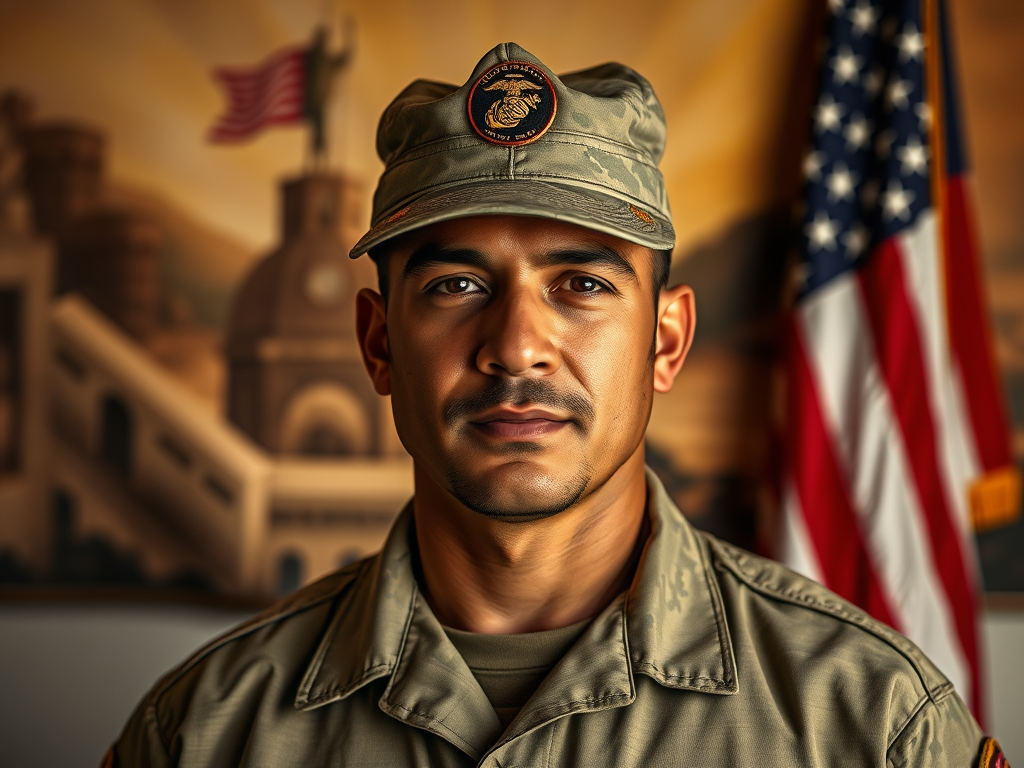
Omar Vasquez had never questioned his place in the United States. He was born in El Paso, Texas, to parents who traced their lineage back generations. His grandfather had fought in World War II. His father served in Vietnam. Omar himself had completed two tours in Iraq as a U.S. Marine. He had a college degree, a steady job, and a home he had just finished paying off.

But none of that mattered the day he was taken.

It happened suddenly, in the middle of an ordinary afternoon. Omar had just stepped out of a coffee shop when unmarked black SUVs screeched to a stop around him. Before he reacted, he was surrounded by men in tactical gear barking orders. Confused, he reached for his wallet to show his ID, but they were already on him. They forced his hands behind his back, zip-tied his wrists, and shoved him into a waiting vehicle. People on the sidewalk froze, watching in stunned silence.

“You got the wrong guy!”

He shouted.

“I’m a U.S. citizen! I was born here!”

His words went unheard.

Inside the detention center, the reality of his situation set in. The holding cells were packed with others—some looking just as confused as he was, others resigned to their fate. He saw fear in their eyes, exhaustion from what must have been days or weeks of uncertainty.

Guards ignored his questions, his demands for a phone call, and his requests to see an attorney. When he finally managed to speak with someone, they told him flatly:

“You’re undocumented. You are being processed for deportation.”

Omar laughed in disbelief.

“You’re joking, right? Check my records. My Social Security number. My military service. Call my family.”

The officer barely looked at him.

“If your family wants to go with you, they can do so. Otherwise, you’ll be deported alone.”

He was handed a packet of papers to sign. The papers were written in Spanish, a language he barely understood beyond a few pleasantries.

“I don’t speak Spanish. I only speak English,”

He said.

The officer raised an eyebrow.

“Sure you do.”

His family arrived with documents. They brought his birth certificate, his passport, his military discharge papers, and even photos of him in uniform. They pleaded, demanded, and argued, but every official they encountered dismissed them, saying the decision had been made.

“Mistakes happen,”

One agent told his mother.

“And mistakes can be corrected. But in this case, the process has already started. You can contest it from the other side.”

“The other side?”

His mother gasped.

“He has no other side. This is his home!”

His father, a quiet man who had seen combat and never flinched, broke down in helpless tears.

Despite everything, Omar was put on a plane.

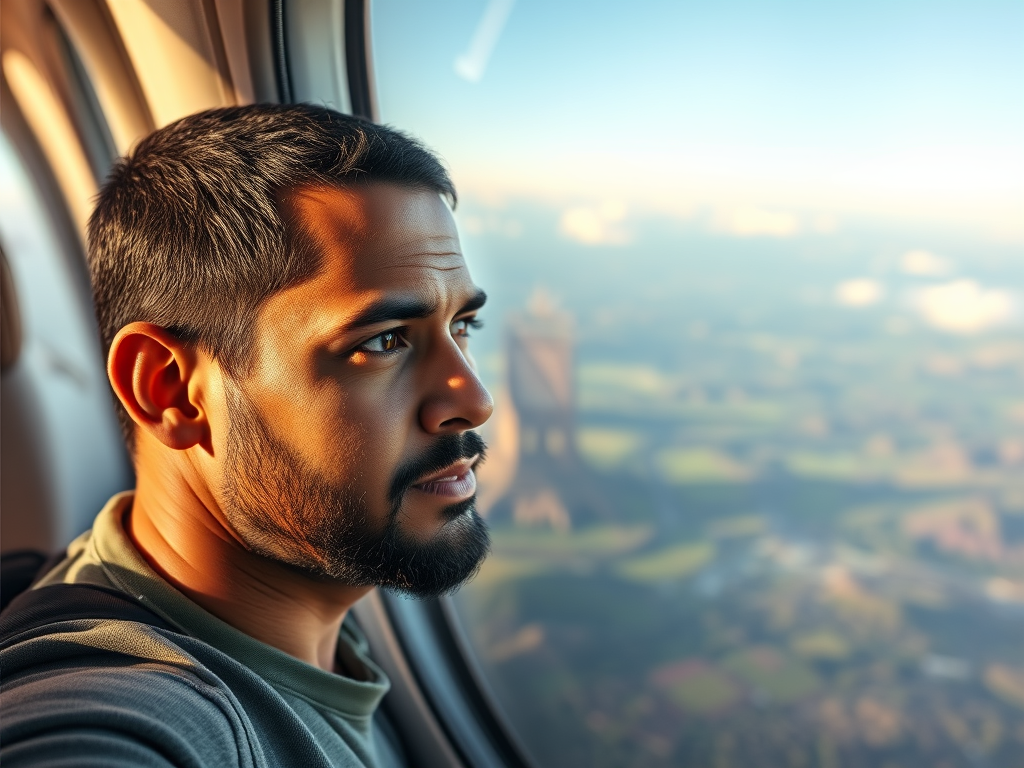
Destination: Guatemala. It was a country he had never set foot in. He knew no one there. He didn’t speak the language. As the plane lifted, he looked out the window at the land he had fought for. This was the country he had called home his entire life. He wondered how many others had disappeared into this system. They were erased by the stroke of a bureaucratic pen. Their American identity was stripped away by nothing more than suspicion.

How many would ever make it back?

The Legend of Arizona’s Red Ghost Faris And His Caravan Of Former Calvary

Presented by benandsteve.com By: Benjamin Groff II© Groff Media 2024© Truth Endures IMDbPro

Sailors and an Arab camel herder load
a Bactrian camel aboard the USS Supply
during one of the two expeditions to
procure camels – National Archives

In the sun-scorched deserts of Arizona, the vast emptiness was once filled with the pounding hooves of horses and the steady march of soldiers from the United States Cavalry. But for a brief moment in history, an unlikely companion joined their ranks—the camel. Brought from distant lands, these towering creatures with their humped backs and long legs had intended to be the army’s answer to the challenges of traversing the rugged terrain of the Wild West.

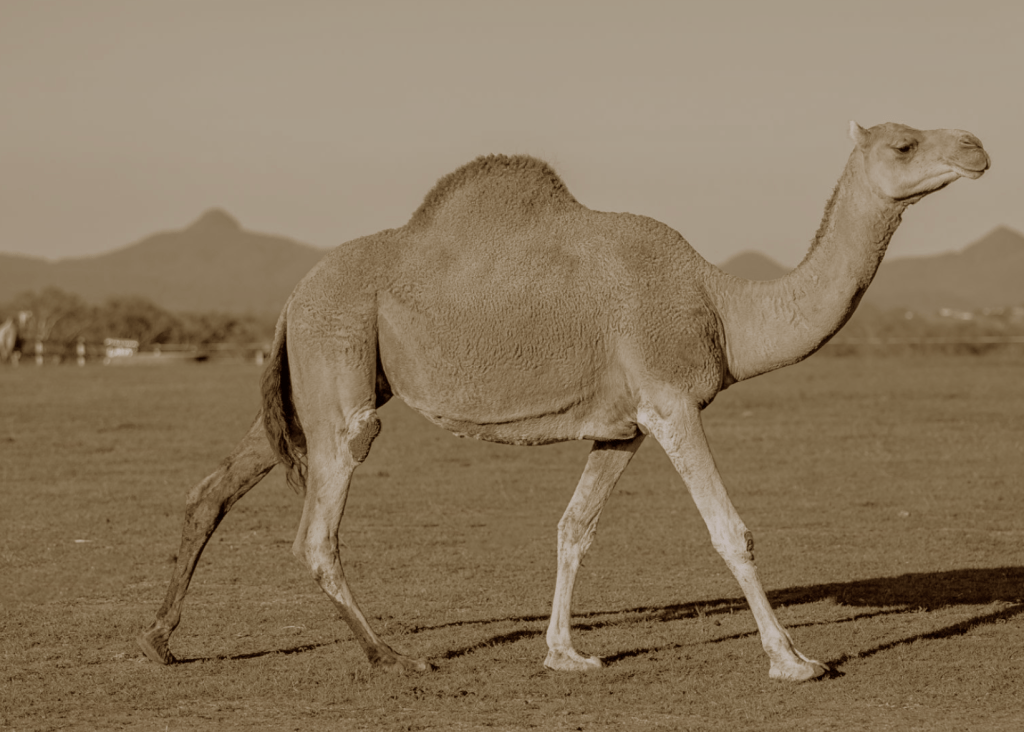
A/I Created Photo

In the mid-1800s, under the guidance of Secretary of War Jefferson Davis, the U.S. government embarked on a truly unique experiment-the ‘Camel Corps’. Camels, renowned for their endurance in desert conditions, were imported to America and tasked with the challenging job of carrying supplies across the barren landscapes where wagons and horses often struggled. The soldiers stationed at the forts in Arizona and New Mexico were initially skeptical. They were baffled by the strange creatures that spit and moaned, their massive feet gliding over the desert sands as if weightless.

Among the camels, one stood out—a massive bull camel named Faris. He had traveled across the seas from the deserts of Egypt, his broad hump towering over his fellow camels. With piercing eyes and a personality as stubborn as the most seasoned cavalrymen, Faris became the pack’s leader, guiding the other camels through endless miles of scorching desert, carrying their loads without complaint.

Library of Congress

But the experiment was short-lived. As the Civil War loomed, funding for the Camel Corps dried up, and the forts in the Arizona desert began to close one by one. With the forts gone and no practical use for the camels, the military made a fateful decision: they turned them loose, setting them free in the vast desert wilderness. The soldiers and settlers who remained watched with mixed emotions as the camels slowly strode off into the horizon, their long necks and humps silhouetted against the setting sun.

Library of Congress

Faris led the herd, now wild, into the vast stretches of land where no human tread. Once tethered and burdened with human supplies, the camels embraced their freedom, roaming the desert, their calls echoing in the canyons and across the mesas.

For years, sightings of the camels became the stuff of legend. Travelers and settlers spoke of giant creatures wandering the wilderness, spooking horses, and disappearing into the dunes as quickly as they were seen. Stories of ‘The Red Ghost’ surfaced, a phantom camel said to be terrorizing ranchers, with strange tracks left in the dust after raids on isolated farms. The mystery deepened with some claiming to see a human skeleton strapped to the back of one rogue camel, but no one knew for sure whether this was fact or fiction.

Library of Congress

Faris, now older but still commanding, led his herd deeper into the desert as the years passed. The camels, with no soldiers to guide them, learned to live off the sparse vegetation, adapting as always. They became masters of the land, surviving where few others could, a testament to their remarkable adaptability.

Generations of Arizonans grew up hearing tales of the camels. Old ranchers would sit by the fire, recounting when they saw a lone camel watching them from the top of a ridge, its eyes gleaming in the moonlight before they vanished into the desert night. Cowboys whispered of Faris, the great camel leader, still roaming the wild, the last of a forgotten army, king of the untamed desert.

So, the camels of the Wild West became more than just a footnote in history—they became legends, ghosts of a time when even the most foreign creatures found a place in the rugged and unforgiving land of the Arizona desert.

A released camel or a descendent of one is believed to have inspired the Arizonan legend of the Red Ghost.

One of the few camel drivers whose name survives was Hi Jolly. He lived out his life in the United States. After his death in 1902, he was buried in Quartzsite, Arizona. His grave is marked by a pyramid-shaped monument topped with a metal profile of a camel.

Coming Out After Basic Training: John’s Journey to Authenticity

A Story By Benjamin H Groff© Groff Media Copyright 2024©

Returning home from basic training, John returned to a place he no longer knew. It was the same one he had left before going ‘to basic,’ but he was different. Between leaving and coming back, John had changed. Or had he accepted something about himself? He didn’t know.

From his perspective, his life was one in which he would have to live in double time: in his time for himself and when he was with his family in a perspective that fit their permissions. He had dated a girl before he left but had broken up with her before he returned. By letter. A ‘Dear Jane’ type of letter, letting her know she could date other guys and that he didn’t expect her to wait for him.

John wrote he would be in no condition as a datable companion if and when he returned. He included a few other words about how training had changed him, getting him ready for the fight, hoping it would get the message across and cause her to continue her life. He had been ranked and assigned to maintenance crews stateside for two years, which was the reality of his assignment.

When John arrived back in his hometown, he stepped off the bus, duffel bag slung over his shoulder, and the familiar streets of his hometown unfolded before him. It was a hot summer afternoon, and the cicadas droned loudly, filling the heavy air with their constant hum. It should have felt like home, but it didn’t. Everything seemed smaller, almost claustrophobic. The neat houses, the familiar storefronts, even the people who waved at him with a mix of pride and curiosity—none of it felt right.

He adjusted the strap on his shoulder and started walking, the soles of his boots crunching on the gravel. Memories of his time in basic training flooded his mind. The relentless drills, the camaraderie with his fellow soldiers, and the quiet introspection late at night had been a time of transformation, of pushing his limits and discovering parts of himself he had never confronted.

One of those parts was realizing he couldn’t keep living a lie. He’d broken up with Emily in a letter, the words blunt and final. He’d told her that basic training had changed him, but he hadn’t told her how. He hadn’t told her the real reason was that he couldn’t keep pretending to be someone he wasn’t. He’d signed the letter with a shaky hand, hoping she’d understand and move on.

Standing on his childhood street, John felt the weight of his double life pressing down on him. He had come to terms with his identity, but he knew that acceptance came with a price. His family had certain expectations and beliefs, and he didn’t fit into their neat, tidy picture.
The contrast between his inner truth and their external expectations was stark, and it weighed heavily on him.

As he approached his house, he saw his mother standing on the porch, her face lighting up as she saw him. She hurried down the steps, arms outstretched, and he found himself enveloped in her warm embrace.

“Oh, it’s so good to have you home!” – she exclaimed, looking back at him.

“You’ve grown, and you look so strong!”

He forced a smile, nodding.

“It’s good to be home, Mom.”

Inside, the house smelled freshly baked bread and flowers from the garden. His father was in his usual chair, reading the newspaper. When he saw his son, he stood and nodded in approval.

“Welcome back, son,”

The dad said gruffly.

“You did us proud.”

“Thanks, Dad,”

John replied, ignoring the tight knot in his stomach.

The next few days went by in a blur of family gatherings and catching up with old friends. Everyone wanted to hear about his experiences, basic training, and future in the maintenance crew. John told them what they wanted to hear, leaving out the parts that didn’t fit into their narrative.

One evening, he found himself alone in his room, which felt more like a museum of his past than a place of comfort. He sat on the edge of the bed, looking at the photos on the wall and the trophies on the shelf. It all felt so distant, so disconnected from who he had become.

He pulled out his phone and stared at Emily’s number. He had rehearsed what he wanted to say a hundred times, but now that the moment was here, he felt paralyzed.

Finally, he typed out a message:

“Hey Emily, I’m back in town. Would you like to meet up sometime? There’s something I need to talk to you about.”

He hit send before he could second-guess himself, and the response came quickly.

“Sure, I’d like that. When and where?”

They agreed to meet at the local coffee shop they used to go to in high school. As John walked there, he felt a mixture of dread and relief. He knew this conversation was necessary, but he also feared the consequences.

Emily was already there when he arrived, sitting at a corner table. She looked up and smiled when she saw him, but there was a hint of uncertainty in her eyes.

“Hi,” she said as he sat down. “It’s good to see you.”
“You too,” he replied, taking a deep breath. “Emily, I need to tell you something, and it’s not easy for me.”

She looked at him, her expression softening.


“Whatever it is, you can tell me.”


He looked down at his hands, then back up at her.

“I broke up with you because I couldn’t keep lying. And I couldn’t keep lying to you. I’m gay, Emily. That’s why I ended things. I didn’t want to hurt you, but I couldn’t keep pretending.”

There was a long silence, and he felt his heart pounding. Finally, Emily reached across the table and took his hand.

“Thank you for telling me,” she said quietly.
“I wish you had told me sooner, but I understand. I’m glad you’re being true to yourself.”

As they parted ways, John felt a sense of relief wash over him. The weight of his secret had been lifted, and he felt lighter, as if their visit had released a burden from his shoulders. He was grateful for Emily’s understanding and acceptance, and he felt a renewed sense of freedom and authenticity.

Returning home, John knew there were still challenges ahead—his family, community, and the double life he would have to navigate. But he also knew that he had taken the first step towards living authentically. For the first time in a long time, he felt a glimmer of hope.

Solemn Reflections: Memorial Day and the Spirit of Sacrifice

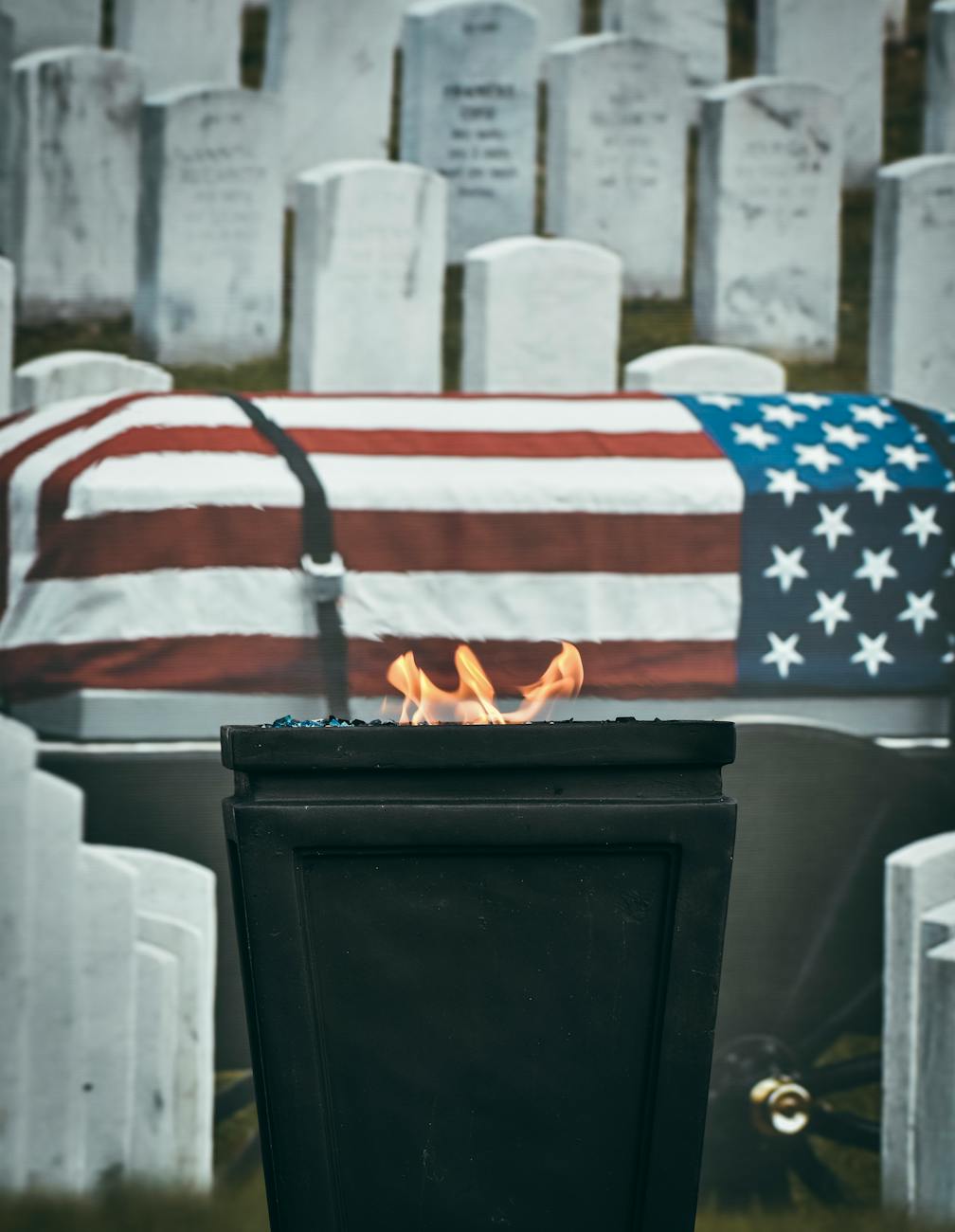
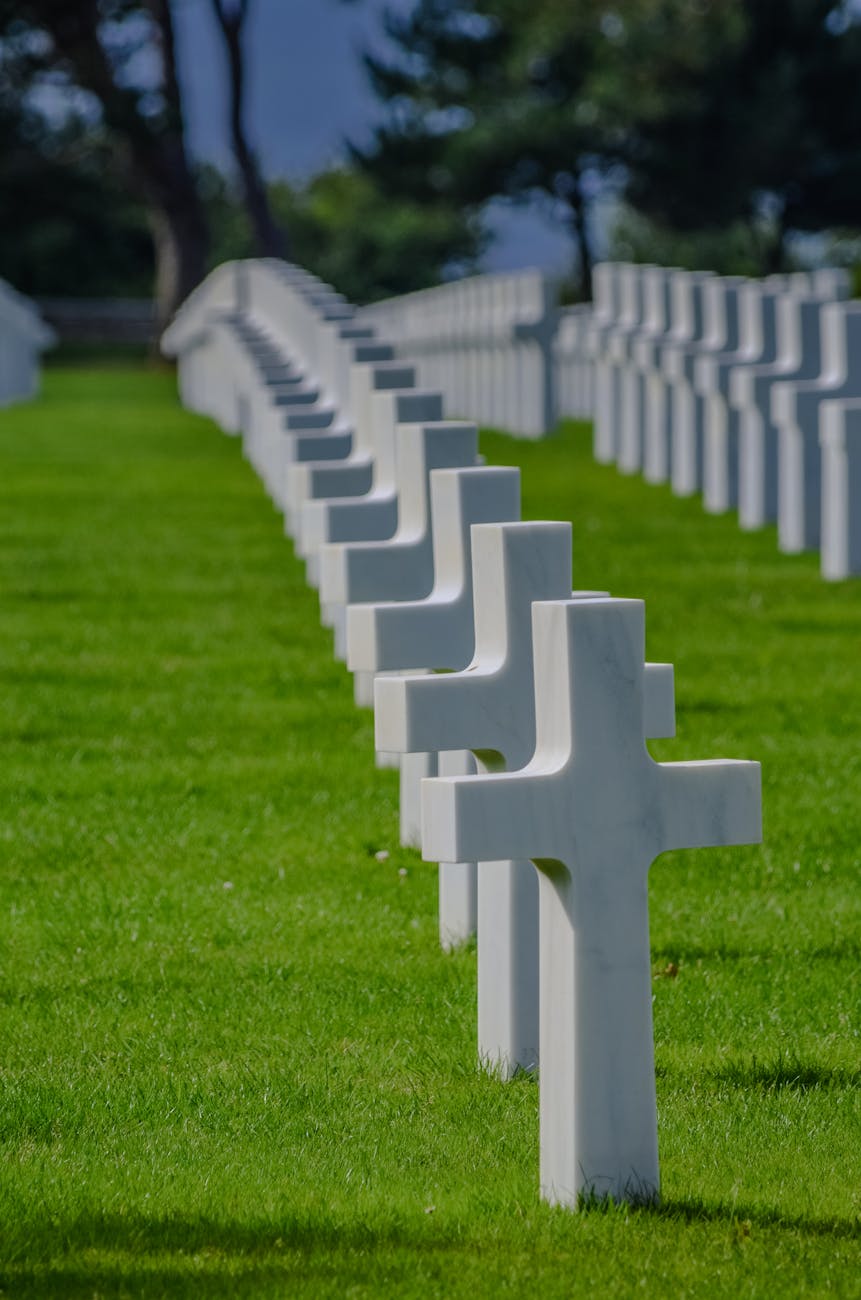
As the sun rose over the small town of Oakwood, its warm rays illuminated the rows of white headstones in the Oakwood Cemetery. The city, steeped in a rich history of honoring fallen soldiers, had always observed Memorial Day with solemn pride. This day, originally known as Decoration Day, was established after the Civil War to commemorate the Union and Confederate soldiers who died in the war. It has since evolved to honor all Americans who have died in military service.

Sarah Thompson stood at the cemetery’s gate, holding a bouquet of red, white, and blue flowers. She was in her late thirties, her eyes reflecting sorrow and strength. Visiting the cemetery was her yearly ritual—a pilgrimage to visit the grave of her brother, Daniel, who had died in Afghanistan a decade ago.

As Sarah walked along the gravel path, she remembered the day they received the news. It had been a bright summer afternoon, much like today. Daniel had always been a source of light and joy in their family, with his infectious laughter and boundless energy. The knock on the door that day had shattered their world.

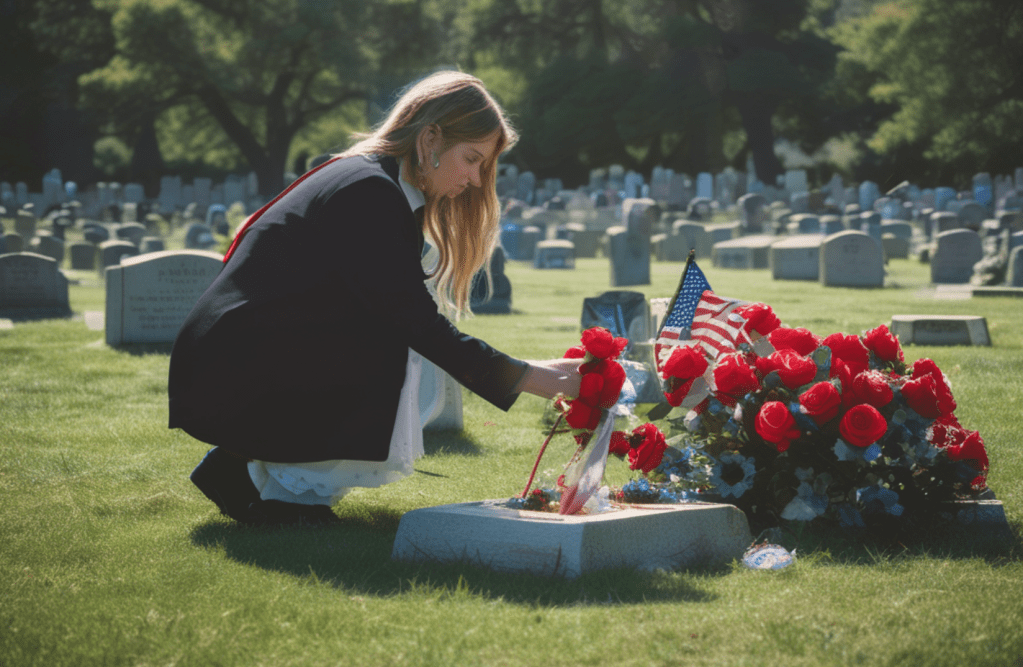
Sarah reached Daniel’s grave and knelt, gently placing the flowers in front of the headstone. She traced her fingers over his name etched in the cold stone and whispered a prayer. Memories flooded back—playing tag in the backyard, late-night talks about their dreams, and the tearful goodbye when he left for his final deployment.

The cemetery, a place of collective grief and remembrance, began to fill with others who had come to pay their respects. Families, friends, and fellow veterans moved among the graves, their shared sorrow palpable in the air. Some walked in silence, their thoughts a private tribute, while others shared stories, their voices a collective echo of the lives lost.

A familiar voice broke Sarah’s reverie. “Hey, Sarah.”

She turned to see Tom, one of Daniel’s best friends from high school, standing nearby. He held a small American flag, which he placed at the base of the headstone. Tom had served alongside Daniel and had been with him during his last moments.

“It’s good to see you, Tom,” Sarah said, her voice soft.

Tom nodded, his eyes filled with shared grief. “I come here every year. Feels like the least I can do.”

They stood in silence for a moment, their hearts heavy with the weight of their loss. Each lost in their thoughts, memories of Daniel flooding their minds. Then Tom began to speak, his voice steady but emotional, his words a testament to the bravery and selflessness of their fallen friend. ‘Daniel was the bravest person I knew,’ he said, his voice breaking with emotion. ‘He always put others before himself. Even in the end, he worried more about us than his safety.’

Sarah smiled through her tears. “That sounds like him.”

The morning wore on, and more people arrived, each carrying their own memories and gratitude. A group of children from the local school, accompanied by their teachers, placed flags on the graves of all the fallen soldiers, a symbol of their respect and understanding of the sacrifices made. The town’s mayor gave a short speech, his words echoing with the collective gratitude and remembrance of the community. A local choir sang ‘America the Beautiful,’ their voices a poignant reminder of the unity and strength that comes from shared values. The collective remembrance was a powerful testament to the sacrifices made by so many.

As the ceremony ended, Sarah and Tom lingered by Daniel’s grave a little longer. They shared stories, laughed, and cried, finding comfort in each other’s company.

“Thank you for being here,” Sarah said as they prepared to leave.

“Always,” Tom replied. “He was my brother, too.”

They returned to the cemetery gate together, the sun now high in the sky. As Sarah looked back one last time at the sea of white headstones, she felt a sense of peace. Memorial Day was not just about remembering the fallen; it was about celebrating their lives and the values they stood for.

Driving home, Sarah contemplated the significance of this day and how she would pass on its importance to her children. She understood that as long as they remembered, Daniel’s spirit would continue to live on. Every Memorial Day, she would return to this hallowed ground, ensuring that the memory of her brother and all those who had made the ultimate sacrifice for their country would never fade.

In checking references part of this story may include referencese similar to others found on the internet. The simularities are incidential and are not included intentional. You can find more these simularities RE: New York. Memorial Day. Monument. Dead Soldier. Wheelchair. Handicapped Boy. | Didier Ruef | Photography. https://www.didierruef.com/gallery-image/Aura/G0000Is39GN2Av9w/I0000aHlCvWVZLNc/C0000EU0LcXmMzWo/