The Bell That Retrop Forgot

By Benjamin GroffMedia© | benandsteve.com | ©2025 

4–7 minutes

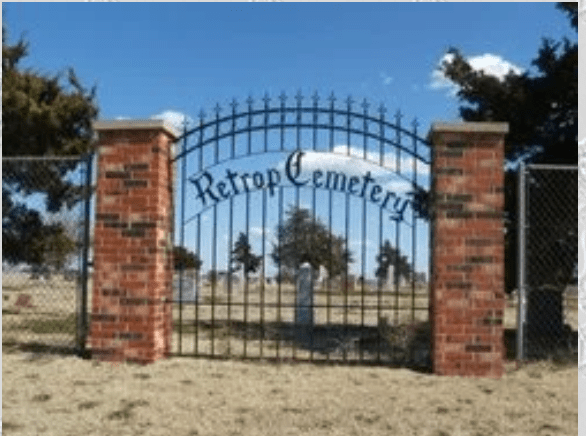
Most people driving the stretch between Granite and Elk City never realize they’re passing over a ghost. The four-lane highway hums along smoothly. Underneath its concrete spine once stood a town with a name born from a clever workaround. The town was called Retrop, simply Porter spelled backward.

Back in the early 1900s, the community wanted its own post office. But Oklahoma already had a Porter, and the postal authorities weren’t about to sort through that confusion. So the folks along the dusty road west of Sentinel shrugged, flipped the name around, and mailed in the paperwork. Retrop got its post office, its school, and its place on the map—at least for a while.

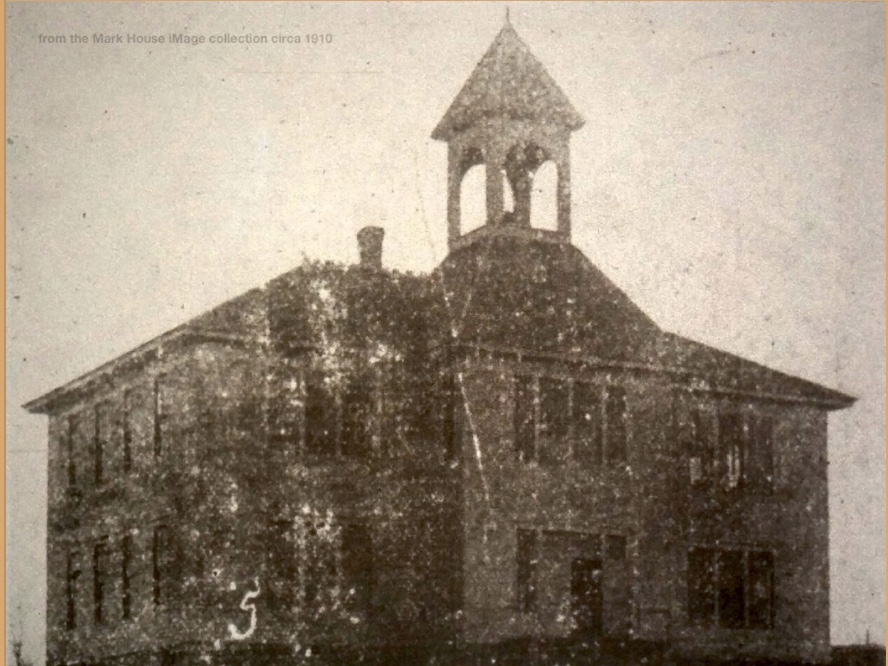
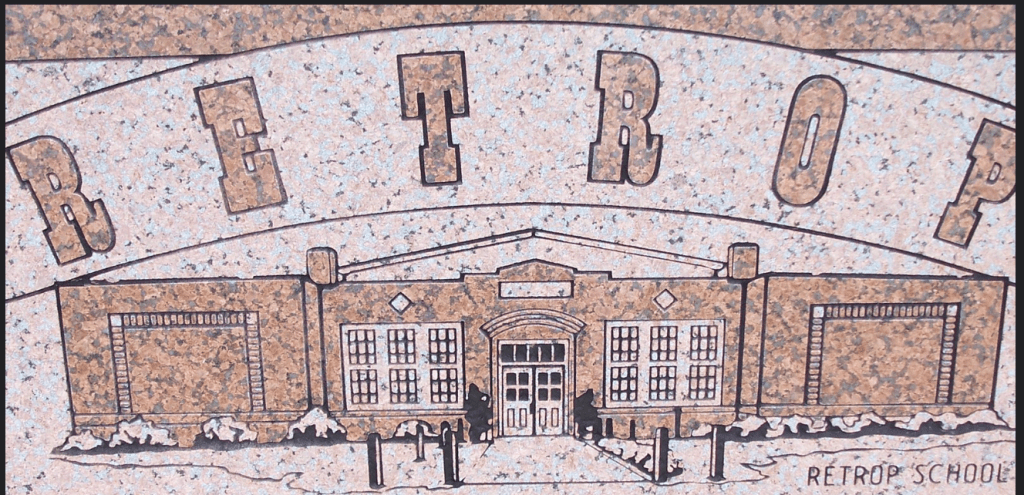
The school sat at the center of it all. A sturdy brick building with wide windows and a playground carved out by decades of small feet. Children rode in from miles around, their lunches wrapped in wax paper, their futures unwritten. There were stories—quiet ones—of students who went on to big cities and bigger lives. A doctor in Chicago. An engineer for NASA. A novelist whose pen never found its way back home.
They carried Retrop inside them, even after the town itself faded away.

But Retrop’s beginning was clever. Its ending was swift.

When the new highway came through, the town didn’t stand a chance. Businesses folded. Families moved. The school closed its doors. The post office was shuttered. One by one, the foundations cracked and the roofs caved until only fields remained—fields pretending nothing had ever stood there.

Except for one detail people still talk about, though no one can confirm it anymore: the missing bell.

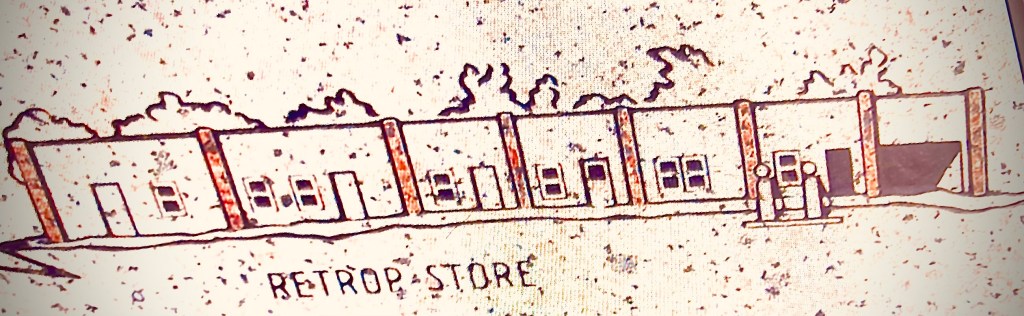
Retrop had its own Masonic Lodge in the 1940s

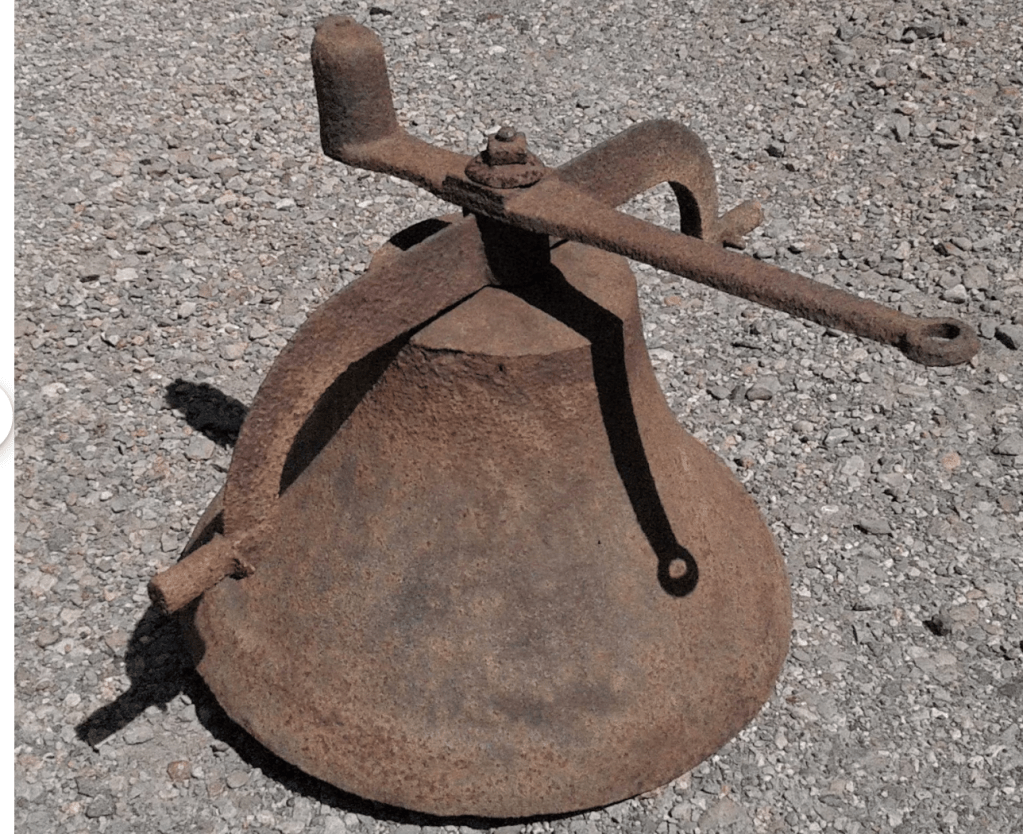
The school’s bell had hung proudly in the tower for decades. It called children in from recess and sent them home at day’s end. Then one year—a generation before the school closed—it vanished. Not stolen, exactly. Just gone. People assumed it had been taken for safekeeping. They thought it was stored in somebody’s barn for future repairs. Others believed it had been hauled away accidentally during a renovation.

The last families left Retrop. Then, bulldozers finally erased the last bricks of the school. Yet, the bell was still missing.

Some say the bell found another tower along the prairie. Others swear it sits buried beneath the highway, trapped in silence under thousands of cars a day. A few whisper that the bell rings on its own now and then—never heard, but felt. A tug in the chest. A memory rising like dust in a beam of sunlight. A sound from a place people forgot existed.

Most modern maps don’t show Retrop anymore.

But every once in a while, someone driving that long Oklahoma stretch will slow down for no reason at all. They will stare out toward the open fields. They swear they can sense something that has no business being there.

A town that isn’t.
A school that was.
And a bell—somewhere—still waiting to be found.

The Bell on County Road 7

No one knew who put the bell there. The old timers from the old school days at Retrop had all gone. Buried. The generation had died off. The families had sold their farms. Or, the farms had been handed down through generations. The old school bell had been forgotten. Until…

It appeared one Tuesday morning. It stood silent, rusted, and leaning a little to the left. The scene was at the far end of County Road 7, right where the asphalt surrendered to red dirt. The bell looked ancient, the kind you’d expect to find hanging outside a one-room schoolhouse or a long-gone prairie church. But there it stood, bolted to a cedar post that hadn’t been there the day before.

Folks in town had theories, of course. In places like Washita County, theories sprout faster than wheat after a spring rain.

Old Mrs. Peabody said it was a sign from the Lord. Hank Ballard at the feed store claimed it was an art project. College kids with too much time and not enough sense created it. Deputy Collins figured someone dumped it there after cleaning out a barn.

But no one claimed responsibility. And no one can explain what started happening a week later.

Every morning at exactly 5:17 a.m.—never a minute sooner, never a minute later—the bell rang.

Just one tone.

Clear. Strong. Impossible to ignore.

At first people thought it was a prank. Someone out there at dawn, pulling a rope and having a good laugh. But when a few curious souls drove out at that hour, no one was ever there. They’d wait in their cars or stand beside the fence line with coffee steaming in cold hands. The prairie would hold its breath. Coyotes would go quiet.

And then the bell would ring.

The sound didn’t vibrate through the metal—folks swore it vibrated through them. It was as if it reached down and stirred up something old they’d forgotten. It is a memory, a regret, or a promise left sitting too long on a dusty shelf.

For some, the mornings changed them.

Mr. Conway, who hadn’t spoken to his brother in twenty years, drove to Elk City and patched things up. Annie Lucas finally mailed the letter she’d been writing and rewriting for a decade. Deputy Collins insisted the whole thing was nonsense. Despite this, he found himself stopping by a certain headstone in Sentinel more often.

But on the eighth morning, the bell didn’t ring.

Not at 5:17. Not at all.

When people went to check, the bell was gone—post and all. As if erased. Only a square of red earth remained. It was freshly disturbed. It was like someone had quietly lifted a piece of the world and carried it away.

The next day, life went on. Coffee brewed, trucks rumbled to work, and theories fluttered around like tumbleweeds. But every now and then, people found themselves glancing toward County Road 7, half-expecting a sound that no longer came.

Still, there are some who swear, when the wind blows just right across the prairie, they can hear it faintly in the distance:

One clear, steady ring.

A reminder of something they’re still meant to do.

Never forger RETROP!


By Benjamin GroffMedia© | benandsteve.com | ©2025 

Binger Oklahoma Home Of Johnny Bench – The slow vanishing of the heartland!

By Benjamin GroffMedia© | benandsteve.com | ©2025 

7–10 minutes

The next photographs depict an small town in Oklahoma from its birth through current day.

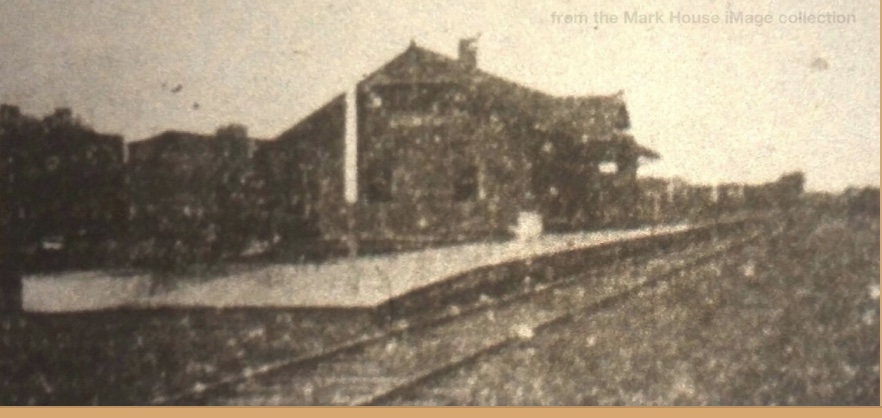
Going to town. Getting groceries, supplies and other needed items were essential trips in the late 1800s and early 1900s. Towns like Binger, Oklahoma were places where such trading centers would become popular. Train depots and later bus lines would bring needed connections to the area.

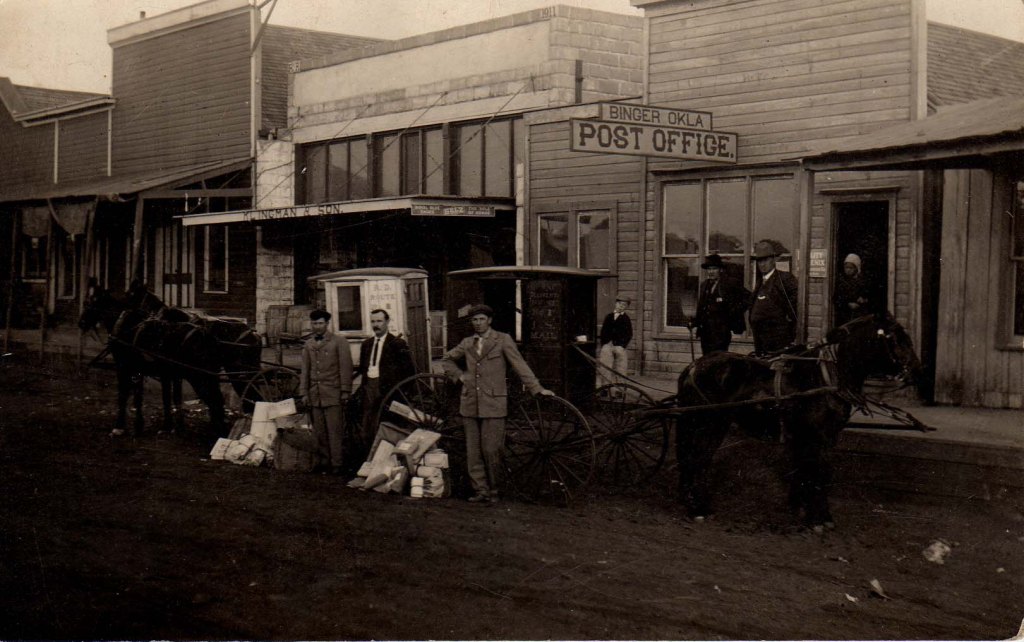
The above photos capture buildings that no longer stand. They were lost in one of the early fires that shaped the town’s history. The original downtown was once located near the area now known as the Johnny Bench Ball Park. This is at the Fair Grounds. After each fire, the town slowly shifted north. It rebuilt itself one block at a time. Eventually, it settled into its current location. The Post Office was a major accomplishment for any community to achieve. When a post office came, it marked the community’s success. The community became a reliable base for investors, visitors, and tourists.

State Highway 152 now runs through the center of town. Locals know it as Main Street. This familiar stretch has quietly observed generations pass through. This place is not what I call my hometown. But, it remains part of my associations. It is woven into the landscape of where I grew up and the memories that shaped me. During the 1950s to 1980s, hundreds of teenagers gathered on Binger’s Main Street. They saw it as the Main Drag on Friday and Saturday nights. It was as hot as a radio station spinning its latest hit. Both tunes filled the air from the City Hall. Tires spun all the way to the east end by the CO-OP. Button Williams, the towns Police Chief, watching carefully over the towns teen as he had since God’s creation. His Assistant Chief Jerry Wright there to catch calls on off nights.

Binger has always felt like one of those places where sports held the town together. The fields and courts were filled with tough farm kids. They were shaped by long days and dusty roads. Life taught them strength early. Many came from the Caddo and Kiowa Nations. People from other tribes joined them. Together they formed a close-knit spirit. This made every game feel like a community event.

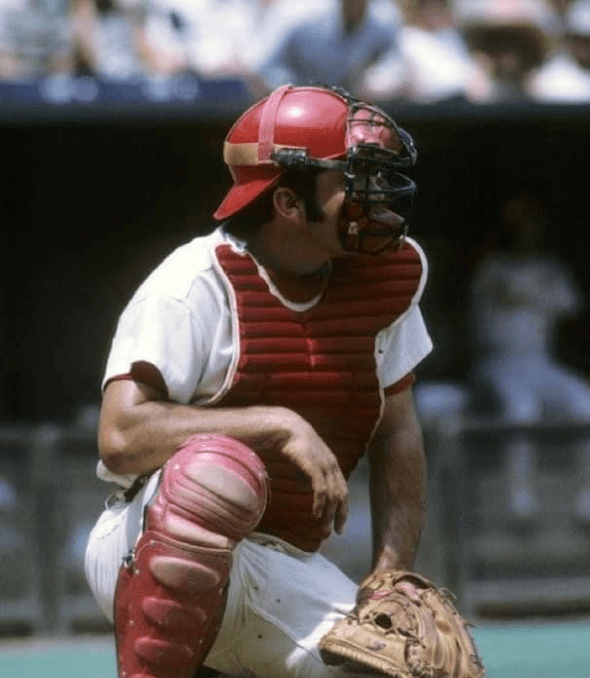
From those humble beginnings came Johnny Bench. He was a local boy who carried his talent all the way to the Cincinnati Reds. He proudly wore number 5. The town still honors him with a small museum. It serves as a quiet reminder of how far a dream can travel from a place like this. And then there was Robert Johnson Jr., who tasted professional baseball but chose the familiar comfort of small-town life instead. In these memories, the heart of Binger lives on. It resides not just in its history. It also lies in the way it shaped those who once called it home. My grandfather bought the first Model T Ford from the town of Binger’s Ford dealership. They came to town to sell them when the Model T’s came out. “Pop” described the Ford outfit as being near where an old Caddo Electric building sets today. If you drive through the town, you will see the big white building. It’s on the corner near US281 and SH-152.

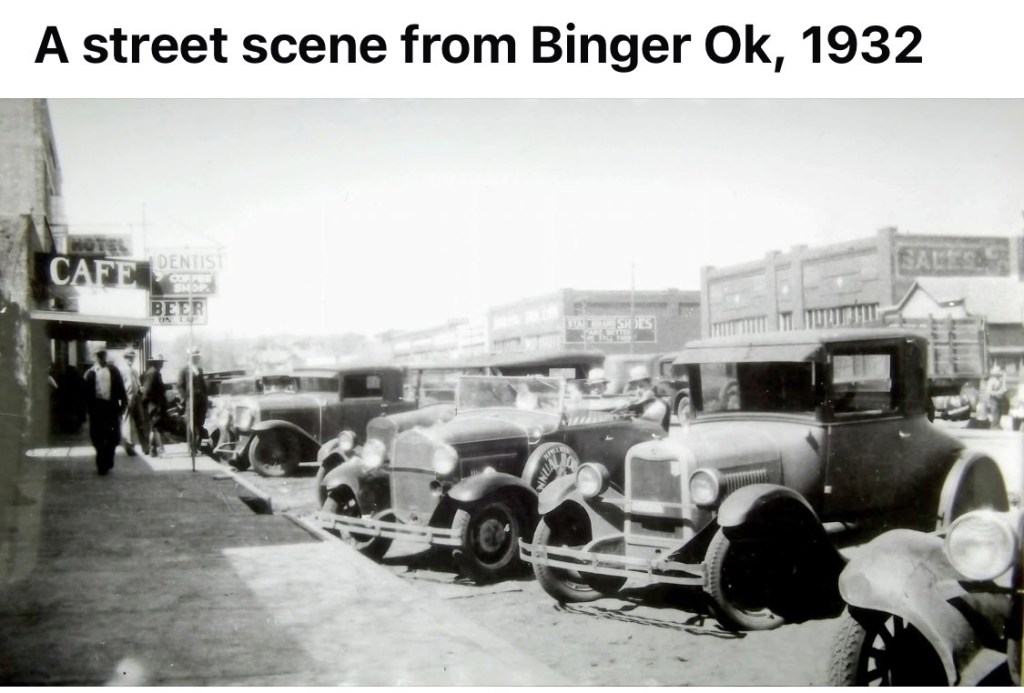
The above photo shows Main Street in Binger, Oklahoma, in 1932. It captures a quiet moment frozen in time. After the town burned twice, it rose again each time. It was rebuilt about a block north of its original location. This carried with it the stubborn spirit of those who refused to let it disappear. This image shows what became the final resting place of that rebuilt heart of town.
When the sidewalks were poured, metal rings were set into the concrete. They were meant to tether horses and wagons. Townsfolk stepped inside to conduct their daily business. For decades, those rings remained. They served as humble reminders of a slower pace and simpler life. In the mid-1970s, new federal accessibility requirements called for lower ramps and fresh pavement. With that change, the old sidewalks were replaced. The iron echoes of the past quietly vanished. Now, only memory and photographs tell their story.
This photo was found behind a old counter in the back of a business in the 1970s. Its dated as being in the 1920s. Which is a possibility. The name of the business is unknown. Yet longtime residents at the time did recognize the business as belonging to the town.
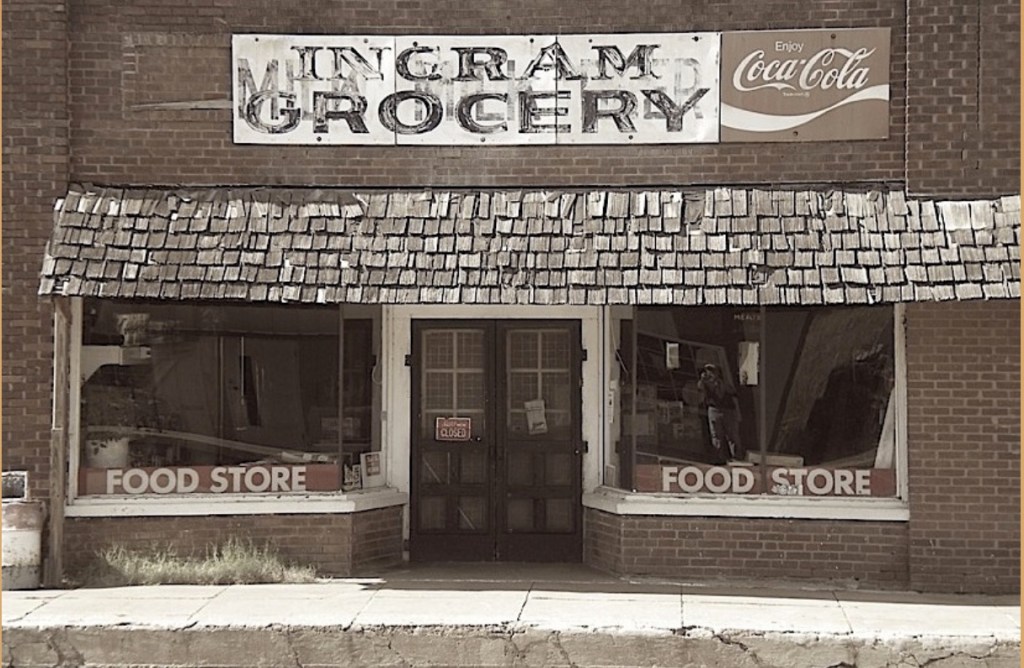
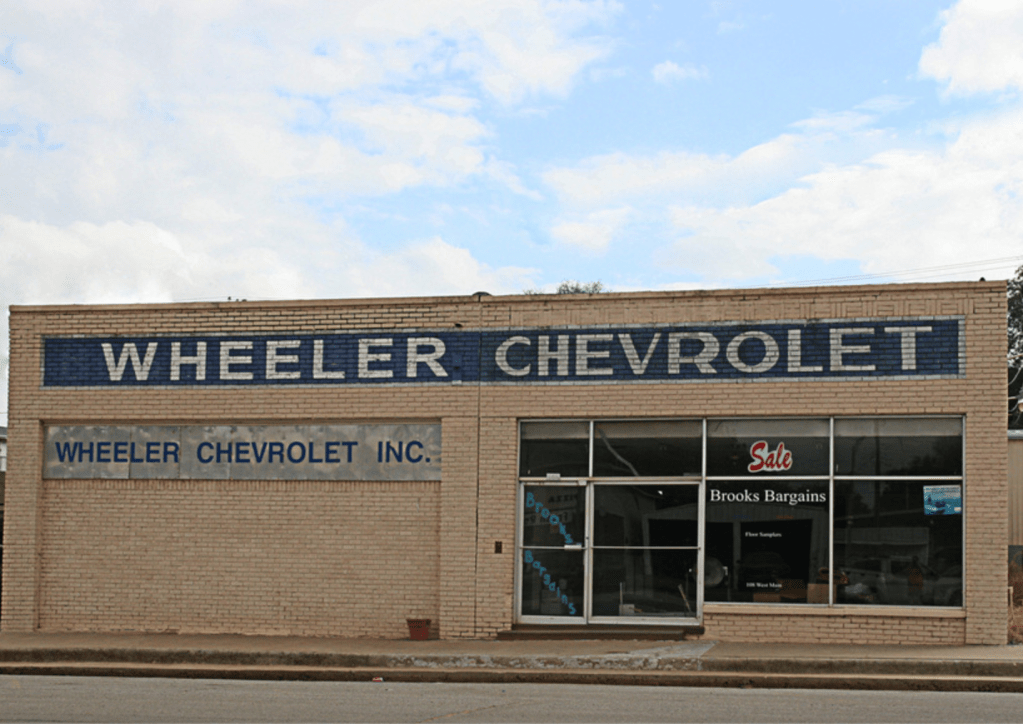
Binger once hosted three cafes and a hardware store. It also had two barber shops, a bar, and a propane company. There was a drug store, a movie theater, and two grocery stores. Additionally, it featured two laundries, a plumbing company, and a funeral home. The town included a post office, an electrical repair shop, a junk-pawn shop, and a pool hall. Binger also had two dry goods stores and a Western Auto. It had a Chevrolet Dealership, a TV Repair Service, and Three Service Stations. These were a Sinclair, a Gulf, and a Git-N-Go. There was also a dress shoppe. There was even a healthy farmer’s Co-Op. There were many other businesses that came and went in between the years. The public school was well respected in the County and had been given financial support to meet its needs.

This is a photo of the buses traveling both directions along Main Street in Binger. I’ve carried it with me for years. I have shared it many times. It always stirs the same familiar sense of remembering. This photo was taken while looking west. It captures the gentle rise at the end of the street — Binger Hill. For generations, this slope has slowed heavy trucks. It becomes unforgiving during icy winter storms.

On the right side, the white building stands just before the line of trees begins. It once served as City Hall. Inside were the fire department, water department, and city clerk. The building also housed a small police office. There was a jail that I can assure you no one was eager to test. The bars were thick, cold steel, reinforced and unyielding. I saw more than a few individuals placed there by the town’s two-man police force. This pair quietly carried more responsibility than most ever realized.

This photograph isn’t just about traffic or buildings. It holds a piece of a time when Binger moved at a gentler pace. The town watched over its own. Every corner held a story waiting to be remembered.


Johnny Bench rode home with the Binger High School baseball team on April 1, 1965. They had just played a game in nearby Riverside. This was a routine trip. It would become a moment forever etched into the town’s history. As the bus crested a hill, the coach suddenly realized the brakes had failed. The vehicle couldn’t slow down. It careened into a curve at dangerous speed. It burst through the guardrail and plunged nearly fifty feet into a ravine below.

The accident claimed the lives of two young teammates, Harold Sims and Billy Joe Wylie. This loss rippled through a small community that mourned deeply. Amid the chaos, Bench survived. He was guided by advice once given by his father. His father was a propane truck driver who understood the dangers of the road. He had told his son that in such a situation, the safest place was the floor of the vehicle. Remembering those words, Johnny dropped down. He instinctively pulled teammate David Gunter with him. This act well have saved both of their lives.

What followed was not just a tale of tragedy. It was also a story of instinct and survival. There was a quiet strength carried forth from a small Oklahoma town into the story of a legendary career.

Johnny Bench, the legendary Cincinnati Reds catcher, was known for the remarkable size and strength of his hands. Many claim he can palm as many as five baseballs in one hand. He famously demonstrated this skill on the television program This Is Your Life in the early 1970s. This moment is still remembered by many longtime fans.


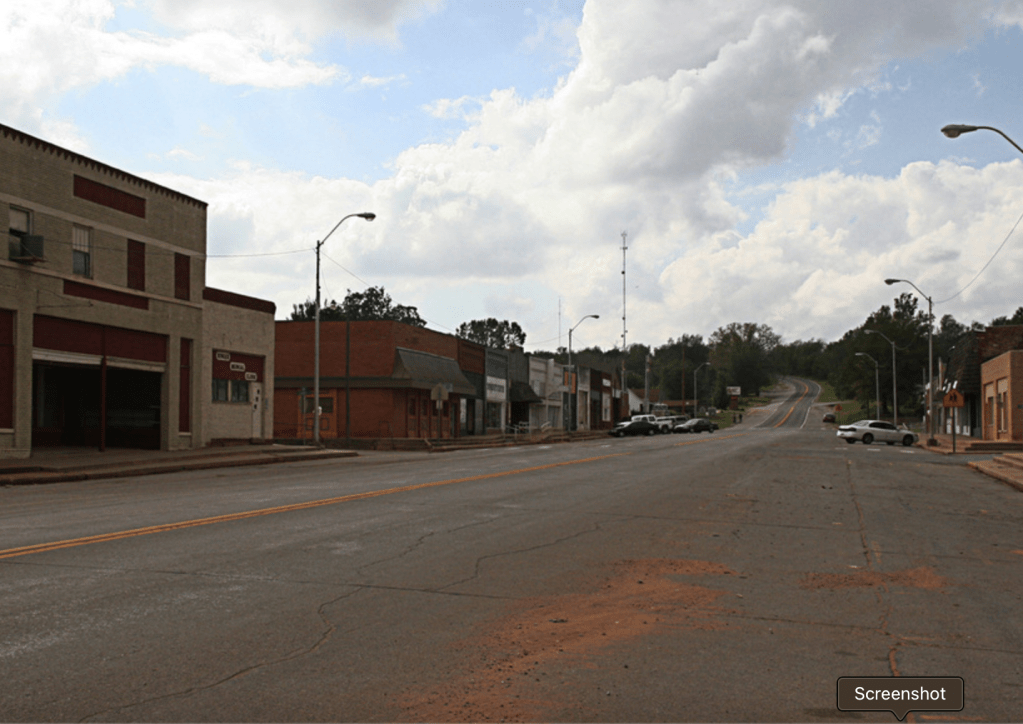
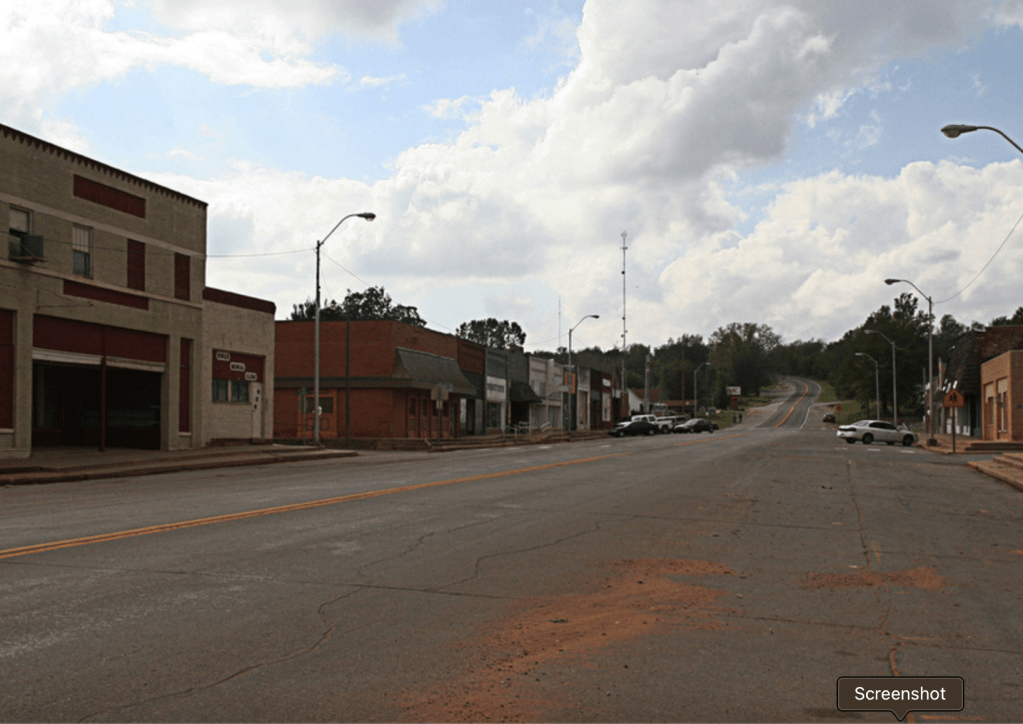
Today the state highway runs right through the town’s middle section. What once was a Main Street with shops and store fronts bustling with shoppers and townspeople is now empty. It is nearly deserted.

Cart’s Lumber on the Town’s East side is one of the few businesses providing services to the town.
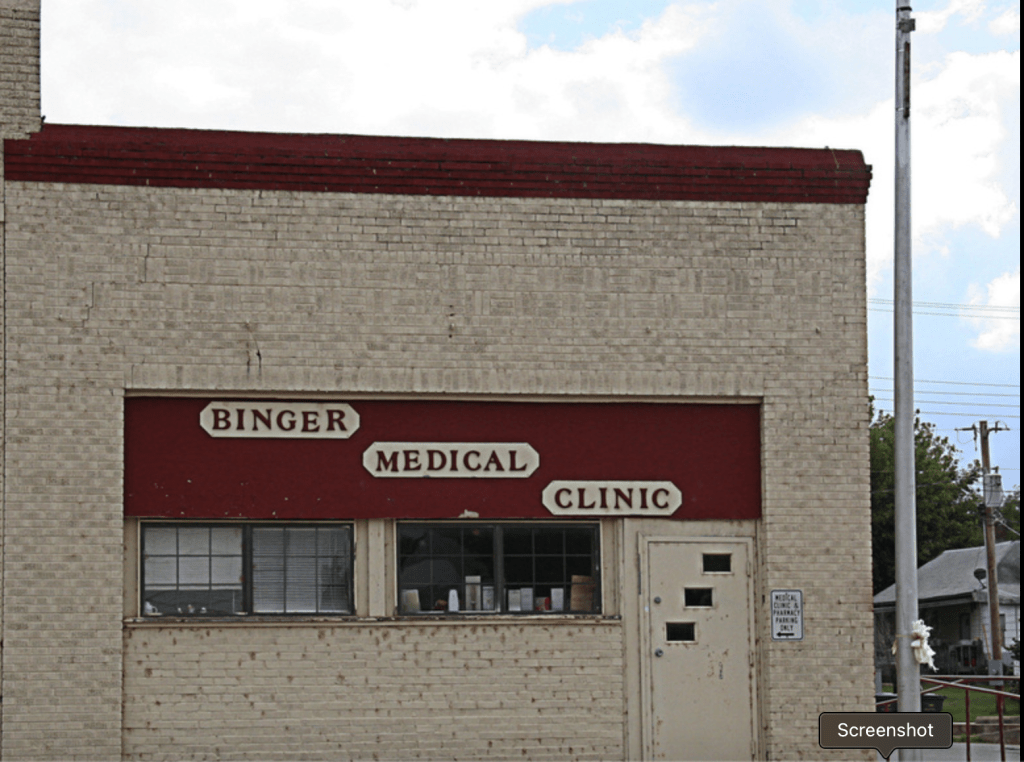
The Medical Center reportedly closed some years ago.

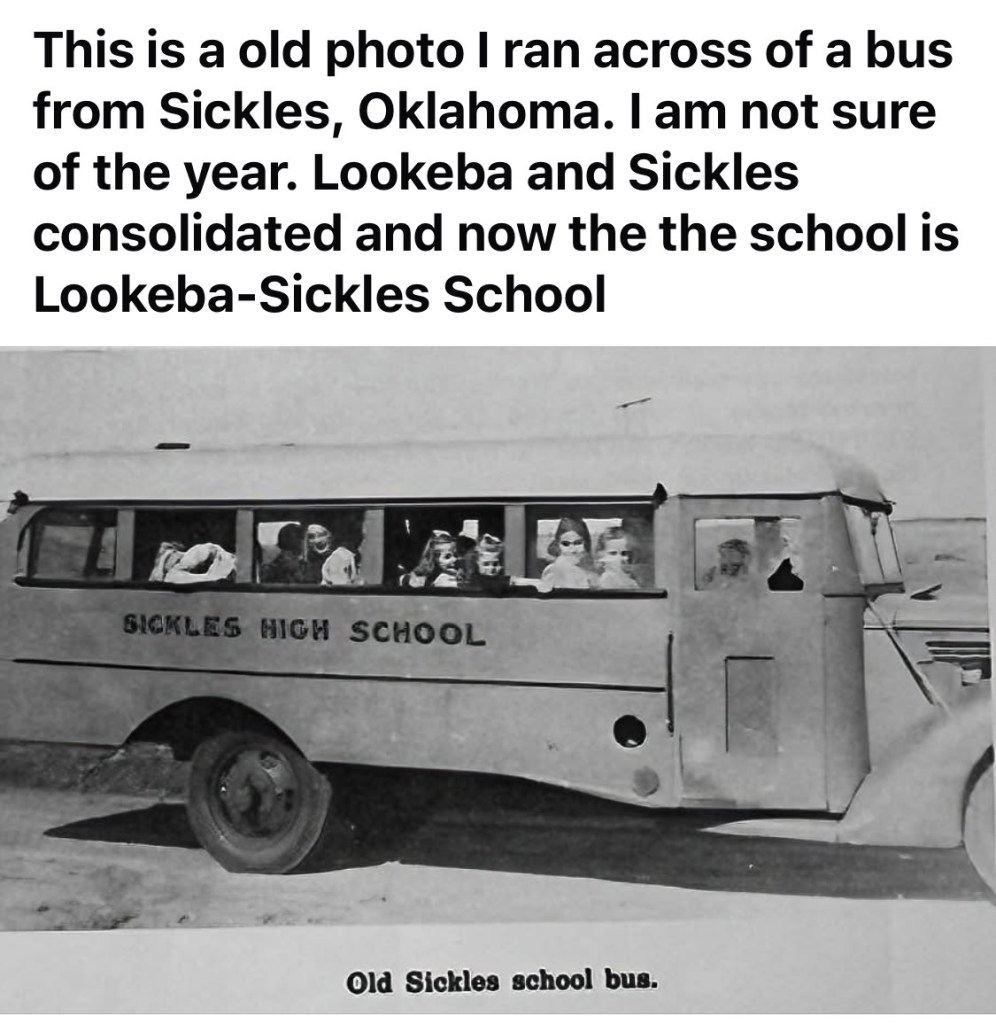
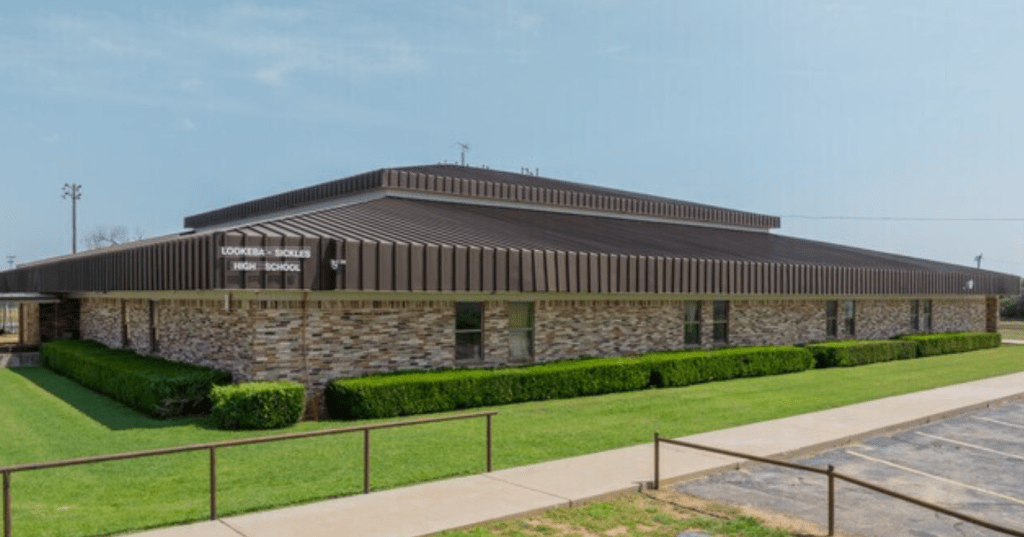
There are a few businesses still open in the town. A dollar store, a satellite bank of a local branch is located on the hill. There is one diner. A convenience store. A bar and the Post Office. But for most part, the buildings you find will be empty, boarded up and closed. In the 1970s, the town’s streets were packed with people parking to go shopping on Main Street. Now, the streets are wide open. Many contribute the towns rundown to the Caddo Electric Headquarters moving it’s headquarters three miles east of town. It caused many doing business with the Electric Cooperative to avoid stopping in Binger. It was the first set of nails in the towns casket. The others were placed there when too much faith was placed in the oil industry. Then as shops began to close, people began to move, and the towns center stopped functioning. I know because I was there and watched it. This was the town closest to our farm. I graduated from a school some fifteen minutes away, a place called Lookeba-Sickles. And that place is story for another day!


By Benjamin GroffMedia© | benandsteve.com | ©2025 

Guthrie’s Arlington Hotel: Hospitality in the Wild West

By Benjamin GroffMedia© | benandsteve.com | 2025 Truth Endures©

4–6 minutes

The Arlington Hotel: First Lady of Guthrie

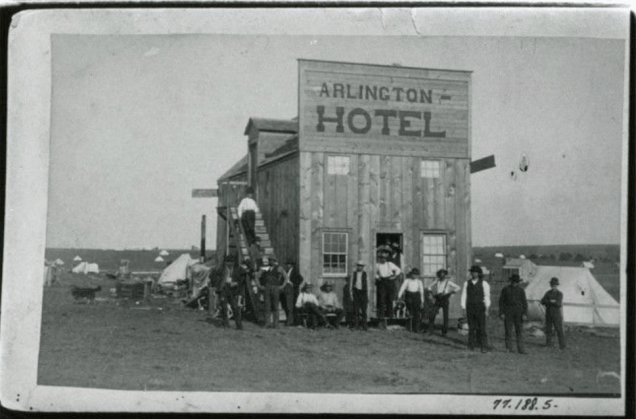
The Arlington Hotel – Guthrie, Oklahoma Territory, 1889. One of the first hotels in the land-run boomtown of Guthrie, Oklahoma Territory. Owned and operated by the fearless Madame Jeffries Star, the Arlington offered hot meals, open doors, and a warm bed to settlers, drifters, and dignitaries alike, serving as both a rest stop and a symbol of frontier resilience.
This rare 1889 photograph captures the Arlington Hotel.
It was one of the first hotels established in Guthrie.
This occurred just days after the historic Land Run opened the
Unassigned Lands of Indian Territory.

In the spring of 1889, the red dirt of Oklahoma Territory was still freshly turned. The streets of Guthrie were more dust than road. Madame Jeffries Star, a bold woman, put up a hand-painted sign above a wooden doorway. It read: “Arlington Hotel – Meals Served at All Hours.”

It was less a hotel than a grand idea built with timber and tenacity. The two-story structure is captured in a faded photograph from that year. It stood proudly among a sea of tents. Hastily constructed shacks surrounded it. Its clapboard siding gleamed in the midday sun, and smoke curled from the kitchen chimney like a ribbon of welcome.

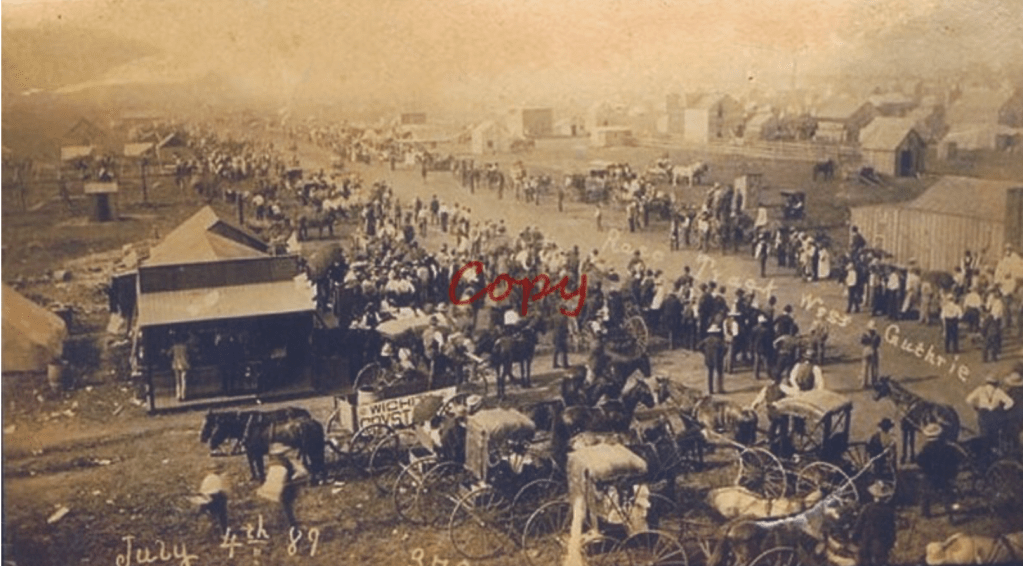
Guthrie had exploded into existence almost overnight with the Land Run of April 22, 1889. Nearly 10,000 settlers poured in by wagon, horseback, and foot, each staking their claim to this new frontier. But when night fell, those same pioneers found themselves with nowhere to go.

Enter Madame Star.

Suggested to be a woman of mystery. Some said she had once owned a boarding house in Kansas City. Others heard she had performed on stage in New Orleans. No one knew for sure. What people knew, though, was that she was shrewd and tireless. She was capable of running a kitchen, a business, and a town council meeting if needed. They had all read about her.

Guthrie Oklahoma 1989

The Arlington Hotel was the first of its kind in Guthrie. It offered rooms upstairs and meals downstairs. There was always a pot of coffee brewing. Cowboys shared breakfast with lawyers. Surveyors clinked glasses with newspaper journalists. Sometimes, soldiers bunked beside farmers who were too exhausted to argue over who got the corner bed.

Madame Star insisted that the Arlington be open 24 hours a day. “Because,” she would say, “history doesn’t keep office hours, and neither should hospitality.”

Meals were hot but straightforward: bacon and biscuits, black-eyed peas, and strong coffee so thick it would float a horseshoe. In the parlor, people came not just to rest, but to talk, to strike deals, to dream out loud. The hotel quickly became Guthrie’s beating heart—a place where the dust of the land met the polish of civilization.

Legend has it that the first territorial judge was hastily appointed just days after the Land Run. He spent his first night in Oklahoma sleeping in Arlington’s parlor. He used a law book for a pillow.

By the end of 1889, the town had a newspaper, a post office, and a telegraph line. Yet, it had always had the Arlington. At the center of it all was the name Madame Star. The image of a lady with her sleeves were rolled and her apron tied. Shouting instructions to her cook. While she poured hot coffee for a stranger fresh off the train.

She reportedly ran the hotel for nearly a decade. Then she vanished from public life as mysteriously as she had arrived. Some say she married a wealthy cattleman and relocated to the South. Others believe she returned to the stage, this time in Denver. But no one knows for sure. No one really knew what she looked like. Some thought they had seen her moving about the kitchen. Others said they saw her walking up the stairs. But she was too busy to stop and chat.

The photo taken that first year is what remains. It is a time capsule of promise. It shows a wooden hotel standing tall against a treeless prairie. And beneath the sign that reads “Arlington Hotel,” one can make out the name painted in bold:

“Prop. Madame Jeffries Star.”

The story was told up and down the rail lines. Its purpose was to pull more people into Oklahoma from the surrounding area. But, research indicates it seems Madame Jeffries Star isn’t a real historical figure. Instead, it is a name featured in an old promotional caption or photograph related to the Arlington Hotel. One photo description I found reads:

“Photograph of the Arlington Hotel, the first hotel in Guthrie, Oklahoma Territory. Prop. Madame Jeffries Star, meals served at all hours.”(1)

The name Madame Jeffries Star appears in promotional materials or signage tied to the Arlington Hotel. Yet, there’s no supporting historical record, biography, or documentation confirming she was a real person. It’s that Madame Star was a marketing persona—much like later figures including Ronald McDonald or Jake from State Farm.

The Arlington is often referred to as the first hotel in Guthrie, Oklahoma. But to avoid historical disputes, we prefer to say it was “one of the first.” There’s no verified evidence placing a real Madame Star anywhere in the country during that time period.

So who did own the hotel? The earliest known location was at 1st and Vilas, later moving around 1896 to North 2nd. Records suggest that the owner was James Douglas—the only documented proprietor I found.

Interestingly, I also came across references to over fifty other hotels operating in Guthrie between 1889 and 1910. They all did brisk business. This continued until the state capital was moved to Oklahoma City. Many in Guthrie have long considered this decision nothing short of a political robbery.

When Radios Fell Silent: The 1978 Trooper Tragedy

By Benjamin GroffMedia© | benandsteve.com | 2025 Truth Endures©

4–6 minutes

The Day the Radios Fell Silent: A Personal Account of May 26, 1978

It was a warm May morning in 1978. I was 15 years old, working the phones at my dad’s office at Camp Red Rock in western Oklahoma. For several days, law enforcement radio traffic had been intense—more active than usual, more urgent. Something serious was happening.

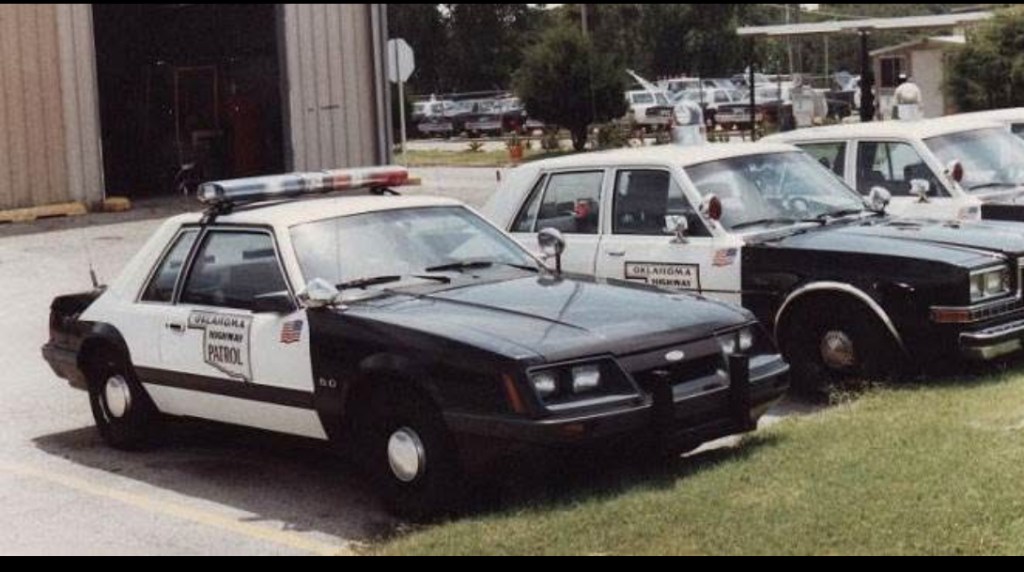
An All-Points Bulletin had been issued statewide: two inmates had escaped from the Oklahoma State Prison in McAlester. They were described as extremely dangerous men, capable of committing horrific crimes. The Oklahoma Highway Patrol (OHP) and local authorities launched a massive manhunt, focusing on the southeastern region of the state. While there were scattered reports from other areas, the belief was that the fugitives remained nearby and on foot.

Trooper Houston F. “Pappy” Summers,
Motor Vehicle Inspection (MVI) Division in Enid.

Still, troubling reports emerged—houses broken into, firearms stolen, and even a car gone missing. An army of troopers scoured the countryside. The fugitives had to move carefully, methodically, to avoid detection. The search had only been underway for days, but it felt like weeks.

May 26, 1978, arrived. It would become one of the darkest days in the history of the Oklahoma Highway Patrol.

Although I was hundreds of miles away from the action, the search was broadcast live to my ears. The ranger office where I worked was equipped with radios that picked up all law enforcement frequencies. I heard it all: the calls, the coordination, the chaos.

Trooper Billy G. Young, Woodward MVI detachment.

That morning, a somber message came over the radio from Highway Patrol District Headquarters:

“Attention all stations and units: All nets are 10-63 until further notice.”

In plain terms, this meant that the radio network was reserved exclusively for emergency traffic related to the escapees. No unnecessary chatter. But maintaining a “10-63 net” requires constant reinforcement. Officers rotate shifts. New dispatchers come on duty. Without reminders, the rule starts to fade, and soon enough, radio traffic returns to normal. That’s exactly what happened.

As the air unit tried to communicate with ground teams, their messages were drowned out by unrelated conversations. Then, something chilling unfolded.

Lieutenant Pat Grimes,
Internal Affairs.

I listened in real time. The air unit tried to warn a team of troopers. They had approached a area. The escapees were hiding—just beyond the trees, lying in wait. The troopers, thinking it was a routine check, got out of their car casually. Suddenly, gunfire erupted. It was an ambush.

One of the troopers managed to retreat to his vehicle and tried to call for backup. The air unit, having seen everything from above, struggled to get through. The radio frequencies were jammed with idle chatter. It was a communications nightmare that have cost lives.

I sat there, helpless, listening to the air unit reporting the tragedy to headquarters. The dispatcher pleaded for all units to clear the net so emergency aid is dispatched. I was stunned—devastated. This moment became a lasting lesson in why radio discipline can be a matter of life and death.

Later that day, I was shocked again—two more troopers had been shot in the same area. And then, I heard the message that signaled the manhunt was over:

“Be advised, the search for the escapees is over. All units and stations can return to regular assignments.”

That phrase said it all. The escapees were no longer a threat. They hadn’t been captured—they were dead. Had they been taken alive, the dispatch would have named the unit responsible for their arrest.

The Fallen

Three troopers lost their lives that day:

  • Trooper Houston F. “Pappy” Summers, 62, a 32-year veteran stationed with the Motor Vehicle Inspection (MVI) Division in Enid.
  • Trooper Billy G. Young, 50, with 25 years of service, attached to the Woodward MVI detachment.
  • Lieutenant Pat Grimes, 36, from Internal Affairs, nearing his 12th year with the Patrol.

Summers and Young died in a gunfight on a rural road near Kenefic. This occurred after the escapees stole a farmer’s truck and weapons. The troopers, unaware of what they were driving into, were ambushed.

Later that day, in the small town of Caddo, Lt. Grimes and his partner, Lt. Hoyt Hughes, were searching a residential area when they, too, came under fire. Grimes was fatally shot. Hughes was wounded but managed to exit the vehicle and return fire at close range, killing one of the fugitives.

Just moments later, Lt. Mike Williams of the Durant detachment arrived. He fatally shot the second escapee. This action brought an end to a 34-day reign of terror that had stretched across six states.

The two escapees caused the deaths of eight people. This number includes the three troopers. They also injured at least three others during their violent run from justice.


Final Thoughts

What I heard that day shaped me. During my time in the police academy, I learned something important. My account of the events closely aligned with what was eventually confirmed. The tragedy of May 26, 1978, became a case study. It highlighted the importance of radio discipline. The event also emphasized operational coordination and situational awareness.

But for me, it was more than that. It was personal. I was there—listening. And I will never forget the sound of silence that followed.

Jeremiah’s Bridge – A Location Of Tragedy

GROFF MEDIA 2024© TRUTH ENDURES IMDBPRO

Presented by benandsteve.com By: Benjamin Groff II©s

3–5 minutes

Jeremiah’s Bridge

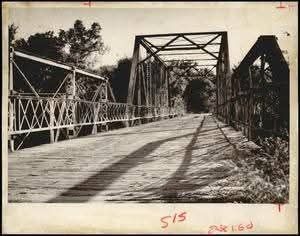
In the early 1900s, a modest bridge spanned the Washita River just west of Anadarko, Oklahoma. Locally known as Jeremiah’s Bridge, it was a vital crossing point. Over time, it became the center of chilling tales whispered among townsfolk.

A popular legend spoke of a grieving mother. She lost her infant son, Jeremiah, to the river’s relentless currents while traversing the bridge. Each night at midnight, a mist reportedly rose from the waters. It embodied the mother’s spirit as she searched and called out for her lost child. This spectral vision drew curious onlookers, solidifying the bridge’s eerie reputation.

However, beneath this sanitized tale lay a darker, harrowing truth. On June 13, 1913, the bridge bore witness to a brutal act of racial violence. Bennie Simmons, an African American man, was accused of raping and murdering 16-year-old Susie Church. He had allegedly done so on Caddo land north of Anadarko.

The Sheriff had gotten word that trouble was expected in town. He reportedly rode his horse to Apache, southwest of the jail. At sundown, a group of horsemen rode into town. A mob, without a fair trial, seized Bennie from his jail cell. They dragged him to a cottonwood tree near the bridge. There, he was doused in coal oil and set ablaze.

As flames consumed him, Bennie’s agonized prayers and screams were drowned out by the mob’s jeers. Unsatisfied, they riddled his body with bullets, ending his life in laughter and ridicule. This atrocity was reported in local newspapers, yet none of the perpetrators faced justice. The riders had all returned home before sunrise and never identified one another. You can verify the hanging by searching the name Bennie Simmons in search engines.

In the mid-1970s, I was still very young when a customer in my dad’s barbershop told him a story. I sat quietly, listening to him tell the story, confessing to being one of the riders. Over the years, pieces of the story have come together. Gradually, I fully understood the gravity of what the man was saying.

In the aftermath, the community took action. They sought to mask the bridge’s gruesome history. This allowed the legend of the mourning mother to overshadow the actual events. Over time, the name “Jeremiah” became associated not with the lost infant of folklore. Instead, it became a distorted remembrance of Bennie Simmons himself. The bridge stood as a silent testament to the fabricated legend. It also represented the suppressed memory of a man’s unjust death.

Another legend about the bridge carried an even more ominous warning. Folklore said that calling out the bridge’s name while standing on it would cause a family member to die. They believed this would happen without fail. Though dismissed as mere superstition, those who dared test the legend often regretted it.

I was one such witness. As a high school student, I accompanied a group of friends to Jeremiah’s Bridge late one night. We had heard the stories and wanted to test our courage. One of my friends, laughing, boldly called out the bridge’s name. The moment was filled with nervous chuckles and unease, but we eventually left, shaking off the eerie tension.

An hour later, everything changed. We stopped by my home. My parents told us that my friend needed to go home right away. His family had been trying to find him. The message was chilling—a relative was near death in a nearby hospital, and the family was being called in. The coincidence was too striking to ignore. That night, we left the bridge with a different fear. It was not just of ghosts. We also felt the weight of history and the unexplainable forces that seemed to linger over the river.

In 1994, decades later, a fertilizer truck caused the collapse of Jeremiah’s Bridge. This event marked the end of its physical presence. Yet, the stories persist. Both the haunting legend and the grim reality urge reflection on the past. They push for recognition of the truths that history often seeks to bury.

Word is they have replaced the structure with a new bridge. I haven’t returned to those parts in many years. The place only holds memories that I choose to keep safely tucked away.

There is also this conversation about the bridge on YouTube.

Resilience and Change: The Life of a Depression-Era Farmer

A Story By: Benjamin H Groff II© Groff Media 2024© Truth Endures

Benjamin Harrison Groff stood at the edge of his farmland west of Eakly, on Cobb Creek in Caddo County, Oklahoma, his weathered hands resting on his hips as he surveyed the fields. The sun was setting behind the Oklahoma hills, casting a golden hue over the land he’d come to love and toil. It was 1930, and though the country was heading into hard times, B.H. Groff had built a life here, one of stability and quiet perseverance.

Ben H and Florence Groff

He was 38 years old, married to Florence, and father to three children—Bennie, Dorothy, and JD. His modest but sturdy house had been their home for as long as he could remember. Its value was $3500, and though it wasn’t much compared to the sprawling estates some wealthier landowners had, it was theirs. They had a lodger, Lex Long, a 22-year-old man who had come to stay a while back. The Groffs didn’t need the money, but Lex had been good company with the world the way it was; having an extra hand around never hurt.

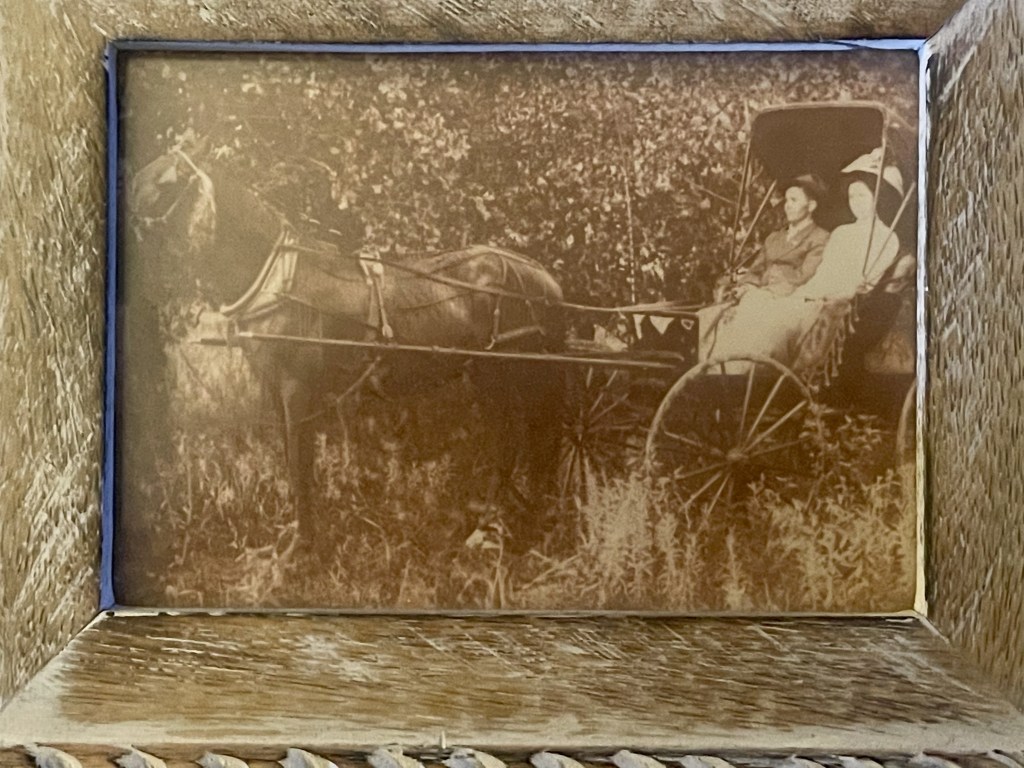
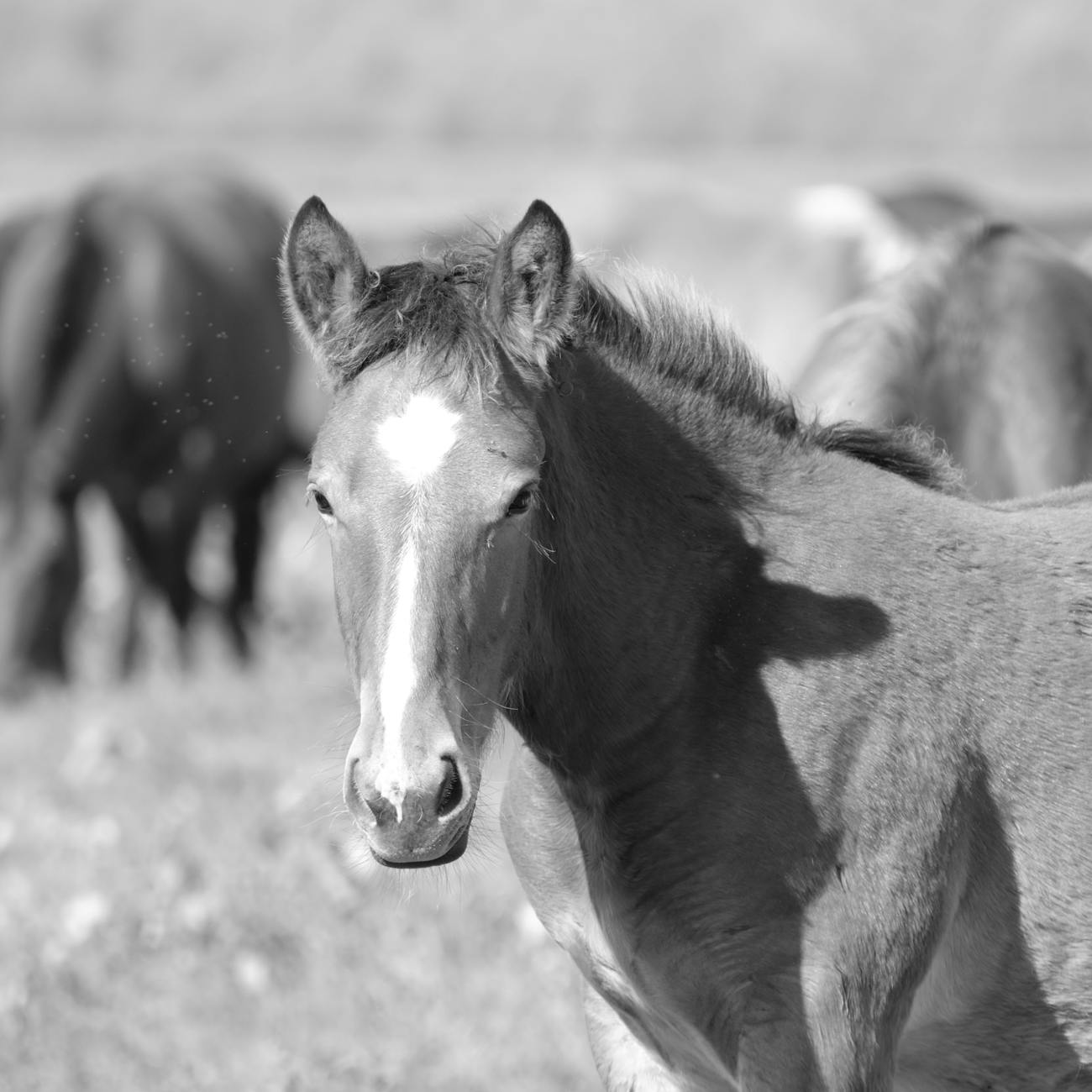
Draught Horses like those kept on Groff’s Farm.

B.H. had been a farmer for most of his life, following in the footsteps of his father, Ulrich Groff, who had immigrated from Switzerland in the late 1800s. B.H. remembered his father well—stubborn, proud, and meticulous about his work. Ulrich had come to America with nothing, finding his way to Illinois, where he built a life with Martha, B.H.’s mother, who hailed from Tennessee. Ulrich had passed a few years ago, but his values and work ethic lived on in his son. Farming had been the family’s lifeblood; Ulrich Groff is a name well known around Olney, Illinois, as the man who, along with his sons, built a barn without any metal, using only wood. It remained a place to see when people visited the town. Through the current day, but lately, B.H. has been reconsidering.

The census taker had come by not too long ago, scribbling down notes as B.H. answered the questions. He had explained that, while still farming, he had recently taken on a new role as an employer, overseeing other farms and workers. The long days of breaking his back were coming to an end. He felt more like a foreman now, guiding others and ensuring the crops were harvested on time. This transition was not just a change in his work but a step towards providing more stability for his family and the families of his workers.

Nearby Binger, Oklahoma 1930s

But still, something was unsettling in the air. The world was shifting—money was tight for many, and the Groffs, while not destitute, were careful with every penny. B.H. looked at their old house, and the absence of a radio set inside was a testament to their simpler lifestyle. He had thought about getting one, but Florence had insisted it wasn’t necessary. “We have each other,” she would say, “What more entertainment do we need?” The lack of a radio, a luxury many families could afford, was a stark reminder of the economic hardships of the time.

At dinner, B.H. would listen to Bennie, Dorothy, and J.D. chatter about school and life on the farm. Bennie, at 13, was getting taller by the day, eager to follow in his father’s footsteps, while Dorothy and J.D. still had a spark of youthful innocence. Florence, ever watchful, would smile softly, her hands always busy with mending or preparing food. The simplicity of their lives didn’t bother her—it was how she preferred it. Their home was a haven of warmth and contentment, a place where the simple joys of life were cherished. The family’s unity and resilience in the face of adversity were a beacon of hope, a testament to the strength of the human spirit during the Great Depression, uplifting those who hear their story.

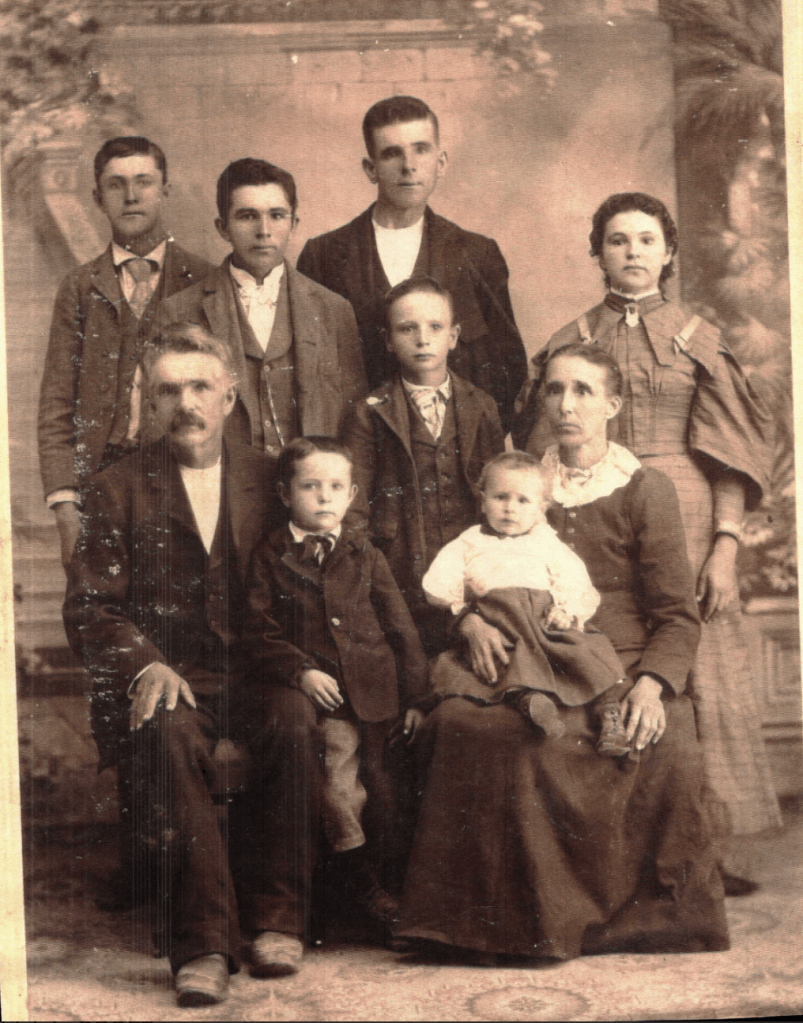
Ulrich Groff & Family

B.H. often wondered what his father would think of the life he’d built. Ulrich had been proud of his roots, reminding B.H. of the Groff family’s journey from Switzerland to America. Now, with Ulrich gone, B.H. felt the weight of his legacy. He wanted to honor it, but times were changing. Ben wasn’t just a farmer anymore but a man responsible for more than his land. He was an employer now, managing men who had their own families. This shift in his role was a sign of progress and a departure from his father’s more straightforward life, reflecting the uncertain and changing dynamics of the farming community during the Great Depression.

The fields stretched out before him, endless and full of promise. As the sun dipped below the horizon, B.H. looked at the land. He knew that whatever the future held, it would be shaped by hard work, perseverance, and the simple joys of family. And perhaps there was room for a bit of change along the way. The future was uncertain, but B.H. was ready to face it with the same determination that had guided him so far.

A SMALL TOWN VOLUNTEER AMBULANCE TEENAGE DRIVER

BenG

AT 16 YEARS OLD I VOLUNTEERED AS A DISPATCHER FOR OUR POLICE DEPARTMENT AND AMBULANCE SERVICE. I DROVE HALF THE PEOPLE IN OUR TOWN TO THE HOSPITAL THIRTY MILES AWAY.


In the quaint town of Binger, nestled amidst rolling hills and whispering woods, life moved at its own unhurried pace. It was the 1970s, and I, at the tender age of sixteen, found myself immersed in the h.eart of the community as a volunteer dispatcher and ambulance driver.

Binger boasted a modest population of 850 souls, a close-knit tapestry of neighbors who looked out for one another. Our town’s medical emergencies were once tended to by the local undertaker, a man of solemn demeanor and a heart of gold. But as time marched on, age had caught up with his trusty driver, rendering him unable to steer the old ambulance through the town’s winding streets.

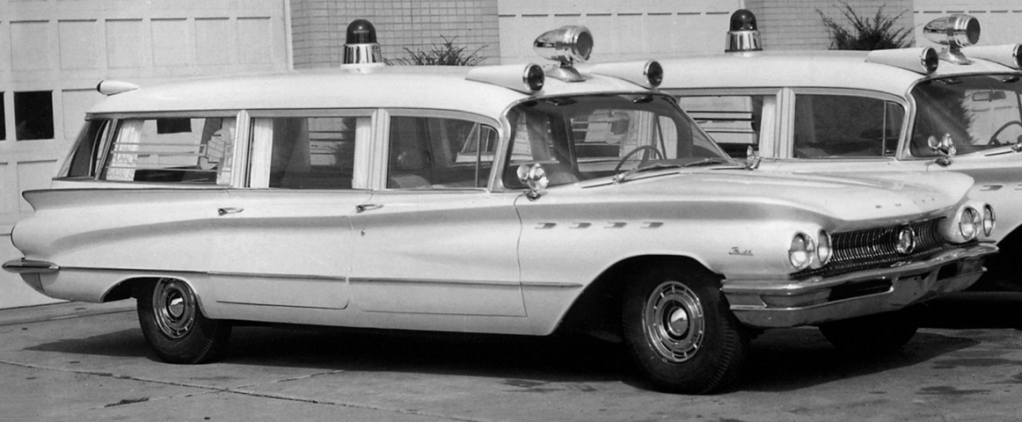
With a sense of duty and a touch of nostalgia, the undertaker donated his faithful 1962 Buick station wagon to serve as our makeshift ambulance. It was a relic of bygone days, rigged with flashing lights, a wailing siren, a sturdy stretcher, and a precious oxygen bottle. Thus, a new chapter unfolded in Binger’s history, with a rotating roster of ten volunteers, including myself, standing ready to answer the call of distress.

In those days, the rhythm of life was punctuated by the shrill ring of the telephone, summoning us into action. I would leap into the driver’s seat, adrenaline coursing through my veins, as I raced through the streets, navigating the twists and turns with practiced precision. The urgency of the situation would lend wings to my feet as I rushed to the aid of my fellow townsfolk.

The years rolled by, and Binger evolved. In 1978, the benevolent gesture of the Chevrolet dealer brought a gleaming new station wagon into our midst, a symbol of progress and prosperity. We felt like modern-day heroes, equipped with state-of-the-art technology to serve our community.

But as the 1980s dawned, change swept across the land. The state enacted stringent laws mandating EMT training and certification for ambulance attendants, a noble but burdensome requirement. Our volunteer organization, unable to meet the new standards, faced dissolution.

With heavy hearts, we bid farewell to an era marked by camaraderie and selflessness. The nearest ambulance service now lay twenty-eight miles away, a stark reminder of the passage of time and the inexorable march of progress.

Yet, amidst the bittersweet farewell, the spirit of Binger endured, a testament to the resilience of small-town values and the enduring bonds of community. And though our roles as volunteer dispatchers and ambulance drivers may have faded into memory, the echoes of our service reverberated through the annals of time, forever etched in the fabric of Binger’s history.