Justice Served: Stolen Vehicle Chase in Elk City

Groff Media 2024© Truth Endures IMDbPro

Presented by benandsteve.com By: Benjamin Groff II©


3–4 minutes

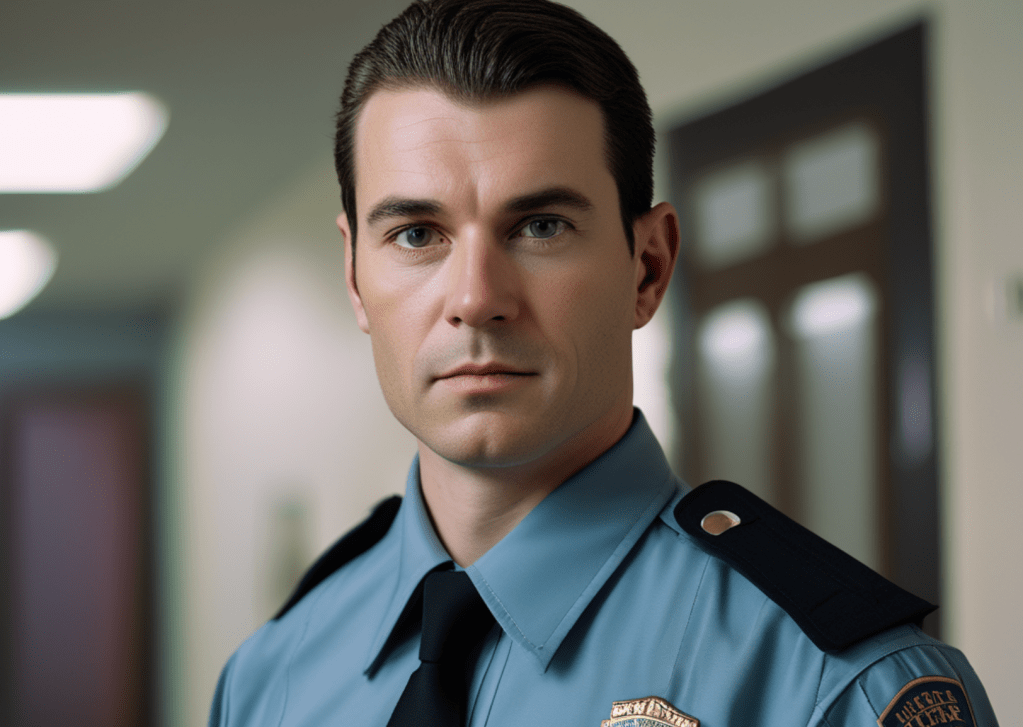
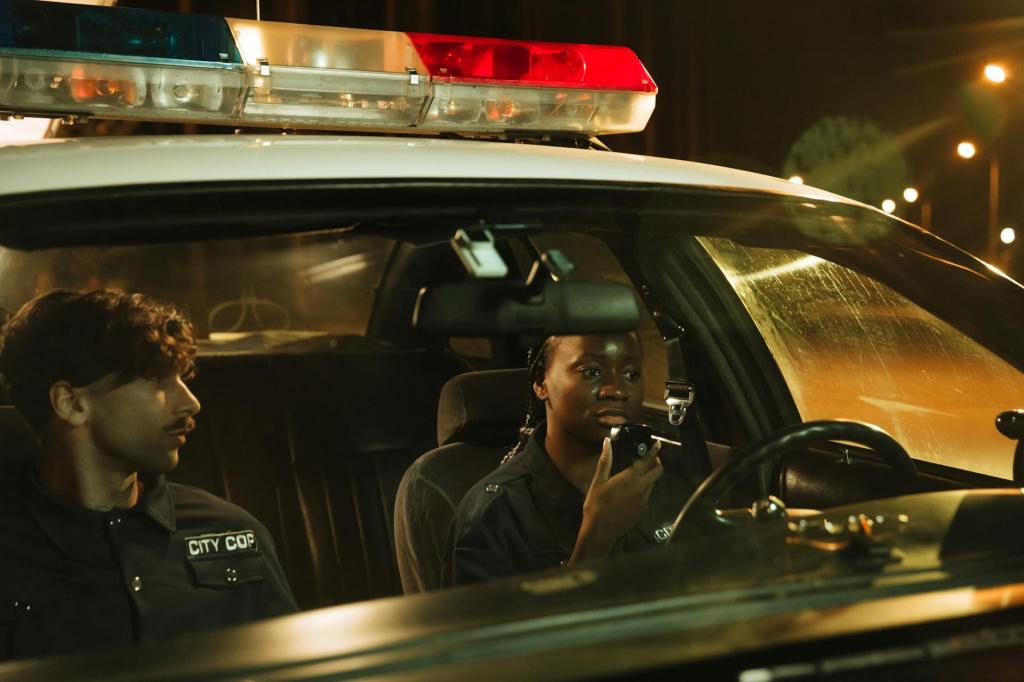
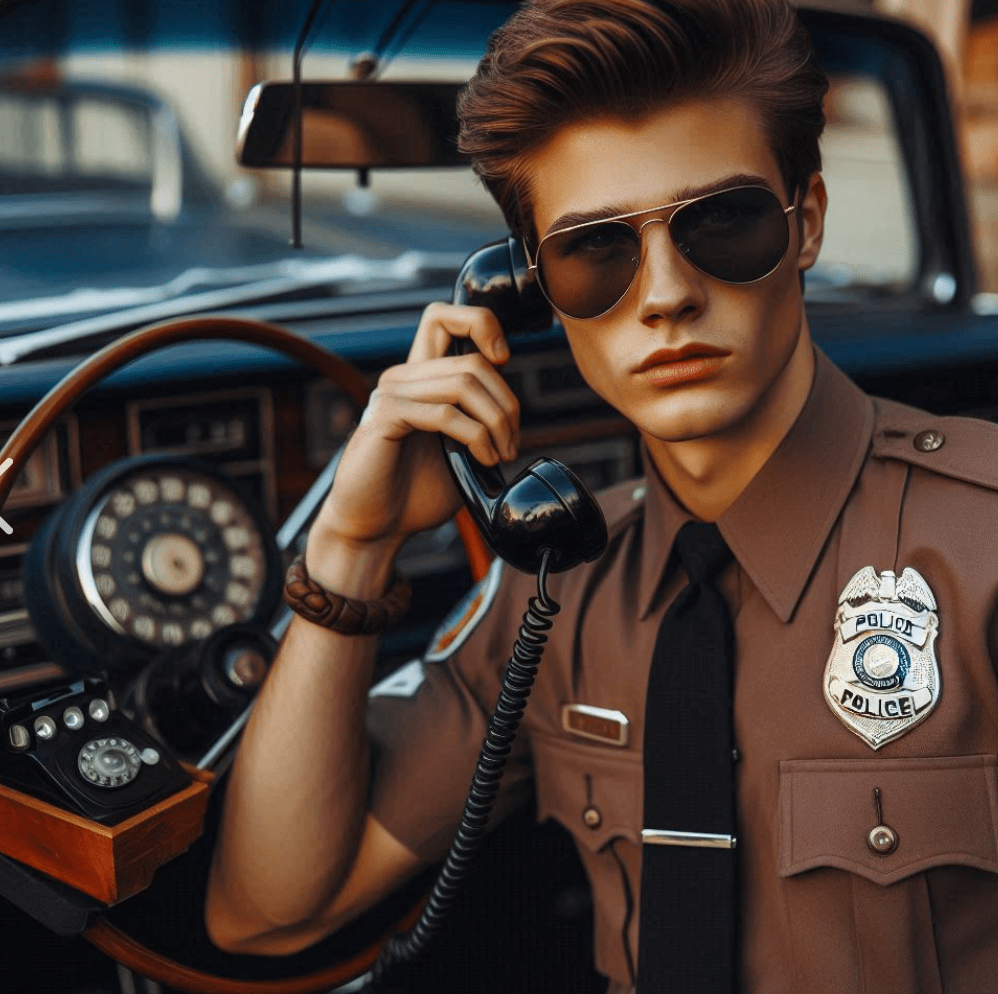
Officer Ben Groff had just started his shift at the Elk City Police Department when the call came through dispatch:

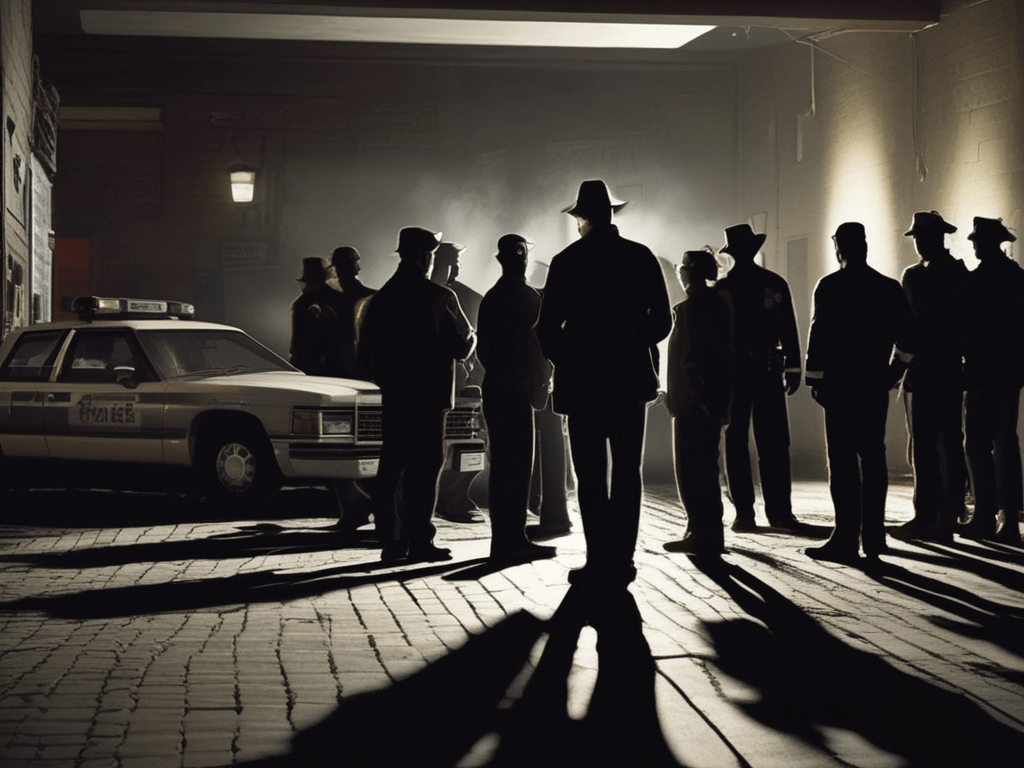
“Units should be advised of a report of a stolen vehicle spotted heading north on Main Street. It collided with several vehicles in front of the theater and continued. The suspect is a white Dodge Charger. All units respond.”

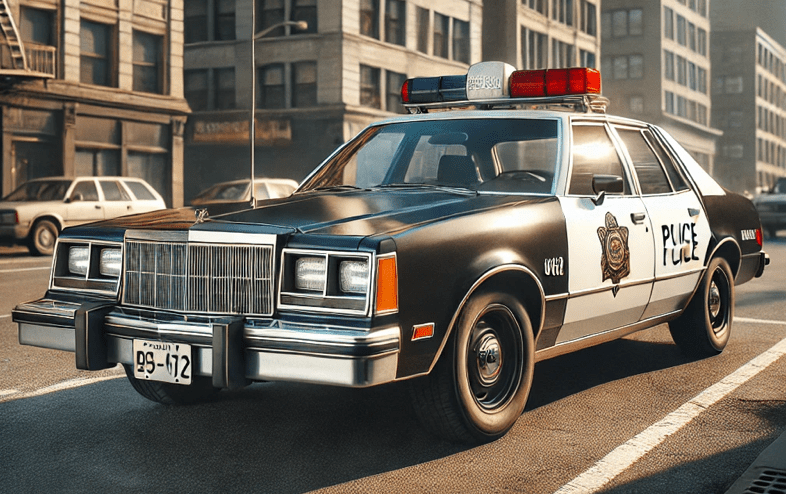
Ben’s patrol car roared to life as he drove through Third and Madison Avenue to intercept the vehicle on Main Street. Ben hit the lights and siren, merging into the city’s bustling evening traffic. Main Street was alive with its usual commotion—families grabbing dinner, teens cruising, and trucks rumbling through on their way to the interstate. The Charger weaved recklessly through it all, its driver seemingly unfazed by the chaos.

Ben’s adrenaline surged as he radioed in.

“Unit 3 in pursuit. The suspect vehicle appears to be trying to head towards Washington Street through alleyways.”

As the stolen vehicle blew past a red light, narrowly missing a minivan, Ben deftly maneuvered around other cars, keeping his pursuit controlled but relentless. He’d chased suspects before, but this one felt different—the driver was audacious and desperate, taking wild risks that jeopardized everyone on the road. The danger was palpable, the stakes high, and the adrenaline was pumping.

When the Charger made a sharp turn onto a quieter side street, Ben followed, his tires screeching on the asphalt. For a moment, the streetlights flickered off the Charger’s rear window, and Ben caught a glimpse of the driver—a young woman, her face twisted with determination.

Finally, the suspect tried to cut through an alley too narrow for her car’s speed. The Charger clipped a dumpster and spun out, slamming into a utility pole. Smoke billowed from the crumpled hood.

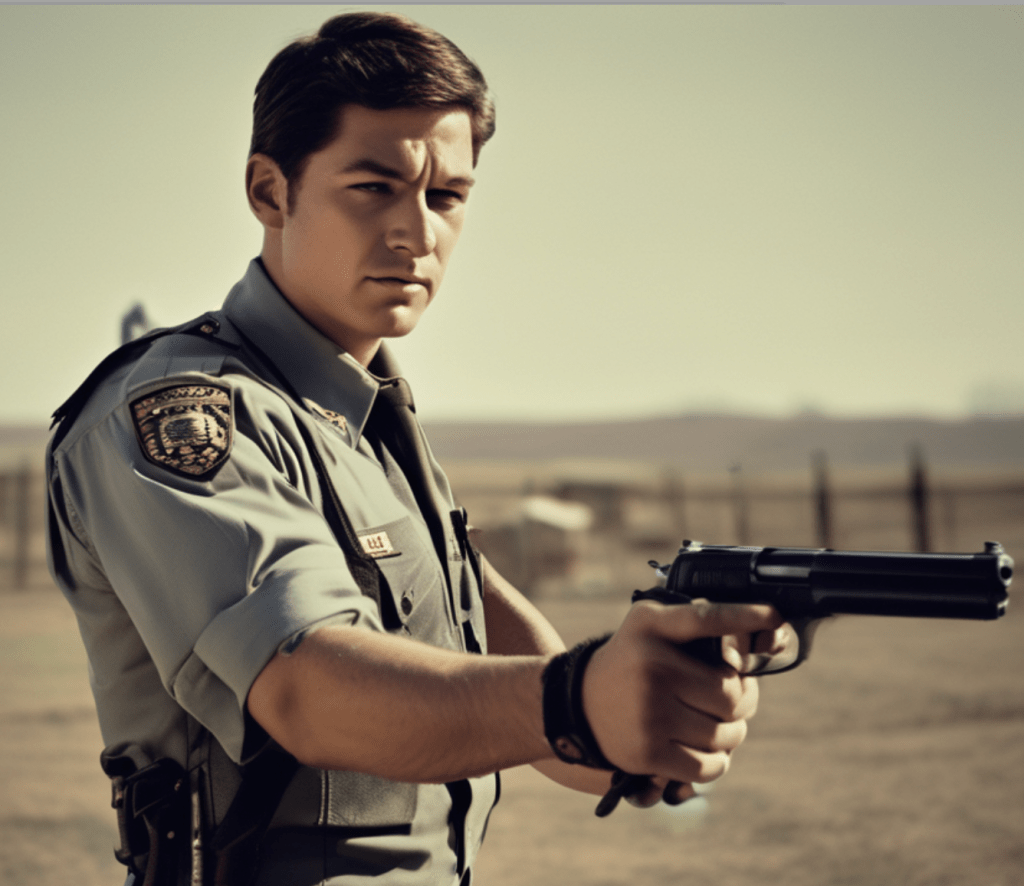
Ben skidded to a stop, jumping out with his weapon drawn.

“Show me your hands! Out of the car, now!”

The woman hesitated before stepping out, her hands trembling but raised. She was strikingly familiar—Lisa Rhodes, the girlfriend of the auto magnate and social media influencer John DeLorean. The revelation sent a shockwave through the scene, a twist in the narrative that no one, not even Ben, saw coming.

“You’ve got to be kidding me,”

Ben muttered under his breath.

Lisa tried to talk her way – out of it, her voice honeyed but shaky.

“Officer, I didn’t steal this car. It’s one I borrowed. A man, let me borrow it—this is just a misunderstanding!”

Ben wasn’t buying it. As he cuffed her, he noticed her purse on the passenger seat. When he peeked inside, his suspicions were confirmed—a substantial stash of drugs, including pills and small baggies of powder.

Backup arrived moments later, securing the scene. Lila’s protests grew louder as the reality of her arrest sank in.

“You don’t know who you’re messing with! John will have his attorneys save me and get your badge for this!”

Ben smirked as he read her rights.

“Maybe he will, but not before I make sure you face the consequences of tonight’s little joyride.”

Ben’s determination was unwavering, and his commitment to upholding the law was resolute, making it clear that justice would prevail.

Back at the station, the news spread like wildfire. Lila Rhodes, the woman frequently seen on John DeLorean’s arm at high-profile events, was booked for possession and vehicle theft. Reporters swarmed the station, eager for a statement. As she promised, high-profile attorneys showed up the following day to post bail and escort her back to California.

Later, as Ben completed his report, his sergeant clapped him on the shoulder.

“Hell of a job tonight, Ben. You nabbed someone who thought she was untouchable.”

Ben nodded, exhausted but satisfied. In Elk City, justice didn’t care about status or connections—it only cared about the law. This matter would become evident as Ben brought in well-known individuals on burglary, auto theft, and other felony charges. That is a story coming soon.

NOTE: Some names, locations, and information are changed or edited to contain alternate identifications for privacy reasons.

“The Cattle Crossing”

Groff Media 2024© Truth Endures IMDbPro

Presented by benandsteve.com By: Benjamin Groff II©


2–3 minutes

The radio crackled with urgency.

“All Units Be On The Lookout – suspect fleeing northbound on Highway 34 in a black pickup. Speed exceeding 90 miles an hour. Be advised; driver is armed and dangerous.”

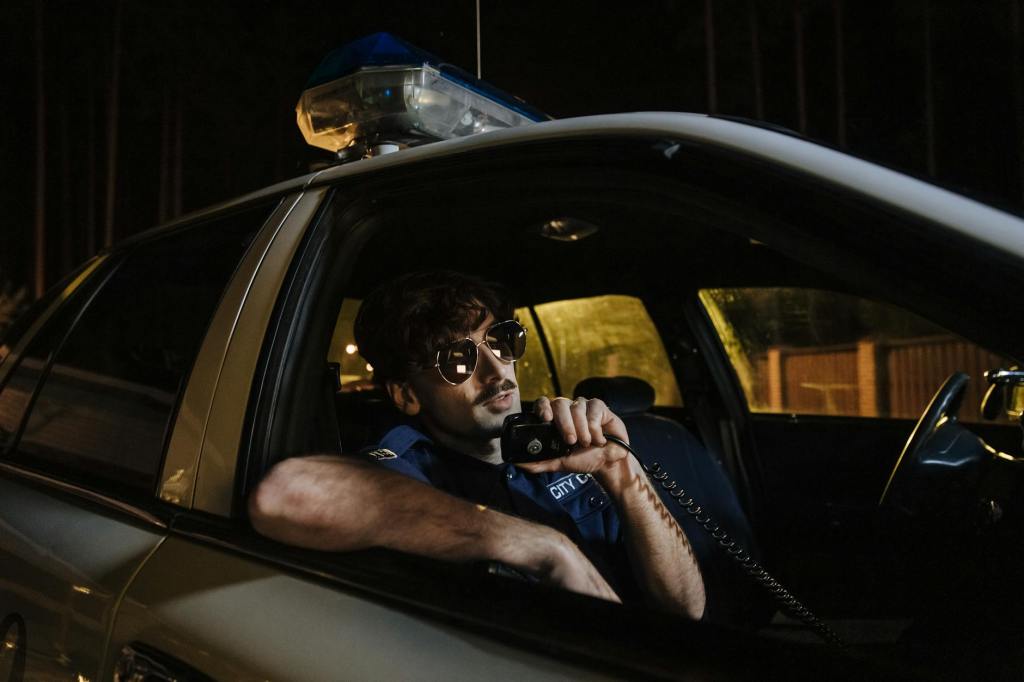
Officer Ben Groff tightened his grip on the steering wheel of his cruiser, eyes scanning the road ahead and radioing his headquarters as he spotted the vehicle from the broadcast.

“Headquarters, Unit 3, I see the suspect vehicle Northbound on Highway 34 from the Love’s Travel Stop!”

The highway stretched endlessly, bordered by barbed wire, open pastures, and woodrail fencing for the local ranches. A faint plume of dust in the distance marked the suspect’s location.

“Unit 3 in pursuit,”

Ben confirmed, activating his siren.

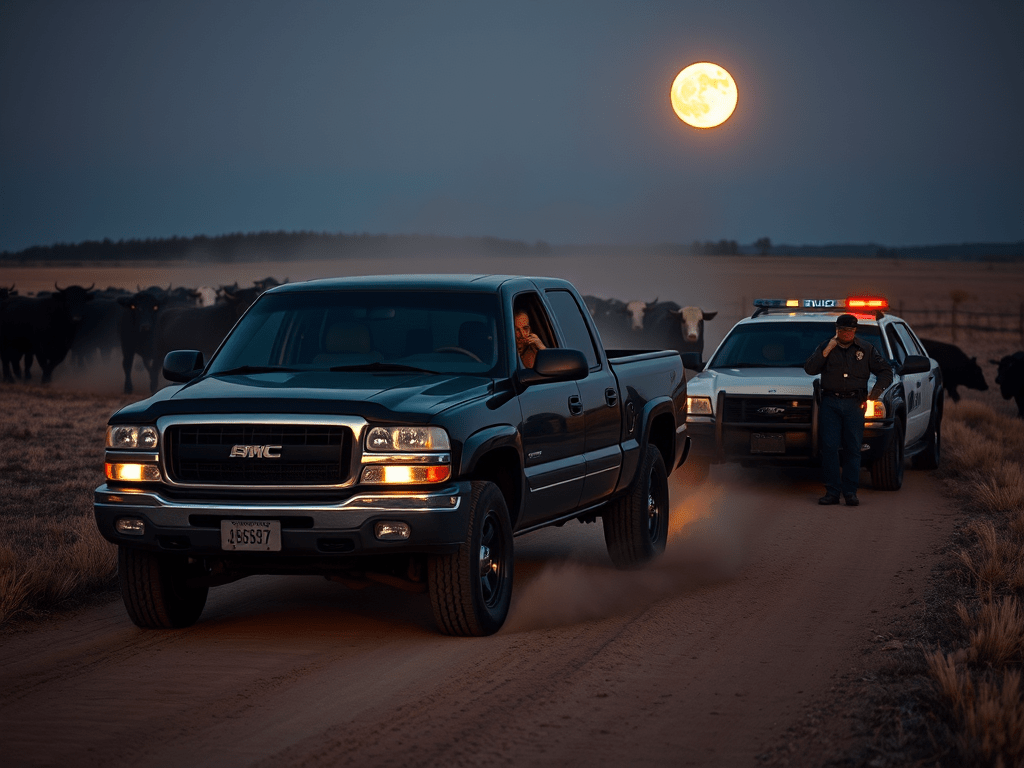
The pickup swerved erratically, weaving around slower vehicles as the chase intensified. Ben could see a rifle strapped to the back window of the truck and a pile of what looked like stolen tools in the bed.

“Suspect heading into open ranch country,” 

The dispatcher warned. 

“Roadwork ahead near Hammon. Proceed with caution.”

Ben knew the area well. It was dotted with cattle crossings—gates sometimes left open by careless ranchers. He pressed the accelerator, narrowing the distance between him and the fleeing truck.

Ahead, the suspect veered sharply onto a dirt road, kicking up a cloud of grit. Ben followed, his cruiser skidding slightly on the loose gravel. The air was thick with dust, obscuring his view, but he kept his focus sharp.

Suddenly, the truck skidded to a halt in the middle of the road. Ben braked hard, stopping a safe distance away. Before he could exit his vehicle, he heard the lowing of cattle.

A herd of cows, dozens strong, unexpectedly strolled across the road. The nightlight, reflecting the full moon’s setting, backlit their black and brown, and their movement was leisurely, indifferent to the chaos.

The suspect jumped out of the truck, shouting and waving his arms to clear a path through the herd. The cows, unimpressed, continued their slow march, blocking any escape.

Ben saw his opportunity. He exited his cruiser, drawing his weapon.

“Hands up, don’t move! You’re surrounded!”

The suspect froze, looking back and forth between the officer and the unyielding wall of cattle. A few other units arrived, their sirens wailing as they boxed him in. The man dropped to his knees, his hands raised in surrender.

Ben moved forward cautiously, cuffs in hand, as the cows watched the scene unfold with mild curiosity.

One of the arriving officers couldn’t help but joke, 

“Looks like the cows did our job for us.”

Ben chuckled as he secured the suspect.

“Sometimes justice moves at its own pace. You should have seen his face when I told him –– he was surrounded!”

As the sun dipped below the horizon, the herd finally cleared the road, leaving behind a trail of hoofprints and a story for Ben to tell at the station.

Navigating Ethics in Law Enforcement

Groff Media 2024© Truth Endures IMDbPro

Presented by benandsteve.com By: Benjamin Groff II©


4–5 minutes

After completing my training, I got assigned to a two-person unit for part of my shift. Unfortunately, this arrangement led to the exposure of my partner’s extramarital affair with a young woman who worked at a nightclub on the city’s east side. His behavior was hard to ignore. Night after night, he would leave the patrol unit to spend hours inside the club, leaving me alone to monitor radio calls. Each absence grew longer and my frustration deeper.


The city grappled with a surge in burglaries targeting vehicles, garages, homes, and businesses. As crime reports piled up, the department needed to be closer to solving the problem. Sitting in the patrol car logging incidents while my partner dallied at the bar weighed heavily on me. Worse, my delayed response times to calls had begun to draw attention, placing me in a difficult position.

Addressing the issue felt like navigating a minefield. On one hand, I had a duty to uphold the integrity of our patrol duties. On the other, reporting my concerns to a sergeant or lieutenant risked exposing my partner’s personal life, which I preferred to avoid. Going over their heads to the Captain or Major felt equally precarious. However, during my travels to pistol shooting competitions, I established a good rapport with the Chief of Police. I decided to take a chance.


One afternoon, I invited the Chief for coffee to discuss an upcoming qualification event. Once seated, I confessed my more profound concerns. I told him about my partner’s absences, the nightclub, and the woman I suspected was involved. I explained why I had yet to go through the chain of command and emphasized that my primary concern was the integrity of our patrol duties. To my relief, the Chief not only understood but also reassured me that I had made the right choice. His promise to handle the situation discreetly was a weight off my shoulders.


A week later, the schedule was released, and to my disappointment, I again got paired with the same partner. The pattern continued, with him vanishing into the nightclub and leaving me to manage radio calls alone. Frustration mounted, but I stayed focused on my responsibilities.
At the following briefing, Lieutenant Wheeler announced a significant change: I would get assigned to a solo unit. My former partner, now in a solo unit, would no longer work with me. Other patrol officers, except the K9 unit, were paired up. The decision felt like a small but meaningful vindication, a recognition of my commitment to upholding the integrity of our patrol duties.


Working solo was a challenge. Within my first three days, I responded to two fatal calls—more than many officers encounter in a month. However, I was not alone. I appreciated the support of my fellow officers, who often checked in during traffic stops or guided me through the intricacies of field reporting. Their support was a testament to the camaraderie in law enforcement and the importance of teamwork.


One night, around 1:00 AM, I intercepted a burglary alarm call at a sporting goods store. I was close to the location and informed dispatch I would respond. Oddly, my former partner claimed the call, though he was across town. Dispatch redirected him to return to headquarters instead. I only thought of it once I reached the station later.


The pieces fell into place. The Chief observed my partner’s behavior, noting how long his patrol unit lingered at the nightclub each night. The Chief orchestrated a fake alarm call to confirm his suspicions and monitored my partner’s response time. This thorough investigation led to the end of my partner’s career; he resigned the following day.


The aftermath was messy. My former partner left town with the barmaid and her four children, abandoning his wife of many years. She was devastated and began calling the department, requesting me by name to visit her. I got met with her anguish and accusations each time: “Why didn’t you tell me?” At just 21 years old, I struggled to understand why she held me responsible for policing her husband’s fidelity.


While I tried to console her, the experience left a deep impression. It wasn’t just a lesson about personal integrity and the far-reaching consequences of a lack of it. From then on, I made it a point to know my partners better, ensuring they had solid personal ethics or no attachments that could spill into their professional lives.


This early chapter of my career shaped my approach to law enforcement. It reminded me that while we wear a badge to uphold the law, we also carry the weight of trust—not just from the public but from those who depend on us, on and off duty. The importance of personal integrity in law enforcement cannot be overstated. It is not just about following the rules, but about the impact of our actions on the lives of others.

NightShift In The South District

A Story By: Benjamin Groff© Groff Media 2024© Truth Endures

The city’s skyline, dotted with the faint glow of distant lights, stretched like a jagged silhouette against the darkening sky. As the clock struck 8 p.m., the streets of the south district began to stir with a life all their own. The south district was notorious, where the line between night and day blurred into a constant shade of grey, and danger was not just a possibility but an expectation.

Officer Jacob Reed adjusted his vest and checked his gear before leaving the station. According to the seasoned officers, it was his first solo night shift in the south district, a baptism by fire. He had heard the stories—the gang disputes, the addicts, the desperate, the damned. But nothing could truly prepare him for the reality of patrolling these mean streets.

The radio crackled to life as he started his patrol car, the familiar voice of the dispatcher cutting through the static. “Unit 27, disturbance reported on 5th and Elm. Suspected domestic violence. Proceed with caution.”

Jacob felt a knot tighten in his stomach. Domestic calls were unpredictable and often turned violent. He sped through the streets, the red and blue lights flashing against the crumbling buildings and graffiti-stained walls.

As he arrived, he could already hear the shouting. A man and a woman, voices thick with anger and pain, spilling out from a run-down apartment. Jacob approached cautiously, hand on his holster. The door was ajar, the argument escalating. He knocked loudly, announcing his presence, which momentarily stunned the couple into silence.

The woman, tears streaking her face, pushed past him and ran into the night, leaving Jacob alone with the man—a towering figure, eyes wild with rage and something darker. “You got no business here, cop,” the man snarled.

Jacob knew better than to engage in a back-and-forth. “Sir, I need you to calm down. Let’s talk this out. No one needs to get hurt tonight.”

But the man was beyond reason. He lunged at Jacob, who barely had time to react, wrestling him to the floor. The training kicked in, and within moments, Jacob had the man subdued and in handcuffs. But the adrenaline still pumped through his veins as he led the man to the patrol car, the woman’s disappearance lingering in his mind. It was just the beginning of the night.

The hours they dragged on, each call blurring into the next—a bar fight that ended with broken bottles and blood, a missing child who had been found in an alley shivering and alone, a burglary in progress that turned into a chase through the maze of backstreets.

The south district had a pulse of its own, a relentless, pounding rhythm that seemed to sync with the beat of Jacob’s heart. He could feel the weight of the night pressing down on him, the darkness closing in from all sides. There were moments when the fear gnawed at him, but he pushed it down, focused on the next call, the next crisis.

Around 3 a.m., as the city reached its most sinister hour, Jacob found himself at a crossroads, literally and figuratively. He got flagged down by a frantic woman claiming someone shot her boyfriend. She led him to a dilapidated building where the faint scent of gunpowder still hung in the air. Inside, the scene was grim—a young man, barely older than Jacob, lay bleeding out on the floor.

Jacob radioed for an ambulance and knelt beside the man, trying to stop the bleeding, but the wounds were too severe. The man’s eyes, filled with pain and fear, met Jacob’s. “I didn’t mean to… I didn’t mean…” he rasped before the light in his eyes faded.

Jacob sat back, his hands stained with blood, his heart heavy. The ambulance arrived too late, and as they wheeled the body away, Jacob felt a hollowness settle in. The streets had claimed another life, and despite his best efforts, he was powerless to stop it.

The night continued its brutal march towards dawn, with Jacob responding to calls that tested his resolve—an overdose that ended with a life saved, a car accident where luck favored the victim, and a confrontation with a knife-wielding suspect that left him shaken but unharmed.

As the first light of dawn broke over the horizon, Jacob finally pulled back into the station, exhausted and drained. The south district was a battleground, and the scars it left were not always visible. He had survived the night, but he knew there would be many more like it, each with its dangers, each demanding more from him than he thought he had to give.

But as he hung up his gear and prepared to go home, he knew he would return the next night. Because despite the fear, despite the darkness, there was a part of him that knew he was needed here, in these mean streets, where the line between good and evil was as blurred as the city skyline at dusk

A Step Out of Time – The Day That Kept Repeating –– A Detective Wakes Up Lost In The Future 

Experiencing A Different Version Of The Same Day Over And Over.

A Story By: Benjamin Groff© Groff Media 2024 © Truth Endures

Detective James “Jimmy” O’Connor had seen it all—or so he thought. O’Connor had been on the force since 1951 when respect meant something and a good cop could solve a case with his wits and a firm handshake. But nothing could have prepared him for the day he woke up in 2024, a world so different from the one he knew. It was as if he had stepped into a parallel universe.

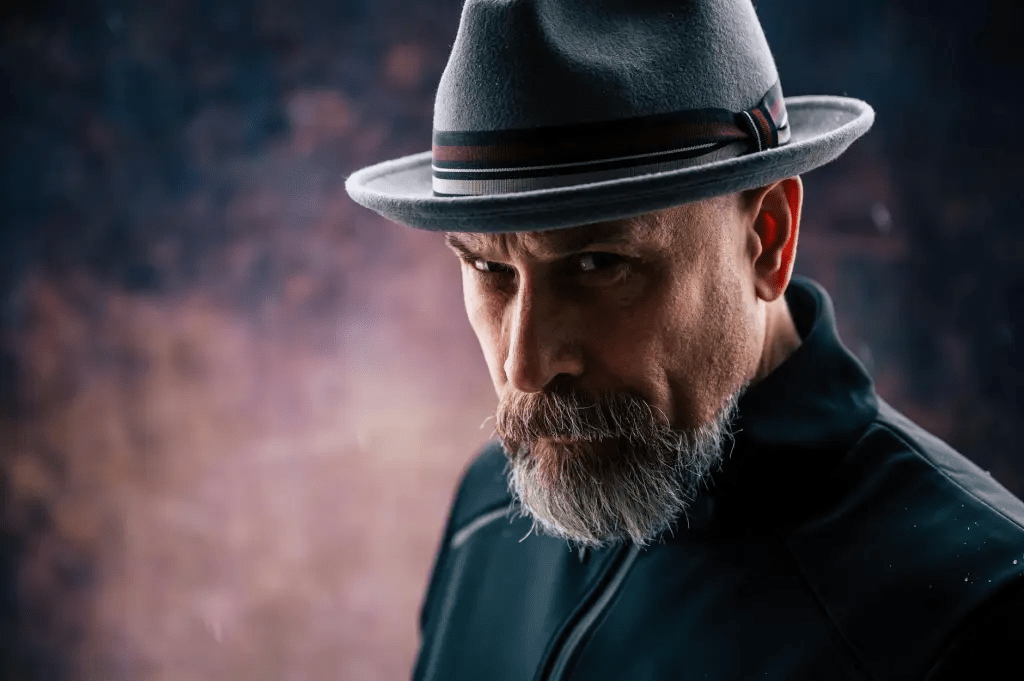
It started like any other morning. Jimmy rolled out of bed in his modest home, built solidly after the war when families were booming and life was good. He yawned, stretched, and reached for his old fedora, a relic from yesteryear that still sat faithfully on the bedpost. The sun streamed through the window, but something in the light felt –– off. A glance at the calendar confirmed it. The year read 2024.

“What in the Sam Hill…”

he muttered, running a hand through his graying hair. Had he been in a coma? Had he somehow slept through sixty years of his life?

Still dazed, he dressed in his usual attire: a crisp white shirt, suspenders, pleated trousers, and polished leather shoes. His well-worn and comforting hat sat snugly atop his head. The mirror reflected a man who had not aged a day since the early 1960s. Time had played its tricks, but Jimmy O’Connor remained the same.

Determined to make sense of things, he grabbed his keys and headed out. His faithful 1954 Chevrolet two-door coupe sat waiting in the driveway as he’d left it. The car was nothing fancy—back in the day, it had been the biggest clunker in the department. The boys at the station used to rib him about it, but Jimmy liked it just fine. It had character, just like him.

The drive to the station was surreal. Buildings towered over the officer, sleek and modern. People walked down the streets glued to strange devices, barely looking up. The air buzzed with a thousand sounds, none of which he recognized. And the cars—by God, the cars! They whizzed by silently as if propelled by magic. Jimmy’s old Chevy chugged along, a relic in a world that had moved on without him, a world that felt utterly alien.

When he pulled up to the station, he first noticed the gawking. A group of younger officers stood in the lot, eyes wide and mouths agape as they saw him and his car. One of them, a kid who couldn’t have been more than twenty-five, stepped forward.

“Is that…a ’54 Chevy?”

He asked, awe dripping from his voice.

Jimmy nodded, confused.

“Sure is. Why?”

“That thing’s a classic! How the hell did you get it in such good shape?”

“Just took care of it, I guess,”

Jimmy replied, still trying to process everything.

“Now, what in blazes is going on around here?”

Inside, the station was a hive of activity, but nothing looked the same. Computers sat on every desk, glowing with images Jimmy didn’t understand. Phones weren’t phones anymore; they were slim, glass rectangles everyone seemed glued to. And the fashion—if you could call it that—was wild—bright colors, strange fabrics, and hair that defied gravity.

Jimmy made his way to the chief’s office, nodding at a few familiar faces, now older men. They all stared back as if they’d seen a ghost. When he finally entered the door, Chief Morales looked up from his desk, his eyes nearly popping out of his head.

“Jimmy?”

Chief Morales croaked, his eyes nearly popping out of his head.

“What the hell?”

His voice was a mix of shock and disbelief, mirroring the sentiments of everyone who had laid eyes on the seemingly unchanged detective.

“Chief, I don’t know what’s happening, but I woke up this morning, and the whole world turned upside down. I need answers.”

Morales gestured for him to sit, still in shock.

“You mean to tell me you remember nothing past…when? The 1960s?”

“Last thing I remember, Kennedy was in office, and I was working a case with the old squad,”

Jimmy replied, sinking into the chair.

“Now it’s like I stepped into one of those science fiction movies.”

The chief rubbed his temples.

“Jimmy, it’s 2024. A lot has changed. I don’t know how or why, but you look like you haven’t aged a day.”

“Tell me about it,”

Jimmy grumbled.

“And what’s with the kids these days? I was on a case involving students before this, whatever it was. Are they all this –––different?”

The chief sighed.

“Different doesn’t begin to cover it. Kids these days are a whole new breed. They have connected to the world in ways we couldn’t have imagined in the 60s. Social media, smartphones, instant communication –– They’re more outspoken and more aware but more distracted. It’s a different world, Jimmy.”

Just then, a young officer burst into the room, his face excitedly lit.

“Chief, we’ve got a situation at the high school. Some fight—might be gang-related.”

Jimmy’s ears perked up. A case involving students? An assignment with students –– was familiar territory.

“I’ll go,”

he said, standing up.

“Jimmy, wait—”

Morales started, but Jimmy was already out the door.

On the Case

The high school was a chaotic scene. Teens were scattered everywhere, shouting and recording the commotion on their phones. Jimmy strode in, commanding attention despite the odd looks he received. He spotted a group of kids at the center of it all, some dressed in clothes he could barely comprehend, others with tattoos and piercings that would have been unthinkable in his time.

“Alright, break it up!”

Jimmy barked, his voice cutting through the noise like a knife. The kids looked at him, confused, but the tone was unmistakable. They started to disperse, grumbling under their breath.

A young girl with brightly colored hair and a nose ring approached him.

“Who are you supposed to be? You look like you just walked out of a history book.”

“Detective O’Connor,”

he replied gruffly.

“Now, what’s going on here?”

She shrugged, unimpressed.

“Just a fight. It happens all the time. We caught it on video if you want to see it.”

Jimmy blinked.

“Caught it on video? You mean you filmed it instead of stopping it?”

The girl rolled her eyes.

“Yeah, it’s what we do. Upload it to TikTok, get some likes.”

“Tik…what?”

Jimmy shook his head, feeling like he was slipping further into the twilight zone.

“Never mind,”

she said, dismissing him.

“You wouldn’t get it.”

As he tried to piece together what she meant, a senior officer approached, relieved to see him.

“Detective O’Connor, right? I’ve heard stories about you. The chief said you might be ––– helping out today?

“Helping out, yeah,”

Jimmy replied, still feeling out of place.

“What’s the story here?”

The officer explained the situation—two students from rival groups had fought over something posted online. Jimmy listened, but the details were baffling. Back in his day, fights happened face-to-face, not through the internet.

“Sounds like the same old story, just with a new twist,”

Jimmy said.

“I’ll talk to them.”

He approached the two students, who were now sulking on the sidelines. They looked up at him with a mix of defiance and confusion.

“Alright, you two,”

Jimmy started,

“what’s this all about?”

They exchanged glances before one finally spoke up.

“This boy posted some crap about my sister on Instagram. I wasn’t going to let that slide.”

“Instagram?”

Jimmy repeated, trying to keep up.

“Back in my day, you settled things like men. You talked it out—or, if it came to blows, you did it without an audience.”

The other boy scoffed.

“What do you know, old man? Times have changed.”

“Maybe so,”

Jimmy admitted,

“but respect doesn’t. You don’t solve problems by hiding behind a screen. If you’ve got an issue, you deal with it face-to-face, like men. And you sure don’t let it become a circus for everyone else to watch.”

The boys looked at him, considering his words. It was a message from another time, but something about it resonated. Eventually, they both nodded, muttering apologies under their breath.

As the situation defused, Jimmy felt a strange sense of accomplishment. The methods might have changed, but the core principles still needed to be. Respect, honesty, and responsibility still mattered, even in this brave new world.

The World Keeps Spinning

Back at the station, the day wound down, and Jimmy found himself in the parking lot, staring at his old Chevy. It was the one constant in this sea of change, a reminder of where he came from and who he was. But as he climbed in and turned the key, he couldn’t help but wonder how long he could hold onto the past in a world that seemed determined to move forward without him.

As the engine roared to life, Jimmy tipped his hat, adjusted his rearview mirror, and drove into the setting sun. The road ahead was uncertain, but he’d face it the only way he knew how—one mile at a time, just like he always had.

He’d find his place in this strange new world somewhere along the way. But for now, he was content to be a man out of time, doing his best to keep up with a world that had left him behind.

A Step Out of Time The Next Morning

Detective James “Jimmy” O’Connor had seen it all—or so he thought. O’Connor had been on the force since 1951 when respect meant something and a good cop could solve a case with his wits and a firm handshake. But nothing could have prepared him for the day he woke up in 2024, a world so different from the one he knew. It was as if he had stepped into a parallel universe, a world where the very fabric of society got rewoven.

It started like any other morning. Jimmy rolled out of bed in his modest home, built solidly after the war when families were booming and life was good. He yawned, stretched, and reached for his old fedora, a relic from yesteryear that still sat faithfully on the bedpost. The sun streamed through the window, but something in the light felt –– off. A glance at the calendar confirmed it. The year read 2024.

“What in the Sam Hill…it seems like I’ve been here before.”

he muttered, his voice trembling, running a hand through his graying hair. Had he been in a coma? Had he somehow slept through sixty years of his life?

Still dazed, he dressed in his usual attire: a crisp white shirt, suspenders, pleated trousers, and polished leather shoes. His well-worn and comforting hat sat snugly atop his head. The mirror reflected a man who had not aged a day since the early 1960s. Time had played its tricks, but Jimmy O’Connor remained the same.

Determined to make sense of things, he grabbed his keys and headed out. His faithful 1954 Chevrolet two-door coupe sat waiting in the driveway as he’d left it. The car was nothing fancy—back in the day, it had been the biggest clunker in the department. The boys at the station used to rib him about it, but Jimmy liked it just fine. It had character, just like him.

The drive to the station was surreal. Buildings towered over the officer, sleek and modern. People walked down the streets glued to strange devices, barely looking up. The air buzzed with a thousand sounds, none of which he recognized. And the cars—by God, the cars! They whizzed by silently as if propelled by magic. Jimmy’s old Chevy chugged along, a relic in a world that had moved on without him, a world that felt utterly alien.

When he pulled up to the station, he first noticed the gawking. A group of younger officers stood in the lot, eyes wide and mouths agape as they saw him and his car. One of them, a kid who couldn’t have been more than twenty-five, stepped forward.

“Is that…a ’54 Chevy?”

the young officer asked, his voice filled with awe and disbelief as if he had just seen a relic from a forgotten era.

Jimmy nodded, confused.

“Sure is. Why?

“That thing’s a classic! How the hell did you get it in such good shape?”

“Just took care of it, I guess,”

Jimmy replied, thinking he’d answered the same question a day before, he was still trying to process everything.

“Now, what in blazes is going on around here?”

Inside, the station was a hive of activity, but nothing looked the same. Computers sat on every desk, glowing with images Jimmy didn’t understand. He’d been here before. This is the same thing he had done yesterday. Phones weren’t phones anymore; they were slim, glass rectangles everyone seemed glued to. The fashion starkly contrasted Jimmy’s traditional attire—bright colors, strange fabrics, and hair that defied gravity. The world had become a place where technology and individual expression reigned supreme, a far cry from the simpler times Jimmy was used to. I am repeating yesterday in the future, Jimmy thought to himself.

Jimmy went to the chief’s office, nodding at a few familiar faces, now older men. They all stared back as if they’d seen a ghost, they hadn’t seen Jimmy looking that young in fifty years. When he finally entered the door, Chief Morales looked up from his desk, his eyes nearly popping out of his head.

“Jimmy?”

Chief Morales croaked, his eyes nearly popping out of his head. The shock and disbelief in his voice mirrored the sentiments of everyone who had laid eyes on the seemingly unchanged detective.

“Chief, I don’t know what’s happening, but I woke up this morning, and the whole world turned upside down. I need answers,”

he declared, his voice unwavering despite the chaos around him.

“We did this yesterday, and now it is happening again!

Morales gestured for him to sit, still in shock.

“Like I told you yesterday, when we went through this the last thing I remember, Kennedy was in office, and I was working a case with the old squad,” Jimmy replied, sinking into the chair. “Now it’s like I stepped into one of those science fiction movies.

The chief rubbed his temples.

“Jimmy, it’s 2024. A lot has changed. I don’t know how or why, but you look like you haven’t aged a day.”

“Tell me about it,”

Jimmy grumbled.

“And what’s with the kids these days? I was on a case involving students before this, whatever it was. Are they all this –––different?”

The chief sighed.

“Different doesn’t begin to cover it. Kids these days are a whole new breed. They have connected to the world in ways we couldn’t have imagined in the 60s. Social media, smartphones, instant communication –– They’re more outspoken and more aware but more distracted. It’s a different world, Jimmy.”

Just then, a young officer burst into the room, his face excitedly lit.

“Chief, we’ve got a situation at the high school. Some fight—might be gang-related.”

Jimmy’s ears perked up. A case involving students? An assignment with students –– was familiar territory.

“I’ll go,”

he said, standing up.

“Jimmy, wait—

” Morales started, but Jimmy was already out the door.

On the Case

The high school was a chaotic scene. Teens were scattered everywhere, shouting and recording the commotion on their phones. Jimmy strode in, commanding attention despite the odd looks he received. He spotted a group of kids at the center of it all, some dressed in clothes he could barely comprehend, others with tattoos and piercings that would have been unthinkable in his time.

“Alright, break it up!”

Jimmy barked, his voice cutting through the noise like a knife. The kids looked at him, confused, but the tone was unmistakable. They started to disperse, grumbling under their breath.

A young girl with brightly colored hair and a nose ring approached him.

“Who are you supposed to be? You look like you just walked out of a history book.”

“Detective O’Connor,”

he replied gruffly.

“Now, what’s going on here?”

She shrugged, unimpressed.

“Just a fight. It happens all the time. We caught it on video if you want to see it.”

Jimmy blinked.

“Caught it on video? You mean you filmed it instead of stopping it?”

The girl rolled her eyes.

“Yeah, it’s what we do. Upload it to TikTok, get some likes.”

“Tik…what?”

Jimmy shook his head, feeling like he was slipping further into the twilight zone.

“Never mind,”

she said, dismissing him.

“You wouldn’t get it.”

As he tried to piece together what she meant, a senior officer approached, relieved to see him.

“Detective O’Connor, right? I’ve heard stories about you. The chief said you might be ––– helping out today?”

“Helping out, yeah,”

Jimmy replied, still feeling out of place.

“What’s the story here?”

The officer explained the situation—two students from rival groups had fought over something posted online. Jimmy listened, but the details were baffling. Back in his day, fights happened face-to-face, not through the internet.

“Sounds like the same old story, just with a new twist,”

Jimmy said.

“I’ll talk to them.”

He approached the two students, who were now sulking on the sidelines. They looked up at him with a mix of defiance and confusion.

“Alright, you two,”

Jimmy started,

“what’s this all about?”

They exchanged glances before one finally spoke up.

“This boy posted some crap about my sister on Instagram. I wasn’t going to let that slide.”

“Instagram?”

Jimmy repeated, trying to keep up.

“Back in my day, you settled things like men. You talked it out—or, if it came to blows, you did it without an audience.”

The other boy scoffed.

“What do you know, old man? Times have changed.”

“Maybe so,”

Jimmy admitted,

“but respect doesn’t. You don’t solve problems by hiding behind a screen. If you’ve got an issue, you deal with it face-to-face, like men. And you sure don’t let it become a circus for everyone else to watch.”

The boys looked at him, considering his words. It was a message from another time, but something about it resonated. Eventually, they both nodded, muttering apologies under their breath.

As the situation defused, Jimmy felt a strange sense of accomplishment. The methods might have changed, but the core principles still needed to be. Respect, honesty, and responsibility still mattered, even in this brave new world.

The World Keeps Spinning

Back at the station, the day wound down, and Jimmy found himself in the parking lot, staring at his old Chevy. It was the one constant in this sea of change, a reminder of where he came from and who he was. But as he climbed in and turned the key, he couldn’t help but wonder how long he could hold onto the past in a world that seemed determined to move forward without him.

As the engine roared to life, Jimmy tipped his hat, adjusted his rearview mirror, and drove into the setting sun. The road ahead was uncertain, but he’d face it the only way he knew how—one mile at a time, just like he always had.

He’d find his place in this strange new world somewhere along the way. But for now, he was content to be a man out of time, doing his best to keep up with a world that had left him behind.

A Step Out of Time The Morning After

Detective James “Jimmy” O’Connor had seen it all—or so he thought. O’Connor had been on the force since 1951 when respect meant something and a good cop could solve a case with his wits and a firm handshake. But nothing could have prepared him for the day he woke up in 2024, a world so different from the one he knew. It was as if he had stepped into a parallel universe, a world where the very fabric of society got rewoven.

It started like any other morning. Jimmy rolled out of bed in his modest home, built solidly after the war when families were booming and life was good. He yawned, stretched, and reached for his old fedora, a relic from yesteryear that still sat faithfully on the bedpost. The sun streamed through the window, but something in the light felt –– off. A glance at the calendar confirmed it. The year read 2024.

“What in the Sam Hill…” he muttered, his voice trembling, running a hand through his graying hair. Had he been in a coma? Had he somehow slept through sixty years of his life?

Still dazed, he dressed in his usual attire: a crisp white shirt, suspenders, pleated trousers, and polished leather shoes. His well-worn and comforting hat sat snugly atop his head. The mirror reflected a man who had not aged a day since the early 1960s. Time had played its tricks, but Jimmy O’Connor remained the same.

Determined to make sense of things, he grabbed his keys and headed out. His faithful 1954 Chevrolet two-door coupe sat waiting in the driveway as he’d left it. The car was nothing fancy—back in the day, it had been the biggest clunker in the department. The boys at the station used to rib him about it, but Jimmy liked it just fine. It had character, just like him.

The drive to the station was surreal. Buildings towered over the officer, sleek and modern. People walked down the streets glued to strange devices, barely looking up. The air buzzed with a thousand sounds, none of which he recognized. And the cars—by God, the cars! They whizzed by silently as if propelled by magic. Jimmy’s old Chevy chugged along, a relic in a world that had moved on without him, a world that felt utterly alien.

When he pulled up to the station, he first noticed the gawking. A group of younger officers stood in the lot, eyes wide and mouths agape as they saw him and his car. One of them, a kid who couldn’t have been more than twenty-five, stepped forward.

“Is that…a ’54 Chevy?” the young officer asked, his voice filled with awe and disbelief as if he had just seen a relic from a forgotten era.

Jimmy nodded, confused. “Sure is. Why?”

“That thing’s a classic! How the hell did you get it in such good shape?”

“Just took care of it, I guess,” Jimmy replied, still trying to process everything. “Now, what in blazes is going on around here? This has got to stop!”

Inside, the station was a hive of activity, but nothing looked the same. Computers sat on every desk, glowing with images Jimmy didn’t understand. Phones weren’t phones anymore; they were slim, glass rectangles everyone seemed glued to. The fashion starkly contrasted Jimmy’s traditional attire—bright colors, strange fabrics, and hair that defied gravity. The world had become a place where technology and individual expression reigned supreme, a far cry from the simpler times Jimmy was used to.

Jimmy went to the chief’s office, nodding at a few familiar faces, now older men. They all stared back as if they’d seen a ghost. When he finally entered the door, Chief Morales looked up from his desk, his eyes nearly popping out of his head.

“Jimmy?” Chief Morales croaked, his eyes nearly popping out of his head. The shock and disbelief in his voice mirrored the sentiments of everyone who had laid eyes on the seemingly unchanged detective.

“Chief, I don’t know what’s happening, but I woke up this morning, and the whole world turned upside down. I need answers,” he declared, his voice unwavering despite the chaos around him.

Morales gestured for him to sit, still in shock. “You mean to tell me you remember nothing past…when? The 1960s?”

“Last thing I remember, Kennedy was in office, and I was working a case with the old squad,” Jimmy replied, sinking into the chair. “Now it’s like I stepped into one of those science fiction movies.”

The chief rubbed his temples. “Jimmy, it’s 2024. A lot has changed. I don’t know how or why, but you look like you haven’t aged a day.”

“Tell me about it,” Jimmy grumbled. “And what’s with the kids these days? I was on a case involving students before this, whatever it was. Are they all this –––different?”

The Chief sighed. “Different doesn’t begin to cover it. Kids these days are a whole new breed. They have connected to the world in ways we couldn’t have imagined in the 60s. Social media, smartphones, instant communication –– They’re more outspoken and more aware but more distracted. It’s a different world, Jimmy.”

The Chief then confided to Jimmy, only to tell people two years ago that I came here in 1972. Nixon was still in office. I have no idea what happened, but like you, this day of mine has repeated; until you came, I thought I was going looney. Now I know it is something else.

There is a glitch in the world’s timeline, and it is realigning where everyone is supposed to be. A clerk in fingerprints came here from a 1910 timeline; she has to have had that, or she has nasty tastes in clothing styles. It is all that I can conclude. I wonder if this is a broad-spread matter, and besides the two of us, who would we bring the matter to the attention of? They would lock us up in the looney house if we went to higher-ups and tried to explain this issue.

For now, we should try to blend in and manage it between us and be there for others we suspect of being travelers like us. Detective O’Conner, for the first time, realized that he was no longer in his time and had somehow been moved through generations and life to end up in a year he would probably not have lived to see. He and the Chief had an opportunity to share their values with a generation that sorely needed guidance, and the Chief felt a deep sense of responsibility to do so.


that Man Is Dead! a small victory in the shadow of a dark night

A Story By: Benjamin Groff© Groff Media 2024© Groff Media

It was a windy afternoon, and the Kid decided to get some practice in at the shooting range before his night shift began at 8:00 PM. He had picked up a couple of bags of reloaded .38s for his .357 Magnum and figured he could get through them if he hurried. The range was just beyond the gates at the end of the city trailer park, where he and other police officers lived as a perk of working for the city.

As he drove down the lane towards the range, he noticed a small plane taking off to the north from the nearby municipal airport. He parked his car at the furthest shooting post, grabbed a paper target from the back seat, and stapled it to a board in the turnstile. Returning to the ten-yard line, he swapped out his duty loads for the reloads and closed the cylinder. Using the post for support, he lined up his shot but paused, holstering his gun instead.

He needed to practice reloading without looking, a crucial skill in a high-stress situation. He loaded his belt’s bullet loops, checked his watch, and started when the second hand hit twelve. Six shots, unload, reload, six more shots. But when he looked down, twenty seconds had passed, and he was off-target.

“Shit. Double shit!”

he yelled, frustration bubbling over.

Just then, two marked patrol units and the Chief’s car pulled up behind the range. The Kid knew that when others arrived, he had to stop shooting. Were they there to mock his poor shooting? No, they wanted to practice too. Who was going to run the tower? One of the officers asked, and the Chief responded, 

“I’ve got it covered!”

The Kid muttered to himself, annoyed. This evening was supposed to be his time. Now, everyone would see how bad his eyesight had gotten. The officers set up new targets and returned to the ten-yard line.

The Chief’s voice cracked through the speaker: 

“We’re shooting six, reloading six, shooting six, reloading six, shooting six, and reloading six. Then, leave your cylinder open. Ready on the Right, Ready on The Left, Ready on The Firing Line—fire!”

The range erupted in gunfire, reminiscent of Melvin Purvis taking down Pretty Boy Floyd in the cornfield. The Kid managed to get through his first loop, fire again, reload, and leave his cylinder open just as the others finished. They moved forward to check their targets.

“Now, gentlemen,” 

The Chief announced, 

“we will shoot from the hip, reload, and holster.”

“Ready on the left, ready on the right, ready on the firing line. Fire!”

Six shots rang out almost in unison, like something out of Gunsmoke. The officers reloaded and holstered their weapons.

Then the Chief called out, 

“Lanes four and five, you’re marked for looking while loading your ammo.”

The officers on lanes four and five protested, 

“Chief, you’re killing us!”

The Chief looking at the officers ––

“No, officers,”

the Chief replied with a sly grin, 

“I’m keeping you alive.”

As the banter continued, a call came over the car radio, 

“Headquarters to all available units. Unit 203 requests backup at SIR-DIXIE QUICK-STOP on a 10-48. Three subjects in a vehicle.”

A 10-48 indicated a National Crime Information Center Want or Warrant on the vehicle or its occupants. The practice ended abruptly as everyone rushed to their cars, eager to respond.

Knowing the city’s streets like the back of his hand, the Kid took a shortcut through alleys and arrived at the Quick Stop within minutes. By the time the other officers arrived, the Kid and the officer on the scene had all three suspects handcuffed and in the patrol unit.

It turned out the first suspect, identified as Ed, was wanted in Texas for nearly beating a State Trooper to death and tying him to a barbed-wire fence. The second suspect, Poncho, had a Tucumcari, New Mexico, address and was wanted for questioning in a murder. The third, known only as Thistle, was simply drunk and likely would have been killed by the other two had he not been arrested. All three got booked on public intoxication charges, with more serious charges pending confirmation from the respective states.

The Kid had been on desk duty after surgery a month earlier, so despite his initial involvement, he got relegated to working the radio and tending to the jail for the rest of the night. The shift was uneventful, with only the usual disturbance and prowler calls.

The Kid had a routine of checking the jail cells at irregular intervals—never on the hour, always keeping the prisoners guessing. At 2:15 AM, he made an unscheduled check. He opened the drunk tank window and saw the three occupants spaced apart: Poncho on the south wall, Ed against the west cell bars, and Thistle on the north side. Above Ed, a shirt was tied to the bars, seemingly his.

The Kid’s first thought was that the shirt might be bait to lure him in. But as he examined the scene, it appeared all three men were sleeping. He returned to the radio office and called his Lieutenant, explaining the situation. They got back to the cell together, and the Lieutenant instructed the Kid to untie the shirt. As the Kid began to do so, the Lieutenant bumped him and whispered,

“That man is dead. Put the shirt back.”

The Kid complied, leaving the shirt as he had found it. They moved the two living prisoners to separate cells and locked the tank holding Ed. The Kid, the only one with the key, went downstairs to call detectives, the Chief, and an ambulance.

The fire department, located across the hallway, had already been roused by the commotion. The assistant fire chief speculated that the incident might have been a failed sexual exploitation attempt that ended in death. When the ambulance arrived, the task of bringing a dead body down the stairs was both problematic and unsettling.

Within twenty-four hours, the Oklahoma Bureau of Investigation (OSBI) arrived, and obscene, harassing, and threatening phone calls began pouring into the station. After a thorough investigation by the OSBI, local sheriff’s department, and media scrutiny, the exact cause of Ed’s death remained a mystery.

Some speculated that one of the other prisoners had helped Ed end his life, while others thought he might have done it himself, with the knot slipping loose. In the end, the Kid learned a hard lesson: sometimes, even a villain meets a dead end.

But there was a silver lining. In the aftermath, the Kid finally mastered the skill he had been struggling with—reloading his revolver from his loops without looking—a small victory in the shadow of a dark night.

Taking A Stand IN The Oklahoma Hills Where I was Born, My Uncle Sam Shows How

A Story By: Benjamin Groff© Groff Media 2024© Truth Endures

In the backwoods of Eastern Oklahoma’s hill country, an older man named Sam McElroy and his wife, Dora, lived a quiet life. Sam, my great uncle, was a man of grit and stubbornness, traits that only deepened as he aged. Their modest cabin, tucked away from the world, sat outside a small community known as Eagle Town, home to the oldest post office in Oklahoma.


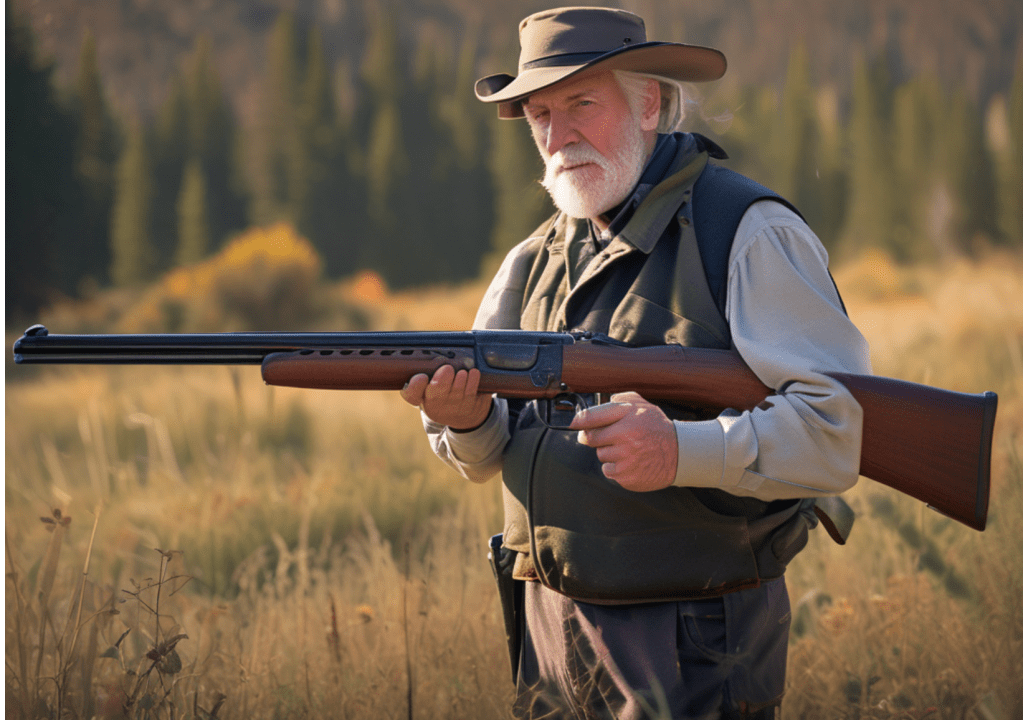
Despite his years, Sam’s marksmanship was legendary. His eyesight might have dimmed for reading, but he could still shoot a rock off a ledge from a hundred yards away with his trusty .22 rifle. He favored his 12-gauge shotgun up close, dispatching targets with the same precision. But Sam found no thrill in shooting at rocks; they didn’t challenge him. His absolute joy came from hunting squirrels, rabbits, and other small game—creatures that could run, making every shot a test of skill.


“There’s no sport in shooting something that can’t run,” he’d say, “and you can eat them too!”


In the mid-1970s, the tranquility of Sam and Dora’s life was disturbed. Tree-logging companies began encroaching on their land, felling the tall trees and sending them off on giant semi-trucks to be milled. The loud and reckless trucks sped down the dirt road past their cabin, kicking up dust that settled on everything, including Dora’s freshly washed laundry.


One day, Sam had had enough. He stopped one of the drivers and firmly requested that the trucks slow down on Tuesdays, the day Dora hung her laundry out to dry. The driver nodded but dismissed the request as soon as he drove away.


The following Tuesday, as trucks roared by again, covering Dora’s linens in dust, Sam’s patience snapped.


“This is it!” Sam declared. “They’re going to goddamn stop today if it’s the last thing I do!”

“This is it!” Sam declared. “They’re going to goddamn stop today if it’s the last thing I do!”

He grabbed a cane-bottom chair from the porch, slung his 12-gauge shotgun over his shoulder, and marched to the dirt road. There, he placed the chair, sat down, and waited.


It wasn’t long before a truck barreled down the road, only to screech to a halt in front of Sam. The driver, bewildered, got out and demanded,

“I need to get through here.”


“My wife needs to get her laundry dry without you jackasses throwing dirt on it,” Sam retorted. “I asked you to slow down on Tuesdays, and you ignored me. Now, you can sit here until her laundry is dry!”


The driver, clearly irritated, shot back,

“We’ll see about that, old-timer!”

He climbed back into his truck and radioed his boss. Soon, more trucks lined up behind the first, and another from the opposite direction joined the standstill. Sam remained steadfast, his shotgun resting across his lap.


Minutes later, a man in a company pickup arrived. He introduced himself as Mike Williams, the logging company supervisor. He informed Sam that blocking the road cost them a lot of money.

“And you’re costing us clean clothes!”

Sam shot back.

“You’ve been speeding past here every week, covering my wife’s laundry in dust.”


Williams threatened to call the sheriff, to which Sam responded,

“Go ahead.”


Forty-five minutes later, McCurtain County Sheriff Joe Phillips arrived at the scene. The road was clogged with trucks, stretching ten deep in both directions. After hearing the situation, the sheriff walked over to Sam’s porch, grabbed another cane-bottom chair, and carried it to the middle of the road. He sat beside Sam, pulled out a stick and pocket knife, and began whittling.


“How long do you think it’ll take for the laundry to dry?”

the sheriff asked.


“A couple of hours should do it,”

Sam replied.


Sheriff Phillips turned to the drivers and Mike Williams.

“Well, we’ll be here for at least two more hours. Might as well kill your engines and save some fuel.”


From that day forward, the logging trucks were no longer scheduled to run on Tuesdays between 10:00 AM and 4:00 PM. Sam’s act of defiance earned him respect, and he soon became a valuable liaison for Mike Williams, helping the logging company identify landowners in the Oklahoma Hills, where they sought to expand. Sheriff Phillips also found a trusted ally in Sam, who knew the remote areas of the county like the back of his hand.


Today, the old cabin is little more than a dilapidated shack, barely standing along the dirt road north of Eagle Town. But the legend of my Uncle Sam lives on, echoing through the hills where I was born.

The ENDING – Monday Morning Was A Killer For One Neighborhood – Ding Dong

A Story By Benjamin Groff© Groff Media2024© Truth Endures

It was a Monday morning, and everyone was starting their week. Neighbors were running about getting to their cars to hit the road and begin to work. John and Mary Wagner were still at home. Both had stayed in their vehicles since arriving home for the weekend, but no one noticed. It wasn’t unusual. They were known for locking their doors on weekends and never leaving the house, so staying home all weekend didn’t signal any concerns.

However, on Monday morning, John was usually the first to leave. He was out of the house and on the road by 6:00 AM to beat rush hour traffic, and Mary would leave by 7:00 AM with their two children, Max and Terri. So what was happening that day? The neighbor two doors down was a lady named Alice Morgan. She watched the neighborhood, curious about the Wagners’ home. 

Why aren’t they moving about this Monday? She asked herself

As the neighborhood drivers leaving for work thinned out, Alice meandered to the Wagners. Walking to the front door, she peered through the front bay window and saw no one inside. She went on up to the door and rang the bell, 

DING DONG, BING, BING, DING, DING, BONG

Alice thought to herself, what a weird doorbell ring. She rang it again to listen to the rhythm,

DING, DONG, BING, BING, DING, DING, BONG

No one came to the door. Curious about the cars remaining in the drive, Alice went to look inside them to see if there was anything strange about them.

Walking under an A-Frame carport, she saw two people in each car. She went up to the first vehicle, a 2017 Ford Pickup, and started to knock on the window before seeing that John Wagner appeared to be stone dead sitting behind its driver’s wheel. He had what looked like a gunshot to his forehead, and a trail of dried blood ran down his head to his chest. Startled, she ran over to Mary’s vehicle to find that Mary also appeared to have been shot in the same manner. The two kids lay dead in the back seat of Mary’s car, a blue 2020 Volvo XC60. Seeing this, Alice began screaming bloody murder and ran down the street, screaming louder and louder as she went toward her home. 

Once inside her home, Alice called 911 and told the operator that she had just found four dead people at her neighbor’s house, and she thought someone murdered four people. The 911 operator asked why she felt someone murdered the four people, and she said they had all had a single gunshot to the forehead and laid over in a car at their home.

Within two minutes, the City of Appleton Police Department had police officers on the scene. Alice Morgan was in the middle of the crime scene, pointing to the dead bodies and explaining the ding-dong doorbell to police officers. They asked her to sit in a patrol unit so they could get a statement from her in writing and a recording of her saying how and what she had discovered. They put her in the back of a patrol unit while she was still talking non-stop, closed the door, and walked away.

Burt Johnson was the lead detective assigned to investigate what had happened to the family. 

A seasoned detective with a knack for piecing together even the most cryptic of puzzles, Burt Johnson arrived on the scene shortly after the first responders. He assessed the surroundings with a practiced eye, noting the position of the vehicles, the broken glass, and the eerie stillness that hung over the Wagner household.

The forensics team was already at work, taking samples and photographing the scene. Burt walked over to the patrol unit where Alice Morgan sat, her face pale and her hands trembling. He opened the door and crouched down to her level.

“Alice, I’m Detective Johnson. Can you walk me through what you saw this morning?”

Alice took a deep breath and recounted her morning, the odd stillness, the peculiar doorbell chime, and the horrifying discovery of the bodies. Burt listened intently, nodding occasionally.

“Thank you, Alice. You’ve been accommodating,” he said, gently patting her hand. “We’ll get someone to take you home soon. For now, try to relax.”

Burt then moved to the vehicles, examining the positions of the bodies. The gunshot wounds were precise, execution-style. These shootings were not random acts of violence; someone put planning into carrying them out. He noted the positions of the vehicles, the lack of struggle, and the fact that the shooter targeted both parents and children.

A uniformed officer approached Burt. “Detective, we found something in the mailbox. It’s an envelope addressed to you.”

Burt’s eyebrows shot up. He took the envelope, carefully opened it, and pulled out a letter. The handwriting was neat, almost meticulous.

“Detective Johnson, You’re getting warmer. This family was just the beginning. Find me before I find my next target.

  • “The Avenger”

Burt felt a chill run down his spine. The Avenger was a name he was all too familiar with – a shadowy figure who had been linked to several high-profile murders, always leaving behind cryptic notes and taunting the police.

Back at the precinct, Burt convened his team. They pored over the evidence, looking for clues that might lead them to the Avenger. The forensic team reported that no fingerprints or DNA were left behind, but they had found traces of a rare chemical compound used in industrial cleaning agents.

Burt’s mind raced. He remembered a case from years ago involving a disgruntled former employee of an industrial cleaning company. The man, Thomas Greene, had a history of mental instability and a vendetta against those he felt had wronged him. Could Thomas be the Avenger?

With a possible suspect in mind, Burt and his team delved into Thomas Greene’s past, uncovering a pattern of behavior that matched the Avenger’s MO. They also discovered that Thomas recently had been in Appleton.

A breakthrough came when a witness reported seeing a man matching Thomas’s description near the Wagner’s home on Sunday night. Burt mobilized his team, and they tracked Thomas’s movements through security footage and witness statements.

Their efforts paid off. They found Thomas hiding in an abandoned warehouse on the outskirts of town. Burt and his team moved in and apprehended him without incident.

Back at the precinct, under intense interrogation, Thomas eventually broke down. He confessed to the murders, revealing that he had been following the Wagner family for weeks, meticulously planning their deaths. He saw himself as an avenger, righting perceived wrongs with his twisted sense of justice.

The Appleton community breathed a sigh of relief as news of Thomas Greene’s arrest spread. Burt, exhausted but relieved, knew there would be more work to ensure Thomas was prosecuted and put away for good. But for now, he could take comfort in justice being served for the Wagner family.

Still shaken but grateful, Alice Morgan found solace in knowing that her vigilance had played a crucial role in solving the case. The neighborhood, once again, felt safe.

And as Burt Johnson left the precinct that night, he couldn’t help but think about the families still haunted by the Avenger’s previous crimes. He promised to continue his pursuit of justice, no matter where it led him.

The Comm Commander’s Typical Night In Communications At The Police Department

A Story By Benjamin H Groff© Groff Media Copyright 2024©

The Comm Commander had been very busy at 2 AM. After telling the girls his war stories from his previous assignment at a different department, his shift became busy booking prisoners. Officers began bringing in subjects they arrested for Driving Under The Influence and Public Intoxication following the closing of several nightclubs and bars in the city.

As prisoners piled up in the booking area, one of the girls who had stayed over from an earlier shift moved the booking typewriter over on the book-in counter to open a ledger to log in prisoners’ names. As she was moving the typewriter, a prisoner became offensive and began fighting with the police officers, and two officers had to lift and plant his body down on the counter to get control of him. As they were putting handcuffs back on the man, the officer’s physical strength caused the man’s head to face plant into the typewriter.

The Comm Commander continued to ask book-in questions ––

“do you have any health concerns we should know about?

Prisoner ––––

“I probably do now, with my head in this machine!”

Comm Commander –––

“I will note that you have a typewriter about your head when booking.”

The night was busy until dawn, and there were still officers bringing prisoners in as the day shift began to arrive to start their duties.

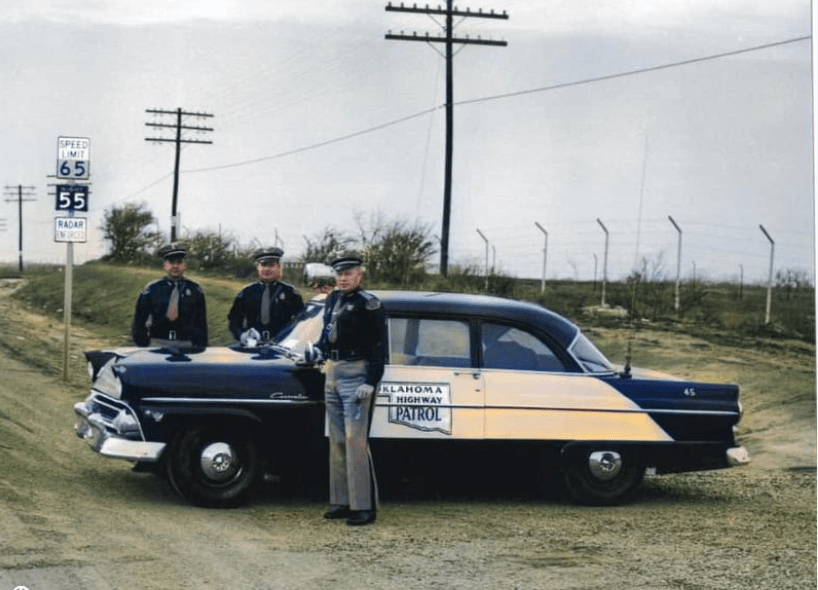
As the light of day became brighter, a call came into Communications about a severe auto accident on Interstate 40 east of the city near an overpass involving several vehicles. Dispatch responded to a fire department rescue, fire truck, two ambulances, and two police units. The Comm Commander contacted the Oklahoma Highway Patrol on a point-to-point frequency, requesting they send a state trooper; the first arriving police unit reported back that there were two confirmed fatalities in a burning vehicle. The accident was in Washita County. The Comm Commander notified the Washita County Sheriff’s Office in Cordell, Oklahoma, to send a coroner, and they advised they also had a deputy en route. Such accidents were common in the area, and the department regularly responded to them as a mutual aid agreement with area jurisdictions.

These activities were shared during a night for the Comm Commander during his shift in Communications.

The Comm Commander Tells About Jailing His First Arrest

A Story By Benjamin H Groff© Groff Media Copyright 2024©

It was slightly after 2 AM, and the calls had slowed to officers making traffic stops. They were watching for drunk drivers. The local bars closed then, and the streets would fill with drivers hitting light posts and speed signs.


Keeping track of their locations was a breeze, and the Comm Commander kept a log with details, including every detail radioed over the airwaves. The gals had been egging the Comm Commander to tell them one of his stories about his time at the other departments he had worked at. With a lull in activity, he thought, well, now is as good a time as any.

Edna and Gail had stayed over from their earlier shifts for the occasion. They were both much older than the Comm Commander, and he liked to tease them whenever he could pull a good trick on them. They, in turn, returned the favor. Edna, a divorcee, was snappy and wise. Gail was from the deep South and had a twang in her voice. Plus, she talked of her roots and Alabama every chance she got.

Well, ladies, the Comm Commander began,
“my first arrest was when I was barely 17. I arrested a man known as 15,000. The nickname 15,000 had been given him for the many times he had been arrested for public intoxication. Anyway, he walked into the police department and nearly fell over the dispatch desk. I told him he was going to the tank, and he thanked me. Then he tried to resist arrest when I got the door to the drunk tank open. I got him in there, and he went to sleep. A few days later, after seeing the judge, he was sentenced to two weeks in jail. I was checking on him, and he was having D.T.’s Delirium Tremens”

“Yes, we know what they are Comm Comm.” The ladies interrupted.

The Communications Commander continued,

“Well, I told our Chief JR Toehay, and he said give him a cup of liquor. So, I went to the evidence vault and found the alcohol bottle with the lowest proof that wasn’t evidence for court. I poured a shot into a cup and went to his cell. I opened the door and said hey Wallace, I have a drink for you. He lapped it up. Within a few minutes, he settled down. Over a week, I did that until he was clean, and when he left jail, he was sober. He stayed sober for the first time in years; he had never taken another drink, and he would come by the police department and thank me every night when I was working. He would thank me for being kind to him and helping him. That was when I thought I had finally reached someone doing this job.”

The next guy I arrested came into the police department like that; I had to fight and call for help. He started throwing things over the counter at me and going wild. When we got him into the cell, the Chief told me he was the suspect believed to have beaten a man to death behind the jail not long before I went to work for the department. There wasn’t enough evidence to support an arrest, and he would never have admitted to doing it. I asked if anyone had ever asked him when he was drunk and got told anything he admitted to being intoxicated wouldn’t hold up as a confession. The girl’s eyes were wide and expecting something more, so I said the biggest thing that happened was when the Chief and I helped in a kidnapping.

WHAT? The two ladies both said?

The Comm Commander explained it was under pretenses that a judge got brought to the jail. Five people with Federal Identifiers and Bureau of Indian Affairs Police Badges brought a lady to the town’s jail; the jail was contracted with the BIA as a facility for their agency. They provided legal paperwork authorizing the detention of a lady they had in custody as a material witness. She was to have no visitor, and no one was to know she was in our protective custody. The police department secured her in a female cell with the paperwork signed and sealed by a judge. She did not talk to anyone at the police department.

Two days later, while the Communications Commander was working, he happened to read in the paper that unknown people had kidnapped a federal judge from the Commanche Indian Tribal Headquarters. It also showed the picture of the lady we had in custody. He went to the Chief and told him to show him the newspaper article. The Chief said several colorful words and then called the city attorney. The Chief and Comm Comm, went to the cell, removed the lady, and told her they believed they knew who she was and that she was safe. They also said she could make a phone call and encouraged her to call anyone she thought she could trust. She could stay with the police department and only leave once she knew who she was going with could be trusted. Eventually, the Oklahoma Highway Patrol and a Federal Bureau of Investigation Agent arrived. The Communications Commander explained he stayed by the radio. And said he knew she left with a massive group of people around her, which shows how easy it can be for someone to be falsely locked up in a small town.

The ladies said –– “all this happened in that small town where you came from?”

The Comm Commander said ––

“oh, there was much more that happened while I was there. These are just a few of the things that happened at the jail. We did so much more out on the street. I will have to save for another time because I have three units bringing in prisoners, and I have to go to book them!”

Night Shift, And Getting Behind The Radio

A Story By Benjamin H Groff© Groff Media Copyright 2024©

It was time to begin his night shift, and now the boy known as the Comm Commander by the ladies he worked with and his Captain who worked the day shift was about to take the helm, operating the phones, radio, and teletype.

The Comm Commander’s mastery of the system was a feat that only a select few could achieve. He was among the elite, efficiently managing five or more radio cars and several county and state patrol units on different radio frequencies. His use of a foot pedal to operate the radio microphone set him apart, allowing him to handle phone calls and type information into the telecommunications system with his hands-free.

He could track information on vehicles that officers were making contact with and let them know if a car was stolen or not before they ever left their vehicle. A treatment they become spoiled by when he is on duty.

His ability to check vehicle registrations and local warrants, and his quick response to requests for driver’s license checks or background and warrant checks, was instrumental in providing critical information to officers in the field, significantly enhancing their operational efficiency and safety.

His experience and interactions with law enforcement agencies around where he grew up, which spanned years, were the foundation of his expertise. This was evident when officers would make vehicle stops, and he would send them back up before giving them a coded message of 10-48, an alert that the vehicle they were stopping in the National Crime Information Computer was a wanted felony subject.

He had volunteered as a youth in his hometown when the town was given an old radio and placed a short antenna outside their city hall. He would get his dad to drive him to town, where he’d sit in the evenings and dispatch calls from the phone to the local police unit. Sometimes, there would be no one call, but the interaction with the law enforcement community that came through would gift him with bits of information he stowed away. Later, during that Senior year of high school, when he went to work for the police department, he met the police chief, JR Toehay, at a gas well blowout he attended with an area police officer. The introduction led to the dispatching and jailing position. JR became a lifelong coach and confidant. He was a Kiowa Indian and Chief of a 9-man police department. His guidance and trust in the boy guided the way for the path that had led to the Comm Commander being in his seat operating so well.

The ladies he worked with had questions and wanted to know where he came from, who he was, and what brought him out west. Those stories were there to tell, and he had them; some, however, he wondered if it would be safe. Officers he had worked with told him to be careful; one of the stories could get him in a fix if the wrong people heard about it and wanted to settle any score they felt needed to be. He told them, I’ll let you know all about me, but first, it needs to be when this radio traffic slows down because you guys will be in for a story of your lives.

Taking A Seat At The Police Department

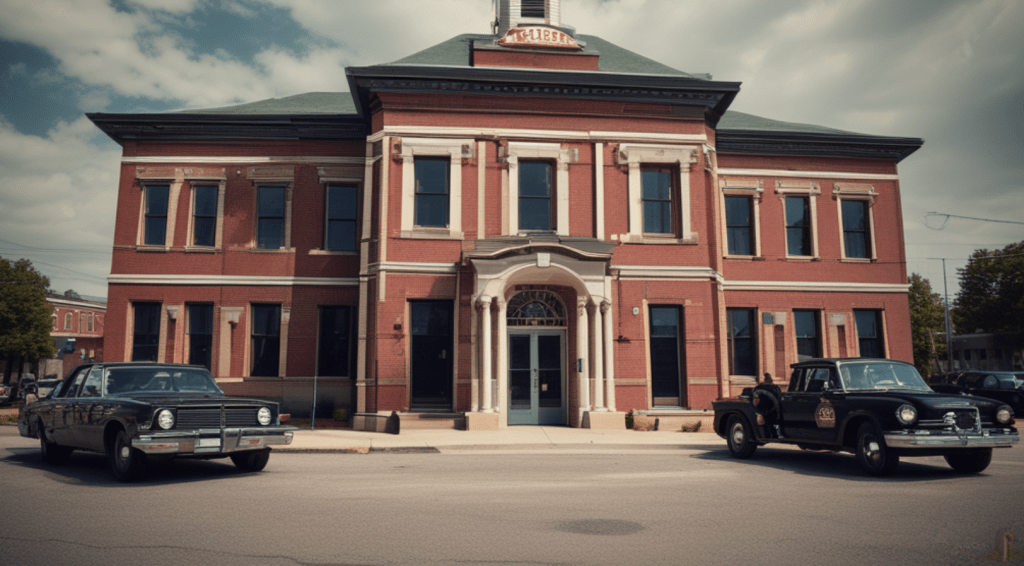
It was late spring when the boy took his seat behind the radio at the communications center for the first time. The Dispatch Center, located just inside the lobby’s front entry, led to a stairway that accessed the firefighters’ sleeping quarters, the chief’s and detectives’ offices, and the jail cells.

The city was a blend of lifetime residents with deep roots, newcomers raising families amidst burgeoning industry, and transients. Housing was scarce for recent arrivals. When available, it was expensive and often beyond the reach of a single income, leading to overcrowded living conditions. This frequently caused disputes.

A person might lease a property and sublet to ten or fifteen others. When conflicts arose and one tenant was asked to leave, the police were often called. Each time, officers had to explain it was a civil matter; the leaseholder needed a court order for eviction. Police couldn’t simply eject someone because of a sudden change in the leaseholder’s terms. However, if an arrest was made due to a disturbance, officers could advise the leaseholder to restrict the arrested individual from returning. Openings in housing were rare unless someone died, and there were plenty of deaths in the coming years.

A local motorcycle gang, known for drug dealing and various crimes, frequently had members as guests in our jail. Their threats were often more comical than serious, but every raid on their dens brought more threats. It wasn’t uncommon for lone riders to shoot out the windows of the dispatch center late at night.

After several incidents, the chief began posting officers on the roof with automatic rifles. This tactic worked, as the shootings ceased during their watch.

The boy worked well with a rotating line of female communications officers. The Captain worked the day shift, while the boy was assigned to nights. The women rotated between days and nights each month.

Soon, the boy became known as the Comm Commander for his authoritative style on the radio and in operating the jail. Edna, Gail, Linda, Pam, Patty, and Sheila were the women who became part of his years at Elk City, each leaving a personal mark on his story.

Yet, the Captain was the most significant influence during those dispatch days. It’s clear that the Comm Commander remembered these individuals throughout his life as he journeyed along many paths. More to follow.

A Young Officer Finding Law Enforcement

A Story By Benjamin H Groff© Groff Media Copyright 2024©

It was the early 1980s, and he rolled into the city from the South. The police department was easy to find. The radio tower extended high above the building and be seen from miles away. Pulling up in front for the first time as an officer gave him a true sense of purpose. He felt independence because he was on his own for the first time since graduating.

He entered the building to be fitted for uniforms. He also received his equipment there. During this time, he met two officers who would feature prominently in his future years. One he met right away. His name was Lee. Lee provided him with a resource for his first housing solution. This was in a town that the oil boom had overrun. People lived in tents in the town park and alongside the road. The other officer was Eddie. He was a Deputy from Cheyenne. Eddie had the actual house, a three-bedroom mobile home in a city-owned trailer court. The jurisdiction provided this to city employees to live. The rent was cheap by local standards and answered an immediate need. It did, though, come with a police K9 and two roommates who have been more neat and orderly.

The police department operated out of a building shared with the fire department. The jail was on the second floor above the communications center. The fire crew slept across from the jail cells on the second level. This raised issues for a city that had doubled in population and area due to annexation. Voters approved a tax proposal to build a new police station and jail. They also planned to rebuild the fire station. Blueprints for the new station were in place, though its construction was several years away.

In court cases, Chicago judges had pointed to the city defendants. Elk City, Oklahoma was a place where they can get a one-way bus ticket. Or pick the choice to get six months in jail. Most people opted to take the bus ticket. The type of characters sent to the area ranged from criminals to mentally unstable to socially dysfunctional. It would be years before the area recovered from the judge’s poor decisions in making such a move. Before then, there would be murders, rapes, and worse.

The city was busy 24 hours a day. Calls for patrol unit service were backed up by three to four calls at a time. When calls did get caught up, it didn’t last long. The shifts were rotational. In that, there was never an entire shift on and off at the same time. Night shifts changed at 6 AM and 8 AM, and Day shifts changed at 4 PM and 8 PM. A mid-shift operated from 2 PM to 2 AM. Each officer worked ten-hour shifts with three days off. The schedule permitted officers to work extra assignments at security posts. This was necessary when gas wells blew their tops out. Roadblocks also had to go in place out in the county. Officers earn as much as $300 on their days off, pulling such assignments. And if there weren’t such assignments, you always pull OT. You take comp time. An officer used this later instead of vacation or sick days. An advantage that the city offered other municipalities didn’t.

The allure of lights, excitement, and action made Elk City, Oklahoma’s bustling oil town so attractive. It captivated an 18-year-old just out of high school. It also kept him there for many years, leading him through years of service. The young officer had already been briefed well in law enforcement with his earlier departments. There are histories from those days. They will come alive in the future. They will tell of his Elk City Days and how he became known throughout western Oklahoma.

In the next few weeks, he will watch the front door. He needs to see if he must duck bullets coming through the station’s windows.

True Law Enforcement Stories: Unveiling Events of Small Town Policing

A Story By Benjamin H Groff© Groff Media Copyright 2024©

In a town of fifteen thousand residents, the local police department comprised fifteen police officers and eight communication officers who also served as correctional officers. This team was dedicated to serving their community. The city had constructed the building in the early 1900s, and it shared its space with the fire department, which employed full-time firefighters. The fire crew typically had five to six members on duty during a twenty-four-hour shift. Together, these two services provided the city with around-the-clock emergency care, forming a unique and committed staff.

Among the day shift employees was Captain Bickerstaff, better known as “Bick,” a forty-year veteran of the department. He oversaw the Communications and Correctional Divisions, which included receiving incoming calls from the community, dispatching calls to units, and managing the intake and monitoring of prisoners. His team of seven staff members, each with their own distinctive character, included Edna, Gail, Pam, Sheila, Patty, and Ben.

The patrol division had a rotating roster of officers, with frequent personnel changes. As their stories unfold, the names of these officers will emerge. Future narratives will consist of true events from the law enforcement career, with certain details altered to protect privacy.

Upcoming stories include “The Dead Prisoner,” “Officer Down,” “Suspect in Trooper Killing, In Custody,” “OH SHIT!” and “The Missing Man,” among many others.

Stay tuned for these captivating and informative stories, and be sure to share them with your friends and family!