Former Zamalek Midfielder Dies in Car Accident at 51

Groff Media ©2025 benandsteve.com Truth Endures

2–3 minutes

🕊️ Mohamed Sabry (1974–2025)

Mohamed Sabry, Former Zamalek Midfielder, Dies at 51

Mohamed Sabry Former Zamelek Midfielder, Dead at Age 51.

The Egyptian football community is deeply saddened to mourn the loss of Mohamed Sabry. He was the former Zamalek and Egypt national team midfielder. He died in a car accident in Cairo’s Fifth Settlement on Thursday. He was 51. Sabry’s untimely passing marks the end of a remarkable life. He dedicated his life to the sport he loved. He helped define it for a generation of fans.

Sabry was a central figure in Zamalek’s golden era throughout the 1990s and early 2000s. This was a decade of triumphs. It cemented the club’s legacy in African football. Between 1993 and 2003, he lifted 15 major titles. These included three CAF Champions League trophies and two Egyptian Premier League championships. Known for his fierce determination, vision, and leadership on the pitch, Sabry was instrumental. He led Zamalek through some of its most celebrated victories. He earned admiration from teammates, opponents, and supporters alike.

Mohamed Sabry

After news of his passing, tributes poured in from across Egypt and beyond. Zamalek icon Mahmoud Abdel-Razek “Shikabala” described Sabry as “a legend of Egyptian football.” He also called him “a symbol of loyalty and devotion to his club and supporters.” His words reflected the views of many who admired Sabry for his exceptional talent. They saw him as a model of dedication and humility. Fans, former teammates, and rival clubs alike joined in remembering a man whose passion for football transcended the game’s rivalries.

Condolences also came from key figures within Egyptian football. Hossam Hassan, the national team coach, offered his sympathy to Sabry’s family. Al Ahly president Mahmoud El Khatib also conveyed his condolences to the wider football community. Tributes continue to flow. Mohamed Sabry will be remembered as one of Zamalek’s most influential midfielders. His achievements, sportsmanship, and loyalty to his club left an indelible mark on Egyptian football history.


Groff Media ©2025 benandsteve.com Truth Endures

Mohamed Sabry (1974–2025): Remembering a Zamalek Legend

Embracing Identity: Eleanor’s Journey from Tomboy to Lady Athlete

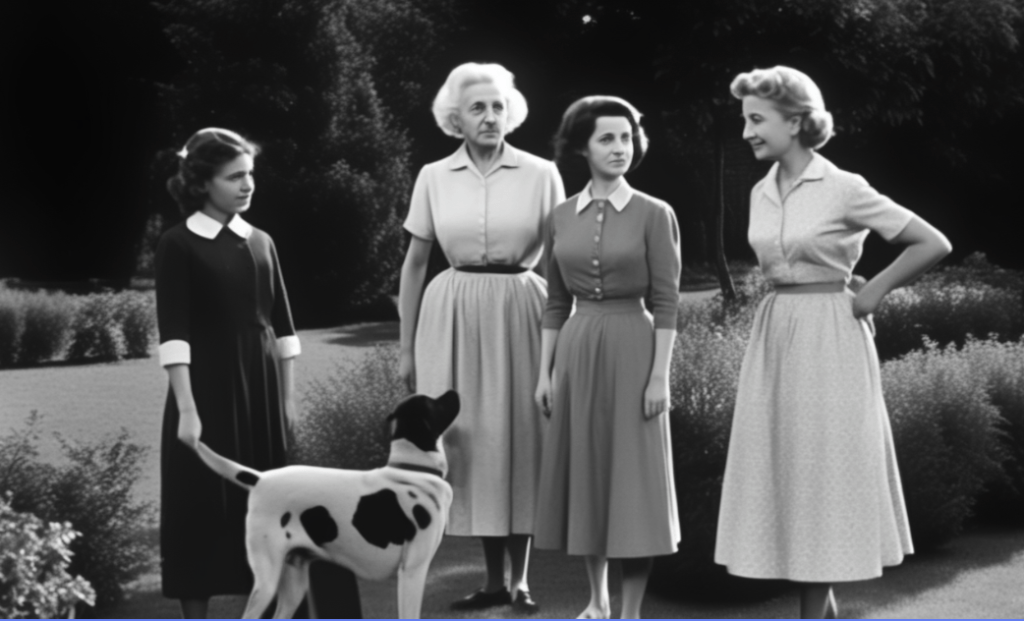
Eleanor’s father sent her to spend two months one summer with her grandmother and two Aunts in the countryside of GoatsManor. Her Aunts, Lilly and Lula, were very precise about how they liked to have the table settings placed each evening. Her Grandmother, Lola, insisted she wears a summer dress to tea at 2 O’clock exactly each afternoon. The ladies explained to Eleanor that she had specific criteria for becoming a lady.

Eleanor was a tomboy turning 14 to 15 years old, and she wished she could still play softball with the youth back in her neighborhood in Boston. Her father, Walter, had become a widower after Eleanor’s mother, Leanne, passed away from cancer two years ago. He was concerned that Elly, as she was known to the neighborhood boys, was becoming less of a lady and more of a roughhouse bar room gal—something he didn’t want for his little girl. So he had called his wife’s mother and aunts and arranged for a summer at GoatsManner.

The first week at GoatsManor was a whirlwind of rules and routines. Eleanor, a tomboy at heart, found herself suffocating in the frilly dresses and precise manners. Her mind often wandered to the dusty baseball diamond and her friends back home. Despite her resistance, her grandmother and aunts persisted, believing that structure and propriety would mold her into a proper young lady.

One hot afternoon, after another tedious tea session, Eleanor wandered into the sprawling fields behind the manor. She needed to clear her head and escape the suffocating expectations. As she walked, she stumbled upon an old barn, its red paint peeling and roof sagging. Curiosity got the better of her, and she pushed open the creaky door.

That was the day, Eleanor stumbled upon a hidden treasure: an old, dusty trunk filled with what appeared to be her mother’s childhood belongings. Among the items were a well-worn softball glove, a collection of vintage baseball cards, and a photograph of her mother, Leanne, in a baseball uniform, grinning widely with a bat slung over her shoulder.

Eleanor’s heart raced with excitement and a newfound connection to her mother. She spent hours in the barn, trying on the glove and imagining her mother playing the sport she loved. It was in this dusty sanctuary that Eleanor felt a surge of joy and freedom, a feeling she hadn’t experienced since her mother’s passing. The barn became her refuge, where she could be herself without judgment.

Over the next few weeks, Eleanor made it a habit to visit the barn whenever possible. She practiced throwing and catching, feeling a sense of freedom and joy she hadn’t felt since her mother’s passing. The barn became her refuge, where she could be herself without judgment.
One day, as Eleanor practiced her pitches, she heard a soft applause behind her. She turned to find her grandmother, Lola, watching her with a gentle smile. Eleanor froze, expecting a reprimand, but Lola’s expression was kind.

“I used to watch your mother play out here,” Lola said softly. “She was quite the athlete, just like you.”
Eleanor’s eyes widened in surprise. “You mean Mom played softball too?”

Lola nodded. “Oh, yes. She loved it dearly. She found joy and strength in the game. It’s part of who she was.”
Tears welled up in Eleanor’s eyes as she realized that her mother had shared her passion for softball. She felt a deep connection and renewed sense of purpose to her mother.

From that day on, Lola and Eleanor spent their afternoons in the barn, practicing together. Lola, who had once been a skilled player, taught Eleanor new techniques and shared stories of her mother’s adventures on the field. The bond between grandmother and granddaughter grew stronger with each passing day.


Eleanor still attended the afternoon teas and followed the table-setting rules, but her perspective had shifted. No longer did she feel confined by them. She had found a balance between GoatsManor’s expectations and her own identity. By the summer’s end, Eleanor had become more poised and confident and embraced her love for softball, knowing it was a cherished part of her mother’s legacy.

When it was time to return to Boston, Eleanor left GoatsManor with a newfound sense of self and a heart full of cherished memories. She knew she could be both a lady and a fierce athlete, carrying forward the best of both worlds.