A LAZY PORCH KIND OF AFTERNOON

By Benjamin GroffMedia© | benandsteve.com | 2025 Truth Endures©

1–2 minutes

A Lazy Porch on July 25, 1939

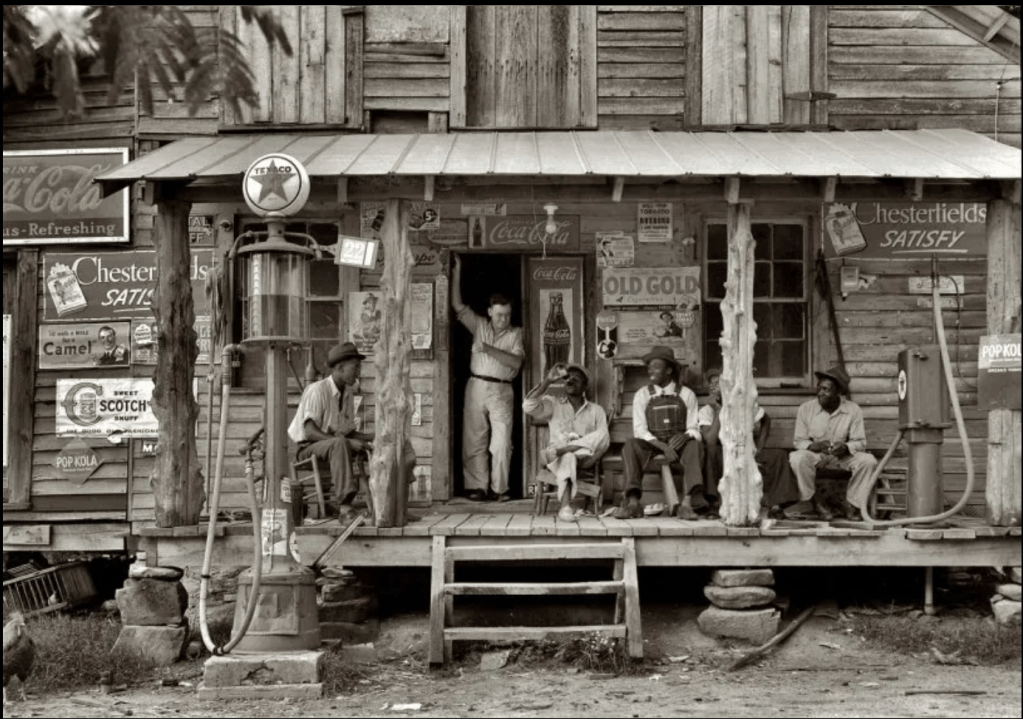
On July 25, 1939, Dorothea Lange was a renowned documentary photographer. She paused her busy travels across the American South. She stepped into a quiet moment just outside Gordonton, North Carolina. It was a humid summer Sunday. Through her lens, she discovered something golden: a rickety country store. Its wooden porch was dappled in shade. A few men sat comfortably in rocking chairs on it. The afternoon moved slowly around them.(1)

“Captured on July 25, 1939: a country store porch in rural North Carolina. Dorothea Lange found the perfect rendition of a lazy summer afternoon here. Let this moment remind you—it’s okay to choose rest today.”

Lange raised her camera and captured exactly what she saw: a peaceful summer tableau. The porch wasn’t staged—it was real life, real rest. The men lounged beside old kerosene and gas pumps, their chatter and quiet breaths blending with cicadas in the heat.

That moment—frozen in a gelatin silver print—became a small celebration of indolent joy. No agenda. No hurry. Just an afternoon spent doing exactly what summer begs you to do: nothing.

A July Truth: Heat Has a Way of Stripping Us Down to the Basics

By Benjamin GroffMedia© | benandsteve.com | 2025 Truth Endures©

1–2 minutes

Today, the sun feels closer than usual. The heat presses in like a truth we’ve been avoiding—no politics, no noise, just sweat and breath and reality. July does that. It slows everything down, strips away distractions, and leaves us standing face-to-face with ourselves.

Across the country, people are pausing. People stop to wipe their brow. They take a drink of water or just breathe. There’s a strange unity in the stillness that heat brings. We complain, but the heat has a way of making us kinder, more patient. It reminds us we’re all in this together.

Today is a good day to check on a neighbor. Forgive something petty. Laugh with a stranger. Be the breeze someone needs.

Because on days like this, what matters most isn’t the temperature—it’s the connection.

The Art of Embracing Laziness in Summer

By Benjamin GroffMedia© | benandsteve.com | 2025 Truth Endures©

2–3 minutes

The Fine Art of Doing Nothing

There’s a certain magic that shows up in late June. It drifts in on a warm breeze. It wraps itself around your shoulders like a sun-warmed blanket. It whispers, “Slow down a while.”

That was exactly what happened to me last Saturday.

I had plans, mind you. Big ones. Rake the yard. Clean out the garage. Paint that little table I rescued from a flea market. But then the sun was golden and lazy. It was the type of sunshine that doesn’t rush you. It invites you to stay awhile. So, I made a bold decision: I postponed productivity.

Instead of pulling out the rakes and tools, I pulled out a lawn chair. I poured a tall glass of iced tea. Then I plopped down under the shade of the patio covering. I did absolutely nothing. And I mean nothing. No phone. No music. No news. I listened to birdsong and felt a slight breeze. I heard the sound of a neighbor’s sprinkler ticking rhythmically like a metronome for summer’s easy tempo.

I watched the clouds. I counted the dragonflies. I let the world spin on without me—and it did just fine.

The dog lay beside me, belly-up to the sky, offering a solid endorsement for this lazy lifestyle. Even a stray cat, who usually stares at me like staff, sauntered over and decided to join the movement. We were a trio of content creatures, basking in a moment that cost nothing but meant everything.

At the end of the day, the lawn remained a jumble of rocks. The garage was still messy. The table continued to wait. But my heart? My heart was lighter. My shoulders less tense. And my soul? Sun-soaked and satisfied.

Summer has a way of reminding us that rest is not a reward—it’s a right. And sometimes, the most productive thing you can do is give yourself permission to simply be.


Moral of the story:

Don’t underestimate the power of a lazy summer day. It is true that you’re doing nothing—but you are just giving your spirit exactly what it needs.

Kids Raise Funds for Shelter with Lemonade Stand

By Benjamin GroffMedia© | benandsteve.com | 2025 Truth Endures©

1–2 minutes

“The Lemonade Stand That Changed Everything”

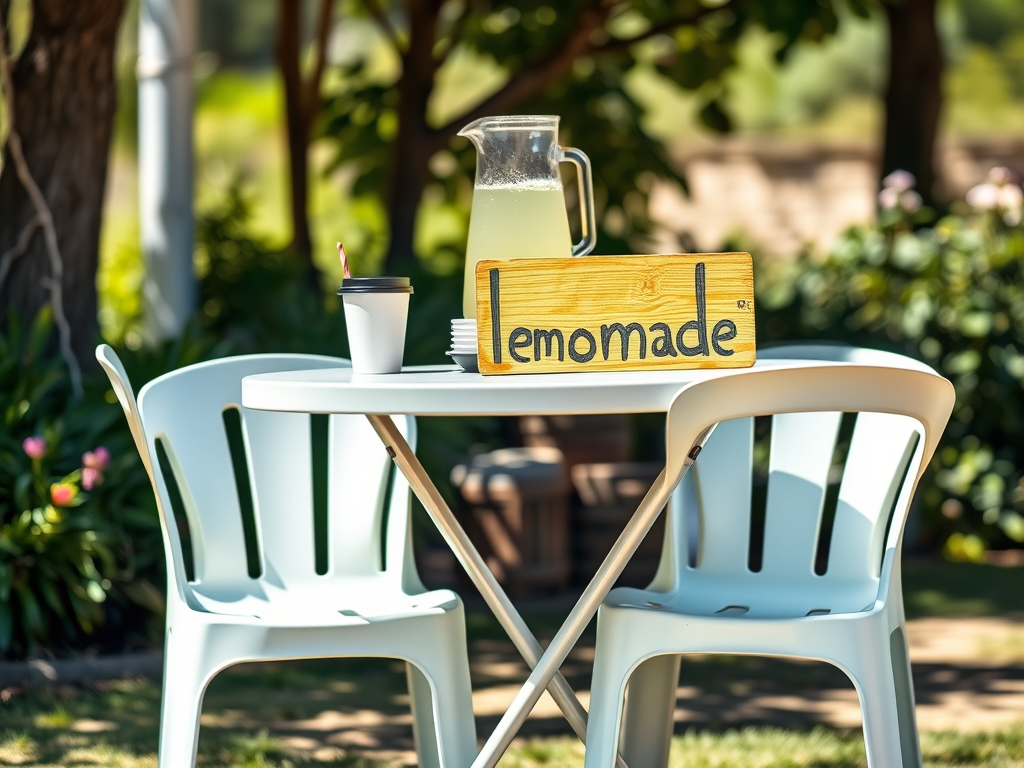
It started with a folding table, two plastic chairs, and a hand-painted sign that read, “Ice Cold Lemonade – 50¢.”

Emma, who is ten years old, and her little brother Caleb had a plan. They decided to spend the first real summer day doing something “big.” Not big like a vacation or fireworks—big like making a difference.

Their mom had mentioned that the animal shelter was trying to raise money. They needed some extra dog beds. They also needed fans for the kennels. That was all Emma needed to hear. She got to work squeezing lemons. She mixed sugar and water. She convinced Caleb that “lemonade manager” was a very important title.

By noon, their little stand was drawing a crowd. The lemonade was refreshing and generously poured. Additionally, Emma had placed a tip jar with a note: All proceeds go to the shelter pups! People smiled. They left five-dollar bills. Some handed over twenties and refused change. One elderly man left a fifty and simply said, “Thank you for reminding me what kindness looks like.”

By the end of the day, they had raised $237.50. They delivered it in person, with sticky hands and sunburned noses, to a surprised and teary-eyed shelter worker. Emma and Caleb even got to name one of the rescued puppies. They chose “Sunny.”

That evening, their mom posted a photo of the kids and their lemonade stand online. It went a little viral. Local news picked it up. The shelter ended up receiving over $3,000 in donations that week. This happened because two kids wanted to do something “big” on a warm summer day.

Now every June, Emma and Caleb set up the stand again, same folding table, same handwritten sign. Only now, the line stretches down the sidewalk. And Sunny? She got adopted. By them, of course.

A Nostalgic Journey Through Summer Days


By Benjamin GroffMedia© | benandsteve.com | 2025 Truth Endures©

1–2 minutes

The Days of Summer

There is something about the days of summer that never quite leaves you. It is a scent in the air or a golden hue in the light. It is also the sound of cicadas warming up for their evening concert. For a child, summer feels like forever. For an adult, it feels like something you once held in your hands. You didn’t realize it would slip away so quickly.

I remember one summer, I must have been around eleven. We had a tire swing tied to the big oak tree out back. That tree had roots that curled up out of the ground like the backs of old hands. When it rained, they made little rivulets in the dirt. My brothers and I would race leaves down those muddy streams as if they were ships headed for faraway lands.

The days were long and hot, but we didn’t care. Shoes were optional. Supper was whenever someone called out loud enough for us to hear. Most days, we’d roam until we were sunburned and starving, a little wiser than we’d been that morning. There was always a watermelon cooling in the horse trough. We tried to swat away flies as we spit seeds into the grass, but we failed.

Evenings were for catching fireflies in jars. They were the kind with holes poked in the lid. We did this by using a nail we’d hammered with a rock. We thought we were giving them air. We didn’t yet know the difference between freedom and capture.

I think back on those days now and realize that summer isn’t just a season. It’s a feeling. You carry it in your chest long after the sweat has dried. The tan has faded. The swing has stopped creaking in the breeze.

It’s a reminder to slow down. To let the day last a little longer. To chase the light, even if it’s only for a little while.


Solemn Reflections: Memorial Day and the Spirit of Sacrifice

As the sun rose over the small town of Oakwood, its warm rays illuminated the rows of white headstones in the Oakwood Cemetery. The city, steeped in a rich history of honoring fallen soldiers, had always observed Memorial Day with solemn pride. This day, originally known as Decoration Day, was established after the Civil War to commemorate the Union and Confederate soldiers who died in the war. It has since evolved to honor all Americans who have died in military service.

Sarah Thompson stood at the cemetery’s gate, holding a bouquet of red, white, and blue flowers. She was in her late thirties, her eyes reflecting sorrow and strength. Visiting the cemetery was her yearly ritual—a pilgrimage to visit the grave of her brother, Daniel, who had died in Afghanistan a decade ago.

As Sarah walked along the gravel path, she remembered the day they received the news. It had been a bright summer afternoon, much like today. Daniel had always been a source of light and joy in their family, with his infectious laughter and boundless energy. The knock on the door that day had shattered their world.

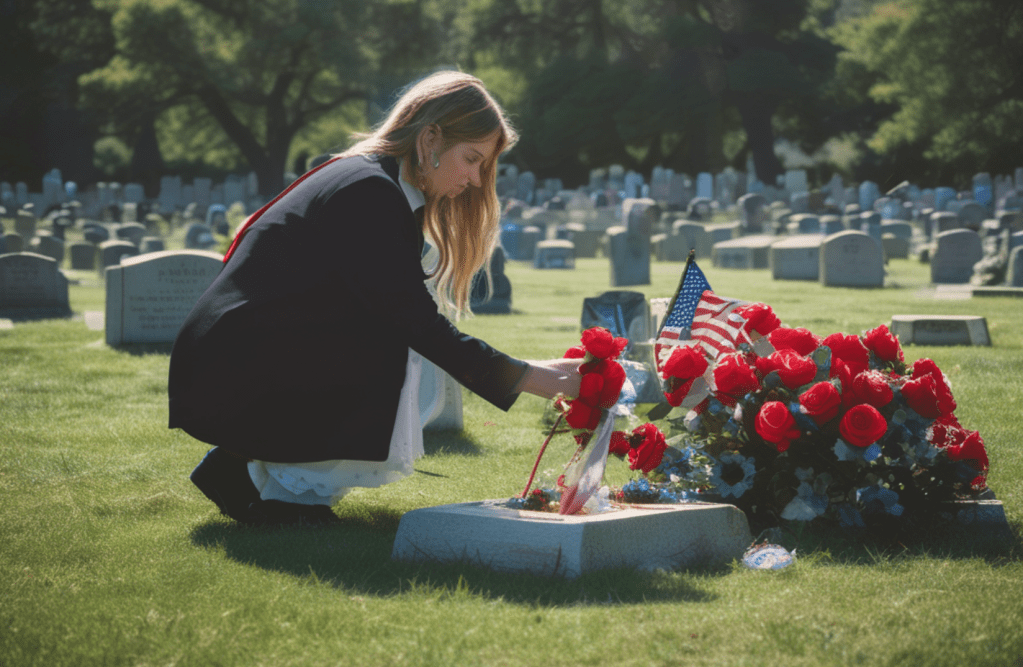
Sarah reached Daniel’s grave and knelt, gently placing the flowers in front of the headstone. She traced her fingers over his name etched in the cold stone and whispered a prayer. Memories flooded back—playing tag in the backyard, late-night talks about their dreams, and the tearful goodbye when he left for his final deployment.

The cemetery, a place of collective grief and remembrance, began to fill with others who had come to pay their respects. Families, friends, and fellow veterans moved among the graves, their shared sorrow palpable in the air. Some walked in silence, their thoughts a private tribute, while others shared stories, their voices a collective echo of the lives lost.

A familiar voice broke Sarah’s reverie. “Hey, Sarah.”

She turned to see Tom, one of Daniel’s best friends from high school, standing nearby. He held a small American flag, which he placed at the base of the headstone. Tom had served alongside Daniel and had been with him during his last moments.

“It’s good to see you, Tom,” Sarah said, her voice soft.

Tom nodded, his eyes filled with shared grief. “I come here every year. Feels like the least I can do.”

They stood in silence for a moment, their hearts heavy with the weight of their loss. Each lost in their thoughts, memories of Daniel flooding their minds. Then Tom began to speak, his voice steady but emotional, his words a testament to the bravery and selflessness of their fallen friend. ‘Daniel was the bravest person I knew,’ he said, his voice breaking with emotion. ‘He always put others before himself. Even in the end, he worried more about us than his safety.’

Sarah smiled through her tears. “That sounds like him.”

The morning wore on, and more people arrived, each carrying their own memories and gratitude. A group of children from the local school, accompanied by their teachers, placed flags on the graves of all the fallen soldiers, a symbol of their respect and understanding of the sacrifices made. The town’s mayor gave a short speech, his words echoing with the collective gratitude and remembrance of the community. A local choir sang ‘America the Beautiful,’ their voices a poignant reminder of the unity and strength that comes from shared values. The collective remembrance was a powerful testament to the sacrifices made by so many.

As the ceremony ended, Sarah and Tom lingered by Daniel’s grave a little longer. They shared stories, laughed, and cried, finding comfort in each other’s company.

“Thank you for being here,” Sarah said as they prepared to leave.

“Always,” Tom replied. “He was my brother, too.”

They returned to the cemetery gate together, the sun now high in the sky. As Sarah looked back one last time at the sea of white headstones, she felt a sense of peace. Memorial Day was not just about remembering the fallen; it was about celebrating their lives and the values they stood for.

Driving home, Sarah contemplated the significance of this day and how she would pass on its importance to her children. She understood that as long as they remembered, Daniel’s spirit would continue to live on. Every Memorial Day, she would return to this hallowed ground, ensuring that the memory of her brother and all those who had made the ultimate sacrifice for their country would never fade.

In checking references part of this story may include referencese similar to others found on the internet. The simularities are incidential and are not included intentional. You can find more these simularities RE: New York. Memorial Day. Monument. Dead Soldier. Wheelchair. Handicapped Boy. | Didier Ruef | Photography. https://www.didierruef.com/gallery-image/Aura/G0000Is39GN2Av9w/I0000aHlCvWVZLNc/C0000EU0LcXmMzWo/