“Orange Noise Therapy — the next step in restful sleep. Scientifically engineered to calm your mind and gently drift you into the deepest dreams.”
Couples bought in right away. Play the chimes before bed, and your mind slips into serenity. The sound was a soft hum. It was tinted with faint bells. It was hypnotic in a way you couldn’t describe. Yet, you couldn’t forget it.
For people, it was heaven. For their pets, it was something else entirely.
At first, it was subtle. A dog pacing more than usual after bedtime. A cat sitting and staring at its owners all night long. Harmless quirks. But soon, reports started to trickle in — mysterious night attacks. Couples found dead in their homes. No signs of forced entry. No fingerprints. Only scratches, bites, and wounds that didn’t make sense.
No one connected it to the Orange Noise. Not the police. Not the doctors. Not the scientists. Because who would suspect the pets?
The murders grew in number and geography. Tokyo. Paris. Chicago. Johannesburg. Always at night. Always when the chimes played. And always with the same eerie detail: the victims had purchased Orange Noise Therapy.
The breakthrough came in a dark, windowless police archive room. Detective Randall Kerrigan sat alone, replaying hours of video footage from a suburban home. He was only watching out of boredom at first. The husband and wife were asleep in bed, chimes faint in the background. Then movement — the couple’s Labrador trotted into view. Kerrigan almost skipped ahead, but something about the dog’s posture froze him.
The tail was stiff. The eyes were locked on the sleeping pair.
And then, without hesitation, the dog leapt.
Kerrigan slammed the pause button, heart thudding in his chest. He rewound and watched again. It wasn’t rage. It wasn’t fear. It was… programmed. Deliberate.
The detective knew the nightmare wasn’t just in this room, or this city. It was global. And the real horror? The chimes were still being broadcast every night. Piped into thousands of homes, turning pets into killers while their owners dreamed sweetly beside them.
During the run-up to any election, families play a pivotal role in supporting and understanding one another. This period, filled with political debates, media coverage, and public discourse, can stir emotions and create an intensely charged atmosphere. The emotional toll of election season can affect even the most resilient individuals, making the support of one’s family crucial and invaluable. Families are the core unit, providing a comforting and reassuring presence. It is essential that the role model (be it a father, older sibling, uncle, or aunt,) when possible, show support, care, and empathy. Doing so should be cultivated, and providing emotional backing and physical presence can help members navigate the turmoil of an upcoming election.
Election seasons amplify the daily stressors people face. Whether it is work pressure, financial struggles, or personal challenges, these become compounded by the uncertainty of political outcomes. Each family member may carry their political convictions, hopes, and anxieties, and these can sometimes clash with those of others. This emotional burden often deepens as people speculate about the possible outcomes—who they hope will win, who they fear will lose, and how the results will shape their future. The thought of losing an election can become so overwhelming that it leads to despair, disappointment, or even anger. For some, this emotional strain can develop into mental health issues, making it vital for families to remain vigilant about one another’s well-being during this time and to seek professional help if needed.
In the most extreme cases, the stress associated with an election’s outcome can drive individuals to become a threat to themselves or others. This is especially true when political messaging often stokes fear, resentment, and division. Individuals who place too much faith in a particular candidate or political party may feel personally attacked when that candidate loses. The sense of loss may not just be political; it can be internalized as a personal failure, leaving individuals feeling disillusioned or even desperate. Families must observe signs of distress, such as prolonged periods of sadness or withdrawal, recognize potential harmful behavior, like verbal or physical aggression, and intervene when necessary. It is crucial to remain proactive, offering emotional support and, if needed, involving professionals or authorities to prevent escalation.
The role of misinformation and campaigns lies in discussing election-induced emotional volatility. Many political campaigns thrive on pushing false narratives, spreading misleading information to sway voters. Misinformation, which includes false or inaccurate information that is spread deliberately to deceive, can reinforce individuals’ beliefs to dangerous levels. The spread of misinformation fuels emotional intensity and gives people a sense of justification for actions that, under normal circumstances, would seem unreasonable or extreme. When individuals have been repeatedly exposed to incorrect information, their convictions can become so ingrained that they believe their behavior—whether confrontation, violence, or drastic action—is justified.
In such situations, the line between reason and irrationality blurs. What may begin as passionate support for a candidate can spiral into dangerous behavior if an individual believes they are defending a “truth” that is, in fact, built on lies. This is why it is imperative for families to communicate openly about politics, encouraging fact-checking and critical thinking. Recognizing when a loved one’s emotional engagement has become unhealthy is not just crucial, but empowering. In these moments, reporting potentially dangerous behavior to the appropriate authorities is not an act of betrayal but one of care and protection for the individual and others around them, reinforcing the sense of responsibility and control within the family.
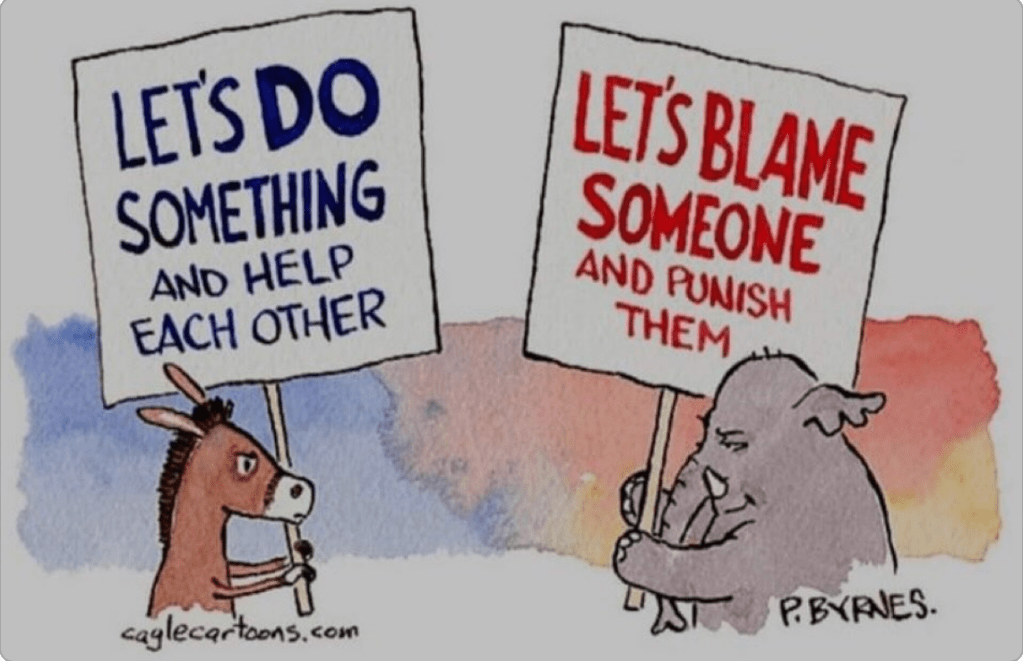
As elections approach, the pressure intensifies, with it, the emotional strain on families. However, families can also be a force for positive change, weathering the storm of political tension together by staying connected, offering support, and observing each other’s mental health. It is essential to create a space where emotions can be expressed freely but responsibly and where misinformation is challenged rather than accepted at face value. In doing so, families not only protect one another but also contribute to a more balanced and less volatile society during the electoral process, fostering a sense of hope and optimism for a brighter future.





 benandsteve.com