I often go back through the archives and reread old stories I reported on. Some are small, dusty pieces that barely made a ripple. Others grab you by the collar and refuse to let go. This is one of those stories.
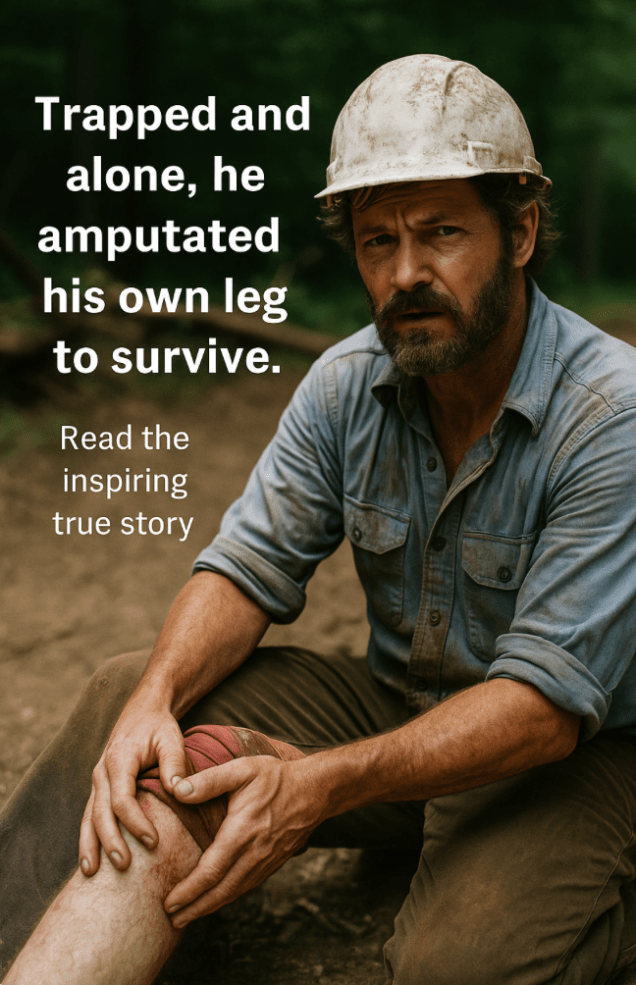
On a summer day in 1993, construction worker Donald Wyman, 37, found himself trapped. He was in the woods of Jefferson County, Pennsylvania. A fallen tree had crushed his leg so severely that he couldn’t free himself. After an hour of pain and helpless screaming, Wyman realized time was running out.
With no other choice, he made a tourniquet out of a shoelace and a wrench from his power saw. Then, with a courage most of us can barely imagine, he amputated his own leg. Using a seven-inch pocketknife—cutting through muscle, skin, and nerves to seize his survival.
Digital Illustration
Badly wounded, he dragged himself to his bulldozer, and drove—bleeding—to his pickup. Once in his truck he managed to reach a neighbor’s farm half a mile away. The neighbor, John Huber, called rescuers, who later found Wyman’s leg still pinned under the tree, boot and all. Thanks to his grit and quick medical response, Wyman survived and was upgraded from critical to stable within days.
Had he hesitated, his story would have been reduced to a one-paragraph obituary in his hometown paper. But Wyman wasn’t a victim—he was a survivor. He did what had to be done.
And that’s the lesson. You may never face a tree crushing your leg. Yet, you may face toxic relationships. You might meet negative influences or habits that hold you back. Sometimes survival means cutting away the very thing that’s dragging you down. You may face a country that has appeared to have turned against you. It won’t be easy. It may hurt. But in the long run, it can save your life—so you can live fully with those you love.
A new neighbor moved down the road. His name was George. He had two strong mules that could pull a plow, a milk cow, and a rooster, but no hens. It looked like he had just taken up living in an old hut abandoned by old farmers who once lived in the area and had gone on. Bill and Nora lived down the road, and further up the hill lived John and his wife, Laura.
Bill, on his horse, was on his way to check on John and Laura when he passed George’s new living setup. Seeing George’s farming efforts, Bill decided to stop and extend a warm welcome. He introduced George to the rest of the neighbors, John, Laura, and his wife, Nora, and invited him to visit anytime. Bill emphasized the mutual reliance of neighbors and assured George that their door was always open, fostering a sense of community and support.
Bill, after his brief encounter with George, continued his journey to John and Laura’s home. He shared the news of their new neighbor, George, and they all agreed on a plan. They decided to reach out to George and invite him for a warm community dinner on Sunday, a gesture that would help him feel welcomed to their little community.
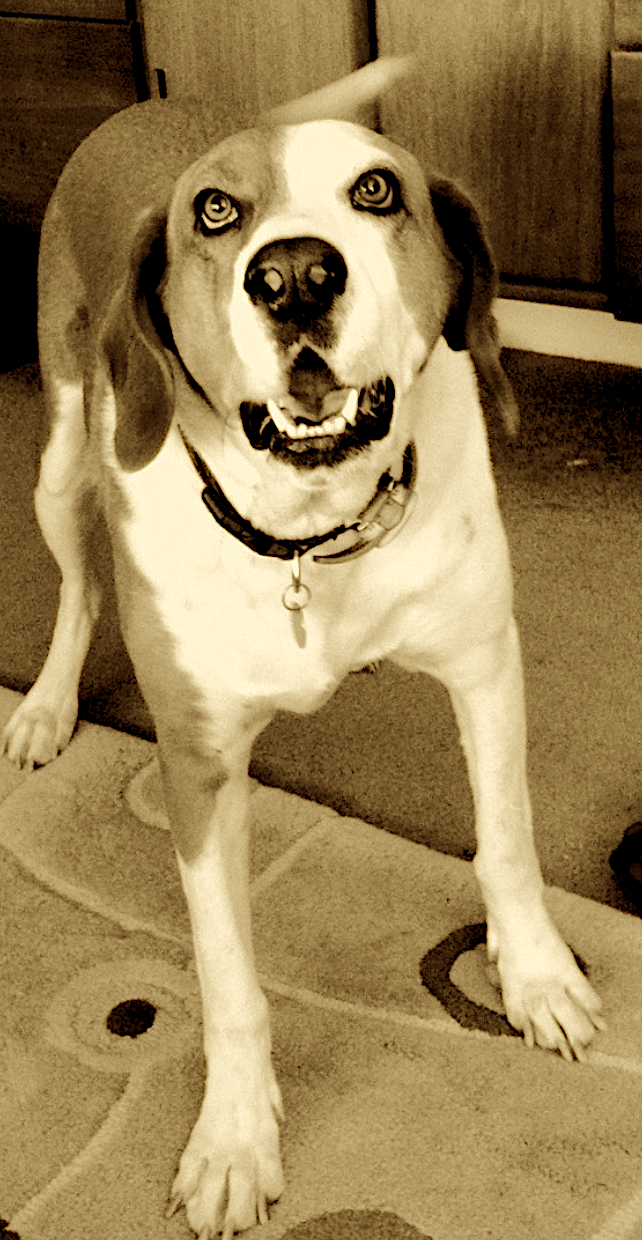
That night, Bill fed his animals on his farm and locked his barn. He and his wife settled down in their home with a cozy fire flickering in the fireplace. They sat and thought about how lucky they were to have their little farm and life. It was to be a cool night but not cold, and Nora left their bedroom window cracked to let fresh air in as they slept. It must’ve been after midnight when Bill and Nora’s dog “Blue” started barking, and Bill yelled for him to lay down and go to sleep, saying to Blue,
“We’ll go hunting tomorrow, dog!”
The dog, looking miffed, he had heard something unusual but obeyed Bill and lay down, all the while staring out the door, watching for something to move.
The following day, Bill went out to feed his livestock and noticed hay, corn, and other items had gone missing from his barn. The back barn door swung open –– Bill recalled –– it had not been the night before. He saddled his horse and rode to John’s, and they, too, had been missing several things: pots and pans, a chicken, and a piece of meat from their smokehouse. Bill told John not to say anything to George until they knew the new neighbor had anything to do with the missing items. Just because George was new to the area didn’t mean he had taken anything.
On his way home, Bill stopped by to check on George. But, it looked like George was still asleep, and his wife, whom Bill hadn’t met, was timid and only waved through the door. So Bill rode his horse back home.
When he got home, Bill had a hunch and got some stiff bailing wire used to bundle hay. He stuck it into his corn cobs, which he stored in his feed storage bins. He then slid a small band onto a few of his best hens’ legs. That night, Bill and Nora went to bed and again had their window cracked open, and Blue was guarding them next to the bed. Sometime after midnight, Blue began barking and scratching at the door. And again, Bill told him to lie down. But this time, Bill knew why Blue was barking.
The following day, Bill went to his barn, and sure enough, the corncobs he had placed the wire on were gone. Some hay and the hens he had slipped the bans on their legs were gone. Bill returned to the house, had breakfast, and told Nora he was going over to Georges. When he arrived, the neighbor was out in his yard, and the two men met. And Bill asked George if he could see George’s mules. As they were looking at the mules, George saw a corncob and broke it open, and there was a wire. The wire he had stuck in it the night before.
Bill turned to George and said,
“George, this corncob is mine. I put this wire in there last night. I will find the same thing if I break open a few more corncobs. And, I have seen several hens you have today that you didn’t have yesterday, and they have a ban on their legs. I know because I placed it on them last night as well. John is also missing some meat and old pots and pans up the road, and I’ve heard talk from other neighbors about missing things around. We don’t do such things around here!”
George apologized and said that he would bring the items he took back before the day’s end.
At sundown the following day, Bill and John were talking, and they had not heard from George but knew he was at home. George had not returned anything. Other men who were missing items met Bill, and they said ––
“we need to teach George we don’t steal.”
They all agreed. The men went and hitched a team of horses up to a wagon and put an old whiskey barrel and some rope in it. They then went to George’s. When he came out onto his porch, the men surrounded him, tied him up, and put him in the wagon. Some of the men’s wives came to stay with George’s wife while the men took him out in the wagon.
They climbed a tall, steep mountain that was clear of trees on one side. When they got to the top, they set the whiskey barrel out and told George to get inside. He did. Then they tacked on the top. George could only see one small hole in the side of the barrel.
The men told “George, this is your punishment for stealing from us. You are to be in this barrel overnight”, but they were interrupted.
A big ole bear came sniffing out of the woods, and the men jumped on the wagon and took off. Looking out of the hole, George couldn’t see what was going on, but the bear backed up to the barrel, sticking its tail in the hole. When it did, George grabbed it and scared the bear, causing it to run down the mountainside. As it did, the barrel rolled, banged, thumped, jumped, flew, hit, and jarred the barrel. Causing to fall to pieces when it hit the bottom of the mountain. George was beaten and bruised but alive, and the neighbor men in the wagon were all waiting on him. Two of them got on each side of him and helped him into the wagon; another handed him a jar of salve, telling him it would take care of every scratch on him. When he healed, the other men told him to hitch his mules up to his wagon and come by their place, and they’d have some items to help him start farming and set up a house with his wife. Bill and John told him that he never had to steal again in his life. All he had to do was be a good neighbor and help others when they needed it, and others in the community would help him. Bill said, “If you are having trouble, don’t starve. We’ll help you out, just like you will help us out when we need it.”
If you are having trouble, don’t starve. We’ll help you out, just like you will help us out when we need it.
Then, all the farmers and people who lived in the area came together on a sunny afternoon and celebrated having new neighbors, George and Bessie. There was food, games and their fellowship built lifetime bonds. From then on George was the best neighbor and went on to pass on the lessons he learned from Bill and John and the other farmers and neighbors who had turned him away from stealing.





 benandsteve.com