
Statues and names aren’t just honors—they’re reminders. By keeping the names of hate in public view, we offer the right context. This turns symbols of division into warnings for the future.
Why We Should Keep the Names of Hate in the Public Eye
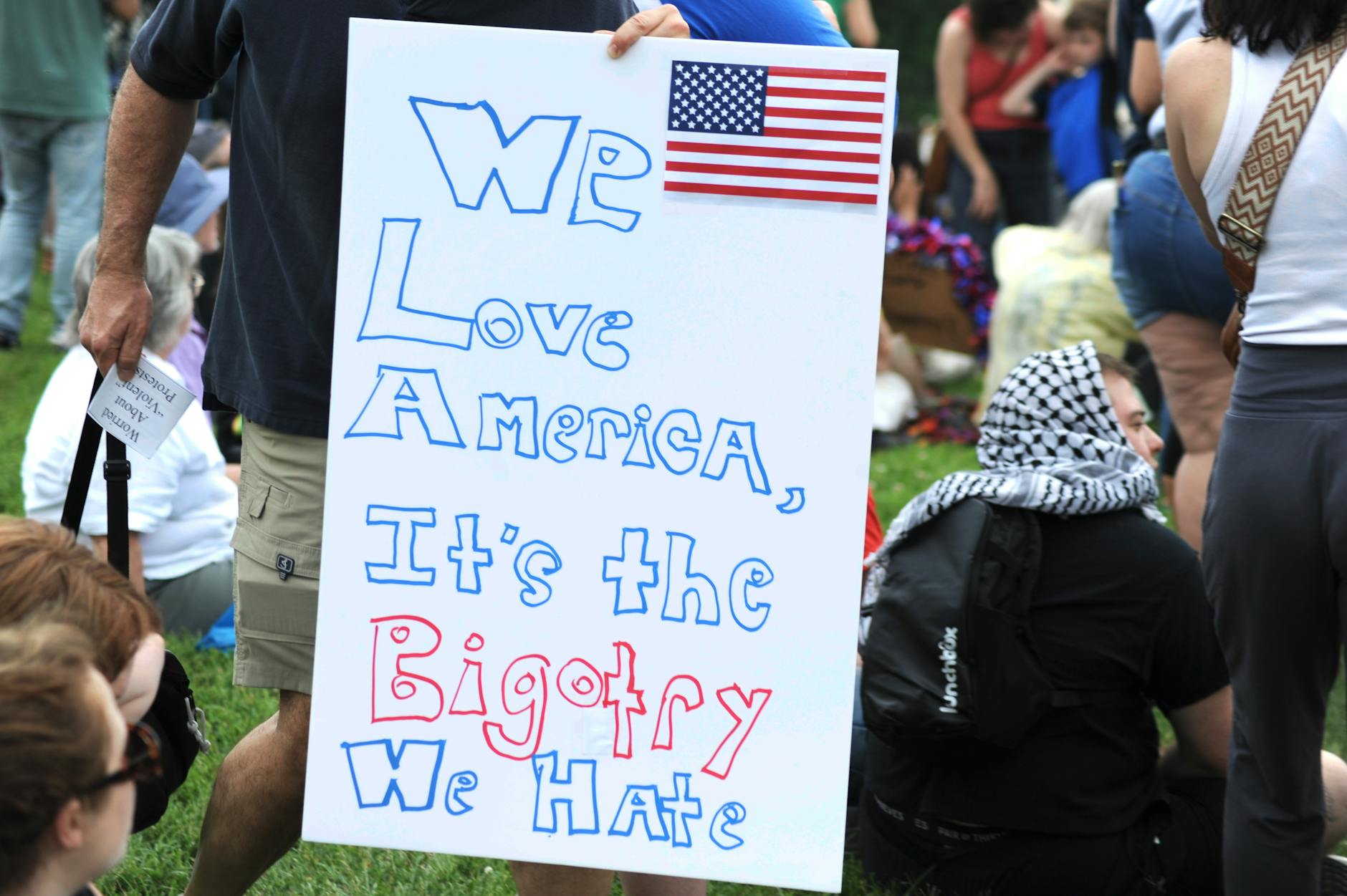
We’re living in a time of debate across the country. Communities are considering whether to remove statues and rename highways. There’s also discussion on erasing the public memory of people who promoted hate, bigotry, and division. It’s an understandable impulse: why honor those who harmed others? But erasure carries a hidden risk—forgetting.
History teaches us that forgetting the darkest chapters makes it easier for them to repeat. When names are scrubbed away, the context can be lost. Future generations will not know the full weight of what those people stood for. Worse still, without clear memory, others try to rehabilitate these messages. Some try to whitewash them. Others rebrand the hateful messages into something even more dangerous.
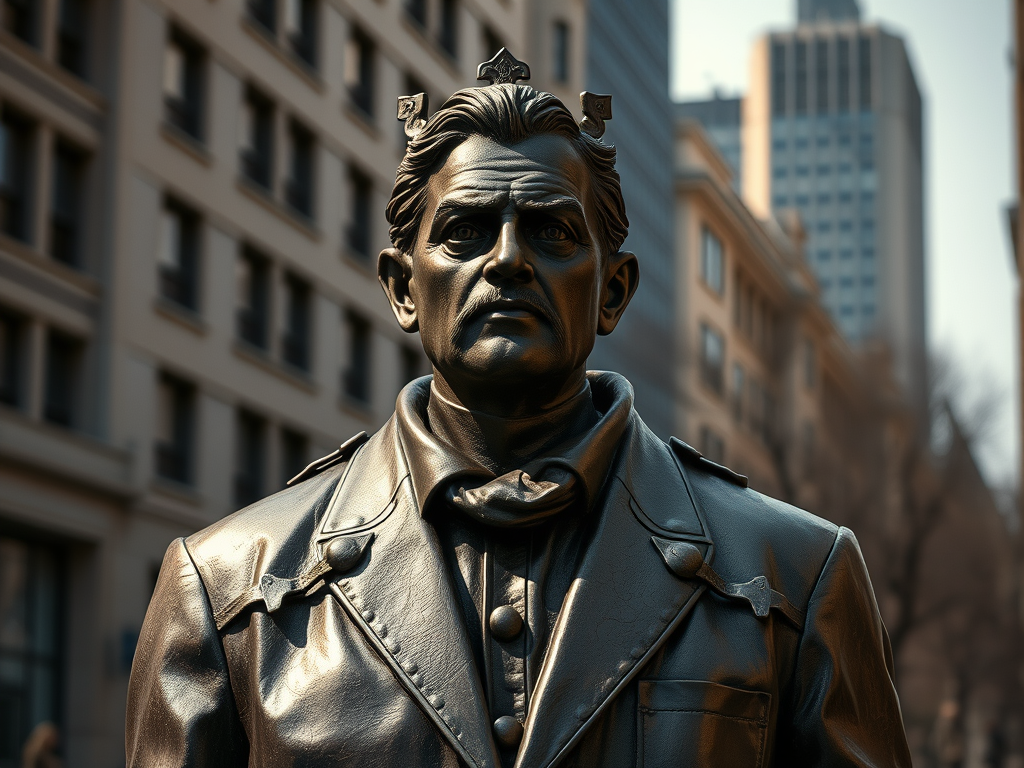
Keeping those names visible—in the right way—turns them from tributes into lessons. A highway named after a segregationist can become an outdoor museum. A statue of a tyrant can stand in a public square. A plaque can explain exactly what they did. It can also explain why it was wrong. By preserving their presence as warnings, not celebrations, we turn the symbols of hate into tools for education.
This is not about reverence. It’s about responsibility. Public memory should hold two things at once. First, the good we want to emulate. Second, the evil we must never repeat. We can’t do that if we pretend the evil never existed.
The Takeaway
We remember the names of those who promoted hate and division. By doing so, we deny them the chance to be rebranded as something they were not. Their actions stay tied to their identities. Their legacy becomes a constant, unavoidable reminder of how close we once came to tearing ourselves apart. If we truly want a brighter, more united future, we need both inspiration—and warning signs along the way.
By Benjamin GroffMedia© | benandsteve.com | ©2025
 benandsteve.com