

AT 16 YEARS OLD I VOLUNTEERED AS A DISPATCHER FOR OUR POLICE DEPARTMENT AND AMBULANCE SERVICE. I DROVE HALF THE PEOPLE IN OUR TOWN TO THE HOSPITAL THIRTY MILES AWAY.
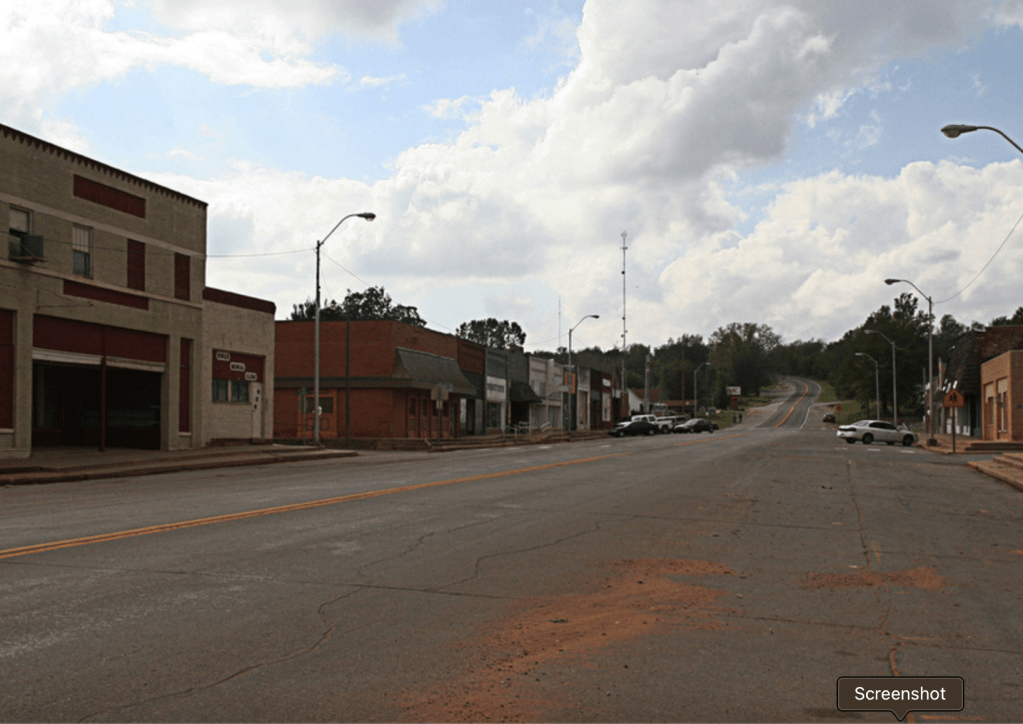
In the quaint town of Binger, nestled amidst rolling hills and whispering woods, life moved at its own unhurried pace. It was the 1970s, and I, at the tender age of sixteen, found myself immersed in the h.eart of the community as a volunteer dispatcher and ambulance driver.

Binger boasted a modest population of 850 souls, a close-knit tapestry of neighbors who looked out for one another. Our town’s medical emergencies were once tended to by the local undertaker, a man of solemn demeanor and a heart of gold. But as time marched on, age had caught up with his trusty driver, rendering him unable to steer the old ambulance through the town’s winding streets.
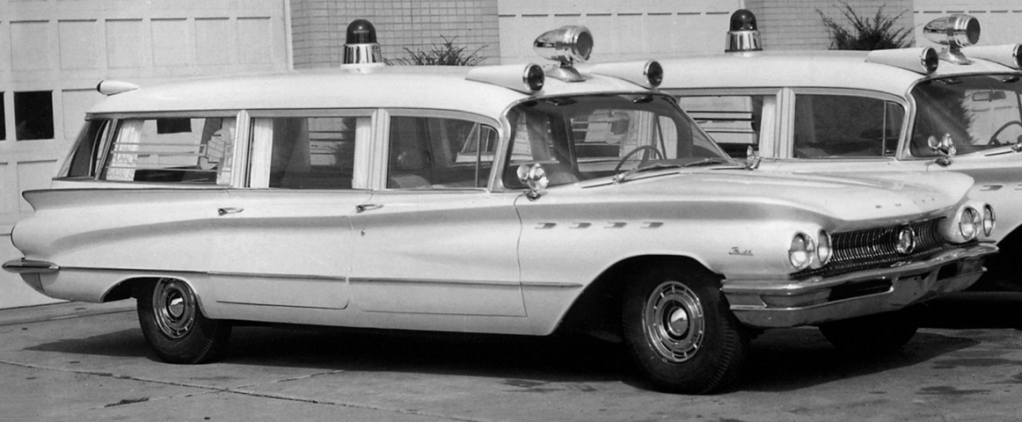
With a sense of duty and a touch of nostalgia, the undertaker donated his faithful 1962 Buick station wagon to serve as our makeshift ambulance. It was a relic of bygone days, rigged with flashing lights, a wailing siren, a sturdy stretcher, and a precious oxygen bottle. Thus, a new chapter unfolded in Binger’s history, with a rotating roster of ten volunteers, including myself, standing ready to answer the call of distress.
In those days, the rhythm of life was punctuated by the shrill ring of the telephone, summoning us into action. I would leap into the driver’s seat, adrenaline coursing through my veins, as I raced through the streets, navigating the twists and turns with practiced precision. The urgency of the situation would lend wings to my feet as I rushed to the aid of my fellow townsfolk.

The years rolled by, and Binger evolved. In 1978, the benevolent gesture of the Chevrolet dealer brought a gleaming new station wagon into our midst, a symbol of progress and prosperity. We felt like modern-day heroes, equipped with state-of-the-art technology to serve our community.
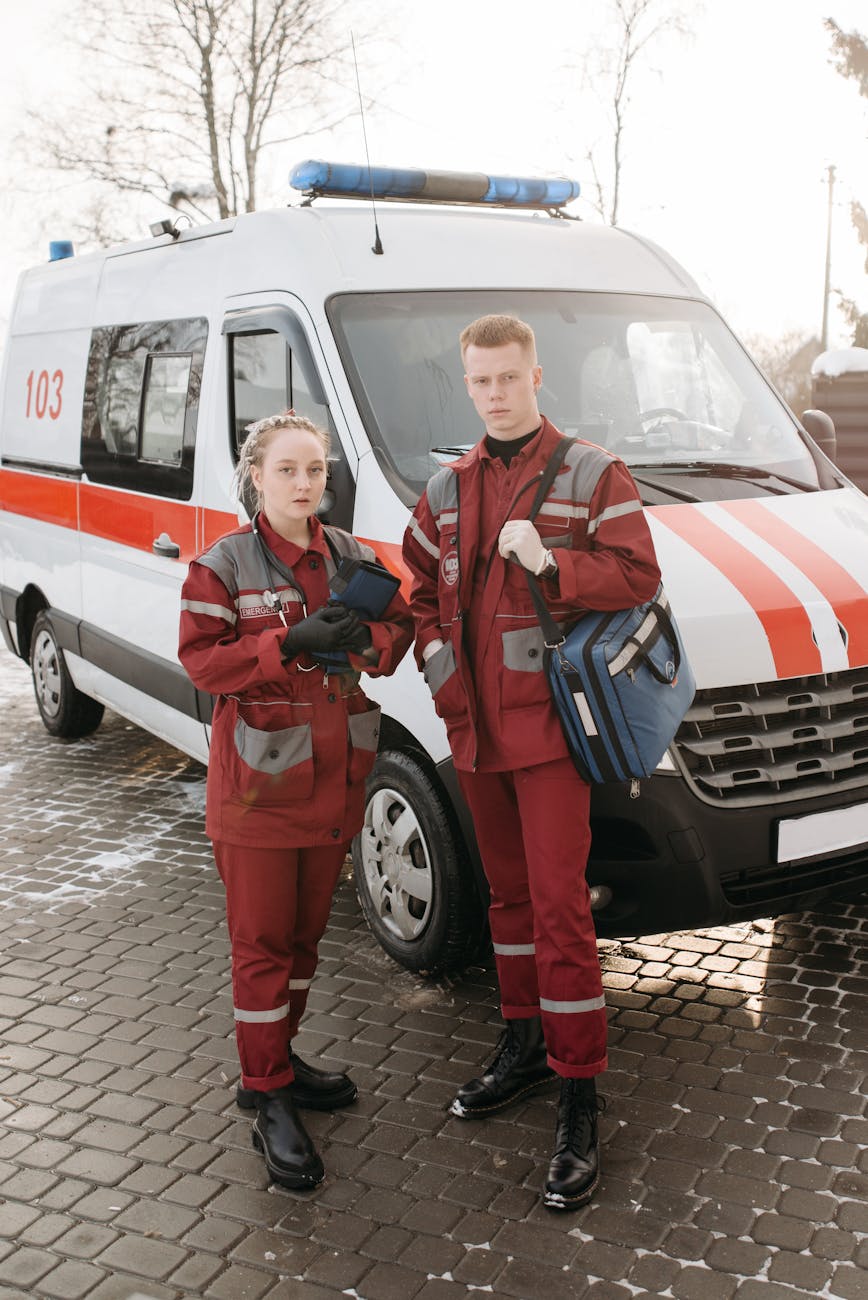
But as the 1980s dawned, change swept across the land. The state enacted stringent laws mandating EMT training and certification for ambulance attendants, a noble but burdensome requirement. Our volunteer organization, unable to meet the new standards, faced dissolution.
With heavy hearts, we bid farewell to an era marked by camaraderie and selflessness. The nearest ambulance service now lay twenty-eight miles away, a stark reminder of the passage of time and the inexorable march of progress.
Yet, amidst the bittersweet farewell, the spirit of Binger endured, a testament to the resilience of small-town values and the enduring bonds of community. And though our roles as volunteer dispatchers and ambulance drivers may have faded into memory, the echoes of our service reverberated through the annals of time, forever etched in the fabric of Binger’s history.
 benandsteve.com