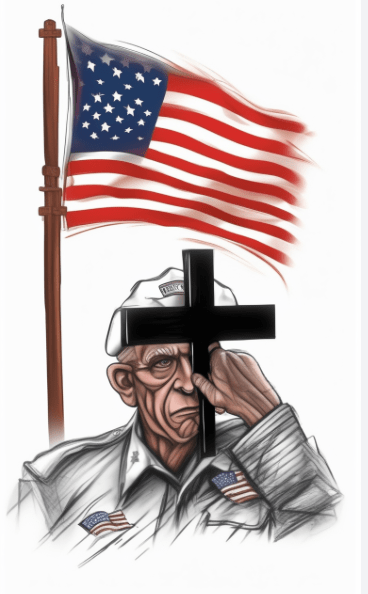
The True Meaning of Memorial Day: A Time for Reflection

By Benjamin GroffMedia© | benandsteve.com | 2025 Truth Endures©

2–3 minutes

Memorial Day: A Call for Deeper Understanding of a Sacred American Tradition
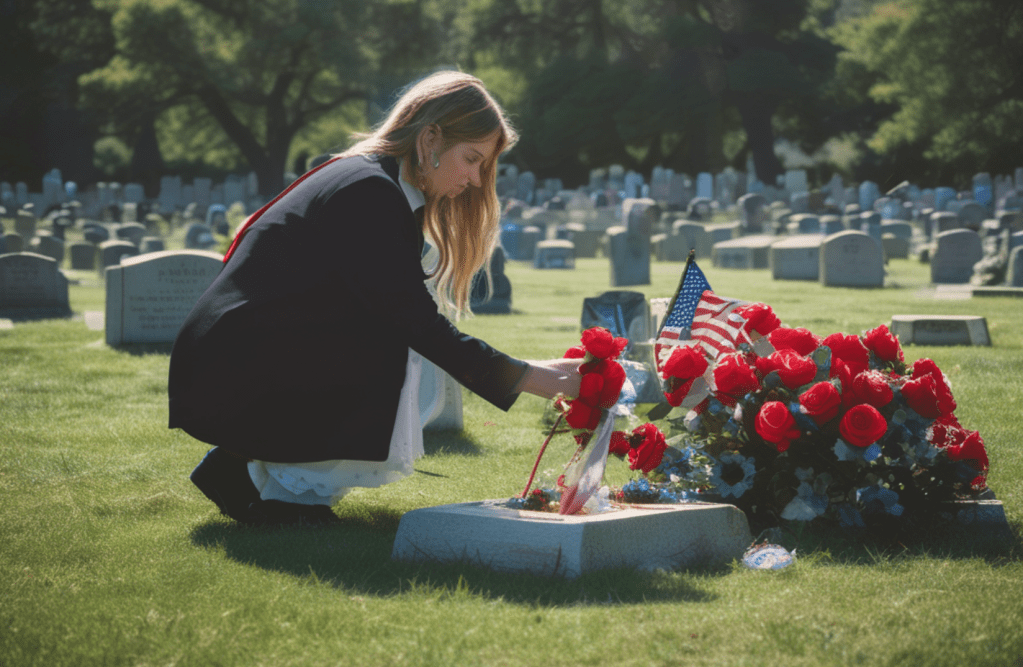
May 26, 2025 — Americans across the country gather for cookouts, beach trips, and retail sales this Memorial Day. Veterans and historians urge the public to remember the true meaning of the holiday. It is a solemn day of remembrance for those who died while serving in the United States Armed Forces.
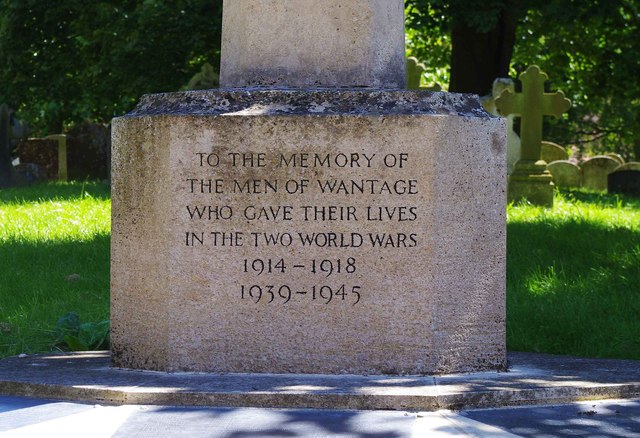
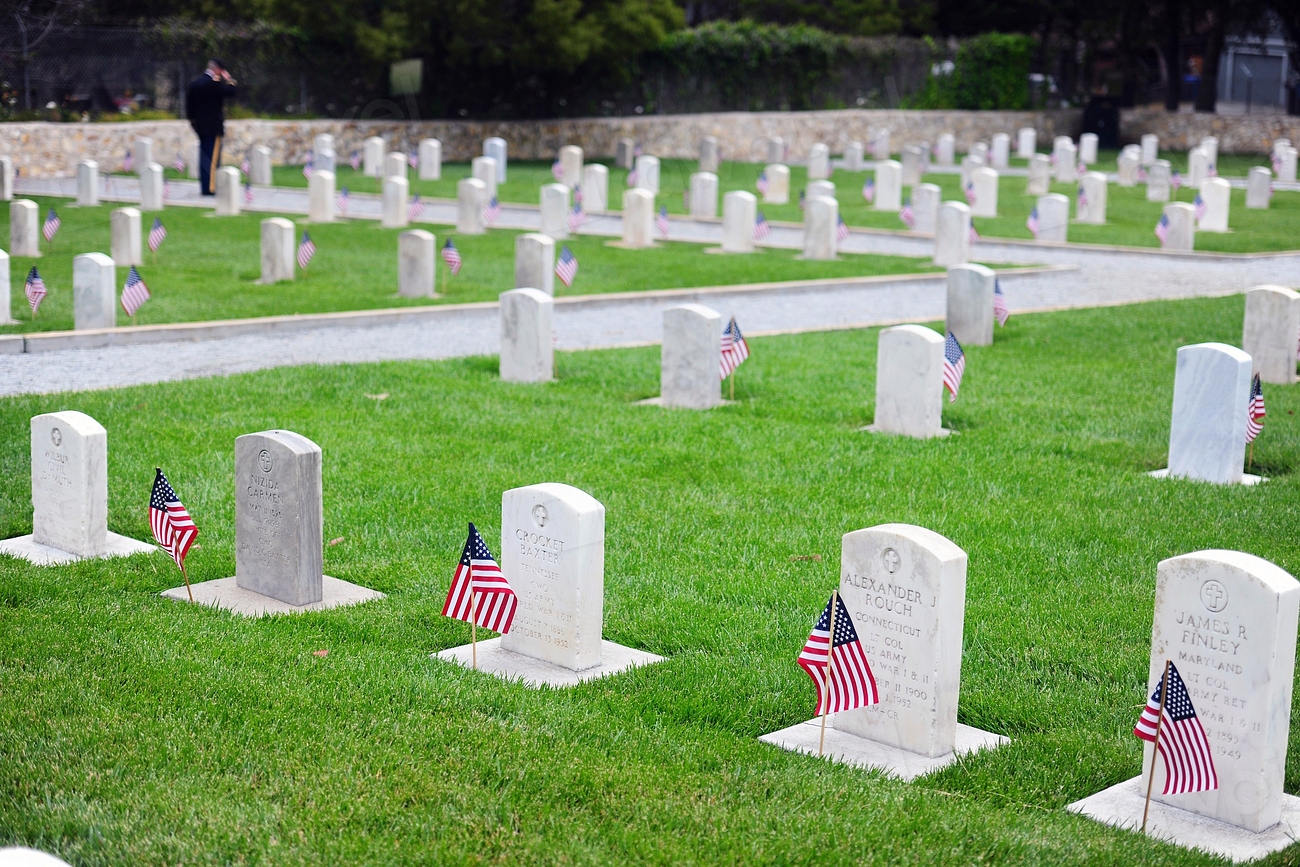
Originally known as Decoration Day, Memorial Day was first widely observed in 1868. This was after the Civil War. Citizens and soldiers alike placed flowers on the graves of the fallen. Today, it is often confused with Veterans Day. Veterans Day honors all who served. Memorial Day is for those who made the ultimate sacrifice.

For many, the long weekend signals the unofficial start of summer. For Gold Star families—those who have lost a loved one in service—it’s a day marked by grief. It is also a time for reflection and pride.

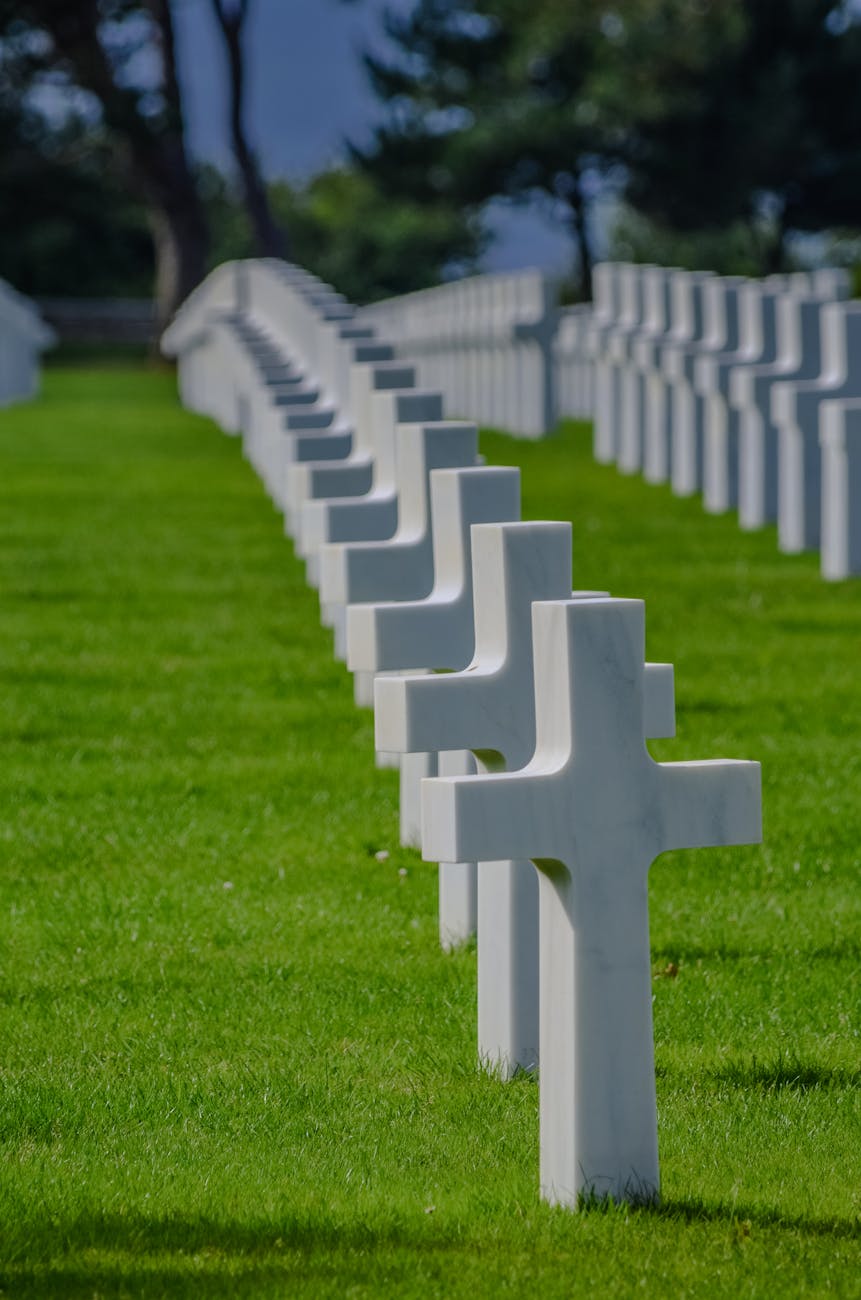
Photo by Brett Sayles on Pexels.com

“We don’t want people to stop enjoying their freedom,”

said Angela Cruz, whose son died in Afghanistan in 2011.

“But we hope they understand that someone paid for it.”

Surveys reveal a worrying trend. A growing number of Americans are unaware of the distinction between Memorial Day and Veterans Day. This is especially true for younger generations. A 2024 Pew Research poll found that nearly 40% of adults under 30 were unclear about Memorial Day’s purpose.

Historians warn that this disconnect risks eroding public understanding of military sacrifice.

“When people forget the meaning of Memorial Day, they forget about those who gave their lives in service. They overlook their sacrifice,”

said Dr. Robert Ellis, a military historian at Georgetown University.

“It’s not just a history lesson—it’s a civic responsibility.”
Efforts are underway to restore the day’s original intent. Many veterans’ organizations are promoting the National Moment of Remembrance, a voluntary pause at 3 p.m. local time on Memorial Day to think in silence. Schools and communities across the country are bringing back traditions. They are visiting cemeteries and laying wreaths. They are also reading the names of fallen service members.

“We want people to barbecue, to be with family, to enjoy America,”
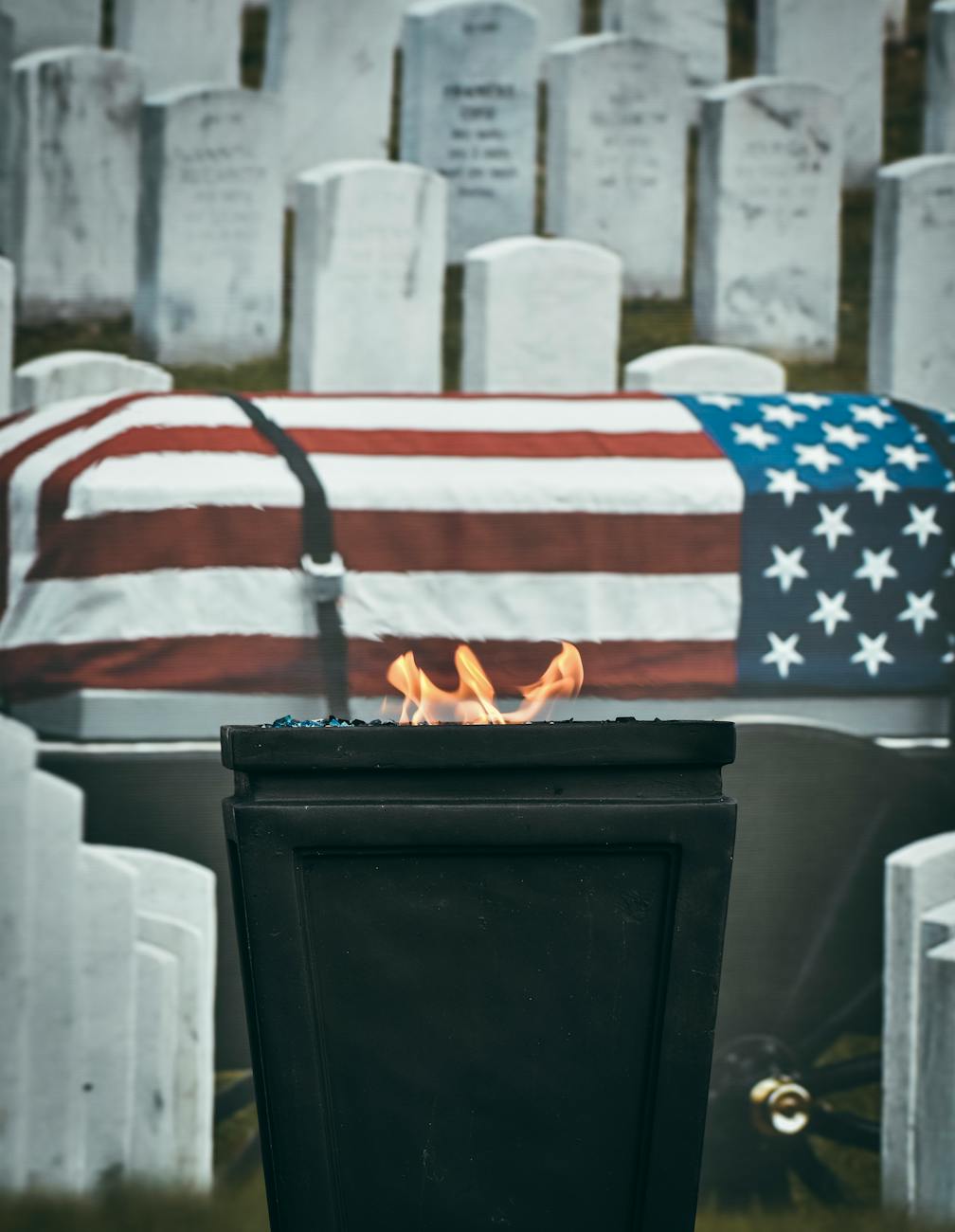
Photo by Chris F on Pexels.com

said retired Army Sergeant Major Tyrese Bennett.

“But we also want them to take a moment—just a moment—to remember why they can.”

The nation marks another Memorial Day. Veterans and families hope that Americans will go beyond the sales. They want people to go beyond the celebrations. They wish everyone would take time to honor the names, stories, and legacies of those who never made it home.

Memorial Day: From Local Tribute to National Holiday

By Benjamin GroffMedia© | benandsteve.com | 2025 Truth Endures

2–3 minutes

The First Memorial Day: Honoring the Fallen After the Civil War

Photo by Jerry Butler Pexels.com

In the aftermath of the American Civil War—a conflict that claimed more lives than any other in U.S. history—communities across the nation were left mourning. By 1865, with the war concluded, families faced the grim task of honoring more than 600,000 soldiers who had died. This collective grief gave rise to a new tradition: a day of remembrance.

Many towns and cities began their own informal commemorations of fallen soldiers. An early observance of what would become Memorial Day occurred in Charleston, South Carolina. It happened on May 1, 1865. There, newly freed African Americans held a ceremony to honor Union soldiers. These soldiers had died in a Confederate prison camp.

During the war, Confederate forces converted the city’s Washington Racecourse. Today, it is known as Hampton Park. They turned it into a prison for Union soldiers. Over 260 Union troops died there from disease and exposure and were buried in unmarked graves. After the Confederacy’s defeat, Black residents of Charleston, many of them formerly enslaved, took action. They worked to give those soldiers a proper burial. They reinterred the bodies. They built a fence around the site. They marked it with a sign that read: “Martyrs of the Race Course.”

On May 1, a crowd of around 10,000 people—including freedmen, Union troops, and white missionaries—gathered for a solemn procession. The event included prayers, singing, speeches, and the laying of flowers. Children marched with armfuls of blossoms, and the day ended with picnics and patriotic performances. This Charleston observance was largely forgotten in the national narrative for decades. Now, many historians recognize it as the first Memorial Day.

Nonetheless, the tradition took broader root a few years later. In 1868, Union General John A. Logan, head of a veterans’ organization called the Grand Army of the Republic, issued a proclamation. He declared May 30 as Decoration Day, a time to decorate the graves of fallen soldiers with flowers. That year, ceremonies were held at over 100 cemeteries across the country. A major event took place at Arlington National Cemetery. Flowers were placed on the graves of both Union and Confederate soldiers.

Photo by Hub JACQU on Pexels.com

Over time, Decoration Day evolved into Memorial Day, gradually becoming a national holiday. After World War I, its purpose expanded to honor all Americans who died in military service. In 1971, Memorial Day was declared a federal holiday. It was moved to the last Monday in May. This change ensures a long weekend of remembrance.

Today, Memorial Day is a time for reflection. It is also a time for gratitude. It honors those who gave their lives in service to the United States—from the Civil War to the current day.


Remembering John S. Foster Jr.: A Key Figure in Nuclear Deterrence

By Benjamin GroffMedia© | benandsteve.com | 2025 Truth Endures©

2–3 minutes

John S. Foster Jr., 102, Pioneering Physicist and Architect of U.S. Nuclear Deterrence, Dies

John Stuart Foster Jr. was a visionary physicist. His career spanned over eight decades of American scientific and defense innovation. He passed away on April 25, 2025, in Goleta, California. He was 102.​ (1)

Born on September 18, 1922, in New Haven, Connecticut, Foster was the son of renowned Canadian physicist John S. Foster Sr. He began his academic journey at McGill University, earning a Bachelor of Science degree in 1948. He later obtained a Ph.D. in physics from the University of California, Berkeley, in 1952.​ (2)

Foster’s skill during World War II was instrumental in developing radar and countermeasure technologies at Harvard’s Radio Research Laboratory. He served as a scientific advisor to the 15th Air Force in the Mediterranean Theater. This role further demonstrated his dedication to the war effort. (3)

In 1952, Foster was recruited by Edward Teller to join the Lawrence Livermore National Laboratory (LLNL). His leadership in nuclear weapons design at LLNL was groundbreaking. He eventually became the director in 1961. This leadership fostered a culture of innovation and collaboration that continues to inspire today.

From 1965 to 1973, Foster served as the Director of Defense Research and Engineering at the U.S. Department of Defense, advising four Secretaries of Defense and two Presidents. He championed advancements in smart weapons, night vision, and reconnaissance technologies.​ (4)

After his tenure at the Pentagon, Foster joined TRW Inc. as Vice President of Science and Technology, later serving on its board of directors. He remained an influential figure in national security. He participated in the Defense Science Board. He also joined the President’s Foreign Intelligence Advisory Board. Additionally, he served on the Commission to Assess the Threat to the United States from Electromagnetic Pulse (EMP) Attack. ​(5)

Foster’s contributions earned him many accolades. These include the Enrico Fermi Award and the Founder’s Award from the National Academy of Engineering. He also received multiple Department of Defense Distinguished Public Service Medals. He was also honored internationally. He received the Knight Commander’s Cross of the Order of Merit of the Federal Republic of Germany. He was named Commander of the French Legion of Honor.​ (6)

In recognition of his enduring legacy, LLNL established the John S. Foster Jr. Medal, awarded annually to individuals demonstrating exceptional leadership in national security science and technology. (7)

Foster is survived by his family and a legacy that continues to influence U.S. defense policy and scientific research.​

A memorial service will be held at Lawrence Livermore National Laboratory. Instead of flowers, the family requests donations be made to the Livermore Lab Foundation in his honor.​ (8)

Boise City: The Unusual WWII Bombing Incident

GROFF MEDIA 2024© TRUTH ENDURES IMDBPRO

Presented by benandsteve.com By: Benjamin Groff II©s

2–3 minutes

You have heard the news. South Korean forces mistakenly bombed a civilian area, thinking it was a training site. You ask how such a mistake happened? But did you know it isn’t the first time it has happened?

It happened in the United States when the U.S. Army accidentally bombed Boise City, Oklahoma, on July 5, 1943, during World War II. The attack on the homeland wasn’t the only time the Army bombed the continental United States during the war. It was a friendly fire incident. There have been other cities bombed in the United States by mistake, in Texas and Nebraska. The United States has even accidentally bombed Switzerland during World War II, killing over 80 people. But this story is the one I have heard described with color and moments of community involvement.

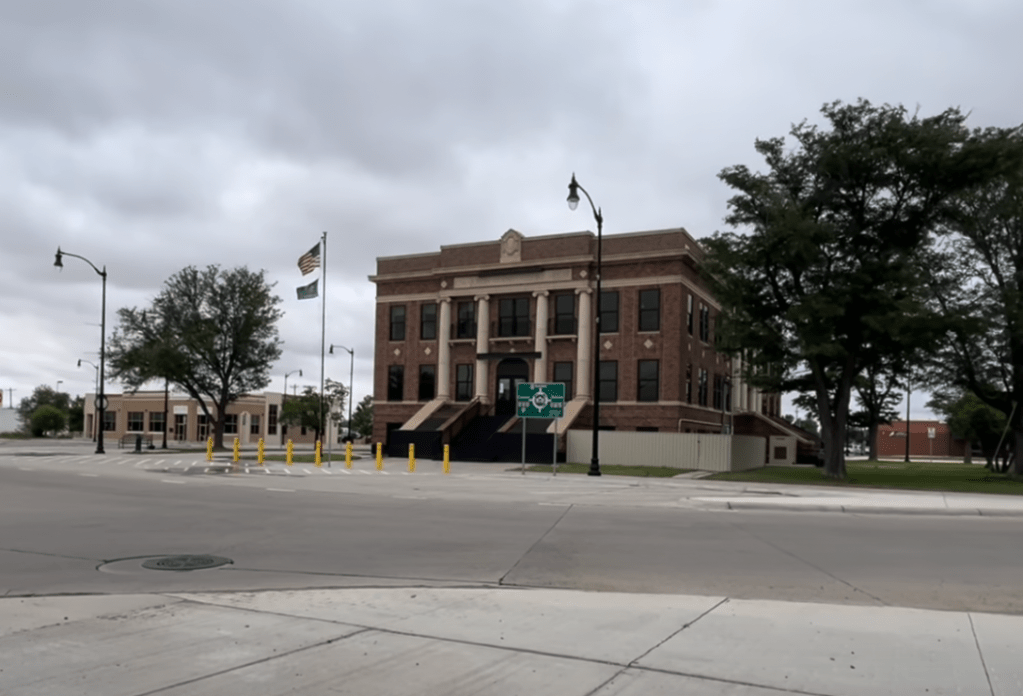
Cimarron County Court House
Cimarron County, Oklahoma

I have visited Boise City, and locals will tell you the pronunciation is, as you would say, “Boys City.” The town is small. You arrive at the courthouse circle as you enter from the east or north. A highway leads west into New Mexico. A trail takes you south toward Texas. The better highway is east of the town. Colorado is just up the road to the north. Kansas is just a jog to the Northeast. More of Oklahoma awaits out to the east. The community hasn’t grown much since it first sprung up.

Hearing locals tell of what happened in Boise City, Oklahoma, is somewhat comical. Nonetheless, it would not have been so funny to those who lived through the experience.

It happened on July 5, 1943.

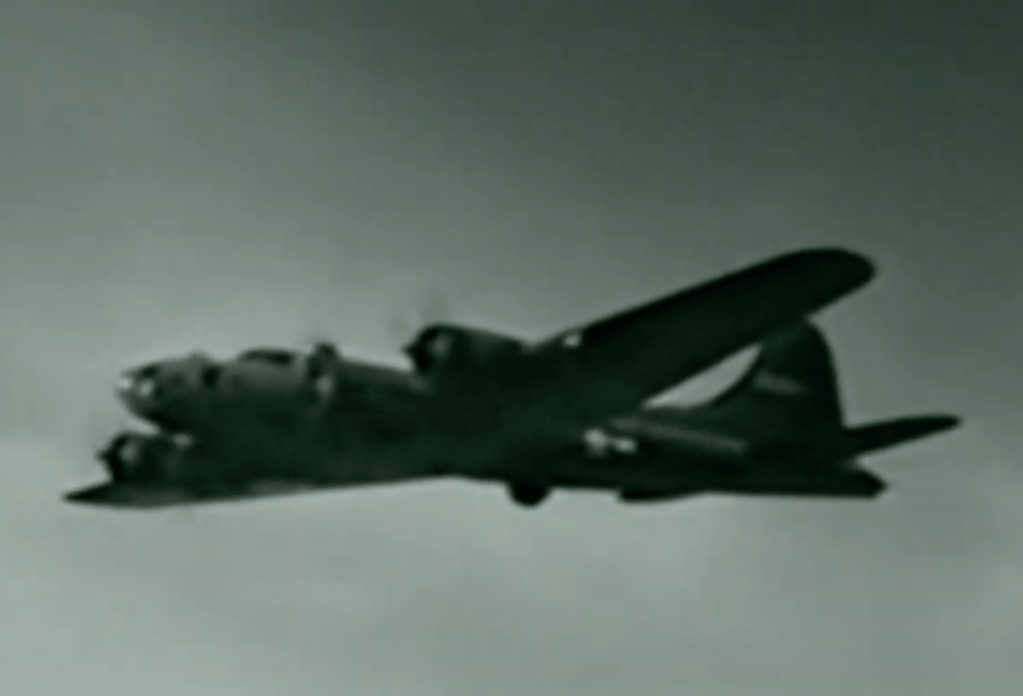
A B-17 Flying Fortress bomber was on a nighttime training mission from Dalhart Army Air Base in Texas. It mistakenly dropped six practice bombs on Boise City’s town square. These bombs were mostly filled with sand and small charges.

What Happened?

  • The bomber crew was supposed to hit a designated target outside Conlen, Texas. They got lost and mistook Boise City’s well-lit downtown for their practice site.
  • At around 12:30 AM, the first bomb landed near a garage, shaking the town awake.
  • Five more bombs followed, hitting areas near businesses, a church, and a residential district.
  • Miraculously, no one was injured, and the damage was minimal.

Aftermath

  • The Army quickly apologized for the mistake.
  • The town embraced the incident as a quirky part of its history.
  • Today, Boise City proudly commemorates the event with a replica bomb displayed in the town square.

It remains one of the most unusual incidents in U.S. military training history! Would you like any more details?

If you ever go through Boise City, Oklahoma, stop and have a meal. As you travel west, you will hear more stories. These stories are about people living in what many consider the last town worth stopping in. Then, you move on to your next stop.

Surviving the Darkness: The Krieger Family’s Courage – Shadows In The Dark

GROFF MEDIA 2024© TRUTH ENDURES IMDBPRO

Presented by benandsteve.com By: Benjamin Groff II©

2–3 minutes

In the spring of 1942, the Krieger family vanished from the small town of Marburg, or so their neighbors believed. The truth, though, was a testament to their resilience. Ernst and Klara Krieger lived concealed behind a false wall. Their teenage daughter Lotte was with them in the attic of their modest home. They clung to a fragile existence beneath the ever-watchful eyes of the Nazi regime.

Before the war, Ernst had been a respected tailor, his shop bustling with customers seeking fine suits and dresses. The war machine tightened its grip on Germany, and Jewish families like the Kriegers became targets. They had no choice but to vanish from public view. Ernst’s friend, Herr Becker, was a trusted carpenter. He had built a hidden compartment in their attic. It was a space just large enough for the three of them to survive.

Each day, Klara prepared sparse meals from the dwindling stock of supplies. She rationed every crumb with the precision of a soldier. Lotte, once full of life and laughter, now spent her days in silence. She read the few books they had managed to take with them. Ernst, ever resourceful, repaired uniforms in secret. He exchanged this favor with Herr Becker for smuggled food. They also shared whispers of news from the outside world.

Life under the radar was a delicate balancing act, but the Kriegers refused to let go of hope. They learned to move only when the town slept, their footsteps carefully muffled. They endured bitter winters without fire, their breath hanging in the frozen air like ghosts. Klara kept their spirits up with whispered stories of better days. She spoke of summers at the lake and the scent of fresh bread filling their home. They lived in fear but also in quiet defiance, their hope a beacon in the darkness.

One night, in late 1944, as the war neared its end, a knock at the door sent their hearts racing. Herr Becker’s hushed voice broke through the silence. 

“The Americans are coming,” 

he whispered through the floorboards. 

“Stay hidden a little longer.”

Days passed like years until, at last, the sound of foreign voices filled the streets. The Kriegers dared to peek from their hidden vantage point. What they saw made their hearts swell with cautious hope. They observed Allied soldiers marching through the town. Their uniforms were different, and their faces were filled with determination rather than cruelty.

The danger had finally passed. Ernst and Klara stepped out into the light of a new morning. They held Lotte’s trembling hand. Their survival was a quiet miracle. It was a testament to the resilience, cunningness, and kindness of those who risked it all to help them. Their hearts were filled with gratitude for these unsung heroes.

Life was difficult in the next years, but the Kriegers rebuilt what they had lost. Ernst reopened his shop. Klara baked bread that once again filled their home with warmth. Lotte found her laughter in the sunlight. Though they had lived in the shadows for so long, they emerged stronger and free.

And in the attic, behind the false wall, they left a small inscription: 

We survived. We endured. We are free.

Solemn Reflections: Memorial Day and the Spirit of Sacrifice

As the sun rose over the small town of Oakwood, its warm rays illuminated the rows of white headstones in the Oakwood Cemetery. The city, steeped in a rich history of honoring fallen soldiers, had always observed Memorial Day with solemn pride. This day, originally known as Decoration Day, was established after the Civil War to commemorate the Union and Confederate soldiers who died in the war. It has since evolved to honor all Americans who have died in military service.

Sarah Thompson stood at the cemetery’s gate, holding a bouquet of red, white, and blue flowers. She was in her late thirties, her eyes reflecting sorrow and strength. Visiting the cemetery was her yearly ritual—a pilgrimage to visit the grave of her brother, Daniel, who had died in Afghanistan a decade ago.

As Sarah walked along the gravel path, she remembered the day they received the news. It had been a bright summer afternoon, much like today. Daniel had always been a source of light and joy in their family, with his infectious laughter and boundless energy. The knock on the door that day had shattered their world.

Sarah reached Daniel’s grave and knelt, gently placing the flowers in front of the headstone. She traced her fingers over his name etched in the cold stone and whispered a prayer. Memories flooded back—playing tag in the backyard, late-night talks about their dreams, and the tearful goodbye when he left for his final deployment.

The cemetery, a place of collective grief and remembrance, began to fill with others who had come to pay their respects. Families, friends, and fellow veterans moved among the graves, their shared sorrow palpable in the air. Some walked in silence, their thoughts a private tribute, while others shared stories, their voices a collective echo of the lives lost.

A familiar voice broke Sarah’s reverie. “Hey, Sarah.”

She turned to see Tom, one of Daniel’s best friends from high school, standing nearby. He held a small American flag, which he placed at the base of the headstone. Tom had served alongside Daniel and had been with him during his last moments.

“It’s good to see you, Tom,” Sarah said, her voice soft.

Tom nodded, his eyes filled with shared grief. “I come here every year. Feels like the least I can do.”

They stood in silence for a moment, their hearts heavy with the weight of their loss. Each lost in their thoughts, memories of Daniel flooding their minds. Then Tom began to speak, his voice steady but emotional, his words a testament to the bravery and selflessness of their fallen friend. ‘Daniel was the bravest person I knew,’ he said, his voice breaking with emotion. ‘He always put others before himself. Even in the end, he worried more about us than his safety.’

Sarah smiled through her tears. “That sounds like him.”

The morning wore on, and more people arrived, each carrying their own memories and gratitude. A group of children from the local school, accompanied by their teachers, placed flags on the graves of all the fallen soldiers, a symbol of their respect and understanding of the sacrifices made. The town’s mayor gave a short speech, his words echoing with the collective gratitude and remembrance of the community. A local choir sang ‘America the Beautiful,’ their voices a poignant reminder of the unity and strength that comes from shared values. The collective remembrance was a powerful testament to the sacrifices made by so many.

As the ceremony ended, Sarah and Tom lingered by Daniel’s grave a little longer. They shared stories, laughed, and cried, finding comfort in each other’s company.

“Thank you for being here,” Sarah said as they prepared to leave.

“Always,” Tom replied. “He was my brother, too.”

They returned to the cemetery gate together, the sun now high in the sky. As Sarah looked back one last time at the sea of white headstones, she felt a sense of peace. Memorial Day was not just about remembering the fallen; it was about celebrating their lives and the values they stood for.

Driving home, Sarah contemplated the significance of this day and how she would pass on its importance to her children. She understood that as long as they remembered, Daniel’s spirit would continue to live on. Every Memorial Day, she would return to this hallowed ground, ensuring that the memory of her brother and all those who had made the ultimate sacrifice for their country would never fade.

In checking references part of this story may include referencese similar to others found on the internet. The simularities are incidential and are not included intentional. You can find more these simularities RE: New York. Memorial Day. Monument. Dead Soldier. Wheelchair. Handicapped Boy. | Didier Ruef | Photography. https://www.didierruef.com/gallery-image/Aura/G0000Is39GN2Av9w/I0000aHlCvWVZLNc/C0000EU0LcXmMzWo/