
By Benjamin GroffMedia© | benandsteve.com | ©2026
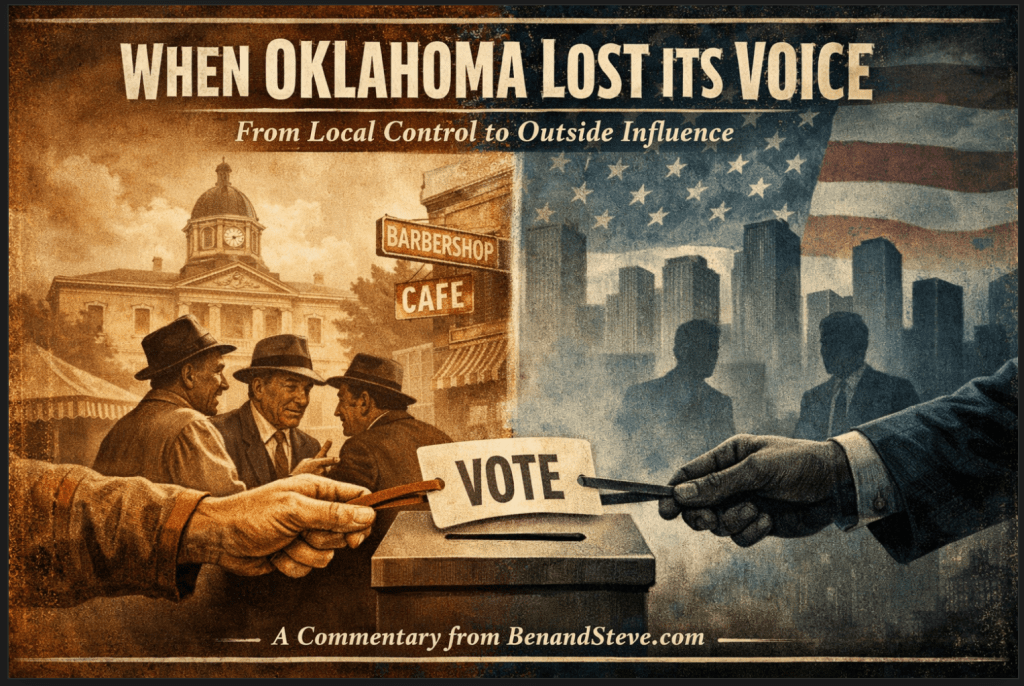
Oklahoma election officials report that as many as 13,000 registered voters have changed their political affiliation in recent months—many moving from Republican to Democrat or Independent. On paper, it looks like a routine shift. But beneath those numbers is something much deeper—and far more concerning.
Because Oklahoma hasn’t just changed parties over the years. It has lost its voice.
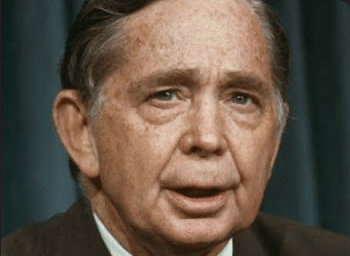
There was a time when this state was overwhelmingly Democratic, but more importantly—it was locally driven. Communities knew their candidates. Campaigns were built in barbershops, cafés, and courthouse hallways—not in distant boardrooms. Leaders rose from the people they represented. Even figures like Carl Albert carried Oklahoma values with them to Washington, not the other way around.
Back then, politics wasn’t perfect—but it was personal.
Southeastern Oklahoma—“Little Dixie”—held strong Democratic roots that reflected the culture and working-class backbone of the region. Even in places like Tulsa and the northeast, where conservatism had a firmer grip, the political identity was still shaped by local influence, local relationships, and local accountability.
That began to change when money entered the room—and never left.
Over time, national political machines and out-of-state interests realized something: Oklahoma was fertile ground. Campaigns stopped being about neighbors convincing neighbors. They became about funding streams, media buys, consultants, and narratives crafted far beyond state lines. The candidates may still live here—but the strategies, the messaging, and often the priorities do not.
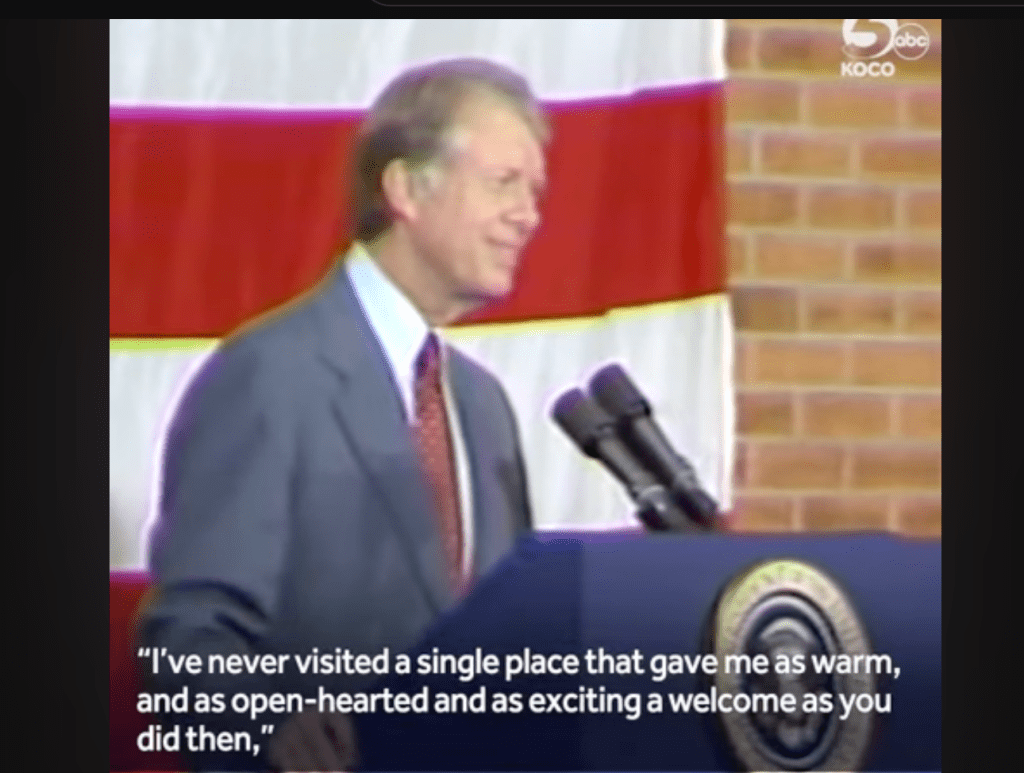
Even towns like Elk City, Oklahoma remember a time when national figures still spoke directly to local communities. Jimmy Carter built much of his campaign on that very idea—making personal promises and treating small towns like they mattered. And when he became President, he was known for keeping those commitments, returning to places others might have forgotten.
That kind of connection is hard to imagine today.
When Carter passed, the coverage—especially at the local level—felt noticeably quiet in places where, years ago, a visit like his would have been remembered and retold. Maybe that’s time passing. Or maybe it says something more about where we are now—where national politics has grown louder, more divided, and more distant from the very communities it once depended on. And maybe it says more about the community’s morals.
And that’s the real shift.
It’s not Republican versus Democrat. It’s local versus national control.
What we’re witnessing now—even in something as simple as voter registration changes—is the continued unraveling of a system that once belonged to the people who lived here. The decisions that affect Oklahoma communities are increasingly influenced by voices that have never set foot on our streets, never sat in our cafés, and never had to answer directly to the people they impact.
Oklahoma didn’t just evolve politically. It was overtaken.
And the question now isn’t which party wins next.
It’s whether the people of this state will ever truly get their voice back. Even more importantly, will the people of Oklahoma ever stand and take their voice back!
This isn’t just an Oklahoma story—it applies to communities across the country. Every elected official, at every level, should be measured by one standard: are they truly representing the people they serve, or is it time for someone else to step in?
Groff Media ©2026 benandsteve.com Truth Endures
 benandsteve.com