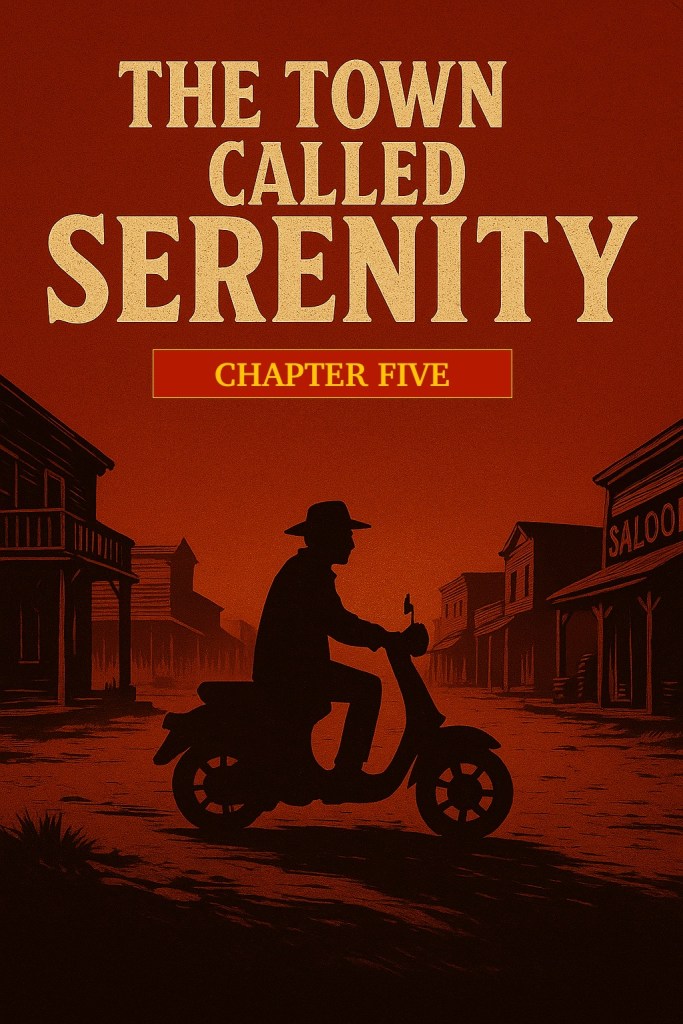
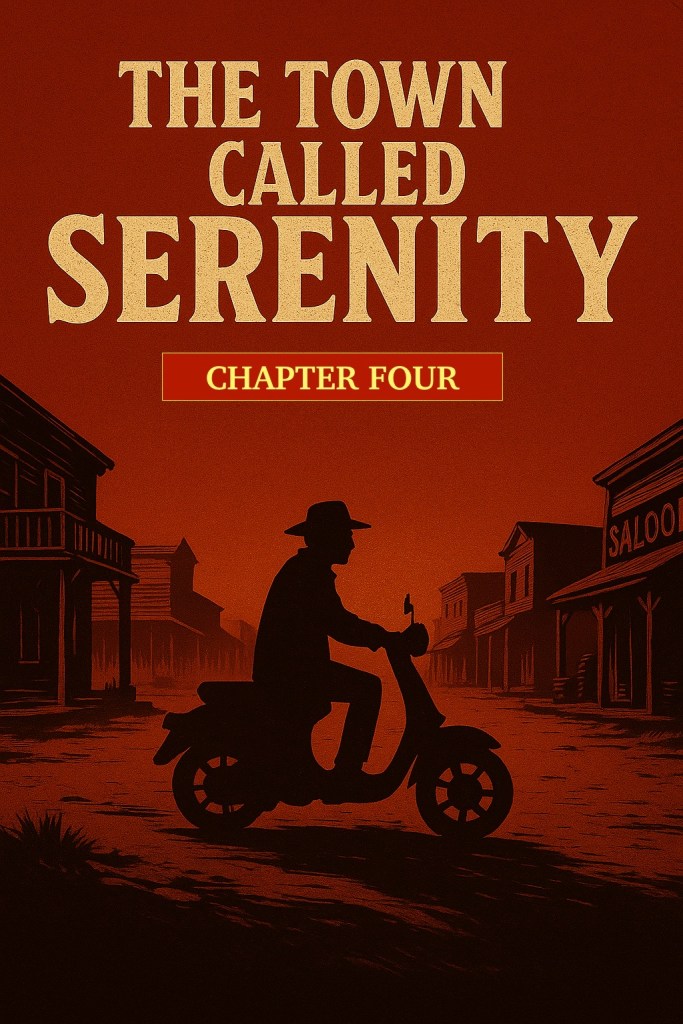
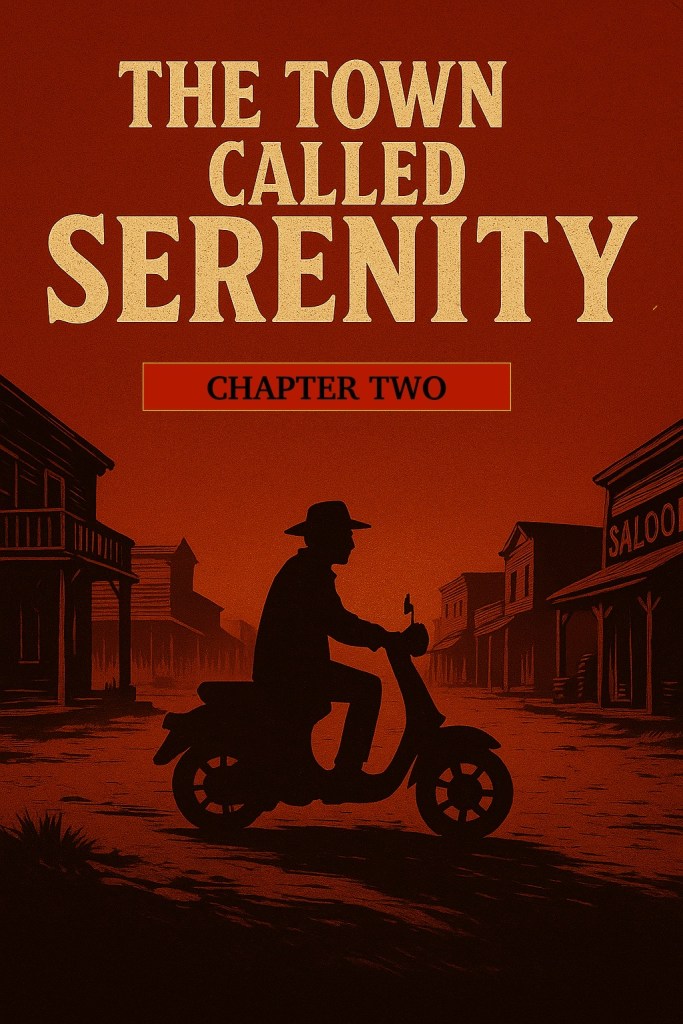
The Town Called Serenity – Chapter Six – Ashwood

By Benjamin GroffMedia© | benandsteve.com | 2025 Truth Endures©

1–2 minutes

Chapter Six: Ashwood

The file on Chester Finch wasn’t stored in any digital archive. It was handwritten, double-sealed, and stored in a fireproof vault in Washington, D.C., under a codename known only to four men who still remembered it.

Operation Ashwood.

Eight years ago, Chester was part of a black-bag unit inside the U.S. Marshal Service—officially unrecognized, unofficially unstoppable. The team was created to root out systemic corruption in rural American towns with privatized law enforcement and cartel-backed leadership. The mission was simple: infiltrate, destabilize, expose.

Ashwood’s first three targets were textbook. The fourth—Gulch County, Texas—was different.

Chester had made the call. He exposed the sheriff, three council members, and a judge and brought them down with a clean sweep.

But the blowback was lethal.

Three of Chester’s team were ambushed at the exit. A safe house was burned down—with a whistleblower’s daughter inside. The press got hold of fragments, but the whole truth? That was buried in a sealed report and heavily redacted.

Chester took the blame. Not officially. But quietly. They let him keep the badge—under the condition that he’d never be given another high-profile operation again.

Until now.

Serenity was never meant to be his assignment. Someone had slipped his name into the dispatch. Someone with a more extended memory than the agency admitted to.

And now Gallow, the last surviving Ashwood “fixer,” was on the trail.

Now, remember this is only a pause between Chapters Five and Seven. This moment is to clarify what was happening. It serves to show what brought Chester Finch to these parts. When Chapter Seven opens, it will seem like only a few days have passed. That will be just enough time for Finch to remember his past, whether he likes it or not. Still, there is no word where he has left the moped. Surely, it would have been used as a bargaining chip with him by now.

The Town Called Serenity – Chapter Five – The Clock In The Dust

By Benjamin GroffMedia© | benandsteve.com | 2025 Truth Endures©

3–5 minutes

Chapter Five: The Clock in the Dust

The bell above Petal’s shop rang twice—slow and deliberate.

That was the signal.

Wren waited until the third cloud passed over the moon before sliding off the schoolhouse roof. She moved like a whisper down the alleyway, avoiding the creaky boards and broken glass with practiced ease. She paused behind the horse trough near the sheriff’s office and whistled once—two notes, flat and low.

Chester was sitting inside the dim jailhouse with his boots propped up on a barrel. His bruised rib was bandaged with a strip of curtain. He heard the sound and stood up.

He opened the door.

Wren stepped into the lamplight. She was small and wiry, wrapped in an oversized coat that had seen better days. Her eyes were dark and deliberate, scanning the room, the exits, the Marshal.

“I watched you fight the Gentlemen,”

She said without greeting.

Chester gave her a nod, cautious but not cold. 

“You’re the girl from the roof.”

“I’m the girl from everywhere,”

She replied.

He gestured to a stool. 

“You hungry?”

She hesitated, then sat. 

“I want something else.”

“Alright.”

“I want Cain gone.”

Chester leaned back against the wall, arms crossed. 

“That makes two of us. But wantin’ it and surviving it are two different things.”

Wren pulled her notebook from her coat and opened it. She showed him a crude map—of underground tunnels, secret entrances, schedules.

“I’ve been tracking his movements for six months,”

She said. 

“He’s gotten sloppy. He trusts the wrong people. There’s a weak point—down in the old mines under the vault. He thinks no one remembers it exists.”

Chester raised an eyebrow. 

“And you want to hit him there?”

“I want to expose him first. Show Serenity what he is. Not just a tyrant. A liar. A coward. I can get you inside. You have to decide if you’re willing to break the rules you came here to enforce.”

He looked at her for a long moment. 

“You ever worked with a marshal before?”

“No,” 

Wren replied. 

“You ever work with a kid who knows where all the bodies are buried?”

Chester smiled. 

“Can’t say that I have.”

She closed the notebook. 

“Then we’re even.”

They shook hands—hers small and cold, his calloused and warm. In that moment, something changed. Not in Serenity. Not yet.

But it had started.

Meanwhile –––

Five miles west of Serenity, in a ravine that didn’t show on most maps, a boxcar shuddered to a halt. It stopped on rusted rails.

A figure stepped out—tall, dressed in black, face hidden beneath a wide-brimmed hat. Beside him, four others disembarked—mercenaries, by the look of them. Not local. Not from this state. Not from this country, maybe.

They called him Mr. Gallow.

No one knew if that was his real name. He didn’t speak often, but when he did, people obeyed—or disappeared.

Gallow held up a leather-bound dossier stamped with the faded seal of the Bureau of Internal Affairs. Inside was a photo of Chester Finch, clipped to a thick file marked:

“CLASSIFIED – OPERATION ASHWOOD.”

He flipped the page and revealed a second file—one that bore the name Braddock Cain.

And then a third.

Subject: WREN (Alias Unknown).

Status: Missing / Witness Protection Violation.

Gallow smiled faintly.

He turned to his team and said only two words.

“Kill quietly.”

They vanished into the desert night like wolves on the scent.

Back in Serenity

Petal watched the train lights fade on the horizon, her face tense.

She reached behind the counter, pulled out a dusty revolver, and said to herself, 

“They’re all waking up now.”

And somewhere, far below, in the tunnels beneath Serenity, a clock that had long stopped ticking began to turn again.

The Town Called Serenity – Chapter Four – Pieces on the Board

By Benjamin GroffMedia© | benandsteve.com | 2025 Truth Endures©

3–5 minutes

Chapter Four: Pieces on the Board

Braddock Cain stood in front of a pool table inside The Assembly, lining up a shot with surgical calm. His eyes didn’t leave the cue ball even as Poke relayed the report.

“He bloodied Silas’s nose, bruised Dutch’s ribs, broke Miles’ fiddle, and made Jonas fall on his ass,” 

Poke said, leaning against a cracked marble column. 

“Didn’t even draw his gun.”

Cain took the shot. The cue ball clicked sharply and sank the eight-ball in the corner pocket.

He stood slowly, placed the cue stick back on the rack, and poured himself a drink.

“And the town?”

“They watched,” 

Poke replied. 

“They didn’t help, but they didn’t laugh either. Some of ’em even looked –– curious.”

Cain stirred his drink with one finger. 

“That’s the worst part.”

Poke blinked. 

“Sir?”

Cain turned toward the window. 

“Fear keeps Serenity in check. When people get curious, they start to hope. And hope’s just a prettier way of saying ‘trouble.'”

He walked back to his velvet chair, every step echoing in the hollow room.

“I want to know everything about Marshal Finch. Where he came from. What he’s running from. Who sent him? And,”

He added, narrowing his eyes, 

“who he’s willing to die for.”

Poke nodded and disappeared.

Cain sipped his drink and muttered to the empty room,

“Let’s see what kind of man rides into Hell on a scooter.”

Across the Rooftops

Wren sat cross-legged on the corrugated roof of what had once been Serenity’s schoolhouse. The sun was setting in a blood-orange smear across the sky. She held a spyglass in one hand and a half-sharpened pencil in the other. A leather-bound journal rested in her lap.

Inside were names. Maps. Notes.

She turned to a fresh page and wrote:

Chester Finch – Marshal – Took a hit, didn’t fall. I watched the Gentlemen leave bruised. He won’t last a month. He might last longer.

Beside her sat a worn revolver wrapped in canvas, untouched. Wren didn’t shoot unless necessary. 

Observation was safer.

She reached into her coat and pulled out a folded piece of paper. It was a newspaper clipping, old and faded:

“LOCAL DEPUTY DIES IN FIRE — WIDOW, CHILD UNACCOUNTED FOR”

She stared at it for a long moment before tucking it away again.

Wren wasn’t born in Serenity. She was left here. Left during the chaos, after the fire, after the men in black suits came and went. Cain had taken her in—not out of kindness but calculation. He saw her silence, her memory, her talent for hiding in plain sight.

He never asked questions. Neither did she.

Until now.

She looked back toward the jailhouse, where Chester Finch was lighting a lantern in the window. He moved stiffly, but there was something in the way he held himself. Like a man who wasn’t afraid to die—but was trying real hard not to.

She flipped back through her notebook. She found a sketch she’d drawn weeks ago. It was a map of Serenity. The map had dotted lines marking the tunnels under the old mines. It showed the abandoned telegraph station and the hidden entrance to Cain’s private vault room.

Wren circled Chester’s name, then drew a faint arrow pointing to the vault.

It was almost time.

Elsewhere in Serenity ––

  • Petal wiped the dust from her apothecary shelves. She stared at a cracked photo of her brother. He was killed by Cain’s men for refusing to cook meth in the back room. She kept smiling, but her smile was starting to slip.
  • Julep Jake, now back in his cell by choice, was building something with matchsticks and chewing gum. “Civic infrastructure,” he explained to no one.
  • Silas Crane dipped his bleeding knuckle into holy water and laughed softly. “He’s gonna make me preach,” he whispered. “And I do love a sermon.”

Back in The Assembly, Cain sat alone in the dim light, polishing a gold coin between his fingers. One side bore the symbol of the old U.S. Marshal’s badge. The other side? Blank.

“Flip it,”

He whispered. 

“Heads, he burns. Tails, he breaks.”

He flipped the coin into the air and caught it.

But he didn’t look.

Not yet.

The Town Called Serenity – Welcome Committee

By Benjamin GroffMedia© | benandsteve.com | 2025 Truth Endures©

3–5 minutes

Chapter Three: Welcome Committee.

A town allergic to rules.

The Town Called Serenity

By noon the next day, the heat in Serenity had risen to an oppressive boil. The town smelled of dry rot, sweat, and gun oil. Somewhere in the distance, a fiddle played off-key. Somewhere closer, someone was being punched.

Chester Finch stepped out of the rickety sheriff’s office he had claimed, swatting at flies with his hat. His left eye was bruised from a scuffle the night before, and he had re-holstered his sidearm four times that morning alone—once while buying coffee, once while crossing the street, once during a handshake, and once because a six-year-old pointed a slingshot at him and said, 

“Bang.”

Serenity wasn’t just lawless—it was allergic to rules.

A woman named Petal ran the general store and apothecary. She greeted Chester with an arched brow, and a cigarette clung in the corner of her mouth.

“You’re still alive,”

She said, counting change. 

“Didn’t expect that.”

“Thanks for the confidence,” 

Chester replied, tipping his hat.

She shrugged. 

“Ain’t personal. We don’t usually see second sunrises on lawmen.”

Chester had started to respond when a shadow fell across the dusty street. Four men approached—spaced out like predators, walking with the purpose that made children vanish and shutters slam.

The Gentlemen had arrived.

The one in front was tall, clean-shaven, and wore a preacher’s collar over a duster that flared in the wind. A thick Bible was tucked under one arm. His name was Silas Crane, but most folks called him Reverend Knuckle. He smiled with too many teeth.

“Marshal,” 

He said. 

“We heard you were new in town. Thought we’d come to say hello proper-like.”

Behind him stood the other three:

  • Dutch, a former bare-knuckle boxer with hands like cinder blocks and a voice like gravel being chewed.
  • Miles, a one-eyed fiddler with a twitchy finger, never stopped humming.
  • And Jonas, the silent butcher-aproned brute who carried a wood-chopping ax like it was a handshake waiting to happen.

Chester stayed calm. He’d dealt with worse—once, a rogue bootleg militia in Nevada. Another time, a cult leader in Kentucky had a fondness for snakes and a penchant for blackmail. These four? They were just another test. Or so he hoped.

“I appreciate the hospitality,” 

Chester said, thumb resting on his belt. 

“But I’m here on business.”

Silas opened his Bible, then punched Chester square in the jaw. The Marshal hit the dirt hard.

“Chapter One,”

Silas said, closing the book. 

“Verse one: The meek get stomped.”

Dutch cracked his knuckles. 

“You wanna deliver the sermon, or should we take it from here?”

Chester wiped the blood from his lip and sat up. 

“You fellas always greet visitors with scripture and assault?”

“We greet threats,”

Silas replied, crouching. 

“You’re Cain’s business now. That means you’re ours.”

Behind them, the few townsfolk watching began to edge away, some disappearing entirely. Petal stayed, lighting a second cigarette from the first.

Chester stood up slowly. 

“You done?”

Silas raised an eyebrow.

Because that’s when the door behind them swung open, and out walked Julep Jake, shirtless, handcuffed, and barefoot.

“Marshal,” 

Jake yelled, grinning wildly, 

“you left the cell unlocked again! I declare myself free! By raccoon law!”
Everyone froze.

Even Jonas blinked.

Silas turned slightly. 

“What is—?”

And that’s when Chester moved. Fast.

He used the distraction to land a gut punch on Dutch. He spun around Silas. Then, he kicked Miles’ fiddle clean across the street. Jonas came at him like a wrecking ball, but Chester ducked and flipped a barrel in the way. The brute went tumbling.

It wasn’t a win. It was a delay.

But it was enough.

When the dust settled, Chester stood there, breathing hard, badge still gleaming. Around him, the Gentlemen nursed bruises and bruised pride.

“You tell Cain,”

Chester said, voice steady, 

“that if he wants me gone, he better send a storm. Because the breeze just isn’t cuttin’ it.”

Silas stared at him, blood on his lip. Then he smiled that too-wide smile again.

“This is gonna be fun,” 

He whispered.

They left him standing there, Jake still rambling behind him about his re-election campaign.

Later That Night ––

From a rooftop, a girl no older than fourteen watched the fight unfold. Her name was Wren. She didn’t talk much and didn’t smile either. But she watched everything. She scribbled something in a notebook.

The new Marshal wasn’t like the last dozen.

This one fought back.

The Town Called Serenity – Chapter Two ~ The Man In The Velvet Chair ~

By Benjamin GroffMedia© | benandsteve.com | 2025 Truth Endures©

3–4 minutes

Chapter Two: The Man in the Velvet Chair

Braddock Cain held court in what used to be Serenity’s town hall. It has been redubbed The Assembly. This tongue-in-cheek title amused him to no end. The building’s original seal featured a gavel and olive branch. It had been charred. A mural of a coiled snake wrapped around a set of broken scales replaced it.

Cain reclined in a velvet chair salvaged from an old theater. His legs were crossed and his boots polished. A glass of brandy swirled in his hand. He dressed like a gentleman, but everything about him screamed predator. His jaw bore a faded scar shaped like a question mark, and his eyes—green, sharp, reptilian—missed nothing.

He was listening to the daily reports from his lieutenants. These included moonshine shipments and bribe tallies. They discussed who’d been bought and who needed reminding. It was during this time that the news came in.

“Marshal rode in today,” 

Said a wiry man named Poke, who hadn’t blinked since 1989. 

“Little fella on a moped. Arrested Julep Jake, if you can believe it.”

Cain’s eyebrow lifted slightly.

“Didn’t shoot him?” 

He asked, his voice smooth as oiled leather.

“No, sir. I hauled him off. Jake’s in the old jailhouse right now. He’s hollerin’ about election fraud. He’s claimin’ he’s immune to state law because of a sacred raccoon spirit.”

Cain chuckled, swirling his drink.

Side Note:

Julep Jake was a Yale-educated botanist. He loved whiskey-fueled nonsense. He habitually wore a sash that read “Honorary Mayor 4 Life.” Despite all this, he had a breakdown during a lecture on invasive species. He ended up in Serenity after wandering the desert in a bathrobe. He decided, on divine instruction, that this was where civilization needed his governance. The raccoon spirit came later, after a bad batch of moonshine.

Cain leaned forward, elbows on his knees. 

“So. The law’s back in town.”

Poke nodded. 

“Says he’s here to clean up.”

Cain smiled faintly. 

“Then let’s give him something to mop up.”

He rose, slow and deliberate. Every movement was calculated with the same precision he used to carve out his little empire. Cain wasn’t just a criminal—he was a tactician. He knew that fear didn’t come from bloodshed alone. It came from control. Predictability. Making people believe that resistance was a form of suicide.

“Send word to the Gentlemen,”

Cain said.

The Gentlemen weren’t gentlemen at all. They were Cain’s enforcers—four men, each with a particular specialty. One was a former preacher who liked to break fingers while quoting scripture. Another was a silent giant who wore a butcher’s apron even on Sundays.

“Tell them I want to meet our new Marshal. Kindly, of course. Offer him a warm Serenity welcome.”

Poke nodded and vanished.

Cain turned to the shattered windows behind him, looking out over his kingdom. Dust swirled in the streets. Somewhere, a gunshot echoed, followed by laughter.

“I do enjoy it when they come in idealistic,”

Cain murmured, sipping his drink. 

“They bleed slower.”

The Town Called Serenity – Chapter One

By Benjamin GroffMedia© | benandsteve.com | 2025 Truth Endures©

3–4 minutes

The Town Called Serenity

In a remote corner of the state, the roads grow narrow. The trees lean in like they’re sharing secrets. There lies a town called Serenity. The name is a cruel joke—there’s nothing serene about it. This is a place where street signs double as target practice. The law has long since departed. No one has noticed. The welcome sign on the outskirts used to say, Population: 312. Someone scratched it out and replaced it with Too Many.

In Serenity, bars outnumber churches, and the only thing thinner than a promise is a badge. It’s where outlaws hide not from the law but from one another. It’s a haven for grifters, gunmen, and ghosts of good men who didn’t make it out.

And into this outlaw’s paradise rolled Chester Finch.

Deputy U.S. Marshal Chester Finch was not the image of frontier justice. He didn’t ride in on a stallion or a dusty pickup truck. No, Chester arrived in Serenity on a cherry-red moped. It’s the kind you’d see zipping through suburbs. You also find it parked at a vegan coffee shop. He wore regulation boots, a broad-brimmed hat, and a badge that gleamed as if it still held some hope.

The moped sputtered as it crossed the town’s crooked boundary, its two-cycle engine whining like a mosquito. Chester parked outside the Rusted Spur Saloon. It was half brothel, half bar, and all trouble. Eyes were already watching him from behind dusty windows and cracked doors.

On the porch, an older man with a shotgun across his knees spat into a tin can and said, 

“That there’s the funniest damn thing I’ve seen all week.”

Chester dismounted, kicked the stand down, and brushed the dust off his badge. 

“I’m lookin’ for the sheriff,”

He said.

The older man cackled. 

“Ain’t had a sheriff since Mad-Eye Morgan got shot for winnin’ too many poker hands. That was six months back.”

“Then I suppose I’m it now,” 

Chester replied, squinting at the sun. 

“By order of the U.S. Marshal Service, I’m here to restore order.”

The laughter that followed came from more than just the porch. It drifted from second-story windows and behind swinging doors. It came from a town. The town believed the law was something you threw in a ditch. It was buried with the rest of your conscience.

Chester knew this wouldn’t be easy. He knew his badge would draw more bullets than respect. But he also knew Serenity was on the brink of something worse. The federal files hinted at growing ties to outlaw syndicates. There were whispers of gun-running. A name kept popping up: Braddock Cain.

Cain ran Serenity like a private kingdom. Tall, scarred, and charming as a rattlesnake in a bowtie, he was the unspoken king of vice. No one crossed him unless they wanted to disappear.

Chester had crossed worse. Or so he told himself.

His first night in Serenity ended with a knife fight. There was a horse in a bar. The moped was set on fire by a drunk named Julep Jake, who claimed to be the mayor. Chester arrested him anyway. This unpopular move earned him a cracked rib and a bloodied lip. It also earned him the first sliver of respect from the few decent souls still buried in Serenity’s mess.

By morning, Chester had taken over an old sheriff’s office. It was half caved in and smelled of rot and regret. He nailed his badge to the door. It was symbolic more than anything. And in this town, symbols were dangerous.

He had come for peace, riding on two wheels and carrying a quiet resolve. He found a town at war with itself. It was a fight that takes more than a badge to win.

But Chester Finch wasn’t here for symbolism. He was here to end the laughing.

Coming Friday The Ten Part Story Begins On The Town Called Serenity

By Benjamin GroffMedia© | benandsteve.com | 2025 Truth Endures©

1–2 minutes

Summary:

The Town Called Serenity

A town lies in the lawless fringes of the state. It is so dangerous and rotten that only the most desperate or the most damned ever call it home. Serenity—where outlaws drink with murderers, where honest men bleed before their second breath, and where fear rides in daylight.

Enter Chester Finch, a disgraced Deputy U.S. Marshal with a forgotten past and a laughable ride—a moped. But Serenity’s not a place that cares about appearances. It cares about power. And when Chester arrives, he’s not just up against crooked sheriffs, backroom executions, and townsfolk too scared to speak. He’s walking into the jaws of Braddock Cain—a kingpin with an empire built on blackmail and buried secrets.

Chester uncovers the layers of corruption. He discovers a larger threat: Gallow. Gallow is a ghost from his past with no badge, no mercy, and no leash. When Gallow comes to cleanse Serenity in fire, Chester must rally the few brave enough to fight. He must stand in the middle of a street where justice hasn’t walked in years.

This is a tale of grit, guilt, redemption—and standing tall when hell itself tells you to kneel.

Watch for the first Chapter in a series of 10! You can find them here beginning May 30th, 2025!

Remembering Horace Speed: A MLB Player’s Legacy

By Benjamin GroffMedia© | benandsteve.com | 2025 Truth Endures©

By Benjamin GroffMedia© | benandsteve.com | 2025 Truth Endures©

1–2 minutes

Horace Speed (1951–2025): Former Major League Outfielder Remembered for His Speed and Perseverance

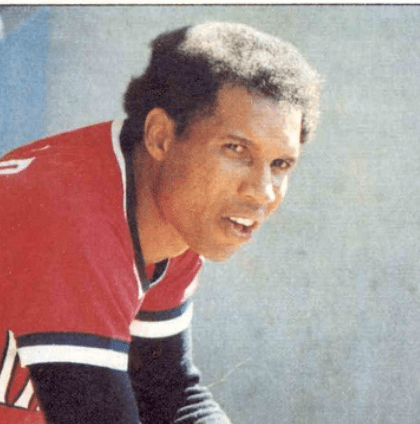
Horace Speed

Horace Solomon Speed was a former Major League Baseball player. He was known for his blazing speed and quiet determination. He passed away on May 26, 2025, at the age of 73.

Born on January 22, 1951, in Pasadena, California, Speed was a standout athlete from an early age. The San Francisco Giants drafted him out of Pasadena High School. This was during the Major League Baseball’s round of the 1969 June Amateur Draft. Speed spent most of his professional career in the minor leagues. Nonetheless, his dedication to the game paid off. He finally broke into the majors with the Cleveland Indians.

Speed made his MLB debut on September 14, 1975, and played parts of three seasons with the Indians. Throughout 62 games, he was often utilized as a pinch runner and reserve outfielder, capitalizing on his hallmark speed. While his offensive stats — a .140 batting average, seven stolen bases, and eight runs scored — show limited playing time, his presence was valuable. He made significant contributions in late-game situations, particularly on the bases.

Speed’s journey through professional baseball was a testament to resilience. He spent nearly a decade in the minors. Before reaching the major leagues, he served as a model of perseverance for countless aspiring athletes. His career was modest in statistical output. Nevertheless, it remains a testament to hard work and patience. It inspires all who hear his story.

After retiring from baseball, Speed largely stayed out of the public eye, living a private life away from the spotlight. His modesty stands out. He has made significant contributions to the sport. This modesty is a reminder of the humility that can be found in even the most accomplished individuals.

Horace Speed’s passing marks the loss of a quiet but determined competitor. His journey inspired those who watched him run, hustle, and chase his dreams. He is remembered for his achievements on the field. More importantly, he is remembered for the character he displayed in getting there.

When Radios Fell Silent: The 1978 Trooper Tragedy

By Benjamin GroffMedia© | benandsteve.com | 2025 Truth Endures©

4–6 minutes

The Day the Radios Fell Silent: A Personal Account of May 26, 1978

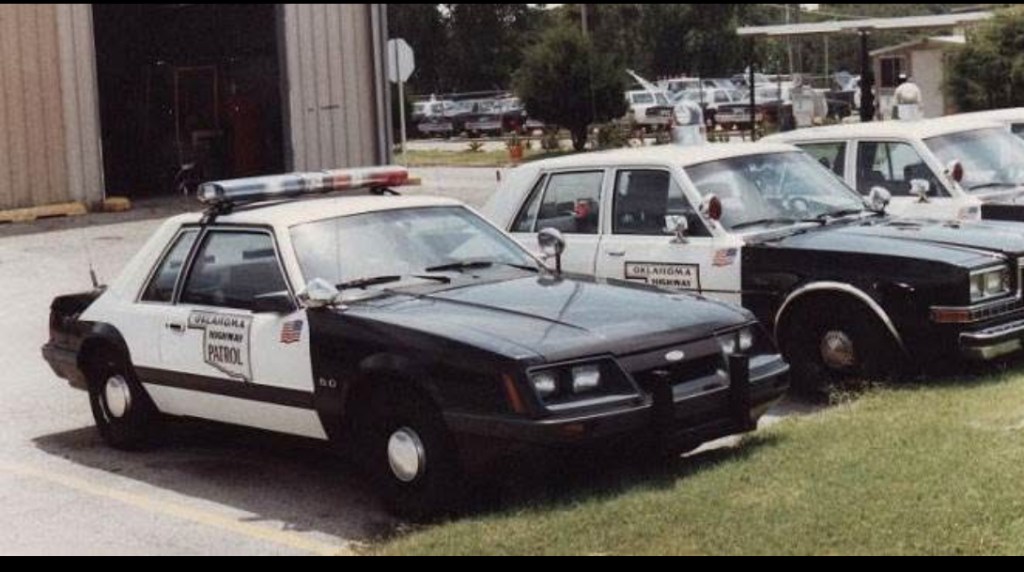
It was a warm May morning in 1978. I was 15 years old, working the phones at my dad’s office at Camp Red Rock in western Oklahoma. For several days, law enforcement radio traffic had been intense—more active than usual, more urgent. Something serious was happening.

An All-Points Bulletin had been issued statewide: two inmates had escaped from the Oklahoma State Prison in McAlester. They were described as extremely dangerous men, capable of committing horrific crimes. The Oklahoma Highway Patrol (OHP) and local authorities launched a massive manhunt, focusing on the southeastern region of the state. While there were scattered reports from other areas, the belief was that the fugitives remained nearby and on foot.

Trooper Houston F. “Pappy” Summers,
Motor Vehicle Inspection (MVI) Division in Enid.

Still, troubling reports emerged—houses broken into, firearms stolen, and even a car gone missing. An army of troopers scoured the countryside. The fugitives had to move carefully, methodically, to avoid detection. The search had only been underway for days, but it felt like weeks.

May 26, 1978, arrived. It would become one of the darkest days in the history of the Oklahoma Highway Patrol.

Although I was hundreds of miles away from the action, the search was broadcast live to my ears. The ranger office where I worked was equipped with radios that picked up all law enforcement frequencies. I heard it all: the calls, the coordination, the chaos.

Trooper Billy G. Young, Woodward MVI detachment.

That morning, a somber message came over the radio from Highway Patrol District Headquarters:

“Attention all stations and units: All nets are 10-63 until further notice.”

In plain terms, this meant that the radio network was reserved exclusively for emergency traffic related to the escapees. No unnecessary chatter. But maintaining a “10-63 net” requires constant reinforcement. Officers rotate shifts. New dispatchers come on duty. Without reminders, the rule starts to fade, and soon enough, radio traffic returns to normal. That’s exactly what happened.

As the air unit tried to communicate with ground teams, their messages were drowned out by unrelated conversations. Then, something chilling unfolded.

Lieutenant Pat Grimes,
Internal Affairs.

I listened in real time. The air unit tried to warn a team of troopers. They had approached a area. The escapees were hiding—just beyond the trees, lying in wait. The troopers, thinking it was a routine check, got out of their car casually. Suddenly, gunfire erupted. It was an ambush.

One of the troopers managed to retreat to his vehicle and tried to call for backup. The air unit, having seen everything from above, struggled to get through. The radio frequencies were jammed with idle chatter. It was a communications nightmare that have cost lives.

I sat there, helpless, listening to the air unit reporting the tragedy to headquarters. The dispatcher pleaded for all units to clear the net so emergency aid is dispatched. I was stunned—devastated. This moment became a lasting lesson in why radio discipline can be a matter of life and death.

Later that day, I was shocked again—two more troopers had been shot in the same area. And then, I heard the message that signaled the manhunt was over:

“Be advised, the search for the escapees is over. All units and stations can return to regular assignments.”

That phrase said it all. The escapees were no longer a threat. They hadn’t been captured—they were dead. Had they been taken alive, the dispatch would have named the unit responsible for their arrest.

The Fallen

Three troopers lost their lives that day:

  • Trooper Houston F. “Pappy” Summers, 62, a 32-year veteran stationed with the Motor Vehicle Inspection (MVI) Division in Enid.
  • Trooper Billy G. Young, 50, with 25 years of service, attached to the Woodward MVI detachment.
  • Lieutenant Pat Grimes, 36, from Internal Affairs, nearing his 12th year with the Patrol.

Summers and Young died in a gunfight on a rural road near Kenefic. This occurred after the escapees stole a farmer’s truck and weapons. The troopers, unaware of what they were driving into, were ambushed.

Later that day, in the small town of Caddo, Lt. Grimes and his partner, Lt. Hoyt Hughes, were searching a residential area when they, too, came under fire. Grimes was fatally shot. Hughes was wounded but managed to exit the vehicle and return fire at close range, killing one of the fugitives.

Just moments later, Lt. Mike Williams of the Durant detachment arrived. He fatally shot the second escapee. This action brought an end to a 34-day reign of terror that had stretched across six states.

The two escapees caused the deaths of eight people. This number includes the three troopers. They also injured at least three others during their violent run from justice.


Final Thoughts

What I heard that day shaped me. During my time in the police academy, I learned something important. My account of the events closely aligned with what was eventually confirmed. The tragedy of May 26, 1978, became a case study. It highlighted the importance of radio discipline. The event also emphasized operational coordination and situational awareness.

But for me, it was more than that. It was personal. I was there—listening. And I will never forget the sound of silence that followed.

The True Meaning of Memorial Day: A Time for Reflection

By Benjamin GroffMedia© | benandsteve.com | 2025 Truth Endures©

2–3 minutes

Memorial Day: A Call for Deeper Understanding of a Sacred American Tradition

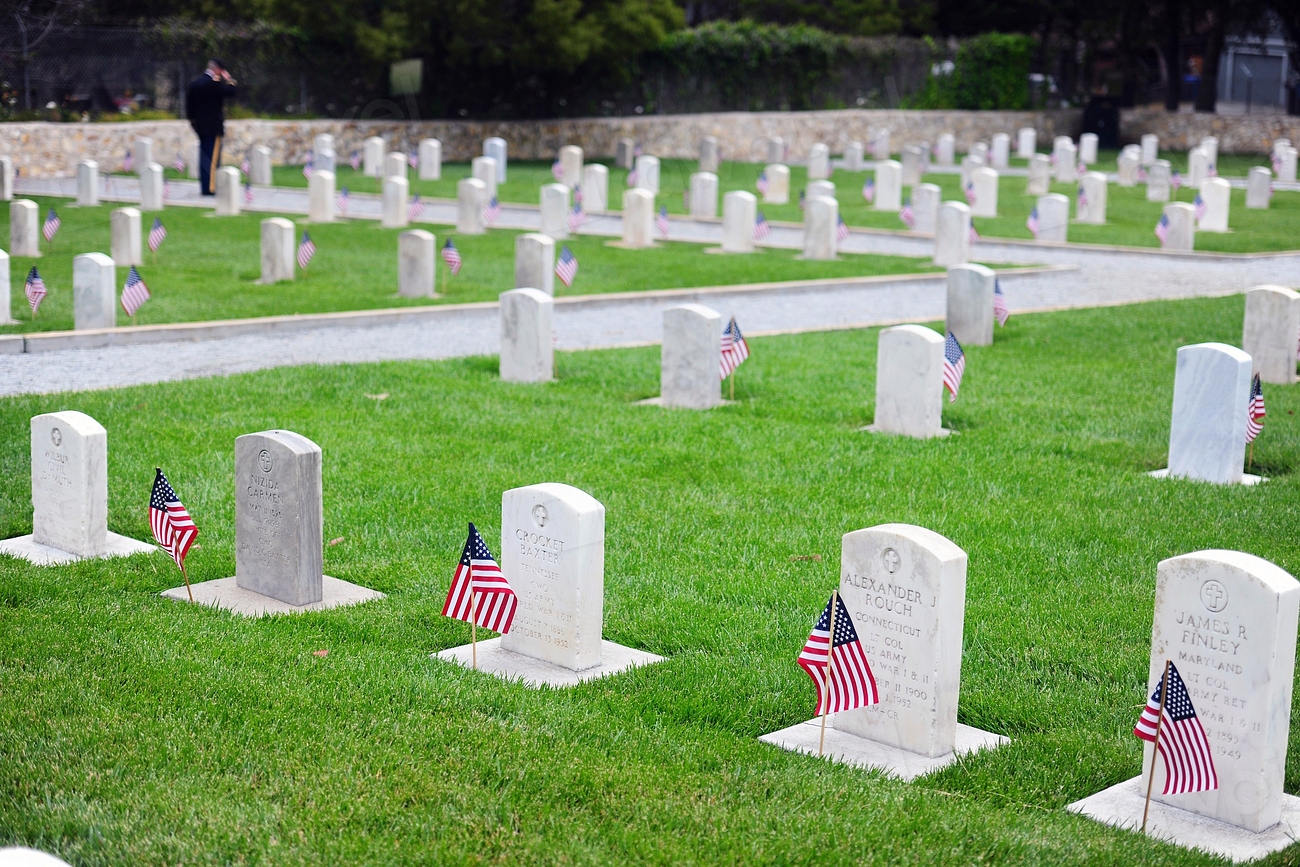
May 26, 2025 — Americans across the country gather for cookouts, beach trips, and retail sales this Memorial Day. Veterans and historians urge the public to remember the true meaning of the holiday. It is a solemn day of remembrance for those who died while serving in the United States Armed Forces.

Originally known as Decoration Day, Memorial Day was first widely observed in 1868. This was after the Civil War. Citizens and soldiers alike placed flowers on the graves of the fallen. Today, it is often confused with Veterans Day. Veterans Day honors all who served. Memorial Day is for those who made the ultimate sacrifice.

For many, the long weekend signals the unofficial start of summer. For Gold Star families—those who have lost a loved one in service—it’s a day marked by grief. It is also a time for reflection and pride.

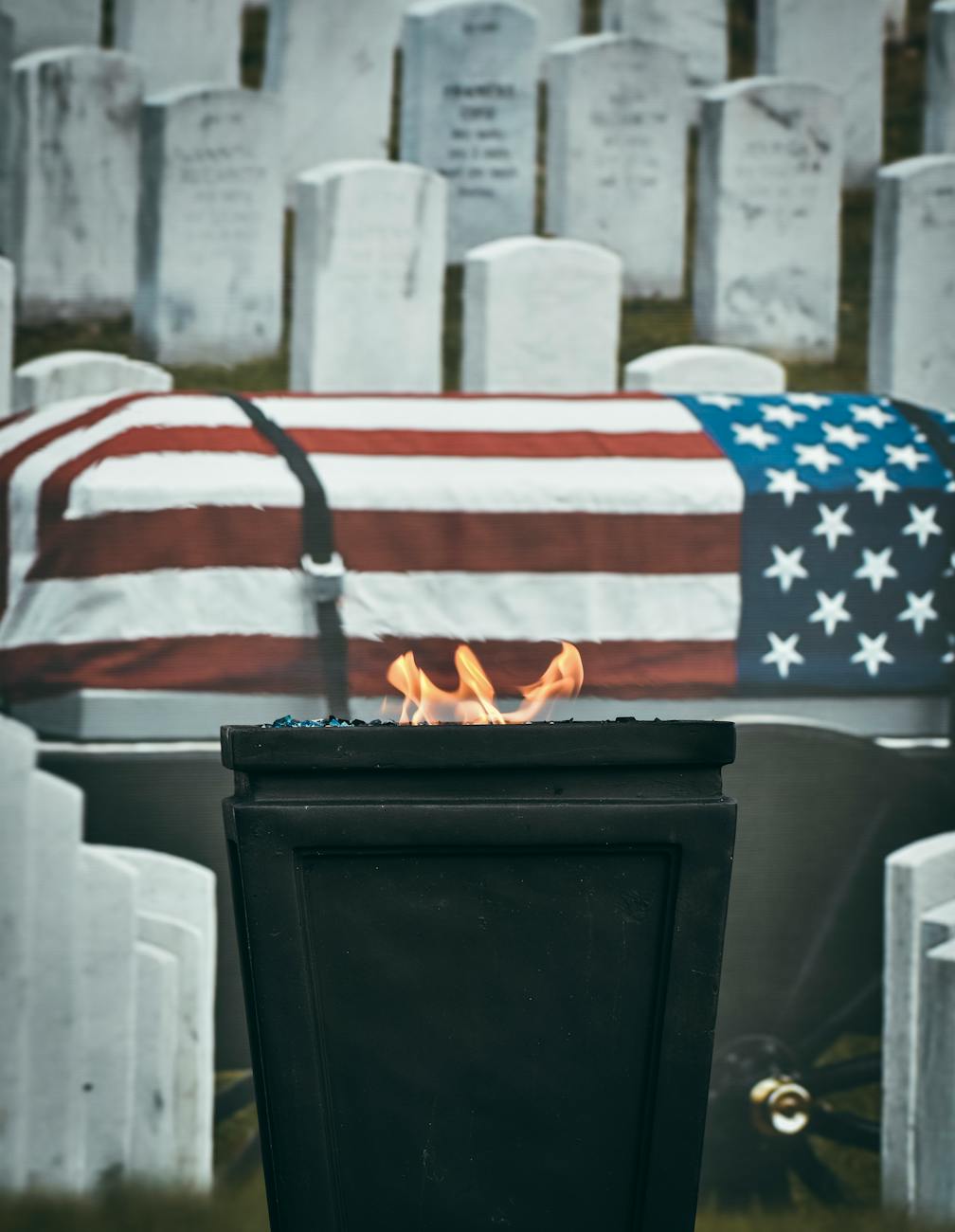
Photo by Brett Sayles on Pexels.com

“We don’t want people to stop enjoying their freedom,”

said Angela Cruz, whose son died in Afghanistan in 2011.

“But we hope they understand that someone paid for it.”

Surveys reveal a worrying trend. A growing number of Americans are unaware of the distinction between Memorial Day and Veterans Day. This is especially true for younger generations. A 2024 Pew Research poll found that nearly 40% of adults under 30 were unclear about Memorial Day’s purpose.

Historians warn that this disconnect risks eroding public understanding of military sacrifice.

“When people forget the meaning of Memorial Day, they forget about those who gave their lives in service. They overlook their sacrifice,”

said Dr. Robert Ellis, a military historian at Georgetown University.

“It’s not just a history lesson—it’s a civic responsibility.”

Efforts are underway to restore the day’s original intent. Many veterans’ organizations are promoting the National Moment of Remembrance, a voluntary pause at 3 p.m. local time on Memorial Day to think in silence. Schools and communities across the country are bringing back traditions. They are visiting cemeteries and laying wreaths. They are also reading the names of fallen service members.

“We want people to barbecue, to be with family, to enjoy America,”

Photo by Chris F on Pexels.com

said retired Army Sergeant Major Tyrese Bennett.

“But we also want them to take a moment—just a moment—to remember why they can.”

The nation marks another Memorial Day. Veterans and families hope that Americans will go beyond the sales. They want people to go beyond the celebrations. They wish everyone would take time to honor the names, stories, and legacies of those who never made it home.

Thank You!

Thank you to all the people who serve in the military to protect our civil society. This Memorial Day we recognize the ultimate contributions so many have given so a freedom of the press, freedom of speech, and freedom of expression can be had.

We live in the land of the free – thanks to those who lay down their lives serving in the military.

Memorial Day: From Local Tribute to National Holiday

By Benjamin GroffMedia© | benandsteve.com | 2025 Truth Endures

2–3 minutes

The First Memorial Day: Honoring the Fallen After the Civil War

Photo by Jerry Butler Pexels.com

In the aftermath of the American Civil War—a conflict that claimed more lives than any other in U.S. history—communities across the nation were left mourning. By 1865, with the war concluded, families faced the grim task of honoring more than 600,000 soldiers who had died. This collective grief gave rise to a new tradition: a day of remembrance.

Many towns and cities began their own informal commemorations of fallen soldiers. An early observance of what would become Memorial Day occurred in Charleston, South Carolina. It happened on May 1, 1865. There, newly freed African Americans held a ceremony to honor Union soldiers. These soldiers had died in a Confederate prison camp.

During the war, Confederate forces converted the city’s Washington Racecourse. Today, it is known as Hampton Park. They turned it into a prison for Union soldiers. Over 260 Union troops died there from disease and exposure and were buried in unmarked graves. After the Confederacy’s defeat, Black residents of Charleston, many of them formerly enslaved, took action. They worked to give those soldiers a proper burial. They reinterred the bodies. They built a fence around the site. They marked it with a sign that read: “Martyrs of the Race Course.”

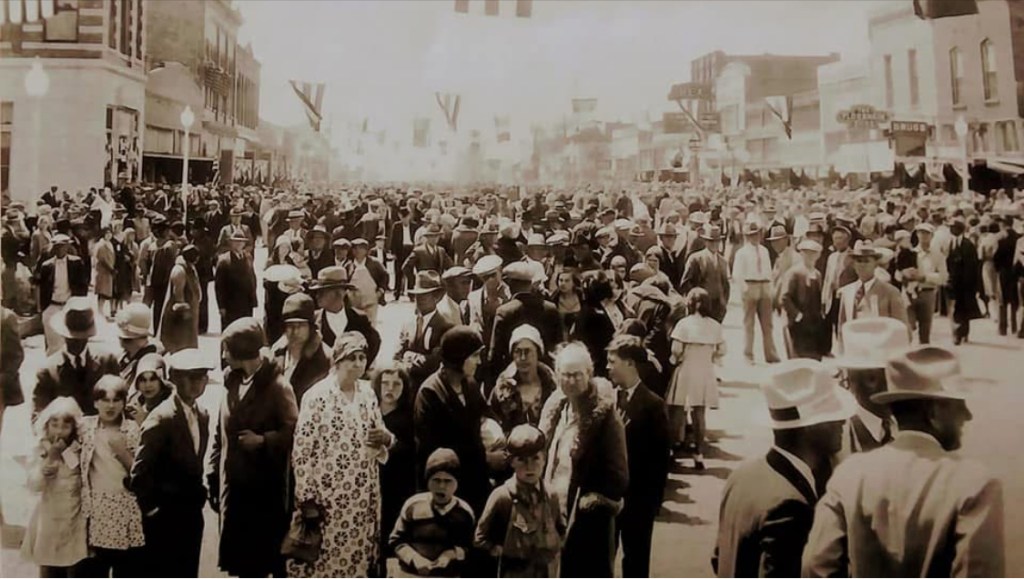
On May 1, a crowd of around 10,000 people—including freedmen, Union troops, and white missionaries—gathered for a solemn procession. The event included prayers, singing, speeches, and the laying of flowers. Children marched with armfuls of blossoms, and the day ended with picnics and patriotic performances. This Charleston observance was largely forgotten in the national narrative for decades. Now, many historians recognize it as the first Memorial Day.

Nonetheless, the tradition took broader root a few years later. In 1868, Union General John A. Logan, head of a veterans’ organization called the Grand Army of the Republic, issued a proclamation. He declared May 30 as Decoration Day, a time to decorate the graves of fallen soldiers with flowers. That year, ceremonies were held at over 100 cemeteries across the country. A major event took place at Arlington National Cemetery. Flowers were placed on the graves of both Union and Confederate soldiers.

Photo by Hub JACQU on Pexels.com

Over time, Decoration Day evolved into Memorial Day, gradually becoming a national holiday. After World War I, its purpose expanded to honor all Americans who died in military service. In 1971, Memorial Day was declared a federal holiday. It was moved to the last Monday in May. This change ensures a long weekend of remembrance.

Today, Memorial Day is a time for reflection. It is also a time for gratitude. It honors those who gave their lives in service to the United States—from the Civil War to the current day.


Lessons from the street: Shattered Expectations

By Benjamin GroffMedia© | benandsteve.com | 2025 Truth Endures

3–4 minutes

“Shattered Expectations”

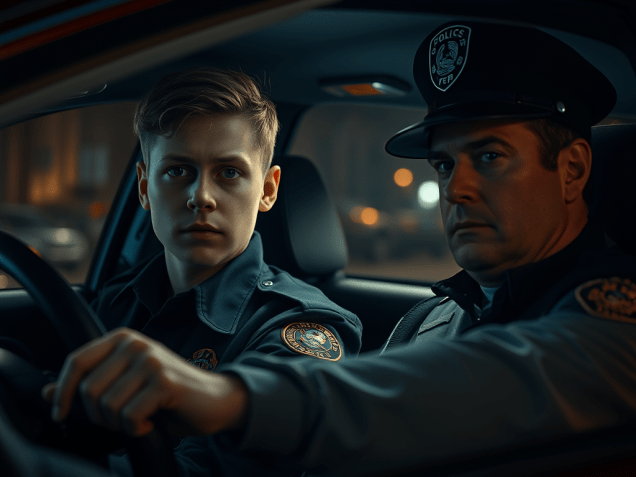
The night was calm in that tense, waiting way cops get used to. It was the quiet that makes your stomach coil. You know it won’t last. I was still new then, riding with my training officer. He was a crusty, seen-it-all type who barely spoke unless it was to point out something I’d done wrong. If I ever earned his approval, it’d be the same day pigs sprouted wings and took to the skies.

We cruised down a dark side street when I spotted a car weaving just enough to catch my attention. I hit the lights. It was a rust-bucket sedan packed with teenagers—maybe five of them, wide-eyed and frozen as I approached. My training officer stayed in the car. That was his style: throw the rookie in the water and see if he sank.

I had the driver step out. He was lanky, maybe seventeen. He wore his coat like a belt, tied around his waist. It seemed too warm for sleeves but too cool to ditch. As he stepped out, the hem of the coat caught on something. Then—clink clink clink—CRASH. Three or four bottles of beer tumbled from under the coat like traitors abandoning ship. They hit the pavement. The bottles shattered in an amber mess around our feet.

The kid froze. I froze. Then we both looked at the puddle between us. From where my training officer sat, it probably looked like I’d lost my temper and smashed the bottles myself. Great.

Before I processed the situation, the radio crackled with a priority call—armed robbery. We were the closest unit.

“Back in the car,”

Came the voice from the patrol unit.

I turned to the kids, who now looked ready to faint.

“Go to the police station. Wait there. I’ll meet you after this call.”

They didn’t argue. They didn’t run. I just nodded in frightened unison, which, in hindsight, has been the most surprising part of the whole thing.

We sped off. The call was a blur—adrenaline, sirens, controlled chaos. When it wrapped, I reminded my training officer about the teens.

“We need to swing by the station. The kids should be there.”

He gave me a skeptical glance.

“Right…”

But sure enough, there they were when we rolled up to the front of the station. All of them were sitting on the bench outside like they were waiting for a ride to Sunday school. Nobody had moved. Nobody had tried to hide or ditch the evidence.

I had them step inside one at a time. No citations. No handcuffs. It was just a firm talk I remembered getting when I was about their age. I laid it on thick—the “blood on the highway” speech, consequences, how lucky they were, all of it. They nodded solemnly. They got the message.

As we returned to the patrol car, my training officer gave me a sideways look.

“You know,”

He said,

“you didn’t have to bust the beer bottles like that. That was an asshole move.”

I laughed.

“That wasn’t me. The kid’s coat dragged them out. Total accident.”

He squinted at me like I was trying to sell him beachfront property in Kansas.

“Uh-huh,”

he said.

“Sure.”

I never did convince him. But a week later, during roll call, he told another officer I had

“a decent head on my shoulders.”

Coming from him, that was a standing ovation.

And me? I still smile every time I think of those kids. They sat quietly in front of the station, smelling like cheap beer and bad decisions. They were waiting for the rookie cop who didn’t quite screw it all up.

Twila Elouise: The ‘Standard Oil Baby’ and Her Amazing Birth Story

By Benjamin GroffMedia© | benandsteve.com | 2025 Truth Endures

3–4 minutes

A Frightening, Comical, and Hostile Ride: The Birth of Twila Elouise

By early June of 1960, Oklahoma’s summer heat had already settled in, pressing down across the vast plains. In Oklahoma City, JD Groff attended a convention of oil producers. He was representing Standard Oil Company alongside his superior. His superior was a man named Harold. Harold had a reputation for being both respected and heavy-handed with a whiskey glass.

Meanwhile, back in Clinton, JD’s wife Marjorie—known to family and friends as Margie—had decided to stay home during JD’s trip. Margie had four children already—Sheldon, Terry, Dennis, and Juli. She wanted to stay close to JD’s sister and brother-in-law. They could quickly step in and help with the kids if she needed to go to the hospital. It was a decision made with foresight and care, and as it turned out, it was the right one.

On June 2, Margie went into labor.

Her calm steadiness defined her actions. She went to the hospital, and the children were safely in good hands. Virgil Downing, her son-in-law, knew that JD needed to be reached quickly. He called the hotel in Oklahoma City. The oil convention was being held there. He had the front desk page, JD Groff.

“They called my name right in the middle of the banquet,” 

JD later recalled. 

“Everything stopped. I knew right then — it was time.”

JD bolted from the room, his heart pounding and his hands reaching for his keys when Harold intercepted him.

“You’re not driving,”

Harold slurred, wagging a finger. 

“You’ll crash the damn car. You’re too excited, Groff. I’ll take you.”

JD tried to argue and pry the keys back, insisting that Harold should not drive. He even asked him multiple times to pull over. They should then switch places. Harold refused every time. He repeated with drunken certainty that he was the safer choice.

“You’ll wrap us around a tree,” 

Harold barked, gripping the wheel with one hand and gesturing wildly with the other. 

“You’re gonna be a daddy tonight, shaking too much to steer.”

A two-hour rollercoaster ride across the Oklahoma highways followed. It was a journey that JD would remember for the rest of his life.

“He passed cars on the left, passed them on the right,” 

JD said later. 

“He cussed at every truck, hollered at every red light, and nearly rear-ended a tractor. At one point, he tried lighting a cigar while doing 80 down a back road.”

As JD would describe, 

“frightening, comical, and hostile all at once.”

By some miracle, they made it to Clinton in one piece. JD leaped from the car, bolted into the hospital, and made it to Margie’s side just in time.

That evening, on June 2, 1960, their daughter was born: Twila Elouise Groff.

JD had already picked the name. Twila for its soft, lyrical sound. Elouise served as a tribute to the Groff family lineage. This name stretched back to the family’s Swiss heritage. It was carried by strong women long before the Groffs ever set foot in America.

Twila’s birth quickly became more than a family milestone — it became a local legend.

In the next weeks and months, oil producers stopped by JD’s Standard Oil station in Clinton. Sales associates also visited. Colleagues from the convention came by as well. They checked in. 

“How’s the baby?”

They’d ask. 

“Did Harold drive you the whole way like a bat out of hell?”

Before long, the story had taken on a life of its own. Twila became affectionately known among oil company executives as 

“The Standard Oil Baby.” 

Her name would be mentioned at future conventions and meetings across Oklahoma. JD’s wild ride—and Twila’s prompt arrival—became an industry folklore, retold with laughter, awe, and camaraderie.

Years later, when new sales associates came through Clinton, they’d stop in and say, 

“Is this where the Standard Oil Baby lives?”

And JD, with that familiar half-smile, would nod proudly and say, 

“Yes, sir. That’s her.”

Ellen Corby: The Heart of The Waltons and a Timeless Television Matriarch

By Benjamin GroffMedia© | benandsteve.com | 2025 Truth Endures

4–5 minutes

Ellen Corby: The Heart of The Waltons and a Timeless Television Matriarch

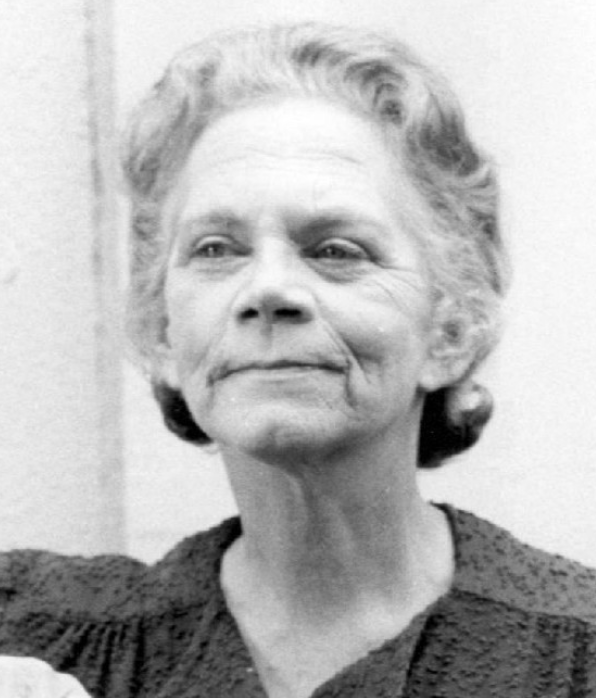
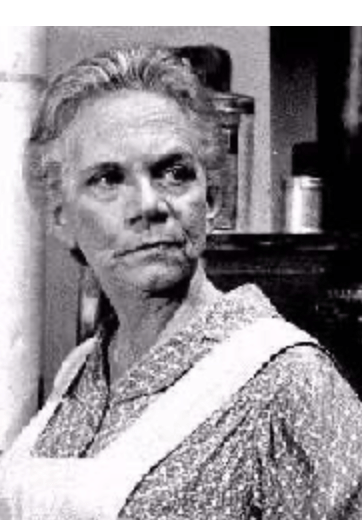
Few television roles have left as lasting an impression as Ellen Corby’s portrayal of Esther “Grandma” Walton on The Waltons. Corby brought to life a character with quiet strength. Her heartfelt warmth and unwavering authenticity made the character a symbol of family resilience. She became a moral grounding figure for millions of viewers. Her work helped shape the soul of the beloved series. She left an indelible legacy in the history of American television.

A Matriarch Who Anchored a Generation

Premiering in 1972, The Waltons introduced us to the trials and triumphs of a large, close-knit family. They lived in a rural setting during the Great Depression and World War II. As Grandma Walton, Ellen Corby was the family’s guiding force—a woman of deep faith, strong convictions, and boundless love.

Corby’s portrayal resonated deeply with audiences. She was neither overly sentimental nor idealized. Instead, she reflected the real-life qualities of many grandmothers: steady, firm, nurturing, and full of lived wisdom. Her presence brought a sense of comfort and stability that grounded the emotional core of the show.

Strength, Faith, and a Touch of Humor

What set Ellen Corby apart was her ability to portray strength without sacrificing warmth. Grandma Walton had experienced hardships, including losing loved ones, yet remained devoted to her family and faith. Her resilience became a reflection of the show’s broader themes—perseverance, community, and enduring love.

Corby’s performance balanced gravitas with subtle humor and tenderness. Whether offering sage advice, a knowing glance, or a gentle scolding, she made Grandma Walton feel wholly real. Viewers saw in her a grandmother, a teacher, and a friend.

A Memorable On-Screen Partnership

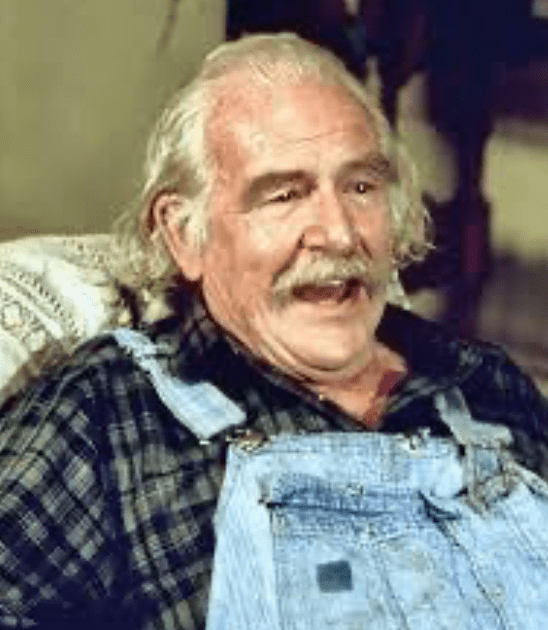
The dynamic between Grandma and Grandpa Walton was one of the most cherished aspects of The Waltons. This was brought to life by Will Geer. Their on-screen chemistry brought warmth and authenticity to the couple’s enduring marriage. Together, Corby and Geer portrayed a relationship built on love, respect, and shared history—a rarity in television at the time.

Their interactions often offered hope and humor, showing the strength of a long-lasting partnership even in difficult times. This relationship was a powerful reminder of the importance of family unity and mutual support.

Accolades and Enduring Impact

Ellen Corby’s performance earned widespread recognition, including three Primetime Emmy Awards for Outstanding Supporting Actress in a Drama Series. These honors reflected her exceptional talent and profound impact on the show’s success.

In 1976, Corby suffered a major stroke, a significant event that threatened to end her time on The Waltons. Still, in an inspiring show of courage, she returned to the show and continued portraying Grandma Walton. The show integrated her recovery into the storyline, allowing viewers to witness her real-life perseverance mirrored in her character. This showcased Corby’s resilience, the show’s commitment to addressing real-life issues, and the importance of family support during difficult times.

Behind the scenes, Corby’s heart extended far beyond her on-screen family. When she suffered the stroke she formed a particularly close bond with a young actor from the cast. The young actor was Jon Walmsley, who played the musically gifted eldest son, Jason Walton.

Though not formally adopted in a legal sense, Ellen Corby regarded Jon as her surrogate son. The bond between them went far beyond television scripts and stage directions. When Corby was recovering from her stroke, Walmsley visited her often. He remained one of her strongest supporters and encouraged her through her rehabilitation. She, in turn, called him “my boy,” a term of endearment that lasted until the end of her life.

Their connection was one of genuine affection and chosen family. It was a relationship forged in kindness and strengthened by hardship. It was remembered fondly long after the cameras stopped rolling.

Hollywood is often marked by fleeting relationships. The love between Ellen Corby and Jon Walmsley stood as a quiet, enduring testament. This love illustrates the family that develops through compassion and care. A family can be built, even if it starts on a soundstage.

A Legacy That Lives On

More than four decades after its original broadcast, The Waltons resonates with viewers, largely thanks to Ellen Corby’s unforgettable performance. Her portrayal of Grandma Walton is a tribute to the quiet heroes in every family. These grandmothers guide with grace. They love without limits and face life’s challenges with unshakable strength. The show’s enduring popularity is a testament to Corby’s attributes and her lasting impact on television history.

Ellen Corby passed away in 1999 at the age of 87, but her legacy lives on. Through her work, she gave audiences a timeless character whose influence endures in fans’ hearts and television history. Her legacy is a thread that connects generations of fans, memorializing the enduring power of storytelling.

In honoring Ellen Corby, we remember more than just an actress. We celebrate the spirit of a woman who helped define what family means on screen and in real life. Her portrayal of Grandma Walton evokes a sense of nostalgia. It reminds us of the timeless values of love, resilience, and unity that she brought to life.

Dre Love’s Legacy: Bridging American and Italian Music

By Benjamin GroffMedia© | benandsteve.com | 2025 Truth Endures©

3–4 minutes

André Thomas Halyards, known artistically as Dre Love, was a central and pioneering figure in Italian hip hop. He has passed away in Florence at the age of 55.

Dre Love was born in the Queens borough of New York City. He became a Florentine by adoption in the 1990s. Dre Love was a versatile artist: DJ, rapper, beatmaker, songwriter, and tireless collaborator. He had a gritty voice and unmistakable style. He brought the groove and soul of African American funk into the sounds of Italian hip hop. This helped to write some of its most authentic and vital chapters.

Dre Love arrived in Italy in the early 1990s. He made his home in Florence. This city would shape both his artistic and personal journey. There, he joined Radical Stuff, one of Italy’s very first hip hop groups. He became a living bridge between American street culture and the emerging urban scenes taking shape across the country. He was also a member of the collective Messaggeri della Dopa. He helped to redefine Italian rap with a style that blended social consciousness. His approach also incorporated sophisticated musicality and spirituality.

His Collaboration with Neffa

Dre Love’s name is often linked with Neffa, with whom he collaborated on the Campanian rapper’s first two albums. He worked with a wide array of Italian and international artists. These include Irene GrandiAlex BrittiAlmamegrettaDJ GruffDJ EnzoGopher DReggae National Tickets. His collaborations even touched on the soul-funk sound of Jamiroquai.

Dre Love was never just a guest artist. He was a true collaborator in the deepest sense. He was an artist who opened doors. He created connections between musical worlds that seemed far apart. A messenger who made every beat, every bar, a statement of purpose. His music was a captivating blend of rap, funk, soul, and electronic experimentation. It was deeply rooted in a visceral respect for African American culture. His work always pushed toward innovation.

With his band, Dre Love delivered live performances. The band featured talented Italian musicians like Diego Leporatti (drums), Gianni Pantaleo (keyboards), and Niccolò Malcontenti (bass). It also included Tiziano Carfora (percussion), Andrea Rubino (guitar), Leandro Giordani (saxophone), and Emanuele Campigli (trumpet). Each performance was a true sonic journey through the past, current, and future of Black music.

Unlike the other famous “Dre” in hip hop history, Dr. Dre, Dre Love built his legend in a different way. He did not do it through the spotlight of the music industry. Instead, he made a direct impact with audiences, scenes, and people. He didn’t seek confrontation, but dialogue. Not profit, but connection. Where Dr. Dre of Compton made significant changes in hip hop with The Chronic, he further transformed the music industry with Beats. In contrast, Dre Love revolutionized hearts and stages, leaving an indelible mark on the history of Italian rap.

(By Paolo Martini)


A Tribute from Casino Royale

“Just a little while ago, a ‘great’ one made the big leap. This was a soul who gave so much. He contributed both humanly and in terms of sound and attitude to the Italian scene. Casino Royale was never a hip hop project. Still, we had the privilege of crossing paths with many figures. These figures made history in this country’s hip hop culture. Dre Love was one of those. He will always stay in our Olympus of demigods. We had the honor of meeting such people.

Every time we crossed paths, there were genuine hugs. They were full of mutual respect. We always promised that one day, we’d play that game together. It’s the game that becomes a mission for those who feel the responsibility. They also experience the joy of doing things a certain way.

ROCK ON!!! That was his goodbye.
The sky is the limit’—fly light, Dre Love. See you on the other side.”

(From a post published by Casino Royale on Facebook)

Originally posted at adnkronos

Red ‘Pinky’ Green: The Man Behind Marlow’s Legend – A Man They Called “Blue”

By Benjamin GroffMedia© | benandsteve.com | 2025 Truth Endures©

3–5 minutes

The Curious Legacy of Red “Pinky” Green, Known to All as Blue

The little town of Marlow’s Ridge was nestled between dusty hills and a river. This river had long forgotten how to rush. In this quaint setting lived a man named Red Green. His middle name was “Pinky,” a leftover from a grandmother who thought nicknames were good luck. But everyone in town—young, old, shopkeeper, sheriff, or schoolkid—called him Blue.

No one quite remembered how the name Blue came to be. Some said it was due to the denim shirt he always wore. It was frayed at the cuffs and patched at the elbows. Others swore it was because of his eyes. They were deep and stormy. They held stories no one ever heard him tell. Whatever the reason, the name stuck. And so did he.

Blue wasn’t what you’d call important. He wasn’t elected to anything. He didn’t own a business. He didn’t sing in church or march in parades. He wasn’t married and never had kids. He lived alone in a one-room shack on the edge of town. He built it himself, board by salvaged board. His house had a tin roof and a potbelly stove. The garden always grew more vegetables than one man can eat.

He was a fixture more than a figure. You’d see him mending a neighbor’s fence one day. The next day, he is fishing at the creek. Sometimes, he’d sit on the courthouse bench, whittling a stick into something halfway useful. He spoke little, smiled often, and always paid cash—exact change. Kids liked him because he had a knack for fixing broken toys with bits of wire and rubber bands. Adults liked him because he never asked for anything and always showed up when you needed another set of hands.

Blue was what folks called thrifty. He wore the same clothes for years. He repurposed everything. He carried a coffee can full of loose screws like it was a treasure. He never took credit, never owed money, and never once called attention to himself.

He died peacefully, in his sleep, sometime between dusk and dawn. So when he passed, the town mourned. They felt that soft, uncertain way people do when they realize someone quiet had been a cornerstone all along.

There was no family to speak of. The county handled the burial, and someone brought a pie to the service, which seemed appropriate. The people were about to scatter and return to their lives. Just then, the county clerk arrived with a letter in hand.

It was Blue’s ‘Will.’

Written in neat cursive on lined notebook paper, the will was short, but what it said stunned everyone with its unexpected generosity:

To the Town of Marlow’s Ridge,

If you’re hearing this, it means I’ve gone on ahead. It’s no use making a fuss, but I have a few things to leave behind.

First, I’ve set aside $20,000 for the school’s library. I want to make sure the kids get real books with pages they can turn.

Second, I’m giving $15,000 to the fire department. You’ve bailed me out more than once when I let that stove get too hot.

To Miss Delaney at the diner, you’ll find I’ve paid off your mortgage. You gave me free coffee every Monday for ten years. I figured it was time I returned the favor.

To the town mechanic, I left you my truck. It barely runs, but the toolbox in the back can come in handy.

The rest—over $300,000 in cash and savings—I want to put into a fund for the town. I want to fix up the playground, paint the church, and replace the town hall’s roof. You know what needs doing.

You were all my family. Maybe I didn’t say it, but I hope I showed it.

Thanks for everything.

Red “Pinky” Green, but you knew me as Blue.

There was silence. It was not the kind that follows shock or grief. It was the kind that settles when truth lands heavy and sweet, like the last snowfall of winter.

In the next weeks, the town changed. It didn’t change in the way bulldozers and scaffolding alter things. It changed in how people react when they realize they’ve misjudged someone. Children now whispered stories of Blue’s secret treasure. Adults spoke his name with a new reverence. The diner added a “Blue Plate Special” in his honor. Every kid at school got a brand new library card. His actions inspired a wave of kindness and respect that swept through the town.

The bench outside the courthouse where he used to sit remained empty. Someone carved his name into it, not his full name, just the one that mattered. A simple yet powerful tribute that ensured his memory would never fade.

BLUE

No title. No explanation.

This is just a reminder that sometimes, the quietest lives leave the loudest echoes.

The Sacred Telephone: A Journey Through Time – It’s Your Dime!

By Benjamin GroffMedia© | benandsteve.com | 2025 Truth Endures©

3–5 minutes

Photo by Rafael Duran on Pexels.com

When Phones Were Tied To The Wall

I remember when the telephone was sacred. It wasn’t sacred in the biblical sense. It was sacred in how a thing becomes sacred through ritual and reverence. It hung on the kitchen wall. It was a beige rotary with a coiled cord. The cord always managed to tangle itself, no matter how carefully we stretched it. There was no strolling around the yard while chatting, no slipping it in your pocket. That phone was anchored to the wall, and in a way, so were we.

Back then, if you were expecting a call, you waited—at home. You couldn’t run errands or mow the lawn and hope they’d “just leave a message.” There was no voicemail, and answering machines were still considered a luxury or a spy device. If you missed a call, that was it. Maybe they’d try again. Or, they wouldn’t.

There was an entire culture built around the act of calling. If the phone rang during dinner, it was a dilemma. Do you get up and answer it? That would offend Mom, who just set the casserole on the table. Or do you let it ring and risk missing something important? ‘Important’ means anything—a job offer or a family emergency. More often than not, it was just Aunt Margaret from Tulsa, who forgot about time zones again.

It’s Your Dime!

Long-distance calls were a whole other beast. Before area codes were common knowledge, calling someone more than a town away was a financial decision. “Unlimited minutes” became a birthright later. You thought twice, maybe three times. Sometimes, you waited until Sunday after 7 p.m., when the rates went down. You’d hear people say, 

“Make it quick; it’s a long distance,”

And suddenly, the air would tighten. Conversations became lean and efficient. There was no room for small talk when every second cost a dime.

And God help you if you live in a house with teenagers.

We had one line for the whole family. If someone was on the phone, that was it: no call waiting, no second line, no privacy. I sometimes sat on the front steps, listening to my older sister whisper sweet nothings to her boyfriend. At the same time, she stretched the phone cord into the hall closet for “privacy.” This meant insulation from our relentless teasing.

My Name Is In The Phone Book!

Phone books were gospel—fat and yellow and always near the phone. If someone’s number changed, you had to physically write it down in the back of the book. Otherwise, you risked losing it forever. If you didn’t know someone’s number, you called the operator, who answered with an almost magical, 

“Information, how may I help you?”

There was a time when arriving in a new town didn’t mean turning on a GPS. It didn’t involve scrolling through social media, either. Instead, it meant pulling up to a phone booth and flipping through the phone book. Every booth had one, thick and heavy, usually hanging from a little metal chain to keep it from wandering off. If you were looking for someone, all you needed was their name. You’d find their phone number listed alphabetically, and right next to it—their home address.

It was all just there, in plain ink, as ordinary as the weather report. Privacy wasn’t the concern it is today. Back then, being listed in the phone book was considered part of being a community member. It was how people stayed connected. Out-of-town relatives, old friends, and even traveling salespeople brought to your doorstep with just a name and a little patience. And it meant something to have your name listed in the phone book.

It’s funny now how phones used to ring, and everyone rushed to answer. It was exciting—an event. Now our phones ring, and we stare at the screen half the time like it’s a burden. Back then, it was a connection. A real, human voice carried over copper lines and across miles. There was a weight to it. You felt the distance.

It Is So Nice To Hear From You!

Photo by Min An on Pexels.com

And maybe that’s what I miss the most—not the inconvenience, not the cords or the costs, but the intention. Calls were planned. Conversations were meaningful, not disposable. There was something beautiful about the limits. There was something grounding about a phone that couldn’t follow you around. There was honesty in waiting for someone to call and hoping they’d find you home.

Because that was the world then—tied to the wall, rooted in place, and always listening. It was a simpler time in many ways. Yet, it would confuse anyone who had never experienced the rotary telephone era. 

Jason Conti’s Impact on MLB History

January 27, 1975 – May 17, 2025

By Benjamin GroffMedia© | benandsteve.com | 2025 Truth Endures©

1–2 minutes

Jason Conti, AZ Diamondbacks

Stanley Jason Conti was a former Major League Baseball outfielder. He was known for his defensive prowess. He contributed to several MLB teams. Conti passed away on May 17, 2025, his cause of death has not been disclosed.

Conti was born on January 27, 1975, in Pittsburgh, Pennsylvania. The Arizona Diamondbacks drafted him in the 32nd round of the 1996 amateur draft. He came from the University of Pittsburgh. He made his highly anticipated MLB debut with the Diamondbacks on June 29, 2000, filled with excitement and promise. He played for the Tampa Bay Devil Rays, Milwaukee Brewers, and Texas Rangers over a five-year major league career. Known for his strong throwing arm, Conti made memorable defensive plays. He threw out Atlanta’s Brian Jordan at third base on consecutive nights. He also gunned down Chicago’s Frank Thomas at home plate in back-to-back games. He appeared in 182 MLB games, recording a .238 batting average with six home runs and 47 RBIs.

After his time in the majors, Conti continued his baseball career in the minor leagues, even taking his talent overseas. He played in Italy for the Bologna Italieri of the Series 1-A Championship League during the 2007 season. His performance on the field showcased his skills on a global stage.

Conti’s passion for baseball and his memorable moments on the field left a lasting impression on fans and teammates alike. He is remembered for his athletic achievements and unwavering dedication to the sport, a commitment that inspired many.

He is survived by his family, friends, and countless fans who appreciated his contributions to baseball.


A memorial service will honor Jason Conti’s life and career.

Learn About The Lady In Mickey Gilley’s Song – The Girls All Get Better At Closing Time.

‘I know Robert Redford, even Lola Hall…’

By Benjamin GroffMedia© | benandsteve.com | 2025 Truth Endures©

4–6 minutes

Lola Hall: Oklahoma’s Weather Girl Who Became a Legend

In the heart of America, television was becoming the central storyteller of the modern household. During this time, one woman in Oklahoma City quietly became a beloved figure. She was cherished across living rooms, farms, and small-town diners alike. Her name was Lola Hall, the poised and personable weather girl for KWTV Channel 9. Through the 1960s and 1970s, Lola transitioned from forecasting the weather. She began anchoring the morning news. She carved out a legacy of warmth, professionalism, and unexpected celebrity.

A Humble Start on Channel 9

Lola Hall wasn’t born into the limelight. She was raised in Oklahoma. She considered herself an ordinary woman. “I’m just a plain girl with a good work ethic,” she once said. She never imagined she would become a fixture in households across the state. She also didn’t foresee that her name would one day be immortalized in a hit country song.

She started at KWTV in the early 1960s. Television was still finding its footing then. Local personalities were becoming stars in their own right. Initially billed as a “weather girl,” a common term at the time, Lola did more. She did more than point at cloud symbols and smile at the camera. She brought a genuine understanding of weather patterns. Her calm demeanor during storms was notable. She had a natural charisma that made viewers trust her.

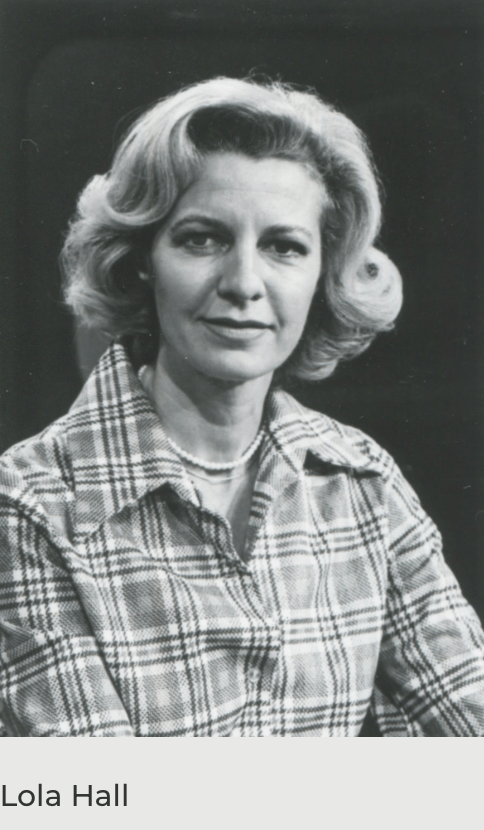
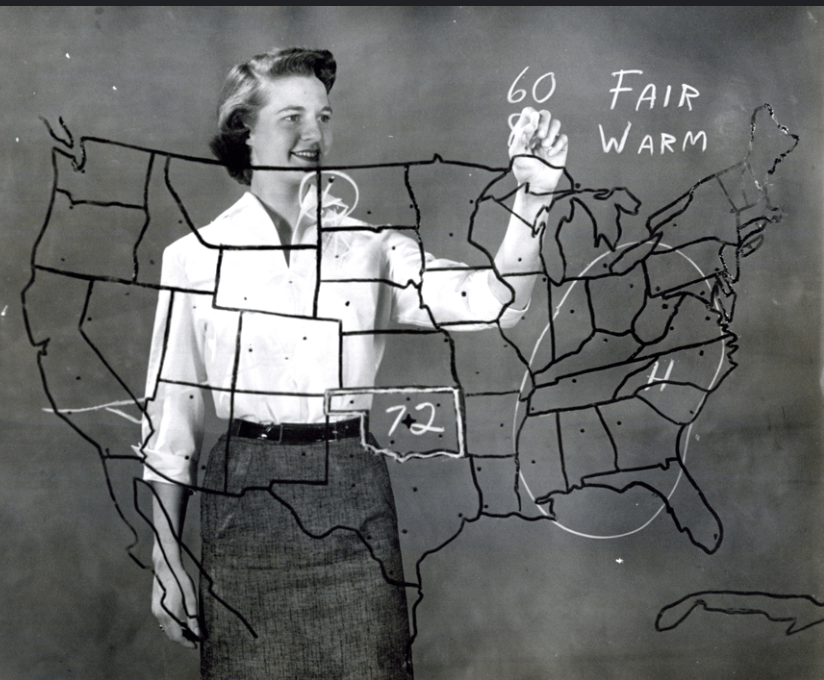
The Weather Girl also known as the Weather Lady, and Lola Hall

Lola quickly stood out not only for her delivery but for her grounded, approachable nature. She didn’t talk down to viewers or play a character. She was simply Lola — smart, steady, and relatable.

Rising to Anchor the Morning News

As her popularity grew, so did her responsibilities. By the early 1970s, Lola earned a promotion to co-anchor the morning news. This was a significant achievement for a woman in broadcasting. In that early morning slot, she became the face viewers saw as they sipped coffee. People watched her while packing school lunches. They prepared for long days on the farm or at work.

Her calm voice and natural empathy helped set the tone for the day. But it wasn’t a solo act.

Near the end of her career, she welcomed two of Oklahoma’s most trusted newsmen. Bill Haire and Wayne Lyle joined her on the morning show. Both were widely respected for their skill in agricultural reporting — essential content for Oklahoma’s large farming population. The trio became a necessary part of daily life for rural viewers. Farmers tuned in for weather and headlines. They also relied on Bill and Wayne for dependable reports on crop forecasts. Their reports covered market conditions and farming trends.

Lola, Bill, and Wayne worked together to form an Oklahoma morning news trifecta. They delivered information with clarity, sincerity, and a deep respect for their audience. They weren’t just broadcasters; they were neighbors.

A Country Music Cameo

But, Lola’s story wouldn’t be finished without an interesting twist. One of her career’s most surprising moments was an unexpected brush with country music fame.

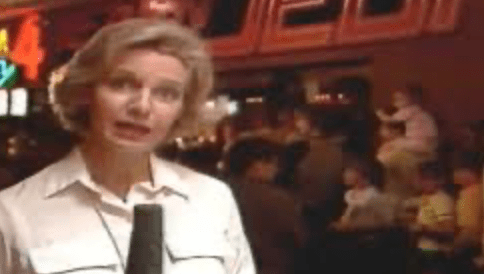
Lola Hall, KWTV Channel 9′s beloved weather girl and morning news anchor, pictured during a 1970s broadcast. Her calm presence and signature charm made her a household name across Oklahoma.

During an interview with country star Mickey Gilley, Lola found herself momentarily flustered. Gilley, known for chart-topping hits and honky-tonk swagger, was in Oklahoma City promoting his music when he confessed on air.

He told Lola that back in his younger days, he grew up in rural east Texas. KWTV Channel 9 was one of the few stations they could pick up. And Lola Hall, with her grace and good looks, was a celebrity to the local boys.

“You were the hottest thing we’d ever seen,” 

Gilley smiled, adding that Lola had made such an impression that he mentioned her by name in his song.

 “The Girls All Get Prettier at Closing Time.”

For a brief moment, Lola lost her composure — laughing, blushing, and turning to the crew off-camera. It was a rare crack in her usually calm exterior, and viewers loved it. She quickly recovered, continuing the interview with her usual charm, but later admitted she was shocked.

“I thought I was just the girl telling them to grab an umbrella,” 

She joked.

A Lasting Legacy

Lola Hall stepped away from the news desk eventually. She left behind a legacy built not on flash or fame. Instead, it was built on trust, relatability, and professionalism. During an era when women in broadcasting often had to work twice as hard, Lola rose through the ranks. Her long-lasting connection with viewers stood as a quiet revolution.

She may never have considered herself glamorous. She may not have thought of herself as remarkable. But, to thousands of Oklahomans—and at least one country legend—she was both.

You know it each time you hear the song and Gilley sings the line,

“I know Robert Redford even Lola Hall!”

Lola Hall wasn’t just the weather girl. She was part of the fabric of Oklahoma life. Her name, her voice, and her smile are still remembered by those who welcomed her into their homes each morning.

For a personal take on her career click here and be taken to an interview with Lola Hall!

To truly dive into the story of Lola Hall and other trailblazing women of the 1950s and ’60s, prepare yourself. They were often known then as “weather girls.” Grab your favorite refreshment and settle in. This captivating podcast offers a rich glimpse into their rise to popularity. Back in the day, we just called it a recording—but whatever the name, you’re in for something special.