Barry’s Trip To Space To Rescue Boeing’s Starliner

A Story By: Benjamin Groff© Groff Media 2024© Truth Endures

Barry Figg, renowned for his practicality and unconventional approach, was on the brink of an interstellar journey. His mind was ignited with possibilities as he readied his trusty 1968 Ford pickup truck. He had hauled many things in his lifetime, from trailers to farm equipment, but a Boeing Starliner? This was uncharted territory. The fact that no one else had dared to use a pickup truck for such a task only fueled Barry’s determination, a determination that was unwavering in the face of skepticism.

“Beau, you ready for a road trip? Or should I say space trip?”


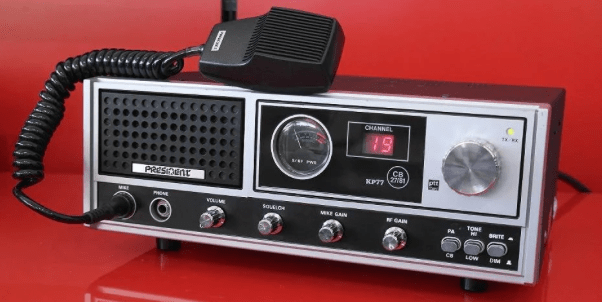
Beau cocked his head, giving his usual “I’m not sure about this” Look. But he followed Barry, hopping into the passenger seat as Barry checked his supplies. Duct tape, check. Extra gas cans, check. A spare tire, in case outer space, had potholes—check. He’d even brought along an old CB radio, thinking it might work in zero gravity, though he had no clue how radio waves worked in space. Barry didn’t care; he figured he’d wing it like most things.

Once NASA learned of Barry’s mission, skepticism was immediate. Experts in aerodynamics and astrophysics laughed but turned to dead silence when Barry’s truck, rigged to a makeshift launch system, somehow lifted off without a hitch.

“Well, that wasn’t so bad,” Barry muttered as he and Beau cruised past the stratosphere.

“This ol’ girl’s still got it.”

Barry marveled at the view as the Ford ascended through the layers of atmosphere. Earth, a glowing blue marble beneath him, seemed serene. And there, floating ahead, was the broken-down Boeing Starliner its silver hull gleaming in the sunlight. Inside the Starliner, astronauts Mike and Sarah, who had been stranded for days, stared in disbelief as the pickup truck came into view, their shock and awe palpable even from a distance.

“You seeing what I’m seeing?” Mike asked over the radio.
“Is that a pickup truck?” Sarah’s voice crackled over the radio, disbelief evident in her tone. “Did NASA send a guy in a truck?”

As Barry carefully maneuvered the truck closer to the shuttle, he saw their faces peering through the small windows, wide-eyed and in shock.

“Do you need a lift?”

Barry asked through the CB, unaware it was probably not connected to any NASA frequency. Luckily, the two astronauts got tuned in to a general frequency, and Mike responded,

“Uh… yes. Yes, we do.”

Barry pulled alongside the shuttle and threw his hook—a custom-made towing rig he’d welded together using old chains and farm parts—around the back of the spacecraft. The starliner got securely latched to his truck with a few hard pulls.

“Hold tight, fellas. We’re goin’ home,”

Barry said, grinning from ear to ear as Beau barked in approval.

Barry set his course for Earth with the astronauts safely aboard and the spacecraftin tow. The news of this unprecedented rescue spread like wildfire, catching the attention of NASA, SpaceX, and Boeing engineers. Always hungry for a good story, the media began reporting on the ‘Miracle Towman’ who was bringing the astronauts home.

The shuttle’s re-entry into Earth’s atmosphere was tense. The heat shields were supposed to disintegrate, but they managed to hold with Barry’s truck pulling it at just the right angle and speed. Barry Figg was a hero when the Ford’s tires hit the ground, rolling onto the Kennedy Space Center runway.

The crowd went wild. Reporters rushed to the scene, cameras flashing, as Barry and Beau stepped out of the truck. The two astronauts emerged next, dazed but alive.

The media was abuzz with the story of the ‘Miracle Towman,’ who had defied all odds to bring the astronauts home, and the story was soon making headlines around the world.

“Barry, how did you do it?”

A reporter asked, thrusting a microphone in his face.

Barry scratched his head, looked down at Beau, and then back at the reporter.

“I dunno. I just did what I always do—haul stuff. It didn’t matter if it was a broken tractor or a spacecraft. You hook it up, pull it, and ensure it doesn’t fall apart.”

NASA and Boeing executives stood in the crowd, their faces a mixture of awe and disbelief. Melon Lusk tweeted,

“Sometimes the simplest solution is the most unexpected. Well done, Barry.”

Barry couldn’t believe the attention. He had never asked for fame but was a national sensation here. As the praise rolled in, he felt a mix of pride and humility. He thought,

“Maybe space haulin’ ain’t so bad after all.”

But deep down, he knew that he was just a small-town hauler who had done what he thought was right.
Later that evening, after all the interviews and handshakes, Barry climbed back into his pickup with Beau and started the engine. As he pulled out of the space center parking lot, he turned to his loyal dog.

“Well, Beau, we’re not just small-town haulers anymore, are we?”

Beau barked once, agreeing they now head for more than just earthbound odd jobs. The Beau began to speak human, saying


“You are one lucky son-of-a-bitch, Barry!”

Then, he began barking using his dog voice—Wolf, Wolf, Wolf, Wolf, Wolf. This caused Barry to wake up from the most incredible dream he had ever experienced!

When Barry woke up, he realized he had to go to work at the job he had been doing for the last 18 years, 11 months, 14 days, and 16 hours: folding boxes at a candy-making company. ––– The End.

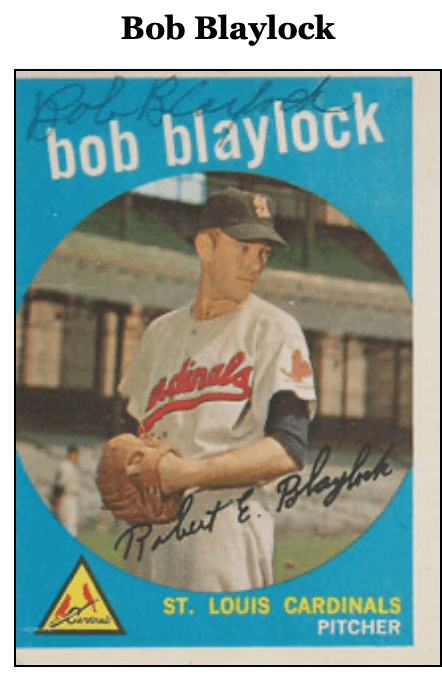
Baseball’s Robert Edward “Bob” Blaylock Has Died. And Few Noticed.

By: Benjamin Groff© Groff Media 2024© Truth Endures

Robert Blaylock Obituary

Obituary published on Legacy.com by Green Hill Funeral Home of Owasso on Sep. 4, 2024.

Obituary of Robert Edward Blaylock
Robert Edward Blaylock, Husband, Father, Grandfather & Great Grandfather went to be with Jesus on September 1st, 2024, at the age of 89. He was born on June 28th, 1935, in Chattanooga, OK to Cecil and Fannie Blaylock.
Bob was a 1953 graduate of Muldrow High School where he excelled in baseball and basketball. After graduation he signed to play baseball with the St. Louis Cardinals organization. Bob’s love for baseball continued throughout his whole life, he was a great coach on and off the field. He was also inducted into the University of Arkansas – Ft. Smith for his basketball achievements in 2012 and he was the 1st Hall of Fame inductee at Muldrow High School in 2014.
He married Barbara Thompson on Oct 3, 1956. They had 3 children, Robyn, Russ and Terri. After his baseball career he raised his family in Tulsa, OK where he Managed the Saratoga Hotel and owned the Saratoga Restaurant until his retirement in 1997. After his retirement he bought a farm in Talala, OK where he raised racehorses and cattle. Bob loved animals of all kinds, he had pot belly pigs, cats, dogs and numerous Martin houses that he monitored hourly with his shotgun to keep the starlings away!
Bob’s Celebration of Life will be at 11:00 AM Friday, September 6th, 2024 at First Baptist Church, Owasso, OK. The visitation will be at Greenhill Funeral Home Thursday, September 5th, 2024, from 5:00 – 7:00 PM.
He was preceded in death by his wife Barbara, Parents Cecil & Fannie Blaylock, Brother & Sister-in-Law Harold & Wanda Blaylock and one infant sister Glenna Fay Blaylock.
He is survived by his sister and brother-in-law, Lois & OC Flanagan.
He is a Proud Papa of 9 Grandchildren and 10 Great Grandchildren who will always love and cherish the memories they have with him.
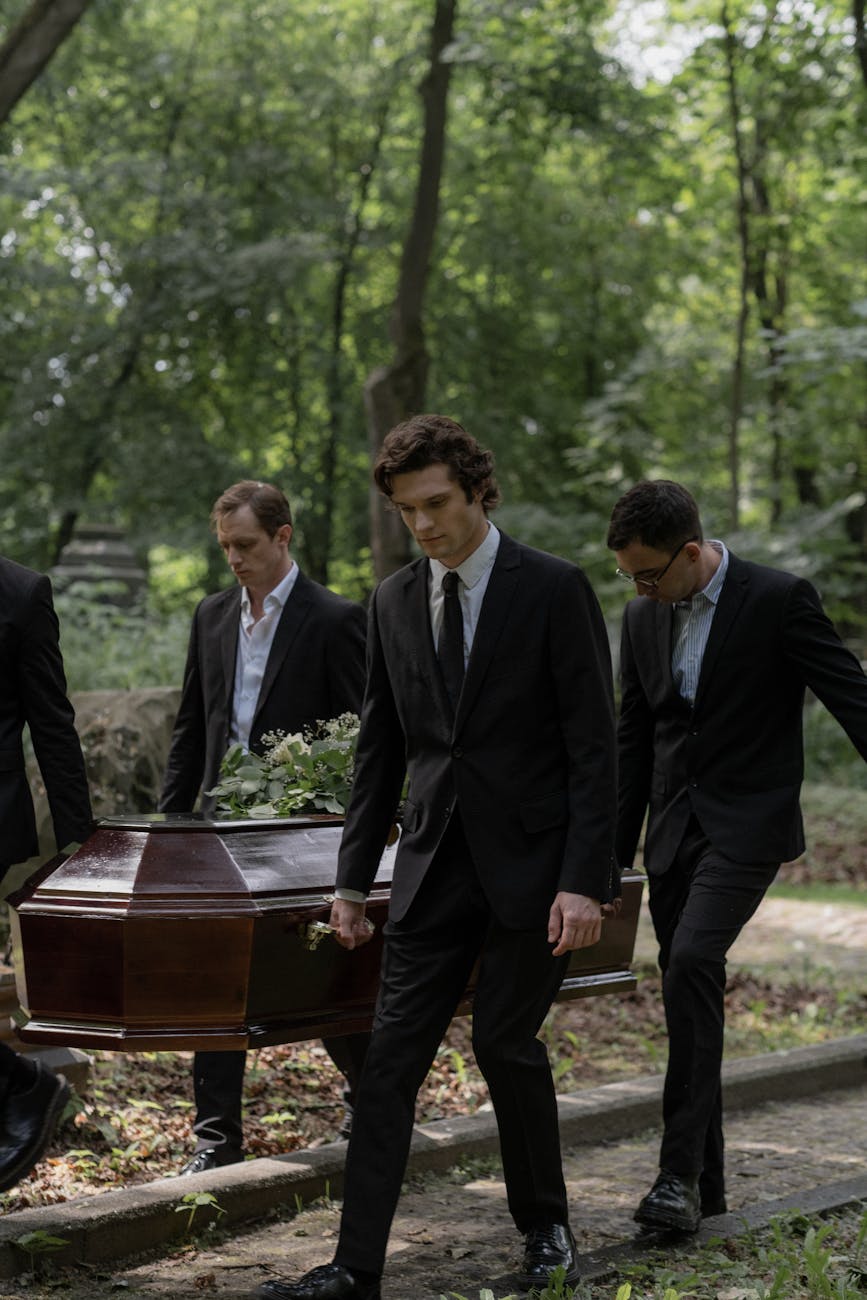
Pallbearers are his Grandsons John Einhellig, Tyler Lambert, Justin & Josh Beal and Luke & Jake Blaylock.
To send flowers to the family or plant a tree in memory of Robert Blaylock, please visit Tribute Store

EDITORS NOTE: Bob Blaylock’s talent on the mound caught the eye of the St. Louis Cardinals organization, with whom he would spend his entire ten-year professional career.
Bob made his MLB debut on July 22, 1956, pitching for the Cardinals against the Brooklyn Dodgers. Despite a promising start, his time in the majors was marked by challenges, including an injury in his youth that left him with only three fingers on his non-pitching hand. Yet, he was a hard thrower who led the American Association in strikeouts in 1958, a testament to his resilience and determination that should inspire us all.
Over two MLB seasons, in 1956 and 1959, Bob pitched in 17 games, striking out 42 batters. Though his major league career was brief, his impact was felt deeply by those who knew him. He was also part of a unique trio of unrelated Blaylocks who played in the National League during the 1950s, sharing the field with names like Marv and Gary Blaylock.

The Man Who Worked Everywhere

A Story By: Benjamin Groff© Groff Media 2024© Truth Endures

Leroy Jones lived a simple life three towns away from the bustling city where he believed he worked. Each morning, he would wake up at precisely 6:00 a.m., put on his neatly pressed work clothes, and head out the door with his lunchbox. The route was always the same—past the old gas station, through the sleepy neighborhoods, and over the rickety bridge that creaked with every car that crossed it. Leroy never noticed the subtle changes in his surroundings as he arrived at his “workplace” each day.

But Leroy’s workplace wasn’t just one place. Each day, he entered a different building, convinced it was the office where he had been employed for the last 25 years. On Monday, he might stroll into a bakery, slipping on an apron as if it were the most natural thing in the world. He would knead dough, chat with customers, and even operate the register when needed. The bakery staff never questioned his presence; he was just another part of their daily routine, his dedication to the ‘job’ unwavering.

On Tuesday, Leroy would find himself in a mechanic’s garage, wiping grease from his hands and sliding under cars to fix mysterious engine problems. He’d swap stories with the other mechanics, his laughter echoing through the shop as if he had been working there for years.

Wednesday brought Leroy to an office building downtown. He would sit at a desk, typing furiously at a computer, answering phones, and filing paperwork. The office workers treated him like any other coworker, nodding in acknowledgment as they passed by his desk.

Thursday saw him behind the counter of a small bookstore, recommending novels and arranging displays with a meticulous eye. Customers appreciated his suggestions, never questioning why a man in his mid-fifties seemed to know every book in the store by heart.

By Friday, Leroy had somehow found his way into a local diner, flipping burgers and pouring coffee for the regulars who called him “Jonesy” with fond familiarity. The servers giggled at his jokes, and the manager would give him a friendly pat, grateful for his hard work.

The strangest part was that no one noticed anything odd about Leroy’s ever-changing jobs. It was as if he belonged everywhere he went, seamlessly fitting into each new role without question. And Leroy himself was blissfully unaware of the peculiar situation. He was content, believing he was fulfilling his duties as an employee, no matter where he happened to be.

The only thing that remained constant was the distance Leroy traveled each day. Three towns away, in his cozy tiny home, his family never suspected a thing. They would ask about his day, and Leroy would share stories that seemed to fit together perfectly, a jigsaw puzzle of experiences from countless workplaces. His wife would smile and nod, proud of her hardworking husband, who, in her mind, had always been reliable and steadfast.

But as the weeks turned into months, a subtle shift began. The people in the various businesses Leroy frequented started to notice something odd. The baker couldn’t recall hiring him, the mechanic couldn’t remember his first day, and the office workers had no recollection of his name on the payroll. Yet, none of them could bring themselves to confront him. After all, Leroy was a good worker and brought a certain charm to their lives that they didn’t want to lose.

One crisp autumn morning, as Leroy entered a flower shop he had never seen before, something unusual happened. The shopkeeper, a kind older woman with silver hair, watched him arrange a bouquet with practiced hands. She approached him with a gentle touch, placing a hand on his shoulder.

“Leroy, do you know where you are?” she asked softly.

Leroy paused, looking around the shop as if seeing it for the first time.

“Why, I’m at work, of course,” he replied warmly.

The shopkeeper nodded, her eyes filled with understanding and sadness.

“Yes, Leroy. You are. But perhaps it’s time to go home now.”

Leroy looked at her, confusion flickering across his face. “Home?”

She guided him to the door, her voice calm and soothing.

“Yes, home. Where you’ve always belonged.”

As Leroy stepped outside, the fog that had clouded his mind for so long began to lift. He looked around at the unfamiliar street, realizing for the first time just how far he had wandered. He turned back to the shopkeeper, who gave him a gentle smile and a wave.

Leroy walked slowly back to his car, the pieces of his life starting to come together in a way that made sense for the first time in years. He drove back the three towns to his quiet, tiny home, where his family waited for him, unaware of the strange journey he had been on. As he stepped through the door that evening, a profound sense of peace washed over him. He was truly home, and he knew he would never leave again.

The businesses he had worked at never saw him return, but they never forgot the man who had, for a brief time, been a part of their lives.

And Leroy? He never spoke of those days again, content to leave the mystery behind, embracing the life he had always known, finally at peace with the place he truly belonged.

My Experience With Live Coverage of Severe Weather Events by KKBS 92.7FM: A Crucial Role From The 1990s…

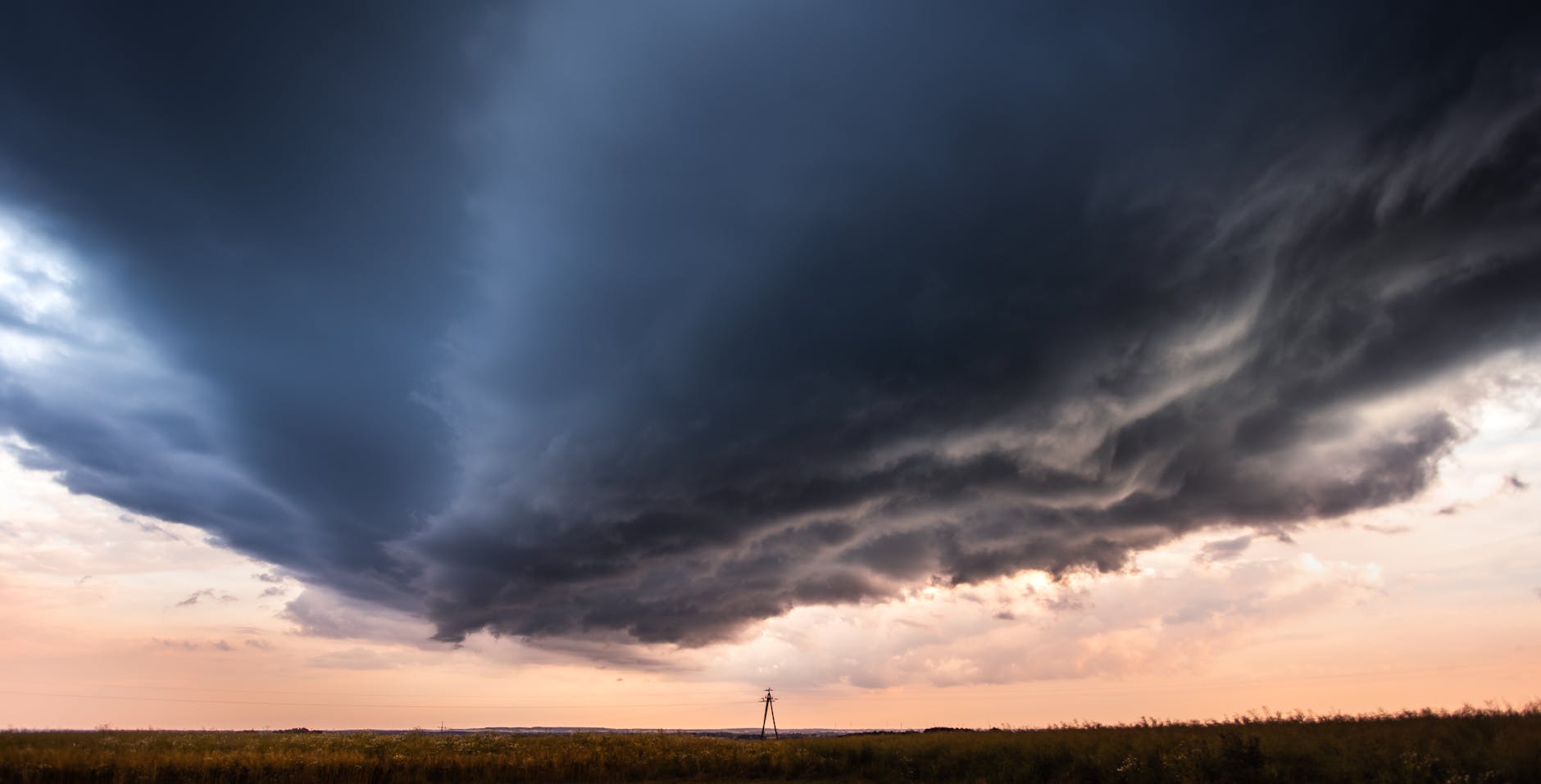
The sky was cloudy to the southwest, and humidity had been building since the morning. Many had yet to pay attention to weather patterns forming in the Oklahoma and Texas Panhandles, particularly dew points that were above average. Everything was out of balance. No one was paying attention except for one News Director at a small community radio station in the Oklahoma Panhandle community of Guymon. That news director was me, Benjamin Groff II (JR), and our role in providing live coverage of severe weather events was crucial.

It had been a busy day for the news department at KKBS 92.7FM. The Oklahoma Secretary of State had been in town attending Civic functions, plus a rape trial at the Texas County Court House was underway, and the suspect had been a topic that brought turmoil in the community for his alleged sexual abuse of a child. There was also an ax murder victim discovered in a dirt cellar in Steven’s County, Kansas, and the Hugoton Court House was buzzing with activity as the sheriff there had a suspect in custody.

The KKBS broadcast signal reached a five-state region, covering the Oklahoma Panhandle, the Northern Texas Panhandle, Southwest Kansas, Southeast counties of Colorado, and Northeast New Mexico. An anomaly in broadcasting also allowed the station’s signal to get received on radios and listened to by residents of Vernal, Utah. Listeners from the area would call the station often with their weather conditions and share local news to be part of the radio station’s mix. Our commitment to serving the community was unwavering, and we valued every listener’s contribution.

In Perryton, Texas, to the southeast of Guymon, a city of less than 7500 souls, the area mainly consisted of farmers and ranchers. KKBS radio station also reached Spearman, Gruver, Stratford, and Dalhart, Texas. In each community, the station, under my direction, established contacts and points of communication to use during news events. The same situation existed in southwest Kansas from Elkhart, Dalhart, Liberal, Hugoton, Johnson City, and Ulysses.

The radio station studio on the north side of Guymon is a one-story building set behind a hill on one side. The broadcast tower is near the city center. It was on the same tower as most emergency services and, thus, on an emergency roster for being tended to promptly during power outages. Our studios were placed on priority through a demand I had made to the power company after I explained that we broadcast to every community in five states and were rebroadcast through each cable carrier of every community. We need to get back on the air to broadcast emergency notices to the people as soon as possible. I did not realize I made such an impact that the power company initiated a person to guarantee our station downtime was as minimal as sixty seconds or less. It was good that it happened.

As the day continued, I stepped outside and felt the air. I had felt the conditions before. It had been in my hometown 12 years earlier when a storm ripped through the area and tore the hell out of the county, killing a lifetime resident of the town and his wife as they were hunkered down in their cellar. Being a retired police officer, I had a sixth sense, which led me to believe we were in store for something more. I felt it. There were times I sit in the newsroom on an afternoon on a slow day and think out loud, saying this feels like a plane crash day, and low and behold, we would be breaking a plane crash somewhere in the valley later. It was the same way this day, and I began planning for it.

I asked our sales team to be on call and ready to return to the station within ten minutes of getting my call, not to ask questions, get in their car, and come. They would answer calls and send me information about storm coverage. They should send their families to storm cellars, and they would be OK with us; the hill protects the station. I asked our evening staff to get ready to rock and roll so that it would be different from business as usual. I was going to be interrupting their shows, and we would be going live with actual news actualities from the field, raw broadcast, and they needed to get prepared for raw emotions to get heard. When it happened, they were not. But maybe they were more than they would have been.

Shortly before 4 PM, I noticed on an antiquated system that there was a massive hail storm in north Texas Panhandle County near Gruver, Texas; I called the Gruver Texas City Manager from the newsroom. I always contacted people in a way that allowed me to quickly air with them regardless of what was happening; in this case, it was gold. I asked him if he was getting hail. He said he was and was trying to drive west out of town; I buzzed the main studio to get ready to go live at any moment with breaking news, and suddenly AJ, the city manager, said

OH MY GOD, BEN, THERE IS A TORNADO ON THE GROUND WEST OF GRUVER, TEXAS, AND IT IS MOVING NORTH…

I flashed the hand signal and said go live; use the weather signal…

Stacy was on the board and broke into music with a particular news weather bulletin where I came on and issued a “KKBS TORNADO WARNING” and had the city manager describe what he was seeing. After the conversation, I returned and said that the National Weather Service has yet to issue a Tornado Warning, and we are in contact with them trying to get them to notice the storm.

A small radio station in the Oklahoma Panhandle doesn’t carry much weight with the National Weather Service, and they should have paid more attention to what we were trying to explain to them or the fact that we had an actual sighting by a city manager. We contacted the Channel4 Meteorologist who used to offer services to our station and explained to him what we were seeing, and he said he would turn his radar toward us and take a look; as he did, he said,

Map-Radar Image is for reference purpose only not actual radar screen used.

Holy Moly! That looks like a hook echo! Has the National Weather Service put out anything on this yet?

I explained to him our frustration with the weather people, and he said look, I am going live and putting my warning out, I told him we had already put ours out. He said

Thank GOD. I hope people are listening!

The Local Civil Defense and the owner of the other radio station in Guymon were listening, and they were severely upset that we were putting out a weather warning without their authorization. They even entered their radio station (one I once worked at KGYN) and denied on air there was any chance of severe weather today, saying the other stations were nuts. The Civil Defense Director went as far as to call our station owner and threaten her with an FCC violation complaint. She called me and asked what type of warning I issued. I explained that I issued a KKBS weather warning and a KKBS tornado warning, confirmed by a city manager talking to us live on the air from Gruver, Texas. She smiled and said issue some more.

I continued broadcasting the weather warnings and hear the disgusting remarks on the police radio frequencies from the civil defense director and his people over our decision to warn people about the threat of undesirable weather moving into the region. What is more, the storm producing the tornado was now moving into an area referred to as Hitchland, an agriculture-based community and ranching area. As we were broadcasting, our friend from the television station called and told me he had confirmation that a tornado was on the ground. We then broke into our programming and broadcast that a tornado had hit the area, and there were casualties. As we did, we began to get phone calls about fatalities in the area. As we tracked this storm, we warned the Beaver County, Oklahoma communities that they would be in the track of the storm-producing tornados.

The dry line producing these storms was like a whiplash effect; it produced storms in front and behind its path. Another line of storms formed twenty miles west of Guymon, stretching from Guymon to Elkhart to Johnson City, Kansas. It was a night of stress and high excitement for those who enjoy broadcasting under pressure.

During one segment of events, the bank that the radio station shared the building with was hosting Claudette Henry, the Oklahoma Secretary of State, at a reception that evening; while I was broadcasting live during one of the live storm updates, I saw Ms. Henry walk past the newsroom. I quickly wrapped up, stretched my headphones cord to the door, and shouted.

“Is that Claudette?”

She responded

“It Sure Is”

In my best Oklahoma demeanor

“I get you to do a live interview with me quickly?”

Claudette said,

“Let’s go for it!”

The interview consisted of talking about how she can’t fly out of Guymon until our radio station gives the all-clear and mentioning how everyone in five states is listening to you guys. She said she was impressed with the quality of coverage we provided; she didn’t expect to see it in Guymon.

My station’s owner was sitting in the basement at her beauty shop, listening to the radio and receiving phone calls on her cell phone. She was one of the few people in town at the time who had a cell phone, and everyone called her on it. On this night, it was to thank her for providing a station with such a spectacular news team.

It have been better news for everyone. The operations manager had called the station manager a bitch during a sporting broadcast, and then failing to join in the weather broadcast appeared to have ended their relationship. The next day, she dismissed him from his duties and placed them upon me and his salary. A few years later, she added the sales manager responsibilities to my duties. A few years later, I accepted a position in Cheyenne, Wyoming.

It was the 1990s and anything goes was a leftover motto from the 80s!

Elmer’s Forgotten Ending

A Story By: Benjamin Groff© Groff Media 2024© Truth Endures

At 85, Elmer had circled the globe twice, a testament to his adventurous spirit. He was known as a reliable friend to his neighbors, colleagues, and family, earning their trust and respect. His life was a rich tapestry of experiences woven from the people he met and the challenges he overcame.

No one knew that since 80, Elmer had been slowly forgetting things. Elmer lived alone, having never had children. The love of his life, Bill, had been his husband. Together, they built a home and a life they had fought for since the 1960s. But Bill had died in the 1990s of AIDS, leaving Elmer to quietly close himself off from the world, no longer inviting people into his home.

In the last five years, Elmer had taken to raising quarter horses, finding solace in their company. But as time passed, he needed help to keep up with them. Elmer would leave gates open and have to chase the horses down or forget to feed them on time. Once, after a late ride, he left a horse saddled overnight. The guilt he felt was overwhelming, and he knew something was wrong. 

A visit to the doctor revealed a possible explanation: lack of sleep and depression, likely linked to his grief over Bill’s passing.

Determined to regain control, Elmer began taking medication to lift his spirits and help him sleep. He convinced himself he could manage. On Wednesday, Elmer had an appointment with a buyer interested in purchasing two of his horses. He thought selling them might relieve some of the pressure, leaving him with only one horse to tend to.

But Elmer had other concerns. He now shared his home with a group of stray cats that seemed to have appeared out of nowhere, along with his faithful companion, Roger, a golden-eyed Saint Bernard. Roger was more than just a pet; he was Elmer’s protector, especially when the owner began drinking whiskey.

Elmer tried to manage his responsibilities—his horses, cats, dog, and the home he had shared with Bill—but his mind kept slipping. He believed that Bill might still come home, even calling Bill’s sister, Matilda, to ask if she’d seen him. Matilda gently reminded him that Bill had passed away years ago.

Realizing he had let his secret slip, Elmer quickly covered by asking if she had seen a particular picture of Bill. 

Matilda, sensing something was wrong, insisted on visiting.

“Elmer, damn it, I need to see you. I haven’t been over in two years, and it’s time we have dinner!” 

Matilda demanded.

Caught off guard, Elmer couldn’t refuse.

“In the morning would be fine,”

He replied, resigned to the visit.

After hanging up, Elmer sorted through his mail and found a late notice from the electric company. He had forgotten to pay his bill, and the power got scheduled to be disconnected the next day. Frustrated, Elmer called the company, only to learn he had missed several payments. He assured them he would take care of it first thing in the morning.

Elmer hung up the phone, the weight of the day pressing down on him. His forgetfulness had become more frequent and more troubling. Once, he ended up in a faraway town, wondering how he got there. He had forgotten the names of his horses, even his dog Roger, and once needed help figuring out what his car keys were for.

That evening, Elmer and Roger settled into the family room to watch a news program, a series on Alzheimer’s. The more Elmer watched, the more convinced he became that he was suffering from the disease. The thought terrified him. He looked at Roger and grumbled, 

“I’ll be damned if I’m going out like that! I’m going out on top, not lingering around aloof and half-quacking!”

Determined to end his life on his terms, Elmer went to the liquor cabinet, packed five large bottles of whiskey into a box, grabbed some water, and called for Roger to get into the truck. He was visiting their favorite spot to watch the sunset—his and Bill’s particular spot. There, he planned to drink himself into oblivion and end his life.

As they arrived at the overlook, Elmer realized with a bitter laugh that he had forgotten the gun he intended to use. 

“Shit! I forgot the gun to shoot myself with!”

He muttered. Searching for an alternative, he looked for a rope to hang himself, but that too was missing. 

“Well, shit, Roger! I don’t have a rope.”

Roger, ever loyal, had been trained by a local bartender to remove the keys from Elmer’s truck whenever the pet’s master started drinking heavily. As Elmer continued drinking, Roger did just that, hiding the keys.

Now thoroughly drunk, Elmer looked at Roger and slurred, 

“What the hell did we come out here for?” 

He was confused, unable to remember his grim plan. By 

2:00 AM, the sky was pitch dark, and both man and dog were asleep in the truck.

Back at Elmer’s home, the morning brought concern. 

Matilda arrived, along with the horse buyer and the electric company. But Elmer was nowhere to be found. Sensing something was wrong, Matilda called out to the others, 

“Elmer would never allow a cat inside his house; something is wrong here!”

The electric company worker radioed his office to report a possible missing person, while Matilda assured them she would cover the bill to keep the power on. Their primary concern was finding Elmer.

The horse buyer suggested, 

“I figure Elmer’s out at the overlook like he is every year at this time. He and Bill went there every year on the 15th of this month for their anniversary.”

Meanwhile, Elmer was waking up at the overlook, groggy and disoriented. Roger, ever the guardian, brought him the truck keys. 

Elmer looked at the dog, 

“Roger, ‘ole boy, why in the hell are we out here? And who brought all these damn whiskey bottles?”

With no recollection of his plan, Elmer drove home, where a flurry of activity awaited him. 

As he approached the gathering, he overheard someone say, 

“A homeowner has gone missing, and everyone’s looking for him.”

Elmer, confused, asked, “Why are they doing it here?”

“They think this is where it happened,” came the reply.

“They think he went missing here? 

I was here until 10 PM last night and didn’t see anything,” Elmer responded.

The man shouted to the Sheriff, “This man says he was here until 10 PM last night and didn’t see anything!”

The Sheriff called back, “What’s his name?”

Elmer, finally realizing the situation, shouted,

“ELMER!”

You’re on my damn land, damn it!”

Matilda reached Elmer, talked to him, and promised he would never be alone. She would ensure he did not get treated like others he had witnessed on television. 

Matilda said, 

“Elmer, you are 85. Other parts of you are more likely to take you out before the mind takes you!”

Elmer, looking around, remarked, 

Matilda, you have a way of comforting the soul. Are you the one who brought all these damn cats out here and turned them loose in my house?

Matilda asked Elmer where he had been and what he had been doing.

Elmer said,

Truthfully, I don’t know. Roger and I just woke up at the overlook, and it was yesterday, today, and the 15th all coming together. I didn’t realize it. 

Matilda confronted Elmer, saying, “Well, Roger had more to say about. In fact, a lot more. You see, he gave me this note you gave him. It is a goodbye note you put on his collar last night.” 

Elmer’s face brightens as if a light bulb had gone on, responds,

Now I remember what I went out there for, but I just remembered that I need to bring—ugh, ice.

Matilda snaps back

Nice try, old man. I know what you are thinking, and it can’t happen. You still have a reason. And you can’t die until you no longer have a reason, like it or not. Your reason is not up yet! So get used to it. You still have a Reason

For more information on Alzheimers and Dementia Illnesses visit https://www.alz.org Also check when you can participate in the walk to prevent Alzheimers 2024!

NightShift In The South District

A Story By: Benjamin Groff© Groff Media 2024© Truth Endures

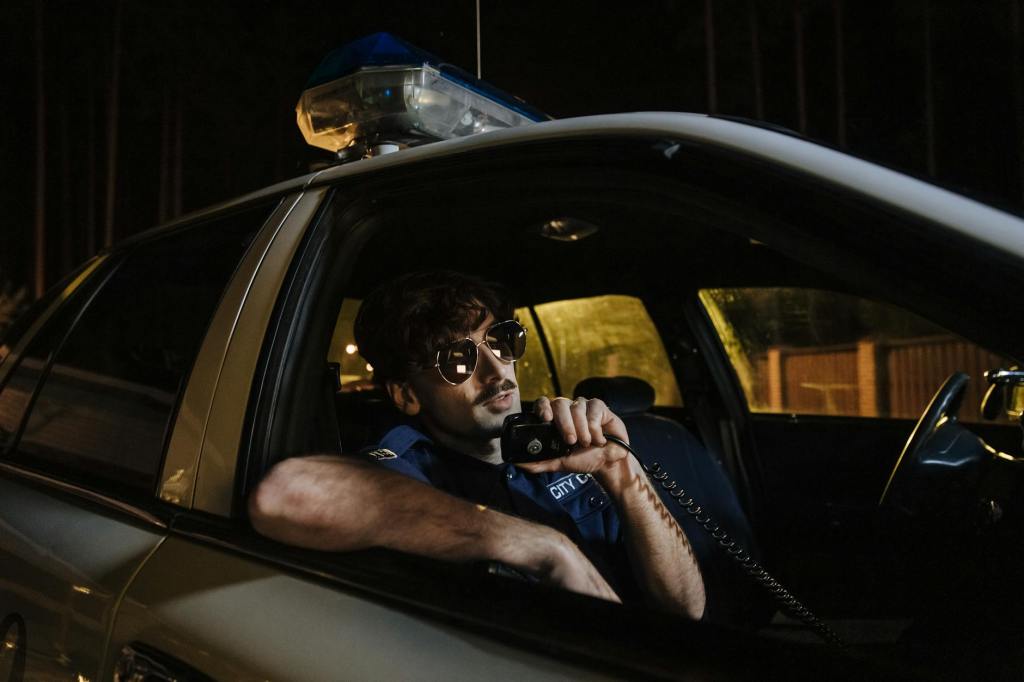
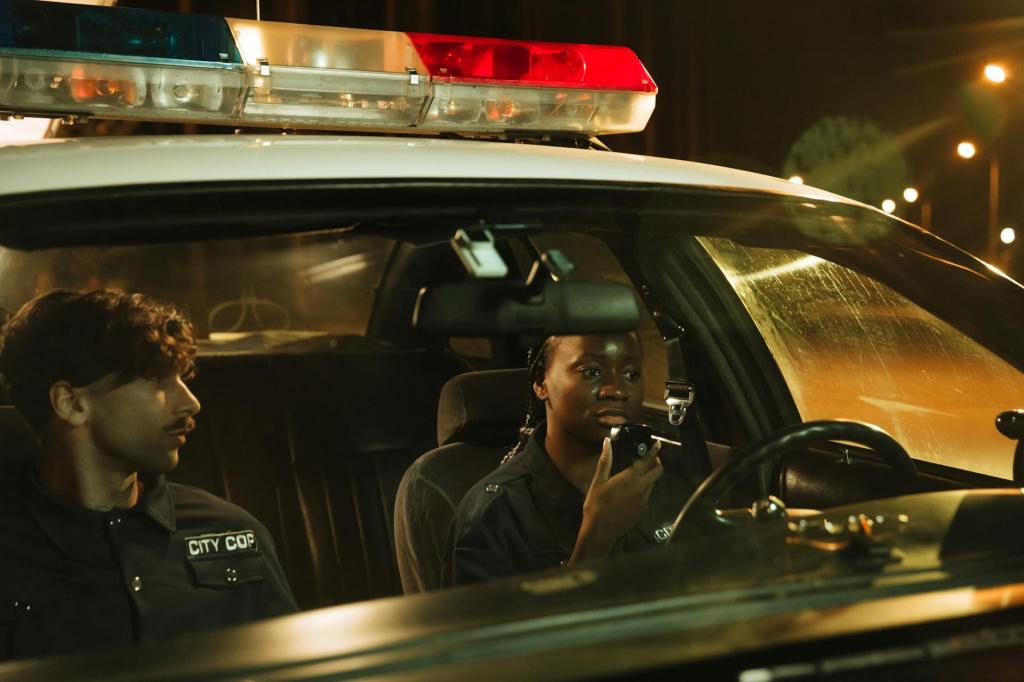
The city’s skyline, dotted with the faint glow of distant lights, stretched like a jagged silhouette against the darkening sky. As the clock struck 8 p.m., the streets of the south district began to stir with a life all their own. The south district was notorious, where the line between night and day blurred into a constant shade of grey, and danger was not just a possibility but an expectation.

Officer Jacob Reed adjusted his vest and checked his gear before leaving the station. According to the seasoned officers, it was his first solo night shift in the south district, a baptism by fire. He had heard the stories—the gang disputes, the addicts, the desperate, the damned. But nothing could truly prepare him for the reality of patrolling these mean streets.

The radio crackled to life as he started his patrol car, the familiar voice of the dispatcher cutting through the static. “Unit 27, disturbance reported on 5th and Elm. Suspected domestic violence. Proceed with caution.”

Jacob felt a knot tighten in his stomach. Domestic calls were unpredictable and often turned violent. He sped through the streets, the red and blue lights flashing against the crumbling buildings and graffiti-stained walls.

As he arrived, he could already hear the shouting. A man and a woman, voices thick with anger and pain, spilling out from a run-down apartment. Jacob approached cautiously, hand on his holster. The door was ajar, the argument escalating. He knocked loudly, announcing his presence, which momentarily stunned the couple into silence.

The woman, tears streaking her face, pushed past him and ran into the night, leaving Jacob alone with the man—a towering figure, eyes wild with rage and something darker. “You got no business here, cop,” the man snarled.

Jacob knew better than to engage in a back-and-forth. “Sir, I need you to calm down. Let’s talk this out. No one needs to get hurt tonight.”

But the man was beyond reason. He lunged at Jacob, who barely had time to react, wrestling him to the floor. The training kicked in, and within moments, Jacob had the man subdued and in handcuffs. But the adrenaline still pumped through his veins as he led the man to the patrol car, the woman’s disappearance lingering in his mind. It was just the beginning of the night.

The hours they dragged on, each call blurring into the next—a bar fight that ended with broken bottles and blood, a missing child who had been found in an alley shivering and alone, a burglary in progress that turned into a chase through the maze of backstreets.

The south district had a pulse of its own, a relentless, pounding rhythm that seemed to sync with the beat of Jacob’s heart. He could feel the weight of the night pressing down on him, the darkness closing in from all sides. There were moments when the fear gnawed at him, but he pushed it down, focused on the next call, the next crisis.

Around 3 a.m., as the city reached its most sinister hour, Jacob found himself at a crossroads, literally and figuratively. He got flagged down by a frantic woman claiming someone shot her boyfriend. She led him to a dilapidated building where the faint scent of gunpowder still hung in the air. Inside, the scene was grim—a young man, barely older than Jacob, lay bleeding out on the floor.

Jacob radioed for an ambulance and knelt beside the man, trying to stop the bleeding, but the wounds were too severe. The man’s eyes, filled with pain and fear, met Jacob’s. “I didn’t mean to… I didn’t mean…” he rasped before the light in his eyes faded.

Jacob sat back, his hands stained with blood, his heart heavy. The ambulance arrived too late, and as they wheeled the body away, Jacob felt a hollowness settle in. The streets had claimed another life, and despite his best efforts, he was powerless to stop it.

The night continued its brutal march towards dawn, with Jacob responding to calls that tested his resolve—an overdose that ended with a life saved, a car accident where luck favored the victim, and a confrontation with a knife-wielding suspect that left him shaken but unharmed.

As the first light of dawn broke over the horizon, Jacob finally pulled back into the station, exhausted and drained. The south district was a battleground, and the scars it left were not always visible. He had survived the night, but he knew there would be many more like it, each with its dangers, each demanding more from him than he thought he had to give.

But as he hung up his gear and prepared to go home, he knew he would return the next night. Because despite the fear, despite the darkness, there was a part of him that knew he was needed here, in these mean streets, where the line between good and evil was as blurred as the city skyline at dusk

You May Have Heard OF Project 2025 But Have You Heard Of The Rights “Nickle A Prayer Tax?”

A Fictional Writing By: Benjamin Groff© Groff Media 2024© Truth Endures

In a move that could only be described as a blend of boldness and absurdity, the Rights Political Movement unveiled its most audacious plan yet: the Nickel A Prayer Tax. The idea was simple—or so they claimed. Every time someone bowed their head in prayer within the sacred walls of a tax-exempt church, the government will tally a nickel to get paid at the end of the fiscal year. The plan, the movement argues, was a way to finally have churches “pay their fair share” for the many costs they purportedly impose on the taxpayers.

The proposal, though greeted with a mix of shock and hilarity, was rooted in a series of dubious and imaginative calculations that the movement’s leaders claime are grounded in reality.

The Costs Churches Create for Taxpayers

  1. Lost Revenue from Tax Exemptions: The Rights Political Movement claime that churches, by being tax-exempt, were costing the government billions in lost revenue. “Imagine the potholes that could get filled if every stained-glass window paid its share!” exclaimed Senator Hilda Bottomline, one of the movement’s most fervent advocates.
  2. Emergency Services: According to the proposal, every time a church caught fire, needed police protection during a controversial sermon, or hosted a significant event requiring traffic control, taxpayers were on the hook. “Why should my tax dollars go to escorting a parade of choir members?” asked Roger Stingy, a local businessman and supporter of the tax.
  3. Social Services Duplication: Churches often run soup kitchens, shelters, and charity drives. While these services are undeniably helpful, the movement argued they duplicated what the government was already providing without paying their “service fees.” “We’ve got welfare programs for a reason, no need for double-dipping,” said Ernestina Pennypinch, another movement leader.
  4. Real Estate Value Suppression: The movement claimed that large churches, especially those in prime urban locations, suppressed property values. They took up space that could otherwise be used for lucrative, tax-paying businesses like luxury condos or gourmet dog food stores. “Holy land? More like hole-in-the-budget land,”remarked developer Richie Realestate as he eyed a historic cathedral downtown.
  5. Environmental Impact: Every Sunday, cars are packed into church parking lots, creating traffic jams and pollution. The movement argues that if churches paid a Nickel A Prayer Tax, those funds could go directly into green initiatives to offset this “prayer smog.” “Save the planet, tax the pews” became the rallying cry of eco-activists who quickly latched onto the movement.

The Benefits of the Nickel A Prayer Tax

  1. Filling the Budget Gaps: The movement estimated that the tax could raise billions, plugging holes in state and federal budgets. “Forget about cutting school lunches—we’ll be swimming in nickels!” a high-ranking budget official proclaimed.
  2. Funding Secular Charities: The tax revenue could get redirected to secular charities that, according to the movement, were more inclusive and efficient. “Why should a soup kitchen be connected to a sermon?” asked Kaylee Kindly, founder of the Secular Soup for All initiative.
  3. Incentivizing Smaller Congregations: Large megachurches would finally have to pay their way, while more minor, less extravagant congregations might see a decrease in attendance—and, therefore, their tax burden. “Think of it as a spiritual diet plan,” joked Bottomline. “Less congregation, more salvation!”
  4. Reducing Traffic Congestion: With fewer people flocking to Sunday services, roads would be more precise, reducing traffic accidents and wear and tear on infrastructure. “Sunday mornings will become the new blissful commute hour,” promised Max Gridlock, the city’s transportation chief.

The Backlash

Unsurprisingly, religious groups across the nation oppose the plan fiercely. The National Association of Pastors (NAP) organized a “Prayer-a-Thon” to raise funds to fight the tax. Every prayer during the event was meticulously counted, and the movement’s leaders were sent a bill—penned in gold ink—for the “spiritual services rendered.” It was a bill that could only be paid in prayers, of course.

The Final Word

In a twist of irony, the Nickel A Prayer Tax became a subject of intense debate and endless litigation. Lawyers will make a fortune arguing over what constituted a “prayer”—is a simple “Amen” worth a nickel? What about silent prayers? Could churches claim a rebate for prayers said in service to the community?

The Rights Political Movement continue to push the tax, convinced that it is the key to a balanced budget and a fairer society. While the tax itself is mired in legal challenges, its mere proposal left an indelible mark on the political landscape, forcing everyone to rethink the true cost of faith—or at least, the cost of not charging for it.

The Arlington Cemetery: A Place of Solemnity and Reverence

A Few Words Written By Benjamin Groff© Groff Media 2024© Truth Endures

It’s a stark reality that the respect owed to those who made the ultimate sacrifice for our nation gets often overlooked during political and commercial events. A red, white, and blue flower bouquet, more fitting for a picnic table than a sacred resting place, laid at the headstone of a fallen hero is a painful reminder of this disrespect.

It’s crucial to understand that there’s a distinct time and place for honoring our heroes and a separate space for casual group photos. These two should never mix. It’s our responsibility, especially for those in influential positions like Donald Trump, to uphold this distinction.

A Step Out of Time – The Day That Kept Repeating –– A Detective Wakes Up Lost In The Future 

Experiencing A Different Version Of The Same Day Over And Over.

A Story By: Benjamin Groff© Groff Media 2024 © Truth Endures

Detective James “Jimmy” O’Connor had seen it all—or so he thought. O’Connor had been on the force since 1951 when respect meant something and a good cop could solve a case with his wits and a firm handshake. But nothing could have prepared him for the day he woke up in 2024, a world so different from the one he knew. It was as if he had stepped into a parallel universe.

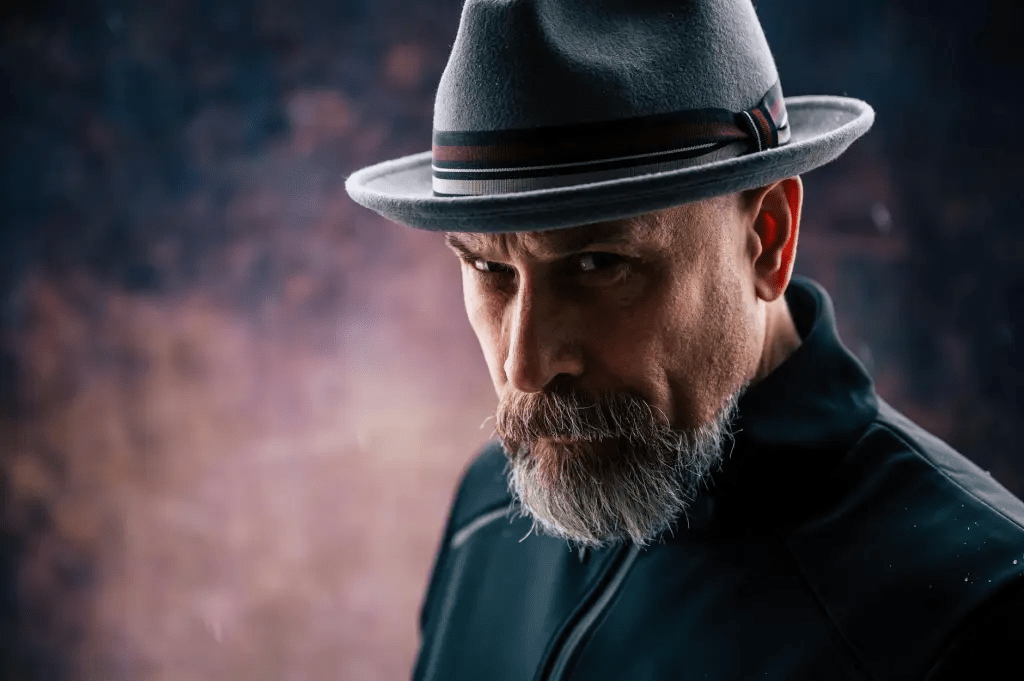
It started like any other morning. Jimmy rolled out of bed in his modest home, built solidly after the war when families were booming and life was good. He yawned, stretched, and reached for his old fedora, a relic from yesteryear that still sat faithfully on the bedpost. The sun streamed through the window, but something in the light felt –– off. A glance at the calendar confirmed it. The year read 2024.

“What in the Sam Hill…”

he muttered, running a hand through his graying hair. Had he been in a coma? Had he somehow slept through sixty years of his life?

Still dazed, he dressed in his usual attire: a crisp white shirt, suspenders, pleated trousers, and polished leather shoes. His well-worn and comforting hat sat snugly atop his head. The mirror reflected a man who had not aged a day since the early 1960s. Time had played its tricks, but Jimmy O’Connor remained the same.

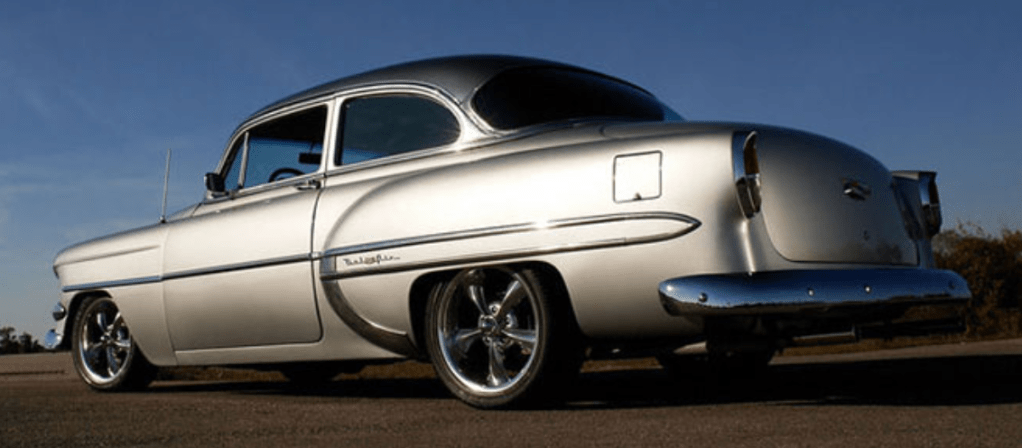
Determined to make sense of things, he grabbed his keys and headed out. His faithful 1954 Chevrolet two-door coupe sat waiting in the driveway as he’d left it. The car was nothing fancy—back in the day, it had been the biggest clunker in the department. The boys at the station used to rib him about it, but Jimmy liked it just fine. It had character, just like him.

The drive to the station was surreal. Buildings towered over the officer, sleek and modern. People walked down the streets glued to strange devices, barely looking up. The air buzzed with a thousand sounds, none of which he recognized. And the cars—by God, the cars! They whizzed by silently as if propelled by magic. Jimmy’s old Chevy chugged along, a relic in a world that had moved on without him, a world that felt utterly alien.

When he pulled up to the station, he first noticed the gawking. A group of younger officers stood in the lot, eyes wide and mouths agape as they saw him and his car. One of them, a kid who couldn’t have been more than twenty-five, stepped forward.

“Is that…a ’54 Chevy?”

He asked, awe dripping from his voice.

Jimmy nodded, confused.

“Sure is. Why?”

“That thing’s a classic! How the hell did you get it in such good shape?”

“Just took care of it, I guess,”

Jimmy replied, still trying to process everything.

“Now, what in blazes is going on around here?”

Inside, the station was a hive of activity, but nothing looked the same. Computers sat on every desk, glowing with images Jimmy didn’t understand. Phones weren’t phones anymore; they were slim, glass rectangles everyone seemed glued to. And the fashion—if you could call it that—was wild—bright colors, strange fabrics, and hair that defied gravity.

Jimmy made his way to the chief’s office, nodding at a few familiar faces, now older men. They all stared back as if they’d seen a ghost. When he finally entered the door, Chief Morales looked up from his desk, his eyes nearly popping out of his head.

“Jimmy?”

Chief Morales croaked, his eyes nearly popping out of his head.

“What the hell?”

His voice was a mix of shock and disbelief, mirroring the sentiments of everyone who had laid eyes on the seemingly unchanged detective.

“Chief, I don’t know what’s happening, but I woke up this morning, and the whole world turned upside down. I need answers.”

Morales gestured for him to sit, still in shock.

“You mean to tell me you remember nothing past…when? The 1960s?”

“Last thing I remember, Kennedy was in office, and I was working a case with the old squad,”

Jimmy replied, sinking into the chair.

“Now it’s like I stepped into one of those science fiction movies.”

The chief rubbed his temples.

“Jimmy, it’s 2024. A lot has changed. I don’t know how or why, but you look like you haven’t aged a day.”

“Tell me about it,”

Jimmy grumbled.

“And what’s with the kids these days? I was on a case involving students before this, whatever it was. Are they all this –––different?”

The chief sighed.

“Different doesn’t begin to cover it. Kids these days are a whole new breed. They have connected to the world in ways we couldn’t have imagined in the 60s. Social media, smartphones, instant communication –– They’re more outspoken and more aware but more distracted. It’s a different world, Jimmy.”

Just then, a young officer burst into the room, his face excitedly lit.

“Chief, we’ve got a situation at the high school. Some fight—might be gang-related.”

Jimmy’s ears perked up. A case involving students? An assignment with students –– was familiar territory.

“I’ll go,”

he said, standing up.

“Jimmy, wait—”

Morales started, but Jimmy was already out the door.

On the Case

The high school was a chaotic scene. Teens were scattered everywhere, shouting and recording the commotion on their phones. Jimmy strode in, commanding attention despite the odd looks he received. He spotted a group of kids at the center of it all, some dressed in clothes he could barely comprehend, others with tattoos and piercings that would have been unthinkable in his time.

“Alright, break it up!”

Jimmy barked, his voice cutting through the noise like a knife. The kids looked at him, confused, but the tone was unmistakable. They started to disperse, grumbling under their breath.

A young girl with brightly colored hair and a nose ring approached him.

“Who are you supposed to be? You look like you just walked out of a history book.”

“Detective O’Connor,”

he replied gruffly.

“Now, what’s going on here?”

She shrugged, unimpressed.

“Just a fight. It happens all the time. We caught it on video if you want to see it.”

Jimmy blinked.

“Caught it on video? You mean you filmed it instead of stopping it?”

The girl rolled her eyes.

“Yeah, it’s what we do. Upload it to TikTok, get some likes.”

“Tik…what?”

Jimmy shook his head, feeling like he was slipping further into the twilight zone.

“Never mind,”

she said, dismissing him.

“You wouldn’t get it.”

As he tried to piece together what she meant, a senior officer approached, relieved to see him.

“Detective O’Connor, right? I’ve heard stories about you. The chief said you might be ––– helping out today?

“Helping out, yeah,”

Jimmy replied, still feeling out of place.

“What’s the story here?”

The officer explained the situation—two students from rival groups had fought over something posted online. Jimmy listened, but the details were baffling. Back in his day, fights happened face-to-face, not through the internet.

“Sounds like the same old story, just with a new twist,”

Jimmy said.

“I’ll talk to them.”

He approached the two students, who were now sulking on the sidelines. They looked up at him with a mix of defiance and confusion.

“Alright, you two,”

Jimmy started,

“what’s this all about?”

They exchanged glances before one finally spoke up.

“This boy posted some crap about my sister on Instagram. I wasn’t going to let that slide.”

“Instagram?”

Jimmy repeated, trying to keep up.

“Back in my day, you settled things like men. You talked it out—or, if it came to blows, you did it without an audience.”

The other boy scoffed.

“What do you know, old man? Times have changed.”

“Maybe so,”

Jimmy admitted,

“but respect doesn’t. You don’t solve problems by hiding behind a screen. If you’ve got an issue, you deal with it face-to-face, like men. And you sure don’t let it become a circus for everyone else to watch.”

The boys looked at him, considering his words. It was a message from another time, but something about it resonated. Eventually, they both nodded, muttering apologies under their breath.

As the situation defused, Jimmy felt a strange sense of accomplishment. The methods might have changed, but the core principles still needed to be. Respect, honesty, and responsibility still mattered, even in this brave new world.

The World Keeps Spinning

Back at the station, the day wound down, and Jimmy found himself in the parking lot, staring at his old Chevy. It was the one constant in this sea of change, a reminder of where he came from and who he was. But as he climbed in and turned the key, he couldn’t help but wonder how long he could hold onto the past in a world that seemed determined to move forward without him.

As the engine roared to life, Jimmy tipped his hat, adjusted his rearview mirror, and drove into the setting sun. The road ahead was uncertain, but he’d face it the only way he knew how—one mile at a time, just like he always had.

He’d find his place in this strange new world somewhere along the way. But for now, he was content to be a man out of time, doing his best to keep up with a world that had left him behind.

A Step Out of Time The Next Morning

Detective James “Jimmy” O’Connor had seen it all—or so he thought. O’Connor had been on the force since 1951 when respect meant something and a good cop could solve a case with his wits and a firm handshake. But nothing could have prepared him for the day he woke up in 2024, a world so different from the one he knew. It was as if he had stepped into a parallel universe, a world where the very fabric of society got rewoven.

It started like any other morning. Jimmy rolled out of bed in his modest home, built solidly after the war when families were booming and life was good. He yawned, stretched, and reached for his old fedora, a relic from yesteryear that still sat faithfully on the bedpost. The sun streamed through the window, but something in the light felt –– off. A glance at the calendar confirmed it. The year read 2024.

“What in the Sam Hill…it seems like I’ve been here before.”

he muttered, his voice trembling, running a hand through his graying hair. Had he been in a coma? Had he somehow slept through sixty years of his life?

Still dazed, he dressed in his usual attire: a crisp white shirt, suspenders, pleated trousers, and polished leather shoes. His well-worn and comforting hat sat snugly atop his head. The mirror reflected a man who had not aged a day since the early 1960s. Time had played its tricks, but Jimmy O’Connor remained the same.

Determined to make sense of things, he grabbed his keys and headed out. His faithful 1954 Chevrolet two-door coupe sat waiting in the driveway as he’d left it. The car was nothing fancy—back in the day, it had been the biggest clunker in the department. The boys at the station used to rib him about it, but Jimmy liked it just fine. It had character, just like him.

The drive to the station was surreal. Buildings towered over the officer, sleek and modern. People walked down the streets glued to strange devices, barely looking up. The air buzzed with a thousand sounds, none of which he recognized. And the cars—by God, the cars! They whizzed by silently as if propelled by magic. Jimmy’s old Chevy chugged along, a relic in a world that had moved on without him, a world that felt utterly alien.

When he pulled up to the station, he first noticed the gawking. A group of younger officers stood in the lot, eyes wide and mouths agape as they saw him and his car. One of them, a kid who couldn’t have been more than twenty-five, stepped forward.

“Is that…a ’54 Chevy?”

the young officer asked, his voice filled with awe and disbelief as if he had just seen a relic from a forgotten era.

Jimmy nodded, confused.

“Sure is. Why?

“That thing’s a classic! How the hell did you get it in such good shape?”

“Just took care of it, I guess,”

Jimmy replied, thinking he’d answered the same question a day before, he was still trying to process everything.

“Now, what in blazes is going on around here?”

Inside, the station was a hive of activity, but nothing looked the same. Computers sat on every desk, glowing with images Jimmy didn’t understand. He’d been here before. This is the same thing he had done yesterday. Phones weren’t phones anymore; they were slim, glass rectangles everyone seemed glued to. The fashion starkly contrasted Jimmy’s traditional attire—bright colors, strange fabrics, and hair that defied gravity. The world had become a place where technology and individual expression reigned supreme, a far cry from the simpler times Jimmy was used to. I am repeating yesterday in the future, Jimmy thought to himself.

Jimmy went to the chief’s office, nodding at a few familiar faces, now older men. They all stared back as if they’d seen a ghost, they hadn’t seen Jimmy looking that young in fifty years. When he finally entered the door, Chief Morales looked up from his desk, his eyes nearly popping out of his head.

“Jimmy?”

Chief Morales croaked, his eyes nearly popping out of his head. The shock and disbelief in his voice mirrored the sentiments of everyone who had laid eyes on the seemingly unchanged detective.

“Chief, I don’t know what’s happening, but I woke up this morning, and the whole world turned upside down. I need answers,”

he declared, his voice unwavering despite the chaos around him.

“We did this yesterday, and now it is happening again!

Morales gestured for him to sit, still in shock.

“Like I told you yesterday, when we went through this the last thing I remember, Kennedy was in office, and I was working a case with the old squad,” Jimmy replied, sinking into the chair. “Now it’s like I stepped into one of those science fiction movies.

The chief rubbed his temples.

“Jimmy, it’s 2024. A lot has changed. I don’t know how or why, but you look like you haven’t aged a day.”

“Tell me about it,”

Jimmy grumbled.

“And what’s with the kids these days? I was on a case involving students before this, whatever it was. Are they all this –––different?”

The chief sighed.

“Different doesn’t begin to cover it. Kids these days are a whole new breed. They have connected to the world in ways we couldn’t have imagined in the 60s. Social media, smartphones, instant communication –– They’re more outspoken and more aware but more distracted. It’s a different world, Jimmy.”

Just then, a young officer burst into the room, his face excitedly lit.

“Chief, we’ve got a situation at the high school. Some fight—might be gang-related.”

Jimmy’s ears perked up. A case involving students? An assignment with students –– was familiar territory.

“I’ll go,”

he said, standing up.

“Jimmy, wait—

” Morales started, but Jimmy was already out the door.

On the Case

The high school was a chaotic scene. Teens were scattered everywhere, shouting and recording the commotion on their phones. Jimmy strode in, commanding attention despite the odd looks he received. He spotted a group of kids at the center of it all, some dressed in clothes he could barely comprehend, others with tattoos and piercings that would have been unthinkable in his time.

“Alright, break it up!”

Jimmy barked, his voice cutting through the noise like a knife. The kids looked at him, confused, but the tone was unmistakable. They started to disperse, grumbling under their breath.

A young girl with brightly colored hair and a nose ring approached him.

“Who are you supposed to be? You look like you just walked out of a history book.”

“Detective O’Connor,”

he replied gruffly.

“Now, what’s going on here?”

She shrugged, unimpressed.

“Just a fight. It happens all the time. We caught it on video if you want to see it.”

Jimmy blinked.

“Caught it on video? You mean you filmed it instead of stopping it?”

The girl rolled her eyes.

“Yeah, it’s what we do. Upload it to TikTok, get some likes.”

“Tik…what?”

Jimmy shook his head, feeling like he was slipping further into the twilight zone.

“Never mind,”

she said, dismissing him.

“You wouldn’t get it.”

As he tried to piece together what she meant, a senior officer approached, relieved to see him.

“Detective O’Connor, right? I’ve heard stories about you. The chief said you might be ––– helping out today?”

“Helping out, yeah,”

Jimmy replied, still feeling out of place.

“What’s the story here?”

The officer explained the situation—two students from rival groups had fought over something posted online. Jimmy listened, but the details were baffling. Back in his day, fights happened face-to-face, not through the internet.

“Sounds like the same old story, just with a new twist,”

Jimmy said.

“I’ll talk to them.”

He approached the two students, who were now sulking on the sidelines. They looked up at him with a mix of defiance and confusion.

“Alright, you two,”

Jimmy started,

“what’s this all about?”

They exchanged glances before one finally spoke up.

“This boy posted some crap about my sister on Instagram. I wasn’t going to let that slide.”

“Instagram?”

Jimmy repeated, trying to keep up.

“Back in my day, you settled things like men. You talked it out—or, if it came to blows, you did it without an audience.”

The other boy scoffed.

“What do you know, old man? Times have changed.”

“Maybe so,”

Jimmy admitted,

“but respect doesn’t. You don’t solve problems by hiding behind a screen. If you’ve got an issue, you deal with it face-to-face, like men. And you sure don’t let it become a circus for everyone else to watch.”

The boys looked at him, considering his words. It was a message from another time, but something about it resonated. Eventually, they both nodded, muttering apologies under their breath.

As the situation defused, Jimmy felt a strange sense of accomplishment. The methods might have changed, but the core principles still needed to be. Respect, honesty, and responsibility still mattered, even in this brave new world.

The World Keeps Spinning

Back at the station, the day wound down, and Jimmy found himself in the parking lot, staring at his old Chevy. It was the one constant in this sea of change, a reminder of where he came from and who he was. But as he climbed in and turned the key, he couldn’t help but wonder how long he could hold onto the past in a world that seemed determined to move forward without him.

As the engine roared to life, Jimmy tipped his hat, adjusted his rearview mirror, and drove into the setting sun. The road ahead was uncertain, but he’d face it the only way he knew how—one mile at a time, just like he always had.

He’d find his place in this strange new world somewhere along the way. But for now, he was content to be a man out of time, doing his best to keep up with a world that had left him behind.

A Step Out of Time The Morning After

Detective James “Jimmy” O’Connor had seen it all—or so he thought. O’Connor had been on the force since 1951 when respect meant something and a good cop could solve a case with his wits and a firm handshake. But nothing could have prepared him for the day he woke up in 2024, a world so different from the one he knew. It was as if he had stepped into a parallel universe, a world where the very fabric of society got rewoven.

It started like any other morning. Jimmy rolled out of bed in his modest home, built solidly after the war when families were booming and life was good. He yawned, stretched, and reached for his old fedora, a relic from yesteryear that still sat faithfully on the bedpost. The sun streamed through the window, but something in the light felt –– off. A glance at the calendar confirmed it. The year read 2024.

“What in the Sam Hill…” he muttered, his voice trembling, running a hand through his graying hair. Had he been in a coma? Had he somehow slept through sixty years of his life?

Still dazed, he dressed in his usual attire: a crisp white shirt, suspenders, pleated trousers, and polished leather shoes. His well-worn and comforting hat sat snugly atop his head. The mirror reflected a man who had not aged a day since the early 1960s. Time had played its tricks, but Jimmy O’Connor remained the same.

Determined to make sense of things, he grabbed his keys and headed out. His faithful 1954 Chevrolet two-door coupe sat waiting in the driveway as he’d left it. The car was nothing fancy—back in the day, it had been the biggest clunker in the department. The boys at the station used to rib him about it, but Jimmy liked it just fine. It had character, just like him.

The drive to the station was surreal. Buildings towered over the officer, sleek and modern. People walked down the streets glued to strange devices, barely looking up. The air buzzed with a thousand sounds, none of which he recognized. And the cars—by God, the cars! They whizzed by silently as if propelled by magic. Jimmy’s old Chevy chugged along, a relic in a world that had moved on without him, a world that felt utterly alien.

When he pulled up to the station, he first noticed the gawking. A group of younger officers stood in the lot, eyes wide and mouths agape as they saw him and his car. One of them, a kid who couldn’t have been more than twenty-five, stepped forward.

“Is that…a ’54 Chevy?” the young officer asked, his voice filled with awe and disbelief as if he had just seen a relic from a forgotten era.

Jimmy nodded, confused. “Sure is. Why?”

“That thing’s a classic! How the hell did you get it in such good shape?”

“Just took care of it, I guess,” Jimmy replied, still trying to process everything. “Now, what in blazes is going on around here? This has got to stop!”

Inside, the station was a hive of activity, but nothing looked the same. Computers sat on every desk, glowing with images Jimmy didn’t understand. Phones weren’t phones anymore; they were slim, glass rectangles everyone seemed glued to. The fashion starkly contrasted Jimmy’s traditional attire—bright colors, strange fabrics, and hair that defied gravity. The world had become a place where technology and individual expression reigned supreme, a far cry from the simpler times Jimmy was used to.

Jimmy went to the chief’s office, nodding at a few familiar faces, now older men. They all stared back as if they’d seen a ghost. When he finally entered the door, Chief Morales looked up from his desk, his eyes nearly popping out of his head.

“Jimmy?” Chief Morales croaked, his eyes nearly popping out of his head. The shock and disbelief in his voice mirrored the sentiments of everyone who had laid eyes on the seemingly unchanged detective.

“Chief, I don’t know what’s happening, but I woke up this morning, and the whole world turned upside down. I need answers,” he declared, his voice unwavering despite the chaos around him.

Morales gestured for him to sit, still in shock. “You mean to tell me you remember nothing past…when? The 1960s?”

“Last thing I remember, Kennedy was in office, and I was working a case with the old squad,” Jimmy replied, sinking into the chair. “Now it’s like I stepped into one of those science fiction movies.”

The chief rubbed his temples. “Jimmy, it’s 2024. A lot has changed. I don’t know how or why, but you look like you haven’t aged a day.”

“Tell me about it,” Jimmy grumbled. “And what’s with the kids these days? I was on a case involving students before this, whatever it was. Are they all this –––different?”

The Chief sighed. “Different doesn’t begin to cover it. Kids these days are a whole new breed. They have connected to the world in ways we couldn’t have imagined in the 60s. Social media, smartphones, instant communication –– They’re more outspoken and more aware but more distracted. It’s a different world, Jimmy.”

The Chief then confided to Jimmy, only to tell people two years ago that I came here in 1972. Nixon was still in office. I have no idea what happened, but like you, this day of mine has repeated; until you came, I thought I was going looney. Now I know it is something else.

There is a glitch in the world’s timeline, and it is realigning where everyone is supposed to be. A clerk in fingerprints came here from a 1910 timeline; she has to have had that, or she has nasty tastes in clothing styles. It is all that I can conclude. I wonder if this is a broad-spread matter, and besides the two of us, who would we bring the matter to the attention of? They would lock us up in the looney house if we went to higher-ups and tried to explain this issue.

For now, we should try to blend in and manage it between us and be there for others we suspect of being travelers like us. Detective O’Conner, for the first time, realized that he was no longer in his time and had somehow been moved through generations and life to end up in a year he would probably not have lived to see. He and the Chief had an opportunity to share their values with a generation that sorely needed guidance, and the Chief felt a deep sense of responsibility to do so.

Reminiscences

A True Story By: Benjamin Groff© Groff Media 2024© Truth Endures

When the youngest officer on duty is the only resource available, the weight of responsibility rests heavily on his shoulders, underscoring the significance of his role.

Our town’s police force was small, with just twelve officers. Eight were assigned to the streets, patrolling, responding to calls, controlling traffic, and maintaining visibility. The remaining four worked in the office, answering phones, dispatching calls over the radio, and managing the jail’s inmates. The officers rotated between desk and patrol duties, ensuring they stayed sharp and well-versed in all aspects of the job.

Most shifts saw only one officer on patrol and one in the office. This lean staffing was the backdrop when I first joined the police department and met Chief Marion Toehay Jr., known to me simply as Junior or Chief.

Junior and I formed a friendship that spanned over fifty years. Together, we witnessed the stark realities of life and death, often arriving too late to save those in peril. The helplessness we felt in those moments was crushing, made worse by the accusing stares of grieving families who saw us as their last hope.

One such event took place at a State Park east of the City. We arrived in a secluded area and noticed a boat stalled in the middle of the lake. The people onboard were waving and shouting, but their words got lost in the distance. As we waved back, trying to assess the situation, it became clear the boat was sinking.

We shouted for them to stay with the boat, realizing quickly that we couldn’t reach them from where we stood. We jumped back into the car and raced toward the dam, sirens blaring and lights flashing. Junior was on the radio, desperately calling for the Lake Patrol or anyone with a boat to respond. But the only way to reach the sinking boat was to drive fifteen miles around the lake on rural roads.

When we arrived, only the boat’s nose remained visible, bobbing on the water. A man clung to it, the sole survivor. He told us that a father and his two children had drowned, trying to swim to shore instead of staying with the boat.

At that time, the Oklahoma Lake Patrol was often assigned to different lakes, a reality dictated by tight state budgets. Law enforcement presence on lakes was inconsistent, as it may still be today in some areas. The Lake Patrol recovered the bodies of the father and his children that night and the following day.

Junior and I found ourselves witnessing several drownings, often by tragic coincidence, whenever we were near the lake or river. It seemed almost inevitable.

The department was also where I encountered my first homicide—a brutal murder-suicide that has stayed with me. A couple going through a divorce ended their marriage in violence. The husband had hidden in their home, and when his wife returned to gather belongings, he slipped up behind her and shot her in the back of the head. She crumpled to the floor, unaware of his presence or intent.

He then went to the bedroom, entered the ensuite, and used a shotgun loaded with double-ought buckshot to end his own life. The blast obliterated his face, leaving a gruesome scene with skull fragments embedded in the ceiling and blood splattered across the walls. Fingerprints confirmed his identity, but everyone in town knew who he was.

That was my first assignment at 18, in a department stretched thin. A pow-wow was happening in town, and every officer was working overtime. The City’s ambulance had to transport a critically ill prisoner to a hospital 50 miles away, and someone had to accompany them. It fell to me. Despite having just finished a 12-hour shift, I boarded the ambulance at 7:00 AM, the roads shrouded in fog as we responded to Code 3. The nurse was upset that I’d handcuffed the combative prisoner to the stretcher, and the driver got lost on the way. It was chaotic, but in many ways, it was one of the best times of my life.

The Cat On The Pole

A Story By: Benjamin Groff© Groff Media 2024© Truth Endures

In a quiet little neighborhood, there lived a curious cat named Whiskers. Whiskers was the cat who couldn’t resist exploring every nook and cranny of the world around him. From chasing butterflies in the garden to sneaking into open windows, there was nowhere Whiskers wouldn’t go.
One sunny afternoon, Whiskers spotted something new and intriguing: a tall, wooden utility pole standing proudly in the middle of the neighborhood. Its wires stretched from its top, leading off in every direction like a spider’s web. With his insatiable curiosity, the pole towered high above everything else, and Whiskers decided that he just had to climb it.
With a spring in his step, Whiskers leaped onto the base of the pole and began his ascent. He dug his claws into the rough wood, inching higher and higher. As he climbed, he felt the breeze tickling his fur, and the view of the neighborhood became more expansive. He could see the tops of trees, the roofs of houses, and even a distant hill he had never noticed before.

But as Whiskers reached the halfway point, something changed. Whiskers looked down and realized just how high he had climbed. The ground seemed so far away, and the pole suddenly felt narrow and precarious. His heart started to race, and Whiskers felt a twinge of fear for the first time.

He tried to turn around and head back down, but climbing down was more challenging than going up. His claws struggled to find a grip, and the pole seemed to sway slightly beneath him. Whiskers froze, unable to move up or down, his tiny body clinging to the pole in desperation.

Below, a few neighbors noticed the little cat stranded high above the ground. They gathered around, their faces filled with concern and their voices hushed in worry. One of the children shouted, “Look! A cat’s stuck on the pole!”

Word spread quickly, and soon, the entire neighborhood had gathered. Some suggested calling the fire department, while others considered using a ladder to rescue Whiskers. But the pole was too high, and the cat was too scared to move.

Finally, old Mr. Thompson, who lived in the corner house, shuffled to the scene. He was known in the neighborhood as the “Cat Whisperer” because he had a way with cats that no one could explain. With a calm and gentle voice, he looked up at Whiskers and said, “Come on down, Whiskers. It’s okay.” His presence alone brought a sense of hope to the worried crowd.

Whiskers recognized Mr. Thompson’s voice. He had often visited Mr. Thompson’s garden, where Whiskers always got greeted with treats and soft pats on the head. The familiar voice gave him a sense of comfort, and he slowly turned his head to look down.

Mr. Thompson continued to speak softly, coaxing Whiskers with soothing words. He knelt, holding his arms as if to catch the little cat. “You can do it, Whiskers. Just take it one step at a time.”

With newfound courage, Whiskers began to inch his way down the pole. It was slow and nerve-wracking, but Mr. Thompson’s voice kept him calm with every step. The neighbors watched silently, holding their breath as the cat descended. His bravery was a sight to behold, and it filled the onlookers with a sense of pride.

Finally, after what seemed like an eternity, Whiskers finally reached the pole’s bottom. As soon as his paws touched the ground, he dashed into Mr. Thompson’s arms, trembling but safe. The crowd erupted in cheers and applause, relieved that the brave little cat was back on solid ground.

Mr. Thompson patted Whiskers gently and whispered, “There you go, little one. Safe and sound.”

From that day on, Whiskers stayed close to the ground, content to explore the gardens and alleys instead of the towering heights. And every time he passed the old utility pole, he would glance at it but never again feel the urge to climb. After all, he had learned that some adventures are best left untried.

Caring for Aging Parents: Fears, Responsibilities, and Reflections

A Story By Benjamin Groff© Groff Media 2024© Truth Endures

Fear of Your Parents’ Old Age

As my mother turned 94 in August 2024, my sister and I took turns caring for her and took time out to celebrate her milestone. I also cared for my mother-in-law until her death in her last years of life in our home and have experienced caring for a parent in their senior and final years. I came across an article that discussed the fears of some individuals in dealing with aging parents. I prepared remarks from it as memory serves and through internet searches on topics debating the subject.

“There is a break in the family history, where the ages accumulate and overlap, and the natural order makes no sense: it’s when the child becomes the parent of their parent.”

It’s when the father grows older and begins to move as if he were walking through fog. Slowly, slowly, imprecisely. It’s when one of the parents who once held your hand firmly when you were little no longer wants to be alone.

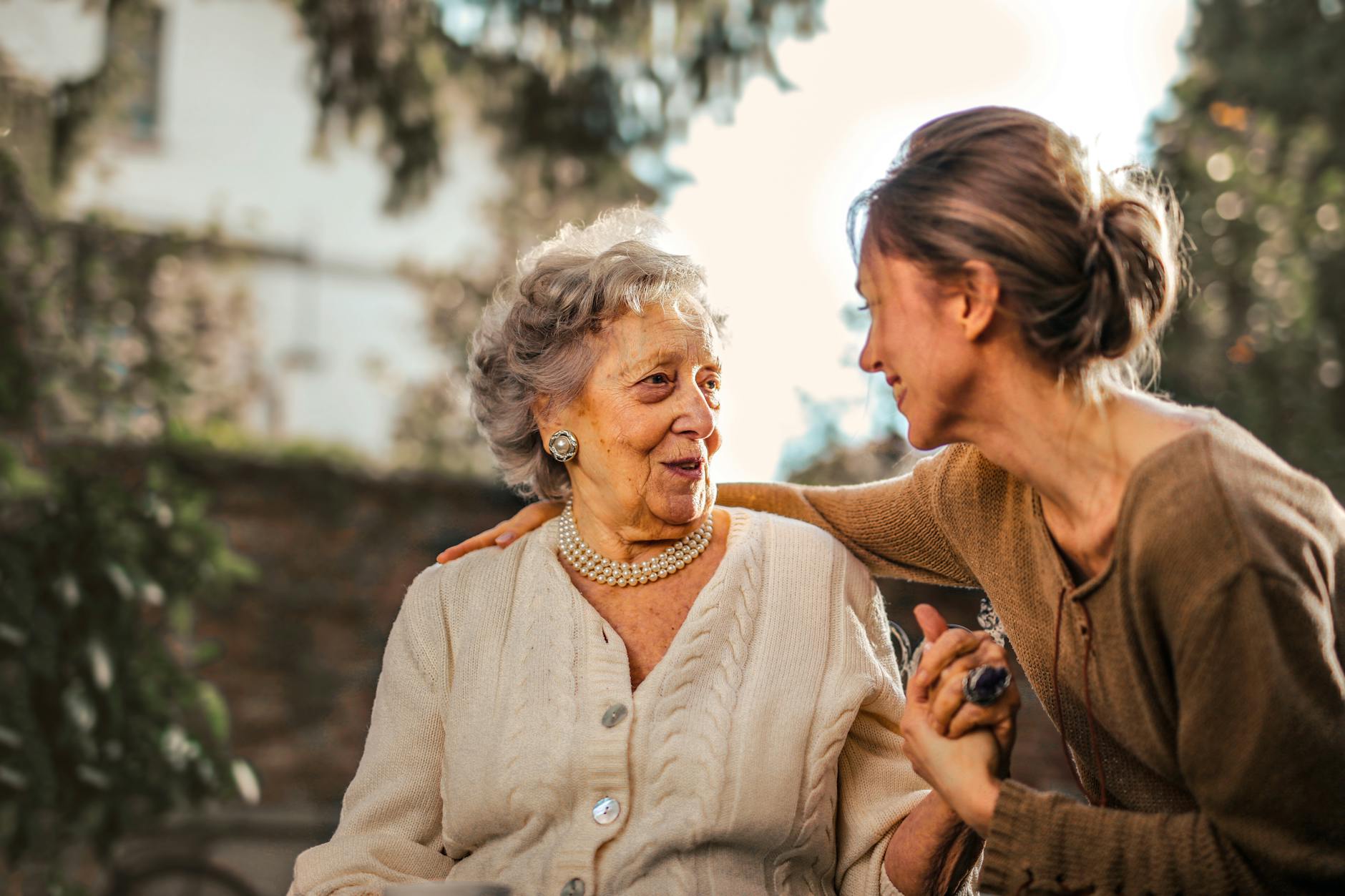
I remember when my mother asked me to help her down the stairs. It was a subtle, almost casual request, but its weight sank deep into my chest. She had always been so independent and capable. And yet, there she was, reaching out to me for balance, her hand trembling slightly in mine. It felt like the beginning of a new chapter that neither of us was ready for.

It’s when the father, once strong and unbeatable, weakens and takes two breaths before rising from his seat. My friend Lucy spoke of her father, a man who had always been larger than life, now struggling to remember where he left his glasses. “He used to be so sharp,” she said, her voice thick with the unspoken grief of seeing the man who once seemed invincible begin to fade. 

“Now, it’s like watching a candle burn down.”

It’s when the father, who once commanded and ordered, now only sighs, groans, and searches for the door and window—every hallway now feels distant. And we, as their children, will do nothing but accept that we are responsible for that life.

The life that gave birth to us depends on our life to die in peace. Every child is the parent of their parent’s death. 

Perhaps a father or mother’s old age is, curiously, the final pregnancy—our last lesson—an opportunity to return the care and love they gave us for decades. This sense of duty, though heavy, is a testament to the respect and acknowledgment we have for our parents.

And just as we adapted our homes to care for our babies, blocking power outlets and setting up playpens, we will now rearrange the furniture for our parents. 

The first transformation happens in the bathroom. We will be the parents of our parents, the ones who now install a grab bar in the shower. The grab bar is emblematic and symbolic. 

It inaugurates the “unsteadiness of the waters.” Because the shower, simple and refreshing, now becomes a storm for the old feet of our protectors. We cannot leave them for even a moment.

I once spoke to Sarah, who had installed those grab bars in her mother’s bathroom.

“She used to laugh at the idea of needing help,”

Sarah said, a faint smile on her lips.

“Now, she clings to that bar like a lifeline. And I stand outside the door, listening, ready to rush in if she calls. I never thought I’d have to do that for her.”

The tension in Sarah’s voice was palpable—the love and the frustration, the fear of what was coming, and the bittersweet comfort of being there for her mother.

The home of someone who cares for their parents will have grab bars along the walls. And our arms will extend in the form of railings. Aging is walking while holding onto objects; aging is even climbing stairs without steps. We will be strangers in our own homes. We will observe every detail with fear, unfamiliarity, doubt, and concern.

We will be architects, designers, frustrated engineers. 

How did we not foresee that our parents would get sick and need us? We will regret the sofas, the statues, the spiral staircase, all the obstacles, and the carpet.

But amid this frustration, there are moments of unexpected connection. 

One evening, while helping my father navigate his way to bed, he looked at me with a softness I hadn’t seen before. 

“I’m glad it’s you,” he whispered. You were always the one I could count on.”

At that moment, the roles reversed entirely—no longer just my father, he was now also my child, someone who needed and trusted me. The sweetness of that connection, of being needed in that way, mingled with the deep sadness of seeing him so diminished. 

These moments of connection, however brief, are a source of hope and upliftment amid the challenges of caring for aging parents.

Happy is the child who becomes the parent of their parent before their death, and unfortunate is the child who only appears at the funeral and doesn’t say goodbye a little each day. Being present for our parents in their final years is a duty and a privilege. It’s a chance to repay the love and care they’ve given us and to create lasting memories.

My friend Joseph Klein accompanied his father until his final moments. In the hospital, the nurse was maneuvering to move him from the bed to the stretcher and trying to change the sheets when Joe shouted from his seat:    

“Let me help you.”

He gathered his strength and, for the first time, took his father into his arms, placing his father’s face against his chest.

He cradled his father, consumed by cancer: small, wrinkled, fragile, trembling. He held him for a long time, the time equivalent to his childhood, the time comparable to his adolescence, a long time, an endless time.

By Your Side, Nothing Hurts. He was rocking his father back and forth and caressing his father. Calming his father. And he said softly:

“I’m here, I’m here, Dad!”

At the end of his life, a father wants to hear that his child is there.

There is an inevitable grief in watching our parents age, but also a strange sense of fulfillment in being there for them as they were for us. It is a role we never asked for, yet one we take on with reluctance and a fierce sense of duty. Despite the challenges, there is a deep sense of satisfaction in knowing that we are doing everything possible to make our parents’ final years comfortable and dignified. 

The road is difficult, filled with moments of frustration and exhaustion, but also with love and tenderness—those fleeting instances when the gap between child and parent narrows, and we are simply there for each other, as we always have been.

Some parts of this story have been adapted from an original tale of unknown origin.

From A Horse Sale To A “CB” Coffee Break”

A True Story By: Benjamin Groff© Groff Media 2024© Truth Endures

Join Us For a Coffee Break!

If you’ve read previous stories about my dad and me heading to horse sales during my youth, you’ll know it was a ritual we performed every Friday and Saturday night. It wasn’t just about the horses but the time we spent together and the bond we shared. Somewhere, someplace, we could always find a horse sale. And if the horse sales took a break in the summer, we’d catch a rodeo, no matter how far we had to drive.

I saw more of Oklahoma at night than I ever did during the day. That’s when my dad and I would drive the state highways, venturing wherever the road took us. But this particular trip was different. We were going to our regular sale in the city, about 30 miles from home.

It was the 1970s, and Citizen Band (CB) radio had become all the rage. I had three older brothers, all grown, who installed CB radios in their vehicles, catching my dad’s attention. Before long, we also had one in our pickup, tuned in, and received signals from all over. Dad outfitted our rig with twin whip antennas and a power mic; he even considered adding an amplifier but decided against it after hearing the FCC might crack down on him. My dad always did things by the book. So we were content rolling down the highway, our handles “Big Jake” for him and “Gentle Ben” for me.

We’d pick up reports about ‘Bears in the Air’ and ‘Bear Setups’ just down the road. Although we were doing the speed limit, Dad would ease up on the accelerator to humor me, making me think those reports were helping. On our way to the horse sale that night, we heard a spectrum of new voices on the air—voices we’d never heard before.

I told my dad they were coming in too consistently and clearly to be skip signals; they had to be close.

He said, “Let’s listen to them a minute.”

As we tuned in, these voices discussed being in Indian City and staying set up all night. They invited anyone to come by, mentioning they were at the Coffee Break on the east side of town, near the rodeo grounds. The ‘Coffee Break’ was a popular gathering spot for CB radio enthusiasts to meet, socialize, and share their experiences.

Indian City was the nickname for Anadarko, where we were headed for the horse sale. The town was known for its tourist attraction, Indian City, USA, with teepees and all—a gimmick that drew in visitors.

Dad keyed up the mic and gave a breaker. One of the new voices responded. Dad explained we were headed to a horse sale and might drop by for a cup if the horses weren’t any good later.

They said,

“Come on by! Have you ever been to one of our Coffee Breaks?”

Dad replied,

“That’s a big negatory!”

Well then,” they said,

“park wherever you can and find Booth 12—that’s where we’re set up.

We went to the horse sale, and I spied a horse or two I thought Dad might be interested in. But around 11:00 PM, he nudged me and said,

“Let’s go to the Coffee Break. I want to see what it’s about, and I’m sure you do, too.”

I wanted to say yes, but those two horses had not come up. We had a herd of horses back home, so missing one or two wouldn’t matter. Besides, I was curious about what we’d get into at this place.

When we arrived at the rodeo grounds, the area was full of campers, RVs, and tents—huge tents, at least to me. The tent poles seemed massive, with lighting strung throughout by wire. I wasn’t sure if it was safe, but I trusted my dad as he led the way.

We found what we thought was Booth 12, where a lady sat in a folding lawn chair. She looked up at me and said, 

“Hi, sweetie. You run away from home?”

I quickly replied,

“Oh no, I’m here with my dad; we’re looking for Booth 12.”

She smiled, a crooked grin on her face, and said,

“You’re looking for Honey Badger! HONEY BADGER, GET YOUR ASS OUT HERE!”

From around the corner came a short man with a balding head and a potbelly. He hadn’t shaved in a week and said,

“What is it, Wilda? You don’t have to yell! Oh, hello.”

I whispered to my dad,

“The lady’s name is Wilda,”

Mimicking the style of Sgt—Friday and Officer Bill Gannon on Dragnet.

My dad looked down at me and used his favorite phrase when I tried to do impressions: 

“Don’t be stupid.”

Honey Badger had sharp ears because when he heard Dad’s voice, he said, 

“I know him—that’s Big Jake. We talked to you a few hours ago, and I’ve heard you before when we passed through these parts. I’m Honey Badger. Let me show you around. Wilda, you want to watch the boy?”

Dad told me to stay with Wilda, promising he’d be right back. I wasn’t sure what was happening, but I decided to start searching if I didn’t hear from him by the top of the hour. For all I knew, these could be aliens from another planet up to something strange. I had just turned ten, and the year before, my dad and I had to walk home after the truck we test-drove broke down on our way home from a horse sale. I could take on whatever might be behind those dark tents—or at least that’s what I told myself.

In the meantime, Wilda and I managed to strike up a friendship. She told me they were from Kansas and had retired. Honey Badger worked with honeybees as a hobby, hence his CB name. She said,

“And I’m the Queen Bee; I get on that radio and just Buzz.”

Wilda looked like a much older Ms. Kitty—a short, broad, ancient Ms. Kitty. Her voice reminded me of one of the blonde girls on The Andy Griffith Show who gave Andy and Barney a hard time. She was a sweet soul who must’ve lived quite a life. She got me a hot cup of Pepsi and talked about missing her TV show to come on this trip with Honey Badger. But she said, –––

“It’s worth it. You don’t know when one of you is going to die. You want to do all the things in life you can before you call it quits.”

She shared stories about her and her husband’s adventures, and I did my best to look interested, though I only sometimes followed along.

Dad must have been gone for thirty minutes. I had no idea what he was doing, but I sure had a lot of intelligence gathered from Queen Bee to share with him.

When he finally returned, he scooped me up, thanked Queen Bee for having us over, and assured her we’d made friends on the southern plains that stretched far north.

As we got into the pickup and headed home, I noticed Dad pushed his hat back on his head, just like he did at Christmas when he and one of my uncles secretly toasted shots at my grandparents. He was in such a good mood, so I shared my findings. –––

“So,” I began, “Wilda—or Queen Bee—said they’ve been to several states doing Coffee Breaks because she can’t have kids, and he doesn’t want any. He also has some car problems that he can’t fix. She told me he lost his left nut in the war. But I don’t think he’s still driving the same car he had when he was in the war.”

At the time, I thought whatever Dad had been up to must’ve been a lot of fun because he laughed all the way home. Within a year or two, I realized Honey Badger hadn’t lost a lugnut at all—but maybe it was better when he had.

There are Memorials left behind for those CB Radioer’s who’ve met up and passed on by clicking here.

Me And My Dads Long Walk Home

A True Story By Benjamin Groff© Groff Media 2024© Truth Endures

Saturday nights were a ritual for my dad and me. From the time I started school—maybe even before that—every weekend, we’d find ourselves at horse auctions in nearby cities. It was our thing, a bond that felt like a gift wrapped in the familiar scent of hay, the distant sound of auctioneers’ rapid chants, and the sight of the starry night sky as we drove back home.

One particular Saturday night, a local car dealer trying to sell my dad a truck sparked the beginning of this story. My dad, a barber in a small town of about 750 souls, knew a Chevrolet dealer down the street from his shop. The dealer walked in one day, convincing him – he needed to trade his pickup for a newer model. The offer was tempting—my dad could take the truck for the weekend, drive it Saturday night and Sunday, and bring it back on Monday if he decided to make the trade. My dad, a seasoned horse trader who loved a good deal, took the bait.


As Saturday evening approached, I was all set for the auction when my dad arrived in a pickup truck I’d never seen before. “I’ll explain on the way,” he said, inviting me to join him. At nine, we had already faced a few life-altering events together. We had a bond built on trust and shared experiences, even when they led us down rough roads. This bond, forged through our shared love for horse auctions and our mutual trust, was something I cherished deeply.


The drive to the auction was about 45 minutes. The city was only 30 miles away, but this was 1972—speed limits were lower, and the highways were narrower. We took our time, even pulling over on a dirt road for a quick bladder relief break, which was as much a part of our trips as the auctions themselves.


The truck didn’t impress me much. It wasn’t flashy or powerful, and I was surprised my dad had even considered it. But he was a horse trader through and through, always on the lookout for a good deal, and I never questioned his judgment.


The truck did its job—climbing hills, passing cars, and stopping without much fuss. It got us to the auction barn, where we parked and settled in for the night. The auction barn was a lively place, filled with the sounds of horses, the chatter of traders, and the occasional shout of an auctioneer.

The auction lasted until nearly 1:00 AM, but that was nothing new for us. If it had gone on until sunrise, I would have been wide awake beside him. My dad was the envy of every father in that barn, with his young son at his side, fully immersed in horse-trading.


Finally, we made our way out to the parking lot. The truck, waiting for us like a tired old dog, started—barely. It was as if it was protesting the idea of working on a Sunday. We headed back home, north on US Highway 281, moving into the night and now with the town of Gracemont behind us.


Our adventure took an unexpected turn when the truck’s engine stopped 6 miles north of Gracemont. It didn’t sputter or struggle—it just stopped like someone had flipped a switch. My dad, a former service station owner and a man who knew his way around an engine, tried everything to revive it. But the truck had given up, and it was now 1:45 AM.


Stranded on a deserted highway without signs of life, we began walking. We knocked on doors, and my dad stood in the road, instructing me to run if I heard dogs or gunshots. But no one responded. Four houses later, and we’re still waiting.


By now, it was 4:30 AM, and we’d been walking for what felt like forever. Somehow, we covered nearly twenty miles, returning to our farm southeast of Lookeba, Oklahoma. The only break we got was from two teenage boys out drinking beer and driving dirt roads in a Mach1 Mustang. They gave us a lift for the last mile and a half, a sight to behold—my dad, an old cowboy, crammed into the backseat with a couple of rowdy teens and his nine-year-old son.


When we finally entered the house, my mother was asleep on the sofa, a table lamp casting a warm glow in the dim room.


My dad gently nudged her and whispered, –––

“Marge, we’re home.” She said, “Okay, we should all go to bed.”

Why Hasn’t Kamala Harris Delivered on Her Promises? It Is Simple -A Pip Squeak!

By: Benjamin Groff© Groff Media 2024© Truth Endures

The GOP, particularly their latest pick as Trump’s potential successor, keeps asking why Kamala Harris hasn’t accomplished everything she claims she’ll do if elected.

As Vice President, Harris’s role isn’t to set policy but to support the President’s mission. Over the past four years, that mission has centered on recovering from Trump’s administration’s chaos. Trump’s mishandling of the COVID-19 pandemic blindsided the nation, but despite these challenges, the Biden-Harris administration has worked tirelessly to put Americans back to work and rebuild neglected institutions.

It’s important to understand that any proposed initiatives by the President or Vice President require funding and legislation, which starts in the GOP-controlled House. Bipartisan cooperation is crucial, but the current House struggles to agree on leadership, let alone budgeting and legislation. The GOP’s track record in these areas is questionable at best. Blaming someone and then withholding their ability is classic GOP.

It is why many of Harris’s proposed measures are likely to gain traction during the first two years of her potential administration when a Democratic majority in both the Senate and House is more likely.

If critics want to question what Harris should have already accomplished, they should first focus on sponsoring and passing the necessary legislation. Only then can Harris take the steps needed to fulfill her promises.

The Prayer For Peace Finally Answered!

A Story By: Benjamin Groff© Groff Media 2024© Truth Endures

An older man, who had prayed for peace since he was a young child, lived a life of selflessness. His mother’s words, that God would answer his prayer if he kept his life clean of sin and did what was best for others, became his guiding principle. He never put himself first, always putting the lives of others before his own needs.

So, the older man went without when he could have lived a comfortable life. He gave to others and kept a solitary life when he could have had a home filled with love and a family. The city he lived in had the highest crime rates in the world, and the country in which the older man lived was worn in battles between battles with other nations and individual groups. He was a victim of crime repeatedly when he could have had protection provided.

The man became wealthy without trying, thanks to inheritances from family and friends and business interactions he had made without intending to see a return. When he turned 80, he prayed one night, asking why God hadn’t answered his prayer.

The older man’s prayer echoed through the quiet of his small, humble home. He sat at the edge of his bed, his hands clasped tightly together, his heart heavy with years of unanswered longing. The world outside his window was no different than it had been decades ago—still filled with strife, suffering, and humankind’s relentless cruelty.

A deep voice resonated as he closed his eyes, seeking the peace he had always desired. It wasn’t a voice he heard with his ears but one that spoke directly to his soul.

“My son,”

The voice began, calm and compassionate.

“My son, you have lived a life of unwavering faith, sacrifice, and selflessness. But true peace is not the absence of conflict in the world around you. It is the serenity within your heart, the understanding that you have done all you can for others, and the acceptance that the world’s burdens do not solely rest upon your shoulders.”

The man’s breath caught as the realization began to dawn on him.

“Peace is not something one gets as a reward for their deeds,”

the voice continued,

“but something that grows within you, cultivated by your actions, thoughts, and love. You have touched countless lives, offered solace to those in need, and lived your life according to the highest ideals. The peace you seek has been with you all along, not in the world outside, but within the purity of your heart and the love you have shown others.”

Tears welled in the older man’s eyes as he understood. He had spent his life searching for peace in the world while nurturing it within himself. The crimes, wars, and suffering were not his to control.

His prayer had been answered most profoundly: by giving him the strength to endure, the compassion to love, and the wisdom to understand that peace is not an external gift but an internal state of grace.


As the older man lay back on his bed, a warm, gentle calm washed over him. He closed his eyes, not in despair but in contentment. For the first time in his life, he felt at peace—not because the world had changed, but because he had finally understood the true nature of his prayer.

And with that peace, he drifted into a restful sleep, his heart light, his soul fulfilled, and his spirit finally at ease.

The Campaign Flare That Saved the First Lady and the Candidate for President

A FICTIONAL Story By: Benjamin Groff© Groff Media 2024© Truth Endures

In a time of intense political enthusiasm, the nation’s largest city braced for the Democratic National Convention. The convention was monumental, drawing over 200,000 people, including fervent supporters, passionate protestors, and those harboring darker intentions. The city’s population swelled, and the number of people and calls for service pushed authorities’ abilities, as law enforcement officers from seven neighboring states were called to ensure the safety of all in attendance.

The Convention Management needed two massive arenas to accommodate the influx of attendees, all eager to witness the nomination of their party’s candidate. Security was tight, with officers meticulously screening everyone entering the venues. Despite the thorough checks, the atmosphere was tense; no one knew what might happen as the evening unfolded.

As the convention began, volunteers handed out bracelets and necklaces designed to light up in vibrant shades of blue and pink. These accessories, when activated, blinked with a strobe-like effect, adding to the electric atmosphere. However, as the lights flashed rapidly, the joy turned into panic. For some, the blinking lights triggered seizures, turning the arena into a scene of chaos as over five hundred attendees began convulsing.

The sudden medical emergency overwhelmed the official responders. But amid the turmoil, a few quick-thinking attendees with first responder training stepped in, helping to manage the situation. They guided others in assisting the stricken, and together, they stabilized the crisis without needing additional outside help.

Realizing the cause of the seizures, the speaker at the podium urged the crowd to switch their bracelets and necklaces to a steady glow or to turn them off altogether. As the crowd complied, the flashing lights faded, and calm returned to the arena.

But a new and more sinister threat emerged just as the situation seemed to be under control. An embittered and desperate opposing candidate had managed to slip into the venue through a back door. Claiming he had a scheduled meeting with his Democratic opponent, he bypassed security and found his way to a room intended for the candidate.

Unbeknownst to him, the candidate wasn’t there that evening. Instead, a former First Lady entered the room, unaware of the intruder’s presence. As she closed the door behind her, the man, believing he was facing his political rival, prepared to attack. But before he could strike, the former First Lady, trained in Krav Maga, swiftly neutralized him. In a matter of seconds, the would-be attacker was subdued, left crying, and defeated on the floor.

He didn’t know the incident was captured on a security camera, complete with audio. The footage revealed his violent intentions, his use of racist slurs, and his plan to kill who he thought was his opponent. The video also showed the failure of both his and her security teams to prevent the breach, highlighting the danger she faced.

Despite the overwhelming evidence, the authorities neither arrested nor questioned the intruder. Instead, the former First Lady, a Black woman, was detained and interrogated as if she were the aggressor. It wasn’t until the security footage was reviewed that the truth was undeniable: she had acted in self-defense against a deliberate attack.

A week later, authorities showed the video to the public. The opposing campaign scrambled to make excuses, suggesting that the former First Lady should have chosen a different dressing room and their candidate had every right to be where he was. But the damage was done. The public, especially the supporters of the former First Lady and her candidate, were galvanized. They were more determined than ever to prevent such evil from reaching the Oval Office.

Ultimately, what began as a night of political celebration became a defining moment in the campaign. One woman’s bravery, coupled with the quick thinking of ordinary citizens, may have saved her life and the nation’s future.

Giving Support To Writers Among Us – Yours Could BE Added Next?

Blogroll – Benjamin Groff© Groff Media 2024© Truth Endures


Jonathan Pongratz
Jonathan Pongratz
Horror, Scifi, & Fantasy Author

Wicked Witch's Blog
Wicked Witch's Blog
My bookish musings and random other things

Emerging Civil War
Emerging Civil War
Providing fresh perspectives on America's defining event

Swords & Spectres
Book and audiobook reviewer to the fantastic, the spooky, and the far-out

GoodeyReads
GoodeyReads
reviewing fantasy, romance & more

Tragic Loss: Coping with Grief and Family Support | Campground Incident

A Story By: Benjamin Groff© Groff Media 2024© Truth Endures

Sammie had just turned fourteen and was riding his bike around the campgrounds his dad patrolled as a ranger. The family lived in a state-owned residence provided as part of his father’s compensation package while he got assigned to the western part of the state. Life in the park was usually quiet, but earlier that year, a tragedy struck a different campground on the state’s eastern side.


Two families had been brutally murdered in their sleep, sending shockwaves across the state. In response, the state implemented new security measures at every campground. Entrance gates were locked, and everyone entering was logged by their driver’s license or other identification. Unsuspected patrols got scheduled, lighting around the parks flickered on and off without notice, and campers got direct communication links to the ranger’s headquarters. Additional officers were stationed along park perimeters at night, keeping a vigilant eye on the fencelines.

It was nearing 5 PM when Sammie pulled up in front of his home and started to get off his bike. A car horn suddenly blared from the gate entrance, catching his attention. Squinting, he saw a familiar figure waving from the vehicle.


“Sammie—it’s your Uncle Ned! Let me in; I need to see your dad and mom!”


Sammie quickly hopped back on his bike, racing to the gate. He pulled out his key ring, unlocked the gate, and swung it open with a grin.

“Wow! This is a pleasant surprise. It’s great to see you, Uncle Ned! I’ll lock the gate and meet you back at the house.”


Ned was accompanied by a man Sammie didn’t recognize, but there was no time to dwell on it. The car pulled through the gate, and Sammie secured it before pedaling back to the house. As he approached, his sister burst through the back door, tears streaming down her face.
Startled, Sammie tried to comfort her, but before he could, Uncle Ned stepped forward to hold her.

Confusion and fear knotted rolled in Sammie’s chest as he asked, –––

“What’s going on? Is it Grandma or Grandpa? Did one of them die?”


Uncle Ned’s voice was heavy. –––

“No, Sammie. It’s your Uncle Richard. He was killed this afternoon.”


Sammie stood frozen, his mind racing, but no words came. The weight of the news pressed down on him like a physical force. He stumbled into the living room, where his parents were. His father held his mother close, her body trembling with sobs. His dad turned to Sammie, his voice raw with grief. –––

“Your Uncle Ricky is dead. He got hit by a train in Oklahoma City. That’s all we know right now.”

The shock numbed Sammie. He recalled watching the afternoon news and seeing a report of a car struck by a train. The paramedics had been performing CPR on one of the occupants, and Sammie had thought the head looked familiar. But he had dismissed the thought—it couldn’t have been someone he knew.


As the reality of the situation sank in, Sammie told his family about the news broadcast. –––

“I think… I think I watched the last moments of Uncle Richard’s life on television. It might be on the ten o’clock news again.”


That night, the family sat together, waiting for the broadcast. Sure enough, the footage replayed, and there was no doubt—it was Uncle Richard. The sight left them in stunned silence, the grief fresh all over again.


Days passed, and soon, it was time for the funeral. The family chose Sammie and five of his cousins to be pallbearers. The day was heavy with sorrow, and Sammie, feeling overwhelmed, approached his father. –––

“Dad, I don’t like going to funerals why do I have to go?”


His father’s response was gentle yet firm. –––

“Well, first, it’s the right thing to do: to show respect for another person’s life. As you age, you’ll realize that funerals are among the few times we come together as a family. They unite people who otherwise never see each other. You go to pay your respects and leave having been paid dearly for your time.”