The Legend of Arizona’s Red Ghost Faris And His Caravan Of Former Calvary

Presented by benandsteve.com By: Benjamin Groff II© Groff Media 2024© Truth Endures IMDbPro

Sailors and an Arab camel herder load
a Bactrian camel aboard the USS Supply
during one of the two expeditions to
procure camels – National Archives

In the sun-scorched deserts of Arizona, the vast emptiness was once filled with the pounding hooves of horses and the steady march of soldiers from the United States Cavalry. But for a brief moment in history, an unlikely companion joined their ranks—the camel. Brought from distant lands, these towering creatures with their humped backs and long legs had intended to be the army’s answer to the challenges of traversing the rugged terrain of the Wild West.

A/I Created Photo

In the mid-1800s, under the guidance of Secretary of War Jefferson Davis, the U.S. government embarked on a truly unique experiment-the ‘Camel Corps’. Camels, renowned for their endurance in desert conditions, were imported to America and tasked with the challenging job of carrying supplies across the barren landscapes where wagons and horses often struggled. The soldiers stationed at the forts in Arizona and New Mexico were initially skeptical. They were baffled by the strange creatures that spit and moaned, their massive feet gliding over the desert sands as if weightless.

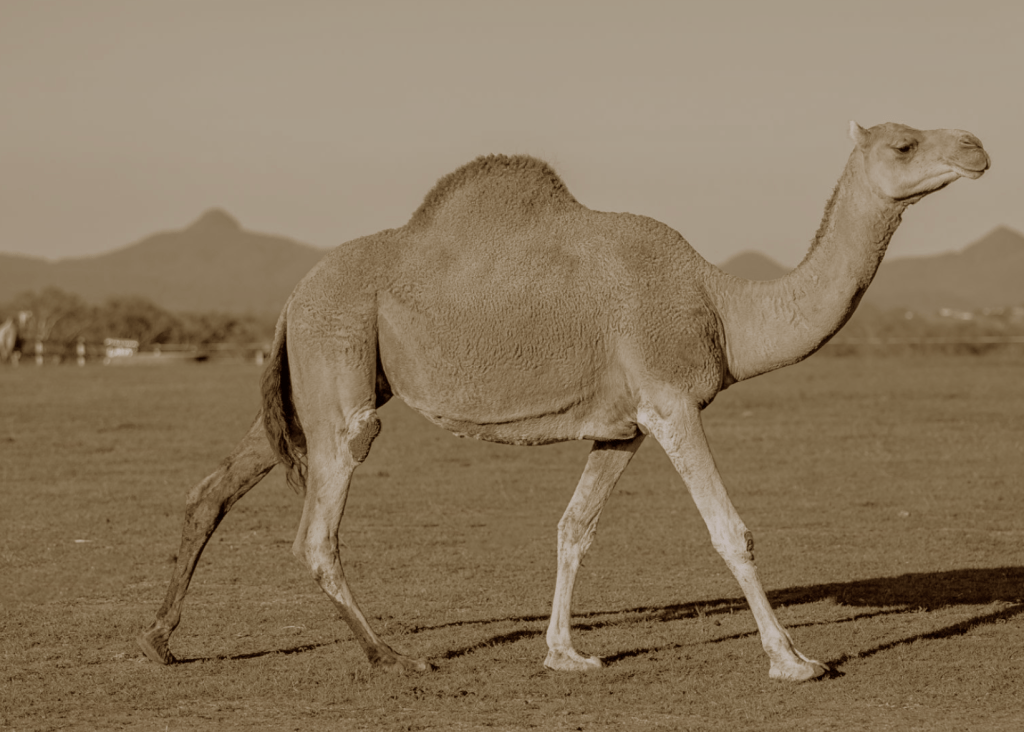
Among the camels, one stood out—a massive bull camel named Faris. He had traveled across the seas from the deserts of Egypt, his broad hump towering over his fellow camels. With piercing eyes and a personality as stubborn as the most seasoned cavalrymen, Faris became the pack’s leader, guiding the other camels through endless miles of scorching desert, carrying their loads without complaint.

Library of Congress

But the experiment was short-lived. As the Civil War loomed, funding for the Camel Corps dried up, and the forts in the Arizona desert began to close one by one. With the forts gone and no practical use for the camels, the military made a fateful decision: they turned them loose, setting them free in the vast desert wilderness. The soldiers and settlers who remained watched with mixed emotions as the camels slowly strode off into the horizon, their long necks and humps silhouetted against the setting sun.

Library of Congress

Faris led the herd, now wild, into the vast stretches of land where no human tread. Once tethered and burdened with human supplies, the camels embraced their freedom, roaming the desert, their calls echoing in the canyons and across the mesas.

For years, sightings of the camels became the stuff of legend. Travelers and settlers spoke of giant creatures wandering the wilderness, spooking horses, and disappearing into the dunes as quickly as they were seen. Stories of ‘The Red Ghost’ surfaced, a phantom camel said to be terrorizing ranchers, with strange tracks left in the dust after raids on isolated farms. The mystery deepened with some claiming to see a human skeleton strapped to the back of one rogue camel, but no one knew for sure whether this was fact or fiction.
Library of Congress

Faris, now older but still commanding, led his herd deeper into the desert as the years passed. The camels, with no soldiers to guide them, learned to live off the sparse vegetation, adapting as always. They became masters of the land, surviving where few others could, a testament to their remarkable adaptability.

Generations of Arizonans grew up hearing tales of the camels. Old ranchers would sit by the fire, recounting when they saw a lone camel watching them from the top of a ridge, its eyes gleaming in the moonlight before they vanished into the desert night. Cowboys whispered of Faris, the great camel leader, still roaming the wild, the last of a forgotten army, king of the untamed desert.

So, the camels of the Wild West became more than just a footnote in history—they became legends, ghosts of a time when even the most foreign creatures found a place in the rugged and unforgiving land of the Arizona desert.

A released camel or a descendent of one is believed to have inspired the Arizonan legend of the Red Ghost.

One of the few camel drivers whose name survives was Hi Jolly. He lived out his life in the United States. After his death in 1902, he was buried in Quartzsite, Arizona. His grave is marked by a pyramid-shaped monument topped with a metal profile of a camel.
Otis’ Second Chance

A Story By Benjamin Groff© Groff Media 2024© Truth Endures

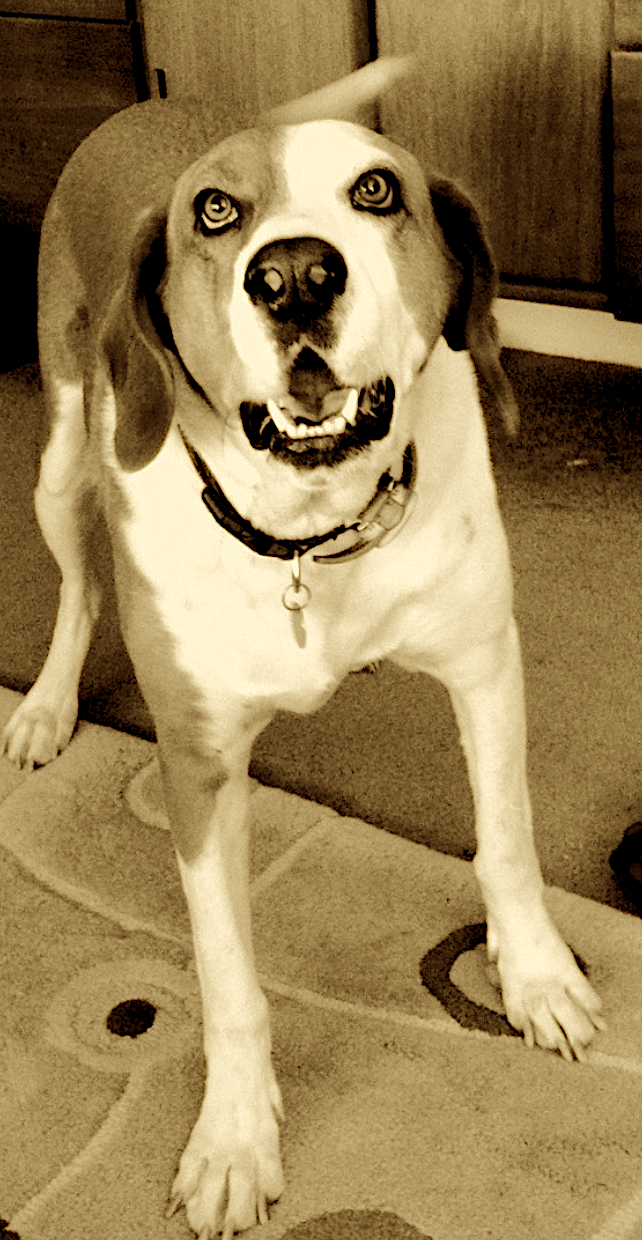
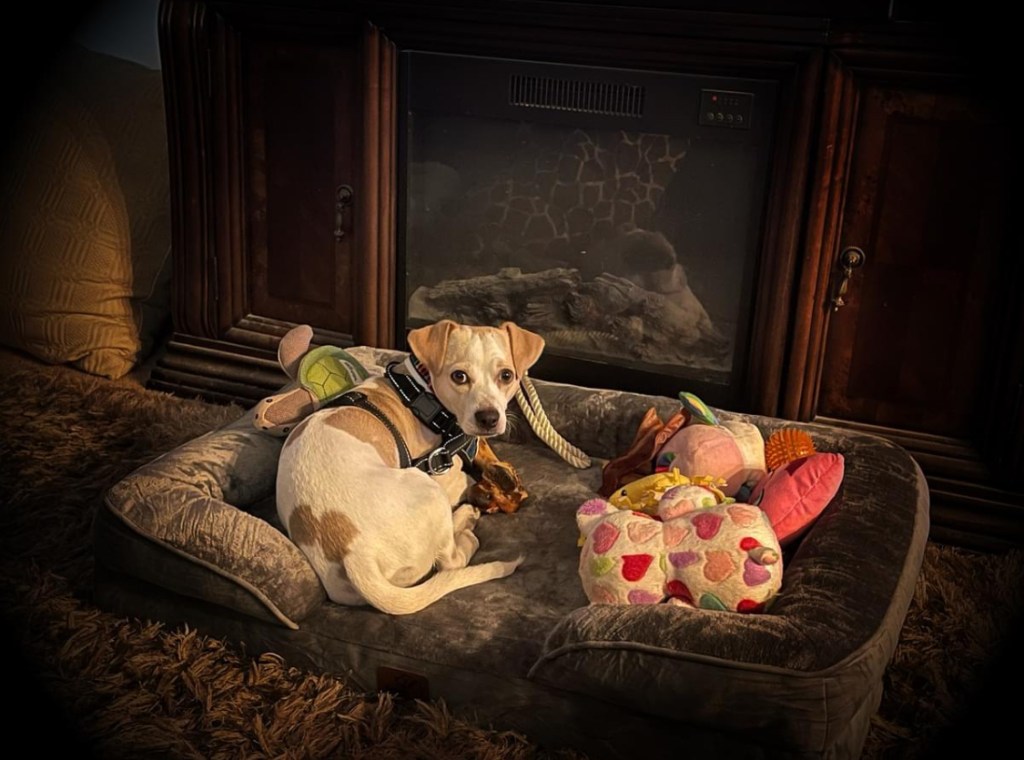
Despite the unbearable desert heat, Otis, a small white and tan dog with soft, sad eyes, bravely limped along the cracked streets of Mesa, Arizona. The sun beat down on him relentlessly, but he refused to give up. Abandoned on the outskirts of town, with nothing but the scorching pavement under his paws, every breath he took felt heavy, every step harder than the last.

He didn’t understand why he’d been left. One minute, he was curling up in the backseat of a car, and the next, the door swung open, and he was pushed out, and the car was speeding away. Otis had waited by the side of the road, panting and confused, hoping they’d come back. But they never did.

Days passed, and Otis grew weaker; the desert offered no relief, just endless heat. But fate wasn’t done with him yet.

At a local rescue center, George and Henry, an older couple known for their kindness to animals, were sitting at home when they got a call. They hadn’t owned a dog since Shooter, their beloved companion, had passed away three years ago. Shooter had been their family, filling their lives with joy and unconditional love. But when they lost him, the grief was so deep they couldn’t imagine having another dog.

Yet, the call they received from the rescue center had them thinking. Animal Control officers found the dog, who would be named Otis, wandering the streets, desperately needing a home. Could they come and see him?

When George and Henry arrived at the shelter, they saw Otis—thin and weary but with a glimmer of hope in his eyes. It reminded them of Shooter, of how he looked at them when he needed comfort. Without a word, George knelt beside the dog, his hand gently resting on Otis’ head. Henry stood beside him, his heart swelling at the sight.

Despite his weakness, Otis leaned into George’s touch, a silent acknowledgment that he was safe. In that moment, a bond was formed, strong and unbreakable. It was as if they had known each other for years, not just a few minutes.

The decision to bring Otis home was not a difficult one. George and Henry knew Otis needed them, but they hadn’t realized how much they needed him. Losing Shooter had left a hole in their hearts, and while Otis could never replace him, he had a way of healing parts of them they hadn’t realized were still broken.

Back at their home, Otis quickly settled in. George would joke that Otis had chosen them just as much as they had chosen him. The dog followed them everywhere, always by their side, as if he couldn’t believe his luck—he had found a family, a real home, where he would never get abandoned again.

As the weeks went by, Otis grew stronger. His coat filled out, his energy returned, and he thrived under the love and care George and Henry gave him. They’d take him on long walks, though always in the early mornings or evenings to avoid the brutal Arizona sun. Otis loved their little garden, where he’d chase butterflies and curl up under the shade of a tree, a far cry from the harsh desert streets where his journey had started.

For George and Henry, Otis brought life back into their home. The house felt warm again, filled with the sounds of paws on the floor and the happy panting of a dog that finally knew he was safe. They talked about Shooter often, his memory always present, but now there was a new energy and chapter that Otis had helped them begin. His joyous presence filled their home with warmth and happiness.

Otis may have started his life alone, abandoned, and lost, but in George and Henry, he found something special—a family who had also been waiting for a second chance at love.

In the cool evenings, as they sat on their porch with Otis at their feet, George would smile at Henry and say,

“Shooter sent him to us, didn’t he?”

And Henry, with a soft nod, would agree.

“I think he did.”

The End.

Potbellied Pig Sheriff Ensures Peace: A Story from Lost Animals Farms

A Story By Benjamin Groff© Groff Media 2024© Truth Endures

In the small, dusty town of Lost Animals Farms, nestled in the Arizona desert, Sheriff Leroy trotted proudly along, his hefty belly swaying side to side as he made his rounds. With a shiny badge on his chest, a snout that could sniff out trouble from miles away, and a well-worn cop hat resting above his beady eyes, Leroy was the heart of this farm town. The Sheriff’s trusty tool? A yellow Club Cadet golf cart that purred across the dusty paths, a squeaky siren perched on top. At the wheel sat Peppy, a scrappy border collie with a knack for precision driving.

Leroy and Peppy patrolled Lost Animals, a sprawling farm with over five hundred animal residents. From the cows in the meadow to the chickens in the coop, Leroy knew every critter by name, and they all knew Leroy.

“Leroy! Good mornin’!

A sheep called out as the cart hummed past.

“Howdy, Shirley!”

Leroy tipped his hat, his deep voice carrying through the air like a calm breeze.

“Everything good on your end?”

“Couldn’t be better, Sheriff!” 

Shirley baaahed back with a cheerful nod.

Lost Animals Farms had been a peaceful place under Leroy’s watch for years. Every day, he visited homes, ensured the animals were doing fine, and dealt with the occasional squabble over whose turn it was to drink from the watering hole. But today felt different. As Peppy skillfully maneuvered the golf cart down Main Trail, a sense of unease hung in the warm Arizona air.

The call came just after noon.

 Rufus, a frantic rooster, flapped his way to the station, feathers flying everywhere.

Leroy raised his snout from his snack, eyeing Rufus beneath his hat.

“What’s the ruckus, Rufus?”

Rufus crowed, jumping in circles.

Leroy’s small eyes narrowed, his mind racing. Break-ins? CRIME! It wasn’t the kind of thing Lost Animals was known for. Peppy jumped into the cart and started the engine with a low growl. “Let’s roll, Sheriff.”

The cart zipped off, dust kicking up as they sped to the barn. Leroy adjusted his gun belt, making sure his handcuffs jingled in place. Peppy barked at the animals scattering in the path, the word “crime” spreading like wildfire.

When they arrived, the barn doors were wide open. Inside, chaos ruled. Hay bales were scattered, feed buckets overturned, and a shadowy figure rifled through Farmer Brown’s old toolbox in the corner.

 Leroy hollered, his voice booming.

The figure spun around, revealing none other than Slick Ricky, the sly raccoon known for his sticky paws. He’d been caught in minor mischief before, but this was bigger.

Ricky smirked, raising his little hands as he slowly backed toward the barn door.

Leroy wasn’t about to let Ricky get away this time.

With a sharp bark, Peppy sped the golf cart in front of the barn doors, trapping Ricky inside.

Ricky darted left, then right, his beady eyes darting for an escape, but it was useless. Leroy lumbered forward, his massive frame intimidating despite his plump size. He pulled out his handcuffs with a snouty snort.

“Ricky, you’re done here. You’ve caused enough trouble in this town.”

Just as Leroy was about to slap the cuffs on, Ricky dropped a bag of stolen goods and – out spilled carrots, apples, and even some shiny trinkets from the horse stalls.

Ricky sneered.

“Wrong,” 

Leroy said firmly.

“Lost Animals is a peaceful place, and we won’t tolerate thievin’ here.” 

With one quick motion, Leroy cuffed Ricky’s tiny paws.

As Peppy wagged his tail in approval, the animals gathered outside the barn, murmuring. Word of the break-ins had spread fast, and now they watched as Leroy marched the criminal out of the barn and toward the golf cart.

“Good riddance, Ricky!” 

a horse neighed from the crowd.

“About time!” –  squawked a chicken.

Leroy loaded Ricky into the back of the golf cart, keeping a firm eye on him. As they drove back to the station, Peppy turned and winked at Leroy.

“Another job well done, Sheriff.”

Leroy chuckled, his potbelly bouncing as they cruised down the trail.

“Yep, another day, another collar.”

With peace restored once more, Leroy, the potbellied pig sheriff, continued his patrol, knowing that as long as he was around, Lost Animals Farms would stay safe for everyone who called it home.

The End.

The Cat On The Pole

A Story By: Benjamin Groff© Groff Media 2024© Truth Endures

In a quiet little neighborhood, there lived a curious cat named Whiskers. Whiskers was the cat who couldn’t resist exploring every nook and cranny of the world around him. From chasing butterflies in the garden to sneaking into open windows, there was nowhere Whiskers wouldn’t go.

One sunny afternoon, Whiskers spotted something new and intriguing: a tall, wooden utility pole standing proudly in the middle of the neighborhood. Its wires stretched from its top, leading off in every direction like a spider’s web. With his insatiable curiosity, the pole towered high above everything else, and Whiskers decided that he just had to climb it.

With a spring in his step, Whiskers leaped onto the base of the pole and began his ascent. He dug his claws into the rough wood, inching higher and higher. As he climbed, he felt the breeze tickling his fur, and the view of the neighborhood became more expansive. He could see the tops of trees, the roofs of houses, and even a distant hill he had never noticed before.

But as Whiskers reached the halfway point, something changed. Whiskers looked down and realized just how high he had climbed. The ground seemed so far away, and the pole suddenly felt narrow and precarious. His heart started to race, and Whiskers felt a twinge of fear for the first time.

He tried to turn around and head back down, but climbing down was more challenging than going up. His claws struggled to find a grip, and the pole seemed to sway slightly beneath him. Whiskers froze, unable to move up or down, his tiny body clinging to the pole in desperation.

Below, a few neighbors noticed the little cat stranded high above the ground. They gathered around, their faces filled with concern and their voices hushed in worry. One of the children shouted, “Look! A cat’s stuck on the pole!”

Word spread quickly, and soon, the entire neighborhood had gathered. Some suggested calling the fire department, while others considered using a ladder to rescue Whiskers. But the pole was too high, and the cat was too scared to move.

Finally, old Mr. Thompson, who lived in the corner house, shuffled to the scene. He was known in the neighborhood as the “Cat Whisperer” because he had a way with cats that no one could explain. With a calm and gentle voice, he looked up at Whiskers and said, “Come on down, Whiskers. It’s okay.” His presence alone brought a sense of hope to the worried crowd.

Whiskers recognized Mr. Thompson’s voice. He had often visited Mr. Thompson’s garden, where Whiskers always got greeted with treats and soft pats on the head. The familiar voice gave him a sense of comfort, and he slowly turned his head to look down.

Mr. Thompson continued to speak softly, coaxing Whiskers with soothing words. He knelt, holding his arms as if to catch the little cat. “You can do it, Whiskers. Just take it one step at a time.”

With newfound courage, Whiskers began to inch his way down the pole. It was slow and nerve-wracking, but Mr. Thompson’s voice kept him calm with every step. The neighbors watched silently, holding their breath as the cat descended. His bravery was a sight to behold, and it filled the onlookers with a sense of pride.

Finally, after what seemed like an eternity, Whiskers finally reached the pole’s bottom. As soon as his paws touched the ground, he dashed into Mr. Thompson’s arms, trembling but safe. The crowd erupted in cheers and applause, relieved that the brave little cat was back on solid ground.

Mr. Thompson patted Whiskers gently and whispered, “There you go, little one. Safe and sound.”

From that day on, Whiskers stayed close to the ground, content to explore the gardens and alleys instead of the towering heights. And every time he passed the old utility pole, he would glance at it but never again feel the urge to climb. After all, he had learned that some adventures are best left untried.

The Cat That Came To Dinner

A Story By: Benjamin Groff© Groff Media 2024© Truth Endures

It was the early 1930s, and the Oklahoma Dust Bowl swept through the Lower Plains States, leaving the land desolate. Sand drifts piled high against fence lines and buried the once-thriving crops. The sky, often a fiery orange, seemed to smoke under the relentless barrage of dust, with the sun reduced to a mere, dim glow fighting to penetrate the thick haze. In these trying times, the ingenuity of the people shone through. Cotton sacks and burlap gunny sacks, soaked in water, were draped over windows, turning the blistering wind into a cool, damp breeze—a crude yet effective method of finding relief from the unforgiving heat.

One late afternoon, as the sun struggled to set, casting long shadows across the Groff household near the Caddo-Washita County line, Florence ‘Mom’ Groff finished preparing the evening meal—known simply as “Supper.” The family gathered around the table, hands clasped in prayer, their faces etched with the lines of hard work and resilience.

But as they lifted their heads, ready to eat, a sound cut through the thick silence—a soft, sad meow. The children were the first to hear it, their eyes widening in surprise. Then Mom and Pop heard it, too, and a hush fell over the room.

Mom Groff had always wished for a cat, a companion to keep her company, and a mouser to guard the pantry. To her, the sound was nothing short of a divine blessing, a wish finally granted amidst the harshness of their lives. The family’s joy was palpable, a rare moment of lightness in a world often shrouded in dust. Their hearts swelled with hope and anticipation, their spirits lifted by the prospect of a new member in their humble household.

With a heart full of hope, Mom poured a saucer of milk and gently opened the screen door, its hinges creaking as she knelt. Mom propped the door open and called softly, coaxing the stray Cat into the kitchen’s warmth.

The Cat, a scraggly creature with dust-matted fur, cautiously stepped inside, its eyes wide and curious. It approached the saucer and began to lap the milk, its tail flicking contentedly. The family watched in silence, their smiles growing as they saw the Cat settling in, imagining it becoming a permanent household member.

But fate had other plans. Just as the Cat seemed at ease, a sudden gust of wind caught the screen door, slamming it shut with a thunderous WHACK! The noise startled the Cat, sending it into a frenzy. With a yowl that echoed through the house, the Cat leaped onto the dining table in a single bound, scattering dishes, plates, glasses, and silverware in all directions. Food splattered across the room, landing in the laps of the children and Ben, Mom’s husband, who sat stunned at the chaos unfolding before them.

Now in full panic mode, the Cat darted around the kitchen, running along the walls as if possessed, leaving deep scratch marks and a trail of destruction in its wake. The family could only watch in disbelief as the once-peaceful scene became utter chaos. Dishes clattered, food splattered, and the Cat’s wild antics turned the kitchen into a battleground.

Finally, Ben, known as “Pop,” rose from his chair with the calm of a man who had seen it all. He grabbed a broom and walked to the kitchen door, his face determined. As he held the door open, he quietly muttered, ––– “scat, you son of a bitch, you. Scat!”

“Scat, you son of a bitch, you. Scat!”

With that, the Cat shot out the door, disappearing into the dust-laden twilight, leaving behind a shambling kitchen and a family in stunned silence. The sudden departure of the Cat left the family in a state of shock, their hearts still racing from the unexpected turn of events. The once lively kitchen now stood in stark contrast to the chaos that had just unfolded.

The story might have ended there, but it became a cherished family tale, retold with laughter that brought tears to the eyes of those who heard it. My dad, JD Groff, was the one who shared it most often, his voice shaking with joy as he recalled Pop’s uncharacteristic outburst. Dad would always add with a chuckle, “Pop never cursed a day in his life until that damn Cat tore the hell out of our dinner table.”

Pride Parade Heroism: Bud and Jake’s Unbreakable Bond

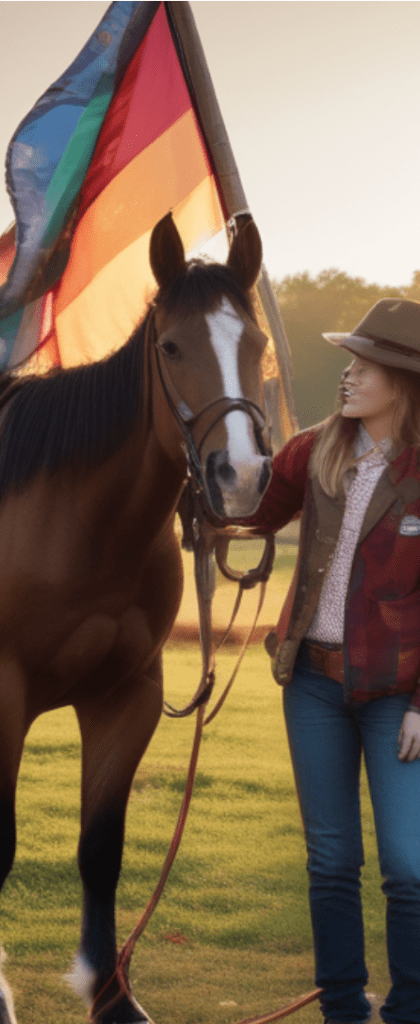
Bud and Jake, two inseparable friends since childhood, shared a bond that was as strong as the fields and stables of their small hometown. As the sun came up on a crisp Saturday morning, they loaded their old pickup truck with supplies and hitched up the horse trailer, ready for the adventure ahead. Inside the trailer, their beloved horses, Star and Blaze, stood patiently, saddled, and prepared for the parade in Cleo Springs.


The air was charged with anticipation as Bud and Jake embarked on their journey, the Pride Flag they’d carefully packed fluttering in the wind. This year, they were resolute in their decision to ride in the parade and demonstrate their unwavering support for equality and love in all its forms. The flag, a beacon of their indomitable spirit, symbolized their commitment to standing up for what they believed in, no matter the odds.


As they drove along the winding country roads, their conversation was light and full of laughter. They reminisced about past adventures and planned the day ahead. However, their joy was short-lived. Out of nowhere, a car screeched to a halt in front of them, forcing Bud to slam on the brakes. Before they could react, two men with hardened faces and a menacing air approached the truck, guns drawn.


“Out of the truck, now!”

One of the thugs barked, his voice rough and commanding. Bud and Jake exchanged a glance, understanding the gravity of the situation. They complied, stepping out slowly with their hands raised.


“We don’t want any trouble,” Jake said calmly, trying to diffuse the tension.

The second thug, his eyes cold and calculating, shoved Bud roughly against the truck.

“We need a ride, and this truck and trailer will do just fine, the first thug snarled.

“Get in the back, and don’t try anything funny.”


With their hands tied behind their backs, Bud and Jake were forced into the truck’s bed, their hearts pounding with fear and uncertainty. The thugs climbed into the cab, and the old pickup roared back to life, veering off the main road and onto a remote, deserted path.


As the miles stretched on, Bud and Jake’s minds raced, searching for a way out of their predicament. They knew they couldn’t let these criminals escape, especially not with their horses. Bud caught sight of the Pride Flag, still within reach in the truck bed. An idea began to form.

“Jake,”

Bud whispered, his voice barely audible over the engine’s rumble.

“When I give the signal, we need to act fast. Trust me.”


Jake nodded, his eyes filled with determination. As the truck slowed to navigate a particularly rough patch of road, Bud made his move. With a swift motion, he grabbed the flag and lunged at the nearest thug. Jake followed suit, using his body to knock the second thug off balance.
The struggle was fierce but fleeting. Bud and Jake, fueled by adrenaline and their unbreakable bond, managed to overpower the thugs and secure them tightly with the Pride Flag. Panting and bruised, they confined the criminals in the back of the truck, a testament to their courage and resilience.


Bud climbed into the driver’s seat, and Jake took a moment to check on the horses, who, though agitated, were unharmed. With renewed purpose, they headed back toward the main road, the thugs’ angry curses silenced by the engine’s roar.


As they neared Cleo Springs, the sight of the parade brought a wave of relief and triumph. They pulled up to the sheriff’s station, where sheriff’s deputies quickly took the thugs into custody. Hearing of their harrowing ordeal, the townspeople greeted Bud and Jake with cheers and admiration.


With the crisis behind them, Bud and Jake joined the parade, and their Pride Flag symbolized their resilience and courage. Riding side by side on Star and Blaze, they waved to the crowd, their hearts full of pride not just for who they were but for what they had overcome together. The parade continued to celebrate love, unity, and the indomitable spirit of friendship.

Weiner: The Bravest Piglet of Maplewood Farm

Once upon a time, in a picturesque countryside, set between rolling hills and verdant fields, there was a farm known as Maplewood. This farm was home to various animals, each with unique charm, but none were as spirited and curious as a little piglet named Weiner. The air was always filled with the sweet scent of hay, and the sound of chirping birds and rustling leaves was a constant backdrop to their lives.


Weiner was a tiny, rosy piglet with a button nose and twinkling eyes that sparkled with mischief and curiosity. He lived in a cozy style with his mother and siblings, who were a mix of different farm animals. The farm was a bustling place, with chickens clucking, cows mooing, and sheep baaing. Unlike his siblings, who were content with their daily routine, Weiner always dreamt of adventure. He would often sneak out to explore the farm, befriending every animal he met, from the clucking chickens to the gentle cows.
One sunny morning, while Weiner was innocently frolicking near the edge of the farm, he noticed something unusual. The air felt different, and there was a faint smell of smoke. His tiny heart began to race as he trotted closer to the source. To his horror, he saw a small fire spreading near the barn, where all the hay was stored. The entire farm, his home, could be in grave danger if it reached the barn.


Weiner knew he had to act fast. He dashed back towards the farmhouse, his tiny hooves kicking up dust as he ran. Reaching the farmhouse, he found Farmer Brown sitting on the porch, sipping his morning coffee.


“Oink! Oink!” Weiner squealed frantically, tugging at Farmer Brown’s pant leg. His eyes were wide with fear, and his little body was trembling.


Farmer Brown looked down, puzzled. “What’s the matter, little Weiner?”
Weiner kept squealing and pulled harder, trying to convey the urgency. He was scared, but he knew he had to do something. Sensing something was wrong, Farmer Brown set down his coffee and followed the piglet. As they neared the barn, the smell of smoke became unmistakable.

“Oh no! The barn’s on fire!”

Farmer Brown exclaimed.

He quickly ran to the water pump and started filling buckets. Weiner, thinking swiftly, dashed off again, this time towards the duck pond. There, he found his friend, Daisy, the duck, a wise and gentle creature, and explained the situation in frantic oinks and quacks.


Daisy, understanding the urgency, rallied her duck friends. Together, they formed a line from the pond to the barn, each duck passing water in their beaks. Weiner joined the line, using his snout to help splash water on the flames. The ducks’ feathers glistened in the sunlight as they worked, and Weiner’s tiny hooves splashed in the water, creating a rhythmic sound.


The commotion attracted the attention of the other animals. The cows used their strength to push heavy water troughs closer while the chickens flapped their wings to fan the flames away from the barn. The sheep, not wanting to be left out, used their woolly bodies to smother smaller fire patches. It was a true display of teamwork and unity.


The farm was a flurry of activity. Thanks to Weiner’s quick thinking and the cooperation of all the animals, the fire was soon under control. The flames were extinguished before they could reach the barn, saving the precious hay and the farm itself from disaster. It was a moment of triumph and relief for everyone.


Farmer Brown, covered in soot but immensely grateful, gathered all the animals around. “Thank you, everyone, for your help. But especially you, Weiner. If it wasn’t for your bravery and quick thinking, we could have lost everything.”


Weiner blushed under his pink fur, happy to have helped save his home. From that day on, Weiner was known as the hero of Maplewood Farm. The other animals looked up to him, and he became a symbol of courage and teamwork. Though he still loved to explore, Weiner did so with a new purpose, knowing that sometimes, even the smallest piglet could make the most significant difference.


Maplewood Farm continued to thrive, with Weiner’s tale of heroism becoming a cherished story passed down through the generations. The little piglet who saved the farm had shown everyone that anything was possible with bravery and a little teamwork.

THE END!

The Heartwarming Story of Jello: From Community Beloved Dog to Honorary Mayor of Millbrook

Jello, a spirited dog with golden fur, floppy ears, and a tail that wagged like a metronome, lived in the quaint town of Millbrook. He was a free spirit, beloved by all, and a fixture of the community, embodying the warmth and unity of Millbrook.

Jello had his routines. Every morning, he would trot to the bakery where Mrs. Thompson would have a fresh scone waiting for him. Then, he’d visit the school playground, where children would shower him with affection and sneak him bits of their lunches. Jello often spent afternoons lounging in the sun outside the library, where Mr. Caldwell would read to him from the latest novels. By evening, he would make his rounds at the town square, greeting everyone with a joyful bark before curling up under the big oak tree for the night. The community’s love for Jello was palpable, creating a sense of unity and togetherness.

The townspeople adored Jello so much that someone humorously suggested nominating Jello for Mayor when the mayoral election came around. The idea quickly gained traction. “Who better to represent our town than Jello?” they said. “He’s loyal, kind, and brings everyone together.” And so, in an unprecedented turn of events, Jello’s name appeared on the ballot.

As the election drew near, excitement buzzed through Millbrook. Posters of Jello, donning a makeshift mayoral sash, adorned shop windows and bulletin boards. The slogan “A Mayor Who Cares” echoed through the streets. But a week before the election, something terrible happened: Jello went missing.

Panic spread like wildfire. Where could he be? The entire town, deeply concerned, rallied to search for him. Kids formed search parties, calling his name through the woods and fields. Shopkeepers closed early to join the search; even the local police were on high alert. There were flyers everywhere: ‘Missing: Jello. Our Town Hero. Please Help!’. The town’s reaction to Jello’s disappearance was a testament to their deep empathy and concern.

As days passed with no sign of Jello, whispers of foul play began to circulate. The thought was too dreadful to bear, but the town’s unity shone through their worry. They held candlelight vigils, their collective hope a beacon in the darkness, a testament to their resilience and unity.

On the eve of the election, a familiar bark echoed through the town square just as hope was waning. It was Jello, looking a bit dirty and tired but otherwise unharmed. The townspeople greeted Jello with cheers and tears of joy. Mr. Caldwell, who had been leading a search party near the old mill, found him trapped in an abandoned shed, likely having chased a squirrel inside and gotten stuck.

The town’s relief was palpable. Shopkeepers cleaned him up, fed him his favorite treats, and gave him more attention. Election day arrived, and with Jello safe and sound, the town celebrated their unusual but heartwarming choice for Mayor. After tallying the votes, it was no surprise that Jello won by a landslide. Although the title of Mayor was symbolic, the gesture embodied the spirit of Millbrook: a community united by love, kindness, and the belief that sometimes the best leaders remind us of the simple, unspoken bonds we share.

Jello, the dog who roamed freely but belonged to everyone, was now the honorary Mayor of Millbrook. His tale became a cherished legend, reminding all who heard it of the power of community and the unexpected ways in which leaders can emerge.

Midnight: Guardian of Secrets in Solstice Hollow

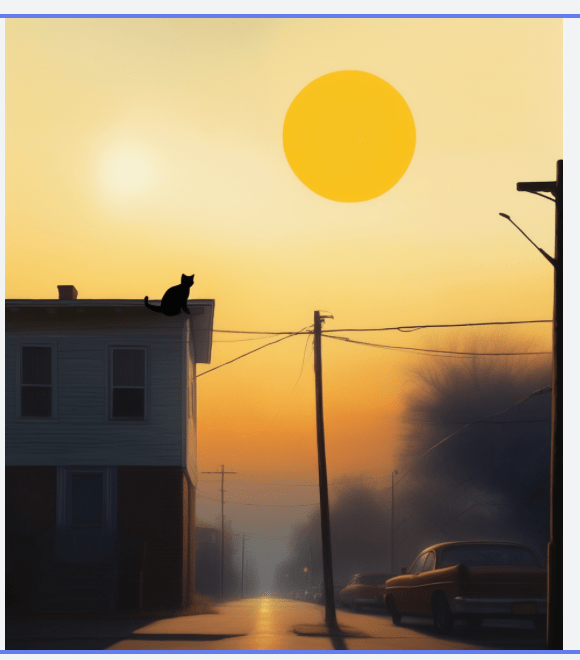
In the small, forgotten town of Solstice Hollow, days bled into each other with the relentless monotony of time. The sun hung heavy and perpetually on the horizon, a blazing sphere casting an otherworldly glow over the desolate streets. It was always twilight here, neither night nor day, as if the town existed in a pocket of suspended reality.

The alley in the photograph was known as Whispering Lane, a narrow pathway flanked by crumbling buildings that seemed to sigh with the weight of their own history. Shadows stretched long and lean across the cracked pavement, and the air was thick with the scent of old wood and dust. At the intersection of the lane and Main Street stood an old house, its paint peeling and windows dark, a silent sentinel in this forgotten part of the world.

On the roof of this house sat a black cat, its eyes glinting like emeralds in the perpetual twilight. The cat, known to the townsfolk as Midnight, had been there for as long as anyone could remember. Legend had it that Midnight was not an ordinary cat, but a guardian of secrets, a keeper of the town’s strange and sorrowful tales.

One such tale was that of Eleanor Weaver, a young woman who had lived in Solstice Hollow many decades ago. Eleanor was a spirited and curious soul, always wandering the boundaries of the town, seeking something beyond the endless dusk. She was fascinated by Whispering Lane, drawn to its eerie silence and the whispers that seemed to emanate from the very walls.

One evening, Eleanor ventured further down the lane than ever before. The sun, fixed in its eternal descent, bathed the alley in a warm, golden hue, casting long shadows that seemed to beckon her forward. As she walked, she heard faint murmurs, indistinct yet strangely comforting, as if the lane itself were sharing its secrets with her.

At the end of the lane, where the shadows were deepest, Eleanor discovered a hidden door set into the side of an old brick building. The door was ancient and weathered, its surface etched with cryptic symbols. With a mixture of trepidation and excitement, she pushed it open and stepped inside.

What Eleanor found beyond the door was a realm beyond her wildest imaginings—a place where time flowed differently, and the laws of reality were mere suggestions. She wandered through dreamlike landscapes, met beings of light and shadow, and learned the true nature of Solstice Hollow. She discovered that the town was a sanctuary, a refuge for those who had lost their way in the world. The perpetual twilight was a barrier, a protective veil that kept the town hidden from the rest of existence.

Days turned into weeks, and weeks into months, yet Eleanor felt no urge to return. She had found her place, her purpose, in this otherworldly dimension. But as with all who ventured too far into the unknown, a time came when she had to make a choice: remain in the dreamscape forever, or return to the world she had left behind.

Eleanor chose to return, carrying with her the knowledge and serenity she had gained. She emerged from the hidden door, back into the eternal twilight of Whispering Lane. The townsfolk noticed a change in her—a quiet wisdom in her eyes, a sense of peace that seemed to radiate from her very being. She never spoke of what she had seen, but Midnight, the ever-watchful cat, seemed to understand.

Years passed, and Eleanor’s tale became part of the whispered legends of Solstice Hollow. The hidden door was never found again, and some began to doubt it had ever existed. Yet, on still evenings when the sun cast its golden glow over Whispering Lane, the whispers could still be heard, faint but persistent, as if the alley itself remembered.

Midnight remained on the rooftop, a silent guardian, watching over the town and its secrets. And in the timeless twilight of Solstice Hollow, life continued, a delicate dance between reality and the unknown.

The WIndscreen Phenomenon

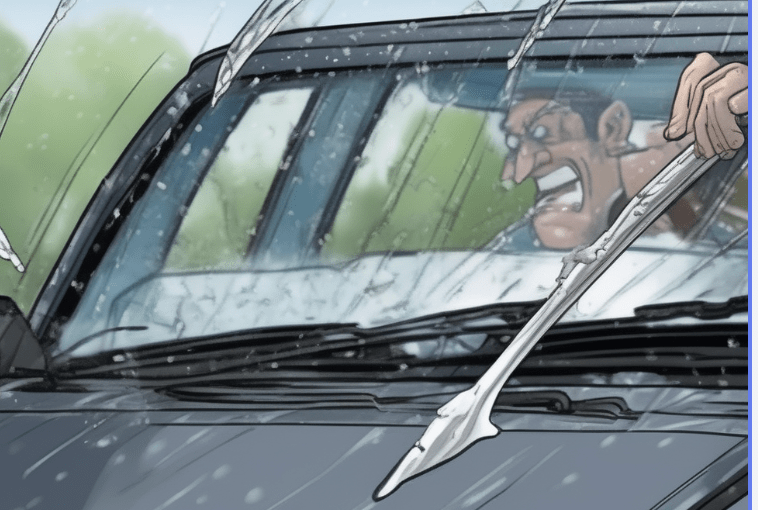
Earl’s Service Station was well known in town. It had to be. It was on the corner of Broadway and Main, downtown. Everybody in the city went to get their cars serviced, and the gasoline tank filled up there; they had to; it was the only gas station in the small town. Working in a gas station, Earl or his son Skip would wash the windows of cars while they were filling up. They would still be trying to scrub the bugs off the windshield on warm summer nights, long after the gas had clicked off.

Cars that didn’t need gas would pull in, and without being asked, he would get out to work on their windshield cleaning with squeegees and sponges. It was on the house because Earl had a “full service” operation. When you bought gasoline there, anytime you stopped in, you got service. Everyone knew that you didn’t have to purchase gasoline for the service. Earl provided the work because that was the reputation of his business.

It was the 1960s, and business ran steadily through the 1970s. However, as the 1980s crept in, a truckstop up the road near the big highway had put in giant tanks that held truckloads of fuel and could undersell Earl. It was self-serve, and the drivers had to clean their windshields. They’d have to check their oil and steering fluid, but now, all that didn’t matter. 

Earl still had enough local customers and monthly charge accounts to keep his business open; repairing flat tires and selling accessories like windshield wipers, fluid, and antifreeze would keep him afloat. And it did through to the time he retired and handed the business over to his son Skip, who had been working in his father’s station since he was out of high school. 

Skip noticed changes over the years, something more than people going to the big station up the road; the cars coming into the service station didn’t have bugs on the windshield. He had watched a television program a month or two earlier and remembered hearing about the windshield phenomenon. 

It had a more scientific explanation, but Skip explained it to a group of local coffee drinkers as locals began noticing changes in their community due to the unnecessary killing of insects using insecticides that are too potent for their intended uses. The next phase would change the growth of trees in the region, which could harbor diseases that would wipe out other natural grasses and trees known to the area. 

The coffee drinkers howled insults at Skip ––– 

Skip, you are the gasoline island science professor.

Another said,  

Yeah, just like the professor on Giggi’s Island or whatever they named that old show.

The coffee drinkers had a good laugh on Skip’s behalf and left it at that. Skip went on about his business, knowing he was on to something. A few days passed, and an agent from the county’s local university agriculture extension program came into the service station for refueling. Skip introduced himself and said ––

 Hey, do you have anything to do with bugs where you work?

The agent said –––

I do. I am responsible for a survey we do every Spring, Summer, Fall, and Winter. We have traps about twenty-five miles outside town and collect and count insects. See their type, how many, where they came from, and if they are locals or travelers. Why do you ask?

Skip replied –––

Windshields. There are hardly any bugs on windshields these days. When I was growing up, it took forever to scrub them off; now, there are hardly any. 

The Agent replied –––

It is because of insecticides. The bugs are getting killed off in masses, and they are not coming back. When they do, it kills everything down the line and up the line. It just goes on and on! 

The agent’s words hit Skip like a ton of bricks. The number of insects was plummeting drastically, and it was a catastrophe in the making. Without insects, entire food chains would collapse. No crops would get pollinated, leading to a scarcity of food for birds, amphibians, reptiles, and even us. The ripple effect was clear-as the frogs die off, the animals that feed on them would also perish, leading to a devastating impact on the entire ecosystem.

Skip said,

WOW! Such a chain of events is indeed a catastrophe; no one knows about it because all attention is focused on global warming.

The agent told Skip,

Well, only some of the attention. We are trying to educate farmers and homeowners living in rural areas about how to use insecticides and pleading with people not to kill off bee colonies. Plus, quit killing insects. We need them, ants and all, to survive. Remember, the insects will die off with global warming affecting them too; they can’t live where their habitat is changing and are no longer welcoming to their living conditions. It isn’t just the insecticides that we are dealing with. Some areas are turning into deserts; others are seeing floods, and others are experiencing storms like never before. These extreme weather events are all linked to global warming, which is also contributing to the decline of insects.

Skip told the agent that he had tried explaining the issue to his buddies at the coffee shop; however, they didn’t think he knew what he was talking about. The agent said you were right and good for you! I am interviewing with the local media. Tell your friends to watch for it this weekend.

On Sunday morning, Skip stopped at the local cafe for coffee with the crew. As he walked in, everyone began cheering. 

“There’s the man” There’s Mr Smarts!”

It wasn’t until Skip sat down that he learned that the Agriculture Agent had referred to him in the interview as what an alert citizen was representative of; he had noticed the changes in his environment and said something.

An ‘alert citizen’ is someone who is observant and proactive in reporting changes in their environment, like Skip. Something so great caused the local agency to alert farmers to stop using all level 1 and 2 pesticides.

At least until the Extension Service looked into the lack of insects in the region. The news article then explained the importance of insects to the livelihood of all living creatures, just as the agent and Skip had talked about.

Learn more about the windscreen phenomenon visit here!

Bella Saves The Day

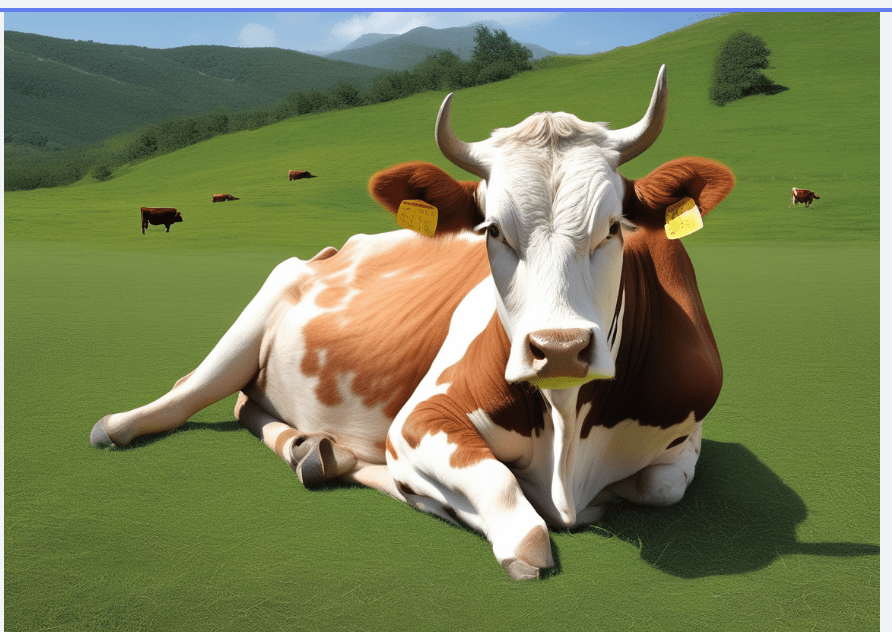
Once upon a time, in the idyllic countryside of Cloverfield, there lived a milk cow named Bella. Bella, with her gentle eyes and a coat that was brown and white as snow, was the heart and soul of a small family farm nestled between rolling hills and vibrant meadows. Her reputation preceded her, known throughout the village for her abundant milk and her kind and serene demeanor.

Each day, Bella’s world would brighten with the first light of dawn. 

As the sun peeked over the horizon, Farmer Joe, a kind-hearted man with a weathered face and a perpetual twinkle in his eye, would greet Bella with a warm smile, his voice filled with affection,

“Good morning, Bella!”

Bella, in turn, would respond with a soft moo, her eyes sparkling with joy at the sight of her favorite human.

Farmer Joe would lead Bella to the milking shed, where she would stand patiently, chewing on sweet clover while Farmer Joe hummed old folk tunes. He had a gentle touch, and Bella never felt any discomfort. As the rhythmic sound of milk filling the pail echoed through the shed, Bella felt a deep sense of contentment, knowing her milk would soon nourish the family and their neighbors.

Bella’s milk was known for its rich and creamy texture. Every morning, Farmer Joe’s wife, Martha, would churn some of the milk into butter and cheese, filling their kitchen with delicious aromas. Martha’s dairy products were the talk of the town, and people from neighboring villages would come to buy them. But Martha always saved a special treat for Bella: a handful of fresh, juicy apples.

After her morning milking, Bella spent her day grazing in the lush pastures, enjoying the company of her fellow cows and the playful calves that bounded around. She had a special friend among the herd, a young and curious calf named Daisy. Daisy followed Bella everywhere, imitating her every move and looking up to her as a wise and gentle mentor.

One day, as Bella and Daisy were grazing near the forest’s edge, they heard a faint, distressed bleating. Bella’s ears perked up, and she looked around to find the source of the sound. It didn’t take long to spot a tiny lamb stuck in a thorny bush, its wool tangled and its eyes wide with fear.

Bella, with her calm and reassuring presence, approached the lamb slowly. Daisy watched in awe as Bella, displaying a courage that belied her gentle nature, gently used her nose to nudge the lamb free from the thorns. Once the lamb was free, it nuzzled Bella in gratitude before scampering to find its flock.

Daisy trotted up to Bella, eyes wide with admiration.

“Bella, you’re so brave!”

she exclaimed.

As the sun began to set, casting a golden glow over Cloverfield, Farmer Joe came to bring Bella and the other cows back to the barn. He noticed a new spring in Bella’s step and the proud look in Daisy’s eyes.

“Had an adventure today, did we?”

he asked, patting Bella affectionately. Bella responded with a contented moo, happy to be home and looking forward to another peaceful night.

Inside the barn, Bella settled into her cozy stall filled with fresh straw. As she lay down, she felt a deep sense of fulfillment. Bella had her family, friends, and the beautiful Cloverfield to call home. She closed her eyes, listening to the soft rustling of the barn and the distant hoot of an owl, grateful for the life she led and the small joys of each day. The tranquility of the night enveloped her, promising a peaceful sleep and a new day filled with possibilities.

And so, Bella the milk cow drifted off to sleep, dreaming of green pastures and new adventures, ready to face whatever the next day would bring with her steady heart and gentle spirit.

~ ROSE ~ A WILD HORSE FOR A SUMMER WITH BUD

Photo by David Dibert on Pexels.com

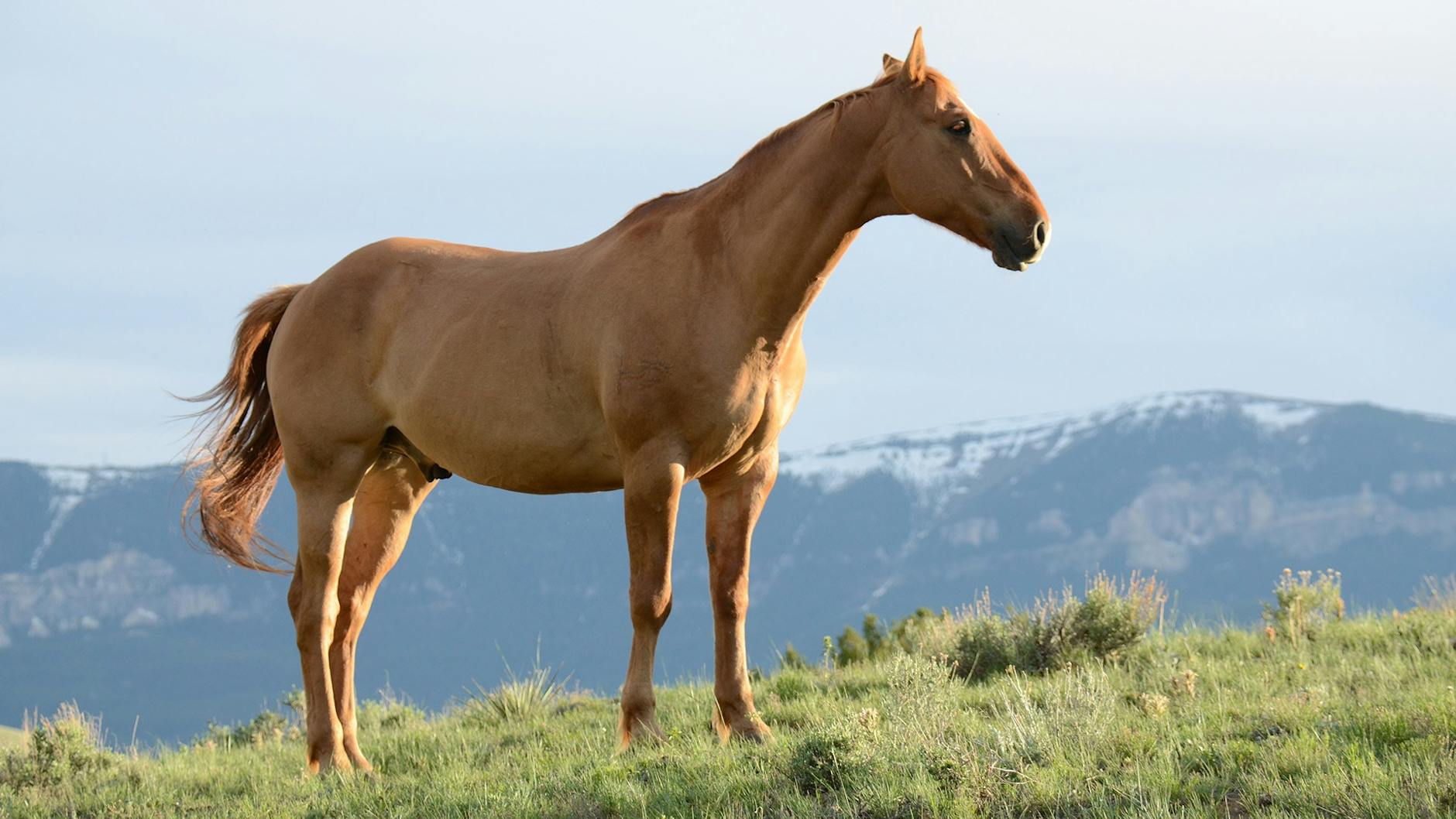
Bud was only 14 when he first met what would become his best friend for the summer. She had never been around people running wild in a pasture since birth. A 3-year-old Dunn filly, a horse commonly referred to in the region as a Red-River-Dunn for its color, a reddish tint coat with black stockings, mane, and tail. She had darker red hair around her mane and ears, slicked down her jacket, and features made for a beautiful horse.

Bud’s dad bought her at a horse auction, and he and Bud went to load Rose; she had never been touched. Getting a rope to place a halter on her was a rodeo of itself in the lots behind the auction house. Getting her loaded into a trailer was a site to see. She reared and fought, tearing the trailer’s tail lights, clearance lights, and various fixtures off the trailer before finally getting into the trailer, most likely tiring from repeated attempts to load. No whips or harsh attempts were made to get Rose into the trailer; she never saw such strange things and was frightened by their appearance.

After a ride home, Bud wondered if the new horse would still be standing; it was long after midnight when they arrived back at the farm. As they pulled into the barnyard, Bud’s dad backed the trailer into an empty pen and unloaded the horse. The father and son gave the horse some hay and water and a gallon of oats. Then, the two went to the house; it had been a long night.

A technique known as plow-driving or plow-reining

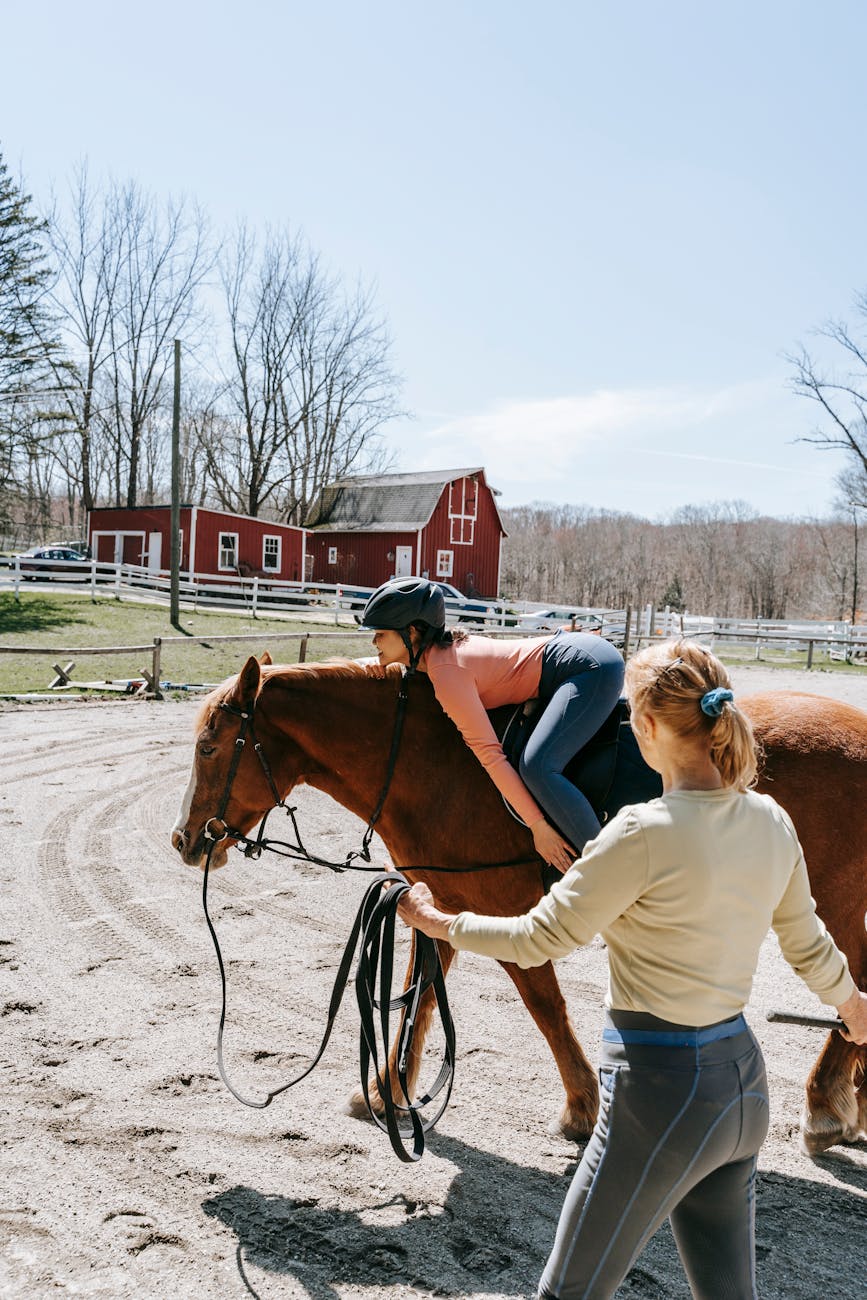
A few hours later, which most people would describe as the following day, Bud and his father were up with sunrise. That is the way you work on a farm. They went to do their chores. By the time Bud got to the barn where the new horse was, he was shocked to see his dad had a saddle on it and was behind it, plow-driving it. Plow-driving is a process where one runs a rope from each side of the bridal through the stirrups of a saddle to about ten feet behind the horse to teach it reign before mounting it and training it at riding; it is very similar to what you would see a farmer doing to guide his draw-horse behind a plow on a farm.

Bud had always heard of how his dad had a magic touch with horses but never witnessed the gift so many spoke about. What happened next would deepen the mystery even greater.

Bud’s dad saw him entering the pen and said,

“I am glad you are here; it is time for you to get on her. I think we will call her Rose.”

The father then proceeded to gather the reigns in his hands and walked up to steady the bridal and hold the horse steady. As he did, he angled the horse’s head, and Bud could see his father quietly speaking into the horse’s ear. Then his father said,

“It is ok now. You can get on.”

Bud stood there thinking that not 8 hours earlier, they had watched this horse, which a human had never touched, nearly destroy an endgate on a stock trailer, taking over an hour to load from a dock where it usually takes five minutes for the most problematic cases. But Bud trusted his dad and knew he would never place him in danger, so he went up. He was expecting to be going for an 8-second Bronco ride.

After Bud settled in the saddle, he first experienced what he would describe to friends and family as the Cadillac ride. Using just two leather reins from a halter and not a bridle, he clicked his mouth for Rose to go, and she began walking. He reigned her using the plow-rein system; he gradually began using neck touch reining by letting the rein on the neck tell the horse which direction you wanted it to go. Rose was incredibly talented, a fast learner, and became acquainted with people fast. On the first day, the father and son had the horse performing levels of training that typically take weeks or months for other horses.

Bud’s dad said, as the day progressed,

“Rose will be yours for the summer. We sold Sam, which was your horse, so I wanted to buy this green horse to get you something to work on.”

A green horse needs training in horsemanship, riding, leading, mannerisms, and behavior. Bud feared Rose would be a challenge if she had any flashbacks and wanted to return to her before human days. 

The next day, Bud’s biggest concern was the end of school before Summer break. He had fourth-quarter tests to pass. Rose would have to hold until he had his schooling squared away, but he knew she’d be waiting for the summer that was about to come.

Watch for part 2 tomorrow!

George and The Bear, A Life Turned Around

By: Benjamin Groff

A new neighbor moved down the road. His name was George. He had two strong mules that could pull a plow, a milk cow, and a rooster, but no hens. It looked like he had just taken up living in an old hut abandoned by old farmers who once lived in the area and had gone on. Bill and Nora lived down the road, and further up the hill lived John and his wife, Laura.  

Bill, on his horse, was on his way to check on John and Laura when he passed George’s new living setup. Seeing George’s farming efforts, Bill decided to stop and extend a warm welcome. He introduced George to the rest of the neighbors, John, Laura, and his wife, Nora, and invited him to visit anytime. Bill emphasized the mutual reliance of neighbors and assured George that their door was always open, fostering a sense of community and support. 

Bill, after his brief encounter with George, continued his journey to John and Laura’s home. He shared the news of their new neighbor, George, and they all agreed on a plan. They decided to reach out to George and invite him for a warm community dinner on Sunday, a gesture that would help him feel welcomed to their little community.

That night, Bill fed his animals on his farm and locked his barn. He and his wife settled down in their home with a cozy fire flickering in the fireplace. They sat and thought about how lucky they were to have their little farm and life. It was to be a cool night but not cold, and Nora left their bedroom window cracked to let fresh air in as they slept. It must’ve been after midnight when Bill and Nora’s dog “Blue” started barking, and Bill yelled for him to lay down and go to sleep, saying to Blue,

“We’ll go hunting tomorrow, dog!”

The dog, looking miffed, he had heard something unusual but obeyed Bill and lay down, all the while staring out the door, watching for something to move.

The following day, Bill went out to feed his livestock and noticed hay, corn, and other items had gone missing from his barn. The back barn door swung open –– Bill recalled –– it had not been the night before. He saddled his horse and rode to John’s, and they, too, had been missing several things: pots and pans, a chicken, and a piece of meat from their smokehouse. Bill told John not to say anything to George until they knew the new neighbor had anything to do with the missing items. Just because George was new to the area didn’t mean he had taken anything.

On his way home, Bill stopped by to check on George. But, it looked like George was still asleep, and his wife, whom Bill hadn’t met, was timid and only waved through the door. So Bill rode his horse back home.

When he got home, Bill had a hunch and got some stiff bailing wire used to bundle hay. He stuck it into his corn cobs, which he stored in his feed storage bins. He then slid a small band onto a few of his best hens’ legs. That night, Bill and Nora went to bed and again had their window cracked open, and Blue was guarding them next to the bed. Sometime after midnight, Blue began barking and scratching at the door. And again, Bill told him to lie down. But this time, Bill knew why Blue was barking.

The following day, Bill went to his barn, and sure enough, the corncobs he had placed the wire on were gone. Some hay and the hens he had slipped the bans on their legs were gone. Bill returned to the house, had breakfast, and told Nora he was going over to Georges. When he arrived, the neighbor was out in his yard, and the two men met. And Bill asked George if he could see George’s mules. As they were looking at the mules, George saw a corncob and broke it open, and there was a wire. The wire he had stuck in it the night before.

Bill turned to George and said,

“George, this corncob is mine. I put this wire in there last night. I will find the same thing if I break open a few more corncobs. And, I have seen several hens you have today that you didn’t have yesterday, and they have a ban on their legs. I know because I placed it on them last night as well. John is also missing some meat and old pots and pans up the road, and I’ve heard talk from other neighbors about missing things around. We don’t do such things around here!”

George apologized and said that he would bring the items he took back before the day’s end.

At sundown the following day, Bill and John were talking, and they had not heard from George but knew he was at home. George had not returned anything. Other men who were missing items met Bill, and they said ––

“we need to teach George we don’t steal.”

They all agreed. The men went and hitched a team of horses up to a wagon and put an old whiskey barrel and some rope in it. They then went to George’s. When he came out onto his porch, the men surrounded him, tied him up, and put him in the wagon. Some of the men’s wives came to stay with George’s wife while the men took him out in the wagon. 

They climbed a tall, steep mountain that was clear of trees on one side. When they got to the top, they set the whiskey barrel out and told George to get inside. He did. Then they tacked on the top. George could only see one small hole in the side of the barrel.

The men told “George, this is your punishment for stealing from us. You are to be in this barrel overnight”, but they were interrupted.

A big ole bear came sniffing out of the woods, and the men jumped on the wagon and took off. Looking out of the hole, George couldn’t see what was going on, but the bear backed up to the barrel, sticking its tail in the hole. When it did, George grabbed it and scared the bear, causing it to run down the mountainside. As it did, the barrel rolled, banged, thumped, jumped, flew, hit, and jarred the barrel. Causing to fall to pieces when it hit the bottom of the mountain. George was beaten and bruised but alive, and the neighbor men in the wagon were all waiting on him. Two of them got on each side of him and helped him into the wagon; another handed him a jar of salve, telling him it would take care of every scratch on him. When he healed, the other men told him to hitch his mules up to his wagon and come by their place, and they’d have some items to help him start farming and set up a house with his wife. Bill and John told him that he never had to steal again in his life. All he had to do was be a good neighbor and help others when they needed it, and others in the community would help him. Bill said, “If you are having trouble, don’t starve. We’ll help you out, just like you will help us out when we need it.”

If you are having trouble, don’t starve. We’ll help you out, just like you will help us out when we need it. 

Then, all the farmers and people who lived in the area came together on a sunny afternoon and celebrated having new neighbors, George and Bessie. There was food, games and their fellowship built lifetime bonds. From then on George was the best neighbor and went on to pass on the lessons he learned from Bill and John and the other farmers and neighbors who had turned him away from stealing.

The End!