Why Walter Higby Makes You Smile

GROFF MEDIA 2024ยฉ TRUTH ENDURES IMDBPRO

Presented by benandsteve.com By: Benjamin Groff IIยฉ

1โ€“2 minutes

There once was a man named Walter Higby. He traveled from town to town. He wore a tweed coat and a bowler hat. He also carried a cane he didnโ€™t need. Walter was a whimsical figure. He had a peculiar habit. He greeted everyone the same way. This added a touch of whimsy to their lives.

โ€œYou do,โ€

he would say with a sly smile.

Usually caught off guard, the person would blink in confusion.

โ€œWhat?โ€

โ€œYou remind me of a man,โ€

Walter would continue.

โ€œWho do?โ€

The person would ask, leaning in, curious now.

โ€œYou do,โ€

Walter would insist, tapping his cane on the ground for emphasis.

The other person would reply,

โ€œI do?โ€

Which Walter would say,

โ€œNo, you do.โ€

And the reply would be,

โ€œWhat?โ€

Which Walter would, in return, say,

โ€œRemind me of a man.โ€

By this point, the conversation had become a swirling, nonsensical loop, leaving the other person chuckling or scratching their head. Walter never explained why he did it, nor did he ever stay long enough for anyone to figure him out.

One day, a young boy named Tommy stops Walter before he can walk away. โ€œMister, why do you say that to people?โ€

Walter looked down at Tommy and grinned. โ€œBecause it makes them think, and it makes them smile. Thatโ€™s enough, donโ€™t you think?โ€

Tommy thought for a moment, then nodded. โ€œYeah, I guess so.โ€

Walter tipped his hat, tapped his cane, and continued down the road. He was ready to meet the next unsuspecting stranger with his playful riddle. The man spoke in circles and kept wandering, leaving a trail of puzzled and amused people in his wake.

Time-Travel Adventures in a Cozy Home

GROFF MEDIA 2024ยฉ TRUTH ENDURES IMDBPRO

Presented by benandsteve.com By: Benjamin Groff IIยฉ

3โ€“4 minutes

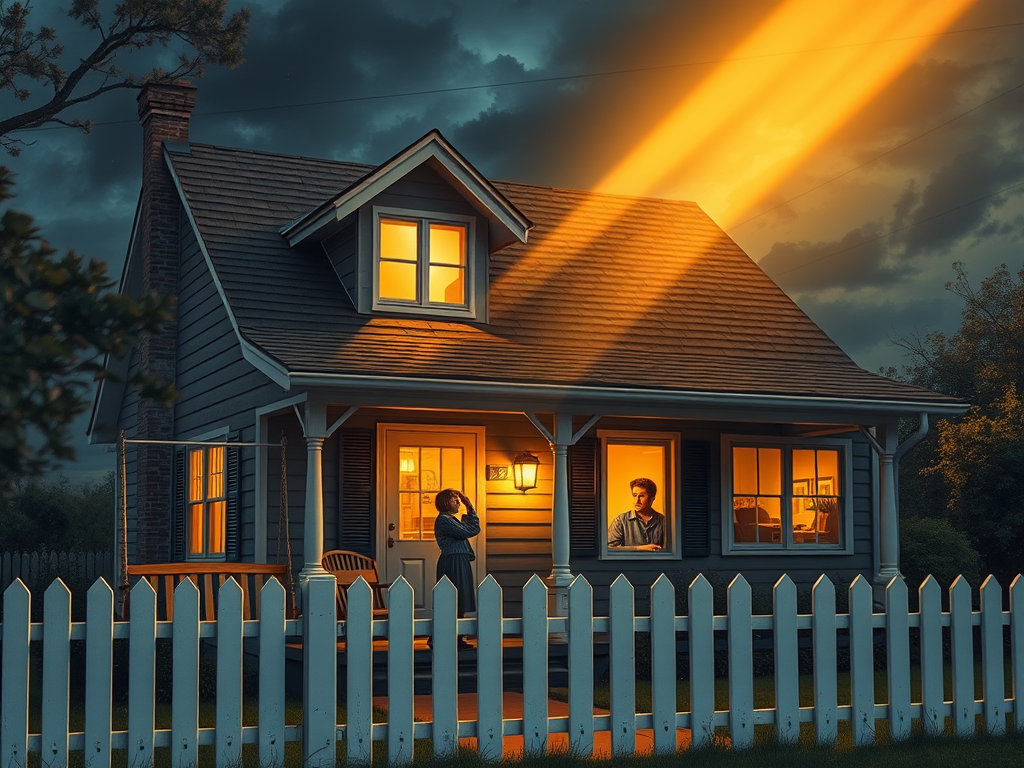
Jane and Mark lived in a cozy little house on a quiet street in nowhere. The house had a white picket fence. A porch swing creaked with every breeze was also part of the house. Life was simple and predictableโ€”until the night the sky split open.

It happened just after dinner. A brilliant ray of golden light shot down from the heavens. It struck the roof of their home with a silent flash. Jane screamed, dropping her fork, while Mark rushed to the window, heart pounding, their minds filled with fear and confusion.

“What was that?” Jane whispered, staring at the glowing beam. It pulsed briefly, then faded away, leaving no trace but a faint shimmer.

They inspected the house, finding no damage, burns, or explanation. But they soon discovered the truth in the strangest way possible.

The next day, Mark walked out to grab the newspaper, and when he stepped back inside, Jane gasped. Jane saw a man in medieval armor standing in the doorway. His eyes were wide with confusion. It wasn’t her husband in his sweatpants and T-shirt.

“Mark?” she stammered.

“Jane! What โ€“โ€“ what happened?” Mark looked down at the polished steel covering his chest and arms. “I was outside, and when I came back โ€“โ€“โ€“ this happened!”

Jane grabbed his hand and pulled him in. “We need to call someone.”

But before they could dial, their neighbor, Mrs. Clarkson, walked in uninvited, as she often did. When she crossed the threshold, her modern blouse and skirt changed into a flapper dress. Her gray hair was pinned into 1920s finger waves. “My word!” she exclaimed, waving a cigarette holder she didn’t own.

Mark and Jane exchanged terrified glances. Their house was cursed or enchanted or something far beyond their understanding.

Over the next few days, they experimented with the strange phenomenon. Stepping outside and re-entering would send them hurtling through time. Sometimes, they found themselves in ancient Rome. Other times, they landed in the Wild West. Occasionally, they encountered an unsettlingly dystopian future. Even Otis, their golden retriever, came trotting back inside with a Victorian-era bonnet tied to his head.

Jane kept a notebook. “Day three: Entered as myself, exited as a 1970s disco queen. Mark walked in as a cowboy. Not great.”

Eventually, they learned some rules. The effect only lasted while they were inside. Stepping back outside would revert them to their usual selves. But the moment anyone crossed the threshold again, the house chose another era at random.

It wasn’t long before the military took notice. When government agents approached their door, Jane panicked and tried to warn them. “Please, don’t come in!”

Too late. Five suited men instantly transformed into Renaissance courtiers with feathered hats and ruffled collars. “What sorcery is this?” one muttered, spinning in circles.

Mark sighed. “You’re gonna want to take this one up with NASA.”

Despite the chaos, they refused to leave. Strange as it was, the house was still their home. They learned to adapt. They stored era-appropriate clothing in a chest by the door. They prepared themselves for anything from caveman furs to futuristic bodysuits. This showed their resilience and courage in the face of the unknown.

In time, they found unexpected joys in their predicament. They hosted Gatsby-style parties, had tea with Victorian neighbors, and experienced life in eras they never imagined. Their sense of wonder and adventure grew with each new experience.

The little house with the picket fence became legendary. It served as a portal through time. In this house, history was just a step away. Mark and Jane embraced the adventure. After all, who wouldn’t want to live in a place where every day was a different century?

Harold Fenton: The Salesman Who Won Hearts

GROFF MEDIA 2024ยฉ TRUTH ENDURES IMDBPRO

Presented by benandsteve.com By: Benjamin Groff IIยฉ

3โ€“4 minutes

Harold Fenton was not the world’s most excellent salesman. If there were an award for persistence without progress, Harold would have won it year after year. His thick glasses always slid down his nose. He carried a briefcase that had seen better days. An ever-lasting mustard stain marked his tie. He wandered the same neighborhoods week after week. He sold an assortment of household knickknacks that nobody needed, but they bought them anyway.

“Good afternoon, Mrs. Jenkins!”ย 

Harold greeted cheerfully as he stepped onto the well-trodden path to her front door. 

“I have a brand-new shipment of vegetable peelers today! They’re sharper, sleeker, andโ€””

Mrs. Jenkins, a kindly woman in her sixties, smiled warmly. 

“Why, Harold, I still have the five you sold me last month. But you know, one can never have too many peelers. Come on in.”

Harold beamed and entered, opening his battered case to show an array of matching peelers. Mrs. Jenkins sighed as she handed him a few bills. She tucked the latest addition into her kitchen drawer. The drawer now resembled a peeler museum.

Down the street, Mr. Thompson, a retired mechanic, nodded at Harold as he approached. 

“Harold, my boy, back again? What do you have today?”

โ€“โ€“โ€“

“A fantastic deal on rubber jar openers!”

Harold declared with gusto. 

“These bad boys can grip the tightest lids with ease.”

Mr. Thompson scratched his head. 

“Well, I reckon I have about twenty of those in my drawer already, but why not?”ย 

He chuckled, handing Harold a crumpled bill. 

“You’re a persistent fella, I’ll give you that.”

Each household in the neighborhood had its own Harold collection. The Henderson’s had a mountain of Harold’s lint rollers stacked neatly in their laundry room. The Patel family had so many of his never-fail can openers that their entire garage shelf was dedicated to them. And the Cranstons? They jokingly called their basement “Harold’s Home Shopping Network.” It was filled with enough potato mashers to start a catering business.

But no one ever turned Harold away.

“He’s got such heart,”

Mrs. Jenkins often said over tea with the neighbors. 

“Bless him. He tries so hard.”

One day, Harold arrived with a new productโ€”a miracle mop he couldn’t figure out how to show.ย 

“This mop… uh… well, you see, it swivels… I think. Or it wrings itself. Hold on, I had a pamphlet here somewhere…”ย 

He fumbled with his case, papers spilling onto the sidewalk.

Mrs. Jenkins and Mr. Thompson exchanged a glance and quickly stepped in. 

“We’ll take a few!”ย 

They chimed in unison.

Harold left the neighborhood beaming, waving to everyone as he wheeled his suitcase down the block. He whistled a tune with the satisfaction of a man who believed in his mission.

And so the cycle continued. Week after week, Harold brought the same products with the same pitches. The residents kept buying. They did this not out of necessity but of fondness for the bumbling salesman. He brought a little charm and harmless chaos to their otherwise predictable days.

One day, as Harold left Mrs. Jenkins’ house, she whispered to Mr. Thompson, 

“I sure hope he never realizes we’ve got enough peelers to last a lifetime.”

“He won’t,”

Mr. Thompson grinned. 

“And even if he did, I’d still buy another one next week.”

With that, Harold walked down the road. He was ready to bring his boundless enthusiasm. He also carried a suitcase full of peelers to the next unsuspecting yet ever-welcoming home.

Everyone needs to meet a Harold in life.

Warm Bread, Warm Hearts: A Touching Tale from Willowbrook

GROFF MEDIA 2024ยฉ TRUTH ENDURES IMDBPRO

Presented by benandsteve.com By: Benjamin Groff IIยฉ

2โ€“4 minutes

The Baker’s Extra Loaf

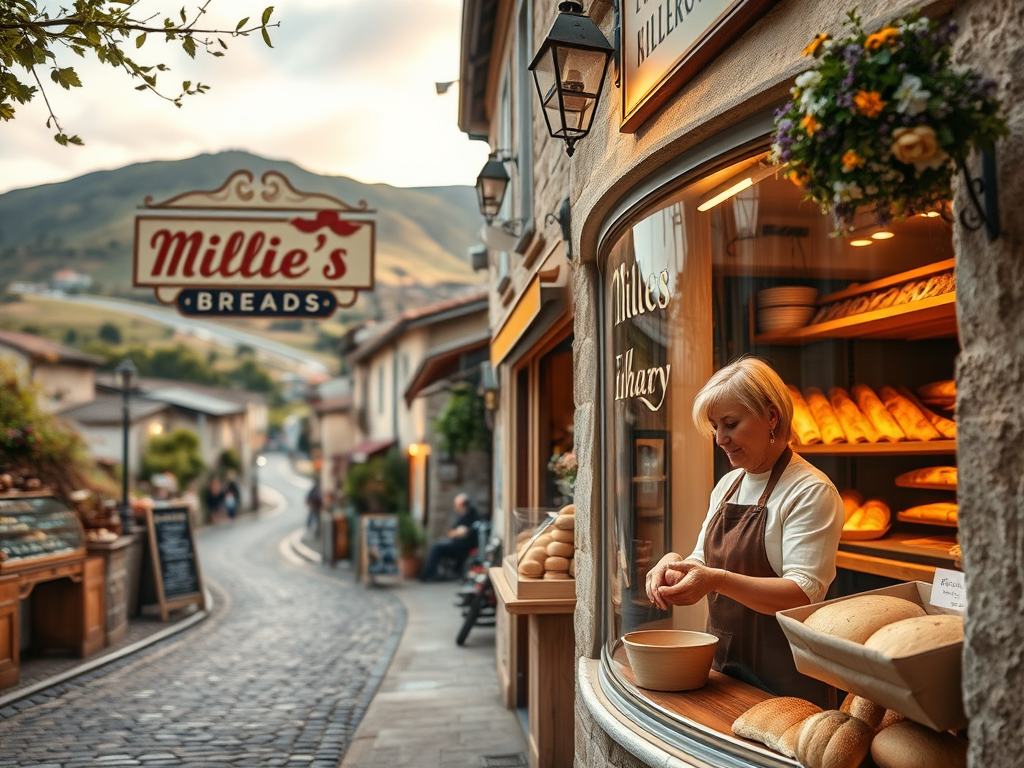
Willowbrook was a quaint town nestled between rolling hills and winding cobblestone streets. In this charming setting, a little bakery called Millie’s Breads stood. Millie, the baker, had spent decades perfecting her craft. She kneaded dough with love, and the air filled with the comforting aroma of fresh bread.

Every morning, without fail, Millie would bake precisely enough loaves to meet the demands of her customersโ€”except for one. Each day, she would bake an extra loaf. The townsfolk often wondered why, but Millie never spoke of it. The extra loaf sat on the counter until closing time. It remained untouched and unnoticed. By morning, it would quietly disappear, adding to the mystery.

Speculations floated through the town. Some believed Millie kept it for herself. She always said she had little appetite for bread after a long baking day. Others whispered that she was feeding a stray cat or a secret admirer. But no one knew the truth.

One chilly winter evening, young Emma, the florist’s daughter, stayed behind after closing. She wanted to help her mother pick up an order of pastries for a town event. As they waited, Emma noticed Millie wrapping the extra loaf in brown paper and slipping out the back door. Emma felt curious, so she decided to follow at a distance. Her eyes were keen, and her heart was open to the possibility of a heartwarming discovery.

Hidden in the shadows, Emma saw Millie stop by an old wooden bench. An elderly man sat on it, wrapped in a tattered coat. His face was weathered, and his hands trembled from the cold. Millie handed him the loaf with a warm smile, exchanging a few kind words before returning to her shop.

Emma’s heart swelled with admiration. The extra loaf wasn’t a mystery after all. It was an act of quiet kindness. A small gesture of compassion that no one ever knew about. The man, known simply as Mr. Thomas, had once been a beloved schoolteacher but had fallen hard after losing his family.

The next day, Emma shared what she had seen with her mother. Word spread through the town, and the townspeople, inspired by Millie’s act of kindness, found their ways to contribute. Some would leave warm clothing on the bench. Others discreetly added a little extra to their purchases at Millie’s bakery. They knew it would go to someone in need.

One evening, as Millie once again delivered the extra loaf, she found Mr. Thomas sitting on the bench with a new coat draped over his shoulders and a gentle smile. He looked at her with gratitude and said,

“Your kindness has brought more than just bread, Millie. You’ve brought me hope.”

His words echoed the profound impact of Millie’s simple act of kindness.

Millie patted his hand, offering her usual warm smile, and returned to her bakery. She never needed recognition, for she believed that kindness, like bread, was best when shared freely.

The baker continued to bake an extra loaf each day. The town of Willowbrook learned that sometimes, the smallest gestures hold the most significant meaning. Millie’s simple act of kindness brought hope to Mr. Thomas and inspired the townspeople to look out for each other, fostering a sense of community and shared responsibility.

A Letter From Paul Harvey, To His Grandchildren

GROFF MEDIA 2024ยฉ TRUTH ENDURES IMDBPRO

Presented by benandsteve.com By: Benjamin Groff IIยฉ

3โ€“4 minutes

I am sharing a writing listed as “Paul Harvey’s Letter To His Grandchildren. It has been tucked away in a drawer. Finally I pulled it out and made use of it.

Paul Harvey was a news commentator for ABC NEWS in the United States and has been heard worldwide. He was known for “The Rest of The Story” and his Noon News Broadcast from the 1960s through the 1990s.. He provided updates well into his elder years, working from home a lot of the time. His son had built a studio in the Harvey Home. This studio allowed him to work as if he were in the News Room. Paul is always dressed in a suit and tie to report the news. Saying he had to look professional to sound professional.

Here is the letter that is attributed to him.

Grandchildren,

We tried so hard to improve our kids’ lives that we made them worse. I’d like better for my grandchildren.

I’d like them to know about hand-me-down clothes, homemade ice cream, and leftover meatloaf sandwiches.

I hope you learn humility by being humiliated and honesty by being cheated.

I hope you learn to make your bed, mow the lawn, and wash the car.

And I hope nobody gives you a brand-new car when you are sixteen.

It will be good if at least one time you can see puppies born. You should also witness your old dog being put to sleep.

I hope you get a black eye fighting for something you believe in.

I hope you have to share a bedroom with your younger brother or sister. It’s all right if you have to draw a line down the middle of the room. But, when he wants to crawl under the covers with you because he’s scared, I hope you let him.

You want to see a movie. If your little brother or sister wants to tag along, I hope you’ll let them.

You must walk uphill to school with your friends and live in a town where you can do it safely.

I hope you don’t ask your driver to drop you two blocks away on rainy days. It would be unfortunate if you didn’t want to be seen riding with someone as uncool as your Mom.

If you want a slingshot, I hope your Dad teaches you how to make one instead of buying one.

I hope you learn to dig in the dirt and read books.

When you learn to use computers, I hope you also learn to add and subtract in your head.

I hope you get teased by your friends when you have your first crush on a boy or girl. When you talk back to your mother, I hope you learn what ivory soap tastes like.

Try to skin your knee climbing a mountain. By accident burn your hand on a stove. Playing around try to you stick your tongue on a frozen flagpole.

I don’t care if you try a beer once. I hope you don’t like it. If a friend offers you dope or a joint, realize they are not your friend.

I sure hope you make time to sit on a porch with your Grandma or grandpa. I also hope you go fishing with your Uncle.

You will feel a mixture of emotions. Sorrow and joy will arise during the holidays at a funeral. You should stop and understand why.

I hope your mother punishes you when you throw a baseball through your neighbor’s window. I also hope she hugs you at Christmas. I hope she kisses you when you give her a plaster mold of your hand.

I wish you tough times and disappointment, hard work, and happiness. To me, these are the only ways to appreciate life!

The End.

Portions of this entry was edited to allow for space and grammar.

The Little Puppy That Was Capable To Do What Others Said Thought He Couldn’t

Groff Media 2024ยฉ Truth Endures IMDbPro

Presented by benandsteve.com By: Benjamin Groff IIยฉ

2โ€“3 minutes

A small town was nestled by rolling hills and surrounded by fields of wildflowers. In it, there lived a scrappy little puppy named Patches. He was a mix of this and that, with one ear that stood up and the other that flopped down. Patches was small for his age. But, he had something that set him apart. He leaped higher than any dog anyone had ever seen.

At first, no one noticed Patches’ gift. He spent his days chasing butterflies and rolling in the grass like any other puppy. It was a sunny afternoon. The town’s children were setting up a lemonade stand. A gust of wind came through and carried their banner high into the branches of an old oak tree.

“Oh no!”

“How will anyone know about our lemonade?”

Cried Emily, the youngest of the children.

Patches, who had been snoozing nearby, perked up. He tilted his head, wagged his tail, and, without hesitation, bounded toward the tree. He made a mighty leap and soared through the air. He snatched the banner in his teeth. Then, he landed gracefully on the ground.

The children cheered.

“Patches saved the day!”

From that moment on, Patches became the town’s little hero. Patches fetched lost kites from rooftops. He rescued baby birds from precarious ledges. Simply bringing smiles with his high-flying antics was enough to prove his worth. Patches proved that being small didn’t mean you couldn’t do big things.

One day, during the annual Harvest Festival, a gust of wind toppled the mayor’s prized pumpkin from the display podium. The enormous gourd rolled straight toward a table of pies, threatening to ruin the event. The crowd gasped.

Without a moment’s hesitation, Patches darted into action. He landed on the pumpkin with a mighty leap, planting his tiny paws firmly to slow its roll. The pumpkin came to a stop just inches from the table. The crowd erupted into applause, and the mayor declared Patches the town’s official mascot.

From then on, Patches wore a little red cape stitched by Emily’s grandmother. Wherever he went, he reminded everyone that sometimes, the smallest among us can do the most extraordinary things.

Otis, the Guardian of the Pack

Groff Media 2024ยฉ Truth Endures IMDbPro

Presented by benandsteve.com By: Benjamin Groff IIยฉ

3โ€“4 minutes

From the moment Ben and Steve walked into the shelter, Otis knew they were his people. It wasn’t just how they crouched down to his level. It was the warmth in their eyes and the promise in their voices.

“You’re coming home with us,”

Steve had said. Otis had wagged his tail so hard he nearly toppled over. He vowed then and there to be the best protector any family ask for.


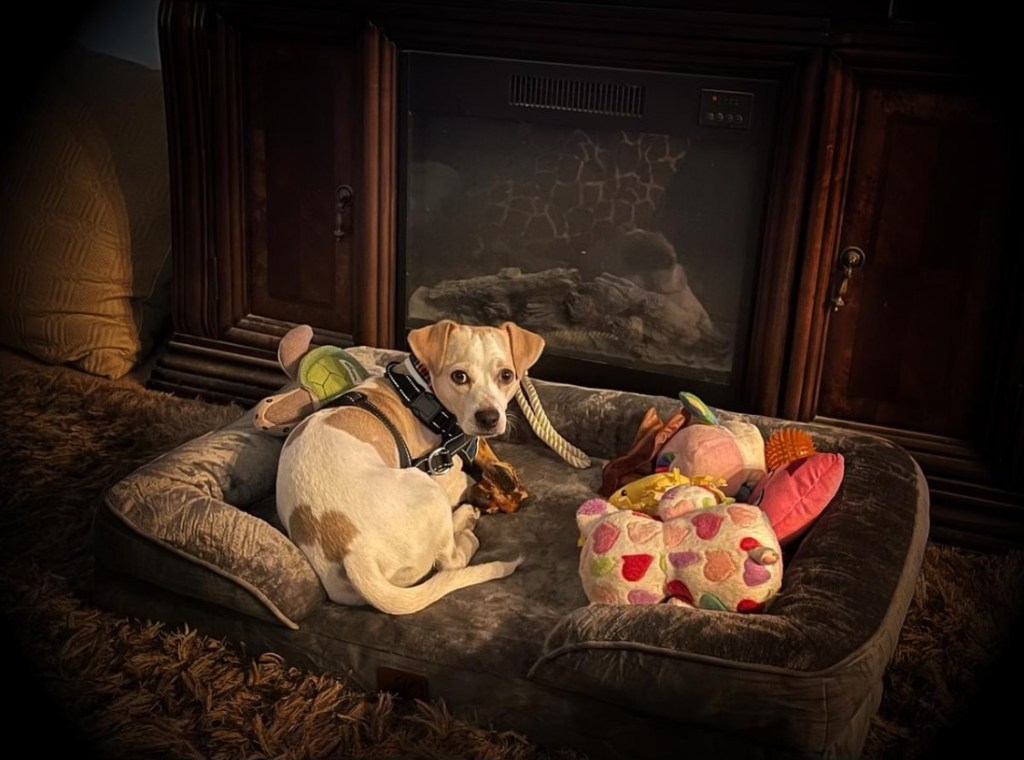
Life in his new home was nothing short of paradise. Otis had a cozy bed by the fireplace, more toys than he can chew, and an endless supply of love. But what truly mattered to him was his duty to keep Ben and Steve safe. He took it upon himself to investigate every rustle in the bushes, every knock at the door. No leaf dared to blow towards his masters without Otis standing his ground.

Otis’s vigilance, nevertheless, had its challenges. After one too many encounters with a growling Otis, the mail carrier learned to toss packages from a distance. Neighborhood passerby’s hoped drop off leaflets and country club newsletters. They were met with a flurry of barks so fierce they often retreated before reaching the door.


Things came to a head one sunny Saturday when their neighbor Marlene, visited. Otis had met her once before and didn’t trust her an inch. She was too loud, animated, and far too close to his people to his liking. When Marlene leaned in to hug Steve, Otis darted between them, barking his warning. Steve scooped him up, carrying him to the laundry room for a “time out.”

“Otis, you need to relax,”

Steve said, his voice equal parts exasperation and affection. Otis stared back, unconvinced. Who would protect them if he wasn’t on duty?


During one memorable stormy night, Otis proved why his protectiveness wasn’t just a quirkโ€”it was his calling. The wind howled, rain lashed against the windows, and the house creaked under the storm’s force. Otis lay at the foot of the bed, his ears perked. Suddenly, a loud crash echoed from the backyard.

Ben and Steve bolted upright. Otis was already off the bed. He growled as he raced to the source of the noise. They found him at the patio door. He barked furiously at a tree branch. The branch had broken off and slammed into the house. While it wasn’t an intruder, Otis’s readiness reassured them that no danger would catch them off guard.


Over time, Ben and Steve learned to appreciate Otis’s protective nature and quirks. They worked with a trainer to help him distinguish between threats and friendly visitors, but his fierce loyalty never wavered. Otis accepted his ‘time outs’ with dignity. He understood that even the most dedicated guardians needed to let their pack relax occasionally.

Otis knew one thing for certain in his heart. Ben and Steve had rescued him from a lonely life. He would spend every day making sure they were loved, protected, and never alone. His love for them was as deep as the ocean, and his loyalty as unyielding as the mountains.

Dan the Electrician Saves Boone

Groff Media 2024ยฉ Truth Endures IMDbPro

Presented by benandsteve.com By: Benjamin Groff IIยฉ

3โ€“4 minutes

The small town of Boone, nestled in the valley of snow-capped peaks, was no stranger to winter storms. But this one was different. The storm rolled in with icy winds that seemed to pierce every wall and seep through every seam. It coated the town in a thick, glittering layer of ice. The power lines sagged and snapped under the weight. This plunged Boone into darkness. The town’s survival hung in the balance, with temperatures plummeting to subzero.

The urgency of the situation was palpable. Dan Hayes, a seasoned electrician and father of two, was preparing for a quiet evening with his family. His phone buzzed incessantly. Calls came in from neighbors, then from Boone’s mayor himself. The town’s substation, already overwhelmed by the demand for heat, had succumbed to the relentless freeze. Ice had formed on critical equipment, blowing fuses and wiring, leaving the entire town powerless.

“Jimmy, grab my tool bag!”

Dan hollered to his teenage son, who quickly obeyed, bundling up in layers against the cold.

“We’re heading to the substation.”

Driving through the storm in his old but reliable truck, Dan and Jimmy barely see beyond the hood. Fallen branches and icy roads made the journey treacherous. When they finally reached the substation, the sight was worse than Dan expected. The entire structure got encased in ice. Its wires snapped like brittle twigs.

“Jimmy, this is going to take everything we’ve got,”

Dan said, his breath forming clouds in the freezing air.

“I’ll need your help every step of the way.”

Dan quickly assessed the situation, identifying the most critical damage. The main transformer was overloaded, and its fuses were blown. Wires leading to key circuits were severed, and ice threatened to collapse a vital power relay. Dan began carefully thawing the most delicate components using a portable heater from the truck. Meanwhile, Jimmy set up emergency lights and handed his dad tools as he worked.

Word spread that Dan was at the substation. Soon, a small group of townsfolk arrived. This group included the fire chief and a few volunteers. They formed a chain to bring sandbags and materials to reinforce the ice-laden structure. This was a testament to the resilience and unity of the community. One by one, Dan replaced the fried fuses and spliced wires, his fingers numb but his determination unshaken.

Hours passed, and the storm showed no mercy. Dan finished repairing the transformer. Then, the wind knocked a massive branch onto the newly restored lines. This snapped them again.

Dan didn’t flinch.

“We’ve got one shot to do this right,”

He muttered. Calling on his years of experience, he rigged a temporary bypass, rerouting power from a less-affected part of the grid. The fix have been made better, but it would hold until morning.

Finally, as dawn broke and the first rays of sunlight pierced the storm clouds, the lights flickered across Boone. Cheers erupted from the gathered crowd, but Dan was yet to finish. He double-checked every connection, ensuring no one would lose power again that day.

Jimmy looked at his dad with newfound admiration.

“You saved the whole town, Dad.”

Dan smiled, his face weary but proud.

“We did it together, son. Boone’s got a lot of heart, and so do its people. That’s what keeps us warm.”

Back home, Dan and Jimmy were comforted with hot cocoa and blankets from a grateful Mrs. Hayes. Outside, the storm subsided. It left behind a town that had endured the worst. This was thanks to the quiet heroics of a father who wouldn’t let the cold win.

The Story Of The Unchecked Mayor

Groff Media 2024ยฉ Truth Endures IMDbPro

Presented by benandsteve.com By: Benjamin Groff IIยฉ

In a small city, one man’s election as Mayor marked a drastic turning point. Traditionally, city decisions required approval from a council of six members, with a majority vote ensuring every person wielded only a little power. But soon after taking office, the Mayor and his political allies on the council pushed through changes that redefined his role. They granted him unprecedented authority to make sweeping decisions for the city and its residents, bypassing the usual oversight.

But that initial optimism soon eroded, giving way to a profound sense of disappointment and betrayal. The Mayor began filling oversight boards and committees with his chosen peopleโ€”none of whom had relevant experience. They promised to “clean house” and end wasteful spending, but their true motives quickly surfaced.

The Commissioner of Streets and Lights, handpicked by the Mayor, promptly fired the street crew and supervisors, many of whom had worked for the city for over fifteen years and were approaching retirement. The Commissioner hired the Mayor’s son’s paving company in their place, and he also contracted two out-of-town electricians for lighting maintenance. These new hires lacked the skills to handle the city’s infrastructure needs, but the Mayor’s orders were clear. The supposed “savings” were diverted into three hidden accounts linked to companies the Mayor quietly operated on the side.

The Mayor restructured Water and Trash Services similarly. Water management was outsourced to a neighboring town with little regard for the community’s best interests. Trash collection was reduced to once a week, and a company from two towns away was hired, offering only minimal service. The Mayor’s promised savings got funneled into an account controlled solely by the Mayor.

Every city department followed the same grim trajectory. Once-dedicated employees were let go and replaced by disinterested newcomers complaining about their low wages and minimal benefits. City services deteriorated rapidly, with potholes on the streets, frequent power outages, and overflowing trash bins, leaving residents dismayed as their quality of life declined.

The townspeople soon noticed their bills creeping upwardโ€”first by ten dollars, then by thirty, with no explanation or improvement in service. This financial strain, coupled with crumbling city infrastructure, directly resulted from the Mayor’s unchecked power and self-serving decisions, placing a heavy burden and stress on the residents.

Residents registered with the opposing political party received letters citing dubious code violations and demanding fines. Those who contested were slapped with even more violations, driving many to leave the city altogether. Once most of his opposition had been driven out, the Mayor enacted a new ordinance requiring his remaining supporters to pay a “privilege to live here” fee. When citizens objected, he sent his security force to arrest vocal dissenters, warning others of eviction if they did not comply.

The Mayor’s reign of intimidation didn’t stop there. He established a “Mayor’s Court,” where anyone accused of a crimeโ€”even minor infractionsโ€”was jailed indefinitely. Their families could “buy” their release, but only at exorbitant prices, often reaching hundreds of thousands of dollars. The city had become a prison, and its leader was a dictator.

Many residents clung to the hope that this nightmare would end with the Mayor’s death. But when he passed away, the townspeople were horrified to learn that city law now dictated his son would inherit his office.

This tale serves as a stark warning: when voting, beware of who you trust with power. Sometimes, that choice can cost more than you ever imagined.

Gerald The Goose Goes Mad On Park Goers Until He Finds Officer Tom A Friend For Life.

Groff Media 2024ยฉ Truth Endures IMDbPro

Presented by benandsteve.com By: Benjamin Groff IIยฉ


In the heart of a bustling city, there was a quaint park known for its serene beauty and vibrant wildlife. Among the ducks and swans was one particularly notorious residentโ€”a mad goose named Gerald. Gerald had a reputation for chasing unsuspecting park-goers, honking furiously and flapping his wings in a display of avian aggression.

One sunny afternoon, the park was filled with families enjoying picnics and children playing games. A commotion erupted as Gerald began his usual antics, sending people scattering in all directions. Exasperated by the chaos, the park’s caretaker decided it was time to call for help. Enter Officer Tom, a kind-hearted police officer known for his patience and love for animals.

Officer Tom arrived at the park, his calm demeanor contrasting sharply with the commotion around him. As he approached Gerald, the goose stopped, tilting his head curiously. Something about Officer Tom intrigued Gerald. Instead of chasing him away, Gerald shuffled to the officer and nuzzled his leg affectionately.

Seeing the unexpected bond forming, Officer Tom decided to take Gerald home. He became the goose’s sole caretaker, and they developed a deep friendship. A gentle loyalty to Tom replaced Gerald’s wild antics, and the two became inseparable. They were a familiar sight around town, with Gerald waddling faithfully beside Tom on his daily patrols.

As the years passed, Officer Tom grew older, and his hair turned silver. Gerald, too, showed signs of aging, but their bond remained as strong as ever. The townspeople grew fond of the duo, often stopping to chat with Tom and feed Gerald treats. They became beloved characters in the town’s story, symbolizing friendship and loyalty.

One day, the town was struck by the sad news of Officer Tom’s passing. The townspeople mourned the passing of their beloved officer, but their hearts also went out to Gerald, who was now alone. Concerned about the old goose, the townspeople gathered to decide what to do.

In a touching display of unity, the town took turns caring for Gerald. Each day, a different family welcomed him into their home, ensuring he was well-fed and loved. Though he missed his dear friend, Tom, Gerald found comfort in the townspeople’s kindness.

And so, Gerald lived out his days surrounded by the love and care of the community. The story of the mad goose and the kind-hearted officer became a cherished legend, reminding everyone of the power of friendship and the importance of looking out for one another.

Leave a comment

This site uses Akismet to reduce spam. Learn how your comment data is processed.

Otis The Dog That Trouble Finds

Groff Media 2024ยฉ Truth Enduresย IMDbPro.

Presented by benandsteve.com By: Benjamin Groff IIยฉ 


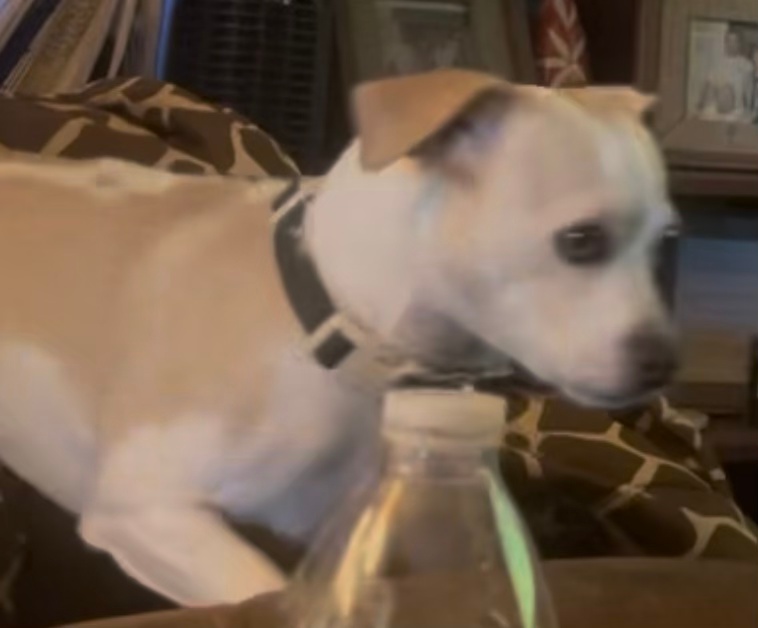
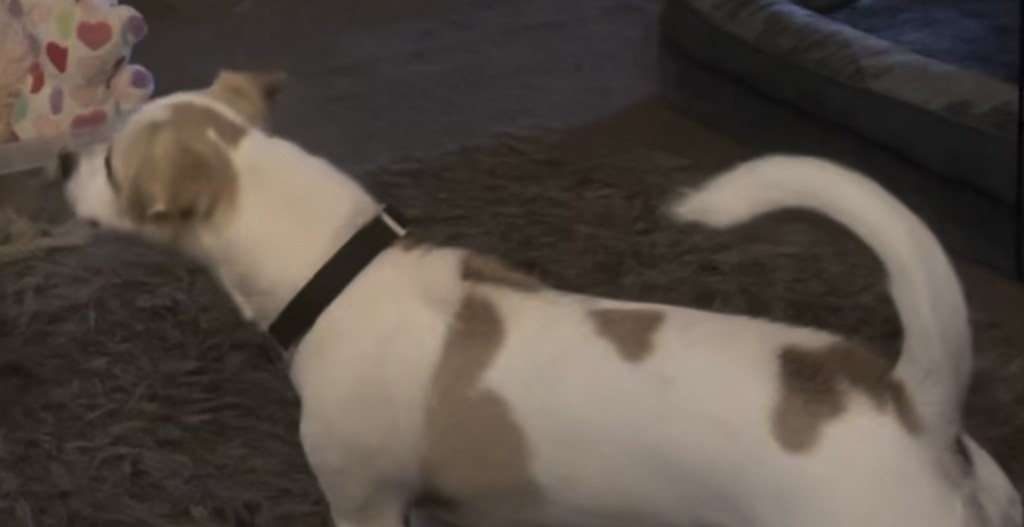
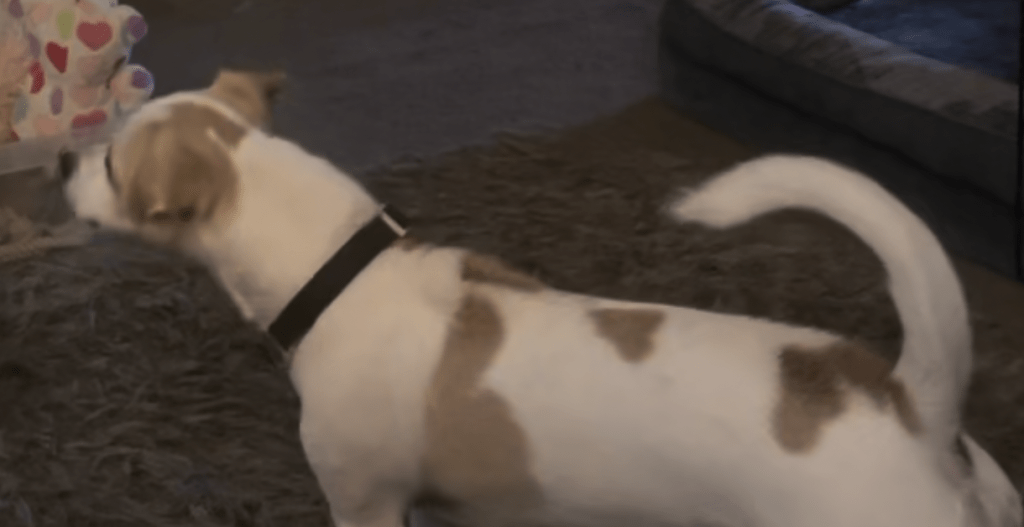
One sunny morning, Otis, a slick Jack Russell Terrier with a gleam in his eyes

and mischief in his heart, woke up. His fur was a brilliant shade of gold, shimmering in the sunlight, and his tail wagged with such enthusiasm that it could power a windmill. The day started innocently enough; we had breakfast at our favorite restaurant and came home. With his wagging tail and big, innocent eyes, Otis welcomed us home and helped us as we tidied up around the house. But Otis is no ordinary dogโ€”trouble seems to find him as a squirrel finds an acorn. He gets these spurts of energy known well as zoomies.

It’s like he’s a magnet for mishaps, a walking comedy show. Wherever he goes, calamity follows. He’s so adorable that it’s impossible not to chuckle when his wrecking ball hits.

It wasn’t long before Otis’s nose led him to the kitchen. The scent of freshly baked bread cooling on the counter was just too tempting. He stood on his hind legs, stretching his neck as far as it would go. Just then, a slight breeze blew through an open window, knocking a paper off the fridge and startling Otis. He yelped and bumped into the counter in a flurry of fur and paws. The bread tumbled down, landing squarely on the floor.

When we walked in, Otis stood over the fallen loaf, his big, brown eyes looking up at us with a mix of innocence and apology. His expression seemed to say, “I didn’t mean to!” It’s hard not to forgive him when he looks at you like that.

We sighed but couldn’t help the tiny smile tugging at your lips. Before picking up the bread, Otis had darted out of the room, ears flapping, tail wagging like a flag, and disappeared into the yard.

As the day went on, Otis’s streak of bad luck continued. While exploring under the porch, he got tangled in a ball of twine that a handyman had left behind. Emerging from the shadows, he looked wide-eyed and confused, like a dog-sized spider web. The neighbors couldn’t help but chuckle when they saw him, tangled and guilty-looking. One even offered to help untangle him, but Otis, being Otis, managed to free himself in a comical fashion.

Capping off his day – Otis’s curiosity got the best of him once more when he found a potted plant by the front door. It only took a nudge from his nose for the pot to tip over, spilling soil all over the welcome mat. He sniffed the dirt, sneezed, and left tiny paw prints leading to his bed, where he flopped down, exhausted.

When found, he looked up with that sweet, guilty face as if saying, I swear, I don’t know how it happened!

Despite the chaos, we knelt and scratched behind his ears. Otis nuzzled into my hand, eyes closing in contentment. As much trouble as he got into, he was ours, and those mishaps only make our days a little more memorableโ€”and a lot more fun. His presence, filled with joy, even amid his mischievous adventures, is a constant reminder of the happiness pets bring into our lives.

Why Being Different is Special: Spot’s Lesson

A Story By: Benjamin Groffยฉ Groff Media 2024ยฉ Truth Endures

Once upon a time on Cloverfield Farm, there was a little dog named Spot. Despite his name, he didnโ€™t have a single spot on his smooth, white coat. All the other animals had their own unique markingsโ€”some had spots, some had stripes, and even Patch the cat had a patch over one eye. Spot often felt left out, especially when the other animals teased him.

โ€œHey, Spot! Where are your spots?โ€

the goats would bleat, snickering amongst themselves.

โ€œSpot doesnโ€™t even look like a Spot,โ€

the chickens clucked, pecking around the yard as Spotโ€™s ears drooped in embarrassment.

Tired of feeling like he didnโ€™t belong, Spot decided heโ€™d make his own spots. One day, he found some mud by the pond and rolled around in it, making little brown splotches all over himself. He trotted proudly into the barn, thinking he looked just like everyone else.

But the cows mooed with laughter.

โ€œThose spots donโ€™t look real, Spot,โ€

they teased.

โ€œYouโ€™re still plain!โ€

Spot tried again the next day, sneaking into the farmerโ€™s house and dipping his paws in paint from an art set left out on the porch. This time, he dotted his fur with black paint, carefully pressing little paw prints all over his coat. Spot thought he looked quite spotty now, but as he strutted around the barnyard, the animals just laughed louder.

One day, feeling disheartened, Spot wandered to the edge of the pasture and lay down beneath a big shady tree. Just then, a large bullโ€”well, he looked like a bullโ€”ambled over and lay beside him.

โ€œWhatโ€™s the matter, Spot?โ€

asked the bull.

โ€œOh, everyone teases me because I donโ€™t have any spots,โ€

Spot sighed.

โ€œIโ€™ve tried everything to fit in, but they always laugh.โ€

The bull nodded thoughtfully.

โ€œYou know, Spot, they laugh because they donโ€™t understand. And by the way, Iโ€™m not a bullโ€”Iโ€™m a steer.โ€

Spotโ€™s eyes widened.

โ€œA steer?โ€

The steer chuckled.

โ€œYes. I may look like a bull, but Iโ€™m not. And thatโ€™s okay. I learned a long time ago that who you are inside doesnโ€™t need to match what everyone thinks they see on the outside. And it doesnโ€™t have to match what they want, either.โ€

Spot tilted his head, listening.

โ€œYou see, Spot,โ€

continued the steer,

โ€œeveryone has something that makes them different. And sometimes, animals make fun of others because they donโ€™t want their own differences noticed. Itโ€™s easier for them to point at you than to face their own insecurities. But those differences are what make each of us unique.โ€

Spot thought about this for a moment.

โ€œSoโ€ฆ you think itโ€™s okay that I donโ€™t have spots?โ€

โ€œMore than okay,โ€

said the steer with a warm smile.

โ€œYou donโ€™t need spots to be special. Being you is what matters. When youโ€™re proud of who you are, those who tease you may just stop because theyโ€™ll see that you donโ€™t need their approval.โ€

Spot felt something warm and happy inside. For the first time, he realized that maybe being himself was enough.

After that, Spot didnโ€™t roll in mud or try to paint on spots. Instead, he ran and played with the animals, joining in with confidence. He still got a few teasing remarks, but now he just wagged his tail and smiled.

And little by little, the other animals started to see Spot differently. The cows noticed how fast he could run, the goats admired his cleverness, and even Patch the cat stopped by to share stories with him under the big shady tree. Spot was no longer โ€œthe dog without spotsโ€โ€”he was simply Spot, the friend who was comfortable being himself.

And from then on, Cloverfield Farm was a happier place for everyone.

The Legend Of Earl and Maynard And Boy Scout Troop 159 – High Atop Mount Sopris!

A Story By: Benjamin Groff IIยฉ Groff Media 2024ยฉ Truth Endures

The wind howled through the pines as Boy Scout Troop 159 huddled together, trying to keep warm. Their campfire flickered weakly in the clearing, barely enough to fight the growing cold. The storm was coming, the first winter blast of the season. It had crept in on them like an ambush, driven by the low-pressure system spinning in from California’s Baja Peninsula.

Scoutmaster Pearson sat by the fire, pale and shivering. He’d confidently led them into the wilds of Mount Sopris, but now he looked lost, his breaths shallow. His assistant, Mr. Haines, leaned against a tree, coughing into a handkerchief. The boys had whispered that it could be Covid-19, but no one wanted to say it aloud.

“We sleep here,” Pearson rasped, his voice barely louder than the crackling fire. The boys exchanged worried glances, unsure of what to do.

“Shouldn’t we move, sir?” asked Danny, the oldest scout, his voice steady despite the fear in his eyes. “Get lower before the snow hits?”

Pearson shook his head weakly. “Too farโ€ฆ it’sโ€ฆ it’s better to stay.”

They had marched for hours, though the cold terrain made it feel like days. Each step felt heavier as they passed by the marker where it was said John Denver had written “Rocky Mountain High.” The mountains loomed like sentinels in the fading light, watching the troops struggle.

But it wasn’t the storm that haunted their thoughts. It was the legend.

As they had set out that morning, Mr. Haines had told stories of Earl and Maynard, the two mysterious backwoodsmen who supposedly lived on the mountain. Most people thought they were fictional characters, spun from the drunken memories of old-timers in Carbondale’s pubs, but the boys had listened with wide eyes as Haines spoke, their imaginations running wild with the possibilities.

“No one ever sees ’em,” Haines had said, his voice low and conspiratorial. “But those who’ve been lost on this mountain and lived to tell the tale always say they feltโ€ฆ something. It’s like someone was watching. Some even claim Earl and Maynard saved them.”

With the snow already beginning to fall, Danny thought back to that tale. His gut twisted with uncertainty. Was there any truth to it?

“Come on, guys, get your sleeping bags out,” Danny urged, trying to sound calm despite his racing heart. The sky had darkened, and the storm clouds were heavy with snow. The wind snapped through the clearing like the mountain was breathing down on them. Fear and uncertainty hung in the air, thick and palpable.

Something rustled in the trees as the boys settled in for the night. Danny jerked his head up, his eyes scanning the darkness beyond the fire. He strained to listen, but the wind masked everything.

“Did you hear that?” one of the younger boys, Jacob, whispered.

Danny shook his head, not wanting to frighten the others, but deep down, he had heard it too. Somethingโ€”or someoneโ€”was out there.

Hours passed, and the storm hit hard. Snow piled up quickly, covering their small camp in a thick, white blanket. The fire had gone out, and the temperature dropped below freezing. Danny shivered uncontrollably in his sleeping bag, his mind racing through every possible scenario. They were lost. They had sick leaders. And the storm was only getting worse.

Then, something changed.

In the middle of the night, Danny sat up when the wind howled loudest. The air felt differentโ€”calmer, almost still. He blinked in the dim light and noticed something strange. Just beyond the edge of their clearing, the snow had been disturbed. Large footprintsโ€”deep, wide, and unmistakableโ€”led from the forest to the edge of their camp.

His heart pounded as he nudged Jacob awake. “Look at that,” Danny whispered, pointing to the unmistakable footprints. Jacob’s eyes widened in shock and disbelief. “Who-what is that? No one’s been out here!” he exclaimed, his voice a mix of fear and wonder.

Jacob’s eyes widened. “Whoโ€”what is that? No one’s been out here!”

Suddenly, the sound of snapping branches filled the air. The boys froze, their breath catching in their throats. The smell of wood smoke drifted through the clearing from the shadows, though their own fire had long since died out.

“Come on,” Danny said, his voice shaky but determined. He grabbed a flashlight and motioned for Jacob to follow. “We’ve got to see where this leads.” Their fear was palpable, but they refused to let it paralyze them.

They followed the tracks, their boots crunching in the snow. The prints led them deeper into the woods, winding through the trees. The further they walked, the more a strange warmth surrounded themโ€”almost unnatural, given the biting cold of the storm.

Then, they saw it.

An old cabin stood nestled between the trees, its roof sagging under the weight of the snow, but smoke curled from its chimney. The door creaked open slightly as if someone had left in a hurry.

Without thinking, Danny pushed the door wider. Inside, there was no one. But there was warmth. A fire roared in the stone hearth, and two tin mugs of coffee steamed on the table. More importantly, there were blankets, canned food, and an old map tacked to the wall with a safe path marked in pencil that led directly back to the mountain’s base.

The boys exchanged wide-eyed glances. “Whoโ€ฆ who do you think was here?” Jacob whispered.

Danny shook his head slowly. His eyes drifted to the wall, where a small, yellowed note was pinned next to the map. Scrawled in faded ink were the initials, E&M.

“Do you thinkโ€ฆ?” Jacob began, but Danny cut him off with a glance. He didn’t know what to think.

The boys gathered supplies and hurried back to camp, guiding the others to the cabin. By dawn, the storm had eased, and they began their descent down the mountain, safe and warm.

No one spoke of the tracks, the fire, the cabin, or the initials on the wall.

But as they reached the base of the mountain, the legend of Earl and Maynard lived onโ€”alive, as ever, in the back of their minds.

Potbellied Pig Sheriff Ensures Peace: A Story from Lost Animals Farms

A Story By Benjamin Groffยฉ Groff Media 2024ยฉ Truth Endures

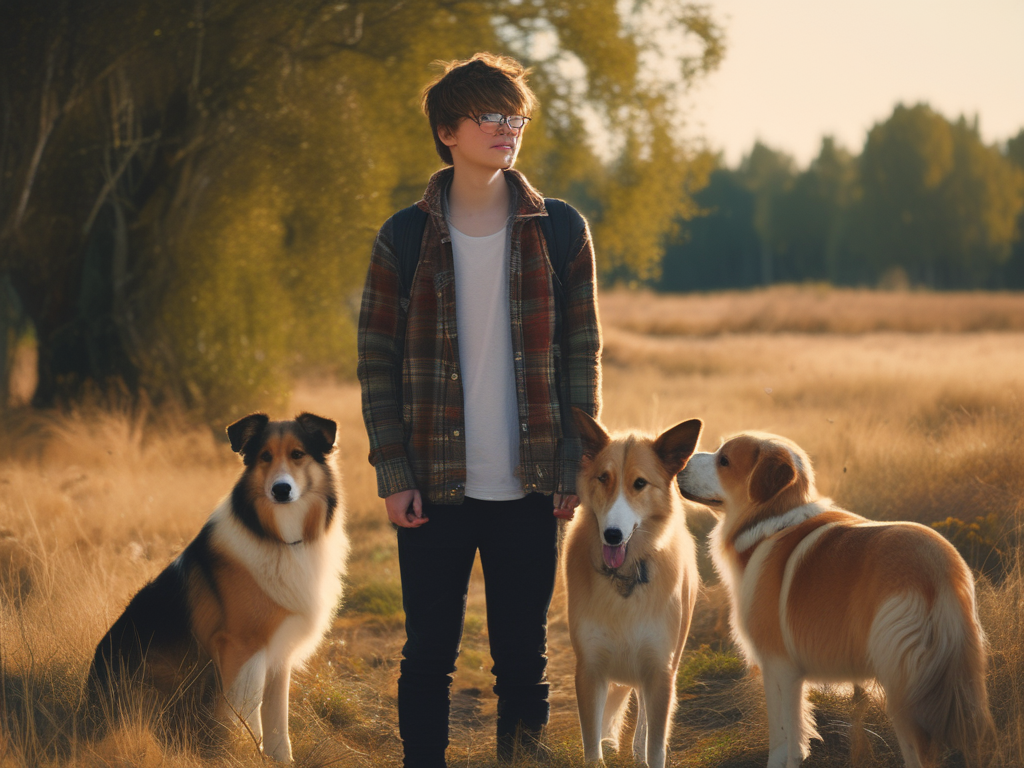
In the small, dusty town of Lost Animals Farms, nestled in the Arizona desert, Sheriff Leroy trotted proudly along, his hefty belly swaying side to side as he made his rounds. With a shiny badge on his chest, a snout that could sniff out trouble from miles away, and a well-worn cop hat resting above his beady eyes, Leroy was the heart of this farm town. The Sheriff’s trusty tool? A yellow Club Cadet golf cart that purred across the dusty paths, a squeaky siren perched on top. At the wheel sat Peppy, a scrappy border collie with a knack for precision driving.

Leroy and Peppy patrolled Lost Animals, a sprawling farm with over five hundred animal residents. From the cows in the meadow to the chickens in the coop, Leroy knew every critter by name, and they all knew Leroy.

“Leroy! Good mornin’!

A sheep called out as the cart hummed past.

“Howdy, Shirley!”

Leroy tipped his hat, his deep voice carrying through the air like a calm breeze.

“Everything good on your end?”

“Couldn’t be better, Sheriff!” 

Shirley baaahed back with a cheerful nod.

Lost Animals Farms had been a peaceful place under Leroy’s watch for years. Every day, he visited homes, ensured the animals were doing fine, and dealt with the occasional squabble over whose turn it was to drink from the watering hole. But today felt different. As Peppy skillfully maneuvered the golf cart down Main Trail, a sense of unease hung in the warm Arizona air.

The call came just after noon.

 Rufus, a frantic rooster, flapped his way to the station, feathers flying everywhere.

Leroy raised his snout from his snack, eyeing Rufus beneath his hat.

“What’s the ruckus, Rufus?”

Rufus crowed, jumping in circles.

Leroy’s small eyes narrowed, his mind racing. Break-ins? CRIME! It wasn’t the kind of thing Lost Animals was known for. Peppy jumped into the cart and started the engine with a low growl. “Let’s roll, Sheriff.”
The cart zipped off, dust kicking up as they sped to the barn. Leroy adjusted his gun belt, making sure his handcuffs jingled in place. Peppy barked at the animals scattering in the path, the word “crime” spreading like wildfire.

When they arrived, the barn doors were wide open. Inside, chaos ruled. Hay bales were scattered, feed buckets overturned, and a shadowy figure rifled through Farmer Brown’s old toolbox in the corner.

 Leroy hollered, his voice booming.

The figure spun around, revealing none other than Slick Ricky, the sly raccoon known for his sticky paws. He’d been caught in minor mischief before, but this was bigger.

Ricky smirked, raising his little hands as he slowly backed toward the barn door.

Leroy wasn’t about to let Ricky get away this time.

With a sharp bark, Peppy sped the golf cart in front of the barn doors, trapping Ricky inside.

Ricky darted left, then right, his beady eyes darting for an escape, but it was useless. Leroy lumbered forward, his massive frame intimidating despite his plump size. He pulled out his handcuffs with a snouty snort.

“Ricky, you’re done here. You’ve caused enough trouble in this town.”

Just as Leroy was about to slap the cuffs on, Ricky dropped a bag of stolen goods and – out spilled carrots, apples, and even some shiny trinkets from the horse stalls.

Ricky sneered.

“Wrong,” 

Leroy said firmly.

“Lost Animals is a peaceful place, and we won’t tolerate thievin’ here.” 

With one quick motion, Leroy cuffed Ricky’s tiny paws.

As Peppy wagged his tail in approval, the animals gathered outside the barn, murmuring. Word of the break-ins had spread fast, and now they watched as Leroy marched the criminal out of the barn and toward the golf cart.

“Good riddance, Ricky!” 

a horse neighed from the crowd.

“About time!” – ย squawked a chicken.

Leroy loaded Ricky into the back of the golf cart, keeping a firm eye on him. As they drove back to the station, Peppy turned and winked at Leroy.

“Another job well done, Sheriff.”

Leroy chuckled, his potbelly bouncing as they cruised down the trail.

“Yep, another day, another collar.”

With peace restored once more, Leroy, the potbellied pig sheriff, continued his patrol, knowing that as long as he was around, Lost Animals Farms would stay safe for everyone who called it home.

The End.

The Cat On The Pole

A Story By: Benjamin Groffยฉ Groff Media 2024ยฉ Truth Endures

In a quiet little neighborhood, there lived a curious cat named Whiskers. Whiskers was the cat who couldn’t resist exploring every nook and cranny of the world around him. From chasing butterflies in the garden to sneaking into open windows, there was nowhere Whiskers wouldn’t go.

One sunny afternoon, Whiskers spotted something new and intriguing: a tall, wooden utility pole standing proudly in the middle of the neighborhood. Its wires stretched from its top, leading off in every direction like a spider’s web. With his insatiable curiosity, the pole towered high above everything else, and Whiskers decided that he just had to climb it.

With a spring in his step, Whiskers leaped onto the base of the pole and began his ascent. He dug his claws into the rough wood, inching higher and higher. As he climbed, he felt the breeze tickling his fur, and the view of the neighborhood became more expansive. He could see the tops of trees, the roofs of houses, and even a distant hill he had never noticed before.

But as Whiskers reached the halfway point, something changed. Whiskers looked down and realized just how high he had climbed. The ground seemed so far away, and the pole suddenly felt narrow and precarious. His heart started to race, and Whiskers felt a twinge of fear for the first time.

He tried to turn around and head back down, but climbing down was more challenging than going up. His claws struggled to find a grip, and the pole seemed to sway slightly beneath him. Whiskers froze, unable to move up or down, his tiny body clinging to the pole in desperation.

Below, a few neighbors noticed the little cat stranded high above the ground. They gathered around, their faces filled with concern and their voices hushed in worry. One of the children shouted, “Look! A cat’s stuck on the pole!”

Word spread quickly, and soon, the entire neighborhood had gathered. Some suggested calling the fire department, while others considered using a ladder to rescue Whiskers. But the pole was too high, and the cat was too scared to move.

Finally, old Mr. Thompson, who lived in the corner house, shuffled to the scene. He was known in the neighborhood as the “Cat Whisperer” because he had a way with cats that no one could explain. With a calm and gentle voice, he looked up at Whiskers and said, “Come on down, Whiskers. It’s okay.” His presence alone brought a sense of hope to the worried crowd.

Whiskers recognized Mr. Thompson’s voice. He had often visited Mr. Thompson’s garden, where Whiskers always got greeted with treats and soft pats on the head. The familiar voice gave him a sense of comfort, and he slowly turned his head to look down.

Mr. Thompson continued to speak softly, coaxing Whiskers with soothing words. He knelt, holding his arms as if to catch the little cat. “You can do it, Whiskers. Just take it one step at a time.”

With newfound courage, Whiskers began to inch his way down the pole. It was slow and nerve-wracking, but Mr. Thompson’s voice kept him calm with every step. The neighbors watched silently, holding their breath as the cat descended. His bravery was a sight to behold, and it filled the onlookers with a sense of pride.

Finally, after what seemed like an eternity, Whiskers finally reached the pole’s bottom. As soon as his paws touched the ground, he dashed into Mr. Thompson’s arms, trembling but safe. The crowd erupted in cheers and applause, relieved that the brave little cat was back on solid ground.

Mr. Thompson patted Whiskers gently and whispered, “There you go, little one. Safe and sound.”

From that day on, Whiskers stayed close to the ground, content to explore the gardens and alleys instead of the towering heights. And every time he passed the old utility pole, he would glance at it but never again feel the urge to climb. After all, he had learned that some adventures are best left untried.

The Prayer For Peace Finally Answered!

A Story By: Benjamin Groffยฉ Groff Media 2024ยฉ Truth Endures

An older man, who had prayed for peace since he was a young child, lived a life of selflessness. His mother’s words, that God would answer his prayer if he kept his life clean of sin and did what was best for others, became his guiding principle. He never put himself first, always putting the lives of others before his own needs.

So, the older man went without when he could have lived a comfortable life. He gave to others and kept a solitary life when he could have had a home filled with love and a family. The city he lived in had the highest crime rates in the world, and the country in which the older man lived was worn in battles between battles with other nations and individual groups. He was a victim of crime repeatedly when he could have had protection provided.

The man became wealthy without trying, thanks to inheritances from family and friends and business interactions he had made without intending to see a return. When he turned 80, he prayed one night, asking why God hadn’t answered his prayer.

The older man’s prayer echoed through the quiet of his small, humble home. He sat at the edge of his bed, his hands clasped tightly together, his heart heavy with years of unanswered longing. The world outside his window was no different than it had been decades agoโ€”still filled with strife, suffering, and humankind’s relentless cruelty.

A deep voice resonated as he closed his eyes, seeking the peace he had always desired. It wasn’t a voice he heard with his ears but one that spoke directly to his soul.

“My son,”

The voice began, calm and compassionate.

“My son, you have lived a life of unwavering faith, sacrifice, and selflessness. But true peace is not the absence of conflict in the world around you. It is the serenity within your heart, the understanding that you have done all you can for others, and the acceptance that the world’s burdens do not solely rest upon your shoulders.”

The man’s breath caught as the realization began to dawn on him.

“Peace is not something one gets as a reward for their deeds,”

the voice continued,

“but something that grows within you, cultivated by your actions, thoughts, and love. You have touched countless lives, offered solace to those in need, and lived your life according to the highest ideals. The peace you seek has been with you all along, not in the world outside, but within the purity of your heart and the love you have shown others.”

Tears welled in the older man’s eyes as he understood. He had spent his life searching for peace in the world while nurturing it within himself. The crimes, wars, and suffering were not his to control.

His prayer had been answered most profoundly: by giving him the strength to endure, the compassion to love, and the wisdom to understand that peace is not an external gift but an internal state of grace.


As the older man lay back on his bed, a warm, gentle calm washed over him. He closed his eyes, not in despair but in contentment. For the first time in his life, he felt at peaceโ€”not because the world had changed, but because he had finally understood the true nature of his prayer.

And with that peace, he drifted into a restful sleep, his heart light, his soul fulfilled, and his spirit finally at ease.

The Bird That Couldn’t Fly Forward. A Case For The NSA And NASA

A Story By: Benjamin Groffยฉ Groff Media 2024ยฉ Truth Endures

The bird that couldn’t fly forward. A family of birds hatched in a tree on a busy street in Brooklyn, on a branch above Olive Avenue. The tree stretched out over the sidewalk, and Cindy and Chad, two twins inside a set of apartments, could see the birds as they hatched. They called the birds Larry, Harry, and Barry. After characters from a children’s program, they watched each day.

Larry and Harry had wings with feathers that reasonably matched one another, but Harry had one white feather on his left wing that set him apart. Barry had white feathers on both wings and a white feathered head. He could have similar makings of a bald eagle, only had he been larger. The two kids enjoyed watching the mother feed the birds and often would get upset at how Larry and Harry seemed to bully Barryโ€”sometimes stealing food that the mother was feeding to give to the birds.

When the birds grew older, their mother began nudging them out of the nest to teach them to fly. They would plummet to the ground, only to be lifted by the mother and nudged out of the nest again until they began to flap their wings and fly. Larry and Harry flapped their wings and began to fly short distances, finding branches to land on and steadying their weight before the mother would unbalance them and make them fly further. Barry was a different story.

When nudged out of the nest, Barry flapped his wings in the wrong rotation; his feathers seemed to ruffle in the opposite direction, and he began to fly backward. The kids sat in the window and laughed at first, thinking the bird would stop this funny maneuver and change his movement to flying forward, but his backward flying motion intensified.

Barry appeared to have an inner radar that guided him around obstacles that would be in his way that other birds would typically use their eyesight. He managed to fly better than typical birds and became famous in the neighborhood. People took videos and photos of the backward-flying bird and posted them on the internet, and Barry, the Backward Flying Bird, became a Viral Sensation worldwide.

NASA, NSA, and the National Security Agency also began noticing. Is this bird some device planted by an adversary, or did someone utilize some secret plan that was supposed to remain hidden at NASA? How could an animal mysteriously fly around and go backward?

As Barry’s fame spread, his unique ability to fly backward attracted the attention of curious onlookers and influential organizations. The NSA and NASA couldn’t ignore the viral videos any longer. The agencies began to speculate that Barry might be a highly advanced drone or an experiment gone awry. Was he an alien probe sent to observe Earth? Or a covert government project that had somehow been released into the wild? They needed to find outโ€”and fast.
Cindy and Chad noticed unmarked vans parked on their street and people in suits and dark glasses speaking into earpieces one bright morning. The twins immediately knew that Barry had drawn more attention than anticipated. They watched anxiously from their window as the agents set up strange equipment under the tree where Barry and his brothers had hatched.

“They’re going to take him away!”

Chad exclaimed, worried.

“We can’t let that happen,”

Cindy said with determination.

The twins, fueled by their determination and love for Barry, quickly devised a plan. They now knew Barry’s flight pattern by heart; they had spent countless hours watching him. They waited until the agents were distracted, then quietly slipped out of their apartment, sneaking up to the tree.

“Barry!”


Cindy whispered, holding out her hand. Amazingly, Barry recognized her voice and fluttered down, hovering just above her palm, still flying backward. Their bond was unbreakable, a testament to the power of friendship.
At that moment, one of the agents noticed them.

“Hey! Get away from that bird!”

He shouted, but it was too late. Cindy and Chad sprinted down the street with Barry flying backward above them, just out of reach.

The chase through Brooklyn was both thrilling and chaotic. Barry’s backward flight confused the agents, unsure how to capture a bird that never flew where they expected. Barry expertly navigated through alleyways, over fences, and even under bridges, always just one stepโ€”or flapโ€”ahead.

Meanwhile, the twins led him toward a nearby park, hoping to find some refuge. As they ran, Chad had an idea.

“We need to get him to the highest point in the park,”

He said. He can use that to his advantage.

They raced to the top of a hill, where a tall statue stood. Barry, sensing what they wanted him to do, flew to the top of the statue and perched there, still facing backward. The agents surrounded the park, closing in on them, but something unexpected happened.

Barry began to spin in circles, faster and faster, like a small whirlwind. The wind picked up around him as he did, swirling the leaves and dust into a mini-tornado. The agents, caught off guard, were forced to step back.

“Look at him!”

Chad shouted, amazed.

Barry created a vortex of air, using his unique flying ability to generate a mighty wind that pushed the agents back. The twins realized that Barry’s backward flying wasn’t just a quirk but a gift. And now, it was saving them.

The wind grew stronger, and soon, the agents were struggling to stay on their feet. With a final burst of energy, Barry released the vortex, sending a wave of air that knocked the agents off balance and caused them to tumble down the hill. The twins cheered as Barry floated down, landing gently on Chad’s shoulder. It was a victory, a testament to the power of uniqueness and friendship.

By the time the agents recovered, it was clear they were outmatched. Barry wasn’t just any bird; he was unique and had proven it.

Realizing they couldn’t take him away, the agents called off their operation. Later, they approached the twins with respect, not threats.

“We were wrong about Barry,”

One of the agents admitted.

“He’s not a threatโ€”he’s remarkable. We want to study him, but only if you agree.”

Cindy and Chad looked at each other, then at Barry, who was now perched between them.

“You can study him,”

Cindy said carefully,

“but only if he stays free. He’s not just a birdโ€”he’s our friend.”

The agents agreed, and from that day on, Barry became a symbol of curiosity and wonder. Scientists from NASA and the NSA studied his flight patterns from afar, learning from him without interfering in his life. Barry, the Backward Flying Bird, became an even bigger sensation, hailed as a hero for saving the day in Brooklyn.

Cindy and Chad’s bravery was recognized, too. The twins were invited to NASA to meet with scientists and learn about aerodynamics, space, and more. Their friendship with Barry became the subject of documentaries, books, and even a children’s program that other kids watched and loved.

Ultimately, Barry continued to fly backward, defying all logic and expectation. And while he may have seemed like a small bird in a big city, to Cindy and Chadโ€”and the worldโ€”he was nothing short of extraordinary.

The Hidden Trails ~ The Silent Path To Danny’s Peace Of Mind

A Story By: Benjamin Groffยฉ Groff Media 2024ยฉ Truth Endures

Every day after school, the weight of the small, tightly-knit town in the heart of the Oklahoma hills seemed to press harder on Danny’s shoulders. The rumors, the whispers behind his back, and the constant need to mask who he was took a toll on him. 

At sixteen, he was already an expert at blending in, concealing his true self beneath layers of false smiles and careful words. But the act drained him. In stark contrast, the woods were the only place where he could breathe and feel free, a sanctuary that beckoned him from behind his family’s modest home.

The woods were the only place where he could breathe and feel free. Nestled behind his family’s farmstyle home, the sprawling expanse of forest beckoned him like a sanctuary. It was his escape, a world where no one judged him or cared who he loved and where he could be.

Every day, as soon as the final school bell rang, Danny would hurry home, change out of his school clothes, and grab his two loyal companionsโ€”Scout, an energetic Border Collie, and Rusty, a golden retriever with a heart as big as the sky. The moment he stepped into the woods, the weight on his chest began to lift, with the dogs by his side, their presence adding to the sense of freedom.

He knew every trail like the back of his hand, each winding path, every hidden meadow, and the secret spots that felt like they belonged to him alone. He would venture deep into the canyons, where the towering cliffs seemed to embrace him, sheltering him from the outside world. The sound of the wind whispering through the trees and the rustling leaves underfoot became his symphony.

The lake, with its glassy surface reflecting the changing colors of the sky, was his favorite spot. Here, he could sit for hours, watching Scout and Rusty chase each other along the shore, their barks echoing off the canyon walls. The beauty and tranquility of the place calmed his restless heart. It was here, in the stillness, that he could let his thoughts wander freely.

He often imagined what it would be like to live without fear, to love whomever he chose openly. But such thoughts were dangerous in a town like his. The smallness of the place meant that everyone knew everyone, and secrets were as rare as rain in the summer. So, he kept his dreams tucked away, only allowing them to surface in these moments of solitude.

As the sun set in the western sky, casting long shadows across the landscape, Danny would reluctantly begin the journey home. Sensing his mood, the dogs would walk quietly beside him, their once energetic bounces replaced by a calm understanding. The return to reality was always bittersweet, but their silent support made it bearable.

But each day, the promise of the woods and the solace they offered kept him going. The hidden trails became his refuge, where he could escape the daily blues of school and the oppressive weight of his secret identity. In the forest, Danny was free, even if only for a few precious hours.

And so, the days passed, with each walk bringing him closer to understanding himself and finding the courage he needed. The woods were patient, waiting for the day Danny would no longer need to hide when he could step out from the shadows and into the light of his truth.

Until then, the hidden trails remained his sanctuary, where he could find peace and strength, one step at a time.

Horace Thistle’s Clocks โ€“โ€“โ€“ Capturing A Family’s Most Precious Moments!

A Story By: Benjamin Groffยฉ Groff Media 2024ยฉ Truth Endures

A unique and gifted clockmaker named Horace Thistle resided in the quaint town of Willowbrook, nestled amidst rolling hills and whispering pines. Horace’s talent surpassed the ordinary mechanics of time. His clocks were not mere timekeepers; they were enchanting devices that could capture and immortalize moments in a delicate dance of gears and hands.

Horace’s shop, Timeless Treasures, stood at the heart of the town square. Its windows were full of clocks, each more intricate than the last. People from all walks of life visited his shop, drawn by the promise of clocks that measured time in a way no other timepieces could.

“Good day, Mr. Thistle,” David greeted, eyes scanning the wondrous creations that lined the walls.
“Welcome, Thompsons,” Horace replied with a warm smile. “How may I assist you today?”

One crisp autumn day, the Thompson family, filled with anticipation, stepped into the shop. Sarah and David Thompson, accompanied by their two young children, Emily and Ben, had been intrigued by the rumors of Horace’s magical clocks. They had come to see if these whispers held any truth.

Sarah stepped forward, holding Emily’s hand. “We’ve heard that your clocks can mark special moments in our lives. Is that true?”

Horace’s eyes twinkled. “Indeed, it is. My clock’s design is to capture the essence of your family’s milestones. Each tick is a memory; each chimes a celebration.”

Intrigued and excited, the Thompsons made a decision that would forever change their lives. They chose to commission a clock from Horace. He asked them to share their most cherished moments, and as they spoke, he listened intently, his hands working with the precision of a maestro composing a symphony.

Over the next few weeks, Horace poured his heart and soul into crafting the Thompson family’s clock. He inscribed the day Sarah and David met on the clock face, their wedding day marked with a delicate engraving of intertwined rings. The birthdates of Emily and Ben are each adorned with tiny, twinkling stars.

When the clock was finally ready, the Thompsons returned to the shop. Horace unveiled the masterpieceโ€”a grand wooden clock with ornate carvings and delicate details. As the family gathered around, he wound the clock and set it in motion.

The clock’s hands began to move, but not steadily. Instead, they danced, slowing down during moments of joy and speeding up during excitement. Each tick resonated with the laughter of birthdays, the warmth of holidays, and the quiet comfort of everyday moments.

The Thompson family’s clock became a cherished heirloom as the years passed. It recorded Emily’s first steps, Ben’s school achievements, and countless family gatherings. Each time they look at it, they will remember the love and memories that had shaped their lives.

Word of Horace’s extraordinary clocks spread far and wide, and families from distant towns came to Willowbrook, seeking their own Timeless Treasures.

Horace welcomed them all, listening to their stories and weaving their memories into the fabric of time.

So, in the little town of Willowbrook, the clockmaker who could capture moments continued to craft his magical clocks, ensuring that no memory was ever lost to the relentless march of time.

The Secret of Willow Woods

A Story By Benjamin Groffยฉ Groff Media2024ยฉ Truth Endures

Tommy was a curious little boy who loved exploring. One summer afternoon, he ventured deep into Willow Woods, a place he had always wondered about. As he wandered through the dense trees, he stumbled upon something extraordinary: a hidden community of miniature people no more significant than his pinky finger.

They lived in tiny homes nestled in the roots of trees, complete with a store, a church, and a post office. There were no cars, for they had not mastered making them so small. Instead, they traveled on foot or used small carts pulled by squirrels.

Tommy was amazed and approached cautiously. The miniature people, initially startled, soon realized he meant no harm. Among them was a little person named Nolin, who became fast friends with Tommy. They spent hours together, sharing stories and learning about each other’s worlds.

One day, Tommy had an idea. He brought a toy car from home and showed it to Nolin. The little vehicle fascinated the miniature people. With Tommy’s help, they began to design tiny vehicles that ran on water. Using miniature engines and the natural resources around them, they created a fleet of small, eco-friendly cars.

The community also harnessed wind and solar power to produce electricity. Tiny windmills spun in the breeze, and miniature solar panels soaked up the sun’s rays. The town flourished, becoming a model of sustainable living.

Their actions not only protected their community but also had a positive impact on the environment, inspiring others to follow their lead.

However, Tommy knew he had to keep their secret safe. He feared that if the grown-ups found out, they might destroy everything the miniature people had accomplished. This responsibility weighed heavily on him.

One day, as he was leaving the woods, he overheard some adults talking about expanding the nearby town, which would infringe on the woods. Tommy’s heart sank. He knew he had to act.

Tommy went back to the miniature town and shared his worries with Nolin. Together, they devised a plan. They would build a protective barrier of thorny bushes around the community, making it difficult for anyone to venture close. The miniature people worked tirelessly, and a dense wall of thorns soon surrounded their town.

The adults did start to clear some of the woods, but they stopped short when they encountered the thorny barrier. Declaring it too much trouble, they left that part of the forest untouched.

Tommy was relieved but knew the barrier was only a temporary solution. He solemnly promised Nolin and the miniature people that he would always protect their secret. This promise was not just a word, but a commitment that he upheld throughout his life, visiting them often but never telling anyone about the wonders hidden in Willow Woods.

In the end, there were no winners and no losers. The miniature community continued to thrive, hidden from the world. Tommy grew up, but he always remembered his tiny friends and the promise he made. His word was his bond, shielding the secret community, allowing it to remain a beacon of what the world could beโ€”sustainable, harmonious, and thrivingโ€”hidden safely in the heart of Willow Woods. This story is a testament to the power of promises and the impact of small actions on a larger scale. 

The story would have ended there if not for the promise so many years ago. The one Tommy gave said he would always shield the little people from the significant adults and intruders wanting the land for greed. Tommy, a successful businessman who had made millions in his dealings, bought the little people’s world’s land and built a protective barrier around the property. He then placed the property in a revolving Trust that would remain untouched, assuring the little people’s world would always be safe from intruders. This time, Tommy returned to tell Nolan, now an elder of the community getting to say,

“WE WON!”