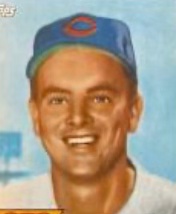
Bob Kelly, 97, Former Major League Pitcher and Last Surviving Player Managed by Hornsby and Frisch

Groff Media 2024© Truth Endures IMDbPro

Presented by benandsteve.com By: Benjamin Groff II©

2–3 minutes

In Memoriam

Bob Kelly

Robert Edward “Bob” Kelly, a distinguished former Major League Baseball pitcher. And an enduring symbol of the golden era of baseball. He passed away peacefully on November 27, 2024, in Old Lyme, Connecticut. He was 97 years old.

Born on October 4, 1927, Kelly’s journey to the Major Leagues began on the sandlots of East Cleveland, Ohio. His exceptional talent emerged early, leading East Cleveland Shaw High School to a state championship in 1944. A standout pitcher, he achieved a 7–2 record in 13 games, striking out an impressive 75 batters.

Kelly’s college baseball years, playing for Purdue University from 1946 to 1947. And Western Reserve (now Case Western Reserve University) from 1948 to 1949. Both were a testament to his resilience and skill. These formative years set the stage for a professional career that would be marked by these very qualities.

Kelly made his Major League debut in 1951 with the Chicago Cubs. He went on to pitch for the Cincinnati Redlegs and Cleveland Indians. Over his career, he demonstrated remarkable adaptability, competing during an era defined by legendary hitters and managerial icons. His versatility was a testament to his love for the game and his dedication to his craft.

Kelly enjoyed a significant time in the Major League. He was also a mainstay in the minor leagues. Notably, he played with the Los Angeles Angels of the Pacific Coast League. His contributions to the sport extended beyond his pitching abilities. He became a mentor to younger players. He instilled in them the values of professionalism and sportsmanship. His influence on them will be felt for generations to come.

Off the field, Kelly was deeply devoted to his family. He was a loving husband, father, and grandfather. He valued time spent with loved ones. He was known for his warmth, wit, and humility. His legacy extends beyond baseball, touching the lives of those fortunate enough to know him.

Bob Kelly’s life was a testament to the enduring spirit of baseball and the power of perseverance. His impact on the game and the people around him will be remembered fondly by fans, friends, and family.

In keeping with his family’s wishes, a private funeral service will honor his life. The family requests donations to youth baseball programs. This is to honor his memory. They want to make sure that Kelly’s love for the game inspires future generations.

Highway Reckoning – When There Is Real Blood On The Highway ––– “He said we were both going to die!”

Groff Media 2024© Truth Endures IMDbPro

Presented by benandsteve.com By: Benjamin Groff II©

3–5 minutes

Officer Ben Groff had been juggling back-to-back court appearances at the Beckham County courthouse all morning. The docket was full of traffic violations and a few petty crimes, each case chewing away precious hours he would rather spend patrolling Elk City streets. 

The courtroom’s musty air and the monotony of testimonies felt like a prison until his radio crackled to life with a voice that cut through the monotony like a razor.

“Priority call for Elk City PD. Possible domestic disturbance turned vehicle crash at Interstate 40 and State Highway 6. Ambulances en route. Officers needed to secure the scene. Witnesses report shots fired. Groff and Wheeler, you’re closest.”

Groff glanced at his fellow officer, Lieutenant Wheeler, seated across the room as a witness for a separate case. Wheeler’s eyes mirrored the same urgency. Without needing words, both men left the courthouse, striding quickly to their cruisers.

Moments later, Groff sped East on Interstate 40 toward the reported scene, the shrill wail of his siren slicing through the rural quiet. The chaos became evident as he neared the overpass where Interstate 40 crossed Old Highway 66.

A mangled pickup truck rested askew across the interstate median, its engine smoking and horn blaring. A crushed sedan lay twenty yards away, its front end obliterated. Skid marks and shattered glass littered the asphalt like jagged scars. Traffic had stopped, and several drivers had exited their vehicles to rubberneck or assist.

Groff slowed only enough to navigate the melee before parking behind Wheeler’s cruiser. As Groff exited his vehicle, he took in the scene—a woman, visibly distraught, sat against the guardrail, holding a bloodied handgun. Paramedics surrounded her, carefully taking the weapon from her trembling hands.

“Groff, over here!” 

Wheeler shouted, pointing toward the pickup.

Inside, a man slumped lifelessly in the driver’s seat, a gunshot wound to his head. His hands still gripped the steering wheel, frozen in what seemed to be the final moment of his fatal decision. He had experienced the syndrome known in police work as having a Cadaveric Spasm or Instantaneous Rigor. 

“She shot him, Ben,” 

Wheeler said grimly. 

“Witnesses say he tried to crash the truck into the underpass while she fought him off.”

Groff nodded, taking in Wheeler’s words while scanning for immediate threats. 

“What caused the head-on with the sedan?”

“When she shot him, the truck swerved across the median into oncoming traffic,”

Wheeler explained. 

“A family of three was in that car. Paramedics say they’re alive, but it’s bad.”

“He said we were both going to die!”

Groff approached the woman at the guardrail, her tear-streaked face contorted in anguish. 

“Ma’am, I’m Officer Groff. I need you to tell me what happened.”

Through sobs, she explained the escalating argument at a gas station on Old Highway 66. Her husband, enraged over perceived slights, had driven recklessly onto the interstate, swerving wildly. When she tried to grab the wheel to prevent him from crashing into the underpass, he attacked her. In desperation, she retrieved the handgun from the glovebox and fired.

“He said we were both going to die!”

She whispered, her voice quaking. 

“I didn’t want to hurt him, but I couldn’t let him kill us.”

Groff nodded solemnly, trying to balance empathy with the need for clarity. 

“You did what you thought was necessary to survive. Right now, our focus is ensuring you’re safe and getting everyone the help they need.”

As he spoke, highway patrol officers arrived to assist with traffic control. Paramedics transported the injured family to the hospital, and the medical examiner began their grim work on the deceased husband.

Groff and Wheeler pieced together the scene as investigators. The domestic dispute was the tragic catalyst but also underscored the unpredictable volatility of police and emergency calls.

Hours later, Groff sat on the hood of his cruiser, staring at the fading sunlight over Interstate 40. Wheeler joined him, his expression weary. 

“Another senseless tragedy,” 

Wheeler said.

“Yeah,”

Groff replied, the day’s weight pressing down. 

“But at least she survived.”

The call would haunt them both for a long time, a stark reminder of the thin line officers walk between preserving life and untangling the wreckage of human conflict. For Groff, it was just another chapter in a small-town officer’s unpredictable, often harrowing life.

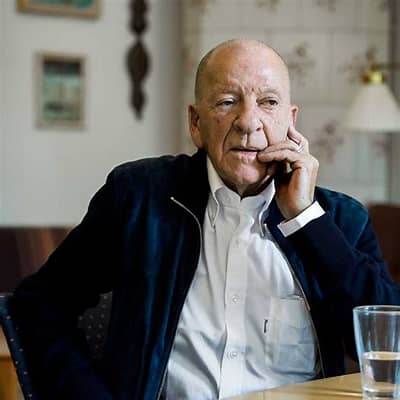
Pehr Gustaf Gyllenhammar, Former CEO and Chairman of VOLVO –––– ––– April 28, 1935 – November 2024 ––– 

Groff Media 2024© Truth Endures IMDbPro

Presented by benandsteve.com By: Benjamin Groff II©


2–3 minutes

Pehr Gustaf Gyllenhammar, a visionary Swedish businessman whose leadership and influence extended across industries and continents, passed away in November 2024 at 89. Born in Gothenburg, Sweden, on April 28, 1935, to Pehr Gyllenhammar Sr. and Aina (née Kaplan), Pehr G. Gyllenhammar was a man of profound intellect, ambition, and a global vision that inspired many. 

Gyllenhammar is best remembered for his transformative tenure as CEO and chairman of Volvo from 1970 to 1994, during which time he led the company through a period of dynamic growth and innovation, leaving an indelible mark on the automotive and industrial sectors. His bold attempt to merge Volvo with Renault in the 1990s exemplified his forward-thinking, even as it marked the end of his career with the company.  

Beyond Volvo, Gyllenhammar’s career spanned various leadership roles, including Aviva’s chairman and Rothschild Europe’s vice chairman. A fervent advocate for European industrial collaboration, he co-founded the European Round Table of Industrialists, promoting cooperation among the continent’s leading companies.  

His contributions were recognized with numerous accolades, including France’s *Ordre National du Mérite* in 1980 and the *Legion of Honour* in 1987. In 2001, he was named an Honorary Master of the Bench of the Inner Temple in London.  

Gyllenhammar’s intellectual curiosity and political engagement made him a public figure beyond the boardroom. An early proponent of social liberalism, he championed the Scandinavian model of governance and was a vocal advocate for European unity. His political views and engagement with social issues often influenced his business decisions, making him a unique and influential figure in both the political and business spheres. At one point, he was even considered a potential leader of Sweden’s Liberal People’s Party.  

He balanced his professional endeavors with a rich personal life. He married Christina Engellau, the daughter of Volvo’s former CEO, in 1959 and shared nearly five decades with her until her passing in 2008. Together, they raised four children—Cecilia, Charlotte, Sophie, and Oscar—each of whom carved out successful paths in the arts, business, and design. Later in life, Gyllenhammar found love again, marrying Lee Welton Croll in 2013, with whom he welcomed a child in 2016.  

A man of deep conviction, Gyllenhammar exemplified leadership and resilience, leaving an indelible mark on the business world and the communities he served. His resilience in the face of challenges is a testament to his character and the impact of his legacy. He is survived by his wife, Lee, his five children, and a legacy that will inspire future generations.  

A private family service will honor his memory. The service, which will be held at a private memorial, and will be a time for family and close friends to share their memories of Gyllenhammar and celebrate his life. In place of flowers, the family requests donations to causes reflecting Gyllenhammar’s dedication to innovation, education, and European unity.

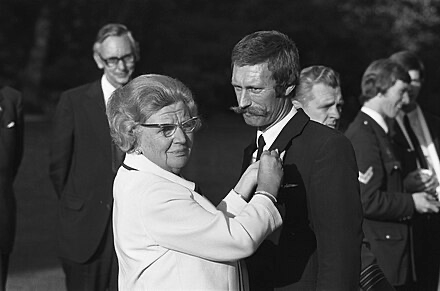
Remembering Henderikus “Pim” Sierks (10 March 1932 – 7 November 2024) The Brave Pilot

Groff Media 2024© Truth Endures IMDbPro

Presented by benandsteve.com By: Benjamin Groff II©

Henderikus “Pim” Sierks, a Dutch aviator known for his bravery and unwavering dedication both in military and civilian aviation, passed away on 7 November 2024, at the age of 92. Born in Haren, Groningen, on 10 March 1932, Sierks devoted his life to the skies, first serving with distinction in the Royal Netherlands Air Force before transitioning to a celebrated career as a commercial airline captain with Transavia.

Sierks trained with the Royal Canadian Air Force, where he gained experience on various aircraft, including the Airspeed Horsa, Auster AOP.6, and Avro 626. Back in the Netherlands, he became one of the foremost pilots of the Hawker Hunter fighter jet, serving over 11 years in the Royal Netherlands Air Force and solidifying his reputation as a skilled and disciplined aviator.

In 1974, Captain Sierks’ legacy was cemented during the infamous French Embassy hostage crisis in The Hague. When three Japanese Red Army members stormed the French Embassy and demanded a French aircraft to facilitate their escape, Sierks bravely volunteered to captain the flight. He skillfully negotiated with the hostage takers, gaining their assurance for the safety of his crew and the hostages, then flew them from Amsterdam to Damascus, Syria, with a critical refueling stop in Aden, Yemen. Sierks’ calm courage in this tense, unpredictable situation was hailed as exemplary, and he returned safely to deliver both the money and weapons back to the French Embassy in Damascus.

For his heroism, Sierks was awarded the Knight Grand Cross of the Order of Orange-Nassau by Queen Juliana, in addition to the Order of the Netherlands Lion and the Airman’s Cross. His actions that day made him a national hero and exemplified his lifelong dedication to duty, courage, and peace.

Following his career, Sierks moved to West Sussex, England, where he enjoyed a quiet life in retirement. He is remembered as a loving father, devoted friend, and a gentleman whose life and career left a mark on Dutch aviation history.

NASCAR FIGURE And Family Man Walter Ballard Sr. Funeral Services Planned For Nov.

A Service Provided By benandsteve.com By: Benjamin©Groff Media2024© Truth Endures

Walter Harvey Ballard, Sr., a pioneering NASCAR figure and beloved family man, passed away surrounded by loved ones. Born on January 12, 1933, in Summerdale, Alabama, he was the second of six boys raised by Bernice Louise and Victor Ballard, Sr. Walter was preceded in death by his parents, his first wife, Rose Ballard; his second wife, Katy Ballard; and his daughter, Anna Marie Lorenzo.

Walter is survived by his children, Wayne and Catherine Henton, Walter Harvey Ballard, Jr., Clinton and Christine Ballard, Stony and Jerry Ann Ballard, Danny and Kim Ballard, and Lee-sa Krapish. He also leaves behind five devoted brothers and their wives: Carlos and Martha, Donald and Merry, Victor and Linda, Harold, and Rita, and Ernest and Beverly, along with fifteen grandchildren, fifteen great-grandchildren, and one great-great-grandchild.

Leaving home at a young age with only a ninth-grade education, Walter forged his path, beginning with service in the U.S. Army during the Korean War, where he served as a Sergeant in France. Following his military service, Walter channeled his ambition into building a successful career around his love of automobiles. He earned NASCAR’s first Rookie of the Year title in 1971 and, despite health challenges, remained deeply involved in racing as a team owner. Walter’s influence extended beyond the racetrack; his wife, Katy, co-founded one of the first NASCAR ladies’ organizations, underscoring their shared dedication to the sport.

To honor Walter’s commitment to helping others, the family requests that memorial gifts be made to St. Jude’s Children’s Hospital or the Wounded Warriors Project, two causes dear to him.

Walter’s life will be celebrated on Monday, November 4 at 2:00 p.m. at James Funeral Home, with burial to follow at Northlake Memorial Gardens. Visitation will be held before the service from 12:00 to 2:00 p.m. at James Funeral Home.

Walter’s memory will be cherished by all who knew him. He was a devoted father, a trailblazer in NASCAR, and a man of strength and kindness.

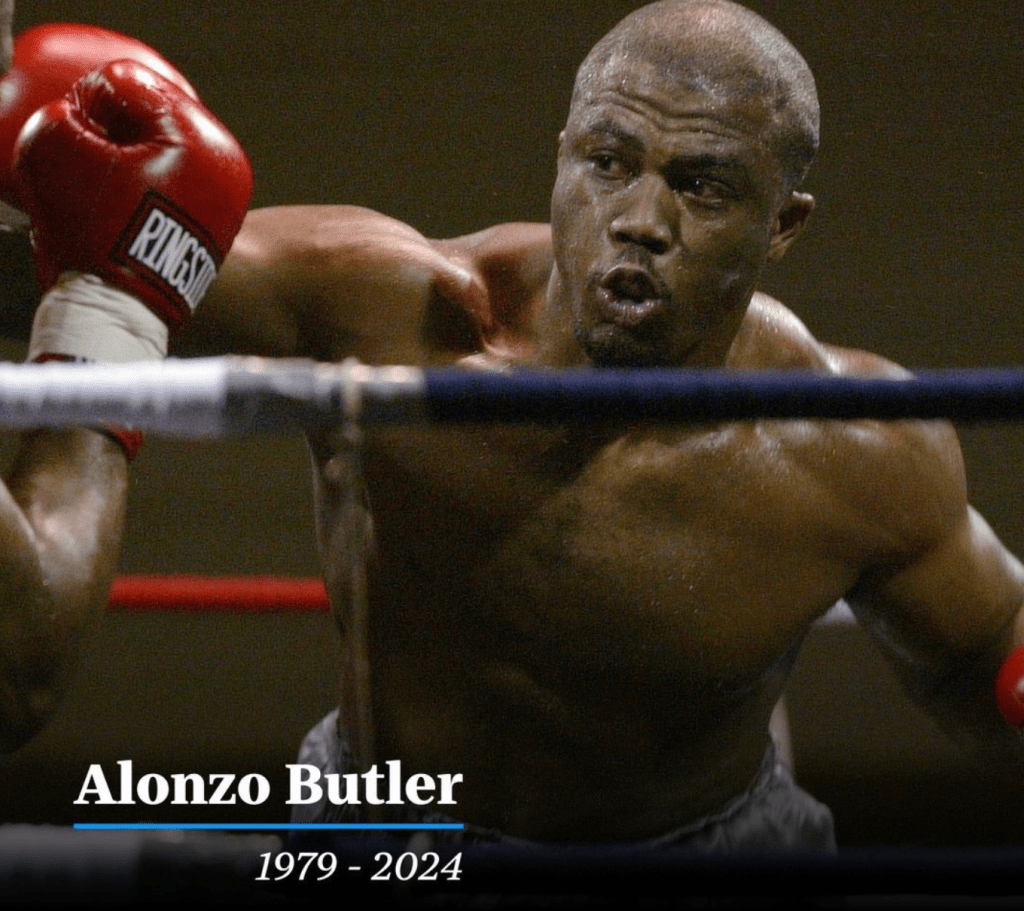
Former Heavyweight Boxer ‘ Big Zo’ Dead At Age 44 – Alonzo “Big Zo” Butler, 1980 – 2024

Provided a Service of benandsteve.com By: Benjamin©Groff Media 2024© Truth Endures

Alonzo Butler, a beloved former heavyweight boxer known to fans as “Big Zo,” passed away on Monday at age 44, as confirmed by his daughter, Jazlyn. A Chattanooga native who found his home in Knoxville, Alonzo impacted the boxing world and his community. His exceptional athleticism and dedication to his sport are reflected in his professional record of 35-3-2, with 25 knockouts. He fought mainly in Knoxville and East Tennessee, with a notable match in Auckland, New Zealand, in 2014. His achievements are a source of pride and celebration for all who knew him.

Butler’s decision to pursue boxing over football, where his power and precision earned him a devoted following, is a testament to his determination and courage. In 2006, Butler was honored as the Greater Knoxville Sports Hall of Fame’s Professional Athlete of the Year, a recognition he accepted with immense pride. Reflecting on the challenges of his career, Butler once shared, “Ace Miller told me four or five years ago I could be a champion, and I’ve stuck with it through the hard times. I’ve felt a responsibility to be a good model with the kids working with Golden Gloves, and I try to watch myself closely.” His commitment to being a positive role model and his dedication to his sport are qualities that will continue to inspire others.

Guided by legendary trainer Ace Miller, who managed and trained Butler during his undefeated run in the mid-2000s, Alonzo’s talent and warm personality left a mark on everyone he encountered. Miller spoke to Butler’s remarkable speed and strength, noting, “Alonzo could have done well in football because of his speed; at 250 pounds, we’ve timed him at 4.3 in the 40-yard dash. With his pure, warm personality, people want to know how he could be mean enough to be heavyweight champ of the world someday.”

Alonzo Butler’s legacy will endure in the hearts of those who knew him, from family and friends to fans and young athletes he inspired. His impact on the community through his boxing career and his role as a mentor is immeasurable. He leaves behind his daughter, Jazlyn, and a community that will forever be grateful for the kindness and strength he brought to the ring and beyond. His absence will be deeply missed in the lives of those dearest, but his memory will continue to inspire.

Former Chief Deputy A.G. Charles Brandt Dead At Age 82

Announcement A Service Of BenandSteve.com By Benjamin© GROFF MEDIA 2024© Truth Endures.

Charles Brandt, a former Delaware chief deputy attorney general and author of I Heard You Paint Houses, the book that inspired the acclaimed 2019 film The Irishman, passed away on Tuesday at the age of 82.

Brandt, who lived between Lewes, Delaware, and Sun Valley, Idaho, passed at Delaware Hospice at St. Francis in Wilmington. His daughter, Jenny Rose Brandt, a registered nurse and his primary caregiver, shared that he died due to complications from multiple chronic health conditions.

I Heard You Paint Houses, Brandt’s work of narrative nonfiction published in 2005, explores the life of Frank “Big Frank” Sheeran, a towering World War II veteran and former president of Teamsters Local 326 in Wilmington who also worked as a Mafia hitman. Brandt spent five years interviewing Sheeran, who, in those conversations, confessed to the killing of labor leader Jimmy Hoffa. Hoffa disappeared in 1975, and his body has never been found. Sheeran’s chilling accounts, shared in detail with Brandt, suggested he felt freed to speak as those he once feared were no longer alive.

The movie went to the big screen in The Irishman, directed by Martin Scorsese and featuring Robert De Niro and Al Pacino. The epic film, which runs over three hours and garnered 10 Academy Award nominations, brought widespread attention to Brandt’s extraordinary insights into Sheeran’s life and his ties to organized crime.

Charles Brandt leaves behind a legacy in law, literature, and film, his work casting light on some of America’s most notorious mysteries.

There Goes Patti McGee! Skateboardings First Lady! (1945-2024)

There Goes Patti McGee – An Essay

Presented by benandsteve.com By: Benjamin Groff II© Groff Media 2024© Truth Endures IMDbPro

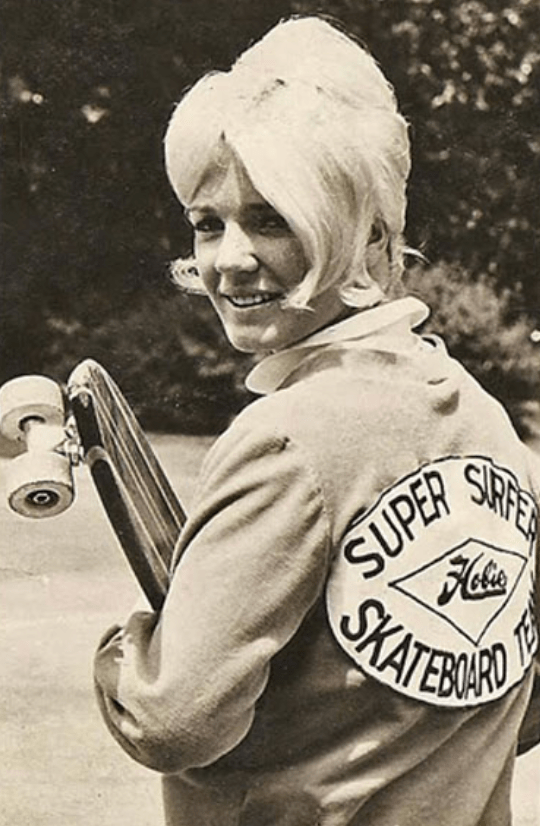
Patti McGee was not just a skateboarder; she was a trailblazer, a pioneer, and a symbol of inclusivity in a sport rapidly emerging in the 1960s. Her journey, which began with a skateboard built by her brother, evolved into a legendary career that broke barriers for women in skateboarding and cemented her place in history as one of the most iconic figures in the sport. She was not just a name in the history books but a person with a passion for skateboarding that was infectious to all who knew her.

Despite the challenges and the sport’s male-dominated nature, Patti’s resilience and determination shone through. Her first skateboard, a humble creation from her brother’s wood shop project, began a journey that would see her rise to national prominence.

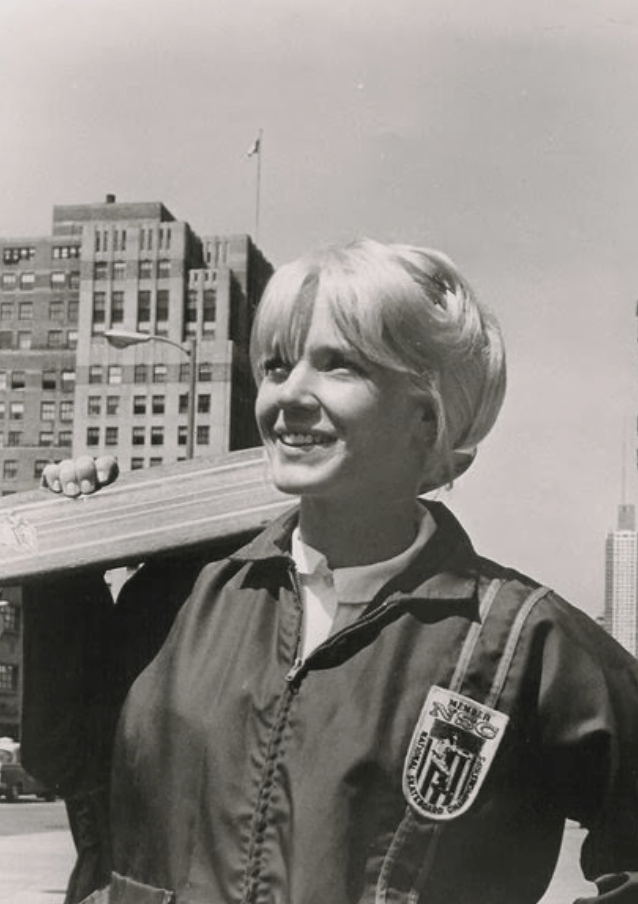
In 1964, Patti won the Women’s National Skateboard Championship in Santa Monica, California. Her smooth style, grace, and technical ability on the board distinguished her as a force in the early skateboarding community. Her victory was a breakthrough moment for women in the sport, demonstrating that skateboarding was not just a boys’ game but one where women could excel and lead.

Patti’s career reached heights when she became the first professional female skateboarder, sponsored by Hobie Skateboards and Vita Pak. She traveled the country, performing skateboarding demonstrations, showcasing her talent, and spreading the love of the sport to a broader audience. Her influence was undeniable, helping to popularize skateboarding during its first wave of mainstream attention between 1959 and 1965. As a spokesperson and ambassador, she promoted the sport with passion and determination, ensuring that girls and women also saw skateboarding as a place for them.

In 1965, Patti made history again, becoming the first female skateboarder to appear on the cover of Life magazine. Her iconic photo, smiling while riding a skateboard in mid-air, is still considered one of the most memorable images of early skateboarding culture. Patti’s presence in the media helped legitimize skateboarding as a serious sport, and her charm and skill made her a role model for countless young skaters.

Patti’s contributions to the sport were officially recognized in 2010 when she became the first woman inducted into the Skateboarding Hall of Fame. Her induction was a celebration of her achievements and a reminder of her lasting impact on the sport and the many skaters who followed in her footsteps. Patti’s legacy is a testament to the importance of inclusivity, showing that skateboarding is for everyone, regardless of gender.

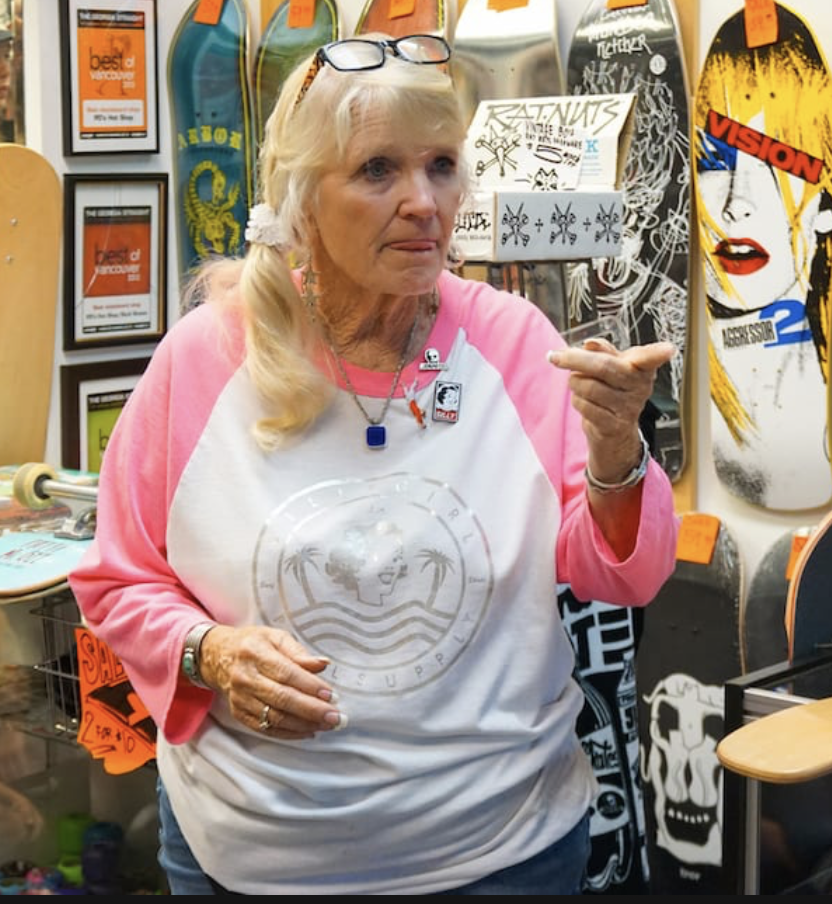
Beyond her professional accomplishments, Patti’s impact on the skateboarding community was profound. She continued to inspire new generations of skaters, sharing her love for the sport and advocating for the inclusion of women. Her spirit, determination, and dedication to her craft left an indelible mark on the skateboarding world, connecting her to skaters of all ages and backgrounds.

Patti McGee passed away on October 16, 2024, after suffering a stroke and subsequent complications. Her death marked the end of a remarkable life that helped shape the skateboarding world. As a champion, a role model, and a pioneer, she will be remembered as the matriarch of skateboarding, someone who paved the way for women in the sport and left an enduring legacy of passion and inclusivity. Her absence leaves a void in the skateboarding community that will be felt for years.

Obituary: Patti McGee (1945-2024)

Patti McGee, the world’s first professional female skateboarder and an iconic figure in skateboarding history, passed away on October 16, 2024, following complications from a stroke. She was 79 years old.

Born on August 23, 1945, Patti grew up in the United States, where she developed a love for skateboarding early in life. She first gained national recognition in 1964 when she won the Women’s National Skateboard Championship. Her victory established her as a pioneer in the sport and a role model for future generations of female skaters.

In 1965, Patti became the first woman to appear on the cover of Life magazine, an iconic moment that showcased her talent and helped popularize skateboarding. That same year, she became the first professional female skateboarder, sponsored by Hobie Skateboards and Vita Pak, traveling the country to perform and promote the sport.

Her contributions to skateboarding were formally recognized in 2010 when she became the first woman inducted into the Skateboarding Hall of Fame. Patti’s induction was a crowning achievement in a career filled with groundbreaking moments, solidifying her status as a trailblazer in the sport.

Throughout her life, Patti remained a beloved figure in the skateboarding community. She inspired skaters of all ages and advocated for women’s participation in the sport. Her passion, talent, and dedication left an enduring legacy that will continue to influence the skateboarding world for years.

Patti goes on before her daughter, Hailey, and countless friends and admirers in the skateboarding community. Her life is a remembering of her exceptional achievements, vibrant spirit, and commitment to promoting inclusivity in the sport she loves.

We are grateful for Patti McGee’s life and legacy. She was a true pioneer, a legend, and an inspiration to all who followed in her footsteps. Missing her presence in the world will continue forever, but her legacy will continue to roll on, just like the wheels of the skateboards she rode so gracefully.

May she rest in peace.

Bridge’s Revered Grand Master Ron Smith Has Died. (1947 – October 16, 2024)

Presented by benandsteve.com By: Benjamin Groff II© Groff Media 2024© Truth Endures IMDbPro

Ron Smith, a revered Grand Life Master and world-class bridge player with over 30,000 master points, passed away on October 16, 2024. He had dignitly fought a battle with Parkinsons Disease for the past ten years. Born in 1947, Ron was a fixture in the Bridge world. His competitive spirit, sharp intellect, and deep game love were legendary. He began his Bridge career during the Roth Stone era, known for its more conservative bidding strategies. He continued to evolve his style over the decades, consistently keeping pace with modern techniques.

Hailing from Chattanooga, Tennessee, Ron made a lasting impact on both the national and international Bridge scenes. He became well known for his numerous victories and placements in major tournaments. Ron won several prestigious titles among his many accomplishments, cementing his legacy as one of the Bridge community’s most skilled and consistent players.

Ron’s influence extended beyond the table. His passion for teaching and mentoring others was evident and profound. He played an instrumental role in shaping the careers of many up-and-coming Bridge players, leaving an indelible mark on the game’s future. He is remembered not just for his skill but also for his remarkable humility, kindness, and unwavering dedication to the game and its community.

Ron Smith’s passing leaves a significant void in the world of Bridge, which will be deeply felt by all who know him. His legacy, however, will continue to inspire future generations of players. He is survived by his wife Linda, their family, by countless friends and fellow players who admired him as a competitor and a person.

Rest in peace, Ron. Your contributions to the world of Bridge will forever live.

The Impact Of Loss: Remembering A Childhood Best Friend For Life

A True Story By: Benjamin Groff II© Groff Media 2024© Truth Endures

When I was just eight years old, death was a concept that I hadn’t fully grasped. The only time it touched my life was when my grandparents’ neighbor, a gentleman named Tom, passed away. I was only seven then, and it happened so quickly that it didn’t leave a deep mark. My grandfather had sat up with Tom the night before he passed, a tradition people followed back then—sitting with the dying. It was a tradition, and my dad would continue the practice as I grew up, sitting with many men in our small town of 750 souls. I always wondered why he was asked to do that.

That night, when Pop, my name for my grandfather, went to sit with Tom, it was just my grandmother and me alone in their big, quiet house. It felt different without him there. Early the following day, around 6:00 AM, my grandmother and I were preparing breakfast when Pop came in through the backdoor. He quietly spoke to her, and I suspected what had happened. Mom, my grandmother, suggested I open the dining room door to let the morning light in. As I did, I overheard their conversation growing louder, and when I looked outside, I saw a hearse slowly pulling up to Tom’s house. I knew Tom had passed.

A few days later, my grandmother took me to his funeral, and Pop was one of the pallbearers. It was the first time I ever saw a person in a casket, and Tom still looked like Tom. After the service, my grandmother praised me to my father, saying I behaved so well—sitting quietly and respectfully. I thought I was just being myself. In those days, grandparents didn’t need to ask permission to take their grandchildren anywhere—funerals, courthouses, doctors’ offices, or even jails. The places they took me were some of the most fascinating.

But this story isn’t about Tom. It’s about someone much closer to my heart, a man named Maynord Rider, one of my dad’s dearest friends. Maynord often accompanied us to horse sales on Friday and Saturday nights, and I thought the world of him. He lived two miles south of our farm, a farmer like many others in our area. One cold winter night, our water well froze, and my dad had to drive out over the pasture to fix it. When his headlights passed over Maynord’s bedroom windows, Maynord, instinctively knowing we were in trouble, got out of bed, climbed into his old white Chevrolet pickup, and drove to our house. He pulled up with a five-gallon water thermos and asked if our well had frozen. My mother was surprised—how could he have known? When my dad returned, he asked,

“Maynord, what are you doing here?”

They talked, and it turned out Maynord had guessed right. My dad told him there was no use in fixing it in the dark, and they’d work on it the next day. My dad promised to let Maynord help him the following morning to get him to leave.

There were many stories about Maynord, but they all ended one Thursday in September 1971.

It was the start of a four-day weekend from school due to a statewide teachers’ meeting. The day was beautiful for September in Oklahoma—warm with the usual breeze. I had been pestering my oldest sister, who was tasked with watching me and my other sister. It was just after noon, and the day felt perfect—no school, no bus to catch, just freedom. Then the phone rang. My oldest sister answered, and I could hear her voice change as she said,

“Oh no!” followed by, “I’m not telling him. You should.”

A moment later, she said,

“Mother wants to talk to you.”

I ran to the phone, stretched the cord as far as it would go, and answered.

“Yes, Mother!”

I said, but I could hear a siren approaching in the background. My mother’s voice was calm but direct,

“Benji, Maynord Rider just dropped dead.”

The words hit me like a punch, and I dropped the phone, screaming.

The news hit me like a physical blow, and I dropped the phone, screaming. The rest of the day is a blur, but I remember Ryder, the dog Maynord had given me, howling at the front door, leaning against it as if he, too, understood what had happened. None of the other dogs made a sound—just Ryder, the one I had named after Maynord’s last name.

I wouldn’t see my dad for hours, but I learned the whole story when I did. Maynord had come in from working on the farm for lunch. He ate, felt a bit of indigestion, and decided to lie down for a nap. While his wife, Bonnie, worked in the kitchen, she heard a moan, and when she went to check on him, she found him unresponsive. Panicked, she called my dad at the barbershop, where he cut hair. When he got the call, he told her to call the ambulance and that he’d be there immediately. He told the customers in his shop what had happened, leaving the man in his chair and the shop open as he rushed out.

Driving his Buick Le Sabre station wagon, my dad said the speedometer hit 120 miles per hour as he raced to Maynord’s farm, hoping to get there in time. Hearing this story comforted me, knowing that my dad did everything he could, even though we had lost one of the best men I had ever known.

That Friday night, my parents took me to see Maynord at the funeral home. It was more complicated than when I had seen Tom in his casket. The grief was overwhelming, and I couldn’t contain my tears. It felt like the worst day of my life. For years after Maynord’s death, I would look up at the sky, hoping for some way to talk to him again, but that day never came.

Eventually, I learned that, in life, there would be days harder than that one—the loss of my grandparents and my dad—, but somehow, we keep going, hoping that one day, someone will see our headlights coming over the hill and come to help us, just like Maynord did for us.

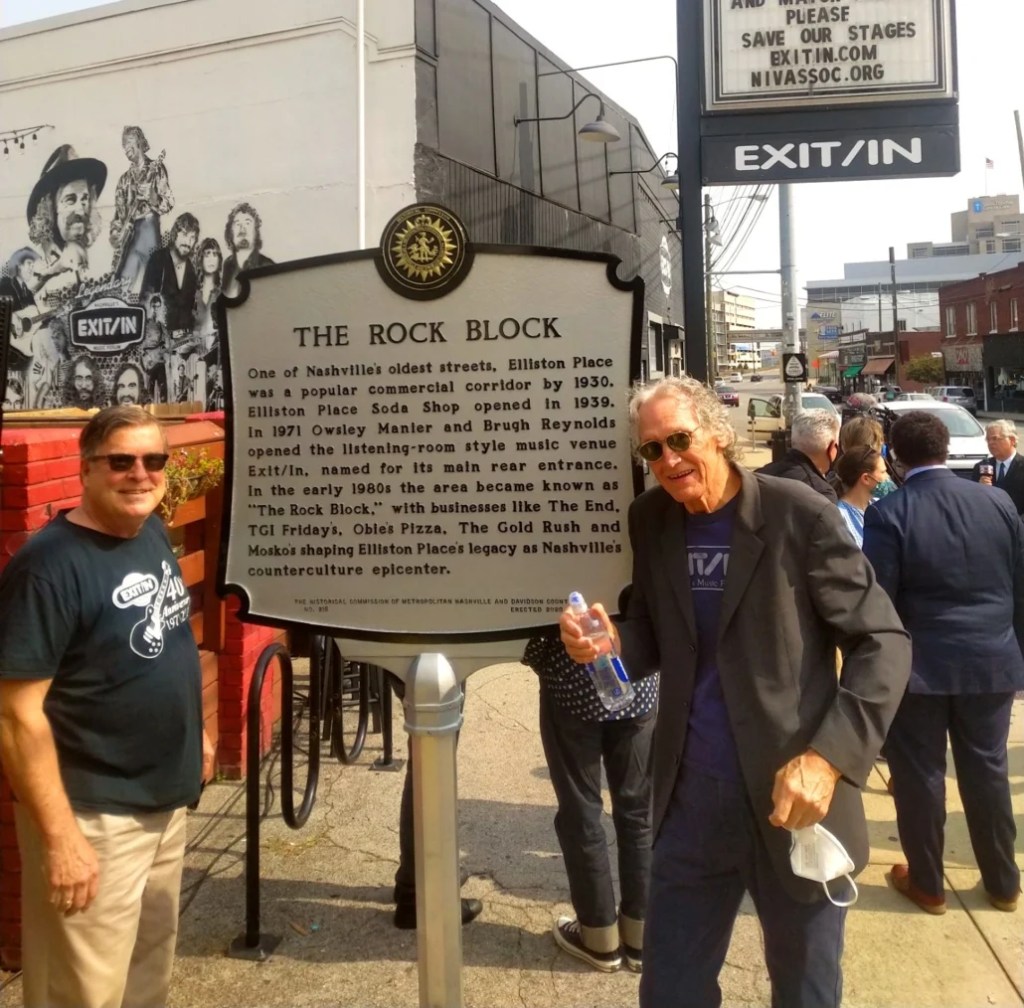
John Owsley Manier, Beloved Nashville Music Entrepreneur, Dies at 77

In Memoriam By: Benjamin H Groff II© Groff Media 2024© Truth Endures

John Owsley Manier, a beloved figure in the Nashville music scene and co-founder of the legendary Elliston Place nightclub, The Exit/In, passed away at his home in Dowelltown, Tennessee, on Friday, October 1. He was 77.

A native of Nashville, Owsley’s passion for music was evident from an early age. 

In the 1960s, he was a member of the rock band The Lemon Charade, but his entrepreneurial spirit left an inerasable mark on the city’s cultural landscape. 

In 1971, alongside Brugh Reynolds, he co-founded The Exit/In, a venue that would become one of Nashville’s most iconic music clubs. What began as a small listening room for local songwriters soon transformed into a celebrated 500-person capacity rock venue in the 1980s.

The Exit/In was not just a stage, but a platform for both local talent and global superstars, hosting a diverse array of artists over its 50-plus years. From The Red Hot Chili Peppers to Etta James, Johnny Cash to R.E.M., The Allman Brothers to Willie Nelson, Linda Ronstadt, and many more, the venue welcomed all, fostering a sense of inclusivity and diversity in Nashville’s music scene. 

It was also the site of numerous memorable moments, such as comedian Steve Martin leading the crowd into the streets for a parade or the venue’s feature in Robert Altman’s 1975 film Nashville.

Over the years, The Exit/In solidified its place in Nashville’s music history and became the anchor of the city’s “Rock Block” on Elliston Place. In 2023, it became listed on the National Register of Historic Places, proof of its enduring cultural significance. 

While the club has seen over 25 owners throughout its history, its influence on the local music scene has remained constant, a testament to its enduring legacy.

Owsley is survived by his son, Aaron Manier, sisters Cynthia Barbour and Helen Bryan, and niece McKeen Butler. A Celebration of Life will be held at The Exit/In on Sunday, October 13, at 3:00 PM, honoring his legacy with the music and stories that shaped his life and career. 

This event is a fitting tribute to a man who has left an indelible mark on Nashville’s music scene.

John Owsley Manier’s contributions to Nashville’s music community will not be forgotten. His enduring legacy continues to reverberate through the legends of artists and enthusiasts passing through the entrances of The Exit/In, leaving a lasting impression that commands respect and admiration.

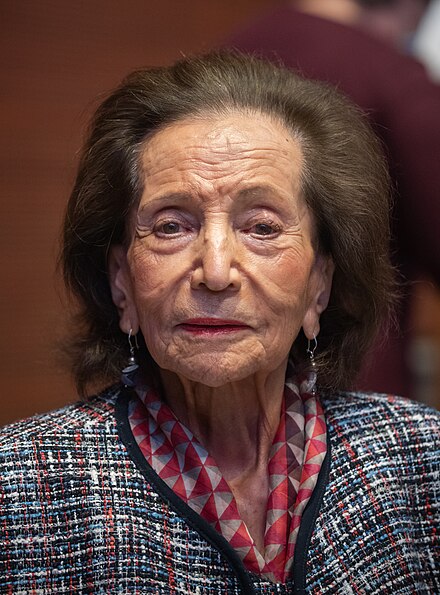
Ifigenia Martínez y Hernández, 99, Mexican politician and diplomat, senator (1988–1991, 2018–2024), president (since 2024) and four-time member of the chamber of deputies

Ifigenia Martha Martínez y Hernández
(16 June 1925 – 5 October 2024)

Ifigenia Martha Martínez y Hernández, a distinguished Mexican economist, diplomat, and politician, passed away on 5 October 2024 at the age of 99. Throughout her life, she was a pillar of Mexican political and economic thought, serving her country with dedication and vision.

Born on 16 June 1925, Martínez completed her undergraduate studies in economics at the National Autonomous University of Mexico (UNAM) and pursued further education, earning a master’s degree in economics from Harvard University. Her passion for academia and public service led her to become the head of the Faculty of Economics at UNAM, a position she held from 1966 to 1970. Her influence extended beyond the classroom, shaping the next generation of Mexican economists.

Martínez was not only a scholar but also a trailblazing politician. Over her illustrious career, she was affiliated with several prominent political parties, including the Institutional Revolutionary Party (PRI), the Party of the Democratic Revolution (PRD), which she co-founded with Cuauhtémoc Cárdenas and Porfirio Muñoz Ledo, and the National Regeneration Movement (Morena). Her commitment to Mexico’s development and progress led her to serve multiple terms in the Chamber of Deputies, first elected in 1976, and later in 1994, 2009, and 2024. She also held a seat in the Senate, representing the Federal District in 1988 and serving again in 2018 through proportional representation.

One of the crowning moments of her political career occurred just days before her passing, when she presided over the inauguration of Claudia Sheinbaum as President of Mexico on 1 October 2024. In a historic ceremony, she had the honor of handing Sheinbaum the presidential sash, symbolizing a peaceful and democratic transfer of power.

Ifigenia Martínez’s legacy will live on through her immense contributions to Mexican politics, her advocacy for social justice, and her unwavering commitment to her nation’s well-being. She leaves behind a lasting imprint on Mexico’s political landscape and will be remembered for her intellect, leadership, and grace.

She is survived by a grateful nation, which honors her profound impact on its history.

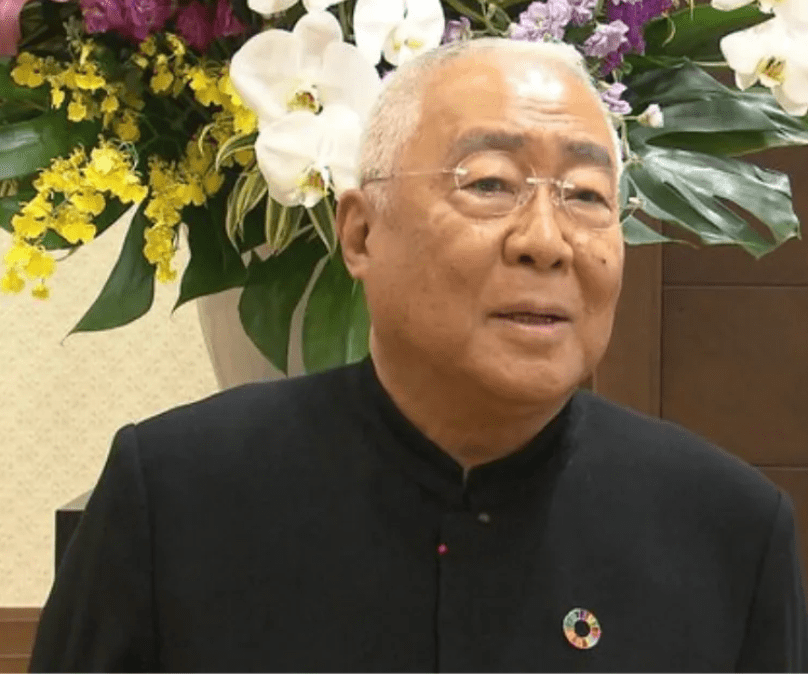
Japan’s Culinary Expert Yukio Hattori Dies 1945 – 2024

This Information Provided By: Benjamin Groff© Groff Media 2024© Truth Endures

Obituary: Yukio Hattori (1945 – 2024)

Yukio Hattori, beloved television personality, culinary expert, and educator, passed away on October 4, 2024, in Tokyo, Japan, at the age of 78. Best known as the insightful commentator on the popular Japanese cooking show Iron Chef, Hattori’s contributions to the world of food, nutrition, and culinary arts left an indelible mark on Japanese culture and beyond.

Born on December 16, 1945, in Tokyo, Hattori grew up in a family deeply rooted in the culinary tradition. He was inspired by his father’s work to pursue his passion for food and nutrition, eventually earning a PhD from Showa University. His profound understanding of both cooking and the science of nutrition shaped his career, which would extend far beyond the kitchen.

Hattori became the fifth president of Hattori Nutrition College, a prestigious institution founded by his father, known for its unique blend of culinary excellence and nutritional education. Under his leadership, the college trained thousands of chefs, nutritionists, and food critics, shaping the next generation of culinary professionals. His commitment to culinary education made him a pivotal figure in elevating the standards of both food preparation and healthy eating habits in Japan.

While his educational work was vital, Hattori was perhaps most recognizable for his television career. As a competitor, judge, and commentator on Iron Chef, Hattori’s sharp palate, deep culinary knowledge, and entertaining commentary endeared him to audiences across Japan and worldwide. His presence on the show not only lent credibility but also helped popularize Japanese cuisine internationally.

In addition to his work on television, Hattori appeared in films such as Aji ichi Monme (2011) and Mibu, and he continued to influence Japanese cuisine and public health through his numerous cookbooks, radio shows, and public health campaigns. He was a firm believer that good food should nourish both body and soul, a philosophy he called “Well Taste,” where flavor and health go hand in hand.

Yukio Hattori’s legacy will continue through his extensive contributions to culinary education, his influence on Japanese cuisine, and the students he mentored at Hattori Nutrition College. He is survived by his family, colleagues, and countless admirers who were inspired by his passion for food and nutrition.

Yukio Hattori’s memory will forever be cherished as one of the most prominent voices in Japan’s culinary world, whose life’s work brought taste and health together for the benefit of all.

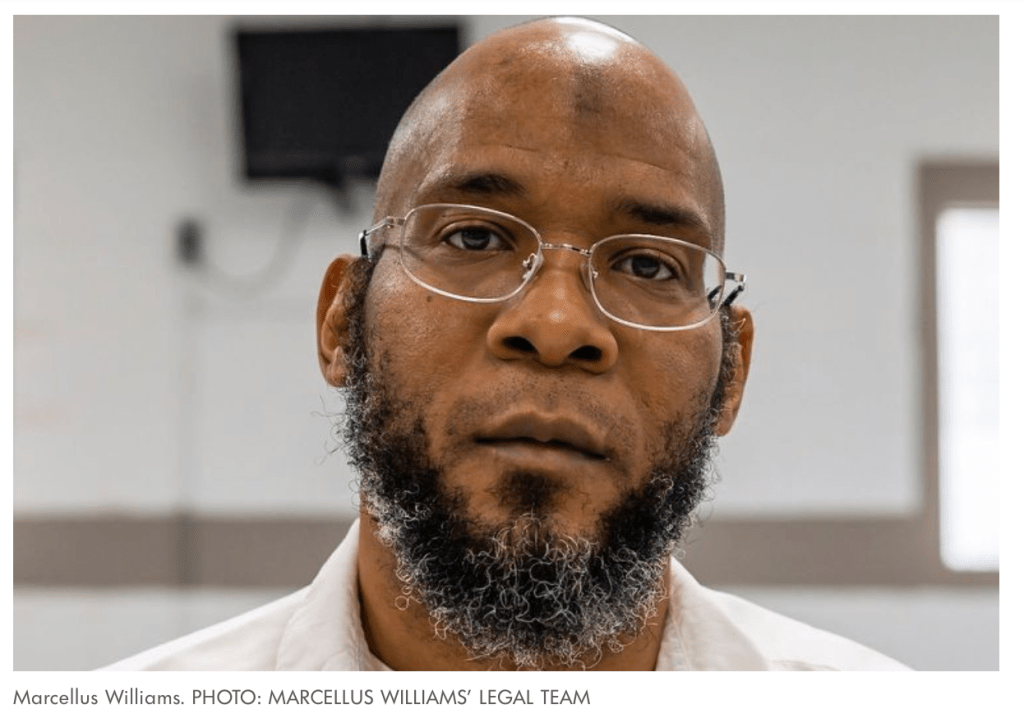
“I AM AN INNOCENT MAN!” Did Missouri Kill An Innocent MAN? Was It Murder?

A Report By: Benjamin Groff© Groff Media 2024© Truth Endures

In September 2024, Missouri executed Marcellus Williams despite significant evidence casting doubt on his guilt. Williams was convicted for the 1998 murder of Lisha Gayle, a former St. Louis Post-Dispatch reporter, but recent DNA tests excluded him as the source of evidence found on the murder weapon. While Williams’ legal team sought a stay of execution, and even the prosecution expressed doubts, Missouri proceeded with the lethal injection after Governor Mike Parson dissolved a previous inquiry. His execution sparked widespread outrage, igniting debates on the reliability and ethics of the death penalty.

Williams’ final words were, “All praise be to Allah in every situation,” reflecting his unwavering faith. His attorneys argued that the DNA evidence should have been sufficient to overturn his conviction, but the courts dismissed this claim. In 2017, then-Governor Eric Greitens halted his execution and established a board to review the case, but this effort was reversed by Governor Parson, sealing Williams’ fate.

Even Gayle’s family had called for clemency, asking for Williams’ sentence to be commuted to life without parole. Despite their pleas, the state moved forward with the execution, leading to questions about whether justice had truly been served. The case has raised concerns about rushing death penalty cases and highlighted the dangers of executing potentially innocent individuals.

Williams’ case continues to fuel national debates over capital punishment and the failures of the justice system, particularly when substantial evidence suggests wrongful conviction. His death has become a rallying point for advocates pushing for reforms in the death penalty process, as critics argue that his execution may have been a tragic mistake. Was this mistake a murder carried out by the state of Missouri, and those who had the responsibility to stop it ––– the killers?