One year ago former U.S. President Jimmy Carter passed away. We close this year with a celebration to his life. Recognizing his many accomplishments. Here is one, a promise he had made on the campaign trail before he was elected to office. That if he won the presidency, he would return to Elk City, Oklahoma and thank them. He upheld that promise, as well as many others he made. A man with true humility, honesty and principles. Sorely missed as an example to others.We honor a true a leader by remembering his life!
On March 24th, 1979, President Jimmy Carter returned to Oklahoma. He came to fulfill a campaign promise he had made during his first run for office. While campaigning, he passed through Elk City, Oklahoma, and vowed that if elected, he would return as President. True to his word, he came back to this small western Oklahoma town to connect with its residents.
By then, the memory of President Ford’s near-assassination and other threats against public figures lingered in the national consciousness. Carter was a peanut farmer from Plains, Georgia. He resonated with Oklahoma Citizens through his humility and shared values. This included his Democratic Party affiliation. First Lady Rosalynn Carter was accompanying him. Her warmth and grace complemented her husband. She left a positive impression on the locals.
At the time, Oklahoma’s Governor George Nigh was a celebrated figure in state politics. George Nigh was elected Lieutenant Governor more times than anyone else. He briefly served as Governor multiple times. This occurred when his predecessors resigned to take other offices. Despite some legal challenges about his eligibility, the State Supreme Court affirmed his ability to serve. He was now in his first full term as Governor. His presence at Carter’s visit added to the significance of the occasion.
The visit brought much excitement and preparation to Elk City, a town of about 12,000. The oil boom had not yet transformed the region. The high school’s field house was the largest venue available for the gathering. Elk City did not have an airport that accommodates Air Force One. Thus, the nearby Clinton-Sherman Airbase in Burns Flat, 15 miles east, was reactivated for the President’s arrival. A motorcade transported President Carter and his entourage to Elk City.
The event attracted widespread attention, with media outlets from a five-state area descending on the town. Governor Nigh, Oklahoma’s First Lady, U.S. Senators, Representatives, and many state officials joined the crowd. The field house overflowed with locals eager to witness history.
President Carter took the stage after introductions by various community leaders. His speech was marked by humility, sincerity, and a willingness to engage directly with the audience. During a question-and-answer session, a young girl boldly asked for a kiss. The President graciously obliged. This act endeared him further to the crowd.
Unlike many politicians who have returned to the comfort of Washington, D.C., President Carter chose to stay overnight at the home of Elk City Mayor Larry Wade. While he and Rosalynn rested, Elk City police officers securely guarded their limousine. It was stored in the fire department’s bay. The fire trucks were temporarily parked on the street. This allowed room for the vehicle. The bay doors were locked to make sure its secure.
The next morning, the Secret Service inspected and prepared the limousine for the journey back to the Clinton-Sherman Airbase. At 7:00 AM, President and Mrs. Carter were to be escorted by a motorcade that included local police and the Oklahoma Highway Patrol. But the Carters had been invited to church. And to church they would go. The President’s and First Lady’s Church attendance was unannounced and brief. Two routes were used to guarantee security, though the President’s exact route remains uncertain. By 8:15 AM, all vehicles converged at the church. The Carters left church and went to the Clinton – Sherman Airfield, near Burns Flat. “Nothing is to schedule” one news reporter was noted as saying. And, for the Secret Service, they appreciated it wasn’t. The changes in the planned activity helped create enough of a distraction.
As Air Force One prepared for departure, President Carter and Rosalynn climbed the stairway. They turned to wave goodbye to the assembled crowd. Then, they boarded the plane. Within minutes, the jet’s engines roared to life. It ascended into the blue Oklahoma sky. The departure left behind a community that felt valued and appreciated.
Jimmy Carter’s visit to Elk City exemplified his commitment to keeping promises and connecting with everyday Americans. Years after making his pledge, he returned to this western Oklahoma town. This return reflected the integrity and personal touch that characterized his presidency.
This Story Originally Appeared On November 1st, 2025. On November 26th a shooting resulted in Washington D.C. It looks as if it resulted from pressure placed on an individual. A person identified from a sect or community. You can read the story connected to that event here. then consider the contents of this story and decide for yourself. It is not difficult to have predicted. More will come.
10–16 minutes
In every generation, the United States stands at a crossroads of its own making. From the outside, our country can look unstoppable. From the inside, we often feel the push and pull of competing values. These include hopes and fears. Beneath the headlines and politics are real people—neighbors, families, workers—trying to live meaningful lives. When pressure builds in a society, it rarely announces itself with fanfare. Instead, it creeps in quietly, showing up as worry, disconnection, or a sense that something familiar is shifting. This story isn’t about sensational headlines but about those quiet pressures—economic, social, and cultural—that can change a nation’s future.
Deportation, Prejudice, and the Risk of History Repeating
When governments treat specific communities as disposable, they create wounds. These often fester into something more dangerous. Today in the United States, many Hispanic families live under the shadow of deportation. They are sometimes sent to countries that are not their place of origin. Worse still, many are denied fair hearings or meaningful access to justice before being removed.
This pattern, though uniquely American in its details, has historical echoes elsewhere.
Lessons from Israel and Its Neighbors
Globally, people are voicing similar worries. Inflation, poverty, unemployment, and corruption rank highest worldwide. Local details differ, yet the underlying pressures on ordinary families are strikingly alike from one country to another.
In the Middle East, decades of restrictive policies have shaped the relationship between Israel and its neighbors. Palestinians have endured travel restrictions, settlement expansion, home demolitions, and barriers to full participation in civic life. While not every individual responds with violence, these systemic grievances have fueled a climate where radical groups gain traction. Street shootings, bombings, and attacks on innocent civilians are, in part, the tragic outcome of exclusion and marginalization.
When justice is denied, resentment grows. History shows us what happens when exclusion takes root. Will the U.S. repeat Israel’s mistakes?
The lesson is not that oppression always leads to terrorism. Yet, when large communities feel silenced, denied justice, or stripped of dignity, it becomes easier for extremism to take root.
The American Parallel
For many Hispanic communities in the U.S., there is growing concern that the same cycle begins here. Families who have lived in this country for years are uprooted without warning. Children who know no other homeland are deported to countries where they have no ties. Legal safeguards that should guarantee fairness are often bypassed through expedited removal or administrative shortcuts.
Deportation without dignity doesn’t just break families—it risks breaking society. Lessons from abroad show what happens when whole communities are silenced.
The danger is not only humanitarian—it is practical. Alienation breeds resentment. Resentment, left unchecked, can lead to anger that is so strong it erupts in harmful ways. If citizens and residents consistently feel betrayed by the very government meant to protect them, feelings of betrayal grow. Over time, these feelings lead to instability akin to that seen in other parts of the world.
A Cautionary Reflection
The United States faces a choice. It can double down on policies that treat Hispanic people as outsiders. Alternatively, it can recognize that fairness, dignity, and due process are not luxuries—they are stabilizers. By ensuring justice and compassion, the U.S. can protect both its people and its principles.
History reminds us that exclusion never produces lasting peace. Inclusion does. If America forgets this, it risks repeating a painful lesson already written across borders far from its own.
Exclusion never creates peace. Inclusion does. The United States must choose which future it wants.
As this report was being prepared on September 10, 2025. Conservative activist Charlie Kirk was fatally shot during a speaking event at Utah Valley University in Orem, Utah. He was addressing an audience as part of his “American Comeback Tour.” When a gunman, described as wearing tactical gear, opened fire from a nearby building. The event was not just violent in its outcome. It’s now being discussed widely as an example of how political tensions, rising polarization. Public rhetoric can set the stage for tragedy. AP News+3Reuters+3People.com+3
This shooting stands as a stark reminder of what happens when communities feel threatened, unheard, or unfairly treated. When specific policies—like deportations without fair hearings, rhetoric that pits “us vs. them,” or laws that strip rights from people—are merged with public disdain, alienation can grow. As with Kirk’s death, violence doesn’t happen in a vacuum. It is often preceded by months or years of escalating division, distrust, and dehumanizing language toward some group.
If similar pressures continue—where people feel they are being denied justice. Or they will be forced into exile, or silenced—the risk is not only that isolated individuals will lash out. More of these attacks will spill into public spaces, become more common, and target more people. Charlie Kirk’s shooting is tragic and shocking. Still it also foreshadows a pattern we’ve seen before elsewhere: oppression + exclusion + inflammatory rhetoric = violence.
THE QUESTION NOW FACING THE UNITED STATES
The U.S. be trailing a path? Is government policy and public rhetoric pushing some communities to a breaking point? Exclusion and injustice be more than grievances, becoming catalysts for violence?
Israel offers a stark example. It shows what can happen when a nation attempts to dominate or control another people or region. Despite decades of military action, surveillance, imprisonment, and harsh policies, the country faces ongoing terrorist attacks. These actions occur within its own borders. History shows that no matter the tactics, attempts to subjugate or marginalize an entire population often breed resentment. Such approaches lead to cycles of violence rather than lasting security.
Recent polling reveals Americans’ top worries focus on daily life basics. These include the economy, healthcare costs, inflation, and Social Security. Economic anxiety has become the leading stress point—and understanding it is key to shaping effective public policy.
In the United States, millions of people belong to the LGBTQI community—transgender, gay, intersex, and beyond. If laws or court rulings increasingly target these groups with discriminatory restrictions or hardships, the effect won’t just be legal. It will erode their existing rights and impact them deeply on a human level. People who feel cornered, threatened, or stripped of dignity often turn to protest, activism, and self-defense. Families, friends, and allies of LGBTQI individuals will stand with them. History shows that when marginalized communities are pushed too far, their collective response grows stronger. They become more determined, whether through the courts, the ballot box, or public action.
There are case studies in why inclusion and fairness matter. Disenfranchisement can occur across many lines. These include ethnicity, religion, gender, disability, or economic status. Prevention starts with recognizing early warning signs. It involves pushing for fairness and empathy. Other groups and individuals will be targeted in this sweeping of Americans’ rights.
1. Immigrant and Refugee Communities Beyond Latin America
People from African nations, the Middle East, or Asia sometimes experience parallel challenges. They face deportation, limited due process, and suspicion tied to their nationality or religion. Policies that reduce refugee admissions, delay asylum processing, or tighten visa rules disproportionately affect them.
2. Religious Minorities
Muslims, Sikhs, Jews, and other smaller faith groups have seen spikes in harassment or targeted legislation. Surveillance, mosque or temple zoning battles, and hate crimes all increase when public rhetoric frames these groups as”others.”
3. Indigenous Peoples
Tribal communities continue to face legal battles over land, water, and sovereignty. Changes to federal protections or environmental rules can undermine their rights. This fuels deep distrust and potential standoffs (for example, Standing Rock and other pipeline protests).
4. People With Disabilities
Budget cuts or shifts in healthcare, accessibility regulations, or education funding can affect people with physical or cognitive disabilities. Without legal protections and enforcement, they risk losing access to accommodations and services they depend on.
5. Women and Reproductive Rights
If policies continue restricting reproductive healthcare and bodily autonomy, many women feel increasingly alienated. This is especially true for those in rural and low-income areas. Such feelings lead to organized protest. It also heightens tensions.
6. Workers in Precarious or Gig Jobs
With unions weakened and worker protections often rolled back, low-wage and gig-economy workers are also vulnerable to systemic neglect. Economic insecurity can create fertile ground for unrest, especially if merged with racial or immigration-related grievances.
On a hot summer’s day, if you stir any of these pots, something unhappy will happen. Similarly, if you keep someone locked out on a cold winter’s day, the outcome will be negative. It used to be the explosive reaction we referred to as Cabin-Fever when someone no longer can take the pressure. When so many groups are pushed to the point of not being capable to handle it. What happens? America already has more firearms than any country in the world. It shouldn’t take much research to realize that becoming Palestine-Israel would be easier than ever. It would also be more violent than people thought.
Exclusion never creates peace. Inclusion does. America must choose which future it wants.
There are Americans who are also to be considered part of the LGBTQI community. If laws or Supreme Court rulings turn against the transgender, Gay members, or Intersex community, these laws can cause hardships. Further restrictions can come into their lives. At some point, they and their families, friends, and supporters are going to find ways to defend themselves.
Yes — beyond the Hispanic and LGBTQI communities already discussed, there are several other groups. Experts and advocates often recognize these groups as vulnerable. These groups are often affected by shifts in policy, public sentiment, or legal rulings. Here’s a quick overview:
How Many Transgender People Have Been Mass Shooters?
This chart shows just how rare transgender or nonbinary mass shooters are in the U.S.—less than 1% of cases compared to an overwhelming majority by cisgender men. It’s a clear reminder that public narratives blaming LGBTQ+ people for mass violence are unsupported by facts.
How many trans shooters are there in real life?
Officially, the short answer: very, very few. Credible databases don’t systematically record gender identity. Still, the best available analyses show well under 1% of U.S. mass shooters have identified as transgender or nonbinary—i.e., only a handful of cases across many decades. Social Sciences and Humanities College+1
A few notes for context:
The Violence Project’s long-running database (public mass shootings, 4+ killed) shows hundreds of incidents since 1966. Researchers and fact-checks confirm that transgender perpetrators account for less than 1% of cases. This is in the low single digits in total. The Violence Project+1
News reporting that tries to tally specific incidents similarly finds just a few cases. It also cautions that many official datasets code by sex, not gender identity, which limits precision. Newsweek
Independent fact-checks conclude that claims of a “rise” in transgender mass shooters are unsupported. The vast majority of mass shooters are cisgender men. Reuters
Bottom line: Exact counts are hard to pin down because of data limitations. The evidence consistently shows that transgender people make up a vanishingly small share of U.S. mass shooters.
“Fewer than ten transgender athletes out of 510,000 NCAA players.
Yet, they’re at the center of a multi-million-dollar political storm.”
This makes sense—transgender people represent a very small part of the population, and their visibility often makes them targets. Out of more than 510,000 NCAA college athletes nationwide, it’s estimated that fewer than ten are openly transgender. Historically, families—including our grandparents and their grandparents—have coexisted with transgender individuals without controversy. Only in recent years have political attacks escalated, turning a once-private aspect of life into a public battleground. These attacks have generated hundreds of millions of dollars. Groups and politicians use transgender people as a wedge issue. They target individuals who are simply trying to live their lives.
What We Know (or Think We Know)
According to the Williams Institute at UCLA, about 300,000 youth aged 13–17 recognize as transgender in the U.S. Williams Institute
Of those, some studies suggest ~40.7% of transgender high school students play on at least one sports team. Applying that to the population estimate gives around 120,000+ transgender high school student-athletes Williams Institute
Nonetheless, when it comes to more specific breakdowns (e.g. how many play in women’s teams, or how many are in college/pro sports), the numbers are much smaller. For example, GLAAD reports that among ~510,000 NCAA college athletes, there are fewer than 10 known transgender athletesGLAAD
Key Takeaways & Limitations
Small in relative terms: Tens of thousands of transgender youth join in high school sports. Still, they are still a very tiny fraction of all athletes.
Very few at higher levels: At the college or professional levels, the known, openly transgender athletes are very rare (under 10 in the NCAA among all those athletes, per recent reports) GLAAD+1
Data gaps: Many sports associations don’t track gender identity carefully. Privacy concerns, inconsistent reporting, and changing eligibility rules make precise numbers hard to nail down.
Exclusion never creates peace. Inclusion does. The United States must choose which future it wants.
Yet even in times of strain, The United States of America greatest strength has always been its capacity to self-correct. Communities do not simply absorb pressure—they also adapt, innovate, and rise to meet challenges. We have the chance now to choose empathy over division, solutions over rhetoric, and inclusion over exclusion. If we remember that the country’s heart beats strongest when its people are treated with fairness and dignity. Then the same forces that threaten to divide us can also become the sparks that unite us. This is not just a warning—it’s an invitation to hope.
This content was originally intended to be posted on September 11, 2025. Due to unfolding events at that time, its publication was postponed until November 1, 2025. The research began weeks before events on September 10, 2025 in Utah. If extra events have occurred since then, this report reflects the level of concern. It highlights the growing sense of unease emerging across the United States.
About the Author:
Benjamin Groff is a former police officer and radio news anchor. He has hosted programs for CNN and ABC News affiliates in Colorado and Wyoming. His career in law enforcement began in 1980 and lasted more than two decades. This gave him firsthand insight into the criminal mind and public safety. Moreover, it provided him with an understanding of the human stories that often go untold. His writing draws on these experiences, blending street-level truth with a journalist’s eye for the bigger picture.
With the 2026 U.S. election season soon underway, you’ll hear a significant amount of disinformation. One major strand targets immigrants in a wholly prejudicial way. It treats them as one homogenous group of “illegal” residents. It claims they all take “welfare benefits,” “food stamps,” or “public assistance programs.” These terms are used as triggers to motivate a particular set of voters. This is a tactic well understood by the most bigoted of candidates.
In reality, U.S. federal law places strict limits on non-citizens’ access to most benefit programs. Among the relevant statutes is the Personal Responsibility and Work Opportunity Reconciliation Act (PRWORA) of 1996. This act sets the baseline framework that governs immigrant eligibility for federal means-tested benefits. (1)
Key Facts
Undocumented immigrants — those who entered without inspection or overstayed visas — are generally ineligible for most federal public benefits. According to the National Conference of State Legislatures (NCSL), people without authorization in the United States can’t access federal public benefits. People who lack authorization in the United States are unable to access federal public benefits. People without authorization in the United States cannot access federal public benefits. Exceptions exist for certain emergency assistance, disaster relief, and non-cash community-level services. (2)
These benefits include major programs. Examples are the Supplemental Nutrition Assistance Program (SNAP, or “food stamps”). Another example is the Temporary Assistance for Needy Families (TANF) cash-assistance program. They also include non-emergency Medicaid. (3)
Lawfully present immigrants, including lawful permanent residents (green-card holders), face further restrictions. Most must wait five years after achieving “qualified immigrant” status before becoming eligible for many federally funded means-tested benefit programs. (4)
Criminal convictions may further affect eligibility. Individuals convicted of a drug–related felony after August 22, 1996 may be barred from receiving SNAP benefits. This is the case in many states. (5)
State-level variation: Federal law sets the baseline. However, individual states may use state funds to extend certain benefits. These benefits are for immigrants who are otherwise ineligible under federal rules. (6)
Quick Facts: 📌 Law: Personal Responsibility and Work Opportunity Reconciliation Act (PRWORA) of 1996 📌 Undocumented Immigrants: Ineligible for SNAP, TANF, and non-emergency Medicaid 📌 Legal Immigrants: Usually face a 5-year waiting period 📌 State Variations: Some states fund limited local programs 📌 Citizen Children: Eligible for benefits if they meet program rules 📌 Exceptions: Refugees, asylees, trafficking victims are exempt from waiting periods
Benefits for U.S. citizen children: A key exception ensures that children born in the U.S. can receive federal benefits, such as SNAP and Medicaid. This is true regardless of their parents’ immigration status, provided they meet all other eligibility requirements. The parents’ immigration status does not disqualify the U.S. citizen child. (7)
Specific exempt categories: Some immigrants are exempt from certain waiting periods or restrictions. These include refugees, asylees, victims of human trafficking, and certain others. (8)
In Summary
The U.S. benefit system places tight limitations on which non-citizens can receive publicly funded assistance. Eligibility depends heavily on:
the individual’s immigration status (unauthorized vs. qualified)
how long they’ve been residing legally
the particular rules of the specific assistance program.
In short: undocumented immigrants have virtually no access to standard federal welfare programs. They also lack access to food-assistance programs, especially if they have a criminal record. Many legal permanent residents must wait years. There are state-funded alternatives and exceptions. However, the broad public claim that “immigrants all use welfare/food stamps” is factually false. This claim serves as a misleading narrative.
Why this matters
When you hear a politician or political advertisement claim that immigrants are draining public benefits, you’re hearing a distorted narrative. It’s a message crafted to provoke emotional responses. It appeals to anxieties. It does not truthfully engage with the specifics of immigration law and benefit eligibility.
Bookmark this post for future reference—especially in the coming campaign months, when such claims will be ramped up. Having the facts on hand helps you call out hyperbole. It separates rhetoric from reality. This keeps the public conversation grounded in truth.
Constitutional Rights of Immigrants
Despite differences in citizenship status, the U.S. Constitution guarantees core rights to all persons within its jurisdiction — including immigrants, regardless of legal status. The Fifth and Fourteenth Amendments protect every “person” (not merely “citizens”) from deprivation of life, liberty, or property. Due process of law is required. They also protect from denial of equal protection under the law. The First Amendment also ensures freedom of speech, religion, and peaceful assembly for all. These guarantees extend to everyone on U.S. soil, whether they are citizens, lawful residents, or undocumented immigrants.
The Supreme Court has repeatedly affirmed these principles — most notably in Plyler v. Doe (1982). It held that undocumented children are entitled to the same public education rights as others. This is echoed in Zadvydas v. Davis (2001), which found that indefinite detention of immigrants violated constitutional due process. While immigration status can affect eligibility for government benefits, it does not erase the fundamental rights guaranteed by the Constitution.
References
U.S. Constitution, Fifth Amendment – Protects all persons from deprivation of life, liberty, or property without due process of law.
U.S. Constitution, Fourteenth Amendment, Section 1 – Ensures equal protection and due process for “any person” within the United States.
U.S. Constitution, First Amendment – Guarantees freedom of religion, speech, press, and peaceful assembly to all persons.
Plyler v. Doe, 457 U.S. 202 (1982) – Supreme Court ruled that denying public education to undocumented children violates the Equal Protection Clause.
Zadvydas v. Davis, 533 U.S. 678 (2001) – Affirmed that immigrants, even undocumented, are protected by the Due Process Clause against indefinite detention.
Yick Wo v. Hopkins, 118 U.S. 356 (1886) – Early Supreme Court case establishing that equal protection applies to non-citizens as well as citizens.
🗳️ Call to Action: Truth Over Talk
In the months ahead, political noise will grow louder, and facts will often take a back seat to fear. Before sharing or believing any claim about immigrants, take a moment to fact-check it. Look for verifiable data. Check reputable sources and legal references. Misinformation thrives when good people stay silent.
Share true information. Challenge falsehoods when you see them. By doing so, you defend the truth. You also uphold the American promise of fairness and equality under the law.
The Howard family always seemed so functional to their neighbors in Bessieville. Their home glowed warmly in the evenings. The paint was always fresh, the hedges trimmed. To the outside world, the Howard’s — Frank, Lois, and their three boys — were the picture of American perfection.
Frank Howard worked as a supervisor at the local airplane plant. Lois split her time between home and the grocery store checkout. Their sons, Mark, Tim, and John, were the type of kids people admired. Others often said, “Now there’s a good family.”
So when Lois stumbled across the box in John’s room, she felt her stomach drop. Inside were pamphlets, flyers, and web printouts — literature no parent ever expects to find.
Frank walked in just as she was holding one, her hand trembling. “Ann,” he said, “what’s going on?”
“I—I hope this is for a school paper,” she stammered. “I don’t know why he’d have this stuff. There’s so much of it!”
Frank thumbed through the stack. “Holy hell. Does he even know what this thing does to people? We raised him better than this.”
Moments later, Mark dropped by to visit. Seeing his parents in his brother’s room, he asked, “What’s up? You two look like you just found a body.”
Ann handed him a pamphlet. Mark’s eyes widened. “Where’s he get this? Do you think he’s…?”
Both parents answered in unison: “No! God no!”
Before they speculate further, Frank’s phone buzzed. It was their middle son, Tim. “Hey Pop, I’ve been calling the house — Ma not answering again? Everything okay?”
Frank hesitated. “We just have… a situation. Did you ever notice your brother getting into anything strange lately?”
Tim laughed. “What’d he do, join a cult?”
Ann shouted from across the room: “Yes! That’s exactly what it looks like!”
Within the hour, Tim was racing home. A few fraternity brothers were in tow. He called them his “Frat-Team.”
When they arrived, Frank showed them the contents of the box. One of the frat boys, a computer science major, said, “Let’s check his laptop.” Within minutes, they uncovered a disturbing digital trail. When they turned the screen toward Frank, he muttered, “I need a drink.”
By now, the grandparents had arrived. The house was full. They decided to wait for John’s return, convinced they “save” him from whatever this was.
At 8:30 sharp, the back door creaked open. “Hey,” John said, stepping inside. “What’s with all the cars? Mom selling Tupperware again?”
“Sit in the yellow chair,” Frank said. His voice left no room for argument. “And don’t say a word.”
John sat, confused. “Son,” Lois began, “are you… flirting around with extremists?”
John blinked. “What? Ma, I don’t think so.”
Frank held up one of the pamphlets. “Then what’s this?”
Suddenly, John’s tone hardened. His face twisted with anger. “You people are blind! You sit here preaching love and tolerance while the country rots from the inside out. You call it compassion — I call it weakness!”
The room fell silent.
Grandpa Howard stood, slapped his knee, and gasped. “My God — he’s a conservative!”
Grandma wailed, “Frank! Ann! You’ve got yourselves a Republican!”
Mark leaned back in his wheelchair, groaning. “It’s worse. He’s been indoctrinated. He’s deep into it — the algorithms, the podcasts, the memes…”
Ann sobbed. “How did this happen? We raised him right. We had PBS, not Fox!”
Frank gritted his teeth. “We can fix this. There’s a camp that reverses it. Teaches kids empathy again.”
The frat boys nodded. “Or we can bring him to a few Pride Parades,” one said. “Exposure therapy.”
That’s when John exploded. He cursed his family. He hurled coasters across the room. He shouted about “real patriots” and “fighting the deep state.”
No one noticed the faint red light blinking on one frat boy’s phone. They’d been recording the whole scene.
Moments later, two uniformed officers stepped inside — Toby and Rex. Toby, a family friend, looked bewildered. “Good Lord, what’s going on here? Is he possessed?”
Rex shook his head solemnly. “No. I’ve seen it before. Same thing happened to my parents. They started watching those ‘news’ streams online. By Thanksgiving, they were threatening to burn our pronoun mugs.”
Ann gasped. “Oh sweet Jesus.”
Frank turned toward his son, voice trembling between rage and heartbreak. “John, listen to me. We can still get you back. But we have to act now. Before it’s too late.”
John sneered. “Too late for what? To stop me from voting?”
And with that, he stormed out the door, leaving the room in stunned silence.
Grandpa finally muttered, “Well, guess the boy’s all grown up now.”
The family sat frozen — the hum of the refrigerator filling the void where laughter used to live.
In the background the local television news reported bloody attacks on black students leaving a GED Class that evening. The suspects identified as young white males. Who used Molotov cocktails yelling white power and God chooses a white America as they escaped on bicycles.
Outside, the streetlight flickered over the Howards’ perfect little home. It was still warm and still well-kept. Now, forever, it is just a little bit haunted.
By Benjamin H. Groff II | Truth Endures / The Story Teller
3–5 minutes
A Decade After Obergefell
Will You Lose Your Rights To Marry Who You Love?
Ten years after the Supreme Court’s landmark Obergefell v. Hodges decision recognized same-sex marriage as a constitutional right, America finds itself again revisiting questions many thought were settled.
The Court’s ruling in 2015 declared that marriage, in all its forms, is protected by the Fourteenth Amendment. This includes guarantees of liberty and equal protection. As new petitions rise, the conversation has returned to the surface. Shifting public attitudes also contribute to this discussion. Who holds authority over marriage — the individual, the state, or the Constitution itself?
The Current Question Before the Court
A pending petition related to former Kentucky clerk Kim Davis has reignited national attention. Her case asks whether local officials refuse to issue marriage licenses on religious grounds. It also questions whether Obergefell overstepped by forcing states to recognize marriages they once prohibited.
The Supreme Court has not agreed to hear the case. Still, its presence on the docket is enough to open old wounds. It also raises new questions. Some legal analysts believe the current Court will not directly overturn Obergefell. Yet, it will narrow its reach through religious-liberty rulings. It also does so through state-level exceptions. Others assert that stability — not upheaval — best serves the nation and the families already bound under its promise.
Two Visions of Marriage and Rights
One side views marriage equality as part of America’s long arc toward inclusion. They view it as a civil institution that, once granted, should not be rescinded. They see equality before the law as non-negotiable. They fear that revisiting the issue will fragment the nation’s sense of fairness.
The other side argues that Obergefell disrupted centuries of state authority. It affected religious conscience. They believe that restoring local decision-making better reflects democratic process. They point to the tension between personal faith convictions and federal mandates as a conflict yet unresolved.
Between those poles lies a broad middle. These are citizens who do not agree on doctrine. They understand that marriage, whether between a man and woman or same-sex partners, carries profound human meaning. Many simply wish to preserve stability, protect liberty, and allow space for faith and freedom to coexist.
Faith, Law, and Living Together
Scripture has long influenced how societies view marriage. For some, biblical passages define its structure and purpose; for others, they offer moral insight without prescribing civil law. The tension between religious belief and constitutional law is not new. This tension echoes past debates over interracial marriage, divorce, and women’s rights.
In every era, society has had to ask two questions. What happens when faith and law collide? How do we live together without tearing the fabric of our community apart?
Why the Debate Still Matters
Even if the Court declines to hear new challenges, more than two dozen states have laws banning same-sex marriage. These laws are dormant on their books. If Obergefell were ever overturned or weakened, those statutes will return overnight, affecting benefits, inheritance, adoption, and family recognition.
At the same time, many Americans share a common belief. Conservatives and liberals alike think the government shouldn’t dictate the deepest personal choices of its citizens. This belief runs deep in the country’s DNA. – Barred from Hospital Rooms – Declined Visits By Family Funerals – Loss of Shared Property.
A Time for Reflection, Not Division
It is that America is less divided on love than on language. Many citizens who believe marriage is sacred still believe in equal dignity; many who support equality still respect faith’s voice.
The challenge before the nation is to find balance. This also is a challenge for the Supreme Court. It involves preserving both religious liberty and individual freedom. This must be done without sacrificing the dignity of either.
Marriage remains one of the few institutions that bridges our private and public lives. It does this whether one calls it a covenant before God or a contract under law. The real question is not who can marry. It is whether we can continue to respect those who see it differently. Is it a divine institution? One which a person be married and divorced five times, as long as it is to the opposite sex. Or, is it a civil contract between two people which protects their lives, property and future? Capable of being entered into by any two people.
Closing Thought
History rarely moves backward. Nonetheless, it does pause to consider and to recalibrate. It also reminds us that liberty requires both conviction and compassion. As this conversation unfolds, we argue less to win and more to understand.
We are living in a time when critical issues are being tossed around like poker chips in Washington. These include health care, Social Security, disability support, and the rights of the LGBTQ+ community. The game has gotten meaner, the stakes higher, and the players more reckless. But if history teaches us anything, it’s that ordinary Americans can outshine the biggest machines of power. They can outlast them when they work smart and stay focused.
This isn’t about red or blue. It’s about who gets to live with dignity and who doesn’t.
1. Protecting What We’ve Paid For
Let’s start with the basics: Social Security and Medicare are not entitlements—they’re earned benefits. Working Americans paid into them every payday of their lives. Yet, each election cycle, someone in Congress floats the idea of “sunsetting” or “restructuring” them. That’s political code for cutting.
The smart move? Make every elected official—Republican or Democrat—go on record promising no cuts to Social Security and Medicare. It’s a winning issue across party lines because nearly every voter depends on it, or soon will. The average monthly advantage for retirees is about $2,000. You can’t afford to lose that—and neither can your parents.
2. The Health Care Frontline
Medicare drug price negotiations are already law, and they’re starting to bite down on Big Pharma. Those savings need to be expanded and defended. Keep the issue local—talk about your neighbor’s insulin cost, your pharmacy’s long lines, and your doctor’s limited hours. These stories hit harder than any campaign ad.
If you live in a state that still refuses Medicaid expansion, that’s another battle worth fighting. States like Oklahoma and Missouri proved that when citizens put Medicaid expansion on the ballot, it wins—even in conservative territory. It keeps rural hospitals open and saves lives. Simple as that.
3. Disability Rights Are Human Rights
For millions of Americans, especially seniors and people with disabilities, Medicaid is the real safety net. It funds long-term care, home health aides, and community services. Most people don’t realize that these programs face constant threats. This occurs at both the state and federal levels.
It’s time to make disability policy visible again. Discuss the waiting lists. Talk about the family caregivers working without rest. Tackle the closures of group homes that once kept people safe. Every one of those stories is a vote for compassion and common sense.
4. Standing Up for the LGBTQ+ Community
Across the nation, hundreds of anti-LBGTQ+ bills have been introduced under the banner of “protecting children.” But what they really do is threaten the safety and rights of already vulnerable people—students, families, and workers.
The answer isn’t more shouting matches. It’s telling real stories. These are parents who want their trans kid to live without fear. There is a teacher who wants to keep their job. Or a couple wants the same hospital visitation rights as anyone else. When the conversation becomes personal, hearts shift—and politics follows.
5. Building Alliances That Win
You don’t win these battles alone. You build coalitions that surprise people. Seniors and veterans defend Social Security. Small business owners back drug price reform. Nurses and church groups advocate dignity in care. That’s how movements grow—through unexpected allies who realize they’re all fighting for the same thing.
The revisionist thrives on division. A winning strategy thrives on unity.
6. How to Get Loud, Smart, and Effective
Use your voice locally. County health boards, school boards, and hospital districts make real decisions about care and coverage. Attend those meetings.
Tell your story. A 30-second video of your experience with health care or benefits will reach more people than a dozen speeches.
Learn it. Agencies post new rules all the time—public comments matter. Gather friends, go to Regulations.gov, and leave thoughtful, factual remarks. Bureaucrats read them.
Stick to clear messages:
“Protect what we’ve paid for.”
“Keep care close to home.”
“Freedom to make personal medical decisions.”
“Dignity for every family.”
7. The Bottom Line
The fight for affordable health care, strong social programs, and equal rights isn’t about party loyalty—it’s about survival. You can’t eat ideology, and you can’t pay for prescriptions with political slogans.
The people who built this country deserve to live out their years in peace, not fear. The next generation deserves to inherit something more significant, fairer, and more human.
That’s how we win. We don’t hate what’s broken. Instead, we protect what still works. We fight like hell to fix what doesn’t.
We all know words can inspire, connect, and excite—but they can also alienate, offend, or sound tired. Daria Knupp, Sr. Content Marketing Manager at Personify, recently published a thoughtful article. It lists 10 words and phrases we should stop using in the events industry. We should consider avoiding them everywhere. Her list stopped me in my tracks—and it will surprise you, too.
We use these terms often at conferences, in meetings, and in our everyday work to convey intelligence, wit, and creativity. Nevertheless, some have roots in stereotypes, outdated social theories, or even deeply offensive historical contexts. Here are highlights from Knupp’s list. I also include my own reflections on why they matter. Additionally, I explore how we can do better.
Phrases Worth Rethinking
“Guru” Originally, the title of the highest spiritual leaders in Hinduism and Buddhism. Using it casually—“event planning guru”—can trivialize a sacred role. Try “expert” or “specialist” instead.
“Pow Wow” is not just a “quick meeting.” It’s a sacred Native American gathering of community and celebration. Try “meeting” or “collaboration.”
“Tribe” is often used to describe a network or support, but it is tied to outdated and harmful stereotypes. Swap in “team,” “group,” or “cohort.”
“Nitty Gritty” Commonly meant “the essentials,” but it was rooted in references to the slave trade. Use “details” or “essentials” instead.
“Hold Down the Fort” Seems harmless, but it was initially tied to colonial conflicts with Native Americans. Consider “supervise” or “manage.”
“Tipping Point” was popularized by Malcolm Gladwell, but historically referred to racial “thresholds” in neighborhoods. Try “pivotal moment” or “milestone.”
“Rule of Thumb” Linked—to wife-beating folklore. Safer to say “general guideline” or “industry standard.”
“Crazy” or “Insane” Using mental illness terms casually undermines efforts to destigmatize. Replace with “absurd,” “outrageous,” or “ridiculous.”
Buzzwords like “Synergy,” “Leverage,” and “Bandwidth” Overuse makes you sound like a cliché. Switch it up with plainer language.
Hyperboles. Nothing wrong with exaggeration—but when overdone, it can make you less credible. Mix in metaphors or puns for variety.
Personal Reflection: A Lifelong Connection
I’ve had very close Native American friends who have been like family to me for nearly fifty years. Through countless conversations, shared meals, and life’s ups and downs, similar concerns about language never arose. We always spoke openly and comfortably with one another, and I thought we understood each other fully.
Now, reading about the origins of these words and their potential to harm, I have to ask myself—was I wrong? Did I unintentionally cause pain, even to the people I love and respect? This personal reflection can make the audience feel empathetic and introspective. Did my long-held assumptions give me a sense of being “above” the issue when in reality I wasn’t?
This is why articles like Daria Knupp’s matter. They challenge us to reevaluate. They help us check our blind spots. They make us confront how easy it is to inherit language without questioning it. This can make the audience feel motivated and empowered. I hope that in sharing this, readers will pause. I hope they think: if language is so powerful, what can we do to use it better?
Why This Matters
As Knupp points out, we interact with thousands of attendees, exhibitors, colleagues, and friends. Every word choice carries weight. Being mindful of language isn’t about being “too sensitive”; it’s about making sure everyone feels respected and included. And honestly? It makes us sound more intelligent and up-to-date.
For me, this list was surprising because so many of these phrases have been normalized. Seeing their origins laid out in one place makes me rethink my own habits. It also makes me curious—what other everyday expressions are we using without realizing their history?
The Takeaway
Language evolves, and so can we. By phasing out these outdated or offensive terms, we show ourselves as thoughtful professionals and better human beings. Words shape experiences. They can also change them—for the better.
NOTE: We live in a time when there’s a relentless push to roll back equality. Efforts aim to undo hard-won progress toward balancing the scales between the haves and the have-nots. Reports like this stand as a vital reminder. There will always be voices, somewhere, willing to rise for decency, fairness, and moral courage.
Midnight came with a storm. The people surged into the square, led not by weapons, but by sheer will. They banged pots, rang bells, and carried torches. Harper stood at the front, her vest pockets heavy with rocks, ready for the only weapon she trusted—humiliation over bloodshed.
The guards pushed ahead, but when the first stone struck a helmet, ringing like a bell, the crowd roared. Pebbles, words, laughter—it all became a wall the Council couldn’t breach. The guards faltered. For the first time, they looked uncertain. Some even turned and fled.
By dawn, Haven’s Reach was not free—but it was different. The Council still ruled, but the people had tasted their own power. Harper knew the road ahead would be long. She also knew this: fear never again be the island’s only ruler.
The Council struck back swiftly. Patrols doubled. Doors were kicked open in the night. Families disappeared. Loudspeakers blared warnings: “Dissent is death.” The island, once noisy with trade and chatter, fell into a haunted hush.
Harper was taken in for questioning. They asked her about the singers, about the Quiet Ones, about Eli. She said nothing. For hours, they kept her in a windowless cell. When they finally released her, a slip of paper was shoved into her pocket: “The tide rises at midnight. Meet us by the eastern cliffs.”
At the cliffs, Harper found the Quiet Ones gathered. Torches flickered against determined faces.
“The Council has shown us who they are.”
One whispered.
“Now we must show them who we are.”
It was no longer about survival—it was about reclaiming Haven’s Reach.
After the whispers of resistance spread through hidden gatherings, Brant Harrow and his Council acted swiftly.
One by one, the most outspoken citizens began to disappear. A fisherman dared to complain about rationing. A mother had asked too many questions at the weekly assembly. A teacher was rumored to keep forbidden books. They were gone.
No public trials. No explanations. Only empty chairs at family tables and unlit lanterns where homes once glowed in the night. The Council claimed these people had “chosen exile.” But no one had ever seen the boats return. Children asked where their neighbors had gone, and parents whispered a single warning:
Don’t ask too loudly.
For those who remained, the silence was deafening.
Even the ocean seemed to hush its waves against the shore, as if the island itself held its breath. Fear kept voices low. In the dark corners of Haven’s Reach, a few brave souls began to wonder. If the voices of truth were vanishing, who would speak for them when the Council came knocking next?
By the time autumn winds swept across the island, Brant Harrow’s “First Rules” had been etched into daily life. They weren’t written on parchment or stone, but repeated so often that they became second nature.
“No theft, no violence, no waste, no words outside the Council.”
At first, the people complied out of respect. Later, they complied out of habit. And slowly, they began to comply out of fear.
It started small. A fisherman’s wife was overheard criticizing the Council for rationing nets unfairly. Days later, her family’s hut was mysteriously stripped of its lantern oil. Her husband’s catch was rejected at the communal market. There was no official punishment or public decree. It was just a quiet reminder of who held sway.
Families learned to whisper in the dark, if they whispered at all. Children were warned not to repeat what their parents said at home. Laughter around the fire grew more careful, guarded, as though shadows themselves carried ears.
Yet not all were cowed. A young teacher named Elara began meeting secretly with her students in the caves near the shoreline. She reminded them of the island’s first days. During those times, the people worked freely together. Voices rang out with no fear of reprisal. She called it
“The Memory.”
“Don’t let them take The Memory from you,”
She urged.
“Because when the memory dies, so do we.”
Above them, in the Council chamber, Brant Harrow and his circle drew lines on a map of the island. They were dividing it into districts.
“Control the land,”
He muttered,
“And we control the people.”
Unseen and unspoken, the first embers of resistance flickered in Haven’s Reach.
The island had been buzzing with a quiet energy. Families were settling into huts near the shoreline. Farmers had begun turning fertile soil into gardens. Fishermen reported an abundance of food from the sea. For a brief time, it felt like paradise was within their grasp.
But no paradise, it seemed, live without Order.
The elected leader, Brant Harrow, stood on a makeshift platform in the town square. His voice carried over the crowd like the tide: calm, confident, and commanding.
“We are a community now,”
He declared, “and no community can survive without rules. These rules are not punishment, but protection. They will guide us. They will keep Haven’s Reach strong.”
The first rules were simple enough: no theft, no violence, no waste. At first, the people welcomed them. After all, who can argue against peace, honesty, and thrift?
Yet Brant added one more:
“All voices must flow through the Council before being spoken to the community. This ensures unity.”
Some shifted uneasily at that, but most nodded. They wanted peace. They wanted Order. And Brant gave them just that—or so they believed.
That night, lanterns glowed along the shoreline as fishermen mended their nets. Farmers laughed over bowls of stew. Children ran between the huts, playing games under the moonlight. The air was filled with a fragile joy.
But inside his quarters, Brant sat with a small group of men.
“It begins here,”
He told them.
“Control the speech, control the thought. The rest will follow.”
Haven’s Reach was still blissfully unaware. It took its first quiet step toward becoming something far different. It was unlike the dream its people had imagined.
What difference does it really make — who we are or who we love? We accept without question that some people like black hair, others like blondes, and some like redheads. Some are tall, some are short, some are in between. Yet history shows us how quickly an innocent difference can become a target.
Imagine if tomorrow there was an eruption of public hatred toward blondes. They dye their hair to avoid detection. Or if short people were suddenly ostracized, they try to stay inside except during “short hours.” Many people already camouflage parts of themselves—how they speak, dress, or behave—to stay safe in public. But not everyone can change.
That’s what today’s reflection is about: What do we do with differences that can’t be hidden or changed? When does society’s discomfort become cruelty? Should people who can’t “blend in” be cast aside, alienated, or worse? We’re at our best when we challenge these questions. We must remind ourselves that our shared humanity matters far more than our differences.
A Hopeful Call-to-Action
If differences can be used to divide, they can also be used to unite. Every person you meet carries something unique—something you can’t see at first glance. Rather than asking people to blend in or hide, we can create a world where authenticity is safe and celebrated. Each act of kindness is important. Each open conversation contributes to understanding. Each refusal to judge by appearance fosters inclusivity. These are steps toward a society that values humanity over uniformity. The question isn’t how we can camouflage ourselves—it’s how we can build a place where no one needs to.
Instead of roaming the country as a military force, it can return to its roots. It should focus on protecting communities, fighting disasters, and standing ready at home. This was how it was initially intended.
Regular Role of the National Guard
Traditionally, the National Guard is a reserve part of the U.S. Armed Forces with a dual state and federal mission. Its primary duties include:
Disaster response: helping with hurricanes, floods, wildfires, tornadoes, and other natural disasters.
Civil support: assisting with search and rescue, law enforcement support, and humanitarian aid.
Community protection: maintaining order during emergencies like riots or public unrest (when activated by a governor).
Military readiness: training to serve as backup for overseas missions if federally activated.
Current Use vs. Regular Use
In recent years, the Guard has been used much more often as a deployable military force nationwide and abroad. Instead of focusing mainly on disaster relief and state emergencies, units have often been:
Sent overseas for long deployments (Iraq, Afghanistan, and other global missions).
Deployed domestically for extended periods to reinforce border security.
Called into action for large-scale protests or high-profile events (sometimes more as a security force than a disaster-relief one).
This “running about the country” role shows the impact of federal activation. It often overrides the state-level, community-first role the Guard was created for.
If They Were Not Used in This Way
If the Guard were not being tasked so heavily with nationwide or military-style deployments, they would be more focused on:
Local readiness involves staying in their communities and training for natural disasters and emergency responses.
Rapid-response teams: being first on the ground for wildfires, floods, and major storms.
Community integration: building stronger ties with local emergency agencies, fire, police, and hospitals.
Relief from strain: soldiers wouldn’t be stretched between frequent national missions and their civilian lives (jobs, families).
In short, without the current expanded use, the Guard would essentially serve as a state-based safety net. It would not work as a roaming military or quasi-police force.
Back to Basics: Rethinking the Role of the National Guard
The National Guard has long been the “citizen-soldier” force of the United States, built to serve both State and country. In recent decades, its role has changed. It has drifted toward functioning as a national military extension. It is constantly deployed across the country and overseas. What if, instead, the Guard returned to its roots?
1. Local First: Anchored in Communities
At its best, the Guard is a local safety net. Guardsmen live, work, and raise families in the same communities they serve. Units should primarily focus on state-based missions. This focus ensures the Guard would be ready to respond within hours to natural disasters. They would also be prepared for civil emergencies or infrastructure crises. Imagine a Guard that spends more time training with local fire departments, EMTs, and hospitals than on federal deployments.
2. Disaster Response as the Core Mission
Hurricanes, floods, tornadoes, wildfires—these are the events that disrupt American lives far more often than foreign conflict. A back-to-basics Guard would prioritize:
Maintaining rapid-response disaster teams in every State.
Stockpiling equipment is tailored for local threats. This includes boats in flood zones, fire suppression gear in the West, and snow mobility in the North.
Conducting community disaster drills ensures that both citizens and Guardsmen are equally prepared.
Units would no longer be pulled away for distant missions. They would focus on being the first and best resource for emergencies at home.
3. Training for Peace, Not Just War
Right now, Guard training often mirrors active-duty military requirements, preparing for combat tours. In a reset model, training would also emphasize:
Cybersecurity units to defend state and municipal systems.
Community relations, so Guardsmen stay trusted neighbors rather than distant enforcers.
This would shift the Guard’s culture back toward being helpers before fighters.
4. Federal Role: Truly Exceptional, Not Routine
Of course, the Guard must stay capable of federal service in extreme situations—war, national catastrophe, or extraordinary need. Yet, deployments abroad or cross-country should be rare exceptions, not the default. By limiting federalization, Guardsmen can balance their civilian careers and military service, reducing burnout and attrition.
5. Why It Matters
A back-to-basics Guard would mean fewer fatigued families. It would result in stronger ties to local communities. This approach ensures a quicker, more reliable response when disaster strikes. America’s Guard would not be stretched thin across the globe. It would once again stand where it was meant to: in the towns and states it calls home.
What if you read notices in your local news that read?
PRESS RELEASE
FOR IMMEDIATE DISTRIBUTION
Governor Announces New “Back to Basics” Model for the National Guard
Kansas, June 32, 1901 — Governor Sample, today, announced a renewed vision for the role of the National Guard. He prioritized disaster response, community protection, and local readiness. These take precedence over routine national or overseas deployments.
“For too long, our Guard has been stretched thin. They have been asked to serve as a roaming military force. Their greatest value lies right here at home,” said Governor Sample. “This back-to-basics approach ensures readiness. When disaster strikes—whether it’s a wildfire, flood, storm, or cyberattack—the Guard will be here for the people of Kansas.”
The new model emphasizes:
Local Focus: Units stay in-state and train alongside fire, police, and emergency services.
Disaster Response Core: Stockpiles of equipment tailored to regional needs (boats, fire suppression, snowmobiles).
Civil Support: Enhanced training in medical aid, engineering, and cybersecurity.
Federal Deployment Limits: Guard units will be reserved for exceptional national missions, not routine overseas tours.
“Our citizen-soldiers are not only protectors—they are neighbors, coworkers, and family members,” The Governor added.
“By keeping them rooted in our communities, we strengthen both readiness and trust.”
The announcement received praise from emergency officials. Guard families also praised it. They say the plan reduces the strain on soldiers. These soldiers balance military duties with civilian life.
“This will make the Guard what it was always meant to be—a safety net for the people. It was not meant to be a shadow army,” said Major General Example, Adjutant General of the Kansas National Guard.
OR –
National Guard to Refocus on Community, Disaster Relief Under New State Plan
Pingpong, CA. Feb.30th, 1901 — The National Guard in California will soon change their focus. They will be trading extended deployments and national security missions for a renewed focus closer to home. In a press conference yesterday, Governor Pixel outlined a “back-to-basics” approach. This approach emphasizes disaster response, community support, and local readiness as the Guard’s primary mission.
The plan follows many years of frequent Guard call-ups across the country. These call-ups range from border security and protest response to overseas rotations. Critics have long argued these duties stretch citizen-soldiers too thin, pulling them away from their families, jobs, and communities.
Under the new model, Guard units would focus on in-state needs, like wildfire suppression, flood response, and medical assistance. Specialized equipment would be stockpiled based on regional threats. Training would shift toward engineering, emergency medicine, and cybersecurity. The focus would be less on combat deployments. Federal missions wouldn’t disappear, but would be reserved for “extraordinary circumstances.”
“This change will transform the Guard. It will achieve its true purpose,” said Major General Mission, Adjutant General of the California National Guard. “It will become a force that’s ready to protect and serve right where its soldiers live.”
Community leaders praised the proposal, noting the Guard’s quick local response during past disasters. Families of Guardsmen also welcomed the change, saying the plan reduces the strain of juggling civilian and military life.
The proposal has yet to be tested. It signals a shift in priorities. The Guard is rooted not in constant deployments. Its foundation lies in its mission as a local safety net for the people of California.
Returning the Guard to its original purpose –
📌 Top 3 Changes in the Guard’s Role
1. Local First
Guard units will stay primarily in-state, training with fire, police, and emergency services for quicker disaster response.
2. Disaster Response Core
Specialized equipment stockpiles—boats, wildfire gear, snowmobiles—tailored to each region will be prioritized over combat readiness.
3. Federal Deployment Limits
Units will only be sent on national or overseas missions for extraordinary emergencies, not as a routine practice.
That day will probably never come for a great many who read this report. For others who do, it serves as a goal. It becomes something to aim for when trying to look to a brighter future.
When Politics Turns Deadly: What Recent Shootings Reveals About America’s Pressures
Political Violence in the U.S.: A Historical Lens Political Pressure Pots That Are Exploding
On September 10, 2025, conservative activist Charlie Kirk was fatally shot while speaking at Utah Valley University. The attack shocked audiences nationwide and revived a painful question: Is political violence becoming more common in the United States? While the details of this case continue to unfold, history offers context. The Kirk shooting is tragic, but it’s not unprecedented—political assassinations and attacks have occurred before. Understanding that history can help us prevent future violence.
Political Violence in the U.S.: Then and Now
Throughout U.S. history, public figures have been targeted for their beliefs, activism, or positions of power. These events—though rare—often show deep social, political, or cultural tensions. Below is a timeline of key moments, followed by how they compare to today.
Timeline of Notable U.S. Political Murders/Assassinations
Year / Victim / Role / Context / Motive
On April 14, 1865, Abraham Lincoln, the U.S. President, was assassinated by John Wilkes Booth, a Confederate sympathizer.
1901 William McKinley, U.S. President, was killed by anarchist Leon Czolgosz.
1935 Huey Long, U.S. Senator / LA Governor, was shot by Carl Weiss amid political turmoil in Louisiana.
1963 Medgar Evers, a Civil Rights Activist, was shot outside his home for his activism in Mississippi.
In 1963, President John F. Kennedy was assassinated while riding in a motorcade in Dallas, Texas. Lee Harvey Oswald was arrested for the crime. He was shot and killed by Jack Ruby before standing trial. The official record names Oswald as the lone gunman. The motive has remained an issue of widespread debate and speculation for decades.
1965 Malcolm X, a Civil Rights Leader, was killed during a public speech in Harlem.
1968 Robert F. Kennedy, the Presidential Candidate, was shot after a campaign rally in Los Angeles.
On April 4, 1968, Dr. Martin Luther King Jr.—American Baptist minister, civil rights leader, and Nobel Peace Prize laureate—was assassinated. He was standing on the balcony of the Lorraine Motel in Memphis, Tennessee when it happened. James Earl Ray, an escaped convict, was arrested for the murder two months later and later pleaded guilty. Ray claimed he was part of a larger conspiracy. He later tried to recant his confession. Nonetheless, the official record names him as the assassin. The motive remains the topic of debate. King led the civil rights movement. He opposed systemic racism. These actions made him a frequent target of threats and hostility.
1969–70s Various bombings & shootings Political & protest-related Weather Underground, far-right and far-left extremist groups.
2011 Gabrielle Giffords (survived), U.S. Representative, was shot at a constituent event in Arizona; six others were killed.
High profile, targeted instances of political violence
Charlie Kirk shooting*
Killed
Orem, Utah
Kirk was shot and killed while speaking at an event on the campus of Utah Valley University. Kirk was a well-known conservative activist who founded Turning Point USA.
Sept. 2025
*Officials have not confirmed that the shooting was politically motivated.
*Officials have not confirmed that the shooting was politically motivated.
Minnesota lawmaker shootings
2 killed, 2 injured
Minneapolis, Minnesota
A gunman targeted several Minnesota election officials. He killed Minnesota House of Representatives member Melissa Hortman and her husband Mark Hortman in their home. State Sen. John Hoffman and his wife Yvette Hoffman were shot and injured in their home.
June 2025
Minnesota lawmaker shootings
Two killed, two injured
Minneapolis, Minnesota
A gunman targeted several Minnesota election officials. He killed Minnesota House of Representatives member Melissa Hortman and her husband Mark Hortman in their home. State Senator John Hoffman and his wife Yvette Hoffman were shot and injured in their home.
June 2025
Minnesota lawmaker shootings
Two killed, two injured
Minneapolis, Minnesota
A gunman targeted several Minnesota election officials. He killed Minnesota House of Representatives member Melissa Hortman and her husband Mark Hortman in their home. State Senator John Hoffman and his wife Yvette Hoffman were shot and injured in their home.
June 2025
Pennsylvania Gov. Josh Shapiro’s home arson
No injuries
Harrisburg, Pennsylvania
The Pennsylvania Governor’s Residence was set on fire while Shapiro and his family slept inside.
April 2025
Pennsylvania Gov. Josh Shapiro’s home arson
No injuries
Harrisburg, Pennsylvania
The Pennsylvania Governor’s Residence was set on fire while Shapiro and his family slept inside.
2025 Charlie Kirk, Conservative Activist, was shot while speaking at Utah Valley University; investigation ongoing.
Timeline of Notable Political Murders And Attacks In The U.S.(1865-2025)
Patterns and Parallels
Public Rhetoric Matters: In nearly every case, rhetoric and polarization preceded the violence.
Violence Rarely Comes From Nowhere: These events are almost always linked to broader grievances, social tensions, or extremist ideologies.
Modern Amplifiers: Today’s social media, 24/7 news, and intense partisanship can supercharge grievances faster than in past eras.
Lessons for Today
The Kirk shooting reflects how quickly divisions can escalate. This happens when marginalized or politically active groups feel threatened. It also occurs when public discourse frames opponents as existential enemies. Left unchecked, the result can spill over from online posts and protests into public spaces and deadly attacks.
History shows that violence rarely ends the debate—it deepens it. The antidote is not silence but inclusion, dialogue, and guardrails on how we treat one another, even when we disagree.
Closing Thoughts
The U.S. is not doomed to repeat its worst moments, but it does need to recognize them. Political violence grows where alienation and fear fester. The Charlie Kirk tragedy, like earlier assassinations, should not only shock but also instruct. By confronting polarization and reinforcing democratic norms, communities can prevent these cycles from repeating.
About the Author:
Benjamin Groff is a former police officer and radio news anchor. He has hosted programs for CNN and ABC News affiliates in Colorado and Wyoming. His career in law enforcement began in 1980 and lasted more than two decades. This gave him firsthand insight into the criminal mind and public safety. Moreover, it provided him with an understanding of the human stories that often go untold. His writing draws on these experiences, blending street-level truth with a journalist’s eye for the bigger picture.
Imagine waking up one day and discovering that half the population no longer has a voice in governance. It seems unimaginable. But, by exploring this dystopian scenario, we gain a clearer understanding. Women’s full participation is vital to a healthy democracy.
1. Democracy at Risk: Representation Crumbles
Eliminating women’s voting rights would erode democratic legitimacy. According to Pew Research, no nation has fully rescinded women’s suffrage after granting it. Afghanistan is a rare case. Instability there led to temporary rollbacks of voting rights for women (1).
Political representation would skew drastically without the inclusion of women. This would undermine policies related to education, healthcare, family leave, and equity. These are issues where women often drive progress (2). Removing half the electorate opens the door to unbalanced, unaccountable leadership that ignores countless lived experiences.
2. Social and Economic Inequities Would Widen
The ripple effect of eliminating women’s voting rights would be immediate and profound:
Policy Backslides: In response to women’s demands, early 20th-century legislation emerged. Acts like the Sheppard-Towner Act (maternity care), the Women’s Bureau, and the Cable Act were major milestones. They were built on women’s political influence (3). Lose voting rights, and such gains evaporate.
Stalled Progress for Women of Color: Even after the Nineteenth Amendment in 1920, women of color still faced systemic barriers. Voting was made difficult for them. These barriers persisted in many forms. This was especially true for Black, Native, Latinx, and Asian Americans. These barriers weren’t fully lifted until the Voting Rights Act of 1965 (4). Removing voting rights today would re-introduce even greater marginalization.
3. The 19th Amendment Is Not a Safety Net
The 19th Amendment constitutionally affirms women’s right to vote. Changing that would need another amendment. This presents an extraordinarily high legal and political hurdle. Legal scholars and court precedents affirm its permanence (5).
Still, we must stay vigilant. Recent developments remind us that the spirit of equality is always at risk. These include potential threats to voting access via legislation like the SAVE Act. There is also rhetoric from political figures undermining democratic foundations. (6).
Final Thought
Losing the right to vote wouldn’t be just a policy shift—it’d be a moral and societal unraveling. Not only would women’s voices vanish from ballots, but the very foundations of inclusive democracy would start to crumble. That’s why protecting voting rights isn’t optional—it’s essential.
He wasn’t the strongest. He wasn’t the wisest. Yet, he fluttered about with enough charm and bluster. This convinced the people he belonged in power. They laughed at his antics, mistaking arrogance for confidence and confusion for brilliance. By the time they realized he had taken control of their trust, it was too late. He spoke, and they listened.
Whenever things went wrong, he had an answer ready: “It’s a hoax.” Crops failed? A hoax. Jobs vanished? A hoax. Storms swept through the land? A hoax. Even the things they see with their own eyes, he dismissed with a sneer. And they believed him, because it was easier than admitting they had been deceived.
Slowly, their lives unraveled. Families quarreled. Neighbors turned on one another. Their fields lay empty, their towns hollow, their hopes spent. Yet they clung to his words like a drowning man clings to driftwood. In truth, their downfall wasn’t his alone—it was their own. For had they stood up, had they questioned, had they said “enough,” they stopped him. Instead, their faith in his lies became the noose that choked their future.
Moral
A hoax repeated becomes a truth only in the minds of the foolish. To see clearly, one must dare to doubt the man who profits from your blindness.
Will Americans loose more Civil Rights With Republicans In control? Mike Lee, Trump, and others are pushing the Project 2025 Playbook. It sure looks like the Constitution’s articles are under threat and today’s GOP will lead to its undoing.
THE RESPONSE
You’ve raised a critical concern. The answer is: yes. Under a Republican administration, there is influence exerted through tools like Project 2025. Many observers, civil‑rights organizations, and news outlets warn of significant threats to civil liberties and democratic norms.
What Is Project 2025?
Project 2025 is a policy blueprint authored by The Heritage Foundation. Contributions from former Trump staffers are included. It advocates for a sweeping restructuring of the executive branch. The plan expands presidential control over key agencies like the DOJ, FBI, DHS, and Department of Education. It seeks to install ideologically vetted loyalists, dismantle agency independence, and extend power across the executive branch.(1)
Critics label it an authoritarian and Christian-nationalist roadmap. It threatens civil rights protections. It also endangers democratic checks and balances and the rule of law.(2)
Key Threats to Civil Rights
Dismantling DEIA and Affirmative Action Safeguards
Executive Orders signed in January 2025 have abolished government DEI (Diversity, Equity, Inclusion, Accessibility) initiatives, rescinded affirmative action mandates (e.g., EO 11246), and set in motion mass firings of employees affiliated with DEIA roles.(3)
Eroding Oversight of Discrimination
Project 2025 proposes ending the collection of race and gender data by the EEOC. This decision would cripple the government’s ability to detect and tackle employment discrimination. (4)
Weakening Voting Rights and Census Equity
The plan promotes a citizenship question on the census, which will suppress representation and resources for immigrant and minority communities. It also proposes limiting the DOJs role in election protection. Additionally, it suggests reforms to the FEC that would shift power to politically appointed commissioners.(4a)
Suppressing LGBTQ+, Black, Immigrant, and Other Communities’ Protections
Policies aim to curtail reproductive freedoms, strip LGBTQ rights, and dismantle educational protections—particularly in schools and public institutions. (5)
Consolidating Executive Power and Undermining the Courts
Project 2025 advocates for weakening independent oversight, firing Inspectors General, and enforcing loyalty tests—subverting professional integrity and rule of law.(6)
Shifting Federal Civil Rights Enforcement
Politicizing Justice Leadership
Appointments like that of Pam Bondi raise concerns about fairness in civil and voting rights enforcement. Their lack of independence from political influence is particularly worrisome.(7)
Broader Repercussions Reported by News Sources
Project 2025 has already sparked real-world impacts, like:
Mississippi implementing stricter abortion bans, voting restrictions, education rollbacks, and book censorship—reflecting Project 2025’s influence.(8)
Cancellation of Latino cultural festivals due to intensified ICE enforcement, demonstrating an atmosphere of fear in immigrant communities.(9)
A marked rollback on civil rights enforcement and protections in education and beyond. (9a)
In Summary
There is clear, mounting evidence.Republicans are in positions of control. They are involved in Project 2025. This involvement poses an existential threat to several pillars of civil rights. Republicans are in positions of control. Project 2025 is a concern. There is a threat to several pillars of civil rights. This threat includes dismantling DEI programs. It involves undermining federal oversight. Additionally, it consolidates executive power and targets marginalized communities across voting, education, employment, and beyond.
What You Can Do
Support and amplify the work of:
Civil rights organizations: ACLU, NAACP LDF, Urban League—many are actively litigating (e.g., National Urban League v. Trump contesting anti-DEIA executive orders) (10).
Voting and immigrant rights groups tracking suppression and census issues.
Local advocacy and grassroots movements fostering solidarity and resistance.
When I first wrote this piece during election season, I thought it spoke to a particular moment. But the truth has a way of staying relevant. Looking around today, it feels just as necessary—maybe even more so.
1–2 minutes
THE TRUTH IS THE HARDEST THING TO LOOK AT AND ACCEPT
There was a time in American politics. Back then, slinging mud was considered the lowest, most dishonorable act a candidate would commit. Those who spread lies were branded untrustworthy. Decent people would never cast a vote for them. Back then, communities had a different rhythm. You knew your neighbors. You checked on the widow down the street. You went out of your way to support local businesses because of family ties. Courtesy was second nature. You didn’t blare your horn because someone hesitated at a stop sign. You didn’t sneer at people who looked different from you. When you traveled to another town for a ballgame, you were respectful. You treated their facilities with the same respect you expected for your own.
Politics, too, carried that sense of respect. When someone won an election—whether at the local, state, or national level—it wasn’t the end of the world. It simply meant they had earned the right to represent their community for a set term. Neighbors didn’t conspire to punish one another for “voting the wrong way.” They did not claim elections were fraudulent just because their candidate lost. They accepted the truth, even when it was difficult, because truth was what held the fabric of the community together.
What’s striking is that no one sought to destroy the lives of those who disagreed with them. Debate can be sharp, but it stopped short of hatred. People understood that democracy required trust. It required trust in the process. It required trust in one another. It also required trust that truth—no matter how uncomfortable—would endure. That same truth remains today. Still, it asks something of us. It requires the courage to look it in the eye. We must accept it and live by it.
If Social Security were eliminated, the effects would be wide-ranging. It would touch nearly every part of American life. This is especially true for retirees, people with disabilities, and survivors of deceased workers. Here’s how it would unfold:
1. Immediate Loss of Income for Millions
Social Security now provides monthly benefits to over 70 million Americans, including retirees, disabled individuals, and surviving spouses or children. Without it, many of these households would lose their main or only source of income overnight.
Retirees: Many older Americans rely on Social Security for the bulk of their income—especially those without significant savings or pensions.
Survivors: Widows, widowers, and children who now get survivor benefits would lose critical support.
Disabled workers: People incapable of work due to disability would lose a major safety net.
2. Surge in Poverty Rates
Before Social Security, poverty among the elderly was extremely high—estimates put it at around 35–50%. The program cut that rate dramatically. Without it, poverty rates among older Americans will return to pre-1935 levels.
3. Strain on Families and Local Communities
The financial burden of caring for elderly or disabled relatives would shift heavily to families. Those without family support be forced into underfunded state programs or charitable care.
Families need to delay retirement, take on extra jobs, or house multiple generations under one roof.
Local charities and churches would see rising demand for basic necessities like food and shelter.
4. Ripple Effects on the Economy
Social Security benefits aren’t just “checks”—they fuel spending in local economies. Without those payments:
Rural and small-town economies (which often have higher percentages of retirees) see sharp declines in consumer spending.
Certain industries—especially healthcare, retail, and housing—would feel immediate impacts.
5. Political and Social Fallout
Because Social Security is one of the most popular federal programs, ending it would be politically explosive. It would lead to intense public backlash, large-scale protests, and significant shifts in voter behavior.
States try to create their own replacement programs, but poorer states struggle to fund them.
The wealth gap would widen sharply. Those without private retirement savings would be left with little to no safety net.
The Social Security Administration (SSA) stands proud according to a press release by the Trump Administration.
August 2025 commemorates its 90th anniversary. It marks its unwavering commitment to the financial security and dignity of millions of Americans. President Franklin D. Roosevelt signed the Social Security Act into law on August 14, 1935. Since then, the program has grown into one of the most successful and trusted institutions in American history.
“For 90 years, Social Security has stood as a promise kept. It ensures that older Americans have the support they need. It also aids people with disabilities, as well as families facing loss,”
said Commissioner Frank J. Bisignano.
“As we honor this legacy, we are also building a future. This future is where service is faster, smarter, and more accessible than ever before. Through President Trump’s vision, we are protecting and preserving Social Security. We achieve this by delivering extraordinary customer service through technological improvements. Enhanced process engineering also plays a crucial role.”
In an open letter to the American people, Commissioner Bisignano emphasized the importance of Social Security. He highlighted his commitment to strengthening the agency. He also mentioned the significant improvements to customer service achieved in his first 100 days in office.
Today, Commissioner Bisignano also joined President Donald J. Trump at the White House. The President issued a presidential proclamation. He recommitted to always defend Social Security. He recognized the countless contributions of every American senior. They have invested their time, talent, and resources into our Nation’s future.


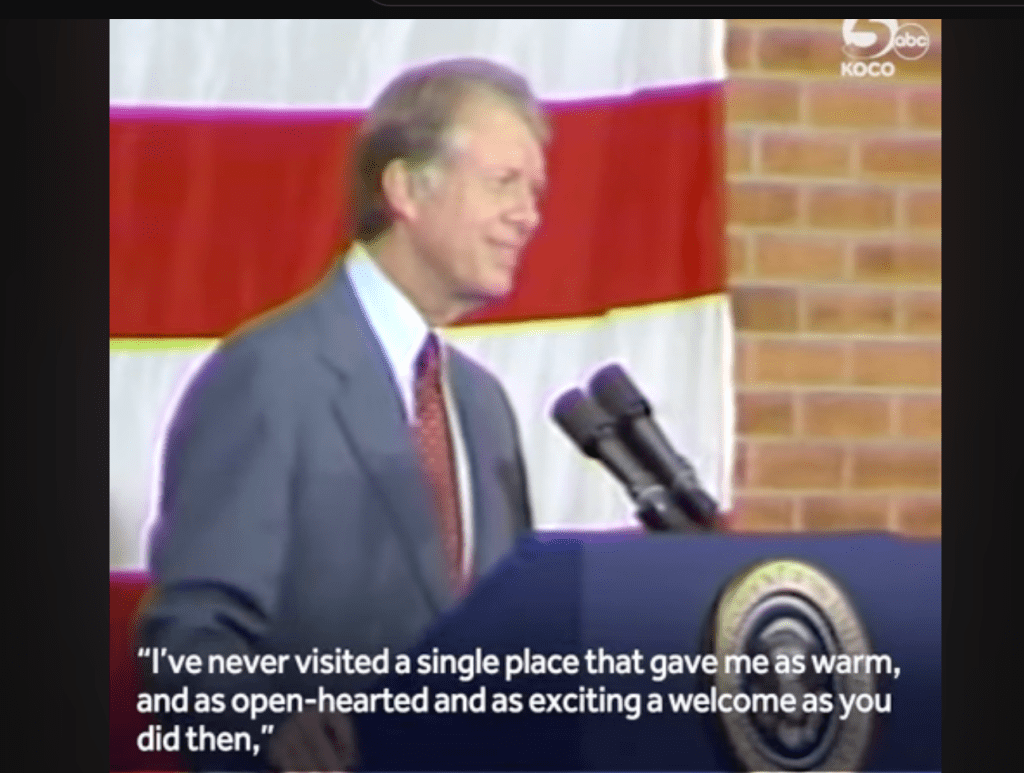

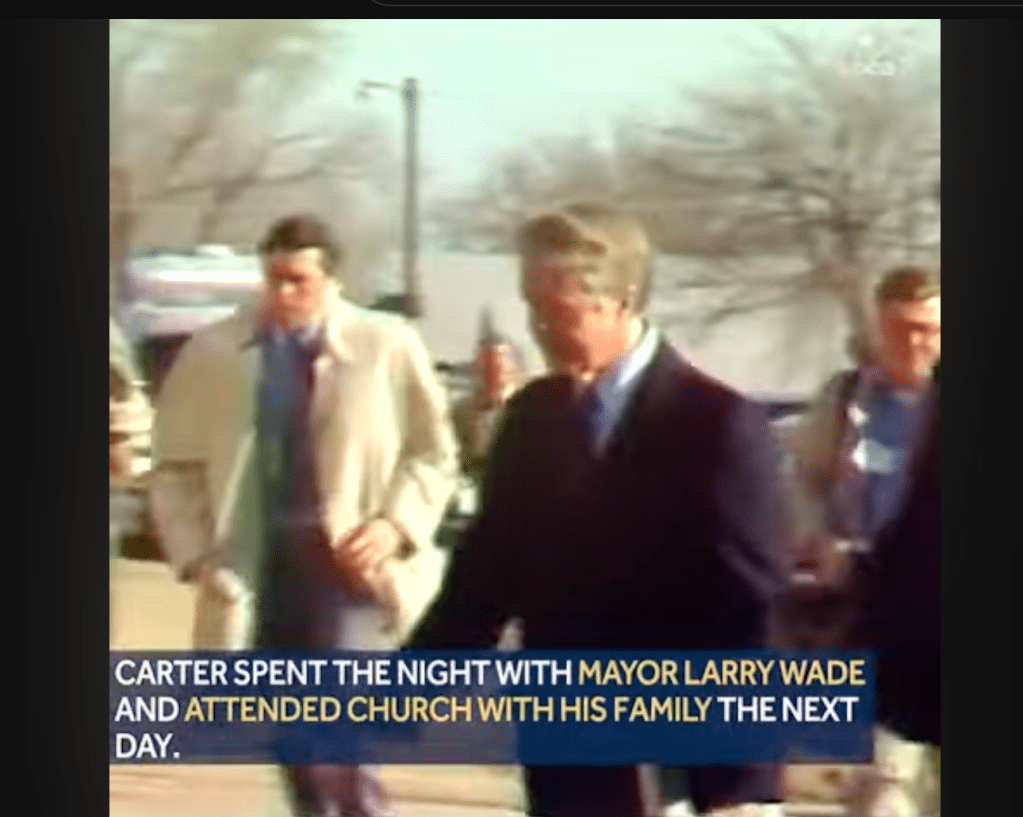
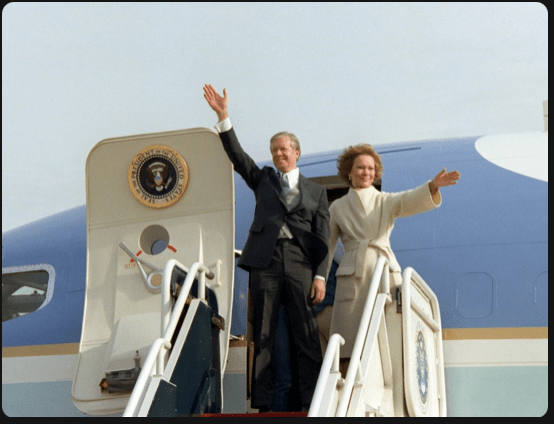
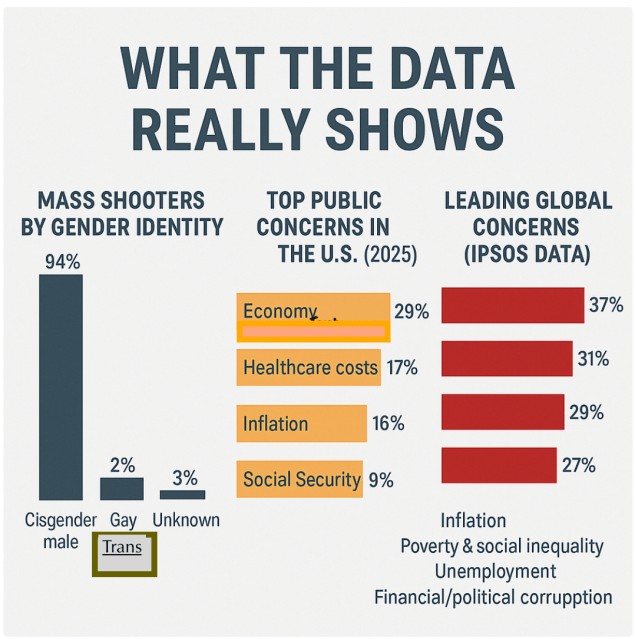
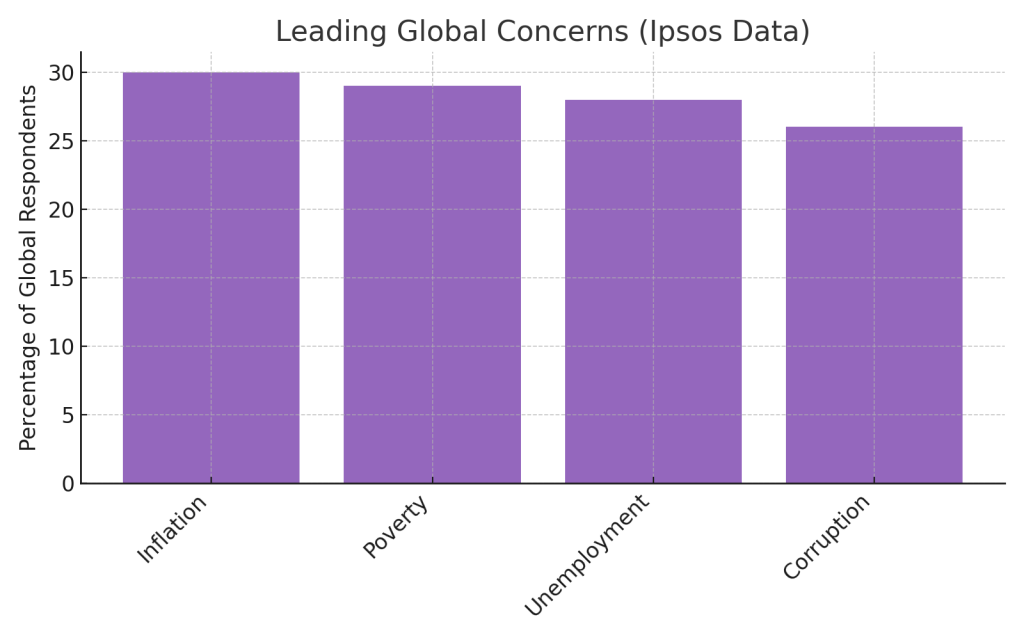
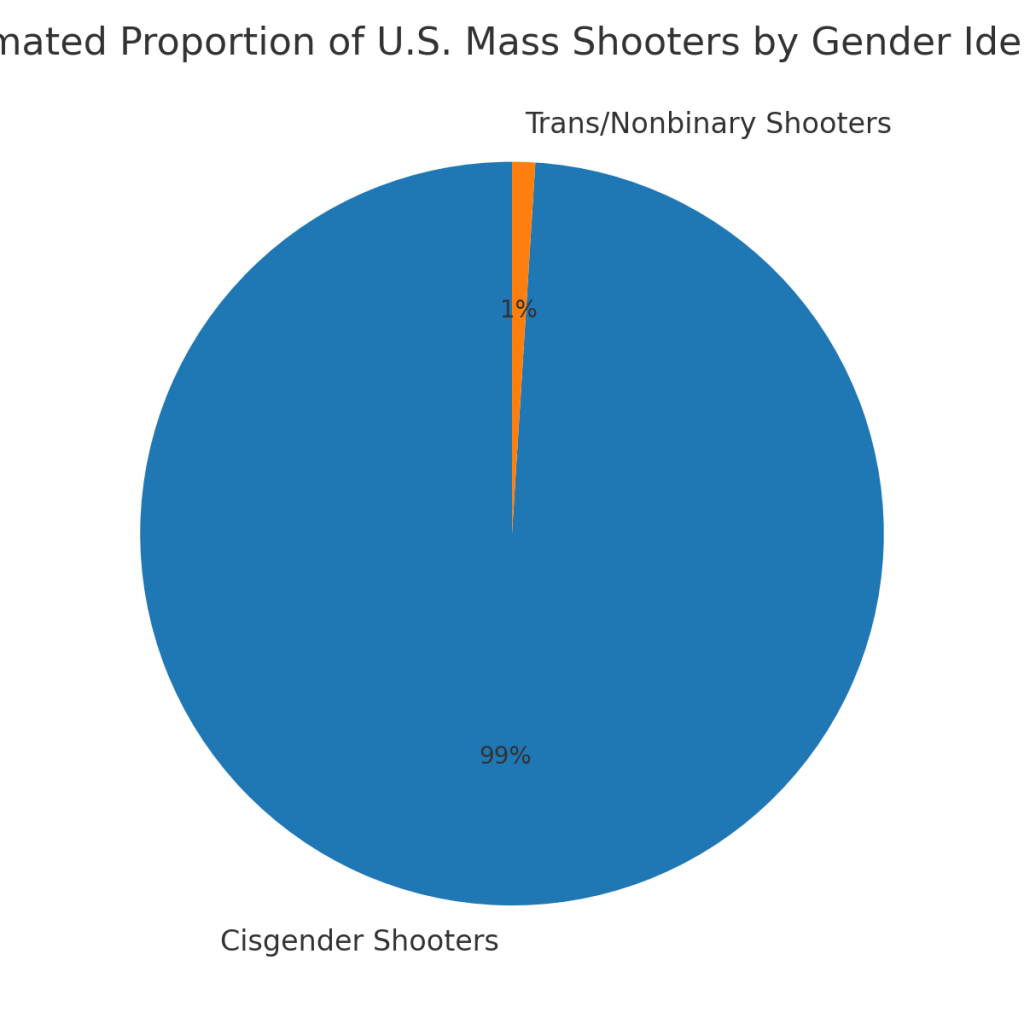






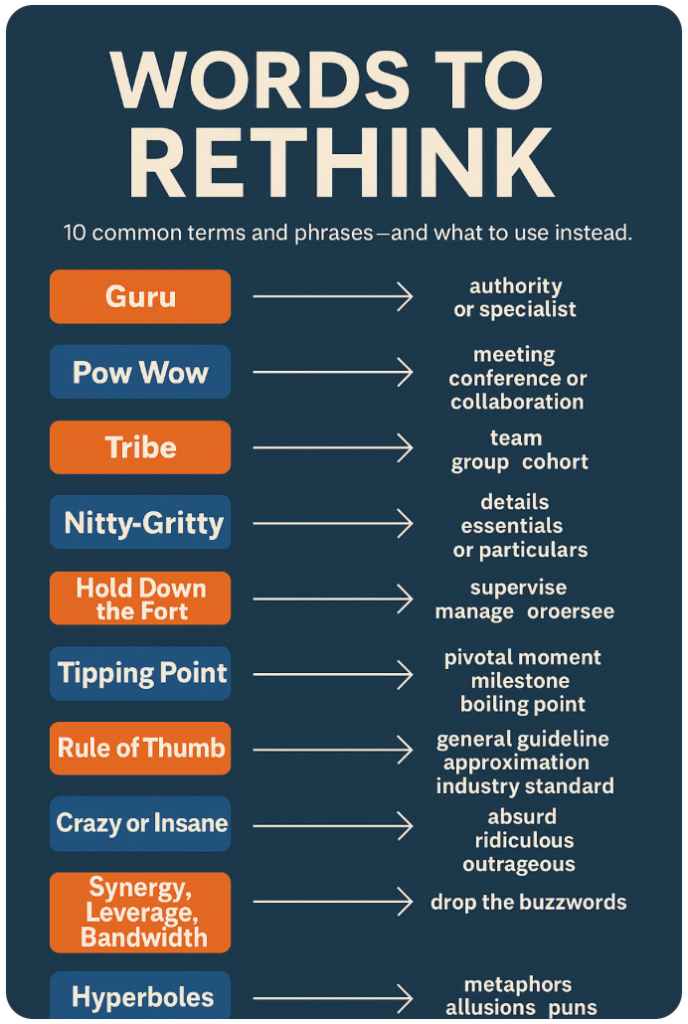



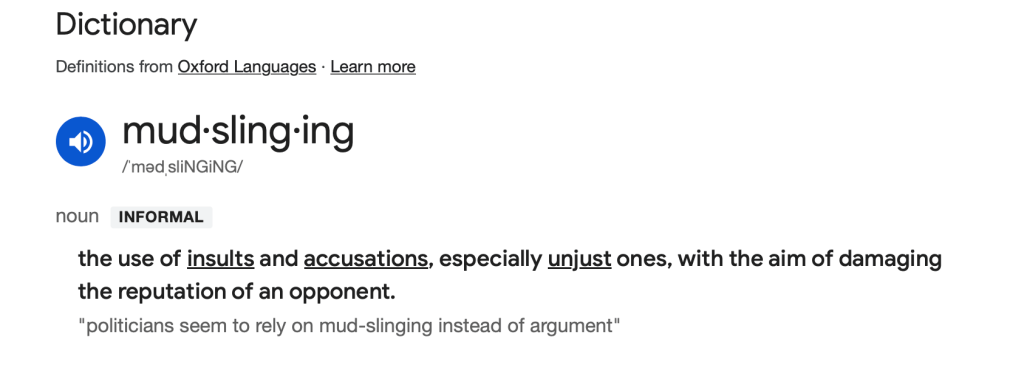

 benandsteve.com