The Art of Embracing Laziness in Summer

By Benjamin GroffMedia© | benandsteve.com | 2025 Truth Endures©

2–3 minutes

The Fine Art of Doing Nothing

There’s a certain magic that shows up in late June. It drifts in on a warm breeze. It wraps itself around your shoulders like a sun-warmed blanket. It whispers, “Slow down a while.”

That was exactly what happened to me last Saturday.

I had plans, mind you. Big ones. Rake the yard. Clean out the garage. Paint that little table I rescued from a flea market. But then the sun was golden and lazy. It was the type of sunshine that doesn’t rush you. It invites you to stay awhile. So, I made a bold decision: I postponed productivity.

Instead of pulling out the rakes and tools, I pulled out a lawn chair. I poured a tall glass of iced tea. Then I plopped down under the shade of the patio covering. I did absolutely nothing. And I mean nothing. No phone. No music. No news. I listened to birdsong and felt a slight breeze. I heard the sound of a neighbor’s sprinkler ticking rhythmically like a metronome for summer’s easy tempo.

I watched the clouds. I counted the dragonflies. I let the world spin on without me—and it did just fine.

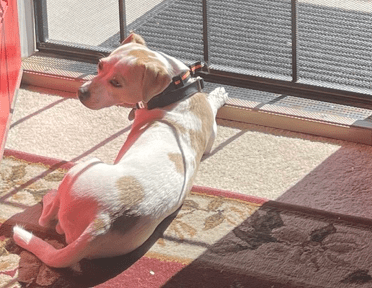
The dog lay beside me, belly-up to the sky, offering a solid endorsement for this lazy lifestyle. Even a stray cat, who usually stares at me like staff, sauntered over and decided to join the movement. We were a trio of content creatures, basking in a moment that cost nothing but meant everything.

At the end of the day, the lawn remained a jumble of rocks. The garage was still messy. The table continued to wait. But my heart? My heart was lighter. My shoulders less tense. And my soul? Sun-soaked and satisfied.

Summer has a way of reminding us that rest is not a reward—it’s a right. And sometimes, the most productive thing you can do is give yourself permission to simply be.


Moral of the story:

Don’t underestimate the power of a lazy summer day. It is true that you’re doing nothing—but you are just giving your spirit exactly what it needs.

Otis The Dog That Trouble Finds

Groff Media 2024© Truth Endures IMDbPro.

Presented by benandsteve.com By: Benjamin Groff II© 


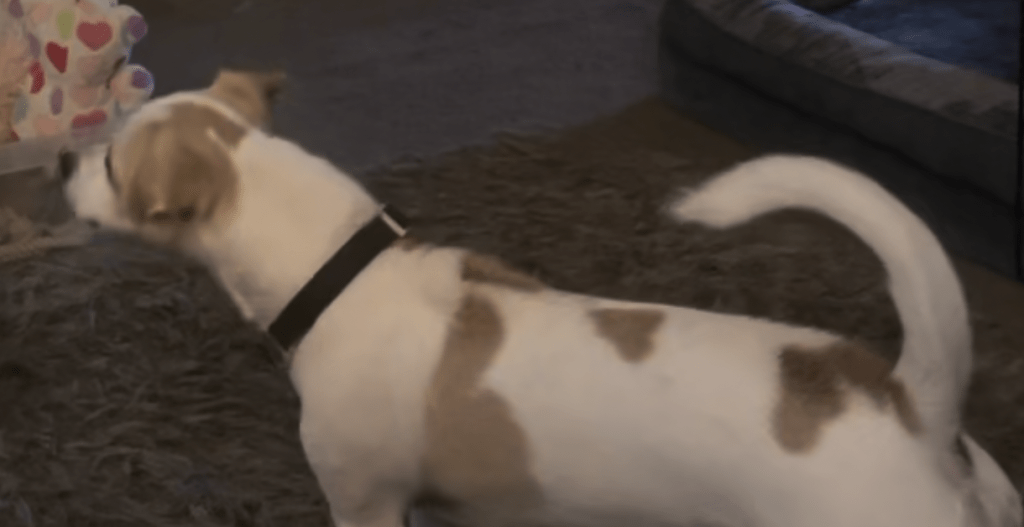
One sunny morning, Otis, a slick Jack Russell Terrier with a gleam in his eyes

and mischief in his heart, woke up. His fur was a brilliant shade of gold, shimmering in the sunlight, and his tail wagged with such enthusiasm that it could power a windmill. The day started innocently enough; we had breakfast at our favorite restaurant and came home. With his wagging tail and big, innocent eyes, Otis welcomed us home and helped us as we tidied up around the house. But Otis is no ordinary dog—trouble seems to find him as a squirrel finds an acorn. He gets these spurts of energy known well as zoomies.

It’s like he’s a magnet for mishaps, a walking comedy show. Wherever he goes, calamity follows. He’s so adorable that it’s impossible not to chuckle when his wrecking ball hits.

It wasn’t long before Otis’s nose led him to the kitchen. The scent of freshly baked bread cooling on the counter was just too tempting. He stood on his hind legs, stretching his neck as far as it would go. Just then, a slight breeze blew through an open window, knocking a paper off the fridge and startling Otis. He yelped and bumped into the counter in a flurry of fur and paws. The bread tumbled down, landing squarely on the floor.

When we walked in, Otis stood over the fallen loaf, his big, brown eyes looking up at us with a mix of innocence and apology. His expression seemed to say, “I didn’t mean to!” It’s hard not to forgive him when he looks at you like that.

We sighed but couldn’t help the tiny smile tugging at your lips. Before picking up the bread, Otis had darted out of the room, ears flapping, tail wagging like a flag, and disappeared into the yard.

As the day went on, Otis’s streak of bad luck continued. While exploring under the porch, he got tangled in a ball of twine that a handyman had left behind. Emerging from the shadows, he looked wide-eyed and confused, like a dog-sized spider web. The neighbors couldn’t help but chuckle when they saw him, tangled and guilty-looking. One even offered to help untangle him, but Otis, being Otis, managed to free himself in a comical fashion.

Capping off his day – Otis’s curiosity got the best of him once more when he found a potted plant by the front door. It only took a nudge from his nose for the pot to tip over, spilling soil all over the welcome mat. He sniffed the dirt, sneezed, and left tiny paw prints leading to his bed, where he flopped down, exhausted.

When found, he looked up with that sweet, guilty face as if saying, I swear, I don’t know how it happened!

Despite the chaos, we knelt and scratched behind his ears. Otis nuzzled into my hand, eyes closing in contentment. As much trouble as he got into, he was ours, and those mishaps only make our days a little more memorable—and a lot more fun. His presence, filled with joy, even amid his mischievous adventures, is a constant reminder of the happiness pets bring into our lives.

It Was A BedTime Story My Grandmother Would Tell Me, But It Was The Weekend That I Loved To Spend!

By: Benjamin Groff II© Groff Media 2024© Truth Endures IMDbPro

It was a bedtime story my grandmother used to tell me when I visited their home on weekends. They lived about forty miles west of the farm we had bought, but they had been farmers in the same area. As they grew older, they sold their place and moved to a larger town, closer to conveniences like supermarkets, doctors, hospitals, and stores. I visited them at least one weekend a month, sometimes more, either hopping a westbound Trailways bus or catching a ride with one of my dad’s friends heading out to Texas. On travel days, I dressed to the nines, careful not to show up looking like a bum, especially since people back then still took pride in looking sharp for such things. Times were changing, though. In the sixties, you started seeing folks on the bus with beads, bell bottoms, and cut-off t-shirts, their hair long, male or female.

I was five years old when I first started traveling with my grandparents, and it became a cherished tradition until my grandmother passed when I was eleven. Even as times changed, my routine remained the same. My grandfather would always park in front of the local drugstore that served as the bus stop in their town. A large courthouse sat in the center of the square, and the bus had to make a loop around it before stopping. The airbrakes would hiss, and I was always be the first one off. The bus driver ensured it, especially since I sat beside him on my suitcase for the whole ride.

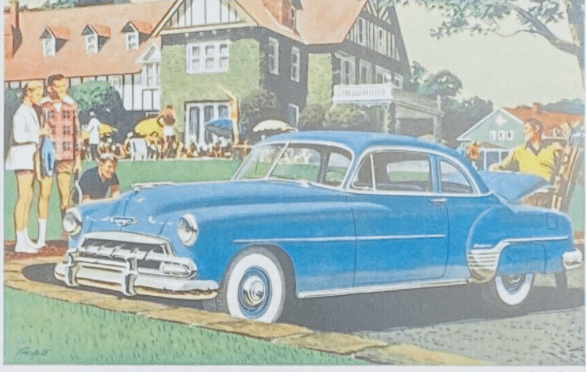
My grandfather, whom I called Pop, would be waiting by the trunk of his 1952 Chevrolet Coupe. As I stepped down those bus steps, the driver would already have handed my suitcase to Pop, who would smile and say, ––––

“Let’s scoot. Mom’s got dinner about ready at home!”

And it was home. My home away from home. I often dreamed of moving there, living with them, and even telling them so. I wanted my dad and our horses to come too because, in my child’s mind, my grandparents loved me so much that they’d love my dad and our horses too.

Pop had a habit of smoking a pipe—or rather, puffing on one. I could spend hours watching him puff smoke into the air in their cozy den. He liked to mix cherrywood tobacco with Prince Albert, and the sweet scent lingered long after he finished, complementing the smells of my grandmother’s cooking, making you want to eat whatever she was making. There was no television after dinner on most evenings. Instead, we’d listen to the ticking of the clock and talk. It was simple, but those talks meant more to me than the grandest concerts I’ve ever attended.

There were exceptions, though. Saturday evenings, we’d watch the news, then Lawrence Welk and Porter Wagoner, followed by a local music show hosted by a furniture store owner. But the TV was always off once Pop went to bed. That’s when my grandmother and I would click it back on for our secret ritual—watching championship wrestling from Oklahoma City. She loved it, getting so worked up that she’d tear tissues to pieces while her favorite wrestlers fought. I’d hand her a new tissue each time she shredded the last one. No one knew about this passion of hers except me, and she confided that she only got to watch wrestling when I visited. It made me feel needed by these two people I loved so much.

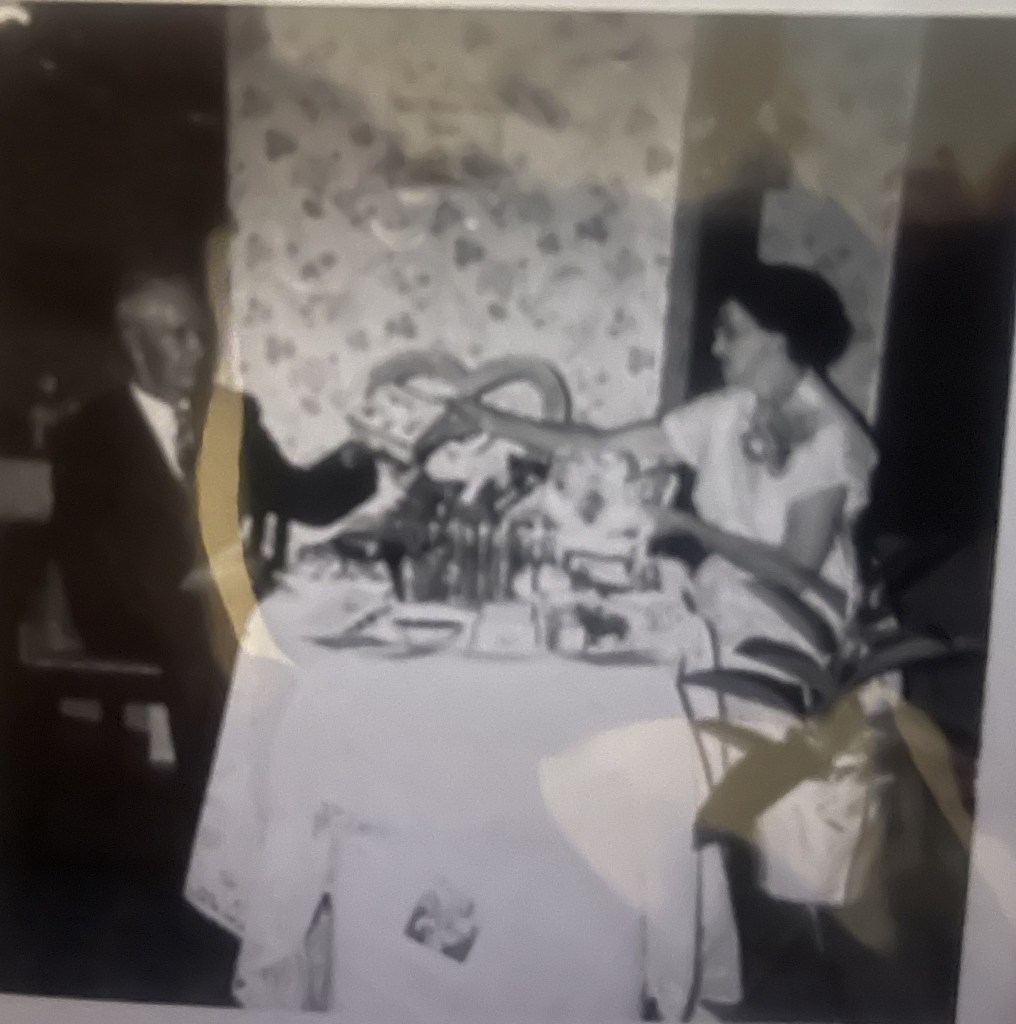
At night, I slept on a cot in their bedroom. It was as comfortable as any five-star hotel bed. But before I bedded down, my grandmother would let me crawl between her and Pop in their bed while she told me stories. One of my favorites was when she grew up in East Texas. She’d laugh so hard telling it, tears streaming down her face. It always made me laugh, too.

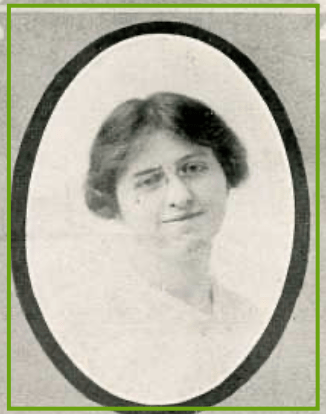
Mom, Florence Lula McElroy, Groff1914

She and her sister Ethyl were watching their little brother, Sam, who had just turned four. The rest of the family worked in the fields when the weather worsened. A funnel cloud was forming in the west, and the sisters, frightened, grabbed Sam and rushed into the farmhouse. Back then, there was no electricity, phones, or fundamental utilities, let alone cars. The girls did the only thing they could think of: they got under the heavy kitchen table, crying as the storm approached.

Not understanding what was happening, Little Sam asked, ––– “What should I do?”

My grandmother told him, ––– “Sam, you should pray!”

But the only prayer the boy knew was the table grace, so he began, ––– “Dear Lord, we thank you for what we are about to receive…”

That’s where the story always stopped because my grandmother would laugh so hard she couldn’t go on. I never knew if the house got hit or the storm blew the farm apart. All I remember is her laughter and how I’d move to the cot, hugging her and giving her a sloppy kiss goodnight.

Years later, I asked my Uncle Sam about that storm. He chuckled and said, ––– “Pots and pans were flying everywhere, and the two sisters were laughing like tea parties. We didn’t lose the house, but it scared me.”

Uncle Sam became my favorite great uncle after that.

I loved hanging out with Aunt Ethyl at family reunions. She dipped snuff—real tobacco, not the stuff you see now. She’d sniff it and tuck some into her upper lip. I could never keep up with her, and my grandmother would have been after me if she ever caught me trying.

On Sunday afternoons, my dad drove to pick me up from the farm. I was always happy to see him but hated leaving my grandparents. I didn’t want to return to the town near our farm—it was never as pleasant as the time spent with Mom and Pop. When I was five, I never imagined that they’d leave this world or that I’d grow up. Life takes the airplane, and time takes the train.

Hurricane Helene: The Unexpected Reckoning – The Mara Gonzalez Story

A Story By: Benjamin Groff© Groff Media 2024© Truth Endures

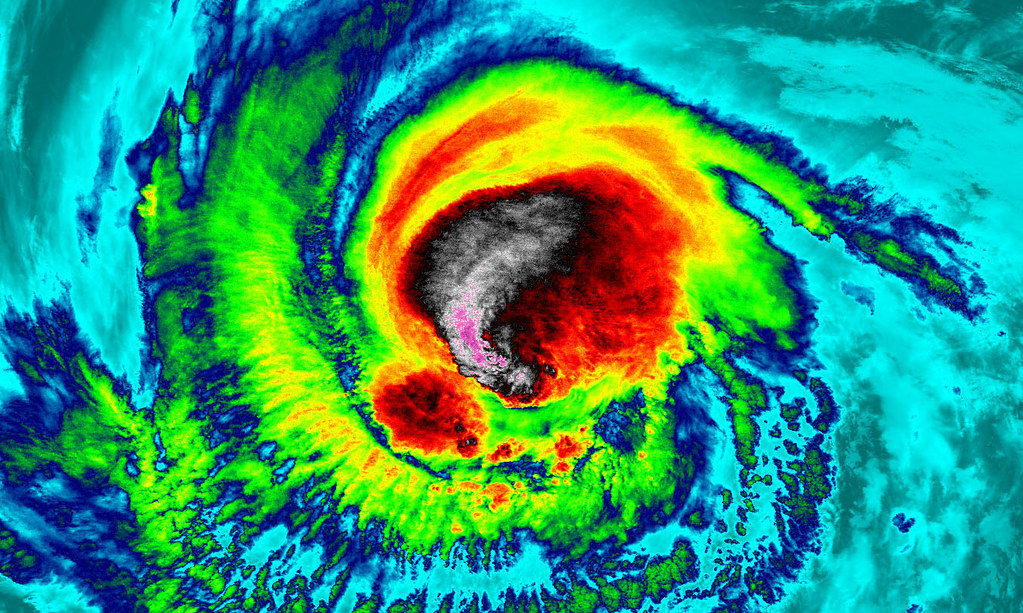
The Fall of 2024 was supposed to be quiet—it had just started, at least that’s what the weather forecasters had predicted. But as the Atlantic winds shifted and the sky over the Caribbean darkened, something was brewing—a force no one anticipated. Hurricane Helene, named after the calmest of saints, defied its serene namesake.

It raged towards the coast, catching everyone off guard with a fury unlike any other.

Mara Gonzalez, a lifelong resident of Tallahassee, Florida, knows hurricanes too well. Her family had lived through the destruction of Hermine in 2016 and, even further back, the devastating flood of 1843 that left the area uninhabitable. But Helene was different. It didn’t give them time to prepare. It increased, catching wind over the Gulf of Mexico and swelling from a Category 2 to a dangerous Category 4 within hours.

Mara’s weather app pinged. “Helene upgraded to Category 5. Evacuation recommended for coastal residents.” Her heart sank as she looked out the window, the clouds swirling angrily in the distance.

Her husband, Luis, was packing supplies in the truck—water, canned goods, blankets—everything they had prepared weeks before when the first storm warnings of the season were announced. They had been waiting for something to hit, but nothing ever came. Now, with Helene’s ferocity looming, the preparations seemed rushed. They had planned to ride it out, but the panic spreading through town made Mara reconsider.

“Luis, I think we need to leave,”

She called out, her voice trembling. The wind had already picked up, howling through the streets like a warning cry. Despite her fear, Mara’s determination to protect her family was unwavering.

Luis wiped the sweat from his brow.

“We can still make it inland before the storm hits,”

He reassured her, though his voice wavered.

The children, nine-year-old Sofia and six-year-old Diego sat quietly in the truck’s backseat, their eyes wide with confusion and innocence. They had lived through tropical storms before, but nothing this ominous.

As they made their way out of the neighborhood, Atlanta seemed to be on the move. Lines of cars stretched down the highway, desperate to escape the path of destruction. The radio crackled with reports of the storm’s unexpected growth, and people were urged to evacuate immediately.

But Hurricane Helene wasn’t following any conventional path. As the Gonzalezes drove inland toward Atlanta, the sky darkened further, and the wind picked up speed. The air was thick with the smell of rain and fear. Helene was coming in fast, making landfall quicker than expected. Mara gripped the dashboard as the rain pelted the windshield, blurring their view of the road ahead. The sound of the rain was deafening, and the wind was howling like a pack of wolves, adding to the sense of impending doom.

“Luis, do you think we’ll be safe in Atlanta?”

She asked, her voice barely audible over the pounding rain.

“I don’t know, Mara. We have to keep moving.”

Luis’s hands were tight on the wheel, his knuckles white.

The radio cut out. Silence fell over the car for a moment before the blaring broke it of emergency alerts.

“A tornado is in the storm’s wake, and they are directly in its path.”

“Dad, what’s happening?”

Sofia asked, her voice small and scared.

“Just a bit of rough weather, baby. We’re going to be fine,”

Luis tried to reassure her, but the fear in his voice betrayed him.

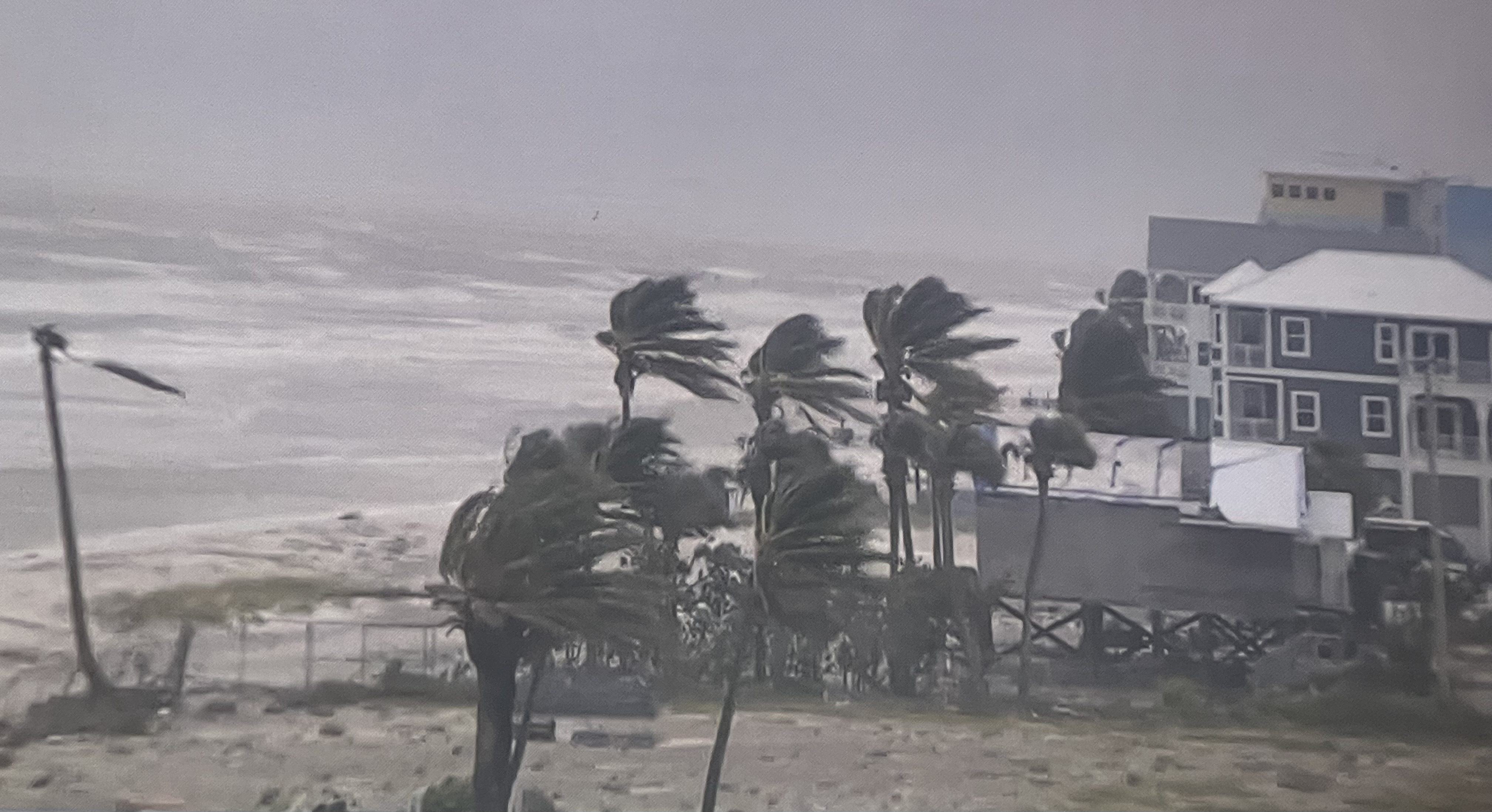
The hurricane’s outer bands unleashed their full fury as they approached Tallahassee. Roads flooded, trees were ripped from their roots, and debris littered the streets. The city, usually a haven for those fleeing coastal storms, was under siege by Helene’s wrath.

Mara’s phone buzzed again, this time with a text from her mother, who had stayed behind in Tampa. The water was rising fast; stay safe. I love you all.

Mara’s breath caught as she imagined her mother huddled inside her home, fighting the rising floodwaters. She wanted to scream, to tell her to leave, but the storm had already overtaken the coast.

Hours passed in the chaos, and they found temporary shelter in a school gym, along with hundreds of others who had fled in the nick of time. The wind howled outside as the noises of roofs getting ripped off homes echoed, and power lines crashing down filled the air. Yet, amid this turmoil, there was a sense of unity among the survivors, a shared understanding of the need to support each other.

But Mara couldn’t sleep. She kept thinking about her mother and the others who stayed behind, hoping and praying they’d made it through the worst.

Morning came, but the storm lingered. Helene’s aftermath was unlike anything the city had ever seen. Tampa was submerged, and entire neighborhoods were wiped out. The streets were littered with debris, and the once vibrant city was now a ghost town. Atlanta too, was left battered, with flooding rivaling the disaster of Hurricane Harvey years before. The city was in a state of shock, trying to come to terms with the scale of the destruction.

Mara stood outside the shelter, looking at the devastation, trying to fathom the destruction that stretched as far as she could see. Helene had taken lives, homes, and peace of mind. Yet, as the sun rose, a strange calm settled over the city. People began to emerge, surveying the wreckage but already talking about rebuilding, helping one another, and survival.

“Hurricane Helene may have brought us down,” Luis said, placing a hand on Mara’s shoulder, “but it didn’t break us.” The city was a testament to that. Despite the devastation, people were already talking about rebuilding, helping one another, and survival. The spirit of the community was unbroken, and it was this resilience that would see them through the difficult times ahead.

Mara nodded, her mind racing with thoughts of what was next. There would be losses to mourn, people to find, and a future to rebuild. Helene had come unannounced and left destruction in its wake, but the people’s resilience would rise just as it always had, just as it always would.