Gregory de Polnay was born on 17 October 1943 in Chelsea, London, England, UK. He was an actor, known for Mansfield Park (1999), Doctor Who (1963) and Dixon of Dock Green (1955). He was married to Candice Caroline White. He died on 1 January 2026 in Poitiers, France.Some reports have listed as 2 January, 2026.
Big Finish Productions confirmed Gregory de Polnay’s death. He was known and respected there for his contributions to audio drama. News of his passing was met with sadness by colleagues, listeners, and admirers of his work.
Gregory de Polnay built a career defined by presence and voice. These qualities served him especially well in the world of recorded performance. Through his work with Big Finish, he became part of a storytelling tradition that values nuance, imagination, and character. He brought scripts to life for audiences. These audiences knew him primarily through sound rather than stage or screen.
De Polnay was not a household name. Yet, his work left a lasting impression within the creative communities he served. Fellow performers and producers remembered him as a dedicated professional. He matched his seriousness of craft with a deep respect for storytelling and collaboration.
Gregory de Polnay is survived by friends, colleagues, and listeners who continue to enjoy the performances he left behind. His voice endures in the stories he helped tell. This ensures that his contribution to the art of audio drama will not be forgotten.
One year ago former U.S. President Jimmy Carter passed away. We close this year with a celebration to his life. Recognizing his many accomplishments. Here is one, a promise he had made on the campaign trail before he was elected to office. That if he won the presidency, he would return to Elk City, Oklahoma and thank them. He upheld that promise, as well as many others he made. A man with true humility, honesty and principles. Sorely missed as an example to others.We honor a true a leader by remembering his life!
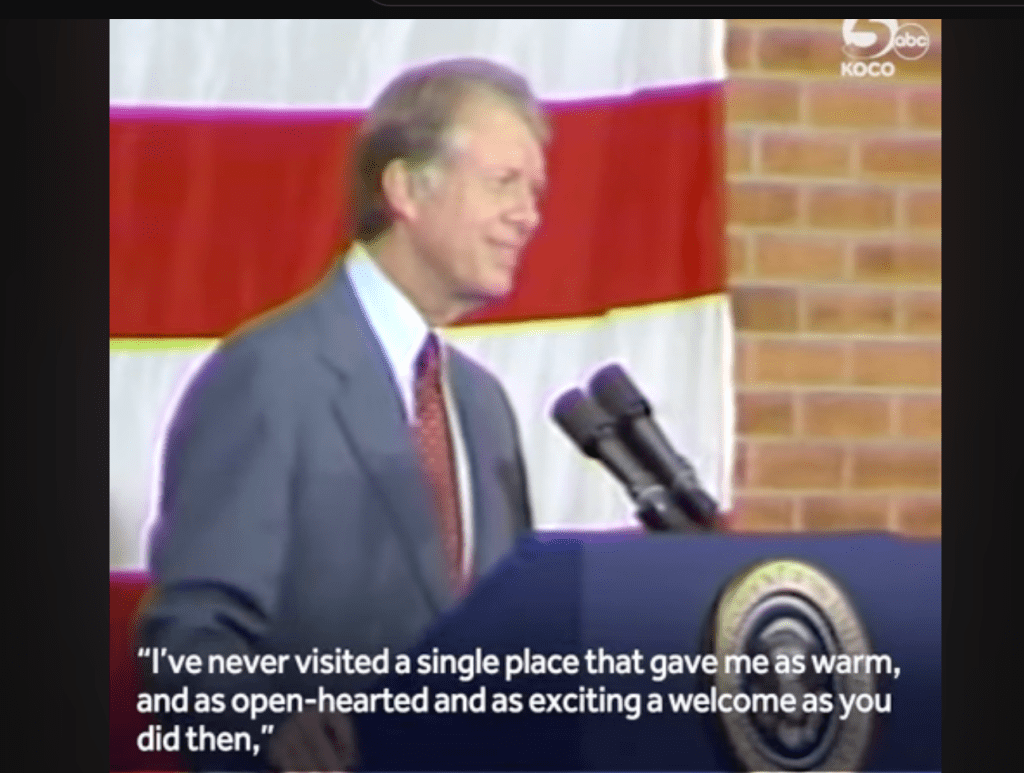
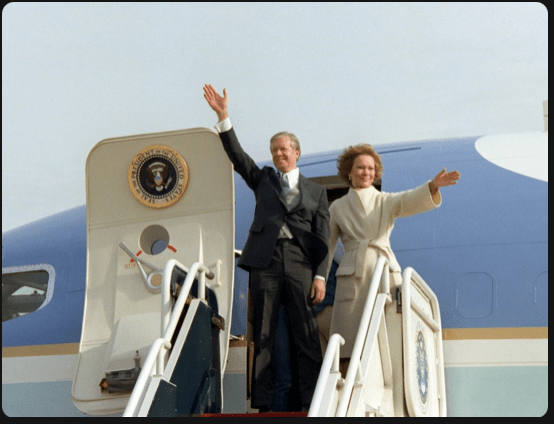
On March 24th, 1979, President Jimmy Carter returned to Oklahoma. He came to fulfill a campaign promise he had made during his first run for office. While campaigning, he passed through Elk City, Oklahoma, and vowed that if elected, he would return as President. True to his word, he came back to this small western Oklahoma town to connect with its residents.
By then, the memory of President Ford’s near-assassination and other threats against public figures lingered in the national consciousness. Carter was a peanut farmer from Plains, Georgia. He resonated with Oklahoma Citizens through his humility and shared values. This included his Democratic Party affiliation. First Lady Rosalynn Carter was accompanying him. Her warmth and grace complemented her husband. She left a positive impression on the locals.
At the time, Oklahoma’s Governor George Nigh was a celebrated figure in state politics. George Nigh was elected Lieutenant Governor more times than anyone else. He briefly served as Governor multiple times. This occurred when his predecessors resigned to take other offices. Despite some legal challenges about his eligibility, the State Supreme Court affirmed his ability to serve. He was now in his first full term as Governor. His presence at Carter’s visit added to the significance of the occasion.
The visit brought much excitement and preparation to Elk City, a town of about 12,000. The oil boom had not yet transformed the region. The high school’s field house was the largest venue available for the gathering. Elk City did not have an airport that accommodates Air Force One. Thus, the nearby Clinton-Sherman Airbase in Burns Flat, 15 miles east, was reactivated for the President’s arrival. A motorcade transported President Carter and his entourage to Elk City.
The event attracted widespread attention, with media outlets from a five-state area descending on the town. Governor Nigh, Oklahoma’s First Lady, U.S. Senators, Representatives, and many state officials joined the crowd. The field house overflowed with locals eager to witness history.
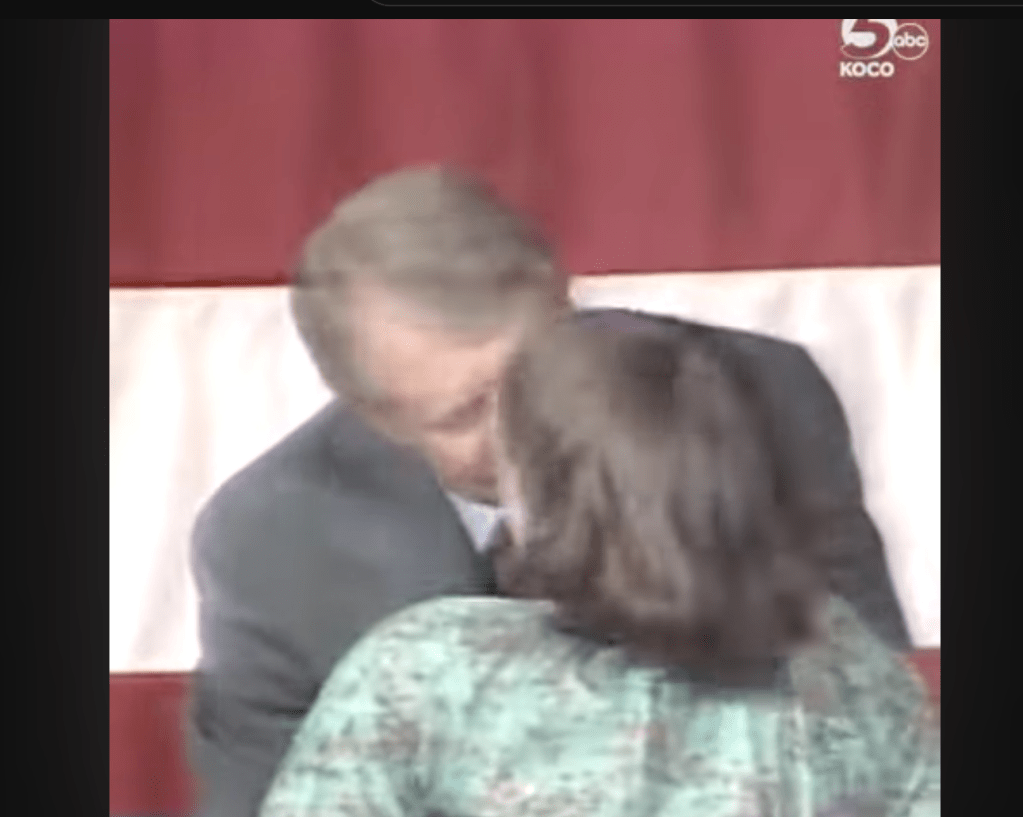
President Carter took the stage after introductions by various community leaders. His speech was marked by humility, sincerity, and a willingness to engage directly with the audience. During a question-and-answer session, a young girl boldly asked for a kiss. The President graciously obliged. This act endeared him further to the crowd.
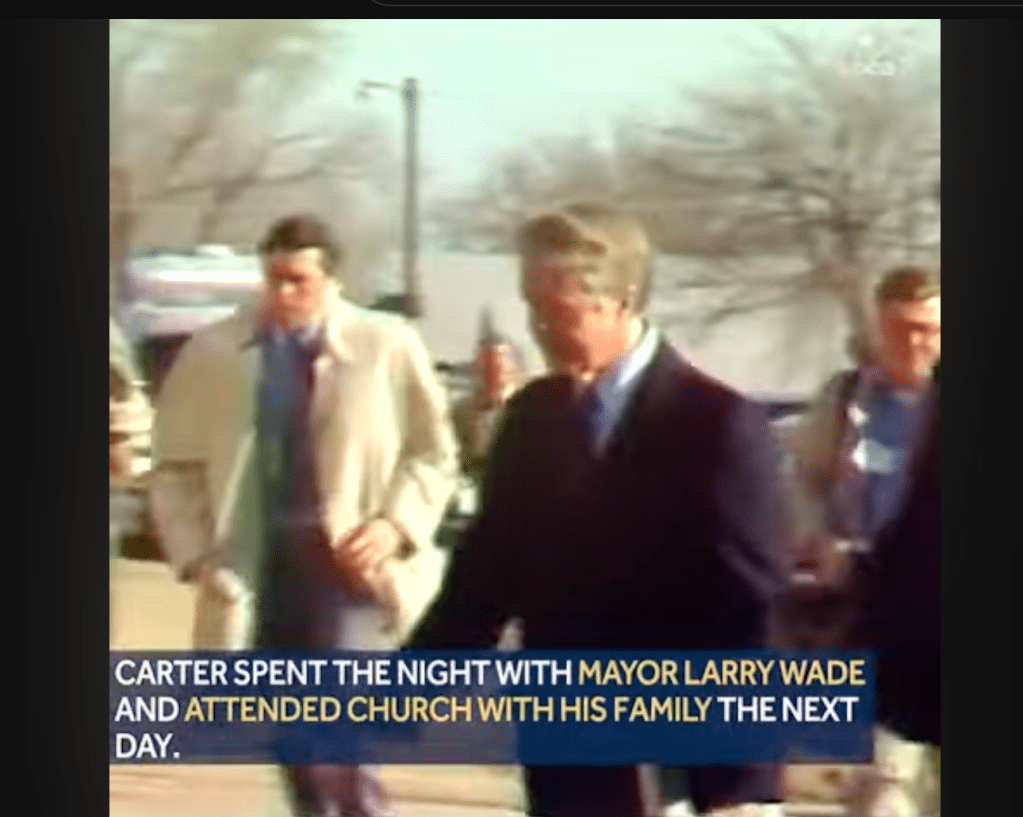
Unlike many politicians who have returned to the comfort of Washington, D.C., President Carter chose to stay overnight at the home of Elk City Mayor Larry Wade. While he and Rosalynn rested, Elk City police officers securely guarded their limousine. It was stored in the fire department’s bay. The fire trucks were temporarily parked on the street. This allowed room for the vehicle. The bay doors were locked to make sure its secure.
The next morning, the Secret Service inspected and prepared the limousine for the journey back to the Clinton-Sherman Airbase. At 7:00 AM, President and Mrs. Carter were to be escorted by a motorcade that included local police and the Oklahoma Highway Patrol. But the Carters had been invited to church. And to church they would go. The President’s and First Lady’s Church attendance was unannounced and brief. Two routes were used to guarantee security, though the President’s exact route remains uncertain. By 8:15 AM, all vehicles converged at the church. The Carters left church and went to the Clinton – Sherman Airfield, near Burns Flat. “Nothing is to schedule” one news reporter was noted as saying. And, for the Secret Service, they appreciated it wasn’t. The changes in the planned activity helped create enough of a distraction.
As Air Force One prepared for departure, President Carter and Rosalynn climbed the stairway. They turned to wave goodbye to the assembled crowd. Then, they boarded the plane. Within minutes, the jet’s engines roared to life. It ascended into the blue Oklahoma sky. The departure left behind a community that felt valued and appreciated.
Jimmy Carter’s visit to Elk City exemplified his commitment to keeping promises and connecting with everyday Americans. Years after making his pledge, he returned to this western Oklahoma town. This return reflected the integrity and personal touch that characterized his presidency.
Eddie Sotto, 67, American experiential designer, mixed-media producer and conceptualist
Eddie Sotto, a visionary designer and influential figure in themed entertainment, has died at the age of 67. Sotto earned widespread respect for his creative leadership. He made a lasting impact on the way immersive environments are imagined and experienced. His work with Walt Disney Imagineering was significant during a pivotal era of expansion and innovation.
Eddie Sotto imagined places where stories lived. He shaped immersive worlds at Walt Disney Imagineering. These worlds welcomed millions and forever redefined themed design.
Sotto joined Walt Disney Imagineering in 1986. He rose to become Senior Vice President of Concept Design in 1994. This role placed him at the center of some of Disney’s most ambitious international projects. Among his most notable achievements was overseeing the design of Main Street, U.S.A. at Disneyland Paris. There, his vision helped adapt a classic American concept for a global audience. He managed to preserve its sense of nostalgia, storytelling, and emotional resonance.
One of Sotto’s most enduring contributions was his proposal. He suggested placing the Disneyland Hotel directly at the entrance of Disneyland Paris. This proposal was bold and unprecedented. This was the first time Disney situated a hotel within a theme park. This concept would influence future park planning. It also redefined the relationship between guest experience and themed architecture. Eddie Sotto’s legacy endures in the spaces he helped create and in the imaginative standards he set for immersive design.
Every year at this time, I am reminded of a harrowing story. It is deeply etched into Oklahoma’s collective memory: the Babbs Switch School Fire of Christmas Eve, 1924. It stands as a tragic lesson in safety, humanity, and resilience.
The Fire
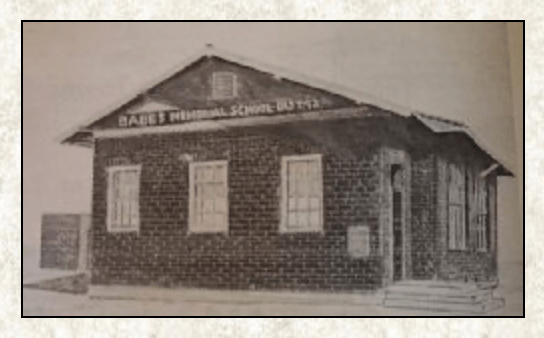
On that bitterly cold night, with heavy snow and sub-zero temperatures, 200 residents gathered. They met in Babbs Switch’s one-room schoolhouse for a Christmas Eve program. The school was tightly packed with engaged couples, grandparents, mothers, fathers, and children. The building’s windows were secured with wire mesh to deter intruders from the nearby railroad tracks. The sole exit—a door that opened inward—would soon become a deadly trap.
The program concluded with a teenage boy dressed as Santa Claus. He handed out toys and candy beneath a cedar Christmas tree. The tree was decorated with paper, tinsel, and lit candles. One of these candles brushed against the tree’s dry needles, igniting it instantly. Mrs. W.G. Boland, whose three children perished that night, later recounted the horror.
“I tried to beat it out with a paper sack,”
she said,
“but it did no good.”
Initially, the crowd laughed, believing the small blaze was being contained. But within moments, the flames engulfed the tree, the ceiling, and the entire structure.
Panic erupted.
The sole exit became a bottleneck as the crowd surged toward the door. Those at the back pushed forward, while the unlucky at the front got crushed in the chaos. Some attempted to pry open the wired windows, but their efforts were futile. Trapped inside, children, parents, and neighbors succumbed to the smoke and flames. Witnesses recalled the horrifying scene of people clawing at the exit. Bodies piled atop one another, and the acrid stench of burning flesh.
The Survivors
Among those who escaped was Lillie Biggers. She crawled out from under a desk clutching a doll she had just received. Her mother, Margaret, managed to get out but suffered severe burns to her hands and arms. Tragically, Lillie’s brothers, William, 9, and Walter, 15, did not survive. The Biggers family’s grief mirrored that of the entire community, where 36 lives were lost—half of them children. The belongings later identified the bodies of William and Walter. They carried a toy gun and a belt buckle.
The injured and deceased were transported to Hobart, the nearest town, where makeshift morgues were set up. The community’s response, known as the “Hobart Spirit,” saw residents drop everything to give aid and comfort. Newspaper accounts likened this effort to the Oklahoma Standard that emerged decades later after the Oklahoma City bombing.
Julie Braun with Mother Lillie’s Doll That Survived Fire
The Aftermath
The tragedy prompted a wave of reforms. Oklahoma legislators enacted fire safety laws requiring outward-opening doors, multiple exits, and accessible window screens in schools. Open flames were banned, and fire extinguishers became mandatory. The reforms eventually spread nationwide, though it would take more tragedies before they were fully adopted.
The morning after the Babbs Switch School Fire
A Missing Child
The story took a strange twist that turned it into a lingering mystery. Among the victims was three-year-old Mary Edens—or so it was believed. Her aunt, Alice Noah, escaped the building. She died days later. She claimed she had handed Mary to an unknown person outside the burning building. Mary’s body was never recovered, leading her family to hope she had survived.
In 1957, decades after the fire, a woman named Grace Reynolds came forth. She was from Barstow, California. She claimed to be the long-lost Mary. The Edens family reunited with her on Art Linkletter’s House Party television program, believing their prayers had been answered. Reynolds even wrote a book about her experiences. It is titled Mary, Child of Tragedy: The Story of the Lost Child of the 1924 Babbs Switch Fire.
But only some were convinced. A local newspaper editor who investigated the claim questioned its validity.
Skeptics noted inconsistencies in Reynolds’s story, but no definitive evidence confirmed or debunked her identity. To this day, the truth remains elusive.
Legacy
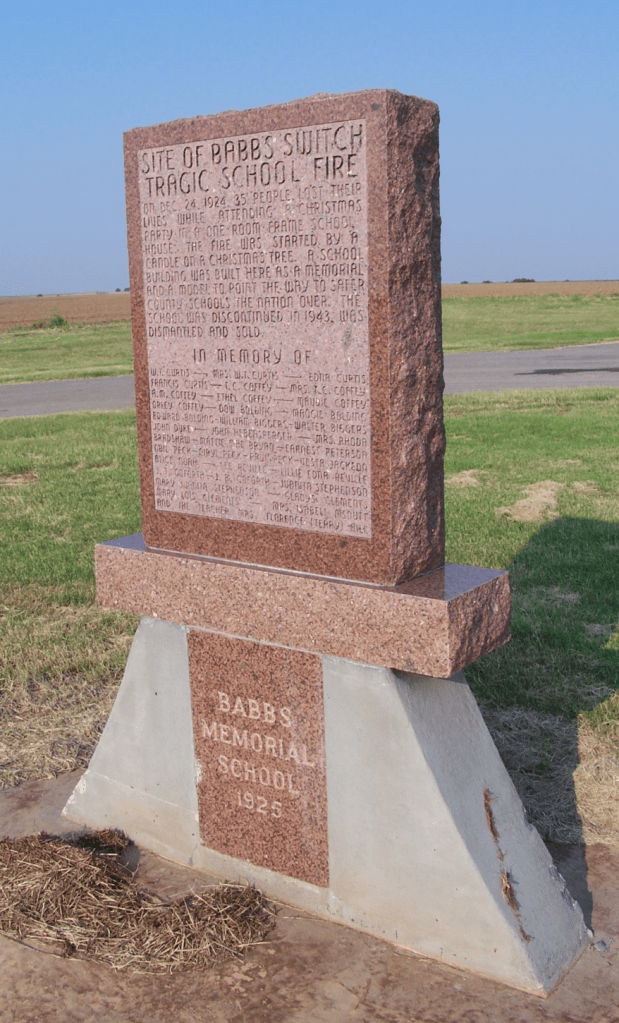
The Babbs Switch School Fire is remembered as one of the deadliest school fires in U.S. history. A stone monument now stands where the schoolhouse once stood, a quiet marker of lives lost and lessons learned. The physical scars of the tragedy have faded. Yet, its memory endures. It serves as a poignant reminder of the fragility of life and our enduring hope for safety and change.
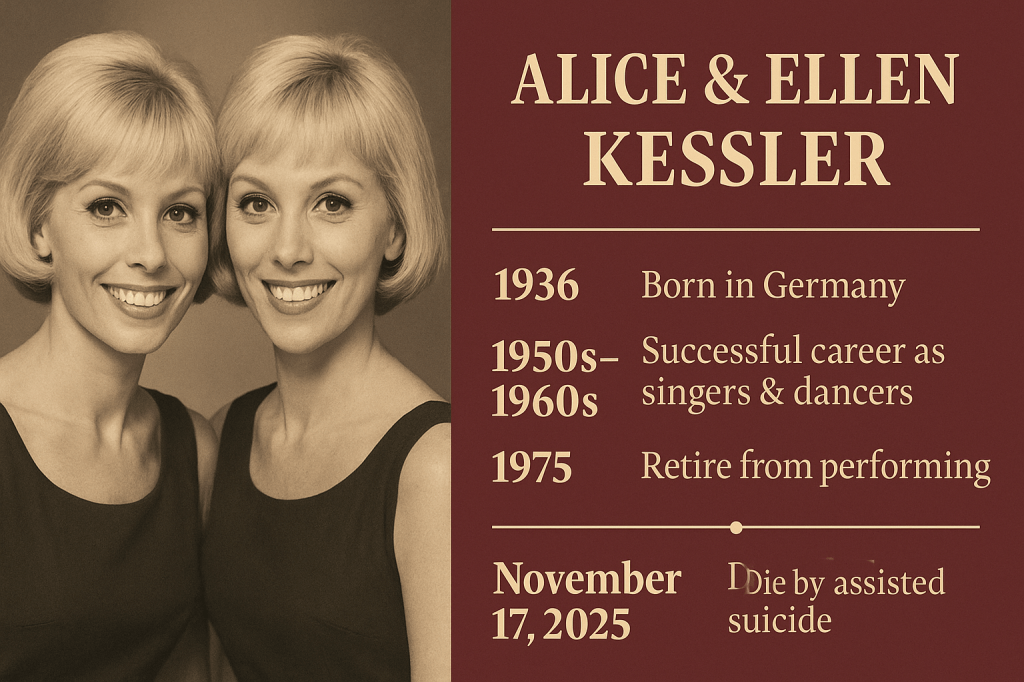
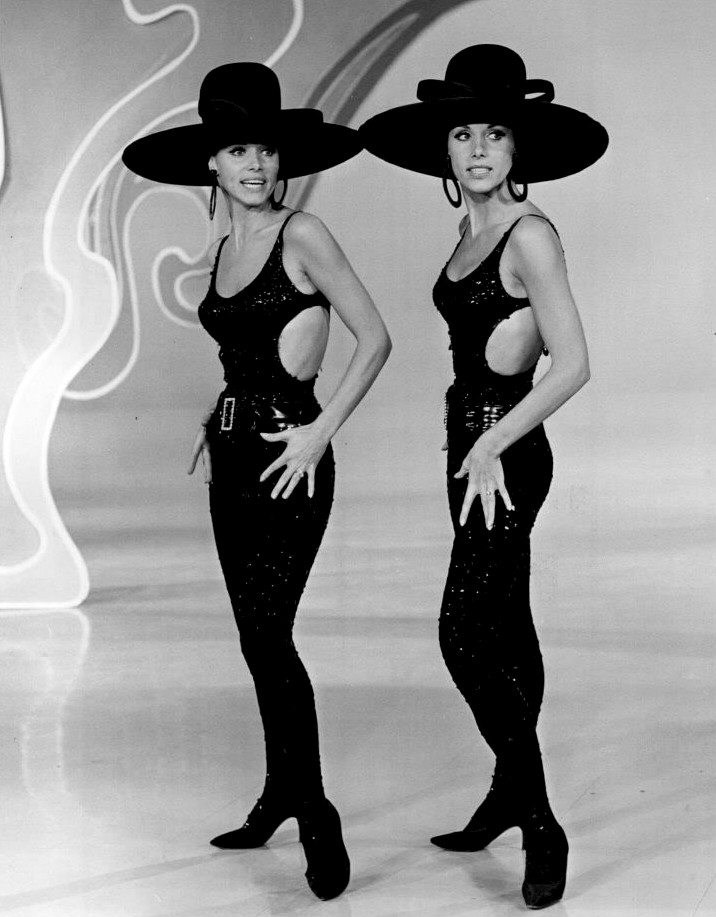
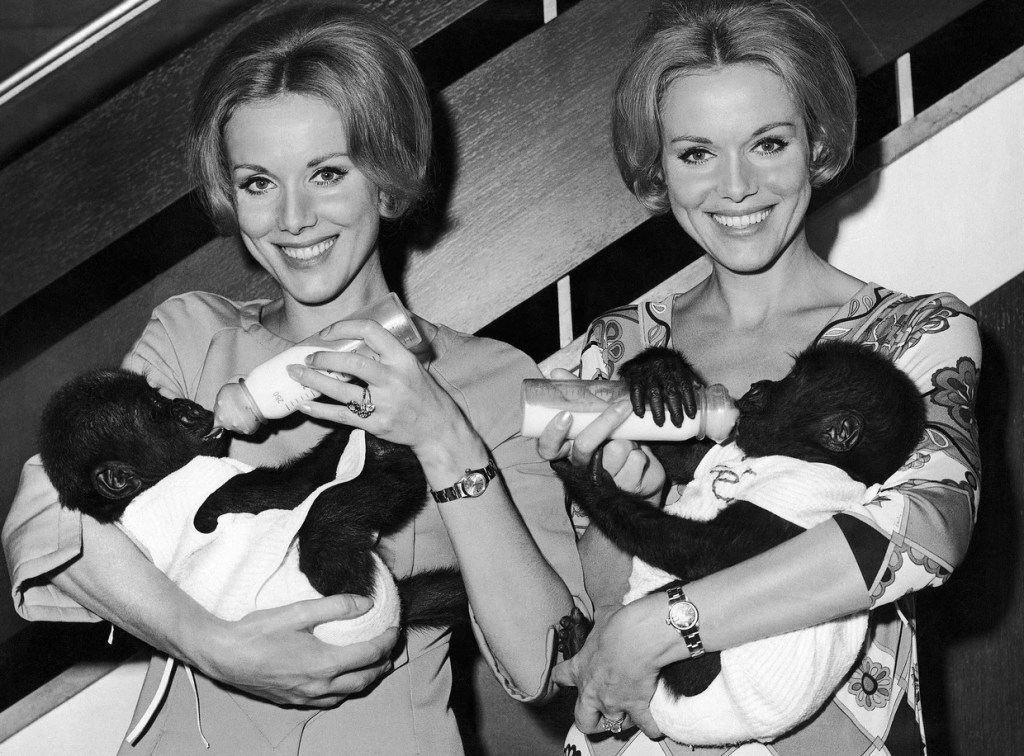
Alice and Ellen Kessler were born on August 20, 1936, in Nerchau, Saxony, Germany. From early childhood, they trained in ballet and performance, eventually emerging as a dazzling twin act in post-war Europe. They became known internationally for their synchronized dancing, singing, and television appearances. They found particular fame in Italy, where they were dubbed “Le gemelle Kessler”.
They appeared in films like Love and the Frenchwoman and Dead Woman from Beverly Hills . Their careers expanded beyond dance into acting.
Shared Career, Shared Life
For decades, they performed as a unit—twins inseparable both on and off stage. Their image of elegance, glamour, and synchronized precision made them icons of entertainment in the 1950s and 1960s. Their bond remained strong even as they stepped away from the spotlight, ultimately returning to Germany and settling near Munich.
Their Final Days & Decision
On November 17, 2025, both Alice and Ellen passed away in Grünwald, Bavaria, Germany, at the age of 89. Their cause of death is reported as assisted suicide. They made this decision together. It reflects how they had lived life: side by side.
The sisters had long ago expressed the wish to be cremated together. They wanted their ashes placed in a single urn, according to reports. They had indicated they no longer wished to continue their current life. They chose to end their lives together.
Why They Made That Choice
While the intimate details of their decision stay personal, the public record suggests the following contributing factors:
Age and quality of life: At 89, they faced the realities of aging. Having lived their whole careers, they wished to face death by choice rather than decline.
Deep bond: Their identity had been formed around always being together—professionally and personally. The decision to depart together echoes the unity they maintained for nearly nine decades.
Autonomy in the final act: In Germany, since 2019, medical aid in dying has been legal under certain conditions. This involves an individual administering prescribed medication themselves. They chose the timing, setting, and manner—affirming their autonomy to the end.
Legacy and Reflection
Alice and Ellen stay symbols of an era of variety-show glamour. They epitomize cross-European entertainment. Their twin synergy is unmatched by few acts. But beyond their performance, their final act raises profound questions about dignity. It also questions companionship and the nature of choice at the end of life.
Their journey is a full-circle narrative for fans, historians, and those intrigued by human stories. They start as childhood ballet students. They become international stars. Finally, they become co-authors of their own end. It shows how life can be lived. It also demonstrates how life can be shared and completed on one’s own terms.
Closing Thoughts Remembering The Kessler Sisters
How many partnerships in life are built to last so long, and so deeply?
The Kessler twins remind us of devotion not only to craft, but to each other. In their final act, they teach us something tender and unsettling. They reveal the power of choice, the weight of togetherness, and the mystery of closure.
Latest on the Kessler Twins’ passing –
NEWS BULLETIN. TUESDAY NOVEMBER 19, 2025
The Kessler Twins have left this world together.
Alice Kessler and Ellen Kessler—German twin sisters who performed as a variety entertainment duo—died by joint assisted suicide at their home in Gruenwald, Germany, on Nov. 17, according to the German Society for Humane Dying (DGHS).
“They had been considering this option for some time,” the association, which advocates for the right to a self-determined death, said in a statement to NBC News. “They had been members of the organization for over a year.”
Explaining that those “who choose this option in Germany must be absolutely clear-headed, meaning free and responsible,” the organization noted that the sisters engaged in thorough discussions with a lawyer and a doctor before setting on this path.
“The decision must be thoughtful and consistent,” the DGHS added, “meaning made over a long period of time and not impulsive.”
Assisted dying is legal in Germany, with the country’s constitutional court ruling in 2020 that an individual has the right to end their life and seek help from a third party under certain circumstances.
Mohamed Sabry, Former Zamalek Midfielder, Dies at 51
The Egyptian football community is deeply saddened to mourn the loss of Mohamed Sabry. He was the former Zamalek and Egypt national team midfielder. He died in a car accident in Cairo’s Fifth Settlement on Thursday. He was 51. Sabry’s untimely passing marks the end of a remarkable life. He dedicated his life to the sport he loved. He helped define it for a generation of fans.
Sabry was a central figure in Zamalek’s golden era throughout the 1990s and early 2000s. This was a decade of triumphs. It cemented the club’s legacy in African football. Between 1993 and 2003, he lifted 15 major titles. These included three CAF Champions League trophies and two Egyptian Premier League championships. Known for his fierce determination, vision, and leadership on the pitch, Sabry was instrumental. He led Zamalek through some of its most celebrated victories. He earned admiration from teammates, opponents, and supporters alike.
Mohamed Sabry
After news of his passing, tributes poured in from across Egypt and beyond. Zamalek icon Mahmoud Abdel-Razek “Shikabala” described Sabry as “a legend of Egyptian football.” He also called him “a symbol of loyalty and devotion to his club and supporters.” His words reflected the views of many who admired Sabry for his exceptional talent. They saw him as a model of dedication and humility. Fans, former teammates, and rival clubs alike joined in remembering a man whose passion for football transcended the game’s rivalries.
Condolences also came from key figures within Egyptian football. Hossam Hassan, the national team coach, offered his sympathy to Sabry’s family. Al Ahly president Mahmoud El Khatib also conveyed his condolences to the wider football community. Tributes continue to flow. Mohamed Sabry will be remembered as one of Zamalek’s most influential midfielders. His achievements, sportsmanship, and loyalty to his club left an indelible mark on Egyptian football history.
Mohamed Sabry (1974–2025): Remembering a Zamalek Legend
You Can Read Learn Daily About Notable People Who Die Around The World Like ~
Former Zamalek midfielder Mohamed Sabry has died in a tragic car accident in Cairo at 51. A defining figure in Zamalek’s golden era, Sabry won 15 major titles, including three CAF Champions League crowns. Tributes from teammates, rivals, and fans recall a man of skill, loyalty, and unmatched devotion to the game.
In 1921, Thomas and Mary Ellen Souder of Texas proved love doesn’t end at goodbye.
1–2 minutes
A Story of Devotion: Thomas Jefferson Souder & Mary Ellen
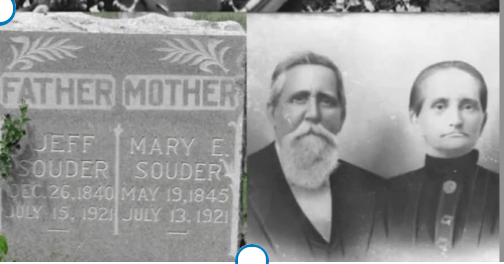
In the gentle stillness of Hurst, Texas, Thomas Jefferson Souder and Mary Ellen East Souder shared a quiet love. It spanned six decades. They were married for 60 years. They raised a family and cultivated a home. They remained inseparable through every upturn and downturn of life.
July 1921 brought a cruel twist. Both fell victim to “the flux.” It was a brutal wave of gastroenteritis. It was so swift that it swept Mary Ellen away first, on July 13. Thomas Jefferson, already weakened, succumbed to grief and illness just two days later on July 15.
The community mourned—especially those who believed no bond was stronger than theirs. So it was decided: they would rest together, side by side, in a unique double coffin. Their shared burial echoed their life—inseparable, even in death.
Newspapers of the day captured the sentiment well. The Fort Worth Star-Telegram, on July 16, headlined their story: “Death fails to Separate Couple Wed 60 Years.” They honored not just the passing of two individuals. It was a love that truly endured it all.
More than a century later, their story endures. It is not a tragedy but a testament. True devotion can span lifetimes. It quietly reminds us that love, in its purest form, touches eternity.
Fact-Checked Details
Thomas Jefferson Souder and Mary Ellen East Souder were married for about 60 years. They passed within a couple of days of one another in July 1921 (1).
Mary Ellen died on July 13, 1921, and Thomas Jefferson followed two days later, on July 15, 1921(2).
Their cause of death was identified as dysentery. It was referred to at the time as “the flux.” This is a severe form of gastroenteritis (3).
Both were well-known pioneers of Hurst in Tarrant County, Texas. They were buried together in a double coffin. It was a striking symbol of their lifelong unity (4).
Their joint burial made front-page news in the Fort Worth Star-Telegram on July 16, 1921, under a headline expressing how “Death fails to Separate Couple Wed 60 Years”
Jeannie Seely’s 5,398th Opry Show” Set for August 14 at Grand Ole Opry House
1–2 minutes
A public Celebration of Life will honor Grand Ole Opry star and country music icon Jeannie Seely. It will be held Wednesday, August 14 at 10:00 a.m. CT at the Grand Ole Opry House in Nashville. Fittingly titled “Jeannie Seely’s 5,398th Opry Show,” the service will pay tribute to her unmatched legacy.
Jeannie Seely passed away on Friday, August 1 at age 85, after complications from an intestinal infection. She held the record for most Opry appearances in history — 5,397 — a milestone unlikely to ever be surpassed.
Tributes from the Country Music Community
Many stars shared heartfelt words:
Ricky Skaggs:“She made nervous newcomers feel at peace. We can all take her lead and encourage the next generation.”
Pam Tillis:“She had grit, wit, talent—and she was cool.”
Larry Gatlin:“She was my champion and inspiration. I miss her already.”
John Anderson, Ray Stevens, Mark Chesnutt, Darryl Worley, Billy Dean, and others echoed similar admiration, love, and deep loss.
Legacy
Nicknamed “Miss Country Soul,” Jeannie Seely broke barriers for women in country music. She was the first woman to regularly host Opry segments. She is also a GRAMMY winner and a BMI-awarded songwriter. Additionally, she has been an Opry member since 1967. Her songs were recorded by legends. These include Merle Haggard, Dottie West, and Willie Nelson. She also shared the screen with Willie Nelson in Honeysuckle Rose. In 2022, she was honored for her historic number of Opry performances. A stretch of road near the venue was renamed the Jeannie Seely Interchange in 2024.
Instead of Flowers
Donations in Jeannie’s name are encouraged to pet-related charities or the Opry Trust Fund: opry.com/about/opry-trust-fund
To start viewing events from Jeannie’s life, visit her website here. You can see the music she shared, events celebrated, and the people she loved.
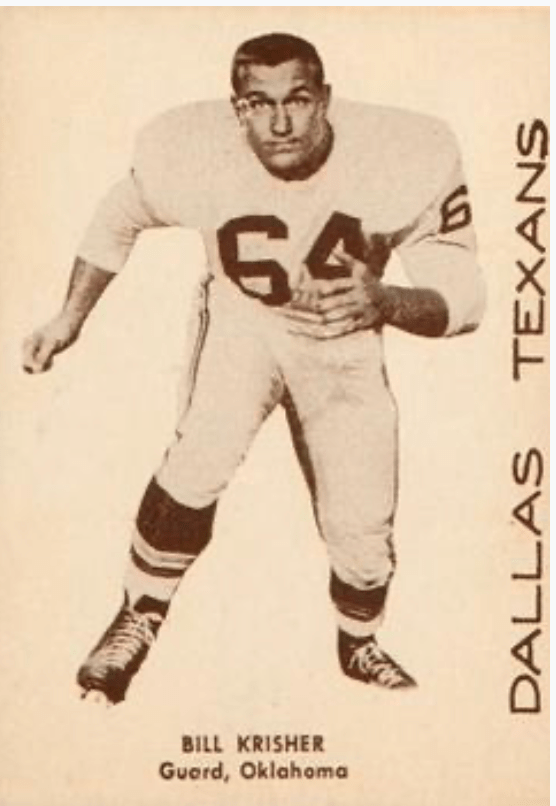
William Irwin “Bill” Krisher (September 18, 1935 – 2025, age 89)
William Irwin Krisher, known to football fans as Bill Krisher, passed away in 2025 at age 89 (1).
He was born on September 18, 1935, in Perry, Oklahoma. He grew up in Midwest City. He developed into a standout lineman for the University of Oklahoma under coach Bud Wilkinson (2).
Krisher’s college career was decorated. He earned consensus All-American honors in 1957. He helped the Sooner’s win consecutive national championships in 1955 and 1956 3.
Selected in the third round of the 1958 NFL draft, he played for the Pittsburgh Steelers before moving to the AFL’s Dallas Texans (now Kansas City Chiefs), where he was named to the All‑AFL Team in 1960 and honored as a division All‑Star in 1961 4
Off the field, Krisher dedicated himself to faith and mentorship. He was an active member of the Fellowship of Christian Athletes and served as its southwestern regional director by the mid‑1970s 5
Bill Krisher leaves behind a legacy of excellence in collegiate and pro football. He dedicated his life to uplifting others through faith and service.
He is remembered by family, teammates, and athletes inspired by his example.
Helen Cornelius (December 6, 1941 – July 18, 2025) was the deeply cherished voice of classic country. She was the beloved duet partner to Jim Ed Brown. She passed away on July 18, at the age of 83 FacebookThe Sun Set TV. She was born as Helen Lorene Johnson in Monroe City, Missouri. She was raised on a farm where music flowed naturally in her family. She joined her sisters Judy and Sharon in a local singing trio before forming her own band, The Crossroads.
Cornelius’s early career blossomed in the late 1960s. She worked as a songwriter signed to Screen Gems Music. She penned songs recorded by artists like Barbara Fairchild and Connie Smith Wikipedia+3Wikipedia+3The Sun Set TV+3. After a brief stint with Columbia and MCA Records, her life’s defining moment arrived in 1976. Teaming up with Jim Ed Brown, she recorded “I Don’t Want to Have to Marry You.” It was a No. 1 country smash. This success launched a string of hit duets. These include “Saying Hello, Saying I Love You, Saying Goodbye.” They also include “Lying in Love with You” and “Fools.” There are more HistoryForSale+7Wikipedia+7Country Music Hall of Fame and Museum+7. Their chemistry was undeniable. It earned them the Country Music Association’s Vocal Duo of the Year award. This accolade came in 1977 Country Music Hall of Fame and Museum.
Cornelius also enjoyed solo success. This includes her charting single “Whatcha Doin’ After Midnight Baby.” She toured with iconic acts like The Statler Brothers. She later brought her signature warmth to stage shows. This included a stint in the musical Annie Get Your Gun. She also opened the Nashville South venue in Gatlinburg HistoryForSale+3Wikipedia+3The Sun Set TV+3. In the 2000s, she became a Branson favorite at the Jim Stafford Theater. She made frequent appearances on RFD‑TV’s Country’s Family Reunion series Facebook+5Wikipedia+5The Sun Set TV+5.
Helen was recognized not just for her pure, heartfelt voice. She was also acknowledged for her humility and graciousness. Moreover, the undeniable bond she shared with Jim Ed Brown on stage and in life was noteworthy. Even after their professional split in 1981, she remained a steadfast presence in country music. They reunited for a 1988 tour. She continued to be a steadfast presence in country music 98.1 – Minnesota’s New Country+4Wikipedia+4The Sun Set TV+4.
She is survived by her loving family and legions of fans who still cherish those golden harmonies. Helen Cornelius’s legacy lives on in every record, performance, and the countless artists she inspired. She will be remembered as one of country music’s finest voices. She was a true steward of its heart.
Continued Connection: Remained active in the community through Country’s Family Reunion and Branson theater gigs YouTube+4Wikipedia+4Wikipedia+4.
Her passing marks the end of a storied chapter in country music. Her voice—filled with warmth, purity, and grace—will continue to echo for generations. Rest in harmony, Helen Cornelius.
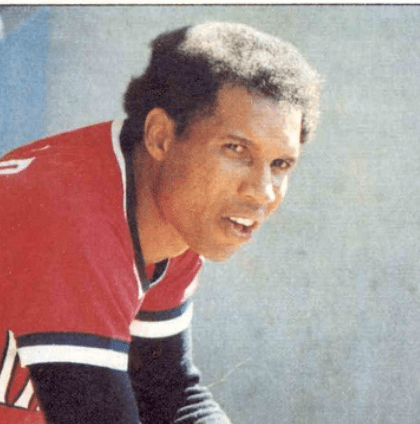
Horace Speed (1951–2025): Former Major League Outfielder Remembered for His Speed and Perseverance
Horace Speed
Horace Solomon Speed was a former Major League Baseball player. He was known for his blazing speed and quiet determination. He passed away on May 26, 2025, at the age of 73.
Born on January 22, 1951, in Pasadena, California, Speed was a standout athlete from an early age. The San Francisco Giants drafted him out of Pasadena High School. This was during the Major League Baseball’s round of the 1969 June Amateur Draft. Speed spent most of his professional career in the minor leagues. Nonetheless, his dedication to the game paid off. He finally broke into the majors with the Cleveland Indians.
Speed made his MLB debut on September 14, 1975, and played parts of three seasons with the Indians. Throughout 62 games, he was often utilized as a pinch runner and reserve outfielder, capitalizing on his hallmark speed. While his offensive stats — a .140 batting average, seven stolen bases, and eight runs scored — show limited playing time, his presence was valuable. He made significant contributions in late-game situations, particularly on the bases.
Speed’s journey through professional baseball was a testament to resilience. He spent nearly a decade in the minors. Before reaching the major leagues, he served as a model of perseverance for countless aspiring athletes. His career was modest in statistical output. Nevertheless, it remains a testament to hard work and patience. It inspires all who hear his story.
After retiring from baseball, Speed largely stayed out of the public eye, living a private life away from the spotlight. His modesty stands out. He has made significant contributions to the sport. This modesty is a reminder of the humility that can be found in even the most accomplished individuals.
Horace Speed’s passing marks the loss of a quiet but determined competitor. His journey inspired those who watched him run, hustle, and chase his dreams. He is remembered for his achievements on the field. More importantly, he is remembered for the character he displayed in getting there.
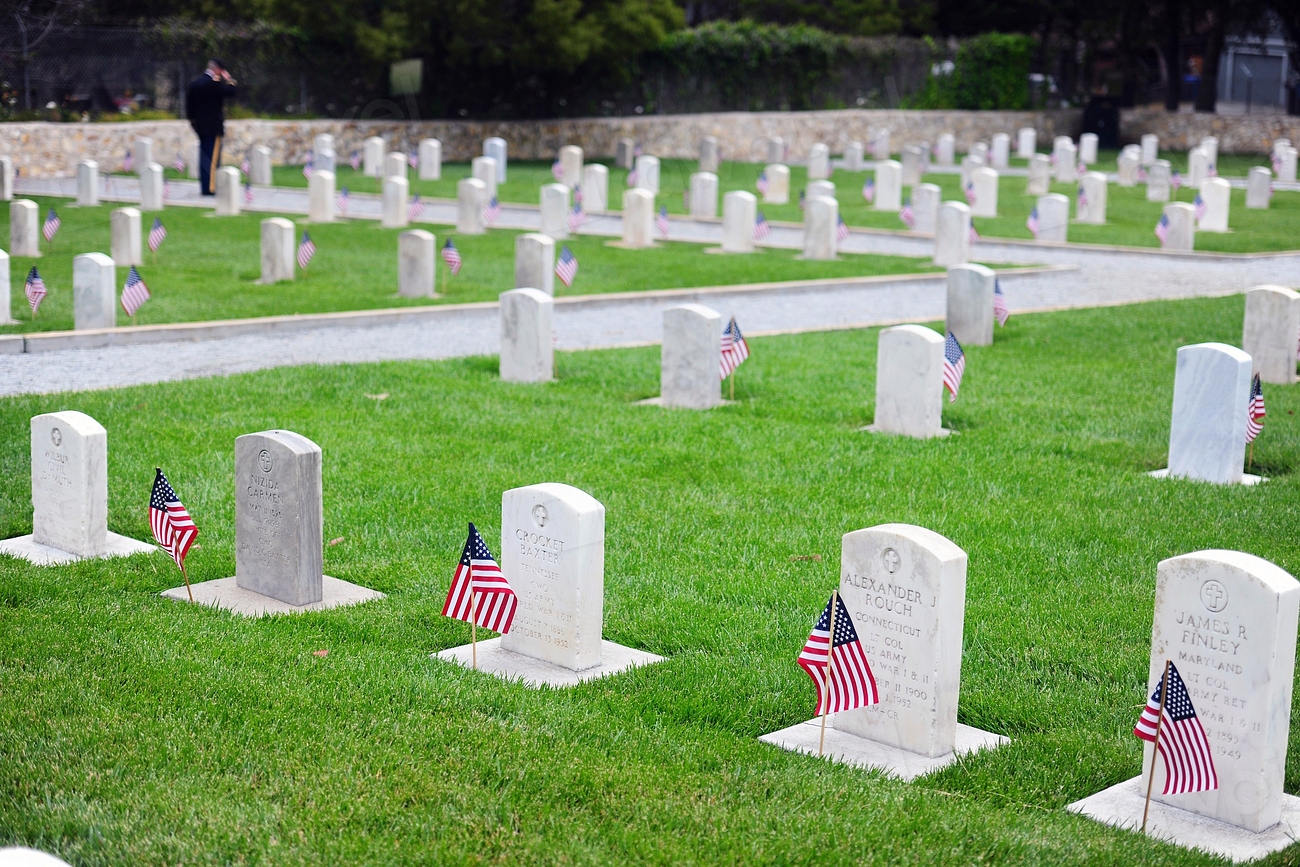
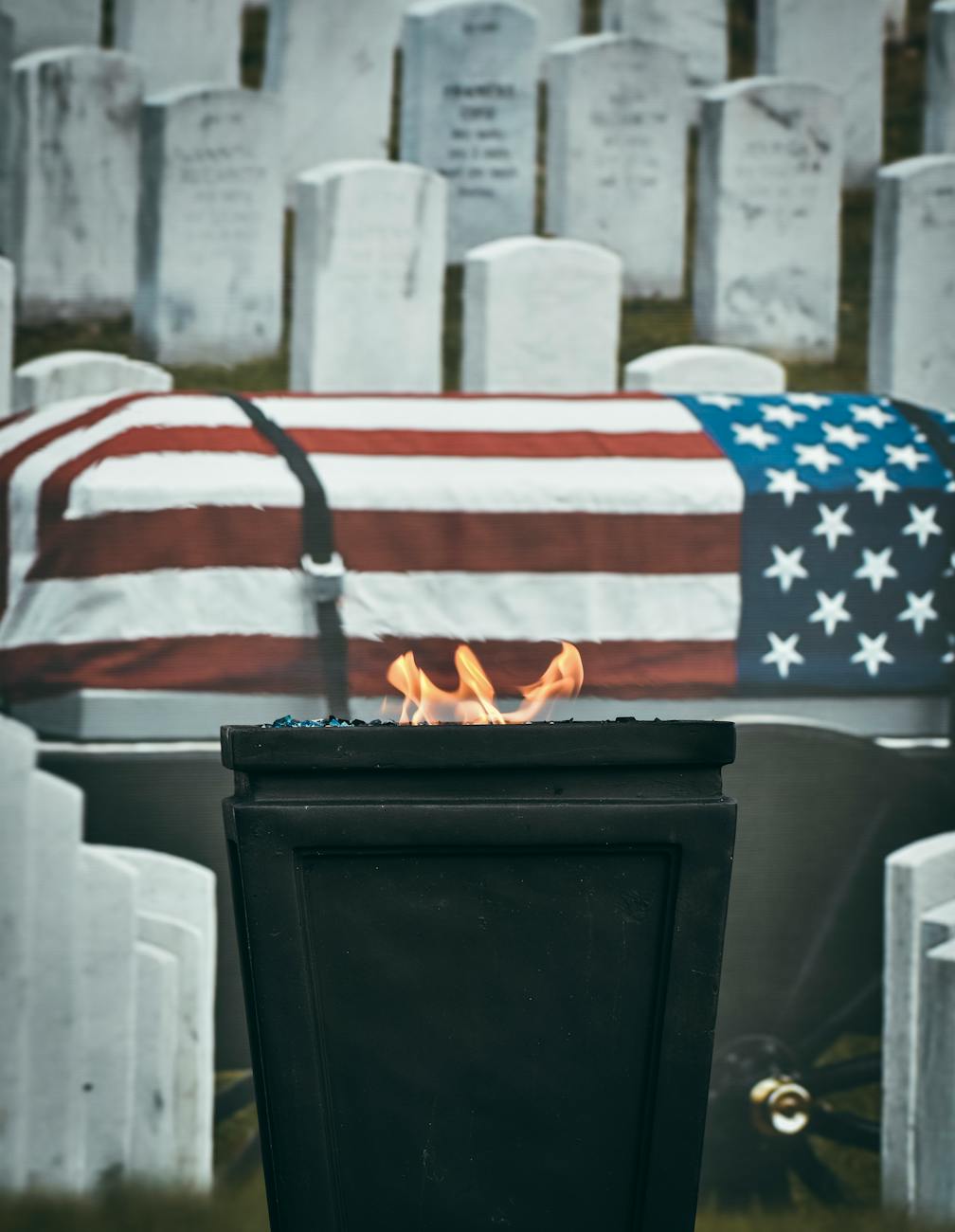
May 26, 2025 — Americans across the country gather for cookouts, beach trips, and retail sales this Memorial Day. Veterans and historians urge the public to remember the true meaning of the holiday. It is a solemn day of remembrance for those who died while serving in the United States Armed Forces.
Originally known as Decoration Day, Memorial Day was first widely observed in 1868. This was after the Civil War. Citizens and soldiers alike placed flowers on the graves of the fallen. Today, it is often confused with Veterans Day. Veterans Day honors all who served. Memorial Day is for those who made the ultimate sacrifice.
For many, the long weekend signals the unofficial start of summer. For Gold Star families—those who have lost a loved one in service—it’s a day marked by grief. It is also a time for reflection and pride.
“We don’t want people to stop enjoying their freedom,”
said Angela Cruz, whose son died in Afghanistan in 2011.
“But we hope they understand that someone paid for it.”
Surveys reveal a worrying trend. A growing number of Americans are unaware of the distinction between Memorial Day and Veterans Day. This is especially true for younger generations. A 2024 Pew Research poll found that nearly 40% of adults under 30 were unclear about Memorial Day’s purpose.
Historians warn that this disconnect risks eroding public understanding of military sacrifice.
“When people forget the meaning of Memorial Day, they forget about those who gave their lives in service. They overlook their sacrifice,”
said Dr. Robert Ellis, a military historian at Georgetown University.
“It’s not just a history lesson—it’s a civic responsibility.”
Efforts are underway to restore the day’s original intent. Many veterans’ organizations are promoting the National Moment of Remembrance, a voluntary pause at 3 p.m. local time on Memorial Day to think in silence. Schools and communities across the country are bringing back traditions. They are visiting cemeteries and laying wreaths. They are also reading the names of fallen service members.
“We want people to barbecue, to be with family, to enjoy America,”
“But we also want them to take a moment—just a moment—to remember why they can.”
The nation marks another Memorial Day. Veterans and families hope that Americans will go beyond the sales. They want people to go beyond the celebrations. They wish everyone would take time to honor the names, stories, and legacies of those who never made it home.
André Thomas Halyards, known artistically as Dre Love, was a central and pioneering figure in Italian hip hop. He has passed away in Florence at the age of 55.
Dre Love was born in the Queens borough of New York City. He became a Florentine by adoption in the 1990s. Dre Love was a versatile artist: DJ, rapper, beatmaker, songwriter, and tireless collaborator. He had a gritty voice and unmistakable style. He brought the groove and soul of African American funk into the sounds of Italian hip hop. This helped to write some of its most authentic and vital chapters.
Dre Love arrived in Italy in the early 1990s. He made his home in Florence. This city would shape both his artistic and personal journey. There, he joined Radical Stuff, one of Italy’s very first hip hop groups. He became a living bridge between American street culture and the emerging urban scenes taking shape across the country. He was also a member of the collective Messaggeri della Dopa. He helped to redefine Italian rap with a style that blended social consciousness. His approach also incorporated sophisticated musicality and spirituality.
His Collaboration with Neffa
Dre Love’s name is often linked with Neffa, with whom he collaborated on the Campanian rapper’s first two albums. He worked with a wide array of Italian and international artists. These include Irene Grandi, Alex Britti, Almamegretta, DJ Gruff, DJ Enzo, Gopher D, Reggae National Tickets. His collaborations even touched on the soul-funk sound of Jamiroquai.
Dre Love was never just a guest artist. He was a true collaborator in the deepest sense. He was an artist who opened doors. He created connections between musical worlds that seemed far apart. A messenger who made every beat, every bar, a statement of purpose. His music was a captivating blend of rap, funk, soul, and electronic experimentation. It was deeply rooted in a visceral respect for African American culture. His work always pushed toward innovation.
With his band, Dre Love delivered live performances. The band featured talented Italian musicians like Diego Leporatti (drums), Gianni Pantaleo (keyboards), and Niccolò Malcontenti (bass). It also included Tiziano Carfora (percussion), Andrea Rubino (guitar), Leandro Giordani (saxophone), and Emanuele Campigli (trumpet). Each performance was a true sonic journey through the past, current, and future of Black music.
Unlike the other famous “Dre” in hip hop history, Dr. Dre, Dre Love built his legend in a different way. He did not do it through the spotlight of the music industry. Instead, he made a direct impact with audiences, scenes, and people. He didn’t seek confrontation, but dialogue. Not profit, but connection. Where Dr. Dre of Compton made significant changes in hip hop with The Chronic, he further transformed the music industry with Beats. In contrast, Dre Love revolutionized hearts and stages, leaving an indelible mark on the history of Italian rap.
(By Paolo Martini)
A Tribute from Casino Royale
“Just a little while ago, a ‘great’ one made the big leap. This was a soul who gave so much. He contributed both humanly and in terms of sound and attitude to the Italian scene. Casino Royale was never a hip hop project. Still, we had the privilege of crossing paths with many figures. These figures made history in this country’s hip hop culture. Dre Love was one of those. He will always stay in our Olympus of demigods. We had the honor of meeting such people.
Every time we crossed paths, there were genuine hugs. They were full of mutual respect. We always promised that one day, we’d play that game together. It’s the game that becomes a mission for those who feel the responsibility. They also experience the joy of doing things a certain way.
ROCK ON!!! That was his goodbye. ‘The sky is the limit’—fly light, Dre Love. See you on the other side.”
(From a post published by Casino Royale on Facebook)
My mother will turn 95 this August—if she makes it that far. Of the six siblings, only my youngest sister and I have cared for her in her old age. Two of the others gradually drifted away after our father passed. They chose, for their own reasons, to cut contact year by year. The two oldest brothers have both died in recent years.
My mother has always had a sharp mind and a strong, toned body. She was constantly on the move, always busy. Even into her 90s, she remained active and mentally alert. But over the past year, she’s started to slip. She now experiences episodes of sundowning. During these moments, she loses track of what she’s saying. She also becomes unaware of where she is or where she’s been.
She now lives far away from me. Our once hour-long phone conversations, filled with talk of daily life, have been reduced to five minutes or less. Her thoughts drift. She forgets what we’re discussing, where she is, or even who she’s speaking with.
The next is a piece shared with me by KJ Stafford, titled “Cleaning Nana’s House.” It resonated deeply. My sisters and I cleaned the house we’d all grown up in. This was before my mother moved in with me for several years. She later moved in with my sister, where she now lives. Stafford’s words capture an experience I believe many can relate to, and with her blessing, I’m sharing it here.
CLEANING NANA’S HOUSE
BY: KJ Stafford
In January of 2024 we moved my Nana into my parents house. Her health was failing, and so was her mind. She was no longer able to live alone anymore and she hated that fact. The woman had been independent her entire life. And now at 90 years old she was forced to be cared for. She could no longer take care of herself. I remember the thought hurting my heart.
Fast forward to February 2025, I held her hand hours before she passed. I had never experienced death in that way before. Don’t get me wrong, I’ve dealt with death- both grandpa’s, aunts, uncles… but this was different. It had never been so in my face the way this was. I had never been physically there, witnessing the deterioration every day, every hour. I had never actually watched death slowly take someone. They are memories that will be buried inside my brain until death comes for me. Descriptions that will never make it down on paper ––
April 25th 2025: We piled in our cars, drove the 7 hours to my Nana’s house and began the task of clearing out our memories to make room for someone else’s. My Nana had lived in that house for over 50 years. My mom grew up there. My siblings and I spent weeks there during the summer and until 2024 every Thanksgiving of my life was spent in that tiny dining room around the round, antique wood table. The kitchen looks as if it got stuck in the 70’s. Yellow countertops remind me of sunflowers. The floor is tiled and worn from years of cooking. Years of family gatherings. Years of love. There’s the iconic green couch that sits in the living room…or sat- now it will be given to another family. Moved into a different living room after sitting comfortably in it’s corner for all of these years.
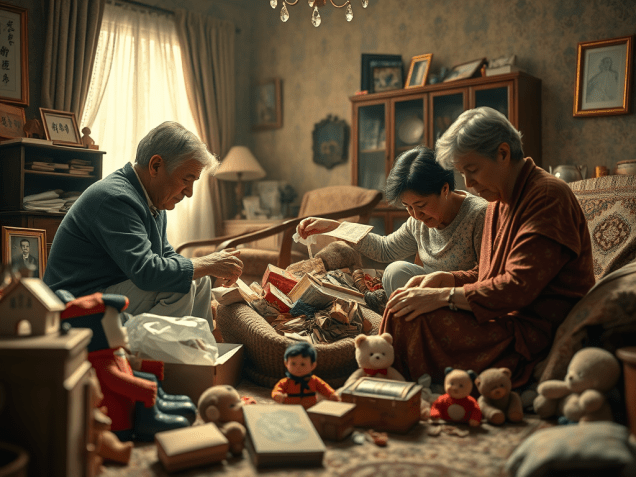
We found love letters from my Grampy to my Nana, boxes of old black and white photographs, ancient toys, jewelry, coats that have somehow found their way back in style, antique glass and trinkets galore. Each find triggering a specific memory. Each find making me wish I could go back 15 years ago. When I was just coming up for the week to visit. Instead of it being the last time within these cozy walls.
My Nana was by far the strongest woman I’ve ever met. She grew up in Canada, abandoned by her mother before she was 8 years old, left with an alcoholic for a father who was never around. She spent Canadian winters in their small, wooden shack often times by herself. Venturing out into the thick snow every so often to find more logs for the fire- the only thing keeping her warm enough to survive. Scavenging for scraps of food. Eventually being passed on and off to relatives, never having a home to call her own. Never truly feeling loved by a family….
Upon finally coming to America, she met her first husband. She married him when she was only 17 and had three children by the time she was 27. He was a drunk. He was a cheater. She deserved better. One night he got back a little too late, my Nana kicked him out. Divorced his ass. She was the talk of the town. It was unheard of at that time. What woman with three young children abandons her husband? A STRONG one, that’s who.
She set goals for herself. She knew she wanted to work at the University. She knew that is where she would meet someone else. And she DID. She worked hard until she got hired. And shortly after, she met my Grampy. The sweetest man to ever walk this earth. Years later they had my Mom. Without my Nana’s strength. Without her knowing her self-worth, I would have never existed. Had she not followed her intuition. Had she not trusted her gut, there would be no me. No family. And for that, I am forever grateful.
I like to think she gave me a little of that strength. I feel it within myself sometimes. It’s why I took Stafford as my pen name. I am so honored. Honored that I was able to grow up with her in my life. Thankful that I had her to teach me how to become a strong woman. I vow to live my life as my Nana did. Never accepting less than I deserve and never being afraid to put myself out there, take a risk, trust my gut and grow.
John S. Foster Jr., 102, Pioneering Physicist and Architect of U.S. Nuclear Deterrence, Dies
John Stuart Foster Jr. was a visionary physicist. His career spanned over eight decades of American scientific and defense innovation. He passed away on April 25, 2025, in Goleta, California. He was 102. (1)
Born on September 18, 1922, in New Haven, Connecticut, Foster was the son of renowned Canadian physicist John S. Foster Sr. He began his academic journey at McGill University, earning a Bachelor of Science degree in 1948. He later obtained a Ph.D. in physics from the University of California, Berkeley, in 1952. (2)
Foster’s skill during World War II was instrumental in developing radar and countermeasure technologies at Harvard’s Radio Research Laboratory. He served as a scientific advisor to the 15th Air Force in the Mediterranean Theater. This role further demonstrated his dedication to the war effort. (3)
In 1952, Foster was recruited by Edward Teller to join the Lawrence Livermore National Laboratory (LLNL). His leadership in nuclear weapons design at LLNL was groundbreaking. He eventually became the director in 1961. This leadership fostered a culture of innovation and collaboration that continues to inspire today.
From 1965 to 1973, Foster served as the Director of Defense Research and Engineering at the U.S. Department of Defense, advising four Secretaries of Defense and two Presidents. He championed advancements in smart weapons, night vision, and reconnaissance technologies. (4)
After his tenure at the Pentagon, Foster joined TRW Inc. as Vice President of Science and Technology, later serving on its board of directors. He remained an influential figure in national security. He participated in the Defense Science Board. He also joined the President’s Foreign Intelligence Advisory Board. Additionally, he served on the Commission to Assess the Threat to the United States from Electromagnetic Pulse (EMP) Attack. (5)
Foster’s contributions earned him many accolades. These include the Enrico Fermi Award and the Founder’s Award from the National Academy of Engineering. He also received multiple Department of Defense Distinguished Public Service Medals. He was also honored internationally. He received the Knight Commander’s Cross of the Order of Merit of the Federal Republic of Germany. He was named Commander of the French Legion of Honor. (6)
In recognition of his enduring legacy, LLNL established the John S. Foster Jr. Medal, awarded annually to individuals demonstrating exceptional leadership in national security science and technology. (7)
Foster is survived by his family and a legacy that continues to influence U.S. defense policy and scientific research.
A memorial service will be held at Lawrence Livermore National Laboratory. Instead of flowers, the family requests donations be made to the Livermore Lab Foundation in his honor. (8)
Thirty years ago, today, I was standing in a Federal Building when my pager went off. The screen lit up with all 9s—a code used to signal an emergency assignment. I needed to contact headquarters right away.
I had just stepped out of a federal courtroom in Denver, Colorado. Moments earlier, I had been inside, preparing to testify in a significant case involving a syndicated burglary operation. I’d been working undercover, embedded deep within their ranks. The courtroom was tense, but a recess had been called, and a few of us decided to grab coffee downstairs.
As we stepped into the elevator, my pager buzzed. I glanced around—no one else’s device had gone off. A sinking feeling set in, but I said nothing. When we reached the first floor, I peeled away from the group and went to a pay phone. I called my office.
My supervisor’s voice was grim on the other end of the line. A bombing had just occurred in downtown Oklahoma City. It was devastating—an entire city block destroyed, surrounding buildings heavily damaged. The scope of it was hard to fathom.
My first words were my gut instinct. If they’re still alive, the person who did this is already on the road, on one of the Interstates. They’re putting as much distance as possible between themselves and the blast. They’ll go until they feel safe, then hunker down and watch.
Shortly after that call, my pager buzzed again—this time from the Federal Prosecutor’s Office. They informed me that all federal court proceedings were being canceled nationwide. I wouldn’t be needed back in court that day.
With nothing more to do, I contacted relatives in Oklahoma to ensure their safety. Then, like so many others, I returned to my room. I sat glued to the television and watched the horror unfold in real time.
The next day, I waited to hear if I’d stay in Denver. I wondered whether I would be reassigned. Another page came in from my office. A state trooper had made a traffic stop north of Oklahoma City. The individual taken into custody matched a profile. My instincts had been right.
In the weeks that followed, the nation learned his name. I choose not to say it now. Some people deserve to be remembered. He is not one of them.
Now, on this Saturday, April 19th, 2025, it’s been thirty years. Half of the people living in Oklahoma City today were either not born or didn’t live there in 1995. The memory of that day is fading, becoming a chapter in history instead of a scar felt daily.
Many survivors have since passed. Families of the victims have grown older, some have gone entirely. Some of those in the building that day were too young to remember it now. The face of that tragedy has changed, but its weight remains.
The Oklahoma City Bombing was the first of two national tragedies I learned about while standing in an elevator. The second came years later, on a crisp September morning—9/11. I remember thinking about stairs a lot after that. Elevators started to feel cursed.
But I never gave in to fear. I always got back in and waited for the doors to close. I figured if I didn’t, they would win.
Grief is one of the most powerful and complex emotions we can experience. Yet, it’s often the least talked about, especially in front of children. But we must do it. Parents, grandparents, uncles, aunts, caregivers—everyone has a role in helping younger generations understand and process loss in healthy, open ways.
Why This Matters Now Is More Important Than Ever
I recently came across a meaningful article on the Modern Parenting Hub. The article offered guidance on how to talk to children. It also included advice on discussing grief with other family members. This instantly struck a chord with me. These conversations are difficult, yes, but incredibly important. This topic has come up often in my family. My father’s death nearly forty years ago has brought it up many times over the decades.
Despite the passage of time, some of my relatives are still coping with the ripple effects of that loss. It’s a reminder that unspoken grief doesn’t simply go away—it lingers, often silently, until we confront it.
The First Time I Saw My Father Cry
I’ll never forget the first time I saw my father cry. It wasn’t during a national tragedy or a close friend’s funeral. It was when we got the call that my grandmother, his mother, had passed away.
He and I were the first to arrive at my grandparents’ home. My grandfather sat slumped in his favorite chair, overcome with sorrow. My father leaned down and embraced him. Through his sobs, my grandfather whispered:
“We lost Ma Ma.”
My father’s tears came swiftly—tears of deep, unfiltered grief. Until then, I had only seen him cry from laughing too hard at his jokes. This was something entirely different. Something raw. And it changed the way I viewed him.
Grief in Unexpected Places
Years later, when my uncle died in a tragic car and train accident, I saw my parents overwhelmed again. It wasn’t until my father’s funeral that I fully grasped the impact grief can have. Children must witness honest expressions of grief.
My father was a deeply loved man. He had a large circle of close friends. We chose fourteen pallbearers. This number was still too small to honor everyone who had loved him.
The group included cowboys, law enforcement officers, linemen, ranchers, farmers, and local business owners. These men were known for being tough, stoic, and strong. Only family and pallbearers remained in the church during a private moment after the public service. I watched those same hardened men. They broke down in tears.
They weren’t quietly dabbing their eyes. They were crying. Fully, openly, and without shame.
The Lesson I’ll Never Forget
That moment stayed with me. It showed me that strength and vulnerability are not opposites. The ability to express emotion—especially grief—is one of the most courageous things we can do.
I often say that my father’s funeral was the day I learned it was okay for grown men to cry. And I believe that’s a lesson we need to pass down. Our children need to see that real strength includes compassion and empathy. It also consists of the willingness to mourn openly when we’ve lost someone we love.
Bringing Grief Into the Conversation
Grief is universal and should be discussed across all generations. When we make space for these emotions, we also make space for healing. Children gain from understanding that sadness is a natural response to loss. It doesn’t need to be hidden or avoided.
Resources like the Modern Parenting Hub are essential in guiding families through these complex moments. I’ll share their piece with my readers and loved ones, and I encourage you to do the same.
Final Thoughts
Grief doesn’t follow a timeline. It doesn’t play by the rules. We can talk about it. We can face it together. We can help each other navigate the path it carries through our lives. Let’s teach our children that tears are not signs of weakness—they are signs of love, humanity, and deep connection.
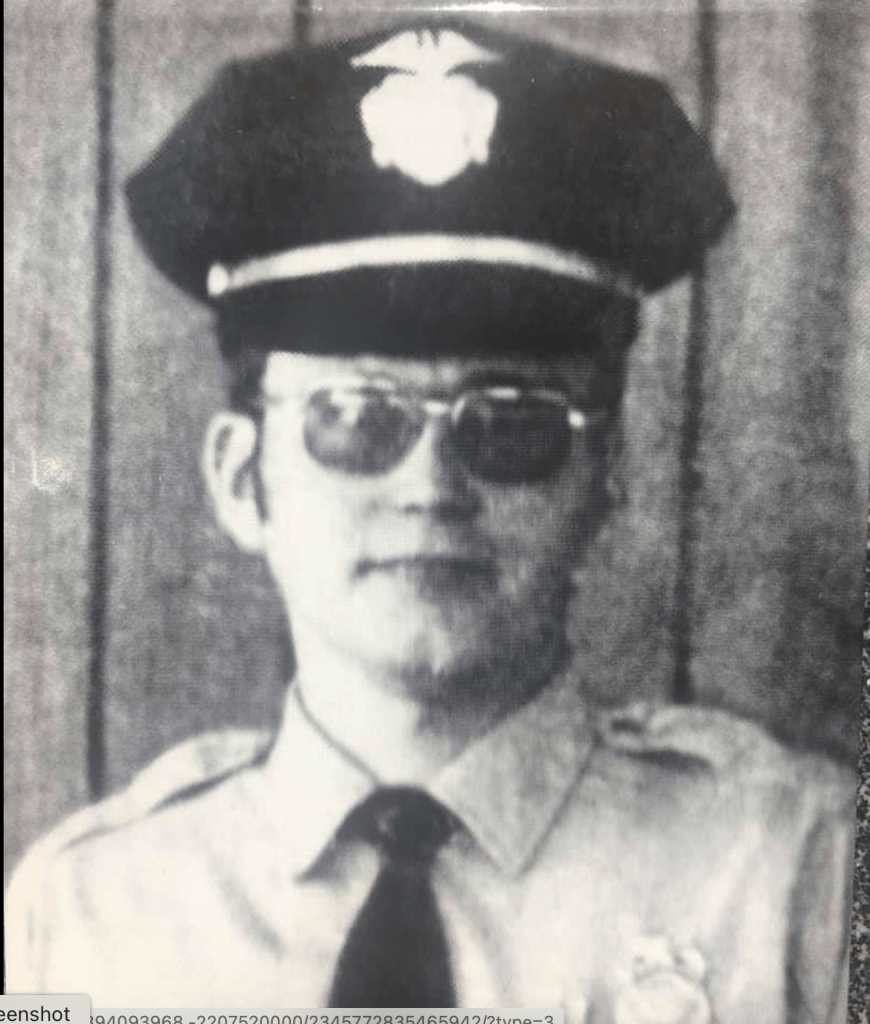
Steve Mahan was a laid-back guy — the sleepy type. He rarely overreacted, and getting him excited about anything was hard. One day, Sgt. Mahan responded to a bomb threat at a local school. When he found the suspicious device, he calmly picked it up. He put it in the trunk of his patrol car. Then he drove it back to the police station.
He carried it inside without much fuss and placed it on the booking counter.
I had never seen the top brass lose it all at the same time. The Chief, the Major, and the Captain were all upset at once. They cussed and yelled in perfect unison, ordering Mahan to promptly take the device back outside. Then they called the fire department, which, ironically, was located right next door.
The fire department’s first response?
“Have him bring it over.”
The Chief shut that idea down on the spot.
If I remember right, Mahan took it to the shooting range. The three top brass joined him there with rifles in hand. They tried to get it to explode.
It turned out to be a dummy.
Thankfully, it was because I was working on the other side of that booking counter the whole time.
Sgt. Steven Mahan was killed in the line of duty on January 5, 1983. That night, his girlfriend was working at the police department. Another female dispatcher was also there. He drove upon an armed robbery in progress at a local hotel. Unbeknownst to him, he was moving into an ambush.
After handing over the cash, the hotel clerk ducked behind the counter and observed the unfolding scene. She promptly called the police, reporting that an officer had been shot in the head. She couldn’t recognize the unit number but noted the word “Supervisor” on the vehicle’s front panel.
Upon realizing it was him, Sgt. Mahan’s girlfriend became understandably distraught. The other dispatcher maintained composure under extreme pressure. She coordinated response units. She relayed critical information from the hotel clerk to surrounding agencies. The suspects were taken into custody within the hour thanks to swift action and coordination.
Sgt. Mahan had been overpowered and shot in the head with a .25 caliber pistol, then fatally shot again in the back of the head with his service weapon. The officers rushed him to the local hospital in the back of a patrol unit. Dense fog made air transport impossible. An ambulance was then dispatched for the nearly three-hour drive to the nearest trauma center. It traveled through whiteout conditions with visibility near zero.
I arrived at the station about an hour after the shooting. I was designated as the point of contact for media outlets. They were calling nonstop. I remained in contact with the ambulance, his girlfriend, and a fellow officer riding alongside Sgt. Mahan. The driver reported struggling to reach even 35 mph on the fog-covered interstate.
Killed In The Line Of Duty – Elk City, Oklahoma
Roughly thirty miles from the trauma hospital, I heard the ambulance driver radio for local police assistance. They needed help to reach the nearest hospital. The ambulance had to exit the highway. I knew what that meant. I called the Chief’s office. I delivered the news. We had just lost our first officer in the line of duty.
Official Summary –
Bobby Lynn Ross was convicted of the 1983 murder of Elk City Police Sgt. Steve Mahan, who was 30 years old at the time. Two co-defendants were also convicted of second-degree murder in connection with the case.
On January 5, 1983, Sgt. Mahan was conducting a routine check when he drove up to the Los Quartos Inn in Elk City, Oklahoma. Unbeknownst to him, an armed robbery was already in progress. Mahan interrupted the robbery, during which Bobby Lynn Ross had already threatened to kill the motel clerk.
Ross disarmed Sgt. Mahan and ordered him to lie on the ground. Although the officer complied, Ross shot him multiple times at close range with a .25-caliber pistol—then took Mahan’s service weapon and shot him again.
Ross was convicted of first-degree murder and robbery with firearms on October 21, 1983.
During a failed clemency hearing before the Oklahoma Pardon and Parole Board on November 19, Ross asked for forgiveness. He addressed Mahan’s family. He claimed he had changed. Sgt. Mahan’s daughter, who was only 18 months old when her father was killed, submitted a heartfelt letter to the board:
“I missed out on all the opportunities that most children had. My father was stolen from me before I even had a chance to know him. My father was doing his job, not out trying to disrupt people’s lives. All I ask for is justice to be served.”
That night, Elk City police detective Jim LaFarlette sped through the darkness. His dying colleague was in the back of a patrol car. A family lost a son. A child lost her father. A community lost a hero.
“We all under the badge were deprived of a brother,”
LaFarlette said of the murder of Elk City police Sgt. Steven Mahan on Jan. 5, 1983. Ross was put to death by lethal injection on December 9th, 1999. Ross had lived 11 years longer than Mahan was allowed.
It was the day of Bobby Lynn Ross’s execution. I called Elk City Police Chief Bill Putman to confirm that the execution was moving ahead. He assured me that it was. He informed me that he and Officer Jim LaFarlette would attend to witness it themselves. Indeed, they did.
Gordon Faith, a distinguished actor and voice coach, has passed away at 94 in Tyne, England. Gordon was born in 1931. His passion for the performing arts led him to a successful career on stage and screen. He also held a respected position as an educator in voice and speech.
Gordon’s acting career spanned several decades, with notable performances in London’s West End productions.
He appeared as a Neighbor in “Bye Bye Birdie” in 1961. He portrayed the Cantor in “Bar Mitzvah Boy” in 1978. His television credits were extensive. He took roles in “Doctor Who,”“The Liver Birds,” and “War and Peace.” He also acted in “When the Boat Comes In,”“Z Cars,”“Crossroads,” and “Colditz.”
Beyond his acting accomplishments, Gordon was deeply committed to the art of voice and speech. He studied under Cicely Berry. She was the esteemed voice coach for the Royal Shakespeare Company. He furthered his skills with phonetics specialist Greta Colson. Gordon shared his knowledge through teaching positions at several institutions. These included the Guildford School of Acting, the Webber Douglas Academy, Rose Bruford College, and Mountview Drama School. He was Head of Voice at the London Academy of Performing Arts and London’s Method Studio. Gordon’s dedication to voice coaching extended to private clients. He offered guidance in interview techniques, vocal projection, elocution, and stage confidence. His students included aspiring actors, business professionals, and individuals seeking to enhance their communication skills.
Colleagues and students remember Gordon for his exceptional ability to convey the importance of bodily support in voice production. Actress and playwright Naomi Willis remarked,
“Gordon is brilliant at conveying how every part of the body must support the voice for it to be strong.”
Gordon Faith’s legacy in the performing arts is invaluable. Those who had the privilege of learning from him will cherish his influence in voice coaching communities. Those who worked with him will also hold his influence dear.
Harold Whitman woke before dawn, just as he had done for countless mornings. He stretched his aching limbs, feeling the stiffness permanently occupying his bones. The old house was quiet. Only the refrigerator’s soft hum and the occasional creak of settling wood were heard. This familiar symphony accompanied his every awakening.
He shuffled to the kitchen, brewed a pot of coffee, and sat at the window. He watched the sunrise paint the morning sky in shades of orange and pink. He savored the moment. The cup’s warmth was in his hands, and the faint aroma of the beans filled the air. His late wife had always loved those beans.
Today, he decided, would be a good day.
After breakfast, Harold walked to the park, as he had done for decades. He fed the ducks at the pond. He nodded to the joggers and dog walkers. They had become familiar faces over the years. These interactions, though brief, were like tiny rays of sunshine in his otherwise solitary life. A young boy, no older than six, waved at him from the swings. Harold smiled and waved back.
At the corner store, he bought a piece of his favorite caramel candy and an extra for the cashier. Marisol, a sweet girl, constantly reminded him of his granddaughter.
“You spoil me, Mr. Whitman,”
she said, laughing as she unwrapped the treat.
“Someone’s got to,”
he replied with a wink.
In the afternoon, he visited the cemetery. He sat on the bench beside his wife’s headstone, tracing her name with his fingers. The silence of the place soothed his soul. He felt a strange comfort thinking about joining his wife.
“I think I’ll be seeing you soon,”
he murmured.
“Maybe later tonight.”
There was no fear in him—just a quiet knowing.
Before heading home, he stopped by the diner, ordering a slice of apple pie and a cup of black coffee. The waitress, Lucy, patted his shoulder.
“You always get the same thing,”
she teased.
“Because I know what’s good,”
he said with a grin.
That evening, Harold sat in his favorite chair by the window, where the sunset bathed the room in golden light. He opened a book, though he barely read the words and content to hold it.
When sleep came, it was gentle, like slipping into a warm embrace.
Harold’s heart gave its final beat, and he sighed with quiet satisfaction. His last day had been good, a testament to the peace and acceptance that filled his heart.




















 benandsteve.com